Calisthenics back workout routines are a powerful and accessible way to build a strong, defined back without the need for heavy weights or complex equipment. You won’t even need a gym membership. By leveraging your body weight, you can effectively target muscle groups to improve your postural control or increase muscle size and strength. Calisthenics offers a versatile approach to back training that’s suitable for beginners and advanced athletes. Keep reading to learn some of the most effective exercises to target the back and plenty of tips to get the most out of your workouts.
Can You Build Your Back with Calisthenics?
Yes, calisthenics can help you build a strong and defined back. Exercises such as pull-ups, chin-ups, and inverted rows will target the muscles in your back and stimulate growth, in the same way using weights would. Staying consistent and adding progressive overload by increasing reps, sets, and difficulty over time will help you continue to improve(1).
Can Calisthenics Fix Posture?
Contrary to outdated medical advice and the general media, no posture is inherently “good” or “bad”. Research has shown that postural variability is the most important factor for reducing posture-related pain, injury, and dysfunction. Therefore, no modality or form of exercise can help you achieve “good” posture, as there’s no such thing. However, postural awareness, postural control, and postural stability are all improvable factors that exercise (including calisthenics) and education can help with. These things contribute to the avoidance of prolonged postures that may lead to problems.
What Are the Best Calisthenics Back Workout Routines?
Creating a calisthenics back workout routine involves combining a variety of exercises to target different parts of the back. The specific exercises, number of reps, and sets for each can vary depending on your skill level. Contact your physician to ensure you don’t have any underlying health issues and get advice on what type of exercises you can do(3).
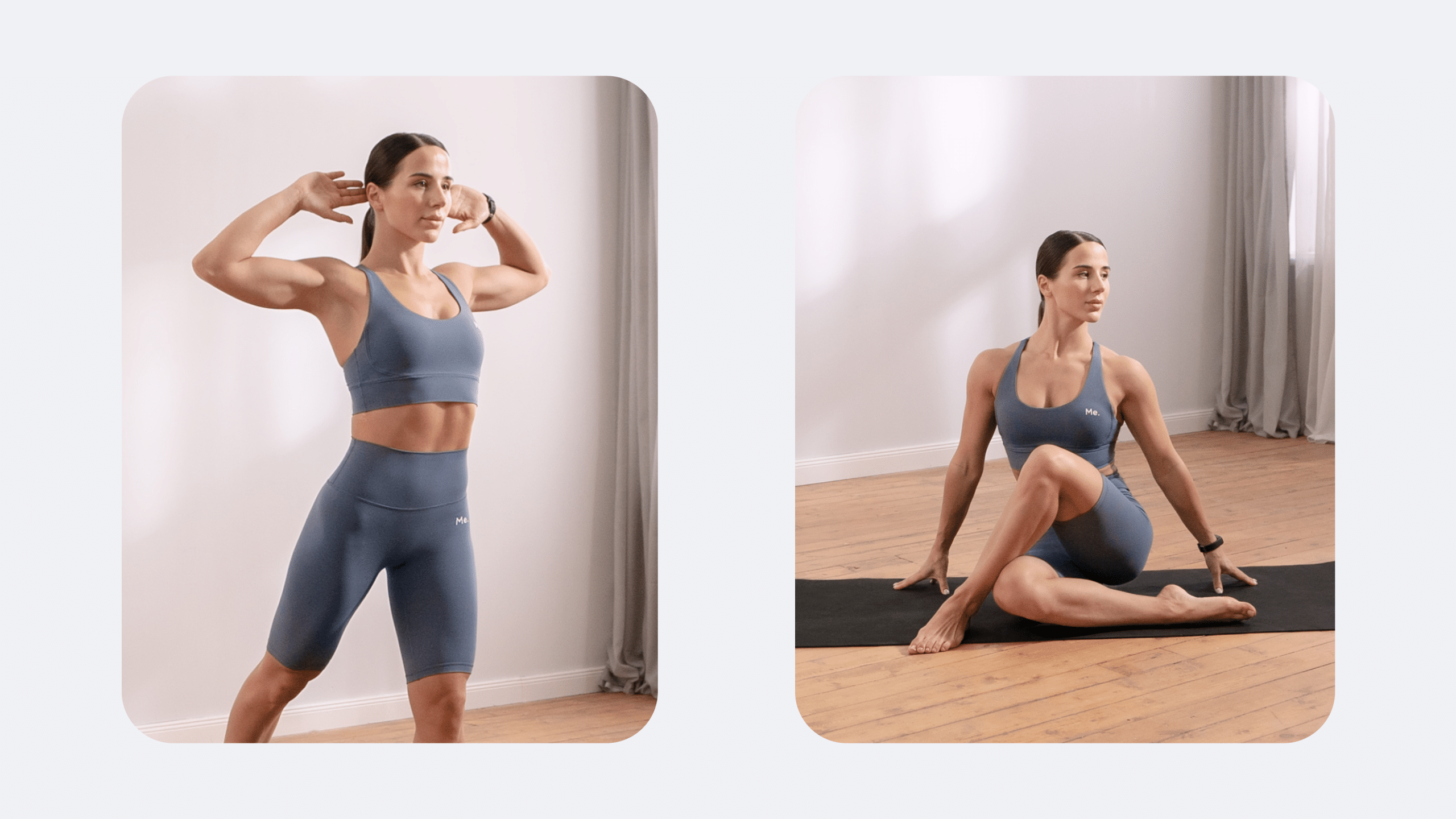
Tips for Developing a Calisthenics Back Workout
- Determine your goal. If you’re aiming for muscle growth, you’ll require a different routine than if your goal is endurance.
- Set specific but attainable goals, such as doing three more pull-ups per session in 3 months.
- Focus on using proper form.
- Decide how many days per week you can realistically commit to working out. Aim to start with 2 -3 times per week and focus on different muscle groups each day. As you gain more experience, you may wish to increase your overall training frequency, although you’ll need to continue to make sure you’re training all major muscle groups and not overstressing specific ones.
How to Work Out Your Back with No Equipment?
Calisthenics provides an effective way to target the back muscles to stimulate growth and increase strength. Several exercises are available, and you can increase the reps, sets, and difficulty to add progressive overload for continued gains.
How to Train the Upper Back with Calisthenics
Reverse Snow Angels
Muscles Targeted: Traps, rhomboids, rear deltoids
- Lie face down on the floor with your arms extended out to the sides.
- Lift your arms, chest, and legs slightly off the ground.
- Keep them off the ground as you bring your arms overhead and then back down to your sides as if making a snow angel.
- Perform 3 sets of 10-15 reps.
Wall Angels
Muscles Targeted: Traps, rhomboids, rear deltoids
- Stand with your back against a wall and your feet a few inches out.
- Press your lower back, upper back, and head against the wall.
- Raise your arms to form a 90-degree angle with your elbows and press them against the wall.
- Slowly raise your arms overhead while keeping them in contact with the wall, then lower them back down.
- Perform 3 sets of 10-15 reps.
Dolphin Push-Ups
Muscles Targeted: Latissimus dorsi, core, anterior deltoid
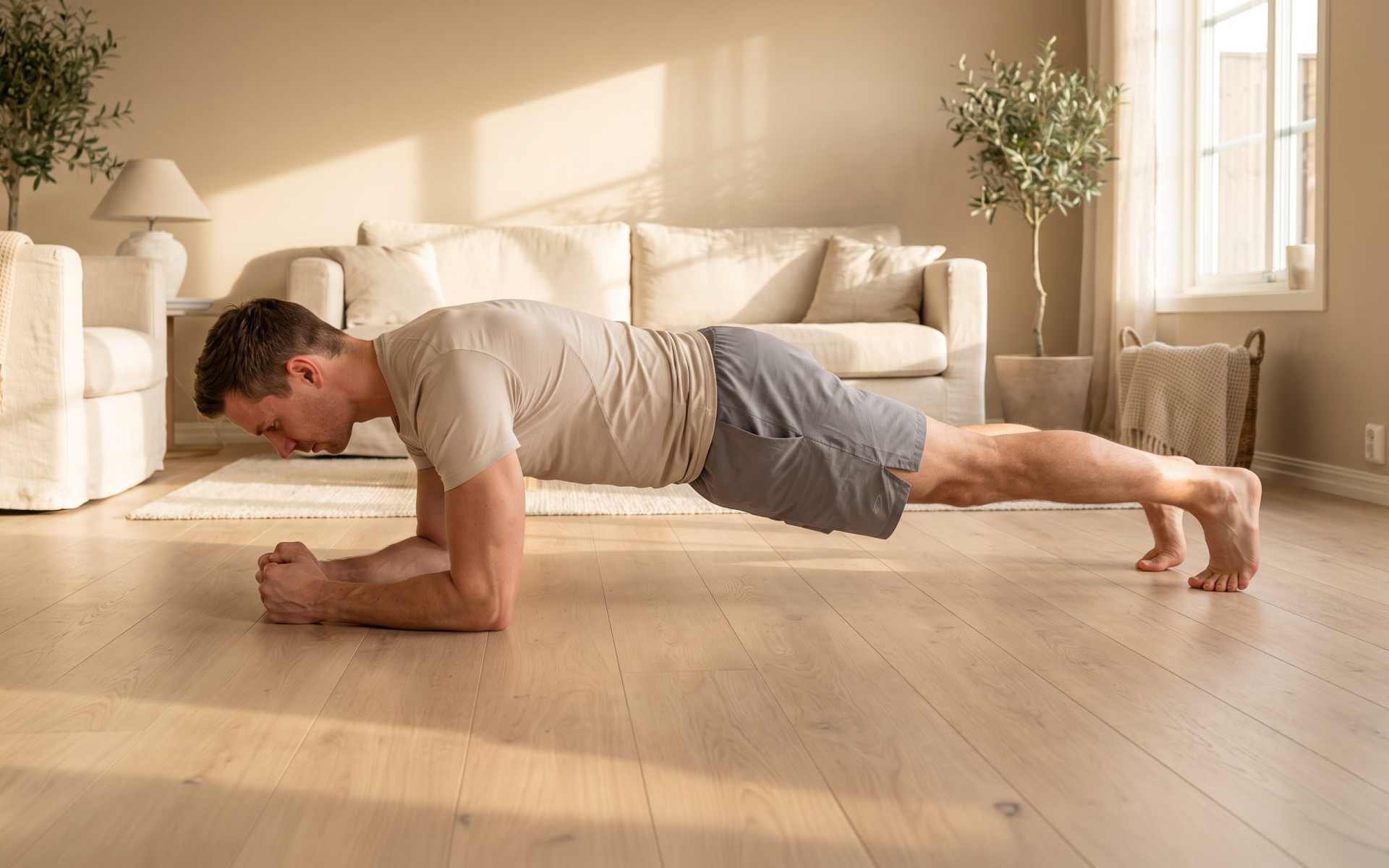
- Start in a plank position with your forearms on the ground.
- Push your hips toward the ceiling to form an inverted V shape.
- Slowly lower your hips back down to the plank position.
- Perform 3 sets of 10-15 reps.
Calisthenics Lower-Back Workout
Superman Hold
Muscles Targeted: Lower back, glutes, hamstrings, posterior deltoids, lower trapezius
- Lie face down on the floor with your arms extended straight in front of you and your legs straight.
- Lift your arms, chest, and legs off the ground as high as you can, engaging your lower-back muscles.
- Hold the position for 20-30 seconds before slowly returning to the starting position.
- Repeat for 3 – 5 reps.
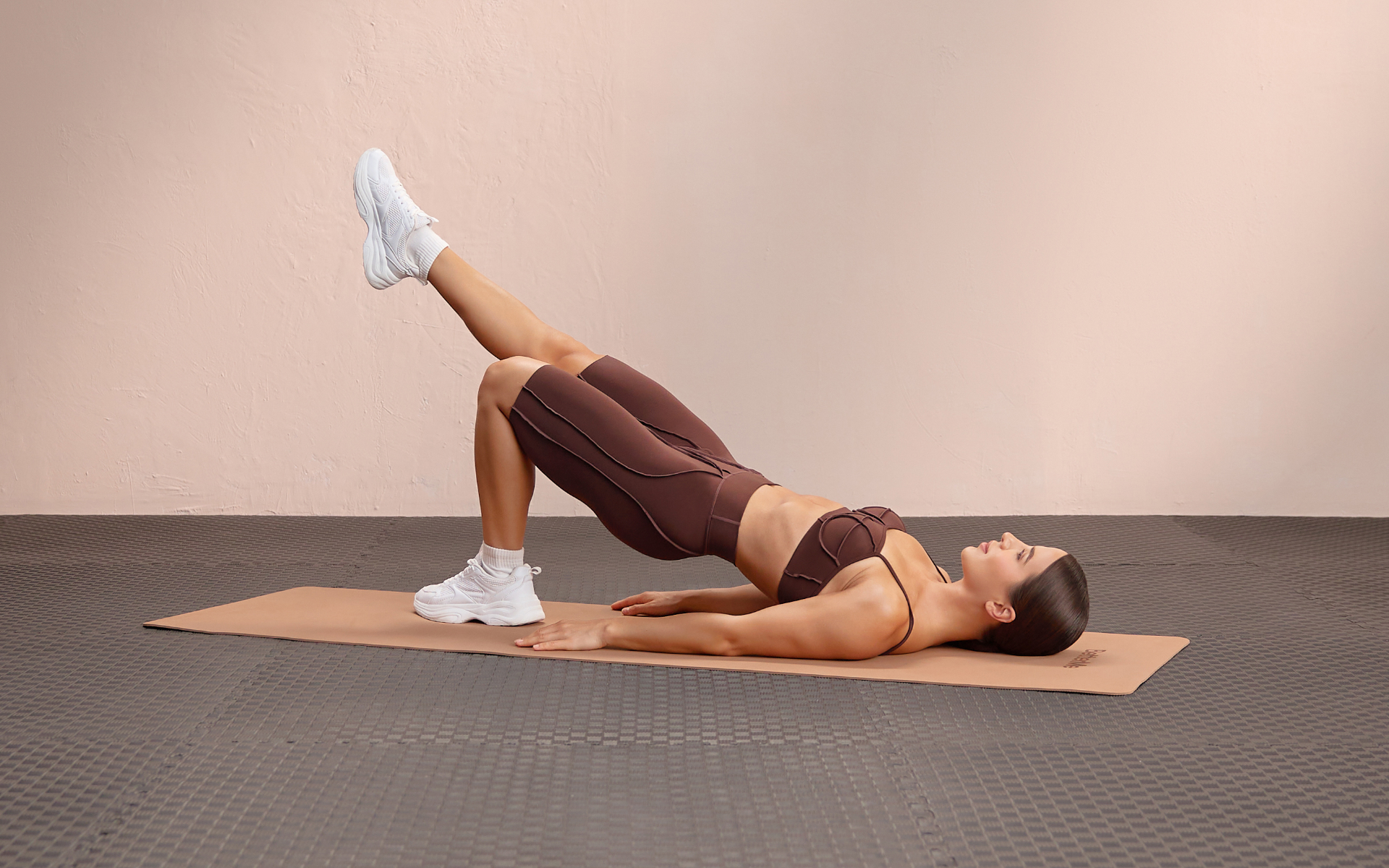
Glute Bridges
Muscles Targeted: Lower back, glutes, hamstrings
- Lie on your back with your knees bent and feet flat on the floor, hip-width apart.
- Lift your hips off the ground, forming a straight line from your shoulders to your knees.
- Squeeze your glutes and hold the position for 1-2 seconds before lowering back down to the starting position.
- Perform 3-4 sets of 12-15 reps.
Good Mornings
Muscles Targeted: Lower back, glutes, hamstrings
- Stand with your feet shoulder-width apart and your hands on your hips.
- Bend at the hips to lower your torso forward while keeping your back flat.
- Engage your lower back and glutes to return to the starting position.
- Perform 3-4 sets of 12-15 reps.
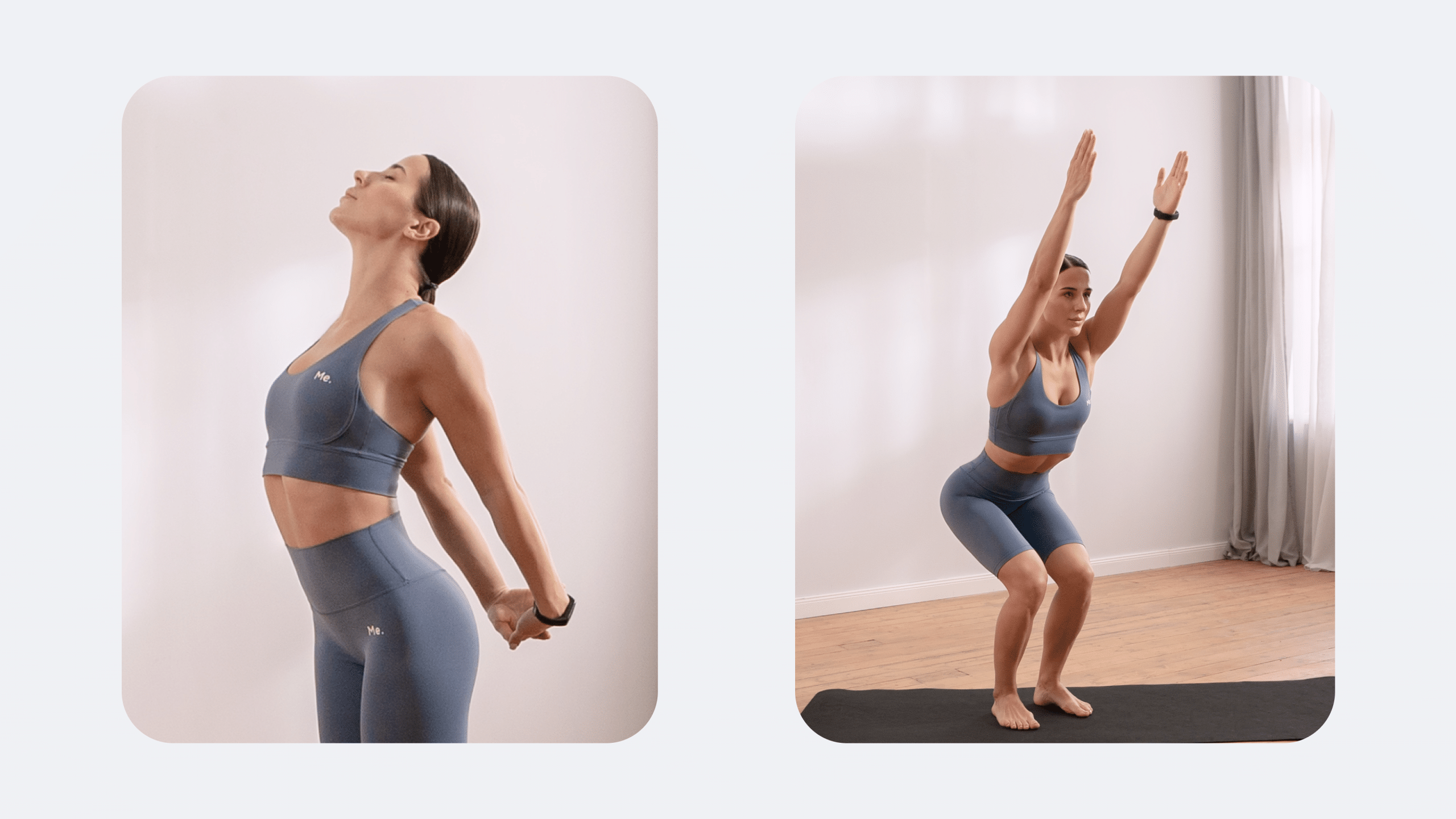
How to Train Your Lats with Calisthenics
Pull-Ups
Muscles Targeted: Lats, biceps, lower traps, rhomboids.
- Hang from a pull-up bar with an overhand grip and your hands slightly wider than shoulder-width apart.
- Pull your body up until your chin is over the bar.
- Lower yourself back down to the starting position.
- Perform 3-4 sets of 6-12 reps.
Inverted Rows
Muscles Targeted: Lats, rhomboids, middle traps, rear deltoids, biceps.
- Set up a bar at waist height and lie underneath it.
- Grab the bar with an overhand grip, keep your body straight, and pull your chest toward the bar.
- Lower yourself back down to the starting position slowly.
- Perform 3-4 sets of 10-15 reps.
Superman Pull
Muscles Targeted: Lats, lower back, glutes, posterior deltoids, lower traps.
- Lie face down with your arms extended forward and legs straight.
- Lift your chest and legs off the ground simultaneously.
- Pull your elbows back towards your hips, squeezing your lats as if performing a pull-up.
- Extend your arms forward, and then lower your body back down to the starting position.
- Perform 3 sets of 10-15 reps.
Calisthenics Back Workout Beginner Exercises
If you’re new to calisthenics and looking to build a strong back, it’s important to start with exercises that are manageable but effective in targeting the key muscles in your back that you’re trying to strengthen. Some beginner-friendly calisthenics include inverted rows, the Superman hold, reverse snow angels, glute bridge, and wall angels.
Calisthenics for Back and Biceps
Choosing calisthenics exercises that target both the back and biceps is a great way to build upper-body strength and muscle definition. The good news is that almost all compound pulling exercises work the back and biceps together as they involve simultaneous shoulder extension and elbow flexion. Several will work well, including pull-ups, inverted rows, chin-ups, and archer pull-ups.
Chin-Ups
Muscles Targeted: Lats, biceps, lower traps, rhomboids
- Hang from a bar with an underhand grip and hands shoulder-width apart.
- Pull your body up until your chin is above the bar.
- Slowly lower yourself back to the starting position.
- Perform 3-4 sets of 8-12 reps.
Archer Pull-Ups
Muscles Targeted: Lats, biceps, lower traps, rhomboids
- Hang from a bar with a wide overhand grip.
- As you pull up, shift your body weight to one side and bring your chest toward one hand while the other arm extends out straight until your chin is above the bar.
- Slowly lower yourself back to the starting position.
- Alternate sides for each rep.
- Perform 3-4 sets of 4-8 reps per side.
Calisthenics is a term for exercises that use your body weight as resistance to create progressive overload instead of weights. Although they can help you prepare to play virtually any sport, they’re not a sport themselves (4). While you could train your lats every day if you’re not too sore, most experts recommend that you take some time off after training a muscle to give it time to repair. This repairing process results in increased strength and size, which makes it an essential part of the exercise program. In most cases, you’ll want to give your muscles at least 48 hours of rest between workouts, with extra time off if you’re sore or feeling aches and pains (5). Push-ups primarily target the chest, shoulders, and triceps. Although they minimally activate the lats for stabilization purposes, they generally don’t provide an adequate stimulus for muscular hypertrophy of this muscle group. Pulling exercises are necessary for lat growth. Some of the best calisthenic exercises for building a strong back include pull-ups, chin-ups, and inverted rows. Exercises such as archer pull-ups are also effective but more advanced (8). Generally, compound pulling exercises are best from a muscular recruitment perspective. Yes, you can build muscle using only body weight as long as you use proper form and add progressive overload by increasing exercise difficulty and/or the number of reps and sets you perform for each muscle group as you’re able. Doing so will stimulate muscle growth, similar to weight training, which will lead to larger, stronger muscles (9). The time it takes to see results from calisthenics exercises can vary significantly depending on your starting fitness level, consistency, and the specific exercises you perform. However, most people will see some initial improvements in the first few weeks, with noticeable strength changes in 8-12 weeks (10).FAQs
Is calisthenics a sport?
Is it OK to train your lats every day?
Can push-ups build lats?
What are the best calisthenics exercises for building a strong back?
Can you really build muscle using only body weight exercises?
How long does it take to see results from calisthenics back workouts?
Summary
Calisthenics back workout routines offer a highly effective way to build a strong and defined back using only body weight exercises. They will strengthen your back and can improve your postural control. By consistently incorporating these exercises into your routine and progressively challenging yourself, you can achieve noticeable improvements in muscle definition and strength without the need for gym equipment.
DISCLAIMER:
This article is intended for general informational purposes only and does not serve to address individual circumstances. It is not a substitute for professional advice or help and should not be relied on for making any kind of decision-making. Any action taken as a direct or indirect result of the information in this article is entirely at your own risk and is your sole responsibility.
BetterMe, its content staff, and its medical advisors accept no responsibility for inaccuracies, errors, misstatements, inconsistencies, or omissions and specifically disclaim any liability, loss or risk, personal, professional or otherwise, which may be incurred as a consequence, directly or indirectly, of the use and/or application of any content.
You should always seek the advice of your physician or other qualified health provider with any questions you may have regarding a medical condition or your specific situation. Never disregard professional medical advice or delay seeking it because of BetterMe content. If you suspect or think you may have a medical emergency, call your doctor.
SOURCES:
- No Time to Lift? Designing Time-Efficient Training Programs for Strength and Hypertrophy: A Narrative Review – PMC (nih.gov, 2021)
- (PDF) The effects of a calisthenics training intervention on posture, strength and body composition (researchgate.net, 2017)
- Frontiers | What Makes Individuals Stick to Their Exercise Regime? A One-Year Follow-Up Study Among Novice Exercisers in a Fitness Club Setting (frontiersin.org)
- Back Calisthenics Exercise Guide: 20 Moves To Include In Your Workout – BetterMe(betterme.world, 2024)
- The effects of a calisthenics training intervention on posture, strength and body composition – IOS Press(iospress.com, 2017)
- Contrast Water Therapy and Exercise Induced Muscle Damage: A Systematic Review and Meta-Analysis – PMC(nih.gov, 2013)
- Comparison of Kinematics and Muscle Activation between Push-up and Bench Press – PMC (nih.gov, 2019)
- Strength training: Get stronger, leaner, healthier – Mayo Clinic (mayoclinic.org, 2023)
- Comprehensive corrective exercise program improves alignment, muscle activation and movement pattern of men with upper crossed syndrome: randomized controlled trial – PMC (nih.gov, 2020)
- How Do Muscles Grow? (unm.edu)
 Reviewed by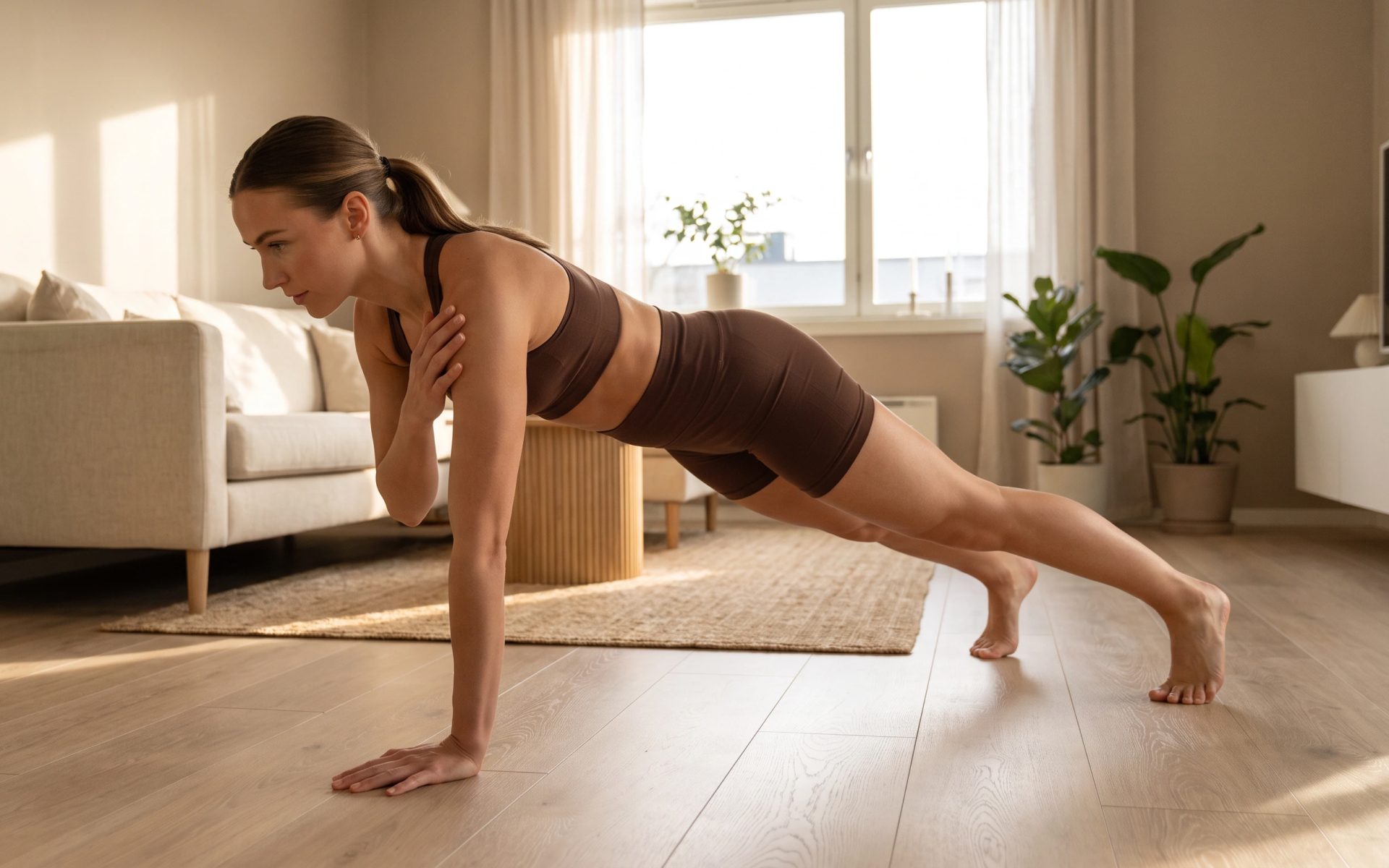
 Reviewed by