
Are you tired of trying fad diet after fad diet, only to see the numbers on the scale creep back up? What if I told you there was a simple trick you could use to boost your weight loss efforts – a trick that involves a common fruit you probably already have in your kitchen?
Bananas are a nutritious and filling food that can be a powerful tool in your weight loss arsenal. In this article, we’ll explore the ways you can use bananas as a trick to support your weight loss goals and get the body you’ve always wanted.
What is a Banana Trick for Weight Loss?
Bananas are a nutritious fruit that can be a healthy addition to a weight loss diet. They are low in calories but high in fiber, vitamins, and minerals [1]. Bananas are also very filling, which can help reduce hunger and support weight loss [2]. In this article, we will explore some of the ways that bananas can be used as a trick for weight loss.
Do Bananas Help Burn Belly Fat?
Bananas do not directly burn belly fat. However, they can help support weight loss and reduce body fat, including in the belly area [3]. The fiber in bananas can help keep you full and satisfied, reducing the likelihood of overeating and supporting a healthy calorie deficit [4].
Additionally, bananas are low in calories and high in nutrients, making them a nutritious choice for those trying to lose weight.
How Many Calories in a Banana?
One medium-sized banana contains around 90 calories (5). Bananas are also a good source of fiber, vitamins, and minerals, making them a nutritious choice for those trying to lose weight.
Why Are Fruits a Vital Part of a Weight-Loss Plan?
Fruits are very nutritious and help with weight loss. They have a lot of water and fiber, but few calories. Eating fruit makes you feel full, reducing hunger and calorie intake (13). Fiber-rich fruits like kiwi and berries keep you feeling full, decreasing appetite.
Many studies show that eating more fruit daily helps with weight loss (14). The amount of fruit you should eat daily for weight management varies depending on several factors, including your overall diet, activity level, and individual calorie needs.
Aiming for 2-3 servings of fruit per day is a reasonable target for most adults.
A serving size of fruit is typically 1/2 cup or a piece about the size of a baseball. For example:
- 1 medium apple, banana, or orange
- 1/2 cup cubed mango or grapes
- 1 cup berries
Including a variety of colorful fruits in your diet will provide a range of beneficial vitamins, minerals, and antioxidants. Just be mindful of portion sizes for higher calorie fruits like mangoes and pineapples.
Fruits and vegetables have essential vitamins, minerals, and fiber. They are low in fat and calories, making you feel full with fewer calories (15). Eating more fruits and vegetables helps with weight loss.
More research is needed on how fruits and vegetables impact weight loss (16). But, fruit and vegetable consumption aids in reducing body mass index and weight loss.
In a nutshell, fruits are nutritious, high in water and fiber, low in calories, and provide essential vitamins and minerals. They make you feel full, reducing hunger and calorie intake.
BetterMe Well-Being Coach app is a foolproof way to go from zero to a weight loss hero in a safe and sustainable way! What are you waiting for? Start transforming your body now!
How to Use Bananas for a Flat Tummy?
There are several ways to use bananas as part of a flat tummy diet. Here are a few suggestions:
- Eat a banana as a snack: Bananas are very portable and can be taken on the go, making them a great snack for those looking to manage hunger and support weight loss.
- Add bananas to oatmeal or yogurt: Combining bananas with other high-fiber foods like oatmeal or yogurt can help you feel fuller, longer.
- Use bananas in a smoothie: Bananas can be blended with other healthy ingredients like spinach, protein powder, and almond milk for a quick and easy weight loss smoothie.
Banana Trick for Weight Loss Recipe
Here is a recipe for a healthy banana smoothie that can support weight loss [6]:
- 1 banana
- 1 scoop protein powder
- 1 cup spinach
- 1/2 cup unsweetened almond milk
- 1 tablespoon chia seeds
- Ice cubes (as needed)
Combine all ingredients in a blender and blend until smooth.
Banana Bread Recipe No Sugar
Here is a recipe for banana bread with no added sugar that can be part of a healthy weight-loss diet:
- 3 ripe bananas, mashed
- 1/4 cup applesauce
- 1/4 cup coconut oil
- 2 large eggs
- 1/2 cup rolled oats
- 1/2 cup almond flour
- 1/2 teaspoon baking powder
- 1/2 teaspoon cinnamon
- 1/4 teaspoon nutmeg
- 1/4 teaspoon salt
- 1/2 cup chopped walnuts (optional)
Preheat oven to 350F. Combine all ingredients in a bowl and mix until well combined. Pour into a loaf pan and bake for 45-50 minutes, or until a toothpick inserted into the center of the bread comes out clean.
Read more: 5 Best Moist Banana Bread Muffin Recipe Choices With Golden Brown Tops and Soft Centers
What is the 7-Day Banana Diet?
The 7-day banana diet is a fad diet that involves eating bananas and room-temperature water for breakfast. The diet was popularized in Japan and involves eating a banana (or multiple bananas) and drinking room-temperature water for breakfast, then eating a normal lunch and dinner [7].
The diet claims that the potassium in the bananas helps speed up metabolism and support weight loss. However, there is no scientific evidence to support the effectiveness of this diet, and it is very restrictive and likely not sustainable in the long term.
Banana Trick for Weight Loss for Women
For women, bananas can be a particularly useful trick for weight loss. Bananas are low in calories but high in fiber, making them very filling and satisfying. This can help reduce hunger and support a healthy calorie deficit necessary for weight loss.
Additionally, bananas are a good source of several important nutrients like potassium, vitamin C, and vitamin B6.
Bananas are also very versatile and can be easily incorporated into a variety of healthy meals and snacks. Try adding sliced bananas to:
- Oatmeal or yogurt for breakfast
- A blender to turn them into a smoothie as a snack
- Muffins or bread for a healthy dessert.
Some women may be concerned about bananas’ sugar content. However, the natural sugars in bananas are accompanied by fiber, which helps slow down digestion and prevent a spike in blood sugar [8]. Additionally, bananas have a low glycemic index, meaning they will not cause as sharp an increase in blood sugar, as some other carbohydrate sources.
Bananas can be a healthy and filling addition to a weight loss diet for women. They are low in calories but high in fiber and nutrients, making them a nutritious choice for those trying to lose weight. By incorporating bananas into a balanced diet and healthy lifestyle, women can support their weight loss goals and overall health.
Banana Trick Recipe
Here is a recipe for banana trick banana bread with no added sugar that can be part of a healthy weight-loss diet [9]:
- 3 ripe bananas, mashed
- 1/4 cup applesauce
- 1/4 cup coconut oil
- 2 large eggs
- 1/2 cup rolled oats
- 1/2 cup almond flour
- 1/2 teaspoon baking powder
- 1/2 teaspoon cinnamon
- 1/4 teaspoon nutmeg
- 1/4 teaspoon salt
- 1/2 cup chopped walnuts (optional)
Preheat oven to 350F. Combine all ingredients in a bowl and mix until well combined. Pour into a loaf pan and bake for 45-50 minutes, or until a toothpick inserted into the center of the bread comes out clean.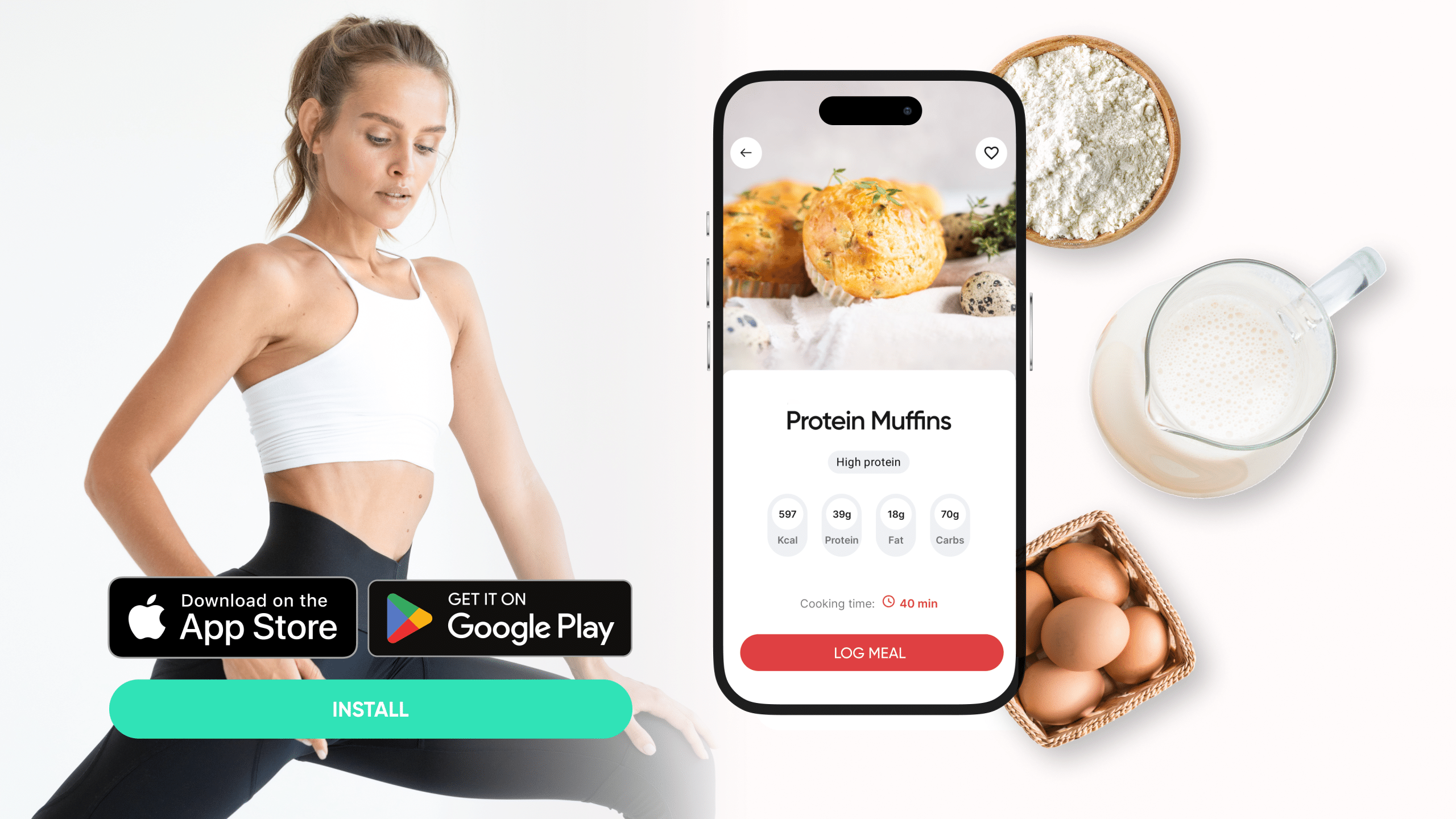
Healthy Banana Desserts
Bananas can be used to make a variety of healthy desserts that can be part of a weight-loss diet. Here are a few ideas:
- Frozen banana: Freeze a banana and blend it into a healthy “ice cream.” You can also add in other ingredients like cocoa powder or peanut butter for different flavors.
- Banana “Nice” Cream: This is similar to frozen bananas, but it’s made with bananas and a little cream or milk for a creamier texture [10].
- Banana Oat Muffins: Mash ripe bananas and mix them with oats, eggs, and a little honey or maple syrup. Spoon into a muffin tin and bake until set [11].
- Dehydrated Bananas: Slice bananas thin and dehydrate until crispy to make a healthy banana “chip” snack.
- Banana Pudding: Mix sliced bananas with a little milk pudding and a sweetener like honey or stevia. Top with a sprinkle of cinnamon [12].
Whether you’re a workout beast or just a beginner making your first foray into the world of fitness and dieting – BetterMe has a lot to offer to both newbies and experts! Install the app and experience the versatility first-hand!
How Does the Morning Banana Diet Work?
The morning banana diet involves eating a banana and drinking room-temperature water for breakfast. Then eating a normal lunch and dinner [13]. The diet claims that the potassium in the banana helps speed up metabolism and support weight loss.
But, there is no scientific evidence to support the effectiveness of this diet, and it is very restrictive and likely not sustainable in the long term. While bananas can be a healthy part of a weight loss diet, they should be combined with other nutritious foods for breakfast rather than eaten alone.
Best Time to Eat a Banana for Weight Loss
Bananas can be eaten at any time of day as part of a healthy weight loss diet. They make a great snack or can be added to oatmeal or yogurt for breakfast.
Read more: The Banana Diet: Pros, Cons, and Everything Else You Need to Know
Is Eating 2 Bananas a Day Bad for Weight Loss?
Eating two bananas a day is not necessarily bad for weight loss. Bananas are low in calories and high in fiber and nutrients, making them a nutritious choice for those trying to lose weight . However, they should be part of a balanced diet that includes a variety of other healthy foods. Eating large quantities of bananas and few other foods could lead to nutrient deficiencies and make it harder to stick to the diet in the long term.
Boiled Banana for Weight Loss
Green bananas are more than just an unripe version of the typical banana you find in the grocery store. When boiled, they become a delicious and nutritious food that’s popular in many parts of the world. They’re loaded with vitamins, minerals, and fiber that provides a range of health benefits.
Boiled bananas are not recommended for a weight-loss diet. While they can be cooked and eaten, boiling them can reduce their nutritional content. Instead, try eating bananas raw or baking or dehydrating them as a healthy snack.
DISCLAIMER:
This article is intended for general informational purposes only and does not serve to address individual circumstances. It is not a substitute for professional advice or help and should not be relied on for making any kind of decision-making. Any action taken as a direct or indirect result of the information in this article is entirely at your own risk and is your sole responsibility.
BetterMe, its content staff, and its medical advisors accept no responsibility for inaccuracies, errors, misstatements, inconsistencies, or omissions and specifically disclaim any liability, loss or risk, personal, professional or otherwise, which may be incurred as a consequence, directly or indirectly, of the use and/or application of any content.
You should always seek the advice of your physician or other qualified health provider with any questions you may have regarding a medical condition or your specific situation. Never disregard professional medical advice or delay seeking it because of BetterMe content. If you suspect or think you may have a medical emergency, call your doctor.
SOURCES
- Bananas (2024, https://nutritionsource.hsph.harvard.edu/food-features/bananas/#:~:text=One%20serving%2C%20or%20one%20medium,fiber%2C%20and%20450%20mg%20potassium.)
- Are Bananas Good for Weight Loss? (2022, https://www.pennmedicine.org/updates/blogs/metabolic-and-bariatric-surgery-blog/2019/april/are-bananas-good-for-weight-loss)
- Visceral Fat (2022, https://my.clevelandclinic.org/health/diseases/24147-visceral-fat#management-and-treatment)
- 7 Fruits That Can Help You Lose (or Maintain Your) Weight (2024, https://www.keckmedicine.org/blog/7-fruits-that-can-help-you-lose-or-maintain-your-weight/)
- Bananas, raw (2019, https://fdc.nal.usda.gov/fdc-app.html#/food-details/173944/nutrients)
- Skinny Banana Breakfast Shake with Almond Milk and Chia (2024, https://www.chefdehome.com/recipes/366/skinny-banana-breakfast-shake-with-almond-milk-and-chia)
- What is the Morning Banana Diet and how effective is it? (2023, https://timesofindia.indiatimes.com/life-style/food-news/what-is-the-morning-banana-diet-and-how-effective-is-it/photostory/104767844.cms)
- The gastrointestinal tract in hunger and satiety signaling (2020, https://onlinelibrary.wiley.com/doi/pdf/10.1002/ueg2.12097)
- The Best Healthy Banana Bread Recipe (2024, https://kristineskitchenblog.com/healthy-banana-bread-recipe/)
- Banana Nice Cream (2023, https://www.simplyrecipes.com/banana-nice-cream-recipe-7187533)
- Banana Oat Muffins (2023, https://www.allrecipes.com/recipe/6714/banana-oat-muffins/)
- Healthy Banana Pudding (2024, https://www.eatingbirdfood.com/healthy-banana-pudding/)
- 7 Fruits That Can Help You Lose (or Maintain Your) Weight (2024, https://www.keckmedicine.org/blog/7-fruits-that-can-help-you-lose-or-maintain-your-weight/)
- Paradoxical Effects of Fruit on Obesity (2016, https://www.ncbi.nlm.nih.gov/pmc/articles/PMC5084020/)
- Healthy Habits: Fruits and Vegetables to Manage Weight (2024, https://www.cdc.gov/healthy-weight-growth/healthy-eating/fruits-vegetables.html)
- A Comprehensive Critical Assessment of Increased Fruit and Vegetable Intake on Weight Loss in Women (2020, https://www.mdpi.com/2072-6643/12/7/1919)
 Reviewed by