Benefits Of Avocado For Weight Loss
Every few years, there comes food that is believed to be a superfood. This is usually mainly to the many benefits the food has. In recent times, avocados have been enjoying the spotlight. In addition to having many benefits, people now believe that avocados can be used for weight loss as well. This discovery has made this fruit go on top of the list of superfoods. In this article, we shall learn how to eat avocado for weight loss, the many benefits of adding avocado into your diet, and so much more.
The Avocado
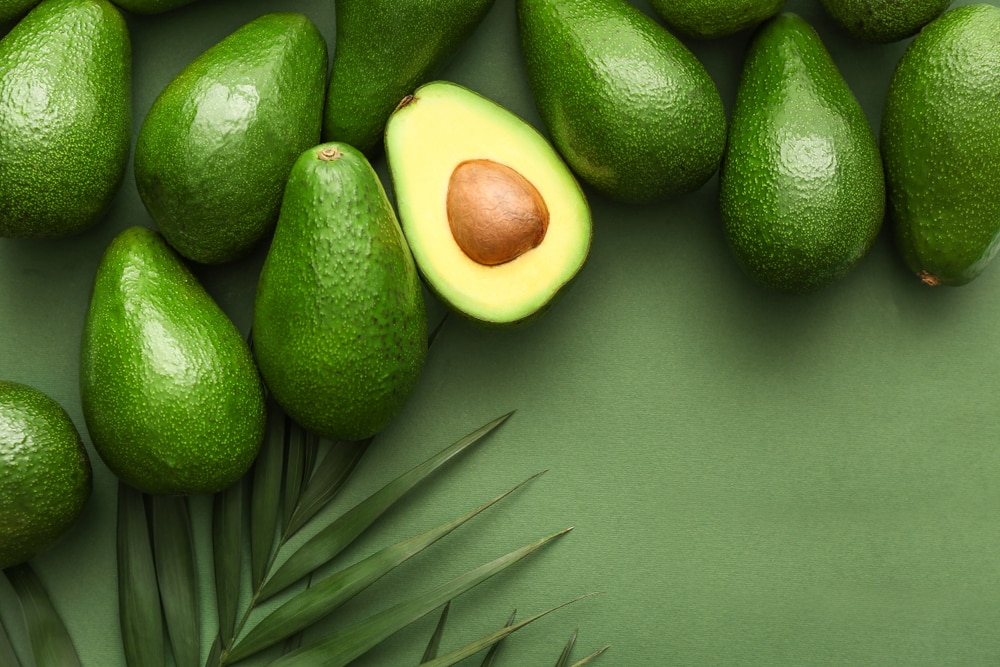
The avocado is a single-seeded berry. It is known to be native to Mexico (2). Most people usually see the avocado as being more of a fat than a fruit. This is because almost three-quarters of the calories that come from it are fats. Hearing that something has a lot of fats is known to bring concerns to many people. This is because most people have been associating weight gain with fats. Something that has helped propel this agenda is the fact that a gram of fat contains 9 calories, which are more than what a gram of protein or carbohydrates contains. Although this is the case, not all fat is bad for you.
Avocado is a good superfood. This is because of the numerous benefits it offers. It is filled with so many vitamins and other nutrients in general. Going back to the issue of the fat, avocados contain monounsaturated fats. These are good healthy fats. Something else that makes avocado such good food is the fact that it can easily be added to most diets. This can be a high-fat calorie diet, a low-calorie diet, and so on. If you are making an effort to introduce this berry into your diet, you should check the nutrition facts on avocados to make sure they make good additions to your diet.
Unlike most fruits, which avocados are a part of, they are sugar-free. This makes it fit into even more diets, like the diet for diabetic people. It is yet another thing that makes this fruit different from most fruits. Avocado is also known as butter fruits or alligator pears.

Nutrition Information About Avocados
It is important to have this information, as it goes a long way in deciding if the butter fruits are going to be added to your diet or not. No single food should be given the responsibility of providing you with all the nutrients your body needs. This is because no food is capable of doing that, and one should work to eat whole foods in a balanced manner.
Calories In Avocados
Different sizes of avocados contain different amounts of calories. It goes without saying that the bigger the avocado, the more calories it has. Most avocados have somewhere between 200 and 300 calories on average (5). These might seem like many calories, which they are, but it is hard for a person to eat a whole avocado, and hence it makes more sense to count the calories in an avocado according to the size or the serving you take. Half an avocado (roughly 100 grams) contains around 160 calories.
If you struggle to even flirt with the idea of giving up your favorite foods or working out till your legs give way – BetterMe app is here to breathe a fresh perspective into the way you view the weight loss process! Check out the app and experience the fun side of fitness and dieting with BetterMe!

Carbohydrates
Avocados do not have the highest amount of carbohydrates. This makes avocado good food for a low-carbohydrate meal plan. Since this fruit is mostly high in fiber, the majority of its carbs come from there. One full avocado contains approximately 17 grams of carbohydrates and 13.5 grams of fiber (5). Going back to what we said earlier regarding its sugar content, avocados are almost sugar-free; there is only less than one gram of sugar found in avocados.
Proteins
Just like carbs, avocados do not have high amounts of proteins. One avocado contains approximately 4 grams of protein. A 100-gram of avocado contains 2 grams of proteins (5).
Read More: 200 Grams Of Protein A Day Meal Plan: Is Going To Such Extremes Worth It?
Fats
Since most people refer to avocados as fats more than fruits, it only makes sense for most of their calories to come from fats. This berry contains good fats in large amounts. It has 3 types of fat: monounsaturated fat, polyunsaturated fat, and saturated fats. One whole avocado can contain up to 30 grams of fat, around 4 grams will be from saturated fats, 20 grams from monounsaturated fats, and 3 grams from polyunsaturated fats (5). A 100-gram of avocado contains 14.7 grams of fat.
Vitamins And Minerals In Avocados
Avocados contain many vitamins and minerals. In order to get enough amounts of these vitamins and minerals, you have to eat more than just a single serving of avocado. This is because even though the avocado has numerous vitamins and minerals, they are in small amounts, and consuming a reasonable amount of avocado as part of a healthy diet full of other nutritious foods ensures you get enough of these nutrients.
Here is a list of good vitamins and minerals you are likely to get once you consume avocados:
-
Vitamin C
Avocado is a good source of vitamin C. This vitamin helps in the growth and development of many tissues in the body. It helps with the absorption of iron, bone formation, and with the proper functioning of one’s immune system. A 100-gram of avocado contains 16% of the daily recommended intake of vitamin C (1).
-
Vitamin B
Almost all variations of vitamin B (B1, B2, B3, B5, and B6) can be found in avocados. They are all helpful and essential for different functions inside one’s body.
-
Vitamin K
This vitamin is responsible for blood clotting and the formation of healthy bones, and it can be found in this superfood. A 100-gram of avocado contains 26% of the daily recommended intake of vitamin K (1).

-
Vitamin E
This is a fat-soluble vitamin, which is responsible for protecting the cells from being damaged by free radicals. It is also an antioxidant. A 100-gram serving of an avocado contains 10% of the daily recommended intake of vitamin E (1).
-
Folate
This is another nutrient that can be found in avocados. It is essential for the formation of red blood cells and healthy growth and functioning of cells. A 100-gram of avocado contains 20% of the daily recommended intake of folate (1).
-
Magnesium
This nutrient is important in keeping the body healthy. It is responsible for regulating one’s nerve function and muscle function. It is also very useful when it comes to regulating blood sugar levels and blood pressure. A 100-gram serving of avocado contains 29 milligrams of magnesium. This is roughly 7% of the daily recommended amount of magnesium (1).
-
Potassium
Most people who work out know potassium helps replace the electrolytes you lose while working out. It also helps in the breakdown of carbs and in building muscles. A 100-gram of avocado contains around 13% of the recommended daily intake of potassium (1).
Those are the amounts of macros and micros you are likely to get from consuming avocados.

Avocado And Weight Loss
There are many different ways in which avocados can help one lose weight. It is very easy to dismiss the avocado’s weight loss properties due to its high-fat content. The fact that its fat is healthy contributes significantly to its weight loss features.
Here are some ways in which avocados can help you lose those extra pounds:
-
Avocados May Help One Lose Weight By Decreasing The Abdominal Fat
Belly fat is becoming more and more of a thing with each passing day. Most people get into diets and exercise programs to lose weight and, most specifically, lose belly fat. What if I told you the answer to your big belly problem is avocados?
A study was done on type of fat intake and belly fat. The 121 people given a supplemental 40 gram serving of one of five oils in addition to a heart healthy weight maintenance diet fats (8).
The results showed that after four weeks, the participants who were taking oils high in monounsaturated fats (canola and high-oleic canola oils) experienced a reduced belly size. These people were able to reduce their belly fat by 1.6% compared to people who continued taking other vegetable oils (8). This shows that sometimes just fixing your diet for healthier options can be instrumental in reducing the risk of getting certain conditions as well as weight. Since avocados are also high in monounsaturated fats, they could have a similar effect on belly fat, even though the study didn’t explore this.
-
Avocados Have A Filling Effect
Foods that are rich in fats and fiber have a filling effect (9). A filling effect makes one feel full for longer. This translates to one consuming fewer calories and thus promoting weight loss. While other foods are either high in fats or high in fiber, avocados are rich in both fiber and fats. This makes it quite filling.
A study was done on this by researchers who wanted to see if adding half an avocado to a meal can make one feel fuller for longer (3). The results showed that people who added half an avocado to their midday meal (an addition of around 112 calories) had increased their food satisfaction by 23% and decreased their desire to eat over the next 5 hours by 28%. This shows that avocados help one feel fuller for longer, hence resulting in eating less and hopefully, weight loss.
Whether you’re a workout beast or just a beginner making your first foray into the world of fitness and dieting – BetterMe has a lot to offer to both newbies and experts! Install the app and experience the versatility first-hand!
-
Avocados Help Lower Bad Cholesterol Levels
Do you remember when we said there are good fats and bad fats? Fat is considered good or bad based on how it affects your blood cholesterol levels. Another way avocados help one to lose weight is by lowering the levels of bad cholesterol. Bad (LDL) cholesterol is responsible for increasing the risks of inflammation (4), obesity, and cardiovascular conditions, among others. Avocados help improve cardiovascular health by lowering serum LDL cholesterol, and a meta-analysis was done to explore this.
The study’s main objective was to assess the impact of avocados on total cholesterol (TC), low-density lipoprotein cholesterol (LDL-C), high-density lipoprotein cholesterol, and triglycerides (7). The results showed that the consumption of avocados helped reduce the levels of TC, LDL-C, and triglycerides significantly.
Those are some of the ways avocados help reduce weight. It should be noted that avocados are high-calorie foods. Even though they have weight loss properties, if you eat them in large amounts, you may end up gaining weight instead of losing weight. You need to find a balance to neither overdo nor under-do it.

Other Benefits Of Avocados
-
Avocados Help Reduce The Risk Of Diabetes
This is another good thing about avocado. First of all, it helps reduce the risk of diabetes because of its low amount of sugar.
Another way they help reduce diabetes is by having vitamin K. Among all the vitamins one is likely to get from eating avocados is vitamin K. One of the functions of vitamin K is to regulate sugar metabolism and insulin sensitivity.
A study was done to investigate whether dietary phylloquinone and menaquinone intake is related to the risk of type 2 diabetes (6). Vitamin K usually occurs in two forms; vitamin K1, which is also known as phylloquinone, and Vitamin K2, which is also known as menaquinones. The results showed that the intake of these two forms of vitamin K is associated with the reduced risk of getting diabetes. Since avocado is a good source of vitamin K, it means that it might help reduce the chances of one getting type 2 diabetes.
-
Avocados Have A Positive Effect On Pregnancy
This is because avocados contain high amounts of folate. Folate is known to promote healthy pregnancies (10). Folate helps prevent complications associated with pregnancies like miscarriages.
-
Avocados Help Improve One’s Digestion And Prevent Constipation
This is due to the high amount of fiber avocados have. Fiber is known to prevent constipation and maintain normal bowel movements. It also helps maintain a healthy digestive system (10).
-
Avocados Help One Absorb Nutrients
Nutrients are important to our bodies. What is the point of eating nutrient-dense foods if your body is not going to get those nutrients? Adding fats like the ones found in avocados helps absorb more fat-soluble nutrients. This is very useful when it comes to salads. That is one of the reasons people add avocados and other sources of monounsaturated fats to salads. This helps absorb nutrients from the other vegetables and fruits.
Those are some of the benefits of avocados. Also, it can be eaten in many different ways. You can choose to simply slice your avocado into small pieces and enjoy it as it is, use it to make salads like the cucumber avocado salad, or take a dip from it.

DISCLAIMER:
This article is intended for general informational purposes only and does not address individual circumstances. It is not a substitute for professional advice or help and should not be relied on to make decisions of any kind. A licensed physician should be consulted for diagnosis and treatment of any medical conditions. Any action you take upon the information presented in this article is strictly at your own risk and responsibility!
SOURCES:
- 6 Reasons Avocados Are Good for Weight Loss and Management (2020, health.usnews.com)
- 8 Avocado Health Benefits That Prove It’s a Perfect Weight Loss Food (2020,eatthis.com)
- A randomized 3×3 crossover study to evaluate the effect of Hass avocado intake on post-ingestive satiety, glucose and insulin levels, and subsequent energy intake in overweight adults (2013, ncbi.nlm.nih.gov)
- Avocado (n.d., webmd.com)
- Avocado Nutrition Facts and Health Benefits (2020, verywellfit.com)
- Dietary phylloquinone and menaquinones intake and risk of type 2 diabetes (2010, diabetesjournals.org)
- Impact of avocado-enriched diets on plasma lipoproteins: A meta-analysis (2016, lipidjournal.com)
- Monounsaturated fats reduce metabolic syndrome risk (2013, sciencedaily.com)
- What Are the Health Benefits of Avocado, and Can It Help You Lose Weight? (2019, everydayhealth.com)
- Why is avocado good for you? (2017, medicalnewstoday.com)