
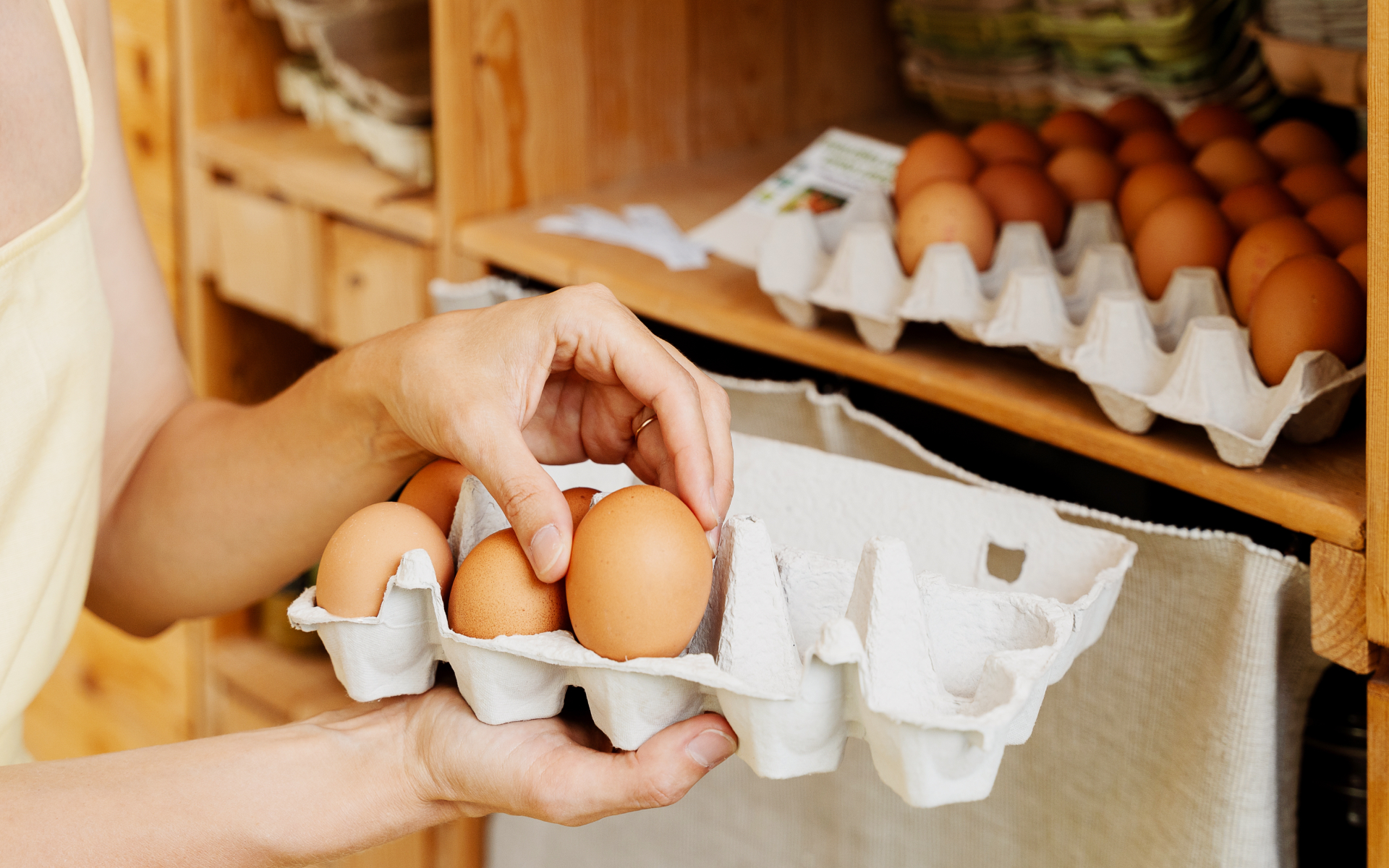
Craving eggs can be influenced by hunger, food preferences, habits, and ordinary appetite shifts. A craving alone doesn’t reliably identify a specific nutrient need. For many people, it isn’t a cause for worry. Eggs offer protein, vitamins, and minerals, which may explain why your body sometimes asks for them.
Egg cravings can feel puzzling, particularly when they show up out of nowhere. This guide explains what a craving for eggs may mean, who might notice it, and why it happens. You’ll learn how to read your body’s signals, how eggs fit into a balanced diet, and practical ways to respond. We’ll also cover simple meal ideas and handling tips.
This information is educational and not a substitute for personalized guidance from a qualified professional. If you have ongoing concerns, consider speaking with one.
What Does It Mean When You Crave Eggs?
Craving eggs usually means that your body wants something eggs provide, such as protein, certain vitamins, or simple satisfaction (1). It rarely signals anything serious on its own.
There’s a difference between casually wanting an egg and feeling a strong, repeated pull toward them. Persistent egg cravings may reflect your appetite, recent meals, or a preference your body has learned over time. Eggs are a familiar part of a balanced diet across many cultures, so this makes sense.
Here’s a simple nutrient snapshot for one whole boiled egg (about 50g), based on commonly cited data (2):
- Calories: about 72
- Protein: about 6g
- Total fat: about 5g
- Carbohydrates: under 1g
- Choline: about 134mg
- Vitamin B-12: trace amounts
Cooking style changes these numbers. An egg fried in oil with added salt carries more calories, fat, and sodium than a boiled one (3). However, eggs offer nutrient density in a small package, which may be part of their appeal when a craving hits.

Is It a Craving or Are You Just Hungry?
Telling craving vs hunger apart comes down to how the urge starts and what satisfies it. Hunger and cravings can overlap. Cravings are often more focused on a particular food, while hunger may be satisfied by a wider range of foods.
Learning to read your hunger cues and fullness cues can help you respond in a way that feels calm rather than reactive. Specific food cravings, such as wanting only eggs, differ from general hunger that any satisfying meal would ease.
The table below breaks down the difference in plain terms:
| Feature | Craving | True hunger |
|---|---|---|
| Onset | Comes on suddenly, often within minutes | Builds gradually over 1-3 hours |
| Specificity | Focused on one food, such as eggs | Open to many foods or meals |
| Satisfaction | Eased only by the wanted food | Eased by most balanced meals |
| Physical sensation | Mental pull, little stomach signal | Stomach growling, low energy |
If eggs are the only thing that will do, you may be facing a craving. If any meal sounds good, it’s likely plain hunger.
Whether you want to refresh your fitness routine, explore lower-calorie recipe ideas, or bring more structure to your wellness habits, BetterMe Well-Being Coach app offers tools that can support your next step. Explore the app and find an approach that works for your lifestyle.
Could You Be Craving Protein?
Yes, protein cravings can show up as a pull toward eggs, as eggs are a well-known protein source. Eggs may sound particularly appealing when you want a filling, protein-containing food. However, craving eggs doesn’t establish that your protein intake is low.
Protein tends to support satiety, which means it can help you feel full and steady between meals (4). Protein can contribute to fullness, but an egg craving cannot determine whether your recent protein intake was low. This is one reason why eggs and appetite are often linked.
If you suspect low protein intake, consider spreading protein across your day. Here are simple options:
- A protein-rich breakfast, such as 2 eggs with vegetables and toast
- A high-protein snack, such as a boiled egg or a small handful of nuts
- Balanced lunches and dinners that include a protein source
For many adults, aiming for a protein source at each of 3 main meals is a practical starting point. Whole eggs vs egg whites is a common question here. Whole eggs offer more nutrients, while egg whites give protein with fewer calories and saturated fat (5). Both can fit a balanced cravings response, depending on your goals and preferences.

Could Inadequate Vitamin B-12 Intake Play a Role?
Eggs are a source of vitamin B-12, but craving them cannot determine whether your B-12 intake or status is low.
Vitamin B-12 is water-soluble, but the body stores substantial amounts of it. As a result, deficiency symptoms can take years to appear. Vitamin B-12 helps keep blood and nerve cells healthy and helps make DNA. As your body doesn’t make it, you get it through food or supplements (6).
Daily needs vary by age and life stage. General reference amounts include (6):
- Adults: about 2.4mcg daily
- During pregnancy: about 2.6mcg daily
- While breastfeeding: about 2.8mcg daily
Some people take in less B-12 than they need. This can relate to eating patterns with few or no animal foods, changes in how the body absorbs nutrients with age, or certain ongoing digestive issues (7).
Foods that naturally contain B-12 include (6):
- Eggs, especially with the yolk
- Meat and poultry
- Fish and seafood
- Milk and dairy products
- Fortified foods, such as some breakfast cereals
If you follow a plant-based eating pattern or notice ongoing low energy, it may help to talk to a healthcare provider. They can check your levels and suggest whether food changes or supplements suit you. Avoid guessing your own needs, as individual situations differ widely.
Read more: Lazy Keto Meals That Will Help You Stay On Track Even When You’re Short On Time
Could Vitamin D Intake Be a Factor?
Vitamin D intake may play a role in egg cravings for some people, as egg yolks are one food source of this nutrient (8). However, a craving alone cannot tell you whether your intake is low.
Vitamin D is fat-soluble. Fat in the gut can enhance absorption of vitamin D from food or supplements, although some is absorbed without dietary fat. Your body uses it to help take in calcium and phosphorus, which support bones (9). Sunlight is a major source, but food and supplements also contribute.
General daily reference amounts include (9):
- Children 1-18 years: about 600 IU (15mcg)
- Adults 19-70 years: about 600 IU (15mcg)
- Adults 71 and older: about 800 IU (20mcg)
Several everyday factors may lower vitamin D intake or how your body makes it (10):
- Age: Older adults may make less vitamin D from sunlight.
- Skin tone: More melanin can slow vitamin D production from the sun.
- Location and lifestyle: Living in higher latitudes, spending little time outdoors, or covering the skin may reduce sun exposure.
- Ongoing digestive issues: Some conditions may affect how the body absorbs fat, and with it, vitamin D.
Foods that offer vitamin D include (10):
- Fatty fish, such as salmon, trout, and mackerel
- Egg yolks
- Fortified milk or plant-based milks
- Fortified cereals and some mushrooms
If you think that your intake is low, you should consider talking to a healthcare provider before starting supplements. Too much vitamin D from supplements can cause problems, so professional guidance matters. Everyone’s needs are different, and testing gives the clearest picture.

Can Sleep Affect Your Cravings?
Sleep can influence appetite and food cravings, although it can’t explain an egg craving specifically. Short or broken sleep can shift the signals that guide your appetite (11).
When you sleep less than you need, your hunger cues and fullness cues may feel off balance. Research has explored links between limited sleep and stronger hunger and cravings (12) and found that hunger and/or cravings may feel stronger with poor sleep.
If you notice persistent egg cravings alongside tiredness, consider your sleep routine first. Simple steps that help many people include:
- Aiming for 7-9 hours of sleep most nights
- Keeping a steady bedtime, within a 30-minute window
- Limiting screen time for 30-60 minutes before bed
- Cutting caffeine after early afternoon
Some people find a protein-containing breakfast satisfying the next morning. Sleep is only one piece of the puzzle, and individual experiences vary. However, ensuring adequate rest can make daytime cravings feel more manageable.
Read more: Carb Cycling Macros: How Much Should You Eat?
Can Pregnancy Change Egg Cravings?
Pregnancy can change egg cravings, as appetite and food preferences often shift during this time. Appetite, taste, and food preferences can change during pregnancy, but a craving doesn’t reliably identify a specific nutrient need (13).
During pregnancy, the body needs more of certain nutrients to support both parent and baby (13). Eggs are a nutrient-dense food, offering protein, various vitamins and minerals, and are a rare food source of choline, which may explain a craving for them. However, sometimes pregnancy food cravings and aversions don’t have an explanation, and that’s okay. The only time to be concerned is if you’re craving non-food items, which you should discuss with your doctor right away. Practical ways to include eggs during pregnancy:
- Fully cooked eggs, with firm yolks and whites
- Eggs with vegetables for added fiber and nutrient variety
- A boiled egg as a simple high-protein snack
Food safety for eggs matters more during pregnancy, so cooking eggs fully is worthy of attention. If you have questions about your nutrition needs, it helps to talk to a healthcare provider. They can offer guidance suited to your situation.

Can Your Period Affect Egg Cravings?
Your period can affect egg cravings, as appetite often shifts across the menstrual cycle. Many people notice stronger cravings before or during their period. These changes may be linked to hormonal fluctuations that influence appetite and mood (14).
While cravings for sweet or carb-rich foods are common, some people crave savory options such as eggs instead.
If eggs sound good during this time, they can be a satisfying choice:
- A protein-rich breakfast to start the day steady
- An omelet with vegetables and potatoes or toast for a filling, balanced plate
- A boiled egg as an easy snack
Listening to your body and responding with balanced meals is a gentle approach. Individual experiences vary, so there is no single “right” pattern here.
BetterMe Well-Being Coach app can help you build a more structured approach to your wellness routine with meal plans, workouts, and habit-tracking tools. Start using the app to explore options that may support your personal fitness and nutrition goals.
What About Dietary Cholesterol in Eggs?
Dietary cholesterol in eggs comes mostly from the yolk. How eggs fit into someone’s diet depends on their overall eating pattern and individual health context. How your body responds can differ from person to person.
This section is educational and not medical advice. Individual cholesterol response varies, so consider talking to a healthcare provider about what best suits your situation.
Egg yolk nutrition includes fats, vitamins, and cholesterol, while egg white nutrition offers mostly protein with little fat. This is why whole eggs vs egg whites is something that often comes up in cholesterol conversations (5). Eating whole eggs in moderation is generally believed to have no adverse effect on blood lipid levels for most people, but if you have heart disease or high cholesterol, you should talk to your healthcare provider for individualized advice.
The table below shows a simple egg serving size guide (2, 3):
| Serving | Protein (g) | Calories | Notes |
|---|---|---|---|
| 1 egg | About 6g | About 72 | A light, single-serving option |
| 2 eggs | About 12g | About 144 | A common breakfast portion |
| 3 eggs | About 18g | About 216 | A larger, higher-protein meal |
For daily egg intake and weekly egg intake, general patterns suggest that most people do fine with moderate amounts of eggs as one of several protein sources.
What Can You Do When Craving Eggs?
When you crave eggs, the simplest response is often to enjoy an egg as part of a balanced meal. For many people, this settles the urge without fuss.
A balanced cravings response means pairing eggs with other foods rather than eating them alone in large amounts. Try eggs with vegetables, whole grains, or fruit for nutrient variety.
If a craving keeps returning, consider these steps:
- Check whether you’ve been skipping meals and cravings followed
- Notice if low-calorie intake and cravings are connected for you
- Add protein across the day to steady your appetite
- Keep a simple food and mood note for 1-2 weeks
If persistent egg cravings continue despite steady meals, it may help to talk to a healthcare provider. They can look into what fits your situation. Avoid extreme approaches, such as eating only eggs for days at a time.
Eating eggs in moderation, alongside varied foods, tends to feel better and more sustainable for most people.
What Can You Make When You’re Craving Eggs?
When you crave eggs, you can prepare them in many simple, satisfying ways. Boiling, poaching, scrambling, or frying all work depending on your mood and time.
For more variety, these ideas add flavor and nutrient variety:
- Vegetable omelet: Eggs with vegetables, such as spinach and peppers
- Frittata: Eggs baked with mixed vegetables for 20-25 minutes
- Shakshuka: Eggs cooked in a tomato-based sauce
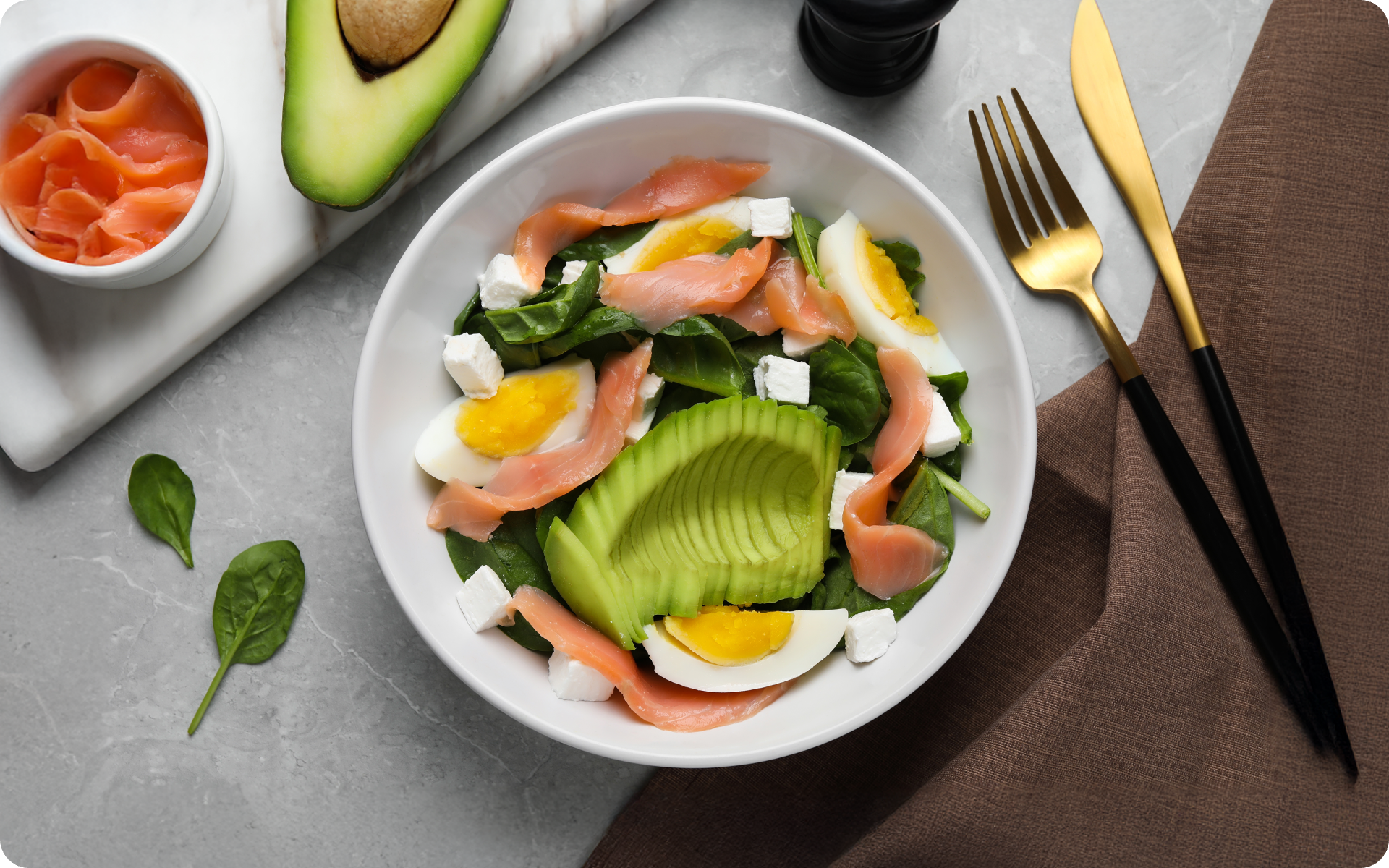
- Egg-topped salad: Greens with a sliced boiled egg
Are you wondering what to eat with eggs? Whole-grain toast, avocado, or a side of fruit rounds out the plate. These combinations make a filling, protein-rich breakfast or an easy lunch that keeps you satisfied.
How Should You Handle Eggs Properly?
Proper egg handling helps lower everyday risks and keeps your eggs fresh and enjoyable. A few simple habits go a long way.
Food safety for eggs starts with storage and ends with cooking. Egg storage in the refrigerator at 40°F (4°C) or below helps maintain freshness. Keep eggs in their carton rather than the fridge door (16).
Follow these simple steps for handling:
- Store eggs in the fridge within 2 hours of buying them.
- Check the date and use eggs within 3-5 weeks for best quality.
- Wash your hands and surfaces after cracking eggs.
- Cook eggs until both the white and yolk are firm.
- Avoid keeping cooked eggs at room temperature for over 2 hours.
Undercooked eggs carry more risk, so cooking them fully is a gentle way to enjoy them with peace of mind. This matters more for pregnant people, young children, and older adults. If you’re in doubt about egg storage or freshness, trust your senses and choose fresh eggs.
Eggs are satisfying largely because they offer protein, which tends to support fullness (4). This can help you feel content between meals. A single egg gives about 6g of protein in a small (2), low-calorie package. Pairing eggs with vegetables and/or whole grains adds fiber, which may extend that satisfied feeling for many people. Craving eggs at night may reflect a need for more protein, an earlier meal that fell short, or simple hunger. Sleep and food cravings can also connect, as tiredness may shift appetite signals (11). If night cravings feel persistent, you should consider a more filling dinner with protein. A boiled egg is a light, reasonable evening option for some. Four eggs a day may be more than some people need, though tolerance varies widely. Many people include eggs as one of several protein sources across the week. Individual cholesterol responses differ, so there’s no single answer. If you eat multiple eggs daily, or if you have a history of heart disease or high cholesterol, it may help to talk to a healthcare provider about what suits you. Yes, egg yolks are a food source of vitamin D. The amount is modest compared to fatty fish, but eggs still contribute. For this reason, egg yolk nutrition often comes up in vitamin D conversations. Sunlight, fortified foods, and fatty fish typically provide larger amounts (8).FAQs
Why are eggs so satisfying?
Why am I craving eggs at night?
Is 4 eggs a day too much?
Do eggs contain vitamin D?
The Bottom Line
Craving eggs can reflect many everyday things, from a need for protein to shifts in sleep, pregnancy, or your menstrual cycle. Eggs fit well into a balanced diet, and enjoying them in moderation together with varied foods tends to feel best for most people. If a craving for eggs sticks around despite steady meals and rest, it may help to talk to a healthcare provider who can look into your situation. Listen to your body, keep your meals balanced, and give yourself room to adjust as you learn what works for you.
DISCLAIMER:
This article is intended for general informational purposes only and does not serve to address individual circumstances. It is not a substitute for professional advice or help and should not be relied on for making any kind of decision-making. Any action taken as a direct or indirect result of the information in this article is entirely at your own risk and is your sole responsibility.
BetterMe, its content staff, and its medical advisors accept no responsibility for inaccuracies, errors, misstatements, inconsistencies, or omissions and specifically disclaim any liability, loss or risk, personal, professional or otherwise, which may be incurred as a consequence, directly or indirectly, of the use and/or application of any content.
You should always seek the advice of your physician or other qualified health provider with any questions you may have regarding a medical condition or your specific situation. Never disregard professional medical advice or delay seeking it because of BetterMe content. If you suspect or think you may have a medical emergency, call your doctor.
SOURCES:
- Targeted cravings: Unraveling the drivers of nutrient-specific appetite (2025, sciencedirect.com)
- Egg, whole, boiled or poached (2022, fdc.nal.usda.gov)
- Egg, whole, cooked, fried (2019, fdc.nal.usda.gov)
- Effect of short- and long-term protein consumption on appetite and appetite-regulating gastrointestinal hormones, a systematic review and meta-analysis of randomized controlled trials (2020, pubmed.ncbi.nlm.nih.gov)
- Consumption of Different Egg-Based Diets Alters Clinical Metabolic and Hematological Parameters in Young, Healthy Men and Women (2023, mdpi.com)
- Vitamin B12 (2025, ods.od.nih.gov)
- Vitamin B-12 and the Gastrointestinal Microbiome: A Systematic Review (2022, sciencedirect.com)
- Naturally enhanced eggs as a source of vitamin D: A review (2020, sciencedirect.com)
- Fat-Soluble Vitamins A, D, E, and K: Review of the Literature and Points of Interest for the Clinician (2024, mdpi.com)
- Vitamin D (2025, ods.od.nih.gov)
- Adolescent sleep and food cravings: randomized controlled trial of a sleep intervention (2025, pmc.ncbi.nlm.nih.gov)
- Eat Well, Sleep Well: Exploring the Association Between Eating Behavior and Sleep Quality (2025, mdpi.com)
- Metabolic and feeding adjustments during pregnancy (2023, nature.com)
- The role of premenstrual syndrome in hedonic hunger and food craving during the menstrual cycle (2025, pmc.ncbi.nlm.nih.gov)
- Eggs: Healthy or Risky? A Review of Evidence from High Quality Studies on Hen’s Eggs (2023, mdpi.com)
- What You Need to Know About Egg Safety (2024, fda.gov)