

You’ve made it through your fasting hours. Your stomach is growling, and you’re looking forward to that first delicious bite after fasting. You know that burger or slice of cake is calling your name.
But how you break your fast matters just as much as the fasting itself. Reach for the wrong foods, and you could be setting yourself up for bloating, cramps, and a blood sugar crash, everything you’ve worked hard to have under control.
Breaking the fast the right way isn’t complicated. Once you know which foods to skip and reach for, you’ll feel great instead of miserable.
Here, we’ll go over the worst foods to break a fast, why they cause trouble, and the gentle options that will keep your digestive system happy.
Every fast is a personal experience. Your dietary preferences, body composition, and activity level all influence your fasting journey. It’s advisable to consult with a healthcare provider before embarking on a fasting regimen.
What Is the Worst Food to Break a Fast?
If we had to pick one worst food to break your fast, it would be sugary, processed foods (such as candy, cookies, soda, and pastries). After a fast, your body is particularly sensitive to sugar, so loading up on it might cause a rapid blood sugar spike, leaving you with an energy crash afterward (3).
Sugary foods can also trigger something called dumping syndrome (1). This happens when undigested food moves too quickly from your stomach into your small intestine. When that sugar hits, your body floods the area with fluid to help dilute it, which can lead to cramping, nausea, and diarrhea.
Other foods you might want to avoid include greasy fried foods and heavy meals. Both can put serious stress on your digestive system, which has been resting. When you eat, your body slows enzyme production (those that break down food into digestible ingredients). So when you eat a large, greasy meal, you’ll likely feel bloated and uncomfortable.

What Are the Don’ts During Fasting?
Before we cover how to break a fast, it’s important to review the basic rules of intermittent fasting. Sticking to these can help you get the most out of your fasting window:
- Consuming calories during your fasting window: A true fast means you’re having no calories. You can still have water, coffee, and unsweetened tea. Anything with calories will break your fast.
- Forgetting to hydrate: If you’re not careful, it’s quite easy to get dehydrated during fasting. Drink plenty of water, and consider adding a pinch of sea salt or an electrolyte supplement, particularly if you’re doing longer fasts.
- Overeating during your eating windows: It’s tempting to feast after hours without food, but overeating can cancel out the benefits of fasting. Try to eat small meals throughout the day and avoid a large, heavy meal before you start fasting.
- Breaking your fast with a heavy, complicated meal: Ease back to your nutrition with small, gentle foods first.
- Doing intense workouts during fasting: High-intensity workouts can strain your body, deplete energy reserves, and increase the risk of fatigue or injury while fasting. Instead, do light to moderate exercise such as walking, yoga, or Pilates.
Read more: How Many Calories Break a Fast? A Practical Approach
What Stops Autophagy?
One of the main reasons people fast is autophagy, your body’s natural “cleaning” process. During autophagy, your cells break down old, damaged parts and recycle them into fresh, functioning ones.
Researchers are studying how autophagy may relate to aging and inflammation, but the findings come mostly from animal and lab studies (4).
Research has suggested that autophagy usually kicks in when your cells are deprived of nutrients. It may begin between 24 and 48 hours of fasting (4). However, more human studies are still needed to determine the benefits and the moment autophagy peaks.
So, what can stop autophagy? Eating stops it. When you eat or drink calorie-containing foods, your insulin levels rise, which signals your body to switch off “repair mode.”

How to Recover Properly After a Fast
Breaking your fast is all about easing your body back into eating gently. Think of it like waking up in the morning. You want to wake up slowly and gently, rather than having a bucket of cold water thrown in your face.
Here’s how to do it right:
- Start with hydration: Sip water, herbal tea, broth, or lemon water to wake up your digestion.
- Replenish electrolytes: After longer fasts (more than 24 hours), salted water or an electrolyte drink can help replenish lost electrolytes.
- Eat a small first meal: Keep it light and easy to digest. Try a smoothie or a cup of soup.
- Wait, then eat a balanced meal: A few hours later, you can enjoy a well-rounded meal that has protein, healthy fats, and a gentle carb.
- Increase portions gradually: Give your digestive system time to adjust before returning to your normal eating habits.
Keep in mind that the longer you fast, the more careful you need to be. For fasts that last several days, introduce foods slowly over 2-3 days to avoid overwhelming your system. And remember, you should never do long fasts without medical supervision. If you have diabetes or take regular medication, talk to your doctor before fasting at all.
Whether you want to refresh your fitness routine, explore lower-calorie recipe ideas, or bring more structure to your wellness habits, BetterMe: Health Coaching app offers tools that can support your next step. Explore the app and find an approach that works for your lifestyle.
What Are Some of the Worst Foods to Break a Fast?
Here are the main foods to avoid when breaking a fast, along with why they cause problems:
- High-sugary foods: Candy, soda, and sweetened juices can spike your blood sugar levels and trigger dumping syndrome.
- High-fat foods: Fried foods, fatty meals, and rich desserts are hard to digest after a fast and can cause bloating and nausea.
- High-fiber foods: Fiber is usually great for you, but raw cruciferous vegetables, beans, and lentils can be too much for a resting gut.
- Spicy foods: Hot sauce, chili peppers, and curry can irritate your stomach lining and cause heartburn or cramps.
- Caffeine: Coffee and other caffeinated beverages can cause acid reflux on a sensitive stomach. If you drank coffee during your fast, you can keep it. If you cut it out, wait until after your first meal.
- Alcohol: After fasting, alcohol hits harder and faster. It can also irritate your stomach lining and dehydrate you.
- Large portions of red meat or processed meat: Even if you love steak, a big serving right after a fast can leave you feeling stuffed and sluggish.
Keep in mind that these foods are not bad forever. You can enjoy them once your digestion is back to normal. Just don’t make them your first meal.

What Should You Eat to Break a Fast?
Good foods to break an intermittent fast are gentle, hydrating, and easy to digest. Here are some gentle meals to break a fast:
- Blended vegetable soup or broth: Warm, soothing, and packed with nutrients without overwhelming your stomach.
- Watermelon and other hydrated fruits (paired with a protein): They help replenish fluids and offer easy-to-digest natural sugars. Just make sure that you pair it with a protein like low-fat cottage cheese or plain Greek yogurt.
- Smoothies: Keep them simple. You can mix Greek yogurt with berries and a small serving of chia seeds.
- Steamed or cooked vegetables: Soft vegetables such as squash and zucchini are much easier to digest than raw ones.
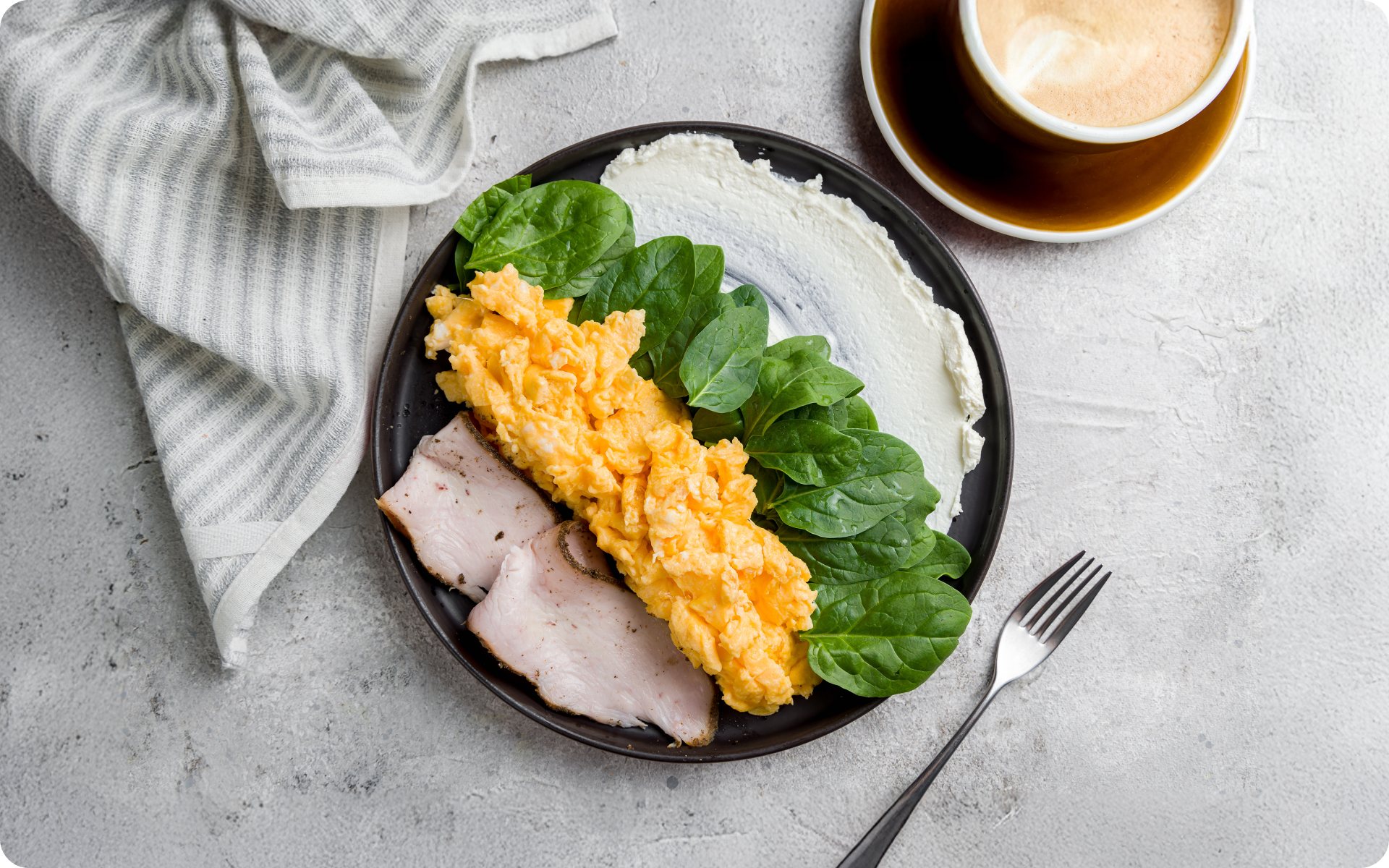
- Lean proteins: Eggs, fish, or skinless chicken breast are gentle and help rebuild your body after fasting.
- Fermented foods: Unsweetened yogurt or kefir can help support your gut. However, be careful with other options such as sauerkraut or kimchi, as some people may get bloated when they add them.
- Avocado: It’s a great source of healthy fats, and it’s easy on the stomach.
- Simple-to-digest carbs: Oats, sweet potato, and potatoes are easy on the stomach, which makes them a great addition after fasting.
These foods are gentle ways to end an intermittent fast. Just remember to eat them in small amounts.
If you want easy intermittent fasting recipes to keep with you, try a banana and coconut water smoothie, a simple bone broth with soft vegetables, or a couple of hard-boiled eggs with sliced avocado. They’re quick, nourishing, and kind to your digestion.
Read more: Does Yogurt Break a Fast? Read on to Find Out the Truth
FAQs
How do I know I’m in autophagy?
There’s no simple test or obvious sign that tells you you’re in autophagy. Some people report increased energy, mental clarity, or reduced hunger, but these vary among people. Research suggests it may begin between 24 and 48 hours of fasting, but human data is limited.
Can I break a fast with meat?
Yes, but choose lean options such as skinless chicken or fish. Avoid fatty, processed, or red meat in large servings. As they’re harder to digest, they can cause bloating and stomach discomfort.
Does gum break a fast?
It depends on the type of gum and your goals. Regular gum with sugar can break your fast. Sugar-free gum has fewer calories (usually 5 calories per serving), so a piece or two usually won’t break your fast.
However, as sugar-free gum is typically made with sugar alcohols, some people might get bloated if they have it.
Can a 3-day fast reset your immune system?
Studies have produced mixed results. One small study found that a 72-hour fast changed some immune cell activity in healthy volunteers, but it does not show that fasting resets or improves immunity (2).
However, before you consider a long fast, you should speak with a healthcare provider to make sure it suits you.
The Bottom Line
How you end a fast matters. A heavy or sugary first meal can leave you bloated, uncomfortable, and low on energy.
The key is to break your fast slowly and gently, choosing hydrating, easy-to-digest foods over sugary, greasy, and heavier options.
Start small, stay hydrated, and listen to your body. Once you start waking up your digestive system again, you can add heavier and other foods you normally include in your routine.
DISCLAIMER:
This article is intended for general informational purposes only and does not serve to address individual circumstances. It is not a substitute for professional advice or help and should not be relied on for making any kind of decision-making. Any action taken as a direct or indirect result of the information in this article is entirely at your own risk and is your sole responsibility.
BetterMe, its content staff, and its medical advisors accept no responsibility for inaccuracies, errors, misstatements, inconsistencies, or omissions and specifically disclaim any liability, loss or risk, personal, professional or otherwise, which may be incurred as a consequence, directly or indirectly, of the use and/or application of any content.
You should always seek the advice of your physician or other qualified health provider with any questions you may have regarding a medical condition or your specific situation. Never disregard professional medical advice or delay seeking it because of BetterMe content. If you suspect or think you may have a medical emergency, call your doctor.
SOURCES:
- Dumping syndrome (2026, ncbi.nlm.nih.gov)
- Innate immune remodeling by short‐term intensive fasting (2021, pmc.ncbi.nlm.nih.gov)
- Physiology, Carbohydrates (2023, ncbi.nlm.nih.gov)
- The Beneficial and Adverse Effects of Autophagic Response to Caloric Restriction and Fasting (2023, pmc.ncbi.nlm.nih.gov)
 Reviewed by