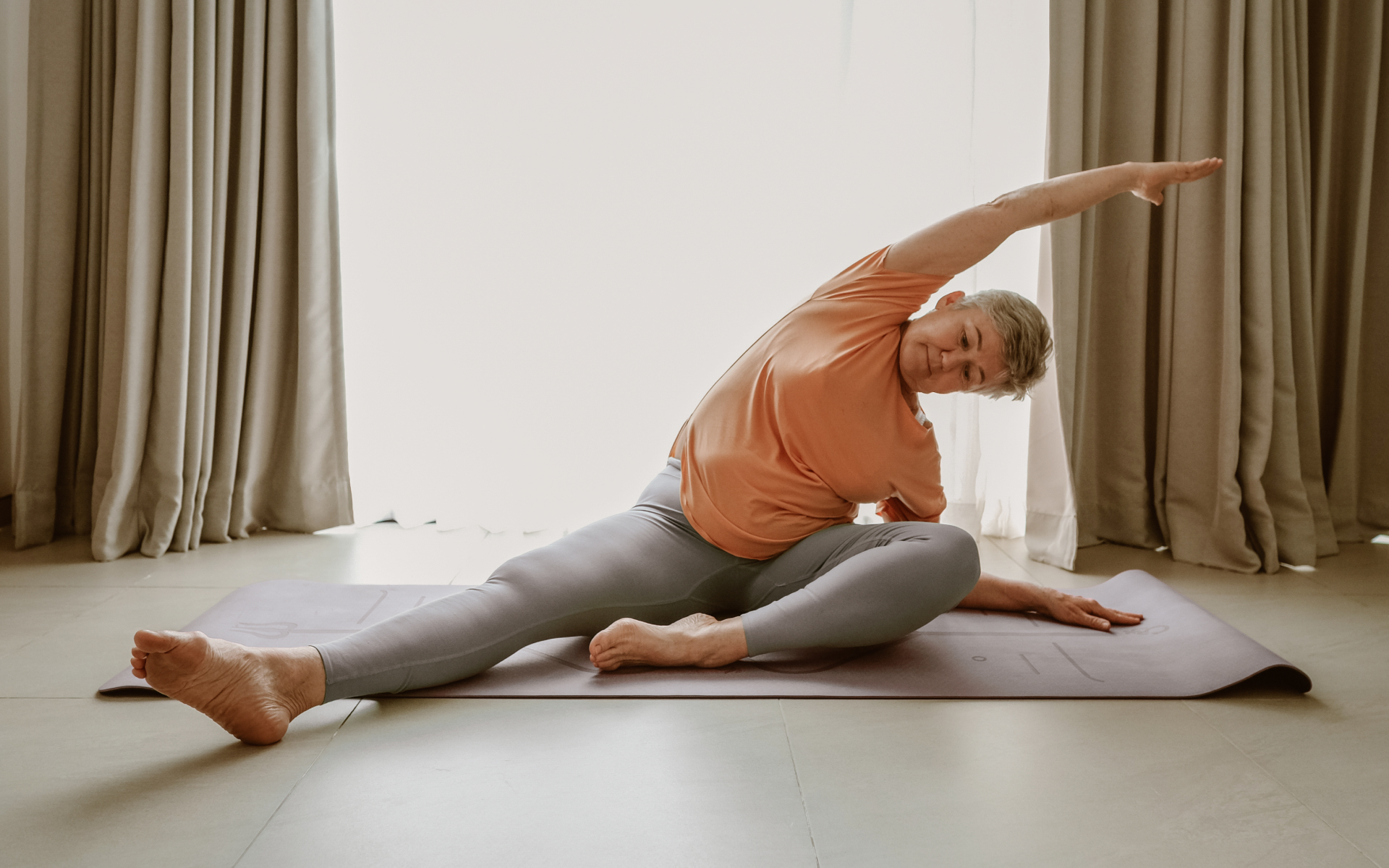
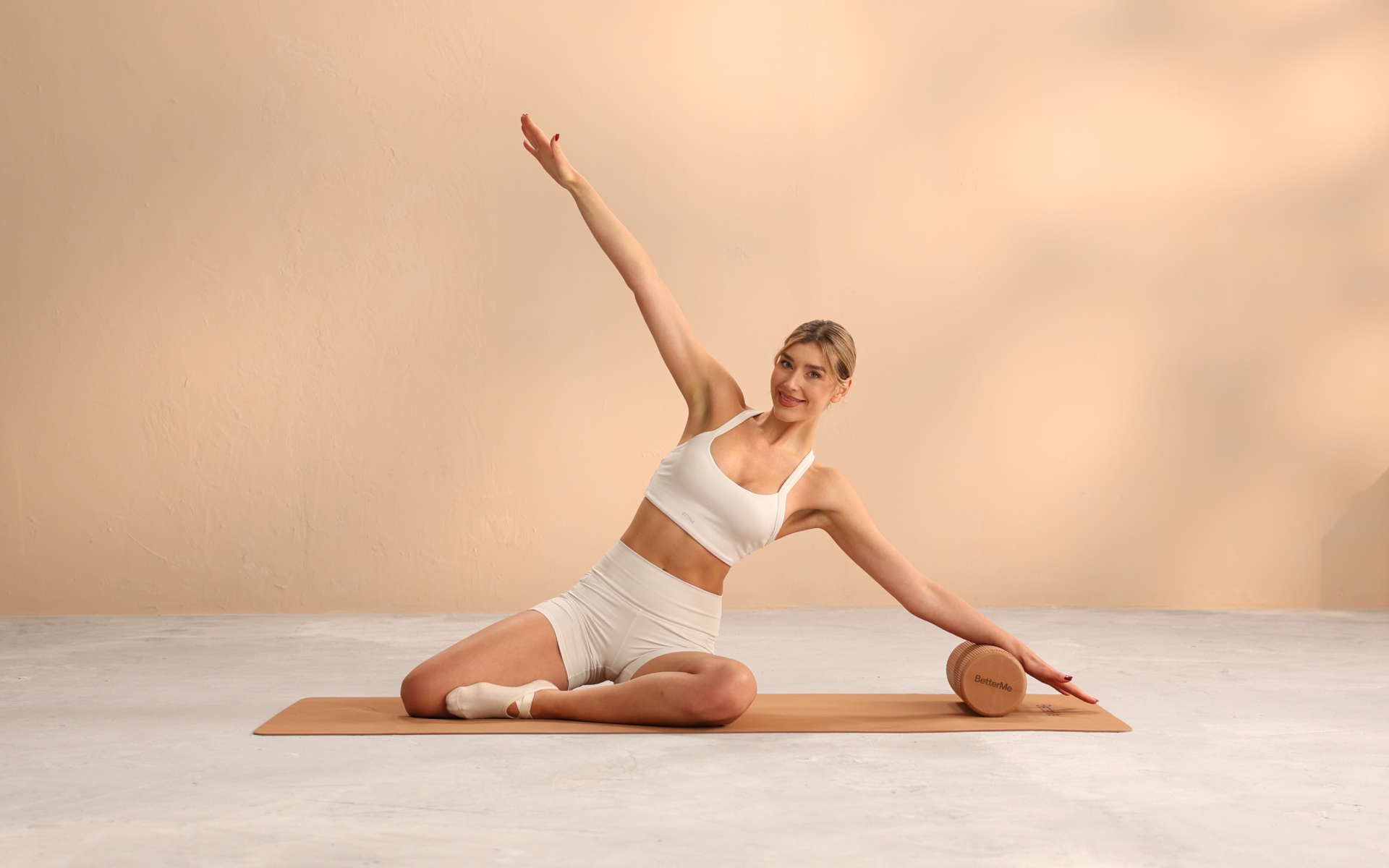
An active recovery day workout uses easy movement, such as walking, gentle cycling, or comfortable mobility exercises, between harder sessions. Choose an activity that feels light and stop if it increases pain or fatigue. This guide offers six sample options; our guide to what to do on rest days compares other ways to plan time off.
Active recovery is optional. Research does not establish it as a reliable way to improve later athletic performance (1).
Key takeaways
- An active recovery day uses easy movement between harder workouts.
- Evidence that active recovery improves athletic performance remains limited (1).
- Faster post-exercise lactate clearance does not establish a next-day performance benefit (2).
- Some research found reduced soreness, but this does not guarantee a result from a particular routine (3).
- Choose one sample option and shorten it whenever it feels tiring.
- Complete rest is an option; stop for pain and seek advice for persistent symptoms.
What counts as an active recovery day?
An active recovery day involves low-intensity movement on a day between demanding workouts. The same term can also describe movement immediately after exercise or between intervals, but evidence from those settings should not be treated as proof of next-day benefits.
Keep the session easy enough that it does not become another demanding workout.
Check how you feel during and after the session. Shorten it or stop if it adds fatigue.
Is active recovery better than rest?
Active recovery is not consistently superior to complete rest. A review of competitive adult athletes found weak evidence for improved athletic performance (1). The appropriate choice depends on the activity, timing, and your response.
Some studies find faster blood-lactate removal with active recovery immediately after exercise (2). This measured outcome is different from improved performance or faster recovery on the following day.
Do not use a lactate-clearance finding as a promise that a rest-day walk will improve your next workout.
A meta-analysis found reductions in post-exercise soreness with some active-recovery interventions (3). Protocols varied, so the result does not guarantee that a particular next-day routine will reduce soreness.
Here is what those findings do and do not tell us:
Lactate-clearance research
Lactate clearance is a laboratory outcome measured after exercise. It should not be used as a synonym for whole-body recovery.
In one small study, eight male triathletes completed 30-minute recovery conditions after exercise; some active conditions removed blood lactate faster than passive rest (2).
That study did not test whether a two-minute break maintains performance or whether a next-day workout repairs muscles faster.
Read more: 30-Minute Full-Body Workout, No Equipment Needed: The Complete Guide
Comfortable movement
An easy walk or cycle is an option if you want to move on a rest day.
Choose an activity you already know and can keep light, rather than adding unfamiliar exercise to a fatigued day.
Mobility practice
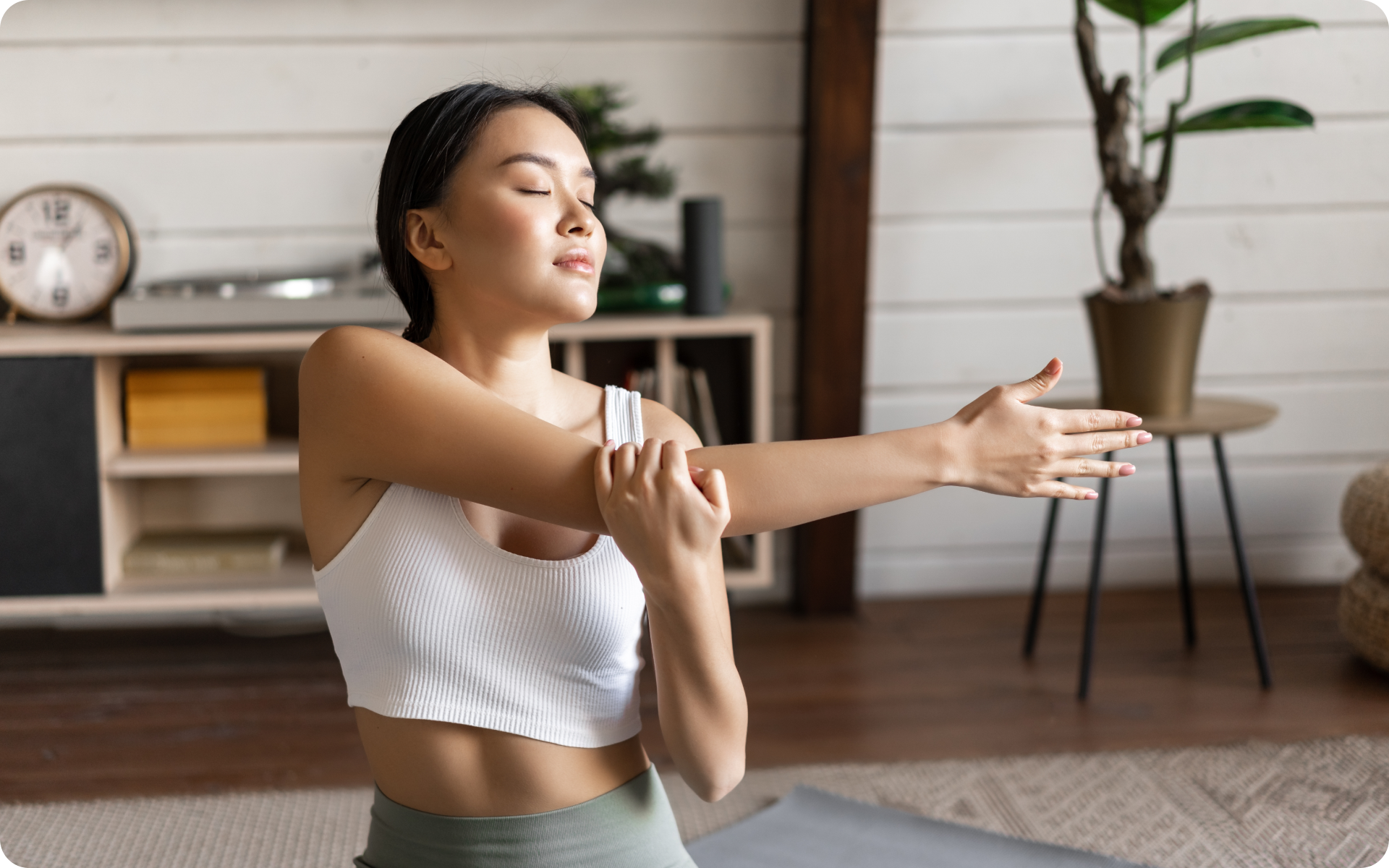
Your muscles can feel tight and stiff after working out.
You can use gentle movements to practice a comfortable range of motion.
Avoid forcing a stretch or treating stiffness as a reason to push farther.
Limits of performance claims
Evidence for an athletic-performance benefit remains limited (1). Faster lactate removal alone does not establish improved performance.
Personal preference
Some people enjoy an easy walk, swim, or gentle yoga session on a day off. Others prefer complete rest. Either choice can fit a training schedule.
How to do an active recovery day
Choose one easy activity, set a flexible duration, and reassess how it feels. The following steps are practical planning suggestions, not a tested recovery protocol.
Step 1: keep the intensity low
The intensity should be low enough that you can easily hold a conversation.
Use the conversation cue together with how the activity feels; there is no need to chase a particular effort score.
Step 2: choose low-impact activities
Choose a familiar activity that you can perform comfortably at a light effort. Options include:
- Walking
- Swimming
- Cycling
- Using an elliptical machine
- Light rowing
Step 3: keep it short
As a sample, try a short walk and extend it toward 20-30 minutes only if it still feels easy. Shorter sessions or complete rest are also options; this is not a proven recovery dose.
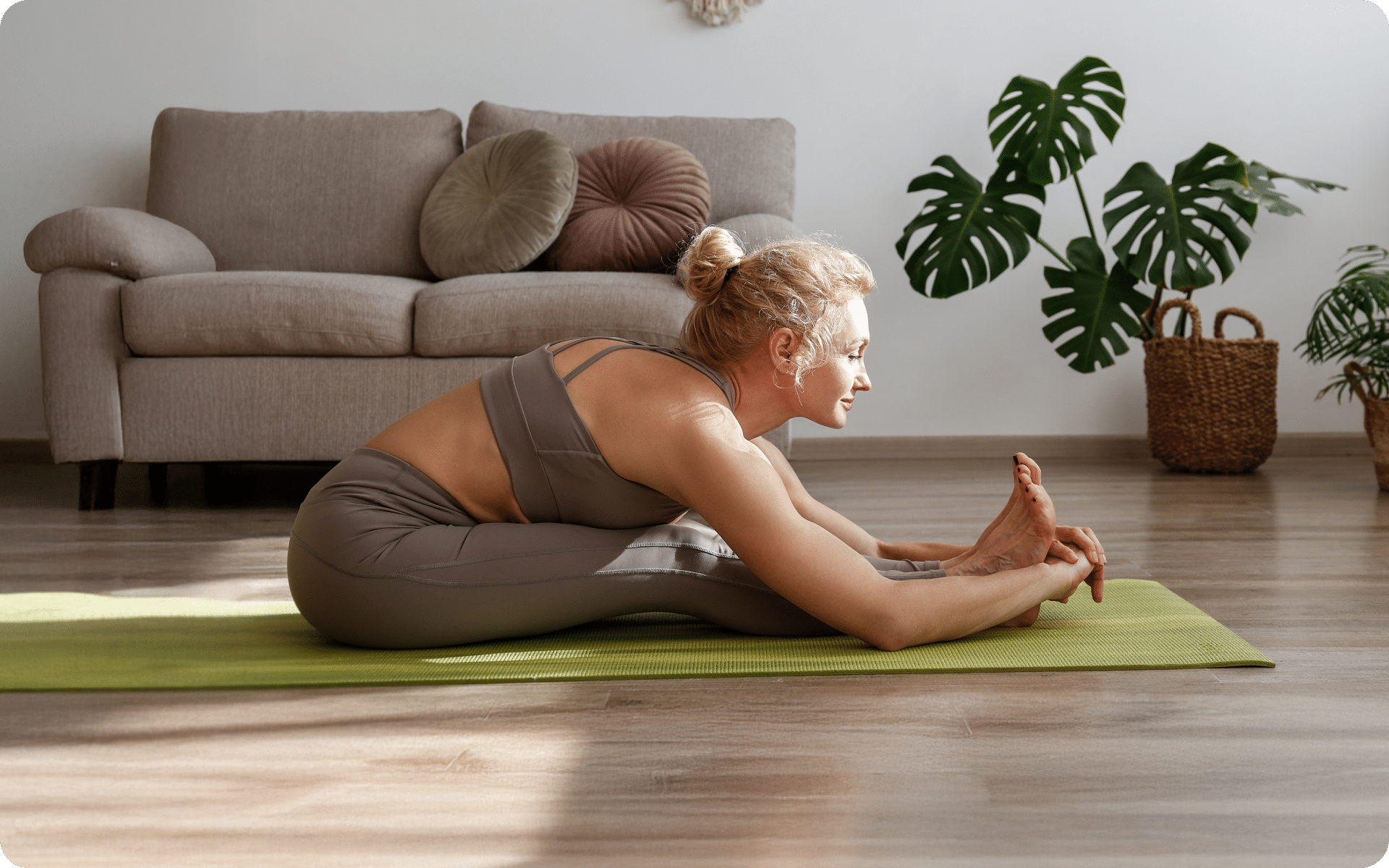
Step 4: focus on mobility and flexibility
Move within a comfortable range rather than forcing the end of a movement.
Dynamic stretches involve moving through a comfortable range, rather than holding a position. They are optional and should not be presented as a proven treatment for post-exercise soreness.
Examples include gentle leg swings, arm circles, and torso turns.
Static stretching, where you hold a stretch for 15-30 seconds, can also be included, especially after your light cardio session.
BetterMe offers a variety of workouts, recipes, challenges, and support tools to help you stay more consistent with your wellness routine. Explore the app to find features that fit your goals, preferences, and schedule.
Step 5: listen to your body
Stop if movement increases pain or discomfort. Seek professional advice for persistent or worsening symptoms.
Judge the session by comfort and effort rather than a requirement to feel energized afterward.
If you’re feeling particularly drained or sore, a full rest day might be the better option.
Step 6: hydrate and fuel properly
Keep water available and eat regular meals that suit your needs. Avoid treating a rest day as a reason to skip meals or follow an unverified nutrient-timing formula.
For example, a meal could include a protein food, a carbohydrate food, and vegetables or fruit.
- Protein-food examples include eggs, tofu, fish, beans, or lentils.
- Carbohydrate-food examples include potatoes, rice, whole-grain bread, or fruit.
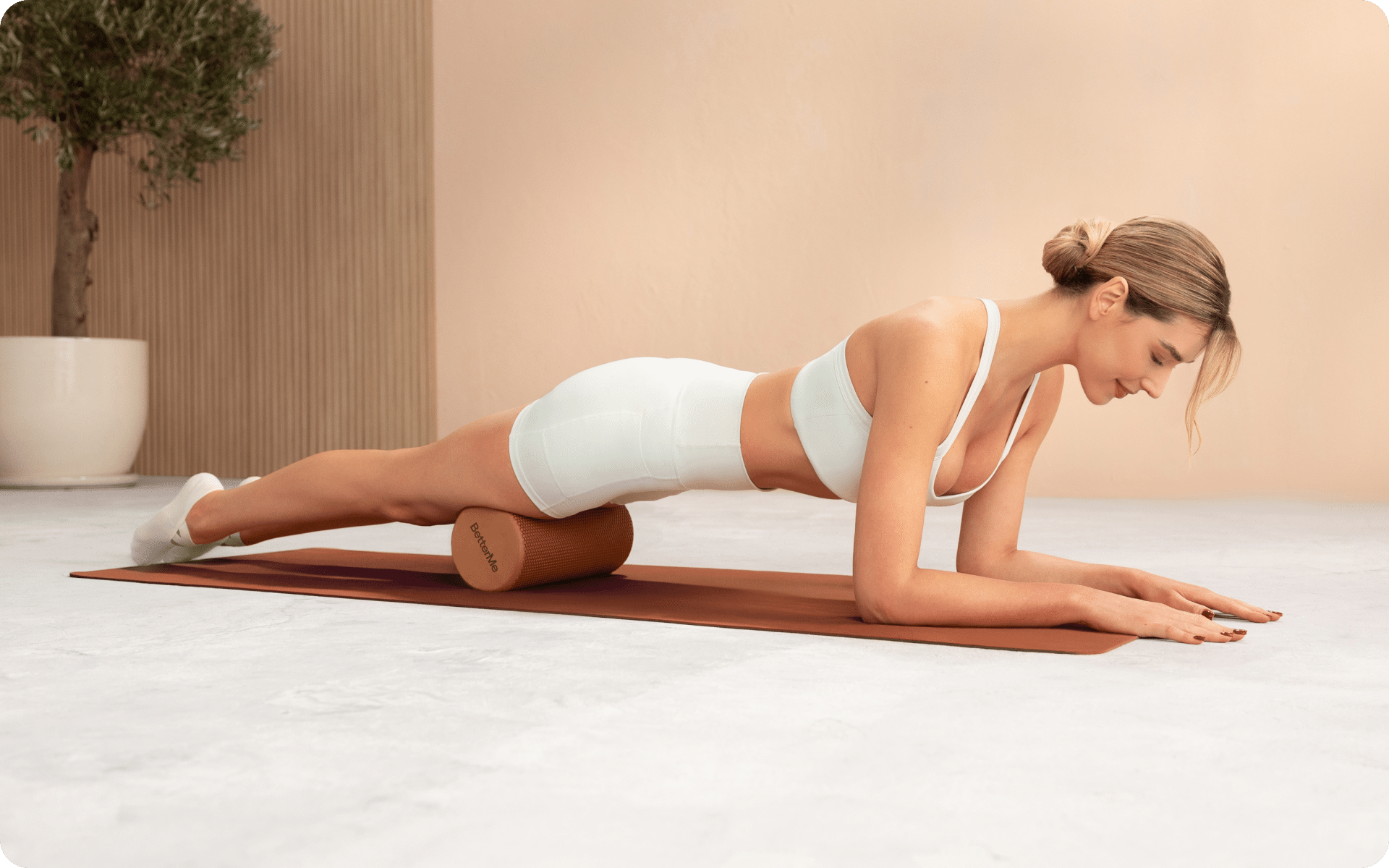
Step 7: incorporate foam rolling
Foam rolling is optional. A meta-analysis found generally small effects, including some reduction in perceived muscle pain after exercise (4); it should not be presented as flushing waste or speeding tissue repair.
Use comfortable pressure on muscle tissue. Avoid rolling directly over joints or areas of acute pain.
Step 8: prioritize sleep
Make room for regular sleep. A consensus recommendation for adults aged 18-60 is at least seven hours per night, with individual needs varying (5). This is general sleep guidance, not a recovery-workout prescription.
For additional planning ideas, see our active rest day guide.

What is a gentle active recovery day workout?
Choose one of these six sample options, rather than combining all of them. Durations, holds, and repetitions are illustrative; reduce or omit anything that feels tiring or uncomfortable.
Pick an option that suits your equipment, experience, and energy that day.
1. 30-minute recovery workout – walk (no equipment)
Walking is one option when you have a comfortable route. Shorten this sample as needed.
- Warm-up (5 minutes): Walk at a slow, relaxed pace.
- Main set (up to 20 minutes): Keep a relaxed pace at which conversation feels easy. Slow down or finish sooner if effort increases.
- Cool-down (5 minutes): Gradually slow your pace back down to a gentle stroll.
2. full-body dynamic stretching (no equipment)
This routine focuses on mobility and can be done at home.
No exercise equipment is required for this sample.
- Leg Swings (Forward and Sideways): 10-12 reps per leg.
- Arm Circles (Forward and Backward): 10-12 reps in each direction.
- Torso Twists: 10-12 reps to each side.
- Cat-Cow Stretch: 10-12 reps.
- World’s Greatest Stretch: 5-6 reps per side, holding for a few seconds.
- Walking High Knees and Butt Kicks: 30 seconds of each.
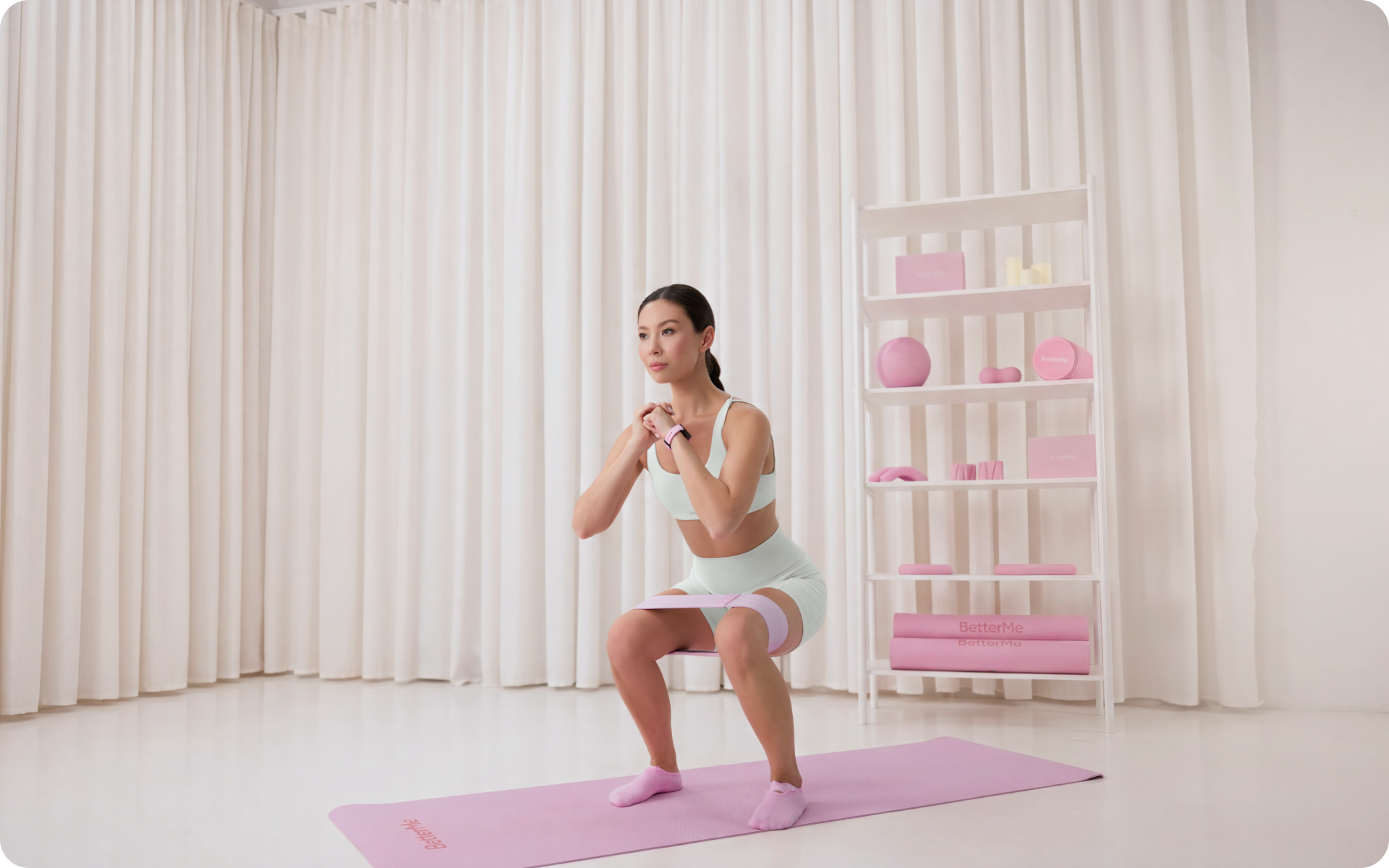
3. resistance band activation workout
Use a light resistance band only if these movements already feel familiar and easy.
Start with one set of each selected movement. Skip exercises or reduce repetitions if you feel muscle fatigue; there is no required session duration.
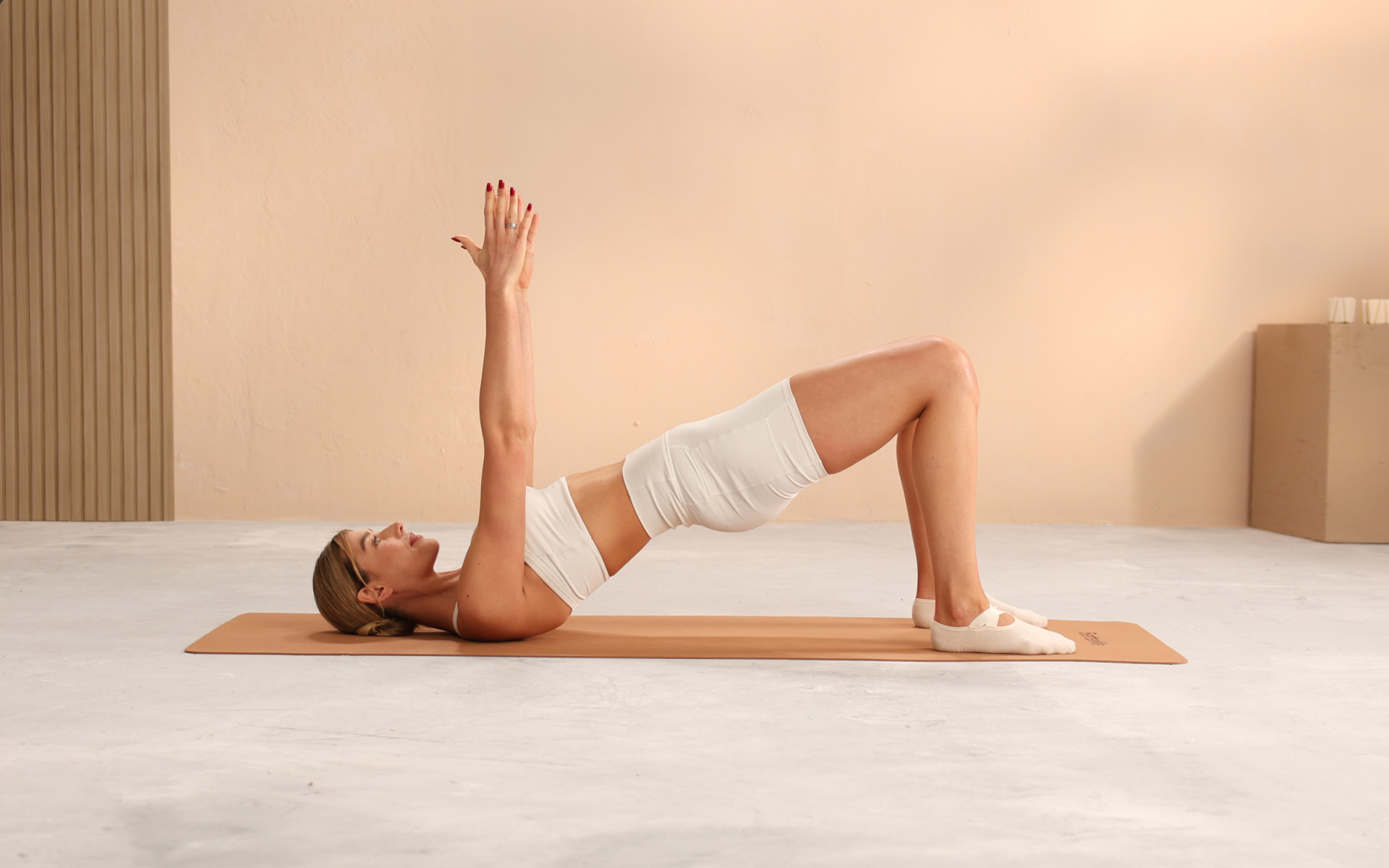
- Banded glute bridges: Up to 15 repetitions.
- Lateral band walks: Up to 15 steps in each direction.
- Banded pull-aparts: Up to 15 repetitions.
- Banded external rotations: Up to 15 repetitions per arm.
- Bird-dog without a band: Up to 10 repetitions per side.
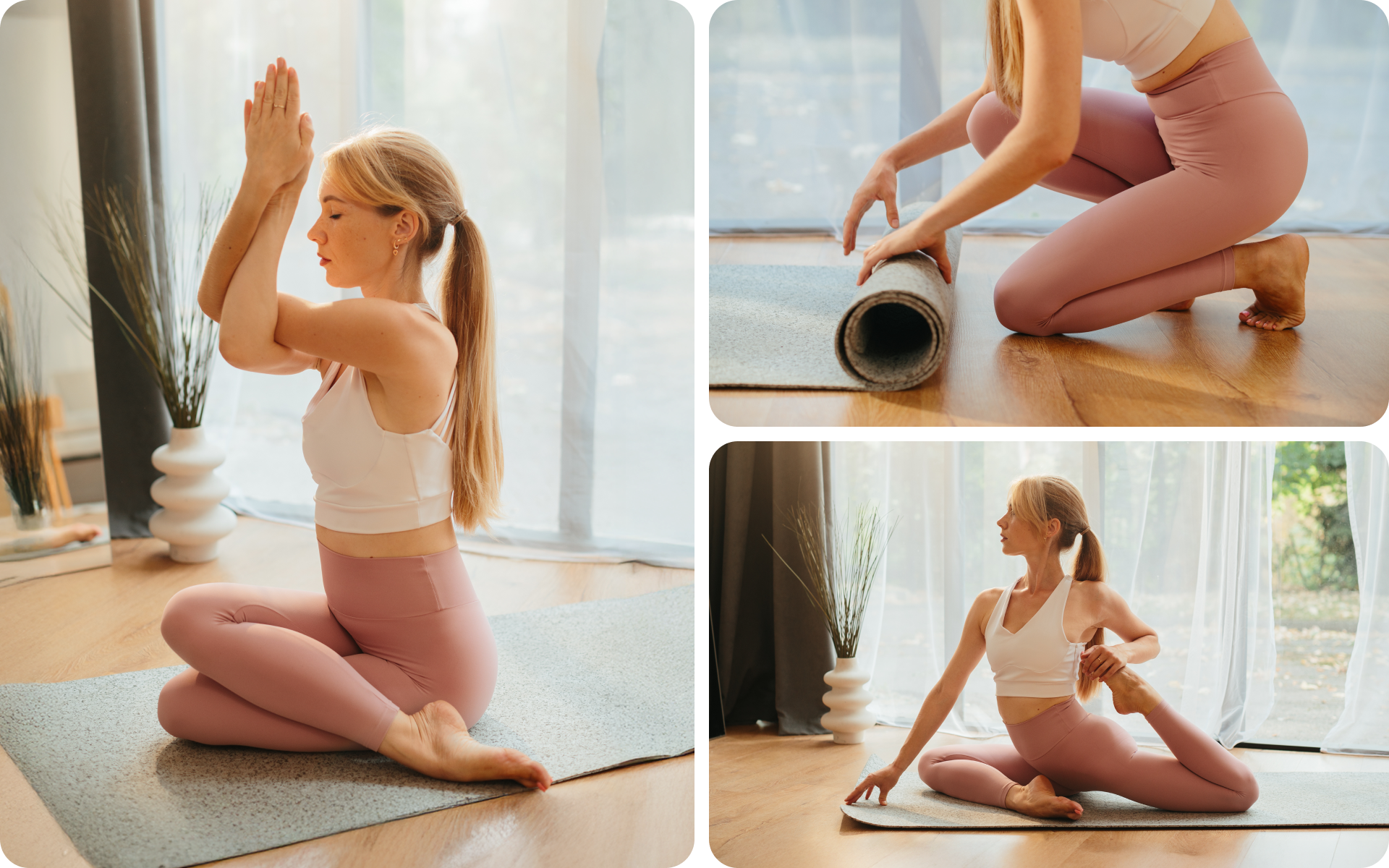
4. gentle yoga flow
If you already practice yoga, choose familiar poses that feel comfortable and easy. Shorten holds or omit any pose that feels demanding.
- Child’s Pose: Hold for 30-60 seconds.
- Cat-Cow: Flow for 8-10 breaths.
- Downward-Facing Dog: Hold for 30-60 seconds, pedaling out your feet.
- Low Lunge: Hold for 30 seconds per side.
- Supported reclined figure-four position: Hold briefly on each side only if comfortable.
- Supine Twist: Hold for 30 seconds per side.
- Savasana (Corpse Pose): 5 minutes of relaxation.
5. mat Pilates
If Pilates is familiar to you, choose easy variations and omit movements that create fatigue. This sample is not evidence that Pilates accelerates recovery.
- Modified Hundred: Rest your head and feet on the mat; try five comfortable breath cycles with five small arm pulses on the inhale and five on the exhale. Stop sooner if it feels tiring.
- Single Leg Circles: 8-10 circles in each direction, per leg.
- Rolling Like a Ball: 8-10 reps.
- Spine Stretch Forward: 5-6 reps.
- Optional brief supported plank: Omit this if it feels strenuous or affects comfortable breathing.
- Shell Stretch (Child’s Pose): Hold for 30-60 seconds.
Read more: Bodyweight Core Exercises: A Simple Way to Build Strength
6. light cardio and foam rolling circuit
This routine combines a short cardio session with targeted foam rolling.
- Light cardio (up to 15-20 minutes): Choose a familiar bike, elliptical, or rower and keep conversation easy. Finish sooner if needed.
- Optional foam rolling: Try a brief comfortable pass over selected muscle areas, rather than aiming for a fixed total duration:
- Calves
- Hamstrings
- Quads
- Glutes
- Outer-thigh muscles, avoiding direct pressure over the knee or hip
- Upper Back
Our guide to workout recovery discusses additional planning considerations.
What are active recovery mistakes?
Check whether the activity is still easy and whether you would prefer complete rest. Common planning problems include:
Going too hard
Increasing the pace or resistance can turn the session into a demanding workout. Reduce the effort if conversation becomes difficult or fatigue builds.
Sweating alone does not determine exercise intensity. Pay attention to breathing, comfort, and effort.
Choosing high-impact activities
Running or jumping may be too demanding depending on your usual training and how you feel. Choose an easier activity or complete rest if these movements add fatigue or discomfort.
Ignoring pain signals
Stop for sharp, increasing, or persistent pain. Seek professional advice when symptoms continue, rather than trying to work through them.
Not getting enough passive rest
Leave time for complete rest and regular sleep in your schedule.
If you repeatedly feel worn down, reduce the workload and reassess your training plan.
When should I avoid active recovery?
Choose complete rest when gentle movement feels unpleasant, adds fatigue, or conflicts with professional advice for an injury.
Opt for passive recovery if:
- Movement increases pain: Stop the activity and seek advice if symptoms persist or worsen.
- You feel mentally or physically exhausted: Take a break from structured exercise and reassess how you feel.
- You have an injury: If you’re injured, follow the advice of a medical professional. Active recovery might be part of your rehabilitation plan, but it needs to be prescribed and monitored carefully.
- Your performance keeps declining: Reduce the workload and seek qualified advice if the decline or unusual fatigue persists. This pattern alone does not diagnose overtraining.
Workouts, weight management tools, and recipe ideas come together in the BetterMe: Health Coaching app, giving you practical support for building a more consistent wellness routine.

FAQs
Is sauna active recovery?
No. Sauna use does not involve the gentle physical activity that defines active recovery. Heat exposure has separate considerations and is not necessary for a rest day.
Can I run for active recovery?
For highly conditioned runners, a very slow, short jog might qualify as active recovery.
Whether a jog feels easy depends on your conditioning and current fatigue. Choose walking or complete rest if running feels demanding or uncomfortable.
How intense should active recovery be?
Keep it easy enough to converse comfortably, while monitoring pain and fatigue. There is no need to meet a fixed heart-rate percentage or effort score.
Which food is good for muscle recovery?
Choose regular, varied meals rather than relying on one recovery food or a rigid post-workout deadline.
Foods rich in protein include chicken, fish, eggs, tofu, and legumes.
Good sources of carbohydrates include whole grains, fruits, and starchy vegetables.
Include vegetables and fruit for variety; no food in this list guarantees faster muscle recovery.
The bottom line
An active recovery day can include easy movement when that feels comfortable. Choose one short sample option and adjust it to your response.
Leave room for complete rest, regular meals, and sleep.
Stop if the activity increases pain or fatigue, and seek advice for persistent symptoms.
DISCLAIMER:
This article is intended for general informational purposes only and does not serve to address individual circumstances. It is not a substitute for professional advice or help and should not be relied on for making any kind of decision-making. Any action taken as a direct or indirect result of the information in this article is entirely at your own risk and is your sole responsibility.
BetterMe, its content staff, and its medical advisors accept no responsibility for inaccuracies, errors, misstatements, inconsistencies, or omissions and specifically disclaim any liability, loss or risk, personal, professional or otherwise, which may be incurred as a consequence, directly or indirectly, of the use and/or application of any content.
You should always seek the advice of your physician or other qualified health provider with any questions you may have regarding a medical condition or your specific situation. Never disregard professional medical advice or delay seeking it because of BetterMe content. If you suspect or think you may have a medical emergency, call your doctor.
SOURCES:
- A Systematic Review on the Effectiveness of Active Recovery Interventions on Athletic Performance of Professional-, Collegiate-, and Competitive-Level Adult Athletes (2019, pubmed.ncbi.nlm.nih.gov)
- Blood lactate removal during recovery at various intensities below the individual anaerobic threshold in triathletes (2005, pubmed.ncbi.nlm.nih.gov)
- An Evidence-Based Approach for Choosing Post-exercise Recovery Techniques to Reduce Markers of Muscle Damage, Soreness, Fatigue, and Inflammation: A Systematic Review With Meta-Analysis (2018, pubmed.ncbi.nlm.nih.gov)
- A Meta-Analysis of the Effects of Foam Rolling on Performance and Recovery (2019, frontiersin.org)
- Recommended Amount of Sleep for a Healthy Adult: A Joint Consensus Statement of the American Academy of Sleep Medicine and Sleep Research Society (2015, pmc.ncbi.nlm.nih.gov)

 Reviewed by
 By
By