While standing might seem like it has taken over sitting and standing desks seem to be the new health hack, there’s still a little bit of caution to be had, as standing for long periods of time, without moving, can still pose some detrimental effects.
The key is to try to break up standing with some movement, as well as making sure your posture is supporting you. Having supportive, well-fitting shoes is also an important aspect that can help prevent other physical issues arising down the track.
Anti-fatigue standing mats (1, 2) are another popular tool that can help provide some support and further relief.
If you have no choice but to stand for prolonged periods of time, then trying to find ways that can support you as best as physically possible is the best way to go.
Continue reading to learn more about how you can support your physical health best if you do have to stand all day.
What Are Supportive Stretches for Standing All Day?
Supportive stretches for standing all day will primarily focus on the lower body and postural muscles, as these support your body weight. Working through the entire body, types of stretches can include foot stretches, lower leg stretches (calf), and upper leg stretches that target the quadriceps, hamstrings, glutes, and hips, before progressing to some core muscles, as well as stretches for the lower and upper back (3).
The aim of stretching is to help reduce muscle tightness, improve joint mobility, promote circulation, and relieve tension that can build up from prolonged standing. Regular stretching may also help maintain better posture and reduce discomfort in areas that commonly experience fatigue, such as the feet, legs, and lower back (4).
Simple Stretches in Each Category Include
Foot stretches:
- Toe curls and toe extensions
- Rolling the sole of the foot over a small ball or bottle
- Gentle toe pulls to stretch the plantar fascia
Lower leg stretches:
- Standing calf stretch against a wall
- Seated ankle circles
- Ankle pumps to mobilize the ankle joint
Upper leg stretches:
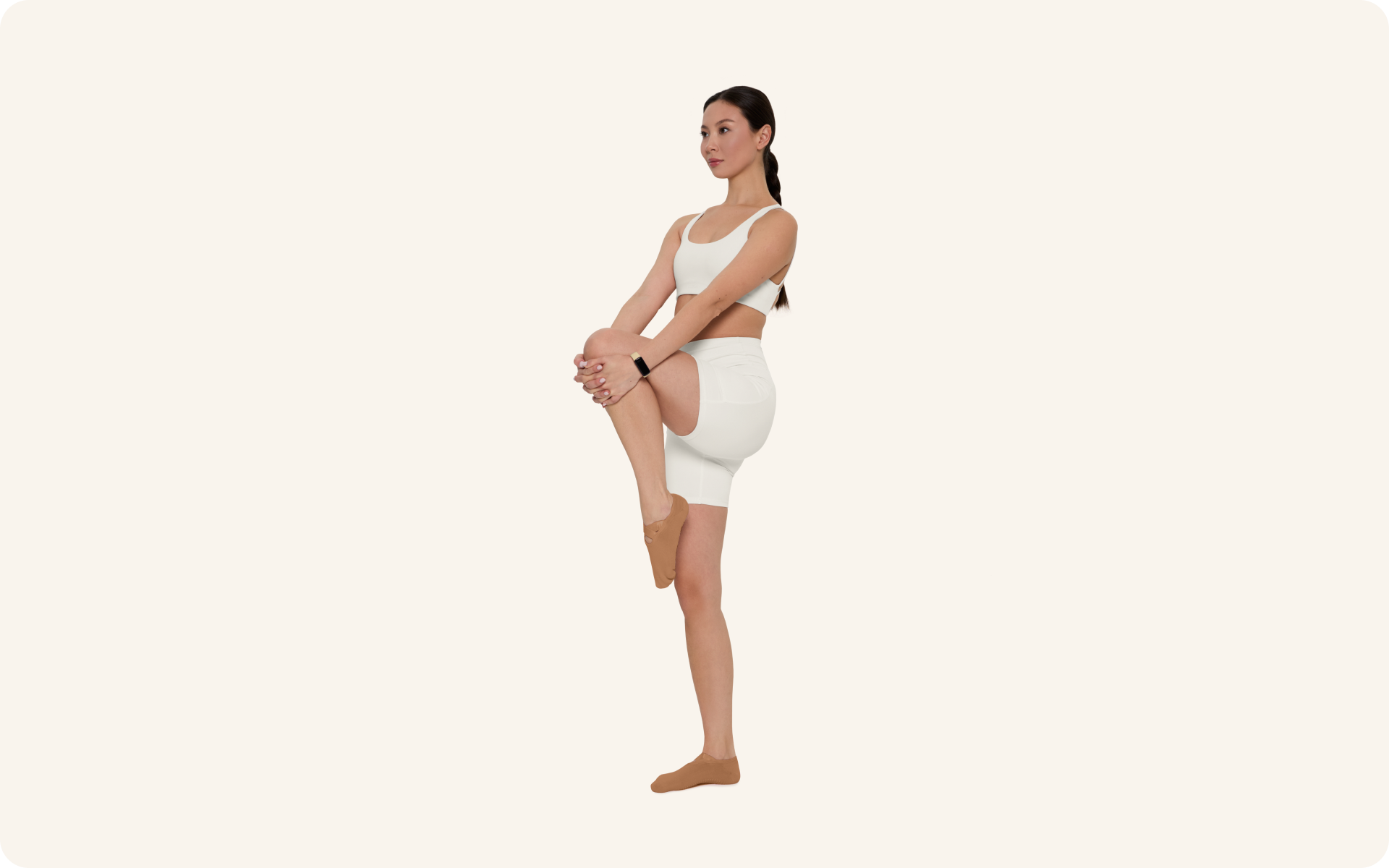
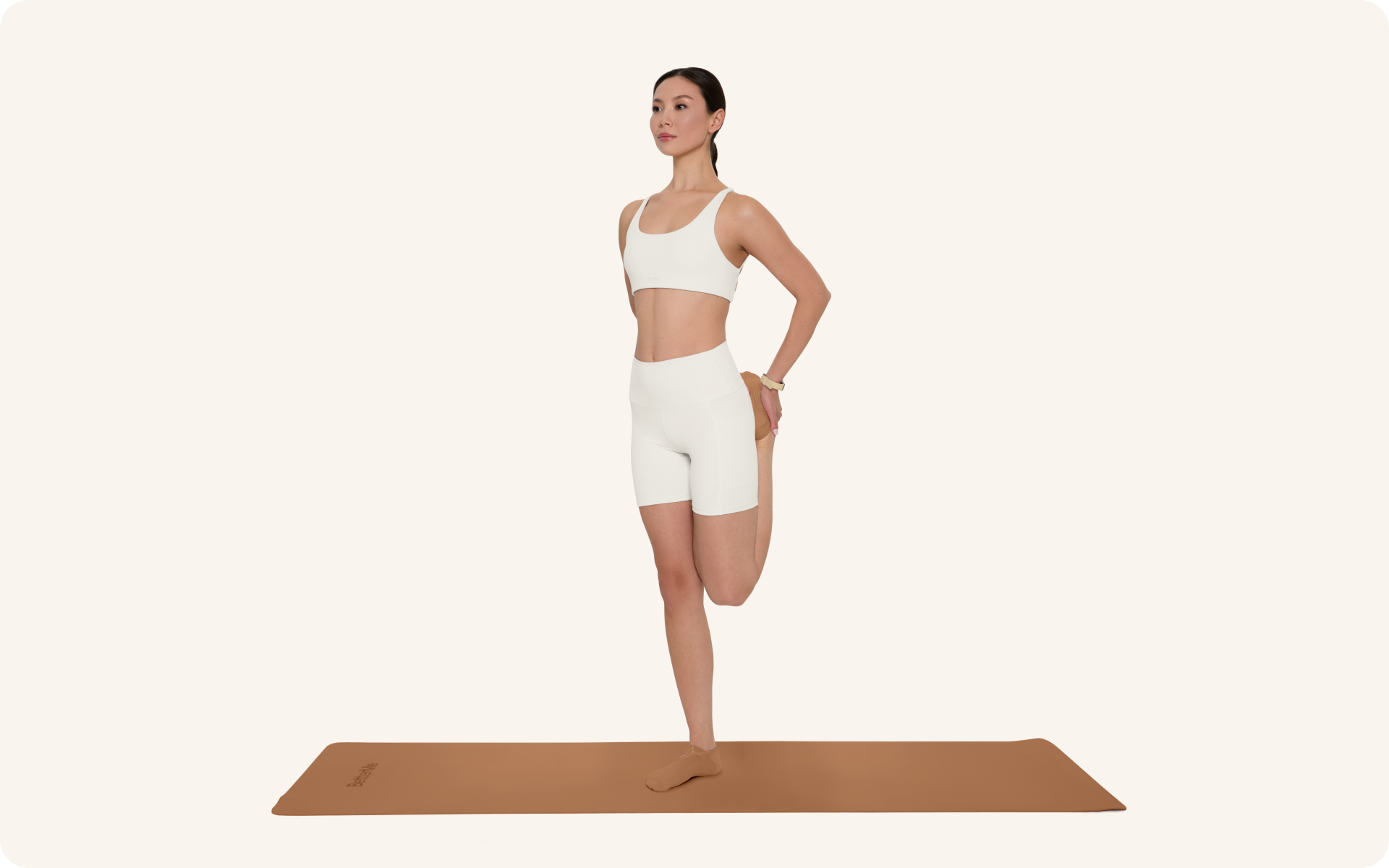
- Standing quadriceps stretch
- Hamstring stretch (standing or seated)
- Figure-four stretch to target the glutes and hips
Core and back stretches:
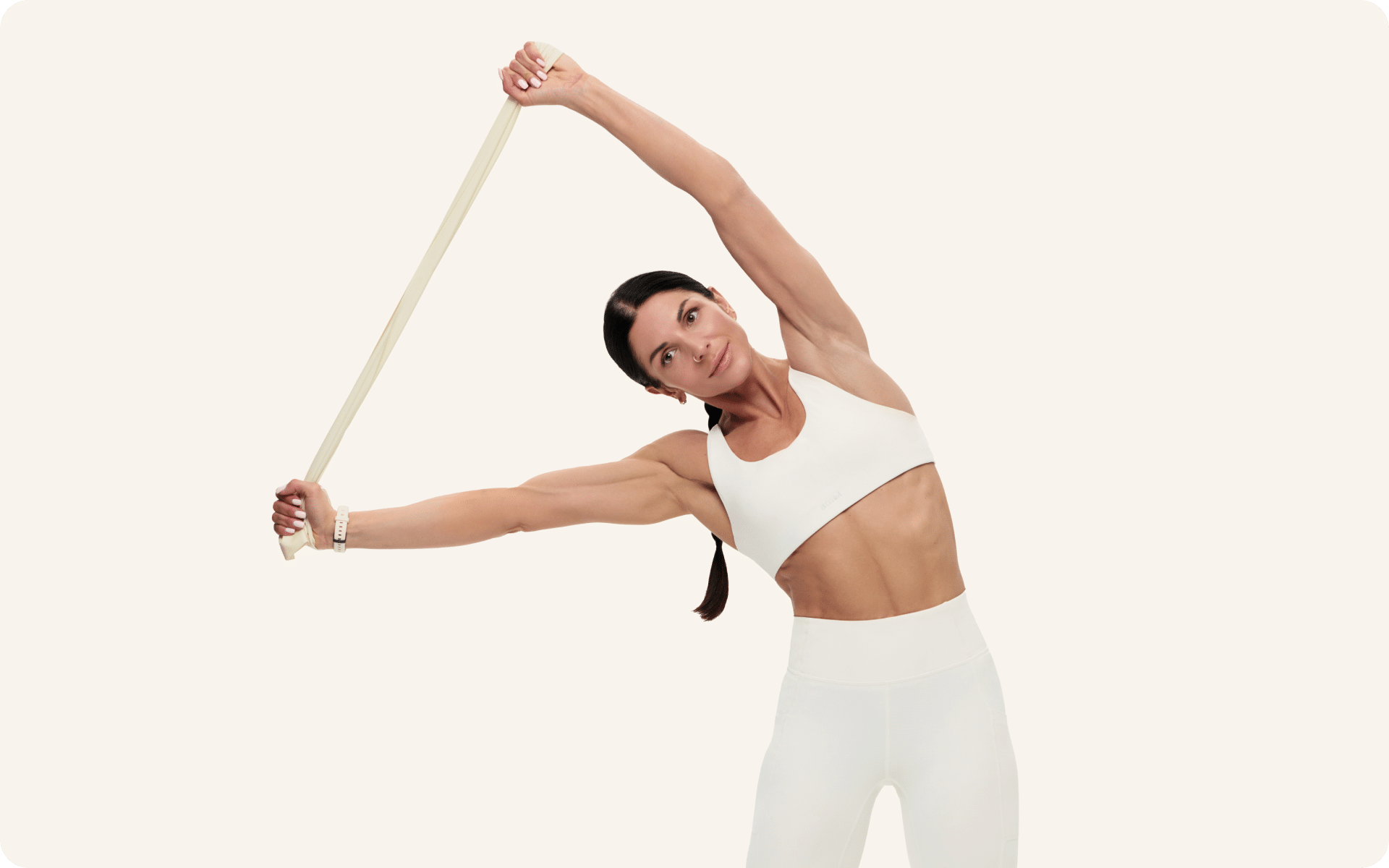
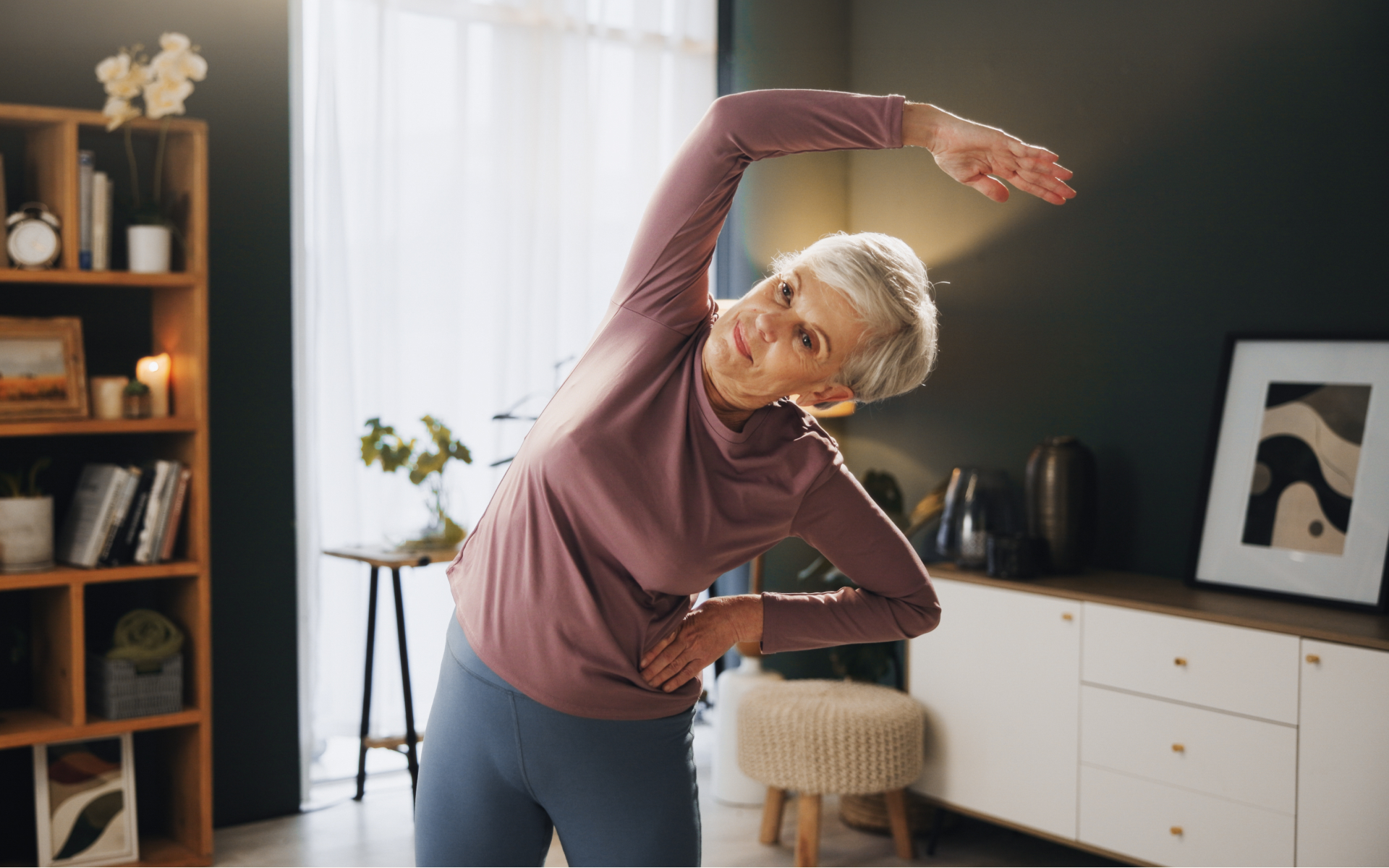
- Standing side bends
- Gentle trunk rotations
- Cat–cow stretch or back extension movements
Incorporating a few of these stretches throughout the day, particularly during breaks, can help reduce stiffness and improve comfort for individuals who spend long hours standing (5). You can continue reading more about the benefits of stretching.
How to Recover After Standing All Day
Recovering after standing for long periods may include sitting in a comfortable, supportive chair or lying down to rest. Elevating the legs above heart level can help improve venous blood flow and reduce swelling in the lower limbs (1). Gentle movement, such as walking or light stretching, may also support circulation and reduce muscle stiffness (2). Some people may benefit from wearing compression socks during the day as these can help improve circulation and reduce leg discomfort or swelling associated with prolonged standing (3). Ensuring well-fitting, supportive footwear and getting adequate rest can also help support overall recovery and comfort (4).
Whether you’re just starting your fitness journey or looking to add more structure to your routine, BetterMe offers tools that can support different wellness goals. Explore the app and see how its workout, nutrition, and habit-building features can fit into your lifestyle.
What Are Beginner-friendly Stretches for Standing All Day?
Beginner-friendly stretches for people who spend long hours standing typically involve simple movements that target the body’s major muscle groups, with particular emphasis on the lower body, where tension and fatigue tend to build up the most. If you’re looking for a stretching exercise for beginners, start with gentle movements that are easy to control and don’t require a high level of flexibility.
These stretches can be divided into upper-body and lower-body movements to help relieve stiffness and improve overall mobility.
Upper Body
- Triceps (back of the upper arm)
- Pectoral muscles (chest)
- Neck muscles and cervical spine
- Core muscles and thoracic/lumbar spine (trunk rotation)
Lower Body
- Calf muscles (gastrocnemius and soleus)
- Ankle joint and surrounding stabilizing muscles
- Hamstrings (back of the thigh)
- Hip rotators and gluteal muscles
- Quadriceps (front of the thigh)
Stretching can also be performed using different methods. Two common approaches are dynamic stretching, which involves controlled movements through a full range of motion, and passive stretching, where a stretch is held in a stationary position for a period of time. Both types can be valuable additions to a daily stretching routine, particularly for individuals who spend extended periods on their feet (5, 6).
| Stretching exercise | Description | Example/instructions |
|---|---|---|
| Neck stretch | Movements that involve bending the neck forward, backward, and side to side. | Sit or stand upright. Slowly tilt your head toward one shoulder, hold for 10-15 seconds, then repeat on the other side. |
| Shoulder stretch | Exercises that involve pulling the shoulders back, forward, and upward to loosen the joint. | Roll your shoulders backward in a circular motion for 10 repetitions, then repeat rolling them forward. |
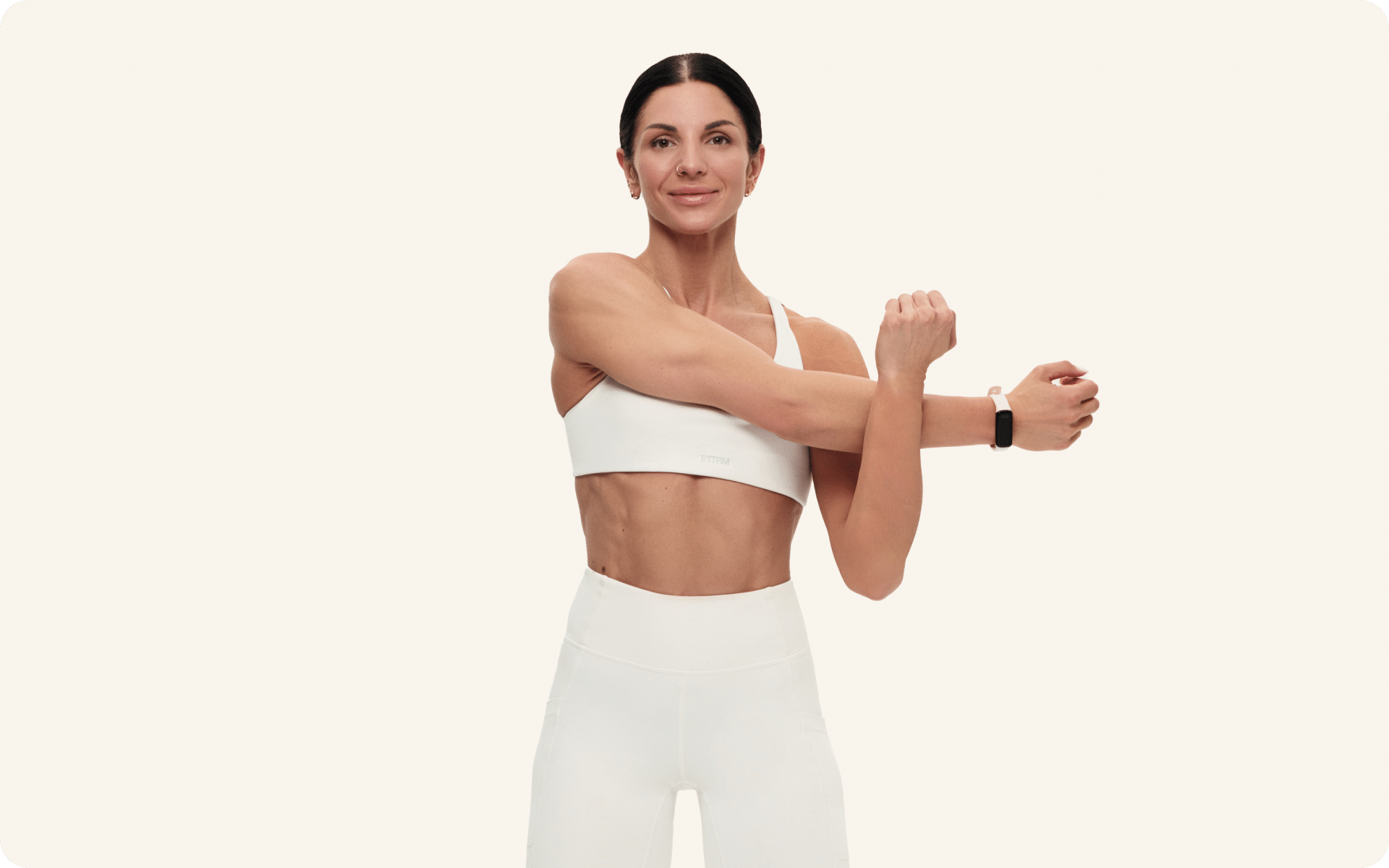
| Arm curl stretch | Stretches that target the biceps and triceps muscles in the upper arm. | Raise one arm overhead, bend the elbow so the hand reaches down the back, and gently press the elbow with the opposite hand. Hold for 15 seconds. |
| Wrist bend | Stretching the wrist joint to work both flexor and extensor muscles. | Extend one arm forward with the palm facing down. Use the other hand to gently pull the fingers downward, hold for 10-15 seconds, then switch. |
| Abdominal bend | A back extension movement that stretches the abdominal region. | Lie face down and place your hands under your shoulders. Gently press up to lift your chest while keeping your hips on the floor. Hold for 10 seconds. |
| Trunk twist | Rotational movement that mobilizes the lower back and torso. | Sit upright with feet flat on the floor. Twist your upper body to one side while keeping your hips facing forward. Hold briefly, then repeat on the other side. |
| Hamstring stretch | A stretch that’s designed to lengthen the muscles at the back of the thigh. | Stand upright and place one foot on a low step. Keep the leg straight and lean slightly forward from the hips until a stretch is felt. |
| Quadriceps stretch | Targets the muscles at the front of the thigh. | Stand on one leg, bend the other knee, and hold your ankle behind you. Gently pull the heel toward your glutes and hold for 15 seconds. |
| Knee to chest | A stretch that helps loosen the lower back muscles. | Lie on your back and pull one knee toward your chest using both hands. Hold for 15-20 seconds, then switch legs. |
| Side bends | A movement that stretches the sides of the torso and waist. | Stand tall with your feet hip-width apart. Raise one arm overhead and slowly lean to the opposite side. Hold briefly and repeat on the other side. |
| Ankle circles | Circular movement of the ankle to improve joint mobility. | Sit or stand and lift one foot slightly off the ground. Rotate the ankle slowly in circles for 10 repetitions each direction. |
| Ankle pumps | Alternating foot movements that stretch the lower leg muscles. | Sit or lie down with legs extended. Point your toes away from you, then pull them back toward your body. Repeat 10-15 times. |
Read more: 6 Wall Stretches for the Lower Back: A Complete Guide
Is 20 Minutes of Stretching a Day Enough?
For most people, 20 minutes of stretching per day is generally more than enough to help maintain or improve flexibility. Exercise guidelines suggest that holding stretches for around 10-30 seconds and accumulating about 60 seconds per muscle group several days per week can be effective. This means that shorter stretching sessions can still provide benefits. Consistency, proper technique, and stretching the major muscle groups are often more important than the total time spent stretching (3).
BetterMe Well-Being Coach app can help you build a more structured approach to your wellness routine with meal plans, workouts, and habit-tracking tools. Start using the app to explore options that may support your personal fitness and nutrition goals.
How Do I Get My Body Used to Standing All Day?
As with anything, building it up over time will help. You could think of it like a workout where to get stronger, you need to increase the reps or sets, or even like a run, the same principles apply.
Making sure that you’re wearing comfortable, supportive and well-fitting shoes is also going to be a crucial player in supporting your body. In addition, if possible, utilising an anti-fatigue standing mat has been shown to help relieve and prevent lower back pain (1, 2).
What Happens if You Stand for Too Long Every Day?
If you stand for long periods every day, your muscles may fatigue and start to ache, and it can become harder to maintain good posture. Prolonged standing without regular movement places sustained pressure on the feet, joints, and muscles. It can also contribute to blood pooling in the lower limbs, which may reduce efficient circulation and lead to discomfort, swelling, or fatigue (4).
Read more: 8 Gentle Hip Mobility Stretches to Practice at Home
What Happens if I Don’t Stretch Daily?
If you don’t stretch regularly, some muscles may gradually feel tighter or less flexible over time. This can contribute to a reduced range of motion in certain joints and may lead to feelings of stiffness (7). When your range of motion is limited, it can sometimes influence how your body moves during daily activities or exercise. In some situations, restricted mobility may contribute to changes in movement patterns, which could place additional stress on certain muscles or joints (8). However, flexibility is influenced by many factors, including overall activity levels and movement habits.
FAQs
How long is it unhealthy to stand?
Standing becomes potentially problematic when it is prolonged without movement, typically beyond 1-2 hours at a time. The key factor isn’t just duration, but lack of variation. Regularly changing positions or incorporating movement can help reduce strain and support circulation.
Are humans meant to stand all day?
Humans are designed for movement rather than staying in one position all day. While standing is a natural posture, remaining stationary for long periods can place stress on muscles and joints. A combination of sitting, standing, and moving is generally considered most supportive.
What muscles should I stretch daily?
Focusing on major muscle groups can be beneficial, particularly those that have a tendency to become tight from daily activities. This often includes the calves, hamstrings, hip flexors, glutes, chest, and upper back. Targeting these areas may help support posture and overall movement.
Which is better, stretching or walking?
Which is better depends on the desired outcome, as both offer different benefits. Stretching can help improve flexibility and reduce muscle tension, while walking supports circulation and cardiovascular health. Including both can help support overall movement and physical function.
Is stretching anti-aging?
Stretching is not inherently ‘anti-aging’, but it can help maintain movement quality and flexibility as you get older. By reducing muscle tension and supporting joint range of motion, stretching may help you continue moving more comfortably and maintain physical function over time.
The Bottom Line
Standing for long periods can place stress on the body, particularly when movement is limited. Over time, this may lead to muscle fatigue, joint discomfort, and reduced circulation. However, simple strategies such as breaking up standing with regular movement, wearing supportive footwear, and incorporating targeted stretching can help reduce these effects.
Short stretching sessions throughout the day may support circulation, maintain mobility, and ease muscle tension. Recovery strategies, such as elevating the legs or gentle movement, can also help after long periods on your feet. Consistently applying these habits can help improve comfort, posture, and overall physical function over time.
DISCLAIMER:
This article is intended for general informational purposes only and does not serve to address individual circumstances. It is not a substitute for professional advice or help and should not be relied on for making any kind of decision-making. Any action taken as a direct or indirect result of the information in this article is entirely at your own risk and is your sole responsibility.
BetterMe, its content staff, and its medical advisors accept no responsibility for inaccuracies, errors, misstatements, inconsistencies, or omissions and specifically disclaim any liability, loss or risk, personal, professional or otherwise, which may be incurred as a consequence, directly or indirectly, of the use and/or application of any content.
You should always seek the advice of your physician or other qualified health provider with any questions you may have regarding a medical condition or your specific situation. Never disregard professional medical advice or delay seeking it because of BetterMe content. If you suspect or think you may have a medical emergency, call your doctor.
SOURCES:
- The Effect of Standing Mats on Biomechanical Characteristics of Lower Limbs and Perceived Exertion for Healthy Individuals during Prolonged Standing (2022, nih.gov)
- Anti-fatigue mats can reduce low back discomfort in transient pain developers (2022, nih.gov)
- Practical recommendations on stretching exercise: A Delphi consensus statement of international research experts (2025, nih.gov)
- Evidence of Health Risks Associated with Prolonged Standing at Work and Intervention Effectiveness (2014, nih.gov)
- CURRENT CONCEPTS IN MUSCLE STRETCHING FOR EXERCISE AND REHABILITATION (2012, nih.gov)
- Human Anatomy and Physiology I (2024, pressbooks.pub)
- Cross Education Training Effects are Evident with Twice Daily, Self-Administered Band Stretch Training (2019, nih.gov)
- Participant and Researcher Perceptions of Stretching Intensity and Muscle Tension in A Hamstrings and Shoulder Stretch in Healthy Young Adults (2026, nih.gov)
 Reviewed by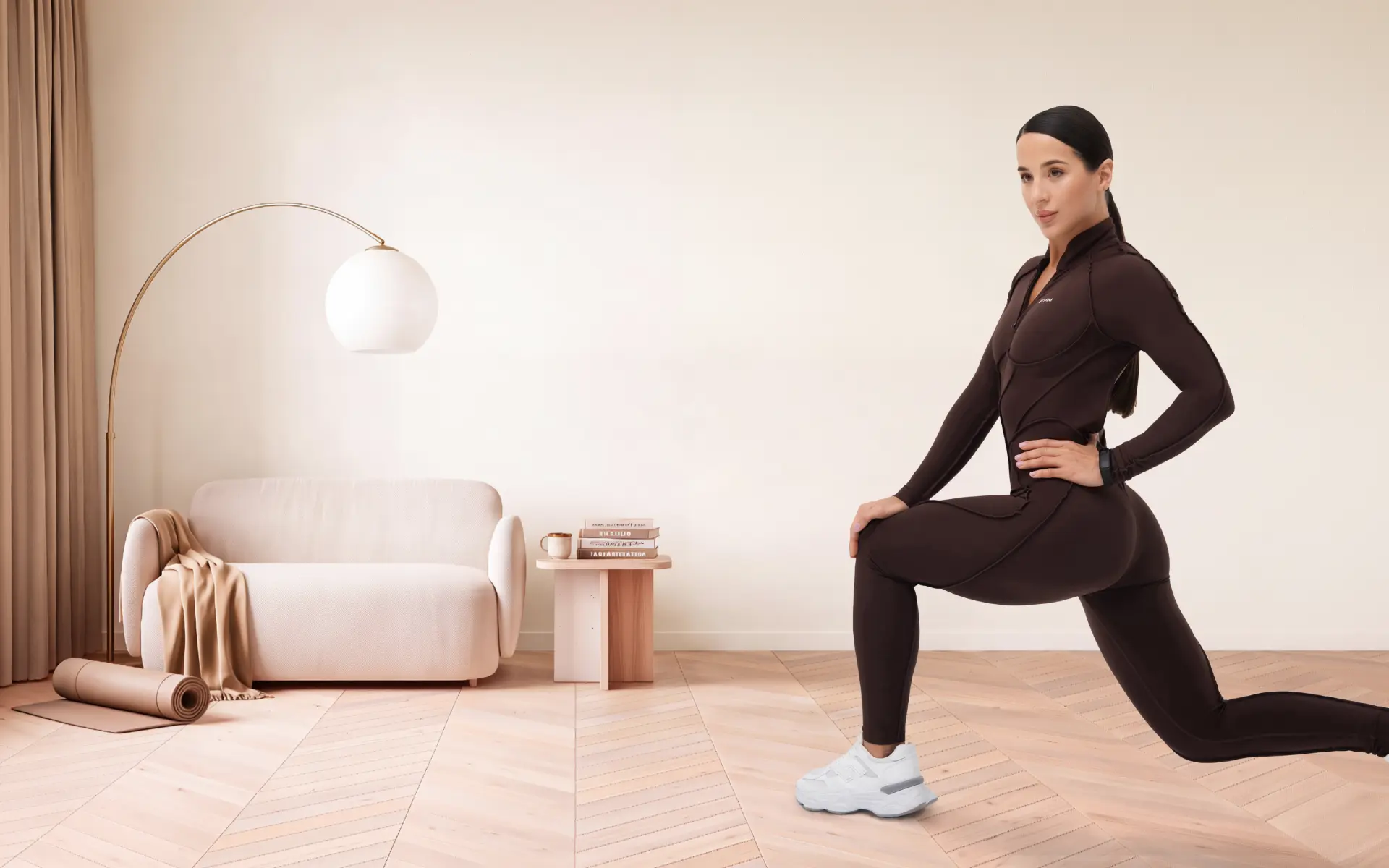
 Reviewed by
 By
By