
You’ve probably heard about the plant-based diet and about intermittent fasting too. Maybe you’ve even seen them as two worlds that don’t touch, or as two things that contradict each other. And perhaps, like many people, you’ve noticed that when someone says “plant-based diet” or “intermittent fasting”, the first thing that comes to mind is a long list of things you can no longer eat. As if eating healthy were synonymous with rules and sacrifices.
However, the reality is quite different. Neither of them is about forbidding things. A plant-based diet isn’t about taking food away, and fasting isn’t about going hungry. In fact, they could complement each other very well. You just need to understand them and apply them with common sense. And that’s what we’re going to do here, step by step, from what it really means to eat plant-based to how fasting fits (or doesn’t) into your everyday life.
Every fast is a personal experience. Your dietary preferences, body composition, and activity level can influence your fasting journey. Consider consulting a healthcare provider before starting a fasting regimen.
What Is the Healthiest Plant-Based Diet?
Before we talk about which is the healthiest, it helps to understand what exactly a “plant-based diet” means. It’s a pattern of eating where plant-based foods take center stage: fruits, vegetables, legumes, whole grains, nuts, and seeds make up most of what you eat (1). But that doesn’t mean it completely excludes foods of animal origin.
In fact, the balance between plants and animal-based foods isn’t a fixed number—it varies from person to person and depends on each case. Some people follow an almost entirely plant-based diet, while others include small amounts of fish, eggs, or dairy, mainly for their protein (1).
So when we ask what is the healthiest plant-based diet? The answer is that there’s no single formula that works for everyone. What does exist is a way of building it that works better than others, and that way rests on three things.
- Variety of colors and food groups. No single plant food, no matter how good it is, contains everything the body needs. That’s why a good plant-based diet combines several groups: vegetables, legumes, grains, seeds, fruits, and healthy fats.
- Real foods as the base, avoiding ultra-processed foods, even when they’re “plant-based”. Ideally, the base is made up of real foods, the kind you know where they come from, for example, an apple instead of a sugary juice (2).
- Making sure there’s protein at every meal, whether from plant sources (such as legumes, tofu, tempeh, nuts, or seeds) or animal sources (such as fish, eggs, or dairy) (3).
There isn’t a single “correct” plant-based diet. What does exist is a way of building one that covers what your body needs, and that’s something we’ll walk through step by step in the next sections.
What Do I Eat in a Day on a Plant-Based Diet?
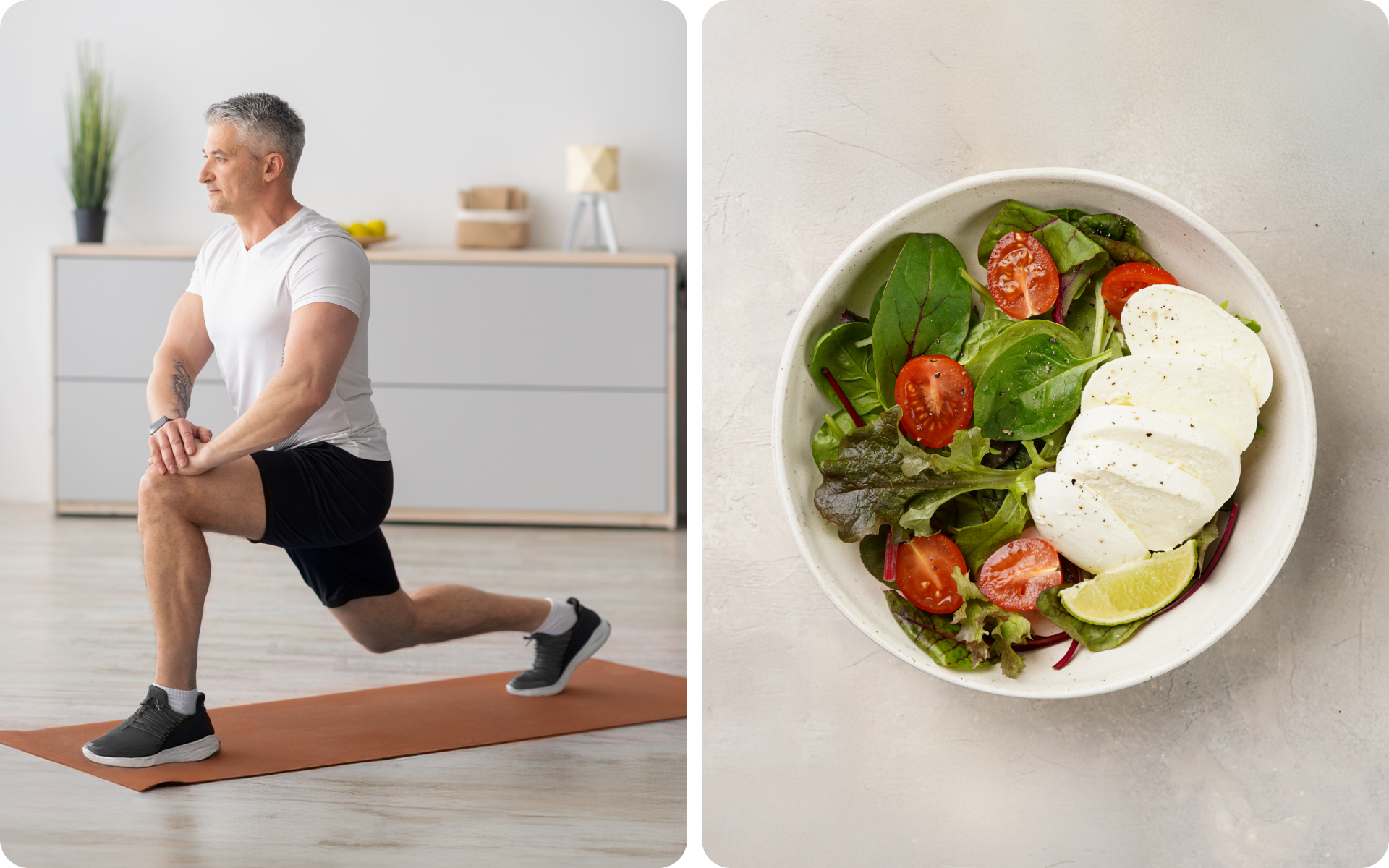
You might be wondering how that translates into a real day. The good news is that you don’t need to follow a strict plan or weigh every food—it’s enough to apply the principles we already covered (variety, real foods, and protein at every meal) and let them guide your choices meal by meal. A plant-based diet for beginners doesn’t have to be more complicated than that.
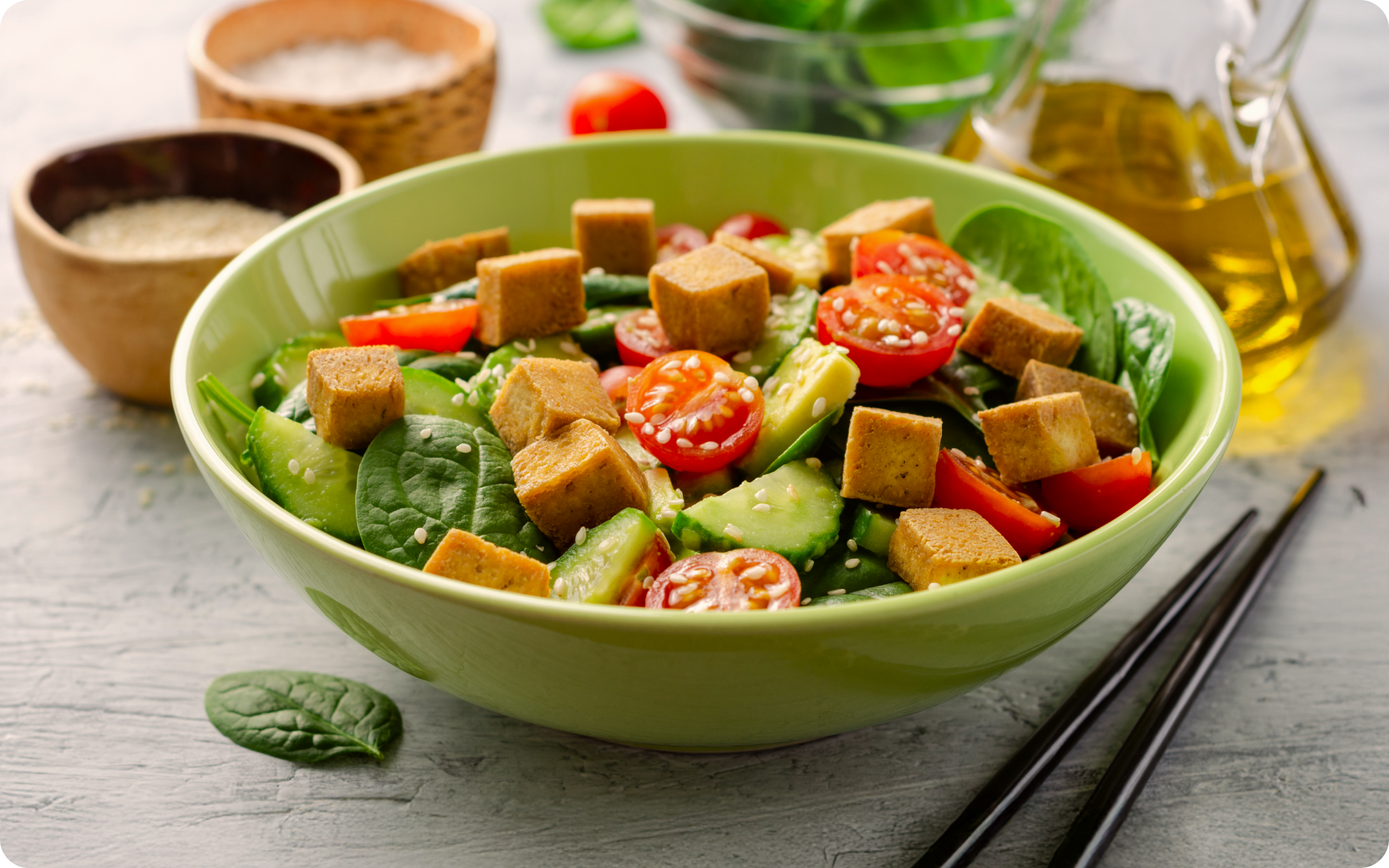
A useful tool for visualizing the plate is to divide it into three parts: half with vegetables, and the other half split between protein (legumes, tofu, tempeh, nuts, or fish, eggs, and dairy if you include them) and whole-grain carbohydrates (rice, quinoa, oats, potato). Healthy fats also fit naturally into that distribution, whether as part of a sauce, a dressing, or the finishing touch on the plate. It’s not a strict rule, but it helps you get a quick sense of how to balance each meal.
The important thing is to move comfortably through the whole range of plant foods: different vegetables, different legumes, different grain sources. Combining colors, textures, and cooking methods keeps the diet from becoming monotonous and ensures your body gets a broad spectrum of nutrients.
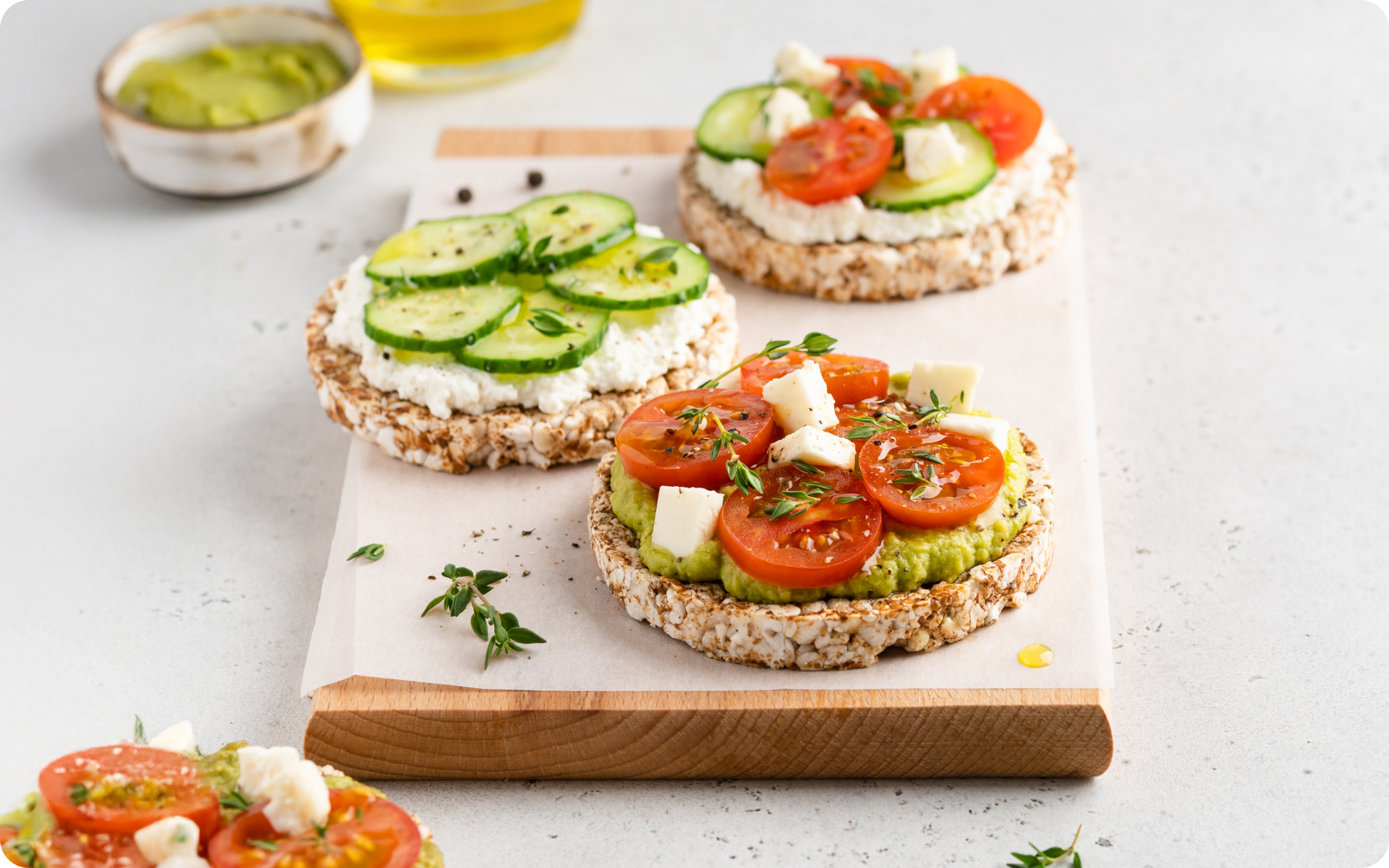
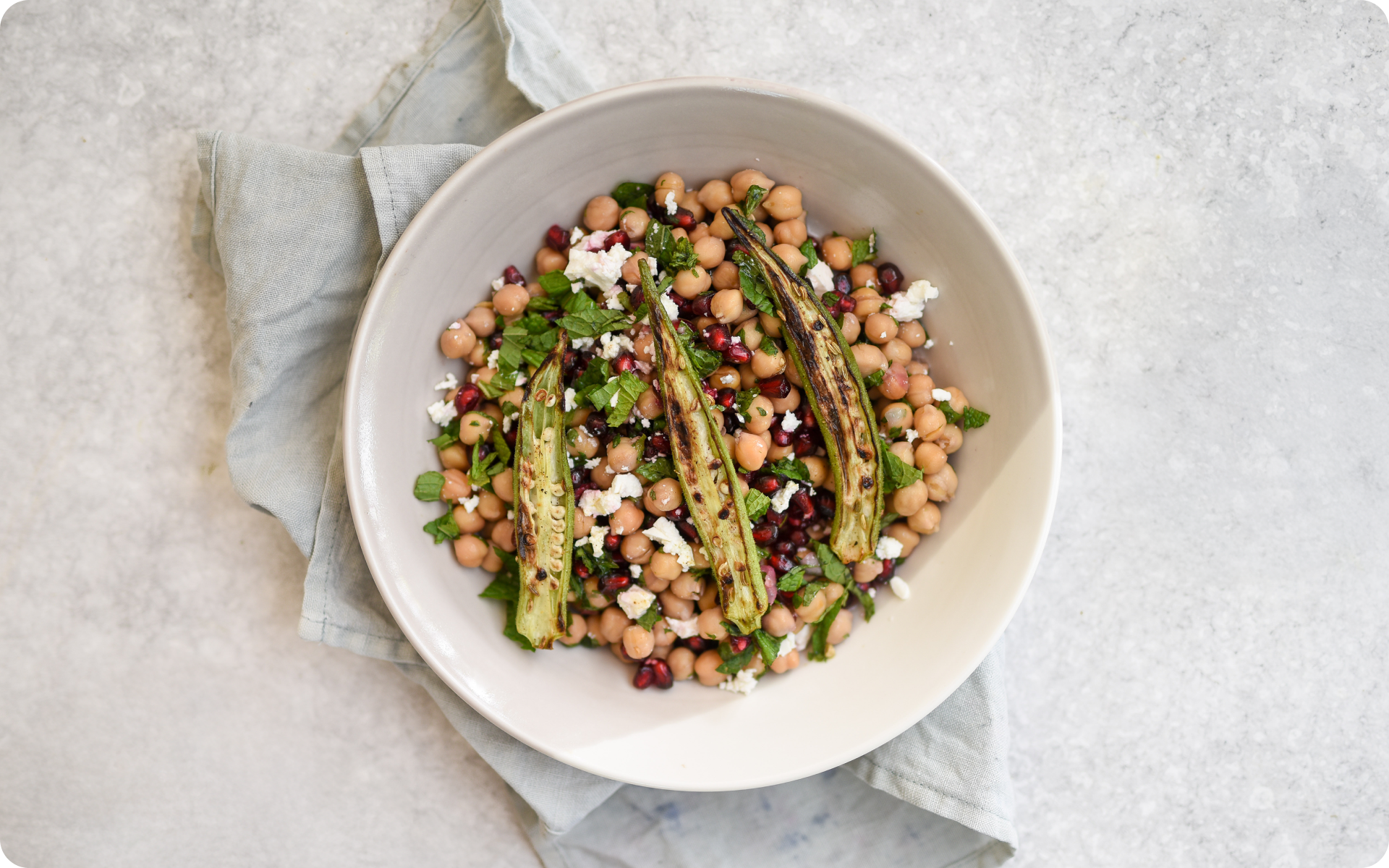
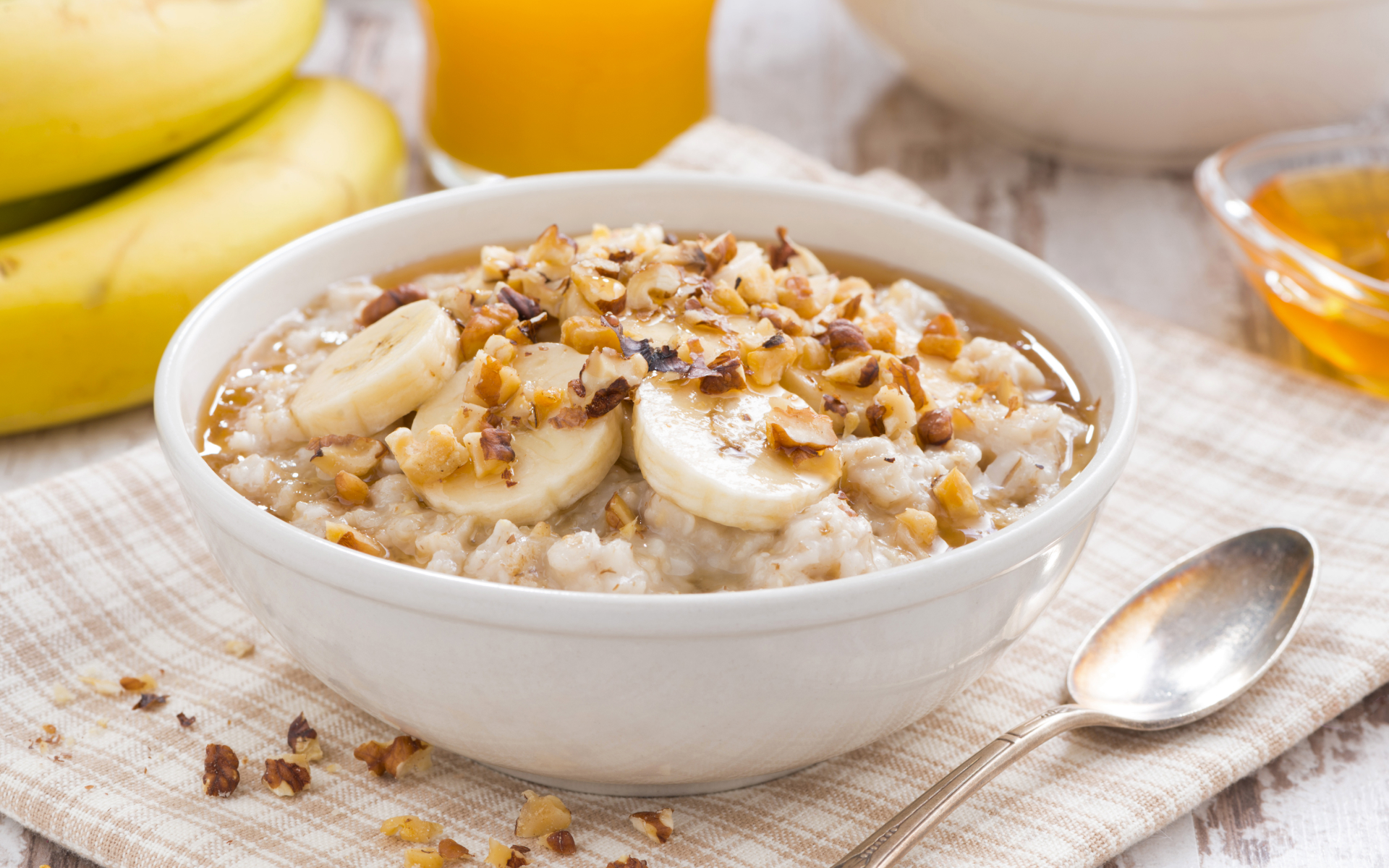
In practice, this means the same food could show up in countless ways: lentils in a stew, in a salad, in a veggie burger, or in a soup. Oats could be a breakfast with fruit, or turn into savory porridge at midday. Plant-based diet meals like these show just how much variety fits into every recipe.
Read more: The Ultimate High-Protein Plant-Based Meal Plan
What Happens to Your Body When You Only Eat Plant-Based Food?
When someone says “I only eat plants,” it usually brings to mind a list of restrictions. However, a plant-based diet isn’t about taking things away, it’s about putting vegetables front and center. And your body notices fairly quickly, in more ways than one.
Increasing fiber from fruits, vegetables, and legumes may temporarily change digestion for some people, including bloating or changes in regularity. Responses vary, and gradual dietary changes may be easier to tolerate (4).
Plant foods can provide fiber and a range of vitamins and minerals. These nutrients contribute to normal energy metabolism and everyday functioning, but individual energy levels and exercise experiences depend on many factors (5).
Some observational research has found associations between higher ultra-processed-food intake, night eating, and poorer sleep quality. This does not establish that a particular plant-based meal pattern will improve sleep (6).
Over time, a varied eating pattern can contribute nutrients that support general wellbeing. Visible changes in skin, hair, nails, or weight are not guaranteed and can be influenced by many dietary, health, and lifestyle factors (7).
One important thing to note: these benefits don’t arrive on their own just because you’re eating plants. They show up when your diet is varied and built on real foods, as we saw earlier. Ultimately, what happens to your body depends less on what you take out, and more on the quality of what you put in its place.

Can I Do Intermittent Fasting on a Plant-Based Diet?
Yes, you can! But first, let’s go over what intermittent fasting is: an eating pattern, a way of organizing when you eat throughout the day. Intermittent fasting doesn’t tell you what to eat, it only tells you when. No forbidden-food lists, no weighing your portions. It’s simply structuring your meals within a window of the day (the most common one being fasting from 8 pm till 8 am). This approach creates regular periods for eating and fasting, but individual responses to a fasting schedule vary (8) (9).
Now, with that clear: does it fit with a plant-based diet? Yes! In fact, they get along better than you’d think, because fasting itself doesn’t decide what goes on your plate—you do! And this is where everything we’ve been seeing comes in: variety, whole foods, and protein in every meal.
The key to making both work together is making the most of your eating window. As you only have a few hours to nourish yourself, having a plant-based intermittent fasting meal plan in mind helps: vegetables, legumes, tofu or tempeh, nuts and seeds, whole-grain carbs, etc. That approach can help you include a wider range of nutrients during the eating window, although individual needs vary. Approaches such as plant-based intermittent fasting for weight loss often come up in that context, but it’s really about what fits your days.
Intermittent fasting is one way to structure meal timing, but it does not suit everyone. If the schedule fits your needs and circumstances, it may feel easier to maintain.
BetterMe: Health Coaching app can help you build a more structured approach to your wellness routine with meal plans, workouts, and habit-tracking tools. Start using the app to explore options that may support your personal fitness and nutrition goals.
What Are the Main Rules of Plant-Based Intermittent Fasting?
By now, you’re probably clear that fasting and a plant-based diet can go hand in hand. So the next question is about the practice: how do you actually do it right? Part of the answer is simply having a plant-based intermittent fasting schedule that fits your days. Because intermittent fasting has its structural side (the hours), but the plant-based side has its own too: what you need to keep in mind so you don’t miss out on anything. And this is where the “rules” come in.
- The first one goes back to what we’ve seen throughout the article, and it doesn’t change here: every meal counts. As you only eat within a window, it’s not the time to fill up on processed foods, even if they’re plant-based. Vegetables, fruits, legumes, nuts and seeds, healthy fats, and whole-grain carbs are your foundation.
- The second rule: protein is non-negotiable. On a plant-based diet, especially if there’s no animal protein, it helps to make sure you include a protein source in every main meal, such as legumes, tofu, tempeh, and nuts.
- The third one is less obvious, but just as important: stay well hydrated. During the fasting hours you don’t eat, but water and natural herbal infusions are your allies (10).
- And the fourth one, which ties all the others together, is flexibility. You don’t need a perfect 16-hour window from day one. You could start out gentler, listen to your body, and adjust as you go. The rules are there to guide you, not to become another source of stress. When fasting adapts to your life, and not the other way around, that’s when it truly lasts.
What Plant-Based Foods Won’t Break Intermittent Fasting?
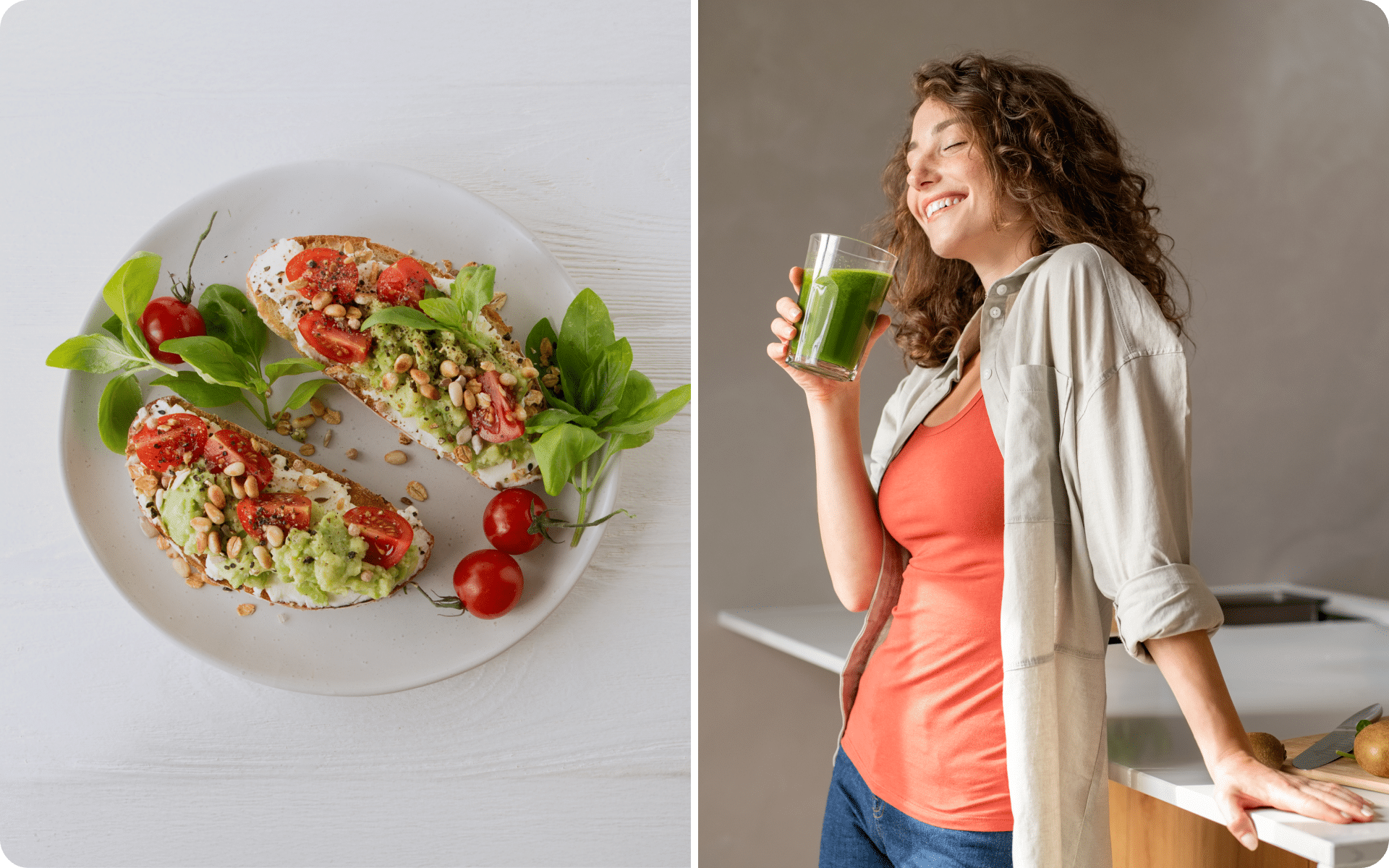
During the fasting window, in a technical sense, any caloric intake breaks your fast. Common noncaloric options include water, unsweetened tea, and black coffee. Water is the obvious one (sparkling or still), but so are herbal infusions and unsweetened teas. And coffee, but only black: no sugar, no milk, and no sweetened plant-based creamers (11).
One important thing to keep in mind is your reason for fasting. It’s not the same to use fasting as a way to structure your day as it is to do it, for example, for its metabolic effects. Intermittent fasting vegan could be a great example of how the same tool could answer different goals, so there’s no universal formula, there’s a fasting for every goal, and the key is making sure yours matches what you really expect from it.
A practical way to manage hunger during fasting is to make each meal in your eating window nutritionally balanced. Meals that include protein, fiber-rich carbohydrates, vegetables, and fats may support fullness, although experiences differ. An intermittent fasting vegan meal plan can offer ideas, but it should be adjusted to individual needs.
Read more: 30-Day Plant-Based Diet Meal Plan: Your Guide To Healthy Eating
What to Avoid on a Plant-Based Intermittent Fasting Diet
If there’s one thing to take away from all this, it’s that a plant-based meal plan isn’t so much about restricting yourself as about choosing better. And perhaps the most important point isn’t what you are told to avoid, but a more subtle idea: not everything labeled “plant-based” is healthy by default. There are ultra-processed foods that present themselves as healthy or plant-based (such as vegan burgers and nuggets, plant-based drinks, snacks), which often contain added sugars and other additives that are not always the most optimal choice for your health. They come from plants, that’s true, but they’re not always real food (12). And when your eating window is limited, filling it with them could mean wasting exactly what fasting gives you: few meals, but ones that truly count.
It’s also worth not overlooking water, even though it seems like the most obvious thing in the world. During fasting, it’s so easy to focus on “not eating” that you might forget staying hydrated. And there is a detail few people mention: dehydration could be disguised as hunger far more often than we imagine (13). That mid-morning “growling stomach” sometimes isn’t asking for food, but for water. Drinking water, herbal teas, or unsweetened tea between meals is part of making fasting work.
And finally, as already mentioned, you should avoid rigidity. It’s tempting to believe that fasting should be perfect, with an exact window and zero deviations. However, that perfection could actually be the doorway to frustration and giving up. If the window changes or the schedule no longer feels suitable, reassess the approach and seek professional guidance when needed. Fasting isn’t a goal of precision, it’s a tool. And a tool only works if it adapts to your hand, not the other way around. Ultimately, the goal isn’t to fit into a strict formula, but to find a way of eating plant-based that, in addition to being healthy, is sustainable and real for you.
FAQs
Can you lose weight fast on a plant-based diet?
Weight changes depend on overall energy intake, food choices, activity, and individual circumstances. Fiber- and water-rich plant foods may support fullness, but a plant-based diet does not guarantee fast or lasting weight loss.
Can you drink coffee on a plant-based diet?
Yes, of course. After all, coffee comes from a plant. The question is more about what you put in it. To keep the plant-based foundation of your diet, it helps to stay aware of the extras that often get added, such as sugar, syrups, or sweetened plant-based creamers. There’s no need to cut them out completely—just keep them in mind. Enjoy your coffee with the peace of mind of knowing what goes into each cup.
Can you eat eggs on a plant-based diet?
As we’ve seen in the article, there’s no single rule. Some people who follow plant-based eating include small amounts of animal foods, such as eggs, mainly for their protein, while others follow a strictly vegan approach and leave them out entirely. Both options can work—what matters is that, whatever you choose, the rest of your plate is built on varied, real plant foods.
What is the healthiest plant to eat in the world?
It would be quite practical if there were a single answer, but reality is broader than that: there’s no one plant that can do it all. Each one offers something different, and that’s precisely where its value lies. Some stand out for their vitamins, others for their fiber, others for their antioxidants. And instead of looking for the one that “wins”, what truly nourishes your body isn’t sticking to just one, but combining many so that, together, they cover what you need.
Which two vegetables shouldn’t be eaten together?
Instead of looking for which ones to avoid, try asking yourself which ones you could add. The idea that certain vegetables shouldn’t share a plate sounds mysterious, but in practice, it’s hard to find a single real example that supports it. What you do see every day is the opposite: a dish with several different vegetables is more appealing, more complete—each vegetable adds something of its own, and together they complement one another. What really matters is that the vegetables show up, and the more varied they are, the better.
The Bottom Line
If you had to hold on to just one idea from the whole article, this may be the one that’s worth remembering most: it’s not only about eating less, it’s about eating better. Those hours you spend without food will only take you as far as you’re willing to go if, when the moment to eat comes, you fill your plate with food that truly sustains your body. Intermittent fasting is a tool for organizing your day, and its effect depends on what you put in that window when it’s time to nourish yourself. And that’s where a plant-based diet comes in, encouraging you to choose variety and real food.
There’s no need to assume that there’s a single right way to do this—it’s more about calmly discovering what your body needs, how to respond in a practical way, and learning to trust the process.
So the invitation here is simple: start with just one meal, one day, one small decision that you can actually keep. And let the rest come on its own. Because ultimately, it’s not about reaching a perfect goal, but about accompanying your body along a path that, little by little, becomes more mindful and more your own.
DISCLAIMER:
This article is intended for general informational purposes only and does not serve to address individual circumstances. It is not a substitute for professional advice or help and should not be relied on for making any kind of decision-making. Any action taken as a direct or indirect result of the information in this article is entirely at your own risk and is your sole responsibility.
BetterMe, its content staff, and its medical advisors accept no responsibility for inaccuracies, errors, misstatements, inconsistencies, or omissions and specifically disclaim any liability, loss or risk, personal, professional or otherwise, which may be incurred as a consequence, directly or indirectly, of the use and/or application of any content.
You should always seek the advice of your physician or other qualified health provider with any questions you may have regarding a medical condition or your specific situation. Never disregard professional medical advice or delay seeking it because of BetterMe content. If you suspect or think you may have a medical emergency, call your doctor.
SOURCES:
- Plant-based diets and long-term health: findings from the EPIC-Oxford study (2022, pubmed.ncbi.nlm.nih.gov)
- Before we tell people to avoid ultra-processed foods, can they identify them? The case for cognitive validity criteria in food classification (2026, pmc.ncbi.nlm.nih.gov)
- Dietary Protein and Amino Acids in Vegetarian Diets — A Review (2019, pmc.ncbi.nlm.nih.gov)
- Short-Term Effect of Additional Daily Dietary Fibre Intake on Appetite, Satiety, and Gastrointestinal Comfort, Acceptability, and Feasibility (2022, pmc.ncbi.nlm.nih.gov)
- Vitamins and Minerals for Energy, Fatigue and Cognition: A Narrative Review of the Biochemical and Clinical Evidence (2020, pmc.ncbi.nlm.nih.gov)
- Association between ultra-processed food intake, night eating behavior, and sleep quality: a cross-sectional study from Türkiye (2025, pmc.ncbi.nlm.nih.gov)
- Diet and Dermatology: The Role of a Whole-food, Plant-based Diet in Preventing and Reversing Skin Aging (2020, pmc.ncbi.nlm.nih.gov)
- Beneficial effects of intermittent fasting: a narrative review (2022, pmc.ncbi.nlm.nih.gov)
- The Window Matters: A Systematic Review of Time Restricted Eating Strategies in Relation to Cortisol and Melatonin Secretion (2021, pmc.ncbi.nlm.nih.gov)
- Can You Drink Water When Fasting? (2021, healthline.com)
- Fasting Drinks: What to Drink (and What to Avoid) When Fasting (2026, betterme.world)
- Ultra-processed Plant Foods: Are They Worse than their Unprocessed Animal-Based Counterparts? (2025, pmc.ncbi.nlm.nih.gov)
- Thirst (2016, pmc.ncbi.nlm.nih.gov)
 Reviewed by