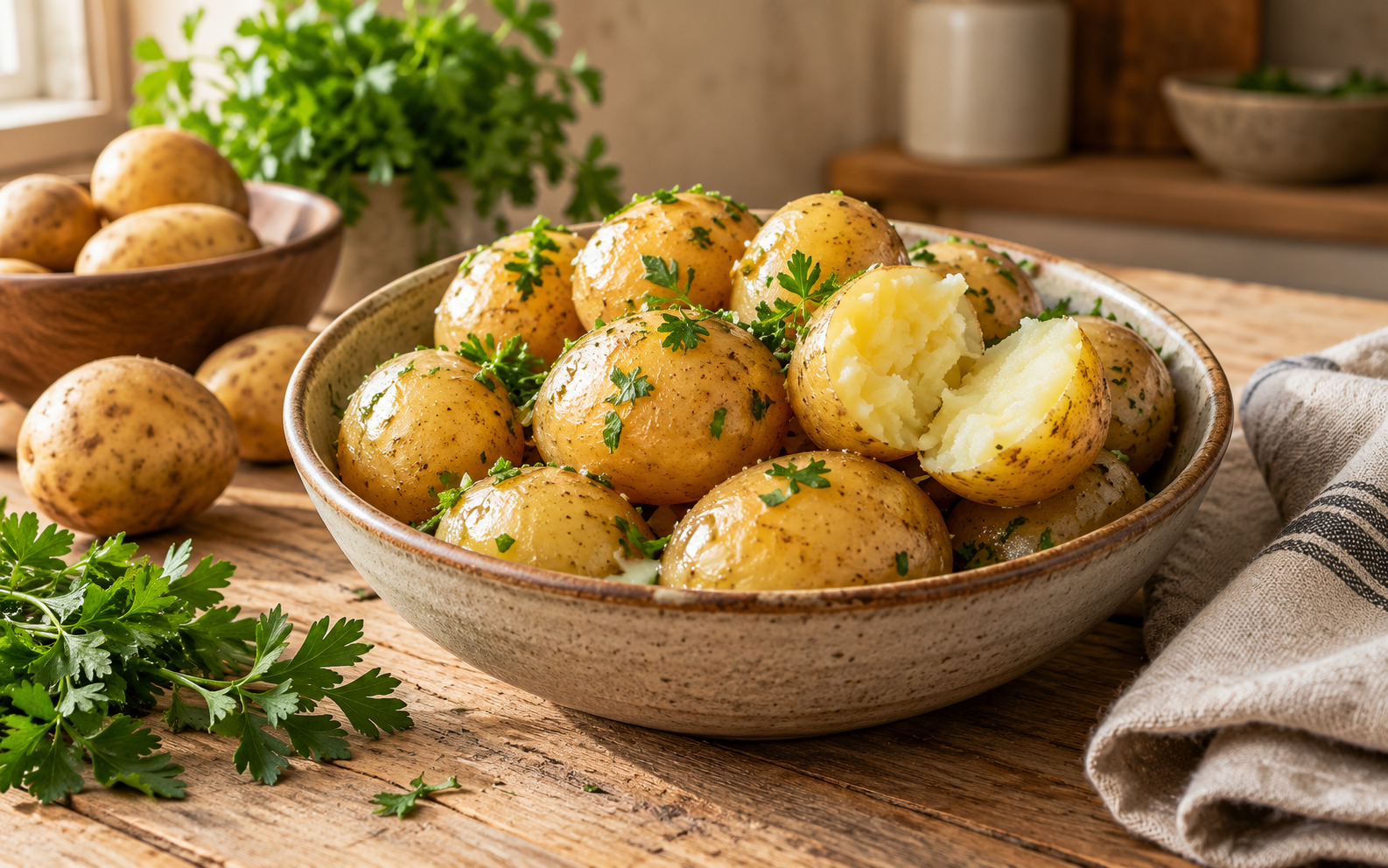
The potato diet limits meals to potatoes and excludes most other foods. Research does not show that eating only potatoes leads to lasting weight loss. This article explains the potato diet rules, nutritional gaps, and ways to include potatoes in varied meals.
Following exercise and diet plans is the key in your fitness journey and greatly impacts results. In 4 weeks users can typically expect to lose not more than 1-2 lbs per week. Individual results may vary.

If you tend to let yourself off the hook, raise the white flag when things get tougher than you expected, send yourself on an unconscious binge-eating trip – BetterMe app is here to help you leave all of these sabotaging habits in the past!
Key takeaways
These points sum up what the potato diet involves and what research on potatoes supports.
- Potatoes can be part of varied meals, but the research cited here does not support living on potatoes alone. Combine them with protein, other vegetables, and sources of unsaturated fat. Seek individualized advice for weight management or medical dietary needs.
- Rapid scale changes do not establish fat loss; general guidance favors gradual weight loss (1).
- A baked potato with skin provides 93 calories, 2.5 g protein, and 2.2 g fiber per 100 g (2).
- Boiled potatoes scored highest of 38 foods on a satiety index, at 323% of white bread (3).
- In one small 8-week study of 36 adults, a varied potato-rich diet reduced body weight by 5.6% (4).
- Potatoes contain about 0.1 g of fat per 100 g, so a potato-only menu leaves out healthy fats (2).
- Potatoes are starchy vegetables; portions can be planned within your overall meal plan (5).
 The Sweet Potato Mono Diet

What is the potato diet, and how does it work?
The potato diet is a short, restrictive eating plan in which potatoes are the only food you eat. The plan belongs to the family of mono diets, which build every meal around one food. The potato version spread online because potatoes are cheap, filling, and easy to cook.
Online versions, sometimes called a potato cleanse or potato reset, allow plain potatoes, water, black coffee, and tea. These names do not identify a validated weight-loss program. The table describes the restrictions without recommending them.
| Rule | What the common potato diet version says |
|---|---|
| Length | 3 to 5 days |
| Daily amount | 2 to 5 pounds (0.9 to 2.3 kg) of cooked potatoes |
| Allowed foods | Plain white potatoes only, boiled, baked, or steamed |
| Toppings | A little salt; no butter, oil, cheese, or sour cream |
| Drinks | Water, black coffee, or plain tea; no soft drinks or sweetened beverages |
| Exercise | Light activity only; hard workouts are discouraged |
| Supplements | Not included in the plan |
Some people run a longer “potato hack” for 1 to 2 weeks. The longer the plan runs, the larger the nutrient gaps become.
Can the potato diet help you lose weight?
Weight changes depend on total energy intake, and the cited studies do not validate a potato-only weight-loss program. Potatoes contain carbohydrate, so this is not inherently a low-carbohydrate diet. A short-term scale change cannot reveal how much fat was lost.
Claims of losing a pound a day are unlikely to reflect fat loss. Public health guidance notes that people losing 1 to 2 pounds a week more often keep it off (1). A systematic review of 20 trials found that about 55% of lost weight tended to return during follow-up (6). Lean mass tended to be preserved when exercise was part of the program (6).
Food variety can affect intake within a meal. In a study of 128 adults, participants ate more when the second course contained a different food (7). That experiment measured intake within a single meal.
Research on potatoes within a varied diet looks different. In an 8-week feeding trial, 36 adults with metabolic risk factors ate potato-rich or bean-rich meals (4). Meals held 1 calorie per gram, with 15 to 20% of calories from protein. Body weight fell by 5.6% on the potato diet and 4.1% on the bean diet, with no meaningful difference (4). Those meals included other foods, so the result supports potatoes within a balanced diet.
What are the nutritional benefits of potatoes?
Plain boiled or baked potatoes are low in calories, at 87 to 93 calories per 100 g (2, 8). Frying changes that picture. Fast-food fries hold about 312 calories per 100 g, more than three times the calories of a boiled potato (9). The table compares common forms per 100 g, using values from a national food database.
| Potato form (per 100 g) | Calories | Protein | Fat | Fiber | Potassium | Vitamin C |
|---|---|---|---|---|---|---|
| Baked, flesh and skin, no salt (2) | 93 kcal | 2.5 g | 0.13 g | 2.2 g | 535 mg | 9.6 mg |
| Boiled in skin, flesh only, no salt (8) | 87 kcal | 1.87 g | 0.1 g | 1.8 g | 379 mg | 13 mg |
| Sweet potato, baked in skin, no salt (10) | 90 kcal | 2.01 g | 0.15 g | 3.3 g | 475 mg | 19.6 mg |
| French fries, fast food (9) | 312 kcal | 3.43 g | 14.7 g | 3.8 g | 579 mg | Not listed |
Potatoes also rank high for fullness. In a lab study of 38 foods in 240-calorie portions, boiled potatoes scored 323% against white bread at 100% (3). Water, protein, and fiber content correlated with higher fullness, and fat content with lower fullness (3).
What are the risks of a potato-only diet?
A potato-only diet excludes food groups that supply protein, essential fats, and other nutrients. The risks depend on duration, intake, and individual health. Nutrient content alone does not establish when a deficiency or muscle loss would develop.
Protein intake varies with the amount eaten. Two to five pounds of boiled potatoes provide approximately 17 to 42 g of protein (8). These calculations use the database values; whether that meets an individual’s needs depends on their circumstances.
Boiled and baked potatoes contain approximately 0.1 g of fat per 100 g (2, 8). Eating only potatoes excludes foods that contribute essential fats, calcium, and vitamin B12. Potatoes contain some iron, but one food cannot provide a varied diet.
Severe restriction can also affect how you think about food. One 3-year study followed about 1,700 adolescents. Girls who dieted severely had 18 times the risk of developing serious eating issues (11). That research covers teenagers, so it does not describe every adult. Rigid, all-or-nothing food rules are still worth avoiding. If food starts to take over your thoughts, talk to a registered dietitian or doctor. The same applies to anyone with a difficult relationship with food.
Mono diets are generally not advised for children, pregnant or breastfeeding people, or those with a difficult relationship with food. People taking medication or managing an ongoing health condition usually discuss dietary changes with their clinician first.
What is the healthiest way to eat potatoes?
Boiled, baked, or steamed potatoes with the skin on, served with protein and vegetables, keep added fat low. The cooking method decides most of a potato’s calorie load. Fries carry about 14.7 g of fat per 100 g, while a boiled potato carries 0.1 g (8, 9).
Cooling may lower a potato’s glycemic index. In one study of healthy adults, cooling cut the glycemic index of two potato varieties by 40 to 50% (12). Two other varieties fell by only 8 to 10%. In a follow-up test, cooling lowered the GI by an average of 37% (12).
Cooled potatoes also carry resistant starch, a form of starch that feeds gut bacteria rather than being digested. A 2-week crossover trial gave 27 adults with metabolic risk factors 17.5 g of resistant starch daily from potatoes (13). Compared with bagels, the potato meals lowered markers of gut permeability and raised acetate, a short-chain fatty acid (13). Body weight did not change in either arm (13). The resistant starches list describes other food sources; effects cannot be assumed identical.
Use these steps to build a potato meal that supports healthy eating:
- Boil, bake, or steam unpeeled potatoes; potato skins can remain on if you enjoy their texture.
- Cool cooked potatoes in the fridge for a few hours, then eat them cold or reheated.
- Add a palm-sized portion of protein, such as fish, chicken, eggs, tofu, or beans.
- Fill half the plate with non-starchy vegetables, such as broccoli, peppers, or leafy greens.
- Try seasoning with garlic powder or herbs, then add olive oil according to your portion needs.
- Compare potato recipes by portion and added fat. Mashed potatoes, baked potatoes, and fries have different ingredients.

BetterMe app is a foolproof way to go from zero to a weight loss hero in a safe and sustainable way! What are you waiting for? Start transforming your body now!
Can you eat potatoes every day?
Potatoes can supply the starchy component of a meal alongside protein and non-starchy vegetables. One plate-planning approach allocates a quarter to carbohydrate foods, including potatoes, and half to non-starchy vegetables (5). Eating potatoes every day, or eating two potatoes, cannot be assessed by count alone. Size, preparation, and the rest of your meals matter.
Form matters for long-term weight too. A pooled analysis followed 120,877 adults for up to 20 years. Each extra daily serving of potato chips was linked with 1.69 pounds gained per 4 years (14). Each extra serving of potatoes was linked with 1.28 pounds, and vegetables, fruit, and nuts with less gain (14). Those associations describe typical eating patterns, which often include fried potatoes.
The sample day below shows one way to keep potatoes while covering the gaps a mono diet leaves. It is an editorial example, and portions should match your own needs. A registered dietitian can adjust it. You can also compare it with a simple 2,000-calorie meal plan built on whole foods.
| Meal | Editorial example with potatoes | What it adds beyond the potato diet |
|---|---|---|
| Breakfast | Greek yogurt with berries and oats | Protein, calcium, fruit, and whole grains |
| Lunch | Cold potato salad with tuna, green beans, and olive oil dressing | Protein, healthy fats, and cooled potato starch |
| Snack | Apple with a small handful of almonds | Fruit, fiber, and healthy fats |
| Dinner | Baked potato with skin, grilled chicken or tofu, and roasted broccoli | Protein and non-starchy vegetables |
| Evening | Milk or a fortified plant drink | Calcium and vitamin B12 |
For a vegan or plant-based version, use tofu or beans in place of meat and choose a fortified plant drink. Potatoes and sweet potatoes can accompany these foods without becoming the whole meal.
How does the potato diet compare with other mono diets?
Mono diets restrict food choice, but their rules vary and their names do not identify standardized clinical programs. The examples below describe online diet patterns; they are not recommendations.
| Mono diet | What you eat | Usual length | Main gap |
|---|---|---|---|
| Potato diet | Plain white potatoes only | 3 to 5 days | Protein and fat |
| 3-day sweet potato diet | Sweet potatoes, sometimes with small extras | 3 days | Protein and fat |
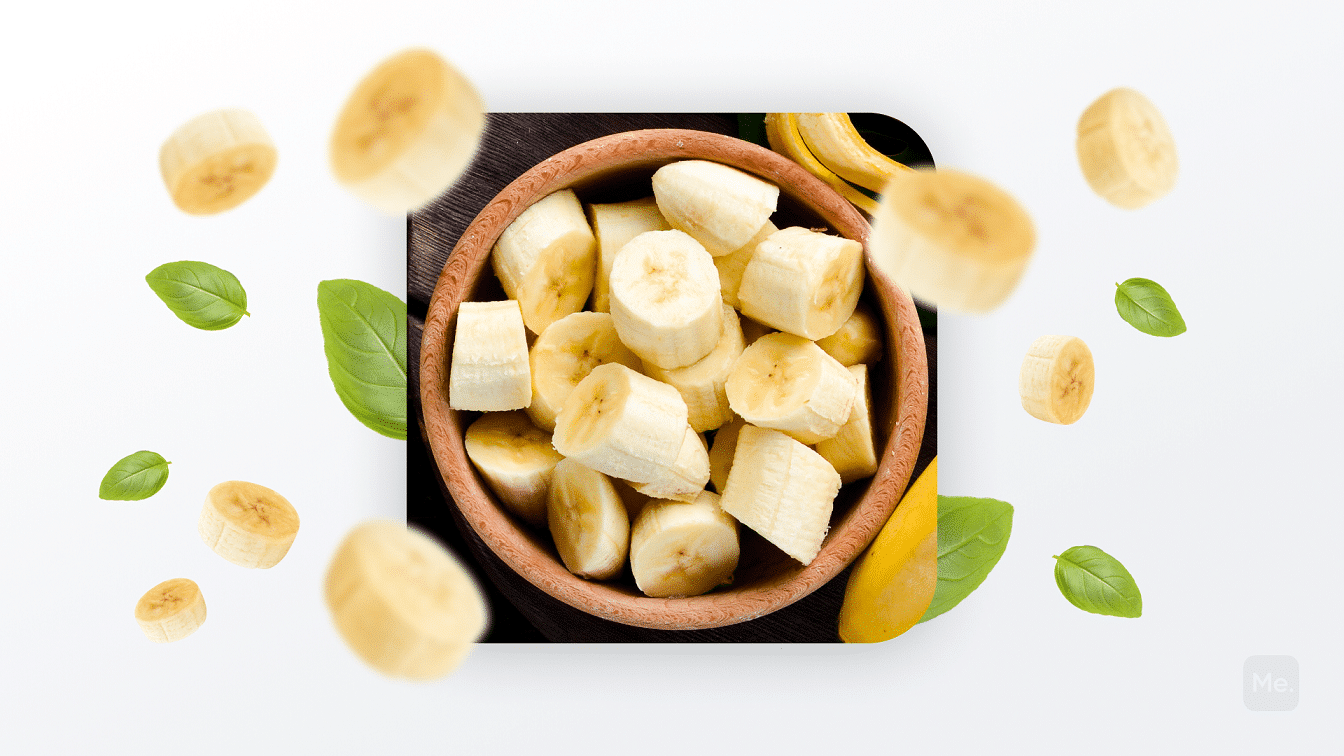
| Banana diet | Bananas, often with water or milk | 3 to 7 days | Protein, fat, and most minerals |
| Boiled egg diet | Eggs with small amounts of vegetables and fruit | 1 to 2 weeks | Fiber and whole grains |
A short-term fullness test does not establish that a potato-only diet is easier to maintain (3). None of these restrictive patterns has been validated by that study as a long-term eating plan.
Frequently Asked Questions
Can you lose 10 pounds in 2 weeks on the potato diet?
Losing 10 pounds in two weeks is not an appropriate general target. General guidance favors approximately 1 to 2 pounds weekly for many adults (1). The cited studies do not establish that a potato-only diet produces or maintains this result.
How many calories per day does the potato diet provide?
The potato diet provides roughly 790 to 1,970 calories per day, from 2 to 5 pounds of boiled potatoes. That range is our calculation from 87 calories per 100 g (8). Protein stays low at about 17 to 42 g per day.
Are sweet potatoes healthier than white potatoes?
Neither white nor sweet potatoes is universally healthier. The table shows differences in fiber and micronutrients for specific preparations (2, 10). Either can accompany other foods; swapping one for the other does not resolve a mono diet’s nutritional gaps.
Are boiled potatoes good for weight loss?
Boiled potatoes can support weight loss as part of a balanced, calorie-controlled diet. They provide 87 calories per 100 g and scored highest for fullness among 38 foods (3, 8). Pairing them with protein and vegetables keeps meals filling without relying on potatoes alone.
How do potatoes fit into a carbohydrate-aware meal plan?
Potatoes can count as the carbohydrate food in a carbohydrate-aware meal plan. Potato portions, preparation, and accompanying foods affect the meal’s carbohydrate content (5). If you follow a meal plan from your care team, ask them about potato portions.
The bottom line
The potato diet is a mono diet that may deliver a quick, mostly temporary drop in weight. The cost is protein, healthy fats, and most other nutrients. Potatoes themselves are filling, low in calories, and useful in a balanced diet, especially boiled or baked with the skin. If weight loss is the goal, a varied plan that keeps potatoes on the plate is the more practical route. A doctor or registered dietitian can help you set a pace of about 1 to 2 pounds per week.
DISCLAIMER:
This article is intended for general informational purposes only and does not serve to address individual circumstances. It is not a substitute for professional advice or help and should not be relied on for making any kind of decision-making. Any action taken as a direct or indirect result of the information in this article is entirely at your own risk and is your sole responsibility.
BetterMe, its content staff, and its medical advisors accept no responsibility for inaccuracies, errors, misstatements, inconsistencies, or omissions and specifically disclaim any liability, loss or risk, personal, professional or otherwise, which may be incurred as a consequence, directly or indirectly, of the use and/or application of any content.
You should always seek the advice of your physician or other qualified health provider with any questions you may have regarding a medical condition or your specific situation. Never disregard professional medical advice or delay seeking it because of BetterMe content. If you suspect or think you may have a medical emergency, call your doctor.
SOURCES:
These sources support the research cited in this article.
- Steps for Losing Weight (2025, cdc.gov)
- Potatoes, baked, flesh and skin, without salt (2019, fdc.nal.usda.gov)
- A satiety index of common foods (1995, pubmed.ncbi.nlm.nih.gov)
- Low-Energy Dense Potato- and Bean-Based Diets Reduce Body Weight and Insulin Resistance: A Randomized, Feeding, Equivalence Trial (2022, pubmed.ncbi.nlm.nih.gov)
- Diabetes Meal Planning (2024, cdc.gov)
- Does the method of weight loss effect long-term changes in weight, body composition or chronic disease risk factors in overweight or obese adults? A systematic review (2014, pubmed.ncbi.nlm.nih.gov)
- Sensory-specific satiety, the variety effect and physical context: Does change of context during a meal enhance food intake? (2021, pubmed.ncbi.nlm.nih.gov)
- Potatoes, boiled, cooked in skin, flesh, without salt (2019, fdc.nal.usda.gov)
- Fast foods, potato, french fried in vegetable oil (2019, fdc.nal.usda.gov)
- Sweet potato, cooked, baked in skin, flesh, without salt (2019, fdc.nal.usda.gov)
- Onset of adolescent eating disorders: population based cohort study over 3 years (1999, pubmed.ncbi.nlm.nih.gov)
- Effect of preparation method on the glycaemic index of novel potato clones (2011, pubmed.ncbi.nlm.nih.gov)
- Daily Inclusion of Resistant Starch-Containing Potatoes in a Dietary Guidelines for Americans Dietary Pattern Does Not Adversely Affect Cardiometabolic Risk or Intestinal Permeability in Adults with Metabolic Syndrome: A Randomized Controlled Trial (2022, pubmed.ncbi.nlm.nih.gov)
- Changes in diet and lifestyle and long-term weight gain in women and men (2011, pubmed.ncbi.nlm.nih.gov)
 Reviewed by


 By