Weight gain and obesity are increasingly becoming a health risk to individuals in recent years, and the notion that those problems are caused by lack of willpower doesn’t do any justice. Although weight gain is largely a product of eating behavior and lifestyle, some individuals are not entirely in control of their body size. Overweight and obesity can be caused by several factors, including genetics and hormones, making some people predisposed to gaining weight. Many turn to weight loss interventions such as workouts and protein shakes. So, are protein shakes good for weight loss?
Despite the predisposition to gain weight, people can overcome their genetic disadvantages by changing their lifestyle and behavior. It is not a simple task, but it can be accomplished through willpower, dedication, and perseverance. One of the most popular strategies for weight loss is to follow a high protein diet because protein curbs one’s appetite, thus resulting in the reduction of the total calories consumed in a day.
What Are Protein Shakes?
Due to the importance they play or are perceived to play, the world of protein shakes is vast and does not seem to end. They come in different types, flavors, and formulations for any conceivable dietary need under the sun. Based on your preference, you can purchase premixed, ready-to-drink bottles, or protein powder.
The conception behind protein shakes is that they are meal replacements meant to help people lose weight. Because protein is filling, it may aid in suppressing your appetite by keeping in check your hunger hormones (12).
Most protein shakes for weight loss work by having a person replace either one or two meals per day with a shake, and then the third meal should be small and with low calories. In some extreme protein shakes diets, one drinks the shakes only for several days without any other food, but most professionals disapprove of this method.
The protein shakes can prove to be a valuable weight loss tool when consumed moderately. To be truly effective and healthy, they need to be paired with a couple of other sustainable lifestyle changes.
How Does The Protein Shake Diet Work?
To begin with, protein shakes offer more than just protein. Many manufacturers tend to fortify the shakes with a variety of vitamins and other minerals. Some may even have fruits, vegetables, and other essential nutrients. The important question here is, why are protein shakes good for weight loss?
A link has been established between the consumption of proteins and an increased feeling of fullness. It, therefore, follows that people who include enough protein in their daily diets ought to have fewer food cravings, and hence they will eat less. Some choose to get the protein through shakes. Below is a sample of a protein diet daily meal plan (6):
- Two protein shakes (between 200 and 300 calories each)
- Three small snacks (about 100 calories each)
- One full meal such as dinner (between 400 and 500 calories)

Based on this diet plan, the protein shakes are to be taken in the morning and at lunchtime. This is a very low calorie meal plan which should always be discussed with and monitored by a physician.
Are protein shakes for breakfast good for weight loss? There cannot be protein shakes as effective as the breakfast ones. This is because when you wake up, it is when you are hungry the most and will be tempted to eat a lot. Substituting your normal heavy breakfast with protein shakes already reduces the amount of food you eat. Most importantly, the protein shake will keep you feeling full. Hence you won’t be craving more food (5).
When To Have Protein Shakes?
Another good time to consume a protein shake is after a workout. This is the point at which your body needs instant nourishment for muscle recovery and growth. The recommended consumption window is 30 to 45 minutes after your workout. This timeline is important because protein uptake is usually faster after a workout. You can also take the shake 30 minutes before your workout to energize yourself and boost your stamina.

How Good Are Protein Shakes for Weight Loss?
Are high protein shakes good for weight loss? When taken properly, protein shakes can be very effective in weight loss and control. That said, you must be aware that protein shakes alone are not the magic bullet for your body goals. Incorporate an overall healthy diet and a workout plan, and you will be amazed by the results. Below are some of the benefits of protein shakes to weight loss:
- Weight loss: Don’t forget that the reason why you are drinking protein shakes in the first place is to lose weight. Getting enough protein is crucial in the weight loss journey and weight maintenance. Protein shakes achieve weight loss in several ways, including the fact that protein is more filling than carbs (7).
- Appetite control: Even people who are not keen on losing weight but have appetite problems can benefit from protein shakes. Protein is good for controlling appetite because it is dense and takes longer to digest. This means that you will remain full for much longer and wouldn’t eat in that period. Protein also controls appetite by regulating ghrelin, which is the hunger hormone.
- Stable blood sugar levels: Protein can help stabilize your blood sugar levels. Sometimes blood sugar dips between meals, but it can be kept in check by the inclusion of a bit more protein in your meals.
- Building muscle: Intake of strategic supplementation with a protein, such as whey, can be good for muscle growth. Muscle growth is accelerated even more when you pair the protein with a resistance exercise. This will help your body to be leaner and have more stability (4).
- Metabolism: Protein works to increase the thermic effect of food. The thermic effect of food relates to the number of calories you burn by digesting what you eat. With an increased metabolism rate, your chances of losing weight are very high.

Risks And Side Effects
- Meal replacement shakes should not completely replace a healthy, balanced diet. Doing so could be harmful because there is no way you can get all the essential nutrients from just a single food source. You may end up losing more weight than you anticipated or even leave your body vulnerable to diseases (8).
- If the body does not get enough calories and nutrients, there is the risk that you might experience problems with metabolism. The result will be slowing or disrupting your weight loss plan. Furthermore, eating a varied diet reduces your chances of having obesity.
- A good number of protein shakes utilize large sweetener quantities to improve their flavor, and this can trigger blood sugar spikes.
- Consuming too much protein over the long term may not be good for your body. It may cause you problems in the kidneys and bones and even increase the risk of certain cancers (1).
- Some protein shakes contain unsafe levels of contaminants such as mercury, arsenic, lead, and cadmium. These contaminants can potentially cause serious health problems, some of which are life-threatening.
- Because they are nutritional supplements, protein shakes are not subject to stringent regulations, as is the case with medicine, and marketing materials of these products may sometimes be misleading.
BetterMe app will provide you with a host of fat-frying fitness routines that’ll scare the extra pounds away and turn your body into a masterpiece! Get your life moving in the right direction with BetterMe!
Types Of Protein
There is no limit to the number of different protein options available in the market, so you have to figure one which is right for you. If you are lucky, you might find one that matches your Myers-Briggs personality type.
What protein shakes are good for weight loss? Here are some:

Whey
Whey is undoubtedly one of the most, if not the most, common and inexpensive type of protein. The protein is isolated from cow’s milk and is readily absorbed. It is very efficient in building muscle, and the good thing about it is its availability. You can easily get it off any counter just in case you are experiencing a protein emergency.
Are whey protein shakes good for weight loss? Whey protein does not only help you gain muscle but also lose fat as well. However, it must be combined with exercise to see weight loss results (13).
Casein
This type of protein is also isolated from the milk of a cow, but it is not as effective in building muscle as whey. One other disadvantage is that it is a bit more expensive. Casein takes longer than whey to digest. This means it will keep you feeling full for a longer period, which is especially a good thing when you are trying to lose weight.
Egg
The egg-based protein powder is a good solid option for the liquid shake. This type of protein has the upper hand because it is very easy for your body to absorb. The downside is that it is only made with the egg whites, hence, the consumers will be missing out on the many benefits of the yolk (9).
Soy
The good thing with protein shakes is that they accommodate even individuals who have gone vegan. Soy protein is among the best when it comes to plant-based diets because it is a complete protein. This means that soy protein contains all the essential amino acids that your body requires, just like with animal proteins.
There is a controversy surrounding soy because it has phytoestrogens, which allegedly have effects on hormones, although the overall body of scientific evidence suggests that soy is perfectly safe to consume.

Pea
Pea may be the subject of many juvenile jokes, but its protein is as good as any other plant-based protein. It is an alternative solid choice, especially for vegetarians. Although it is a complete protein, it is a little low in the amino acid methionine. Good thing that this can be quickly remedied by adding nut butter or nut milk to your pea protein shake, and you are good to go (15).
Hemp
As is the case with soy and pea, hemp is also a plant-based protein. It is also a complete protein. Another advantage of hemp is that it is a good source of healthy omega-3 fats. Its amino acid lysine content is slightly lower, a situation that can be rectified by adding tofu or almond butter to the hemp protein shake, or simply varying your plant protein sources from shake to shake or meal to meal (14).
Rice
Brown rice protein powder is one of the most common vegan protein choices. It is relatively cheap and happens to be a complete protein. It is similar to hemp due to its low lysine.
Read More: Brown Rice Diet: Why You Should Double Down On This Underappreciated Grain

Homemade Protein Shakes For Weight Loss
Why buy protein shakes when you can make them at home? Sometimes you may not trust the protein shakes that are made in a factory, or you may not have the money to buy the shakes day after day. Worry not because there are several homemade protein shakes you can try.
But, are pure protein shakes good for weight loss? There are many benefits other than weight loss to be expected from the homemade protein shakes below:
Peanut Butter Protein Shake
The homemade peanut butter protein shake gives you a nutty, creamy, and delicious feel. The upside with this shake is that it does not contain added sugar, and it is high in fiber and low in fat. Prepare it by blending 1 cup of yogurt, ½ cup of almond milk, 1 to 2 tablespoons of peanut butter, and 15-20 green grapes. Refrigerate the mixture and enjoy it chilled.
Chocolate And A Banana Protein Shake
Chocolate! Are chocolate protein shakes good for weight loss? It may be unheard of, but chocolate and bananas do make a great combination and are also very good for weight loss. In addition to having great taste, they also make your protein shake super healthy. To prepare it, you need 10 almonds, ½ cup of yogurt, ¾ cup of milk, ½ teaspoon cinnamon, ¼ cup of cooked quinoa, 1 banana cut into chunks, and 1 tablespoon of cocoa powder. Blend the mixture in the blender (2).

Berry Protein Shake
All types of berries are efficient antioxidants and twice as a great source of fiber, which is important in your weight loss journey. You can opt to use strawberries, blackberries, or even gooseberries in your smoothie. The recipe includes 7-10 berries, ½ cup of whipped cottage cheese, ¼ cup of water, 1 tablespoon of chia seeds, and a little honey, but it is optional.
Vegan Protein Shake
Is plant-based protein shakes good for you for weight loss? Most plant-based protein shakes are complete proteins that make them a great alternative for individuals keen on losing some pounds. The vegan protein shake is designed for individuals who decided to stop the consumption of milk and dairy products but are still in need of a high protein shake for weight loss (10).
To make the vegan protein shake blend, you need ¾ cup of silken tofu, 1 cup of almond or cashew milk, 1 banana, ¼ cup of cooked oats, 1 teaspoon of honey (or agave or other syrup), and 1 teaspoon of vanilla essence for flavor.
Betterme will keep you laser-focused on your weight loss journey! Nutrient-packed meal plans, fat-blasting workouts, galvanizing challenges and much more. Try using the app and see for yourself!
Raw Egg Protein Shake
The raw egg protein shake is not only important for weight loss but also muscle building. The main ingredient of the homemade protein shake is raw egg, and you must ensure that the eggs you use are of good quality. The shake is made by mixing 1 raw egg including its yolk, ½ avocado, ½ cup of milk or coconut milk, 1 banana, 1 teaspoon of honey, and ½ teaspoon of cinnamon. To prepare, place all the ingredients in a blender and blend them (3).
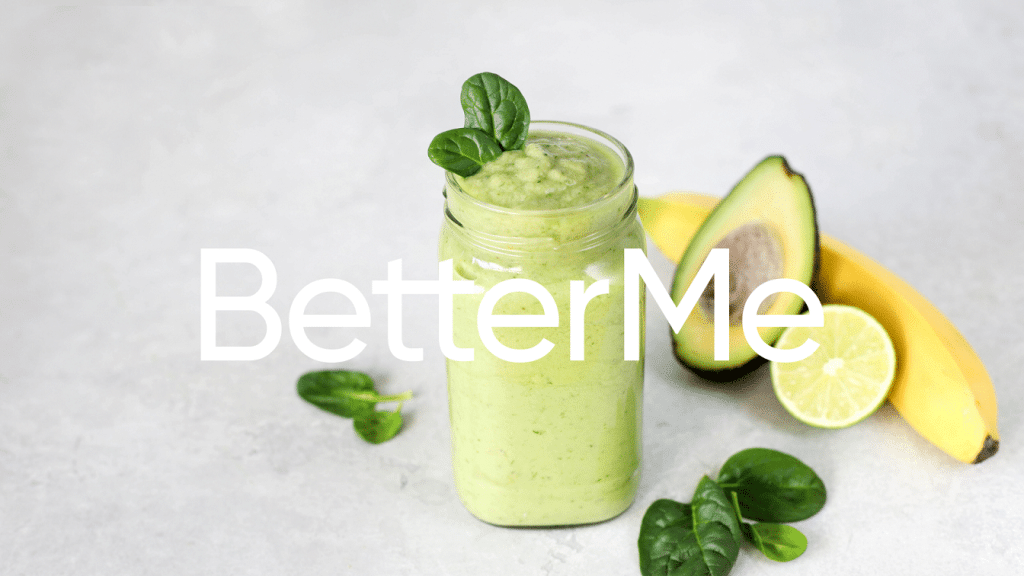
Spinach Flax Protein Shake
It is a green homemade shake prepared by combining 1 cup of unsweetened almond milk or any other kind of milk, spinach leaves, ½ cup of mango chunks, ½ cup of pineapple bits, ½ banana, 1 tablespoon of flax seeds, and 1 tablespoon of chia seeds. Blend the mixture and serve immediately.
Important Considerations
- Before you commence on a protein shake diet, reflect on whether you can manage your daily schedule if you eat just one meal per day. Remember that a protein shake isn’t a meal but merely a meal replacement. Your body system may go into shock from eating three meals per day to drinking two of them (7). Another option would be to consume a normal 3-meal per day diet and include protein shakes as pre- or post-workout snacks.
- Also, take into consideration the duration you can or should use shakes as meal replacements. A moderate diet will enable you to lose about 1 to 2 pounds per week. This will determine the period in which you keep the diet going based on the number of pounds you intend to lose. Losing weight more quickly than this is not healthy or sustainable, so make sure you are consuming enough calories every day to nourish and fuel your body.
- The diet can only be successful if the snacks you incorporate and the daily meal(s) are nutritious and healthy. You do not want your body to become weak due to poor dietary choices. It goes without saying that if the snacks or meals are not nutritious, then the results will not be as desired (15).
- Even though you will be on protein shakes, you will have to continue shopping for some groceries. That aside, you must establish that you have the willpower to stick to the diet plan. After taking the shake, you will probably feel that you haven’t eaten what you are used to eating.
- You will need a lot of courage to avoid other unhealthy snack foods, especially if your workplace or home environment is filled with those foods. It won’t make any sense to drink protein shakes once or twice a day and then overeat the rest of the time.
The Bottom Line
Are protein shakes good for weight loss? Many people have been in a place where they wondered if the before-and-after photos on some of the protein shake ads are legit. One of the reasons why protein shakes are very popular is because they are super convenient, and all one has to do is drink them. The good thing is that there is a lot of information available on how to use them efficiently. However, even though protein shakes have some benefits that may result in weight loss, they alone cannot guarantee weight loss.
DISCLAIMER:
This article is intended for general informational purposes only and does not address individual circumstances. It is not a substitute for professional advice or help and should not be relied on to make decisions of any kind. Any action you take upon the information presented in this article is strictly at your own risk and responsibility!
SOURCES:
- Adverse Effects Associated with Protein Intake above the Recommended Dietary Allowance for Adults (2013, ncbi.nlm.nih.gov)
- Can bananas help you lose weight? (2019, medicalnewstoday.com)
- Can eating eggs help you lose weight? (2018, medicalnewstoday.com)
- Effects of Protein Supplementation on Performance and Recovery in Resistance and Endurance Training (2018, ncbi.nlm.nih.gov)
- I’m trying to lose weight. Could protein shakes help? (n.d, mayoclinic.org)
- Protein for Life: Review of Optimal Protein Intake, Sustainable Dietary Sources and the Effect on Appetite in Ageing Adults (2018, ncbi.nlm.nih.gov)
- Protein Shakes: Do You Need Them? (2020, webmd.com)
- Should you get your nutrients from food or from supplements? (2015, health.harvard.edu)
- The hidden dangers of protein powders (2018, health.harvard.edu)
- The scoop on protein powder (2020, health.harvard.edu)
- Top 15 sources of plant-based protein (2018, medicalnewstoday.com)
- Weight Management: State of the Science and Opportunities for Military Programs. (2003, ncbi.nlm.nih.gov)
- What are the benefits and risks of whey protein? (n.d, medicalnewstoday.com)
- What are the health benefits of hemp? (2018, medicalnewstoday.com)
- What causes food cravings? (2020, medicalnewstoday.com)
- What to eat in the protein shake diet for weight loss (n.d, medicalnewstoday.com)