
It’s no surprise that fasting has moved from an ancient practice to a modern “biohack”, with proponents claiming it can smooth wrinkles, boost hair health, and revitalize skin. But does stopping your food intake periodically actually change your physical appearance, or is it just the result of weight loss?
There is some preliminary scientific evidence that fasting may hold promise for longevity and cellular repair. This guide dissects the clinical reality of fasting and its potential to make you look younger.
Every fast is a personal experience. Your dietary preferences, body composition, activity level, and overall well-being can all influence your fasting journey. It’s advisable to consult a healthcare provider before you start a fasting regimen.
Can Fasting Reverse Aging?
The term “reverse aging” is scientifically contentious. Biologically, we cannot stop chronological time. However, we may be able to influence “biological age”—the rate at which our cells and tissues accumulate damage (1).
Research on caloric restriction (CR) and fasting has focused on the “Hallmarks of Aging”, specifically genomic instability, mitochondrial dysfunction, and cellular senescence (zombie cells that stop dividing but don’t die) (2).
The Mechanism: mTOR and AMPK
Fasting operates primarily through two nutrient-sensing pathways: mTOR (mechanistic target of rapamycin) and AMPK (AMP-activated protein kinase).
- mTOR: This is your growth pathway. When you eat protein and carbohydrates, mTOR is active, promoting cell growth. While it’s necessary for muscle building, constantly high mTOR signaling is linked to accelerated aging (3).
- AMPK: This is your energy sensor. When you fast, energy levels drop, activating AMPK. This suppresses mTOR and signals the body to conserve energy and repair itself rather than grow (4).
In animal models, specifically rodents, intermittent fasting has been shown to extend lifespan by 11-14% (5). In humans, the data is less about “reversing” age and more about slowing the accumulation of damage.
A two-year randomized controlled trial known as CALERIE 2 (Comprehensive Assessment of Long-term Effects of Reducing Intake of Energy) found preliminary evidence that moderate caloric restriction (about 12% reduction) may affect metabolic predictors of longevity and disease risk factors (6). However, more research is required to confirm these findings and understand the full picture.
Key takeaway: Fasting doesn’t literally turn a 50-year-old into a 20-year-old. However, by cycling between growth (eating) and repair (fasting), there’s a chance that you may slow down the cellular degradation that influences chronic disease risk and visible aging. However, we don’t know enough about the efficacy and long-term risks to recommend that people do this for “anti-aging”.
Does Fasting Improve Your Face?
When we talk about looking younger, we’re usually referring to skin quality: elasticity, clarity, and the absence of fine lines. Fasting may impact skin physiology through several specific pathways.
Reduction of Systemic Inflammation
Chronic, low-grade inflammation (often called “inflammaging”) is a primary driver of skin degradation. High levels of inflammatory markers such as C-reactive protein (CRP) and Interleukin-6 (IL-6) can break down collagen and elastin, the structural proteins that keep skin firm (7).
Some research has suggested that fasting may influence inflammatory markers, although results can vary and visible skin effects aren’t guaranteed (8). Some people may notice changes in skin appearance when overall eating patterns, weight, and inflammation-related factors change, but this varies (9).
BetterMe: Health Coaching app helps you achieve your body goals with ease and efficiency by helping to choose proper meal plans and effective workouts. Start using our app and you will see good results in a short time.
Reduction of Advanced Glycation End-Products (AGEs)
This is arguably the most direct link between diet and wrinkles. Glycation occurs when excess sugar molecules in the bloodstream attach to proteins, forming harmful new molecules called advanced glycation end-products (AGEs) (10).
- The Damage: AGEs attach to collagen and elastin fibers, making them stiff, brittle, and prone to breaking. This loss of elasticity leads to sagging and wrinkles (11).
- The Fasting Fix: By lowering average blood glucose levels and spikes, fasting may limit the “fuel” available for glycation. However, it isn’t clear whether this would make a meaningful difference in someone who doesn’t have frequent hyperglycemia, and those with diabetes or prediabetes should approach fasting with caution (and monitoring by their healthcare provider). A healthy, balanced diet is more likely to have a positive impact on skin appearance than a fasting regimen for most people.
Improvement in Gut Microbiome Diversity
The “gut-skin axis” is a well-established theory in dermatology. As the gut plays such a large role in systemic immunity, inflammatory responses, and metabolic pathways, dysbiosis (an imbalance of gut bacteria) can manifest as inflammatory skin conditions (13). Fasting, particularly time-restricted eating (TRE) with a 14-16 hour window, gives the gut microbiome time to restore its circadian rhythm and may increase microbial diversity (14).
Certain beneficial bacteria have been seen to increase after intermittent fasting (15). A healthy gut microbiome may help reduce inflammation and symptoms of inflammatory skin disorders (16). However, more research is needed to fully understand the effects of fasting on the gut microbiome.
Quantifying the “Glow”
The subjective “fasting glow” reported by many is likely a combination of reduced fluid retention (due to lower insulin levels causing the kidneys to excrete excess sodium and water). However, this is temporary. Long-term skin improvements may rely on the reduction of AGEs and inflammation (11, 12).
Verdict: Ultimately, achieving and maintaining a healthy weight and eating a healthy, balanced diet focused on nutrient-dense foods are more likely to have a positive impact on your skin than any fasting regimen. To explore deeper nutrition strategies, consider reading more about following an anti-aging diet.
Read more: Dry Fast vs Water Fast: What to Know Before Trying It
Does Fasting Improve Hair Growth?
This is an area where caution is required. The relationship between fasting and hair health is complex and dose-dependent.
The Risk: Telogen Effluvium
Hair follicles are highly metabolic; they require significant energy to produce hair (17). If fasting is aggressive—for example, prolonged fasting (48+ hours) done too frequently or accompanied by a severe caloric deficit (below your basal metabolic rate)—the body perceives this as a stressor.
In response to perceived starvation, the body shunts resources away from non-essential functions like hair growth to preserve vital organs (18). This can trigger telogen effluvium, a condition where hair follicles prematurely enter the resting phase and shed (19).
However, there is currently no direct clinical evidence to suggest that fasting stimulates new hair growth in healthy individuals. In fact, nutrient deficiencies (iron, zinc, B-vitamins) caused by poor eating during the feeding window are a major risk factor for hair loss (20).
Verdict: Fasting is unlikely to improve hair retention or act as a growth stimulant. Extreme fasting is detrimental to hair density.
So, Does Fasting Make You Look Younger?
The Answer: Maybe.
It depends on your starting point and how you define “younger”. If “younger” means less bloating and a leaner facial structure, then perhaps yes. If you expect it to erase deep-set wrinkles or reverse sagging caused by volume loss, then the answer is no.
Fasting may make you look younger primarily through subtractive mechanisms—possibly reducing inflammation, fluid retention, and excess adipose tissue—rather than additive ones.
Fasting May Define Facial Structure
Visceral fat and subcutaneous fat can accumulate in the face and neck (21). Fasting promotes lipolysis (fat breakdown) (22). As you lose body fat, you lose facial fat, which often reveals the jawline and cheekbones. A defined bone structure is a universal marker of youth and vitality, but it can easily make you look older if you lose too much facial fat.
Fasting May Improve Skin via Autophagy
We’ll discuss autophagy in detail below, but its role in recycling damaged organelles within skin cells may be important. By clearing out cellular debris, skin cells should function more efficiently, but whether that has any visual implications in otherwise healthy skin is not known (23).
Fasting May Boost Human Growth Hormone (HGH)
During prolonged fasting, HGH levels spike significantly to preserve muscle mass and mobilize fat. One study found that HGH increased an average of 1,300% in women and 2,000% in men during a 24-hour fast (24).
HGH helps protect skin cells from UV damage (25). While these spikes are transient, consistent pulsatile increases in HGH may contribute to better tissue maintenance over time.
To deepen your understanding, you can explore the various stages of intermittent fasting and how each phase may impact your body’s repair and rejuvenation processes.
Reasons why BetterMe is a safe bet: a wide range of calorie-blasting workouts, finger-licking recipes, 24/7 support, challenges that’ll keep you on your best game, and that just scratches the surface! Start using our app and watch the magic happen.
Is 16 Hours of Fasting Enough for Autophagy?
Autophagy (literally “self-eating”) is the body’s cellular recycling process. It is thought to be the gold standard mechanism for anti-aging. During autophagy, cells hunt down dysfunctional proteins, damaged mitochondria, and other organelles, breaking them down to reuse for energy and new cell parts (26).
The question of timing is debated. While many sources claim autophagy starts at 16 hours, human metabolism varies.
The Autophagy Timeline (Estimates for Humans)
- 0-12 hours: Insulin is elevated or gradually falling after the last meal. Nutrient sensors (such as mTOR) remain relatively active and suppress large increases in autophagy. Baseline autophagy occurs continuously but isn’t upregulated (27).
- 12-16 hours: During this stage, insulin levels are typically lower than they were after the last meal, and the body increasingly relies on stored energy. Glycogen remains an important fuel source, although depletion rates vary based on factors such as activity level, diet, and metabolic health. As the body transitions toward greater fat utilization, metabolic flexibility may begin to increase. However, significant autophagy-related changes have not been clearly demonstrated in humans at this stage (28).
- 16-24 hours: As fasting continues, liver glycogen stores may become substantially reduced, particularly toward the later part of this window. Nutrient and energy stress can activate AMPK and reduce mTORC1 activity, helping relieve inhibition of ULK1, an early regulator of autophagy initiation. Human evidence remains limited. One study observed changes in certain autophagy-related markers after a 24-hour fast, although the findings were tissue-specific and did not confirm a broad increase in human autophagic flux ( 29, 30).
- 24-48 hours: With longer nutrient deprivation, animal studies have shown more pronounced fasting-related autophagy responses in several tissues, although the response varies by organ and experimental model. This supports saying that autophagy-related activity may become more pronounced during prolonged fasting, but exact timing in humans remains uncertain (31, 32).
The reality check: A 16-hour fast (16:8 protocol) may influence some nutrient-sensing pathways, but human evidence on meaningful autophagy changes and visible effects remains limited. However, for deep tissue repair and significant anti-aging benefits related to senescence clearing, longer fasts (24 hours) performed less frequently may be more potent. There’s a lot we still don’t understand, so most of this should be taken as theoretical rather than practical advice. We also don’t have any evidence to quantify changes to physical appearance related to autophagy upregulation from fasting. It’s a big lifestyle change to make for only theoretical benefits.
To potentially maximize autophagy during a shorter 16-hour fast, you may want to ensure that:
- You don’t consume any calories (black coffee/tea/water only).
- Your last meal before the fast wasn’t excessively high in carbohydrates (which prolongs the time to deplete glycogen).
- You remain active (exercise depletes glycogen faster, which triggers autophagy sooner).
Those who are interested in enhancing cellular repair and autophagy can learn more about the protocol and potential benefits of fasting for 24 hours once a week.
Read more: 24 Vs. 36-Hour Fast: What’s the Difference?
How to Do Fasting for the Best Anti-Aging Effect
Fasting is a stressor (hormetic stress). To get the anti-aging benefits, the stress must be beneficial, not destructive. If you look tired, gaunt, or lose hair, you’re doing it wrong.
Here are 8 practical ways to approach fasting more thoughtfully:
1. Hydrate with Electrolytes, Not Just Water
Dehydration mimics aging. It makes skin turgor poor and eyes sunken. During a fast, insulin drops, which causes the kidneys to excrete sodium (33).
- The fix: Drink 2.5 to 3 liters of water daily. Add a pinch of salt or an electrolyte supplement (with no sugar) to your water during the fasting window to maintain fluid balance and blood volume.
2. Prioritize Protein in the Feeding Window
Sarcopenia (muscle loss) is a primary marker of aging (34). Fasting without adequate protein leads to muscle wasting (35).
- The fix: Consume at least 1.6 grams of protein per kilogram of body weight (approx. 0.73g per lb) during your eating window.
3. Don’t Skimp on Fats
Healthy cell membranes require healthy fats (36).
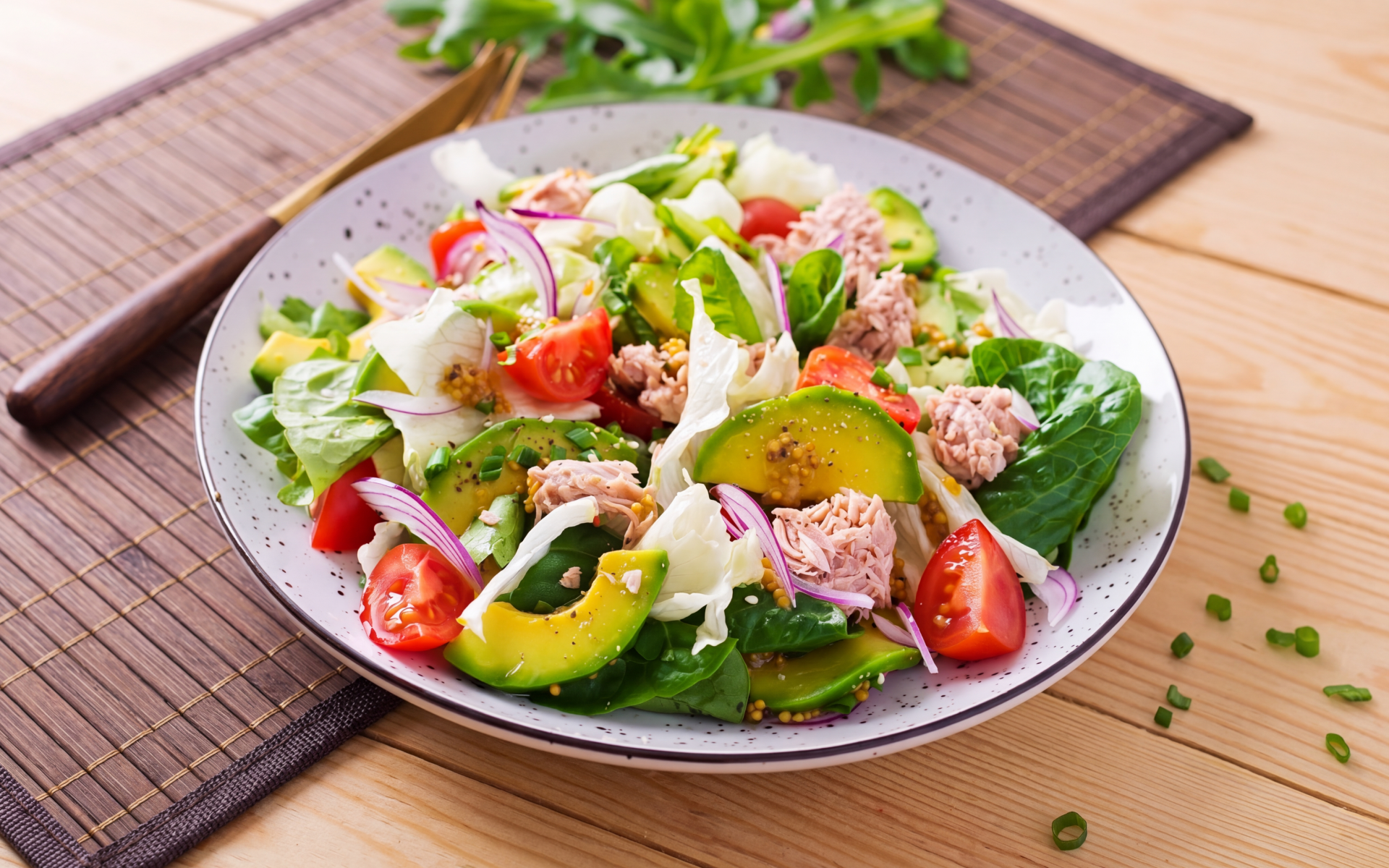
- The fix: Include omega-3 fatty acids (salmon, walnuts, flaxseeds) and monounsaturated fats (olive oil, avocado) in your meals. These fats support the lipid barrier of the skin, keeping it hydrated and plump.
4. Sleep is Non-Negotiable
Fasting increases cortisol and orexin (alertness) (37). If you don’t manage sleep, cortisol stays chronically high, which breaks down collagen (38).
- The fix: Aim for 7-9 hours of quality sleep. If fasting keeps you awake, shift your eating window so you’re not going to bed hungry.
5. Cycle Your Protocols (Metabolic Flexibility)
Strict chronic restriction can lower your metabolic rate over time (39).
- The fix: Don’t fast 16-18 hours every single day forever. Practice “metabolic switching”. Maybe fast 16 hours for 3 days, 12 hours for 2 days, and do a 24-hour fast once a week. This keeps the body adaptive.
6. Break Your Fast Gently
Flooding your system with difficult-to-digest or too much food can cause discomfort, bloating, or indigestion.
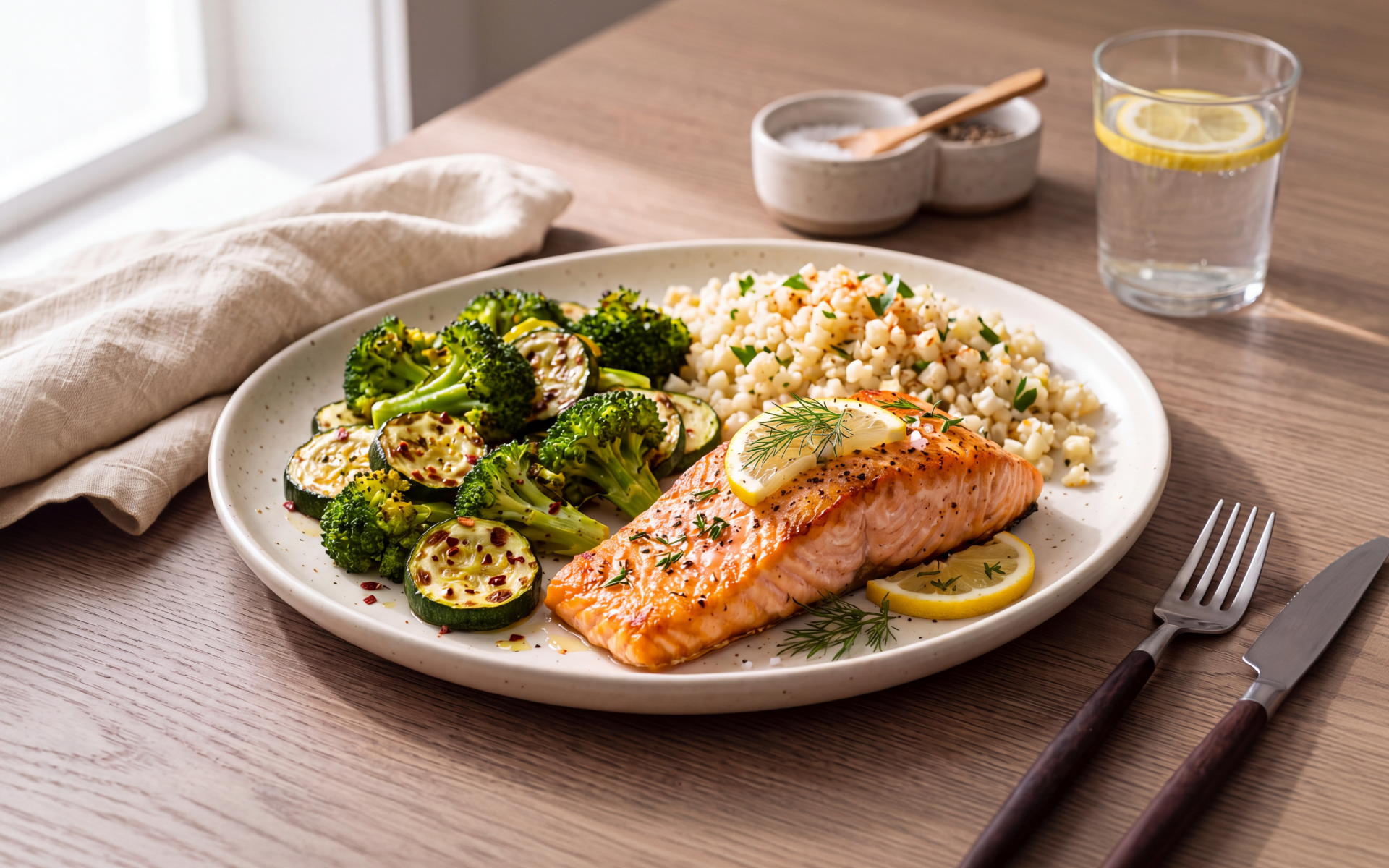
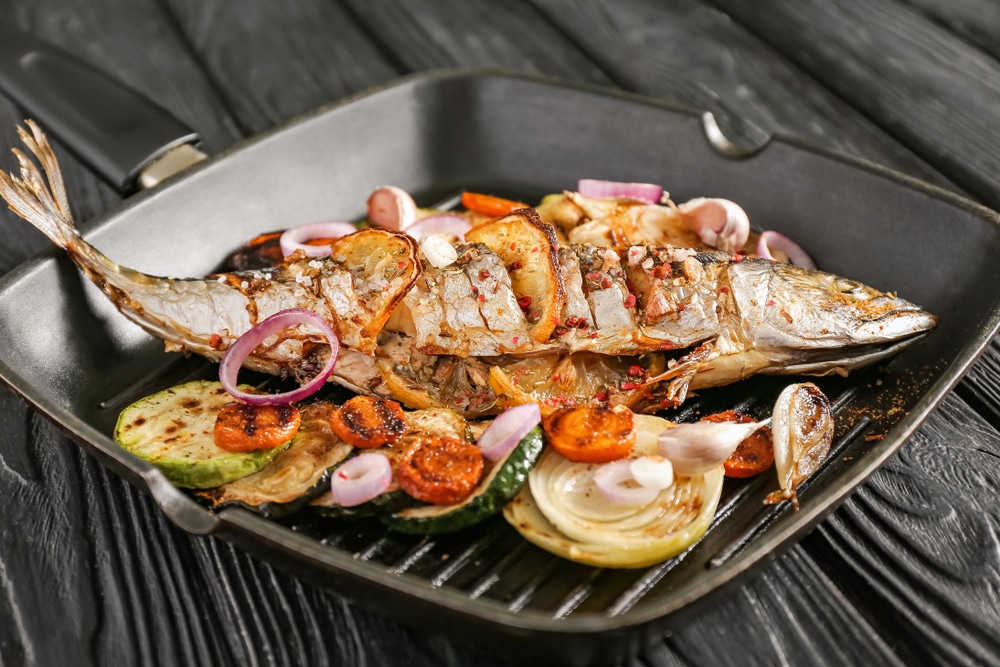
- The fix: Break your fast with a balanced meal including easy-to-digest protein (such as eggs or fish), complex carbs, and cooked vegetables. A vegetable omelet with whole-grain toast and avocado is a good example.
7. Combine Fasting with Resistance Training
Exercise induces autophagy in muscle independently of fasting (40). It’s also key to preventing muscle loss, along with the protein intake we mentioned earlier.
- The fix: Incorporate resistance training into your routine. Training during your eating window ensures you have enough energy to perform an effective workout, and that you can eat a balanced, high-protein meal soon after.
8. Avoid “Dirty Fasting”
Adding cream to coffee or sipping BCAAs (branched chain amino acids) during the fast spikes insulin or mTOR, stopping autophagy (41).
- The fix: Stick to water, black coffee, and unflavored tea. If your goal is to follow a stricter fasting protocol, calorie-containing drinks may not be aligned with that approach.
Frequently Asked Questions
Does fasting age your skin?
No, fasting itself doesn’t age your skin. However, rapid weight loss or dehydration associated with improper fasting can lead to volume loss, making skin appear looser or more wrinkled.
Does fasting tighten your skin?
Fasting is more likely to make your skin appear loose due to dehydration or rapid weight loss.
Does a 24-hour fast improve your skin?
A single 24-hour fast is not likely to have any noticeable effects on skin appearance. If regular fasting results in weight loss over time, then obesity-associated inflammation may be reduced, which could have a positive impact on inflammatory skin conditions.
How do I know I’m in autophagy?
There’s no home test for autophagy, and no reliable outward signs.
The Bottom Line
Fasting has been studied for its possible role in metabolic health and cellular stress-response pathways, but it shouldn’t be presented as a proven way of slowing aging. By potentially reducing inflammation, mitigating oxidative stress, and promoting cellular cleanup via autophagy, fasting may address some of the root causes of aging, rather than just the symptoms.
However, the “dose” matters. The goal is a metabolic rhythm that supports repair without causing depletion. Approach fasting as a long-term lifestyle of maintenance, not a crash course in vanity.
If you support your fasting periods with nutrient-dense food, adequate sleep, and hydration, you may find that looking younger is simply a side effect of being metabolically healthier and maintaining a healthy weight.
DISCLAIMER:
This article is intended for general informational purposes only and does not serve to address individual circumstances. It is not a substitute for professional advice or help and should not be relied on for making any kind of decision-making. Any action taken as a direct or indirect result of the information in this article is entirely at your own risk and is your sole responsibility.
BetterMe, its content staff, and its medical advisors accept no responsibility for inaccuracies, errors, misstatements, inconsistencies, or omissions and specifically disclaim any liability, loss or risk, personal, professional or otherwise, which may be incurred as a consequence, directly or indirectly, of the use and/or application of any content.
You should always seek the advice of your physician or other qualified health provider with any questions you may have regarding a medical condition or your specific situation. Never disregard professional medical advice or delay seeking it because of BetterMe content. If you suspect or think you may have a medical emergency, call your doctor.
SOURCES:
- Human age reversal: Fact or fiction? (2022, onlinelibrary.wiley.com)
- The role of dietary strategies in the modulation of hallmarks of aging (2023, sciencedirect.com)
- Signaling Pathways That Control Muscle Mass (2020, mdpi.com)
- The metabolic sensor AMPK: Twelve enzymes in (2024, sciencedirect.com)
- Daily fasting improves health and survival in male mice independent of diet composition and calories (2020, pmc.ncbi.nlm.nih.gov)
- A 2-Year Randomized Controlled Trial of Human Caloric Restriction: Feasibility and Effects on Predictors of Health Span and Longevity (2020, pmc.ncbi.nlm.nih.gov)
- Inflammaging and the Skin (2021, jidonline.org)
- The Effects of Intermittent Fasting on Inflammatory Markers in Adults: A Systematic Review and Pairwise and Network Meta-Analyses (2025, mdpi.com)
- The role of gut microbiome in inflammatory skin disorders: A systematic review (2021, pmc.ncbi.nlm.nih.gov)
- Advanced Glycation End-Products (AGEs): Formation, Chemistry, Classification, Receptors, and Diseases Related to AGEs (2022, mdpi.com)
- Dietary Advanced Glycation End Products and Aging (2010, mdpi.com)
- Diet low in advanced glycation end products increases insulin sensitivity in healthy overweight individuals: a double-blind, randomized, crossover trial (2016, sciencedirect.com)
- The gut-skin axis: Emerging insights in understanding and treating skin diseases through gut microbiome modulation (Review) (2025, pmc.ncbi.nlm.nih.gov)
- Gut microbiota modulation and health benefits of various fasting regimens (2025, sciencedirect.com)
- Islamic fasting leads to an increased abundance of Akkermansia muciniphila and Bacteroides fragilis group: A preliminary study on intermittent fasting (2019, pubmed.ncbi.nlm.nih.gov)
- Potential Role of Dietary Antioxidants During Skin Aging (2025, onlinelibrary.wiley.com)
- Human hair follicles operate an internal Cori cycle and modulate their growth via glycogen phosphorylase (2021, pmc.ncbi.nlm.nih.gov)
- The circulating metabolome of human starvation (2018, pmc.ncbi.nlm.nih.gov)
- Telogen Effluvium: A Review of the Literature (2020, cureus.com)
- The Impact of Intermittent Fasting on Metabolic and Hormonal Profile in Patients with Polycystic Ovary Syndrome: A Systematic Review and Meta-Analysis (2025, mdpi.com)
- Imaging spectrum of abnormal subcutaneous and visceral fat distribution (2020, pmc.ncbi.nlm.nih.gov)
- The impact of fasting on adipose tissue metabolism (2023, sciencedirect.com)
- Activating autophagy promotes skin regeneration induced by mechanical stretch during tissue expansion (2024, academic.oup.com)
- Study finds routine periodic fasting is good for your health, and your heart (2011, eurekalert.org)
- The protection role of human growth hormone on skin cells following ultraviolet B exposure (2024, sciencedirect.com)
- Relating aging and autophagy: a new perspective towards the welfare of human health (2023, pmc.ncbi.nlm.nih.gov)
- Molecular Mechanisms Underlying Initiation and Activation of Autophagy (2024, pmc.ncbi.nlm.nih.gov)
- Physiology, Fasting (2023, NCBI Bookshelf)
- The Effects of Calorie Restriction on Autophagy: Role on Aging Intervention (2019, MDPI)
- AMPK and mTOR Regulate Autophagy Through Direct Phosphorylation of Ulk1 (2011, Kyung Hee University)
- The Effect of Fasting or Calorie Restriction on Autophagy Induction: A Review of the Literature (2018, PubMed)
- In Vivo Analysis of Autophagy in Response to Nutrient Starvation Using Transgenic Mice Expressing a Fluorescent Autophagosome Marker (2004, PubMed Central)
- Biomarkers for sarcopenia, muscle mass, muscle strength, and physical performance: an umbrella review (2025, link.springer.com)
- Alternate-day fasting cuts body fat but also reduces muscle (2025, news-medical.net)
- Dietary Fats, Human Nutrition and the Environment: Balance and Sustainability (2022, frontiersin.org)
- Adaptive Effects of Endocrine Hormones on Metabolism of Macronutrients during Fasting and Starvation: A Scoping Review (2024, mdpi.com)
- Here’s What Happens When You Don’t Get Enough Sleep (2024, health.clevelandclinic.org)
- Impact of calorie restriction on energy metabolism in humans (2020, pmc.ncbi.nlm.nih.gov)
- Consumption of a high glycemic load but not a high glycemic index diet is marginally associated with oxidative stress in young women (2014, researchgate.net)
- Resistance training as a modulator of autophagy in skeletal muscle: A systematic review of molecular mechanisms and adaptive response (2025, sciencedirect.com)
- Nutrient Sensor mTORC1 Regulates Insulin Secretion by Modulating β-Cell Autophagy (2021, pmc.ncbi.nlm.nih.gov)