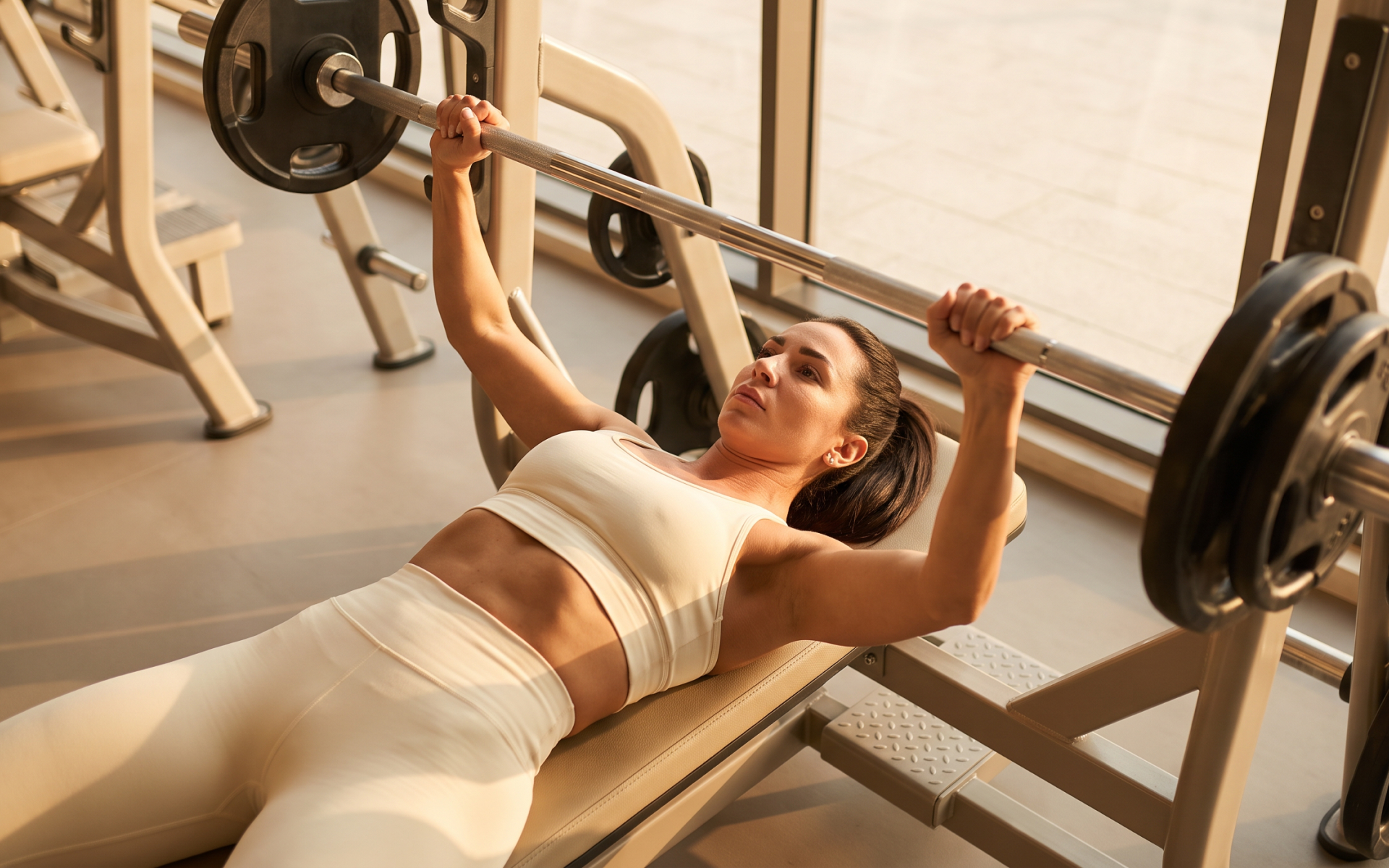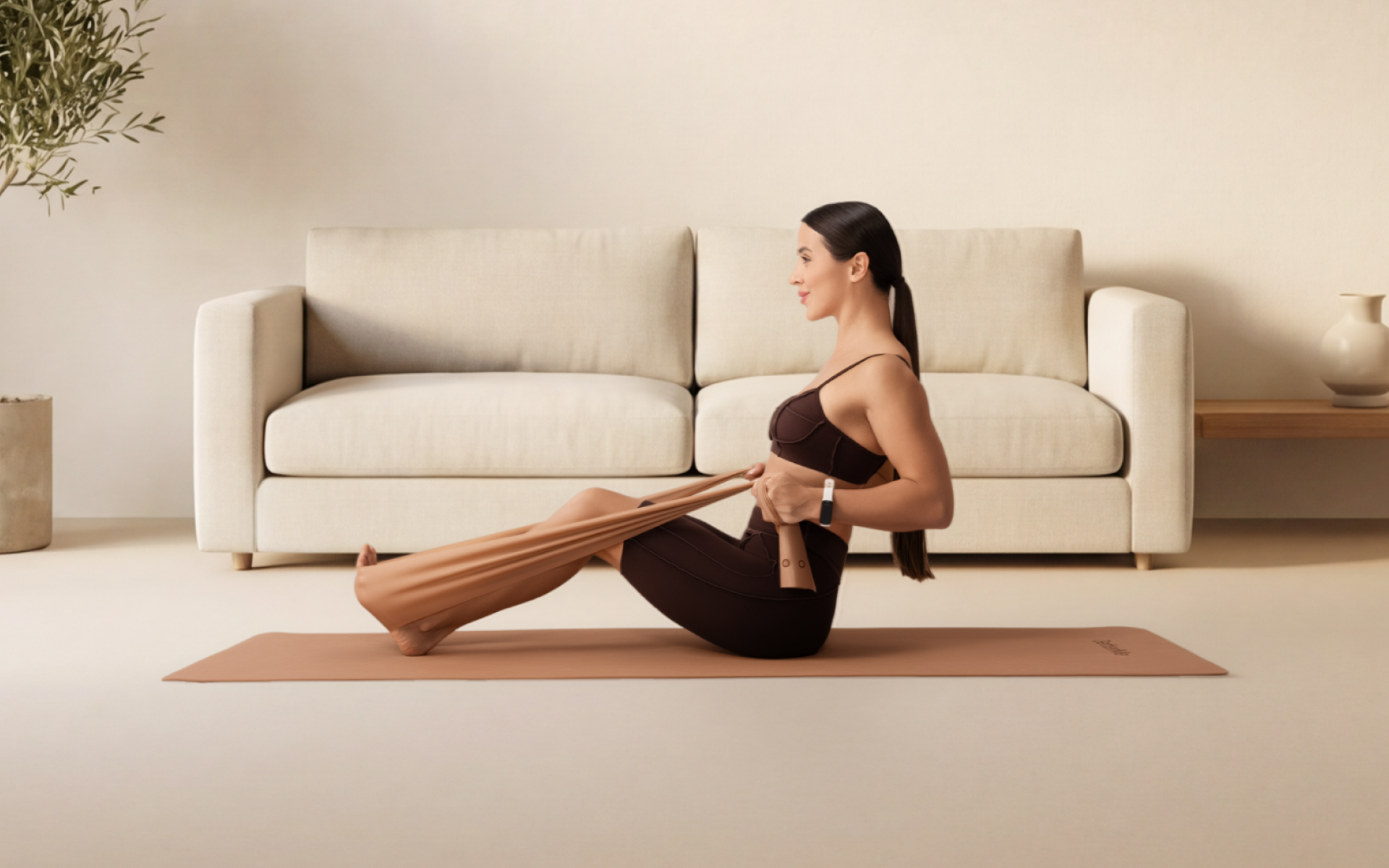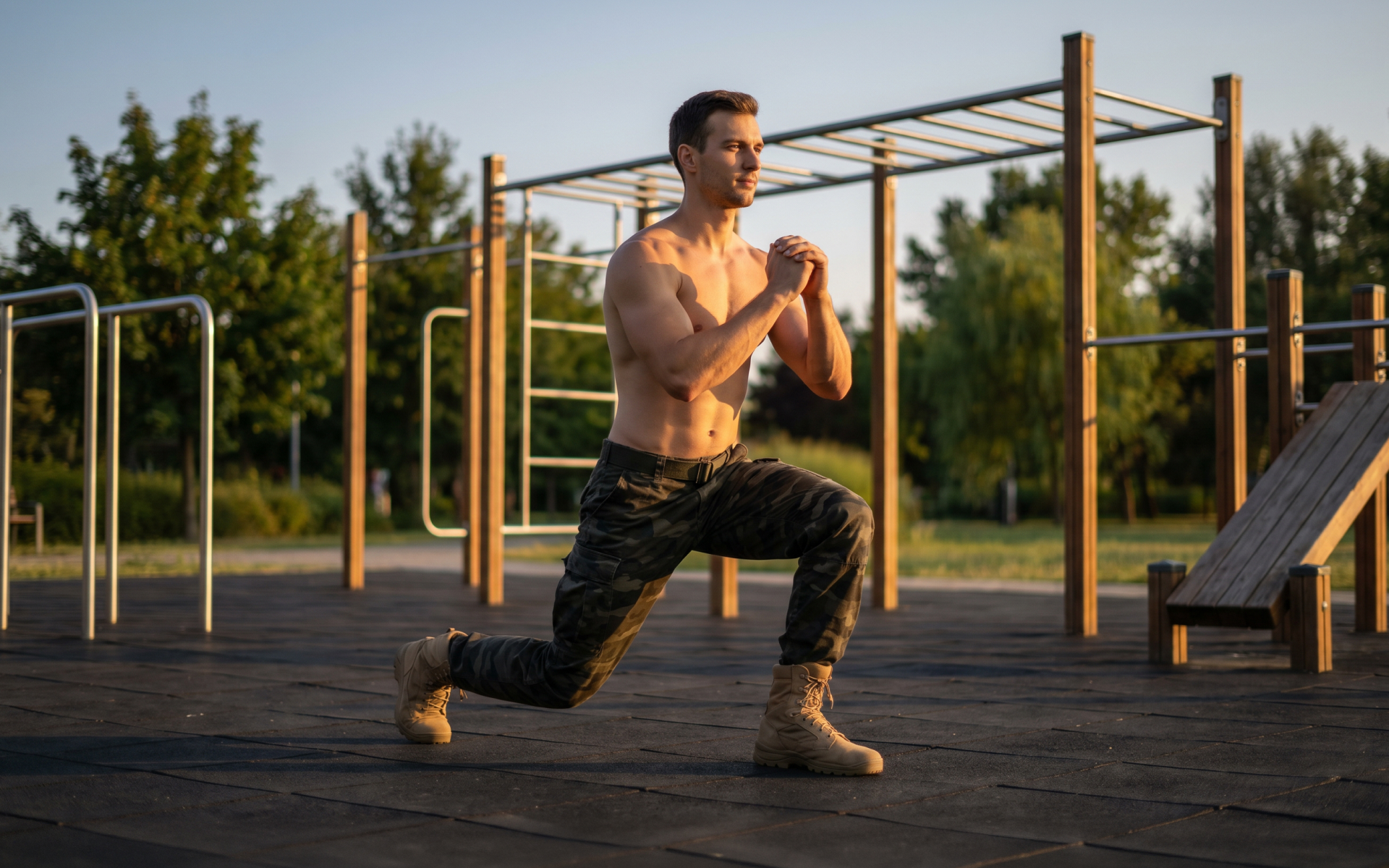
A 4-day workout routine for beginners can work well when you train each major muscle group about twice a week. For many people, an upper/lower setup—four sessions split into two upper-body days and two lower-body days—is one of the simplest ways to start. What matters most is your total weekly effort, not the exact split.
Are you confused by conflicting gym advice? You’re not alone. A 4-day workout routine for beginners is a weekly plan where you train four days and rest three, which gives your body time to recover while building a steady habit. This guide is for anyone who is new to working out and has four days to spare and also wants clear, practical steps instead of hype.
We’ll walk through structure, sets, reps, rest, warm-ups, and progress—with examples you can follow today. You’ll also get a ready-to-use plan you can adjust for home or the gym. Keep reading, and let’s build something you can actually stick with.
Is Working Out 4 Days a Week Suitable for Beginners?
Yes, working out 4 days a week can suit many beginners, as long as you recover well and keep sessions manageable. Two or three days can work, but four is a reasonable choice if your schedule allows it.
Some research has suggested that when weekly volume is matched, doing more days per week is usually not inherently better for hypertrophy or strength—it mainly helps by distributing work across the week (1).
A 4-day workout schedule tends to help beginners because it can:
- Keep each session shorter and less tiring
- Give you more chances to practice good form
- Make the plan feel less overwhelming
- Build a repeatable weekly habit
If you feel very new or tired often, you might start with 3 days for the first 2-4 weeks, then move up to four—there’s no rush. But if you’re motivated and feeling good, four days is completely reasonable to start with.
How Should Beginners Structure a 4-Day Workout Routine?
Beginners should structure a 4-day routine so each major muscle group gets trained about twice a week, usually with an upper/lower split. A workout split simply means how you divide your training across the week. An upper/lower split trains your upper body on some days and your lower body on others.
Here’s a simple weekly workout routine for beginners:
- Day 1: Upper body
- Day 2: Lower body
- Day 3: Rest
- Day 4: Upper body
- Day 5: Lower body
- Days 6-7: Rest
This 4-day training split works because muscles get hit twice weekly, and rest days sit between hard sessions.
Do you prefer variety? A full-body workout for beginners can also work. You train your whole body twice, on two “A” days and two “B” days. Many beginners find an upper/lower split easier to follow. It allows for more rest days throughout the week while still targeting the entire body.
What tends to work less well for beginners? A “bro split”, where you train one body part per day. This often trains each muscle only once a week, which is usually less efficient early on.
If you want a plan built around bodyweight moves, you may enjoy our guide to a Calisthenics Workout Routine.
What Does a 4-Day Beginners’ Workout Plan Look Like?
A 4-day beginners’ workout plan looks like two upper-body days and two lower-body days, with 5-6 exercises each. A set is a group of repetitions done back-to-back. A rep is one full movement of an exercise. A rest interval is the pause you take between sets.
Here’s a sample 4-day gym workout plan you can follow.
| Day | Exercise | Sets | Reps | Rest |
|---|---|---|---|---|
| Day 1: Upper A | Dumbbell bench press | 3 | 8-12 | 2-3 mins |
| Seated cable row | 3 | 8-12 | 2 mins | |
| Lat pulldown | 2 | 8-12 | 1-2 mins | |
| Dumbbell shoulder press | 2 | 8-12 | 1-2 mins | |
| Dumbbell curls | 2 | 10-15 | 1 min | |
| Day 2: Lower A | Goblet squat | 3 | 8-12 | 2-3 mins |
| Romanian deadlift | 3 | 8-12 | 2 mins | |
| Walking lunge | 2 | 8-12 each leg | 1-2 mins | |
| Leg curl | 2 | 10-15 | 1 min | |
| Plank | 2 | 20-45 secs | 1 min | |
| Day 4: Upper B | Assisted pull-up | 2 | 6-10 | 1-2 mins |
| Incline dumbbell press | 3 | 8-12 | 2-3 mins | |
| One-arm dumbbell row | 3 | 8-12 each arm | 2 mins | |
| Lateral raise | 2 | 10-15 | 1 min | |
| Triceps pressdown | 2 | 10-15 | 1 min | |
| Day 5: Lower B | Leg press | 3 | 8-12 | 2-3 mins |
| Bulgarian split squat | 2 | 8-12 each leg | 1-2 mins | |
| Hip thrust | 2 | 8-12 | 1-2 mins | |
| Seated calf raise | 2 | 10-15 | 1 min | |
| Dead bug | 2 | 8-12 | 1 min |
This beginners’ strength training routine covers all your main movements. Feel free to swap any exercise for one you enjoy.
Read more: HIIT Workouts With Weights: This Hardcore Strength-Boosting Routine Is Sure To Leave You Sore
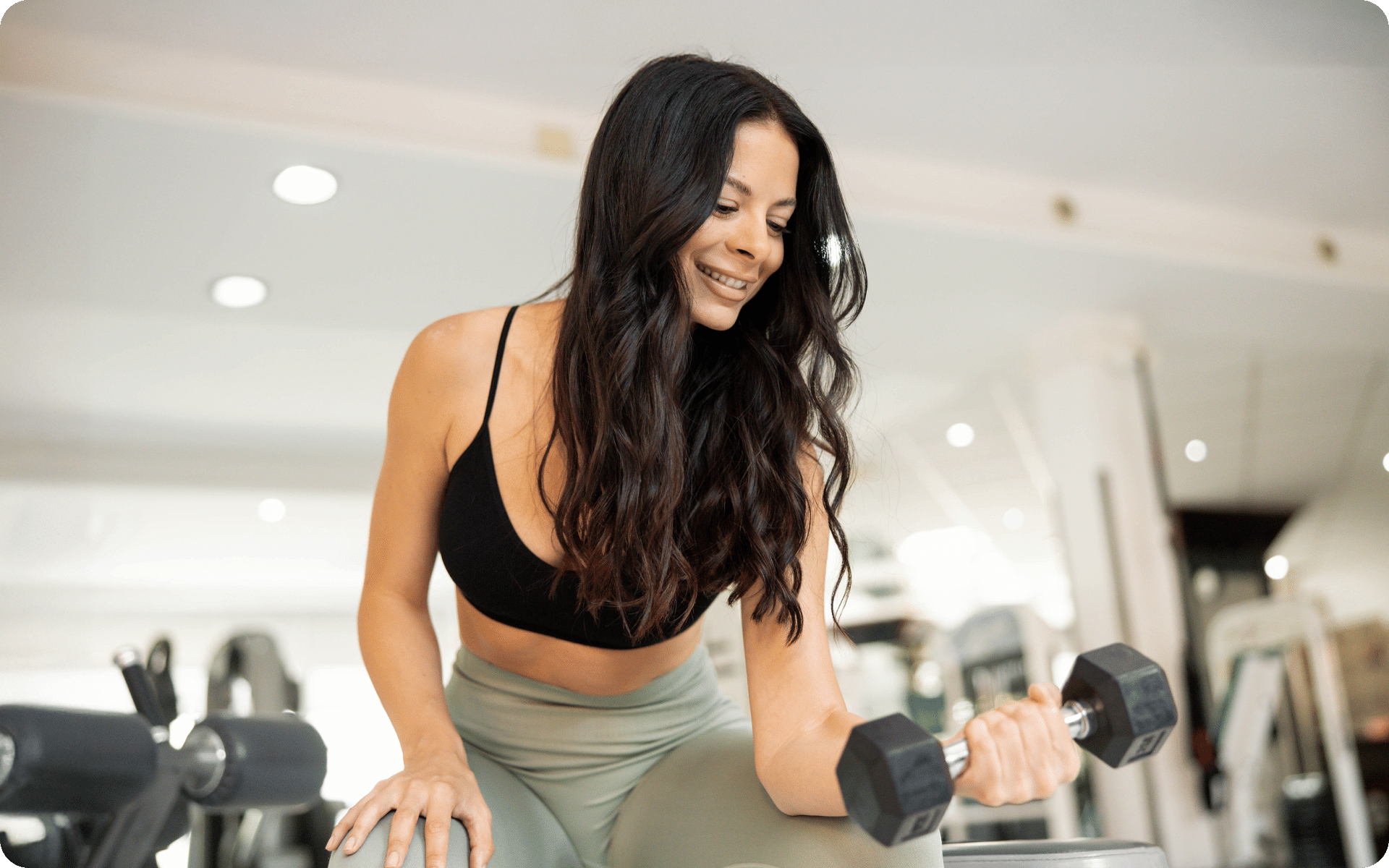
Exercise Instructions
Dumbbell Bench Press
- Lie flat on a bench with a dumbbell in each hand.
- Hold the weights above your chest, your arms straight.
- Lower slowly until your elbows reach chest level.
- Press back up with control.
Seated Cable Row
- Sit tall and grab the handle with both hands.
- Keep your back straight and your chest lifted.
- Pull the handle toward your belly.
- Return slowly to the start.
Lat Pulldown
- Sit and grip the bar with your hands wider than shoulder-width apart.
- Pull the bar down to your upper chest.
- Squeeze your back muscles briefly.
- Let the bar rise back with control.
Dumbbell Shoulder Press
- Sit or stand with a dumbbell in each hand at shoulder height.
- Press the weights straight overhead.
- Pause at the top.
- Lower slowly to the start.
Dumbbell Curls
- Stand with a dumbbell in each hand, your palms forward.
- Curl the weights toward your shoulders.
- Squeeze briefly at the top.
- Lower with control.
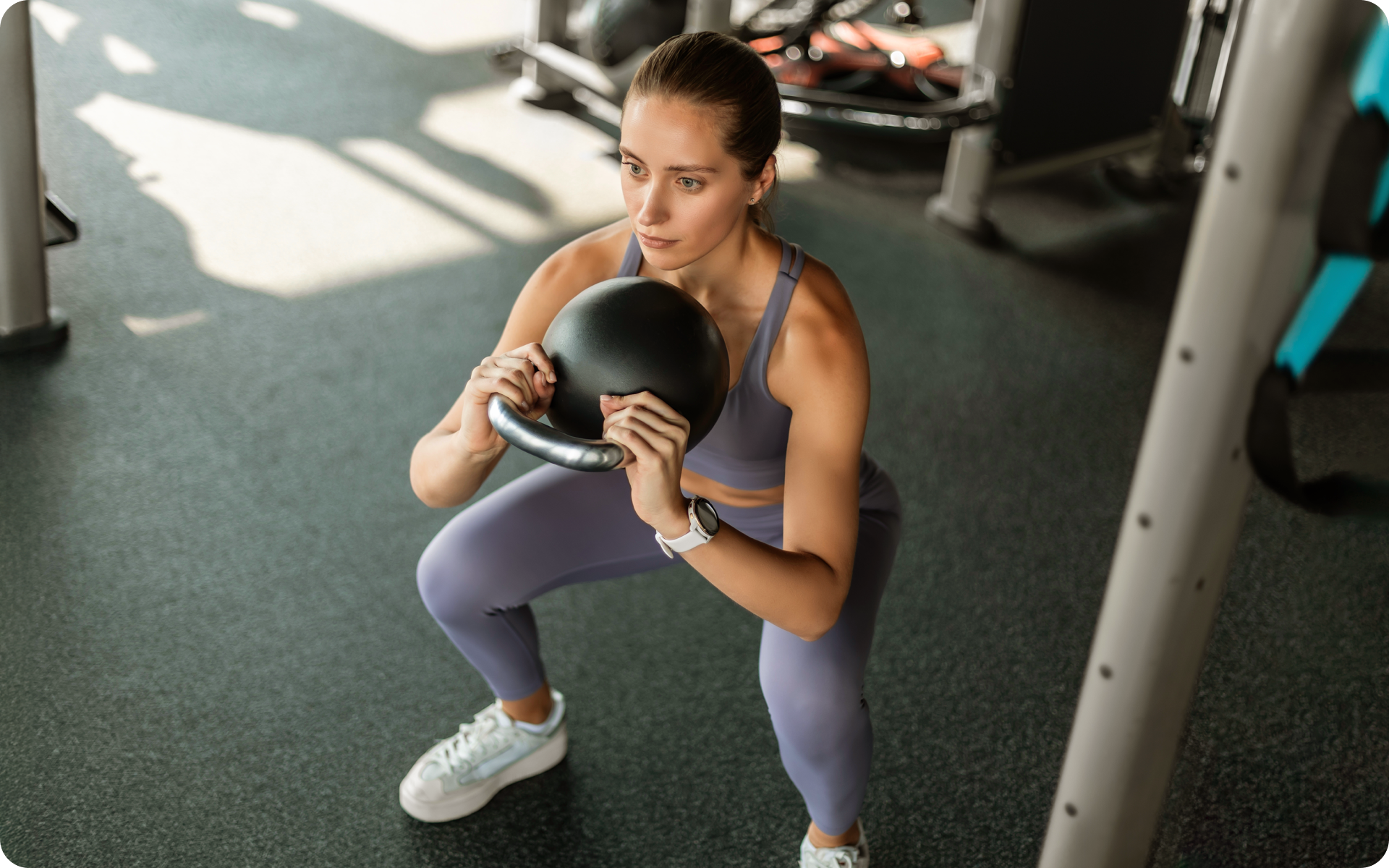
Goblet Squat
- Hold one dumbbell close to your chest.
- Stand with your feet shoulder-width apart.
- Sit back and down until your thighs are parallel to the floor.
- Drive up through your heels.
Romanian Deadlift
- Hold dumbbells in front of your thighs.
- Keep a slight bend in your knees.
- Hinge at your hips and lower the weights along your legs.
- Stand back up by squeezing your glutes.
Walking Lunge
- Step forward with one leg.
- Lower until both knees bend to about 90 degrees.
- Push up and step forward with the other leg.
- Keep your torso upright throughout.
Leg Curl
- Lie or sit on the machine with pads on your lower legs.
- Curl your heels toward your body.
- Pause briefly.
- Return slowly to the start.
Plank
- Rest on your forearms and toes.
- Keep your body in a straight line.
- Tighten your core and glutes.
- Hold for the set time.
Incline Dumbbell Press
- Set a bench to a low incline.
- Hold a dumbbell in each hand above your chest.
- Lower until your elbows reach chest level.
- Press back up with control.
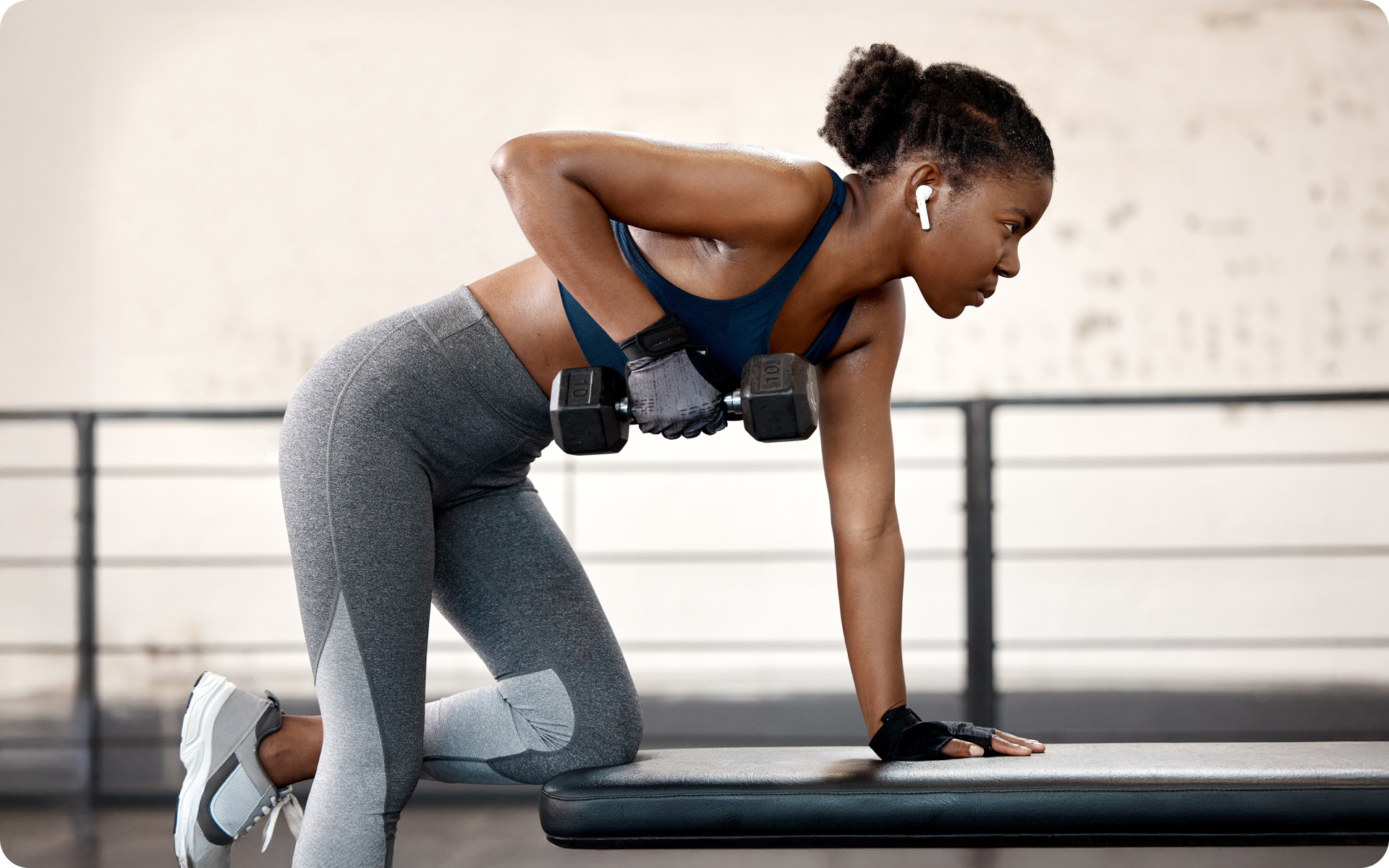
One-Arm Dumbbell Row
- Place one hand and one knee on a bench.
- Hold a dumbbell in the other hand.
- Pull the weight toward your hip.
- Lower slowly and repeat.
Assisted Pull-Up
- Use a machine or band for support.
- Grip the bar with your hands wider than shoulder-width apart.
- Pull your chin toward the bar.
- Lower yourself with control.
Lateral Raise
- Stand with a dumbbell in each hand.
- Raise your arms out to the sides to shoulder height.
- Pause briefly at the top.
- Lower slowly.
Triceps Pressdown
- Grip a cable bar at chest height.
- Keep your elbows tucked at your sides.
- Push the bar down until your arms are straight.
- Return slowly.
Leg Press
- Sit in the machine with your feet on the platform.
- Lower the weight until your knees bend to about 90 degrees.
- Press back up without locking your knees.
- Repeat with control.
Bulgarian Split Squat
- Rest your back foot on a bench behind you.
- Lower your front knee toward the floor.
- Keep your torso upright.
- Push up through your front heel.
Hip Thrust
- Rest your upper back on a bench.
- Place a weight across your hips.
- Drive your hips up until your body is level.
- Lower with control.
Seated Calf Raise
- Sit with the pad on your thighs.
- Push through the balls of your feet.
- Raise your heels as high as you can.
- Lower slowly.
Dead Bug
- Lie on your back with your arms and knees raised.
- Lower one arm and the opposite leg slowly.
- Return to the start.
- Switch sides.
BetterMe offers a variety of workouts, recipes, challenges, and support tools to help you stay more consistent with your wellness routine. Explore the app to find features that fit your goals, preferences, and schedule.
How Do You Warm Up Before Each Workout?
You warm up before each workout with a few minutes of light movement followed by dynamic stretches and a couple of ramp-up sets. A warm-up prepares your body without tiring you out. Some research has suggested that dynamic warm-ups may support performance better than long static stretching before lifting (2, 3).
Here’s a simple structure you can compare and choose from.
| Warm-up step | Before upper days | Before lower days | Time |
|---|---|---|---|
| General warm-up | Brisk walk or easy row | Bike or brisk walk | 5-10 mins |
| Dynamic mobility | Arm circles, band pull-aparts | Bodyweight squats, leg swings | 3-5 mins |
| Ramp-up sets | Light sets of first press | Light sets of first squat | 2-4 mins |
A quick example: if your working squat is 40 kg, try the empty bar for 8 reps, then 25 kg for 5, then 32.5 kg for 3. Then start your real sets.
The goal is simple—feel ready and mobile, not worn out.
How Many Sets and Reps Should Beginners Do?
Beginners should aim for about 2-3 sets per exercise and 6-15 reps, depending on the movement. This is one of the clearer areas in the research (4).
For workout sets and reps for beginners, try these ranges:
- Compound lifts (such as squats): 2-3 sets of 6-12 reps
- Isolation lifts (such as curls): 1-2 sets of 10-15 reps
A useful weekly target is about 6-10 hard sets per major muscle group. Over time, you can build toward 10-14 sets if recovery feels good (5).
Some research has suggested that muscle can grow across a wide rep range when your sets feel challenging. Moderate reps often feel easiest for beginners to control safely (4).
You don’t need huge volume to start seeing changes. Individual experience varies.
How Much Rest Do You Need Between Sets and Workout Days?
You need about 1-3 minutes of rest between sets and roughly 48-72 hours before training the same muscles again. Rest helps you keep your reps strong and your form clean (6, 7).
Here’s a simple guide:
- Compound lifts: rest for 2-3 minutes
- Isolation lifts: rest for 1-2 minutes
Short rest can reduce your reps in later sets. So give bigger lifts more time (6).
With an upper/lower schedule, your rest days fall naturally. Each muscle group gets a day or two off before you train it again.
Signs you may need more recovery include ongoing soreness for several days, dropping performance, or unusual fatigue (8). If that happens, consider fewer sets or better sleep.
For more day-by-day ideas, take a look at our Daily Workout Routine For Women.
How Can You Choose the Right Resistance and Intensity?
You choose the right resistance and intensity by picking a weight that leaves you with about 2-4 reps in the tank. Intensity describes how hard a set feels, often based on how heavy the weight is. A helpful gauge is reps in reserve—how many more reps you could do with good form (9).
Here’s a quick example for an 8-12 rep target:
- Hit 12 reps and could do 6 more? Too light.
- Hit 7 reps and your form breaks down? Too heavy.
- Hit 10 reps with 2-3 left in you? About right.
For your first few weeks of a beginners’ strength workout, avoid grinding reps to full fatigue. Keep your form clean and repeatable.
Choose a load that feels challenging, stays controlled, and you can repeat next week.
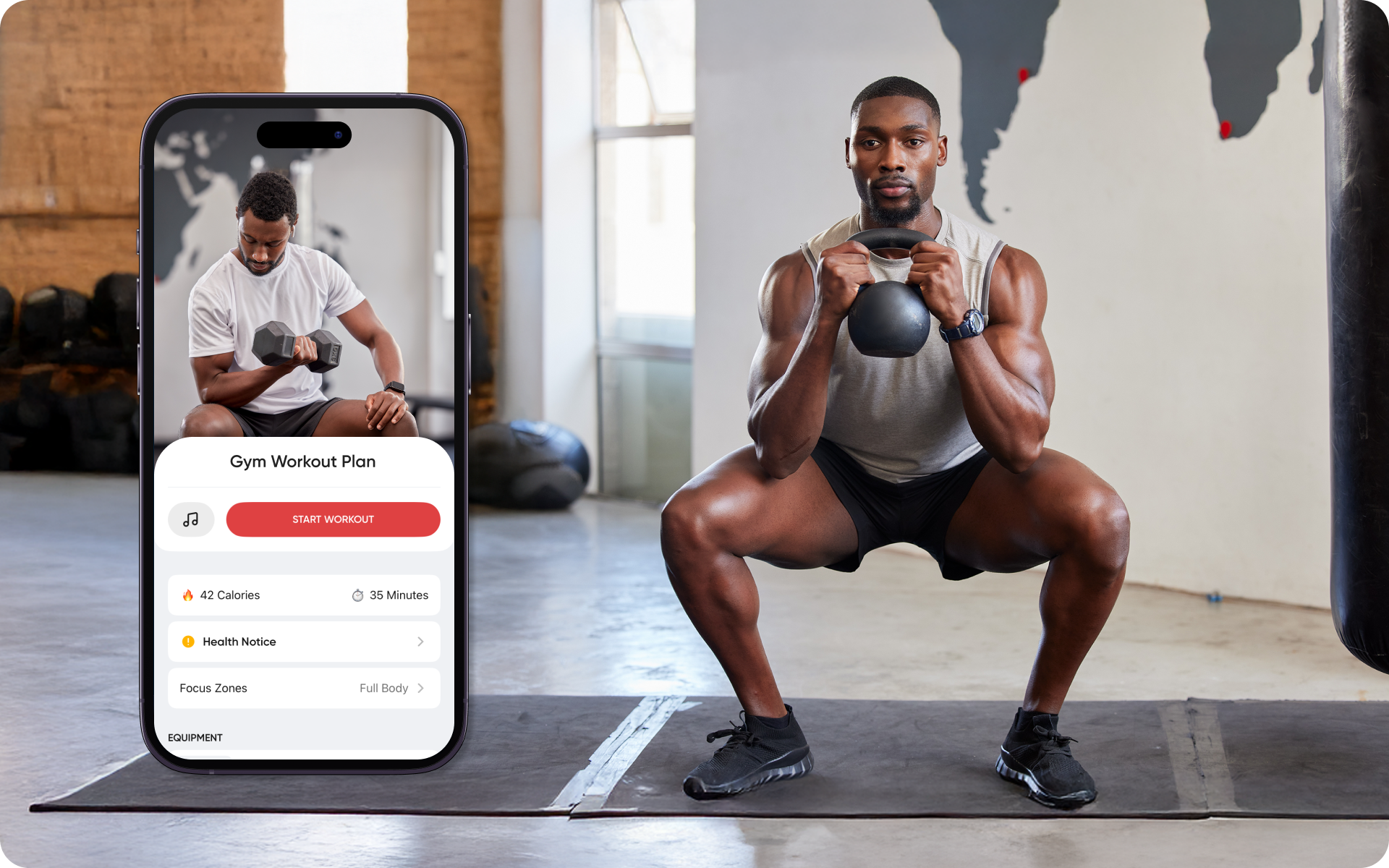
Workouts, weight management tools, and recipe ideas come together in the BetterMe: Health Coaching app, giving you practical support for building a more consistent wellness routine.
How Do You Progress a 4-Day Workout Routine over Time?
You progress a 4-day routine over time by gradually doing a little more each week, a method called progressive overload. Progressive overload means slowly increasing the demand on your muscles so they keep adapting (10).
A simple approach for workout progression for beginners is double progression:
- Pick a rep range, such as 8-12.
- Add reps each week until you hit the top number for all sets.
- Then add a small amount of weight and start again.
For example: 20 lb for 8, 8, 7 → next week 20 lb for 10, 9, 8 → then 20 lb for 12, 12, 12 → then move to 25 lb.
Other ways to progress include adding a set, improving your range of motion, or trimming rest slightly on smaller lifts.
Add more volume only if progress stalls for a few weeks and recovery feels solid. Individual timelines vary.
Read more: Beginners’ Leg Workouts: Exercises, Routine, and Tips to Get Started
How Can You Modify the Routine for Home or Gym Workouts?
You can modify the routine for home or gym by swapping machines for dumbbells, bands, or bodyweight moves. The structure matters more than the exact gear. A 4-day workout plan at home can follow the same upper/lower layout.
Here’s a comparison to help you choose.
| Exercise type | Gym option | Home option |
|---|---|---|
| Chest press | Machine chest press | Push-ups or floor press |
| Row | Seated cable row | One-arm dumbbell or band row |
| Pulldown | Lat pulldown | Band pulldown |
| Squat | Leg press | Goblet or split squat |
| Hamstrings | Leg curl machine | Sliding or band leg curl |
| Glutes | Barbell hip thrust | Bodyweight hip thrust |
If your home weights feel too light, try these tweaks:
- Add a few reps
- Slow down the lowering phase
- Pause at the bottom of each rep
- Do an extra set
A well-planned beginners’ gym routine and a home version can both work. Pick what fits your life.
For more tailored ideas, browse our Gym Workout Routine for Women.
FAQs
Is 4 days a week enough for a beginners’ workout routine?
Four days a week is often enough for a beginners’ workout routine, and it may even be more than some people need. Two or three days can work well too. What matters most is your total weekly effort, good form, and recovery (1). Four days simply gives you more chances to practice and spread the work out comfortably.
How long should a beginners’ workout session last?
A beginners’ workout session usually lasts about 45-60 minutes, including your warm-up. With 5-6 exercises and 2-3 sets each, most people finish in that window. If you’re short on time, trim rest slightly or drop one accessory move. Quality reps matter more than a long session. Individual pace varies, so adjust as needed.
Should beginners train the same muscles more than once a week?
Beginners can benefit from training the same muscles about twice a week. Some research has suggested that hitting each muscle group two times weekly may support steady progress for many people (5). An upper/lower split makes this simple—you still get rest days between sessions. Once weekly can work too, but twice tends to feel more balanced early on.
Can beginners work out 4 days in a row?
Beginners can work out 4 days in a row, but spacing sessions out is usually easier to recover from. Back-to-back days may leave some muscle groups tired (7). If your schedule only allows four straight days, alternate upper and lower work so that no area gets overloaded. Then take three rest days after. Listen to your body and adjust.
Should beginners do cardio on rest days?
Beginners can do light cardio on rest days if it feels good and does not tire them out. A gentle walk, easy bike ride, or light swim can support recovery for many people. Keep the effort low so you feel fresh for your next lifting session. Rest days can also mean full rest. Your choice matters here.
The Bottom Line
A 4-day workout routine for beginners doesn’t need to be complicated or perfect. Focus on training each muscle about twice a week, keeping your effort steady, and adding a little more over time. Pick the version that fits your week, whether at home or the gym, and adjust as you learn what feels right. You’ve got this—lace up and take your first session on your own terms.
DISCLAIMER:
This article is intended for general informational purposes only and does not serve to address individual circumstances. It is not a substitute for professional advice or help and should not be relied on for making any kind of decision-making. Any action taken as a direct or indirect result of the information in this article is entirely at your own risk and is your sole responsibility.
BetterMe, its content staff, and its medical advisors accept no responsibility for inaccuracies, errors, misstatements, inconsistencies, or omissions and specifically disclaim any liability, loss or risk, personal, professional or otherwise, which may be incurred as a consequence, directly or indirectly, of the use and/or application of any content.
You should always seek the advice of your physician or other qualified health provider with any questions you may have regarding a medical condition or your specific situation. Never disregard professional medical advice or delay seeking it because of BetterMe content. If you suspect or think you may have a medical emergency, call your doctor.
SOURCES:
- Equal-Volume Strength Training With Different Training Frequencies Induces Similar Muscle Hypertrophy and Strength Improvement in Trained Participants (2022, frontiersin.org)
- Dynamic Warm-ups Play Pivotal Role in Athletic Performance and Injury Prevention (2025, sciencedirect.com)
- A systematic review and net meta-analysis of the effects of different warm-up methods on the acute effects of lower limb explosive strength (2023, link.springer.com)
- Loading Recommendations for Muscle Strength, Hypertrophy, and Local Endurance: A Re-Examination of the Repetition Continuum (2021, mdpi.com)
- A Systematic Review of The Effects of Different Resistance Training Volumes on Muscle Hypertrophy (2022, pmc.ncbi.nlm.nih.gov)
- Give it a rest: a systematic review with Bayesian meta-analysis on the effect of inter-set rest interval duration on muscle hypertrophy (2024, frontiersin.org)
- Effects of Different Between Test Rest Intervals in Reproducibility of the 10-Repetition Maximum Load Test: A Pilot Study with Recreationally Resistance Trained Men (2019, pmc.ncbi.nlm.nih.gov)
- Are you getting too much exercise? (2024, medlineplus.gov)
- Modeling the repetitions‐in‐reserve‐velocity relationship: a valid method for resistance training monitoring and prescription, and fatigue management (2024, pmc.ncbi.nlm.nih.gov)
- Effects of Resistance Training Overload Progression Protocols on Strength and Muscle Mass (2024, pubmed.ncbi.nlm.nih.gov)