Leg exercises at home to build muscle exist, but your body needs a specific kind of stimulus. This requirement involves two key factors:
- Progressive overload
- Mechanical tension (1).
Progressive overload refers to the gradual increase in stress placed on your muscles (2), whereas mechanical tension refers to the force your muscles experience during exercise (3). Together, they provide a training stimulus that may support strength and muscle development over time.
Now, here’s where many can overlook bodyweight workouts.
Most assume they’re only good for cardio or general fitness, not building muscle. However, this isn’t the whole story, especially for beginners.
If you’re new to training, your muscles may respond to a range of training stimuli, including well-structured bodyweight and leg calisthenics exercises.
With the proper technique and a focus on control, you can create tension that may support gradual strength and muscle development.
This article shares a 30-minute bodyweight workout you can try, with options to adjust the challenge as you progress.
Exercise suitability varies. Use controlled technique, choose versions that match your current ability, and stop if a movement causes discomfort. Consider consulting a qualified professional if you have an existing physical concern or are unsure whether this routine suits you.
Can You Train Legs with Just Bodyweight?
You can train your legs with just bodyweight. While it’s true that bodyweight exercises might not provide the heavy loads associated with barbell training, when done correctly, they can support leg strength and muscle development, particularly for beginners.
Bodyweight exercises primarily rely on your mass to create resistance.
When you perform movements such as squats, lunges, or step-ups, your leg muscles are engaged to control and direct this resistance (4).
These exercises provide (4, 5):
Muscle Activation
Bodyweight movements can recruit all the major leg muscle groups, including:
- Quadriceps: The muscles at the front of your thighs. These muscles are crucial for extending your knees during movements like squats.
- Hamstrings: Located at the back of your thighs, they play a crucial role in stabilizing the knees and controlling eccentric phases (lowering movements).
- Glutes: Your hip muscles, which power hip extension in exercises like lunges or bridges.
- Calves: Supporting lower leg stability and aiding in toe-off during movements.
Time Under Tension (TUT)
Adding control to your movements by slowing down certain phases—for example, lowering into a squat over 3–4 seconds (eccentric phase)—builds mechanical tension.
This tension signals your body to grow stronger.
Range of Motion
Working through a full range of motion (e.g., squatting as deeply as your mobility allows) maximizes the recruitment of muscle fibers. This engagement ensures the muscles work more completely through their full range of motion.
Applying Progressive Overload in Bodyweight Workouts
Building muscle requires progressive overload, which might sound tricky when you’re not adding weight. But there are several ways to make bodyweight exercises more challenging without needing equipment (5):
- Increase repetitions or sets to push your endurance and fatigued muscle fibers.
- Slow down the tempo of your movements to increase time under tension.
- Add exercise variations that challenge your muscles more.
For example:
- Swap standard squats for pistol squats (one-legged squats).
- Upgrade lunges to Bulgarian split squats, where you elevate one leg at a time.
- Challenge your glutes and hamstrings with single-leg glute bridges.
Each of these changes forces your muscles to adapt, promoting growth and strength.
To illustrate how you can progress, here’s a simple progressive overload framework for squats:
- Start with standard bodyweight squats until you can perform 15-20 reps with ease.
- Transition to jump squats to introduce explosive power.
- Advance to pistol squats for unilateral strength and stability work.
Read more: Beginners’ Leg Workouts: Exercises, Routine, and Tips to Get Started
Which Bodyweight Leg Exercises Can You Include?
Including a range of bodyweight exercises helps target all major muscle groups in your legs while addressing mobility, balance, and functional strength.
Below, you’ll find foundational leg exercises at home for beginners, along with progressions to challenge your muscles as you grow stronger.
Bodyweight Squat
The squat is a fundamental movement essential for building strength in your quadriceps, hamstrings, glutes, and calves.
Here’s how to do it:
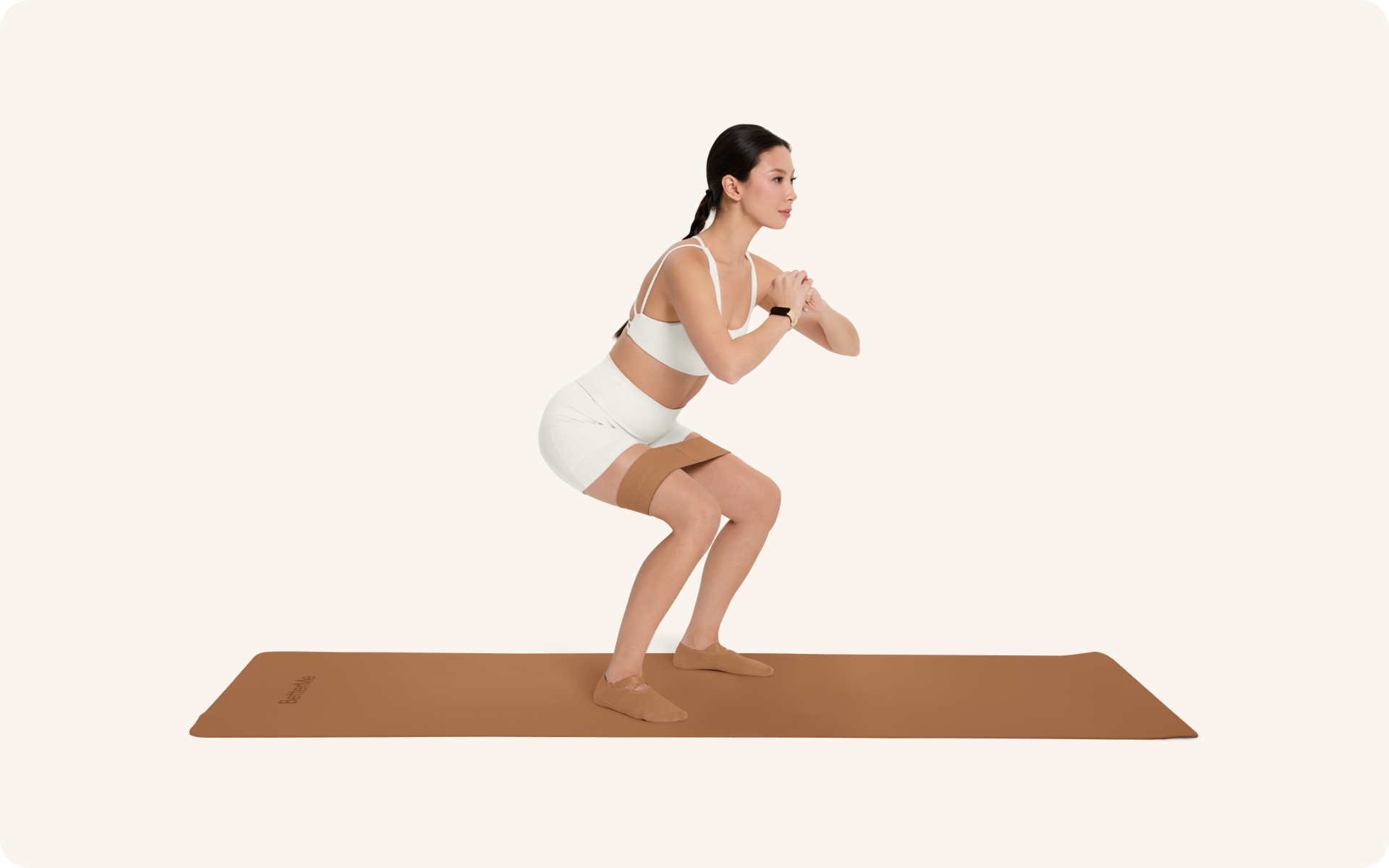
- Stand with your feet shoulder-width apart, toes slightly turned out.
- Keep your chest up, and engage your core to maintain a neutral spine.
- Bend your knees and push your hips back as if sitting into an invisible chair.
- Lower down until your thighs are at least parallel to the ground (or go lower if your mobility allows).
- Press through your heels to return to the starting position.
Progressions:
- Jump Squat: Add an explosive jump at the top of the movement to increase power output.
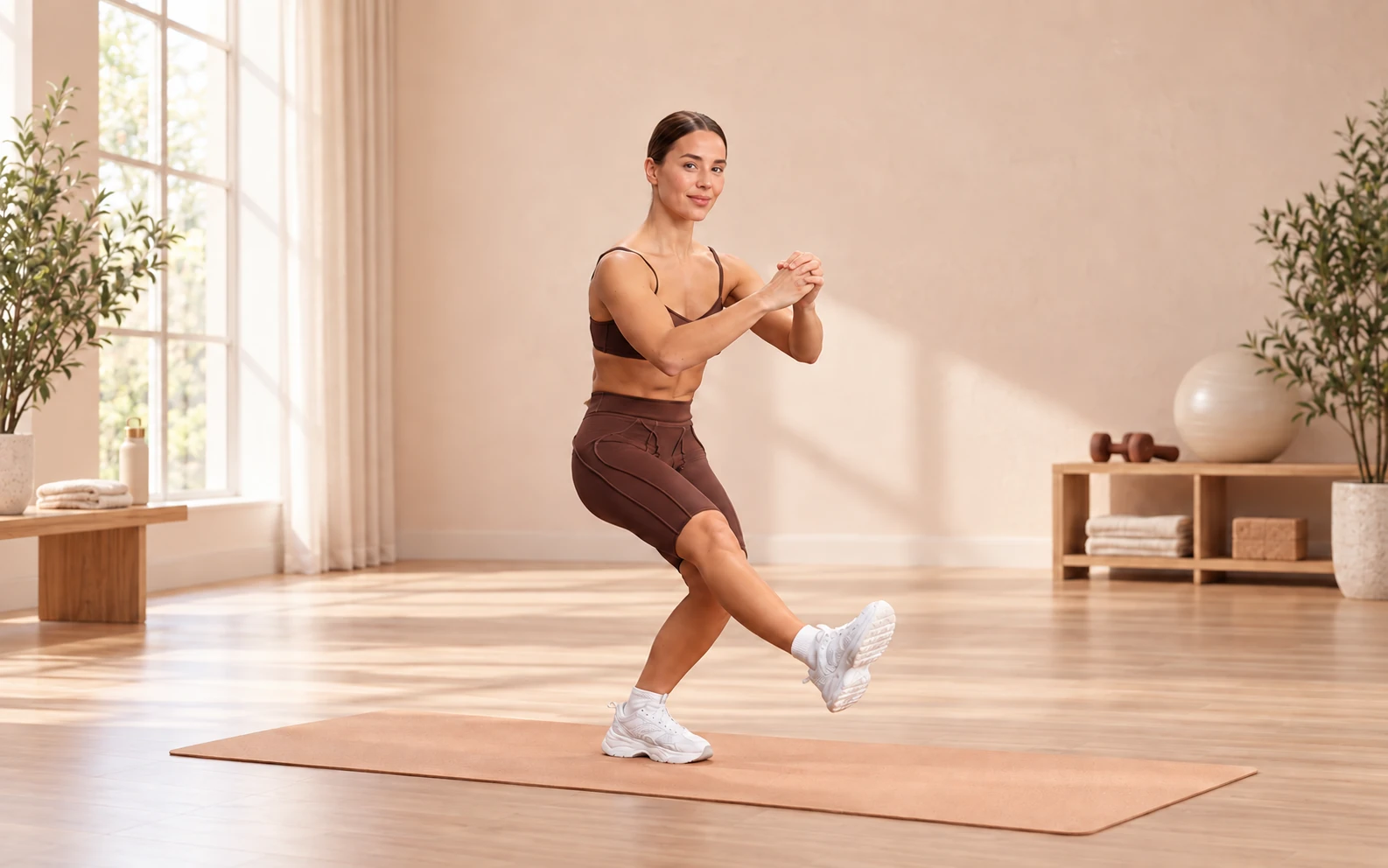
- Pistol Squat: Perform a squat on one leg while extending the other leg forward, focusing on balance and unilateral strength.
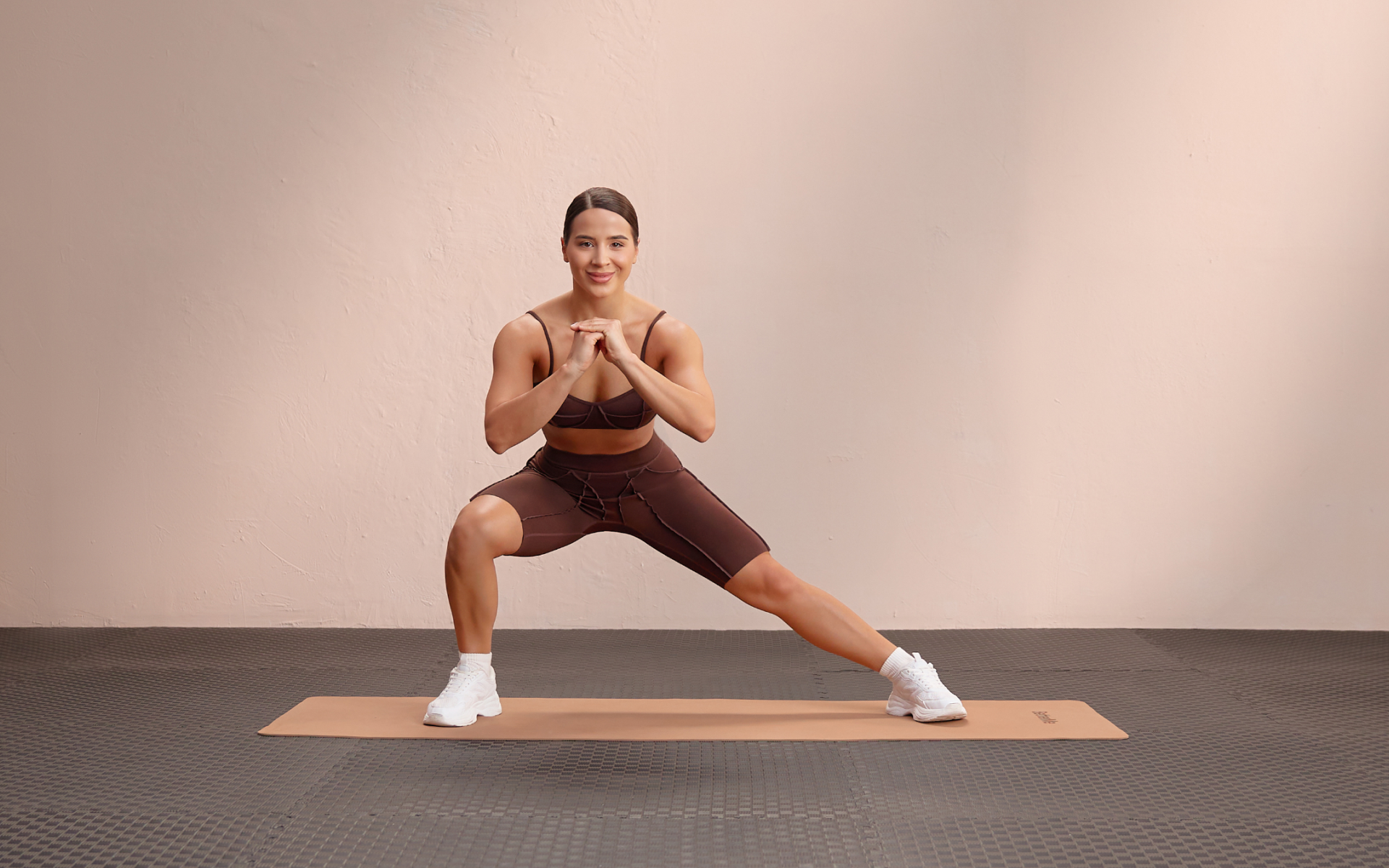
- Cossack Squat: Shift your weight into one leg while the other is extended to the side, developing flexibility and lateral strength.
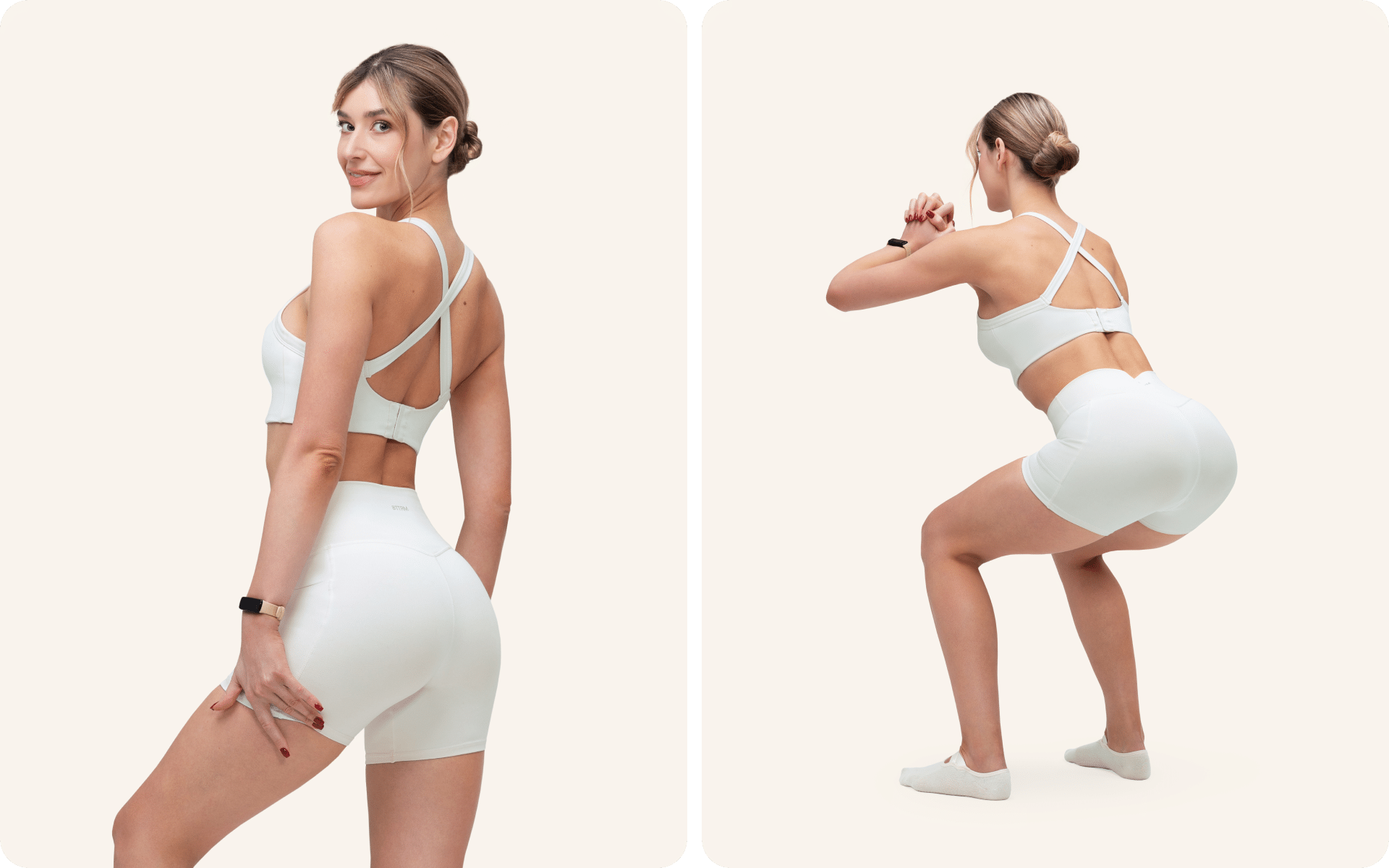
Forward Lunge
Lunges improve single-leg strength, balance, and mobility, working both the front (quadriceps) and back (hamstrings, glutes) of your legs.
- Start standing tall with feet together.
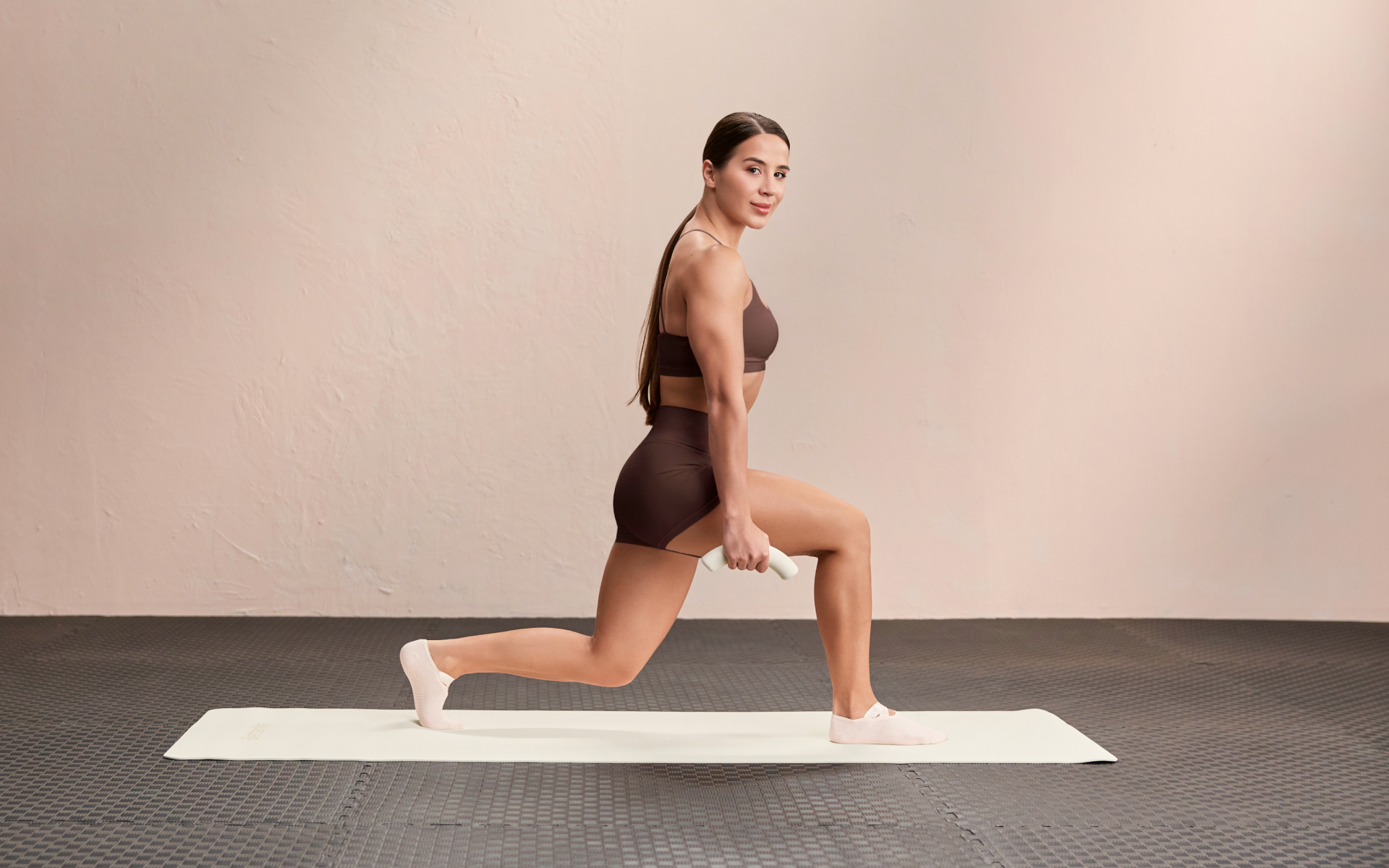
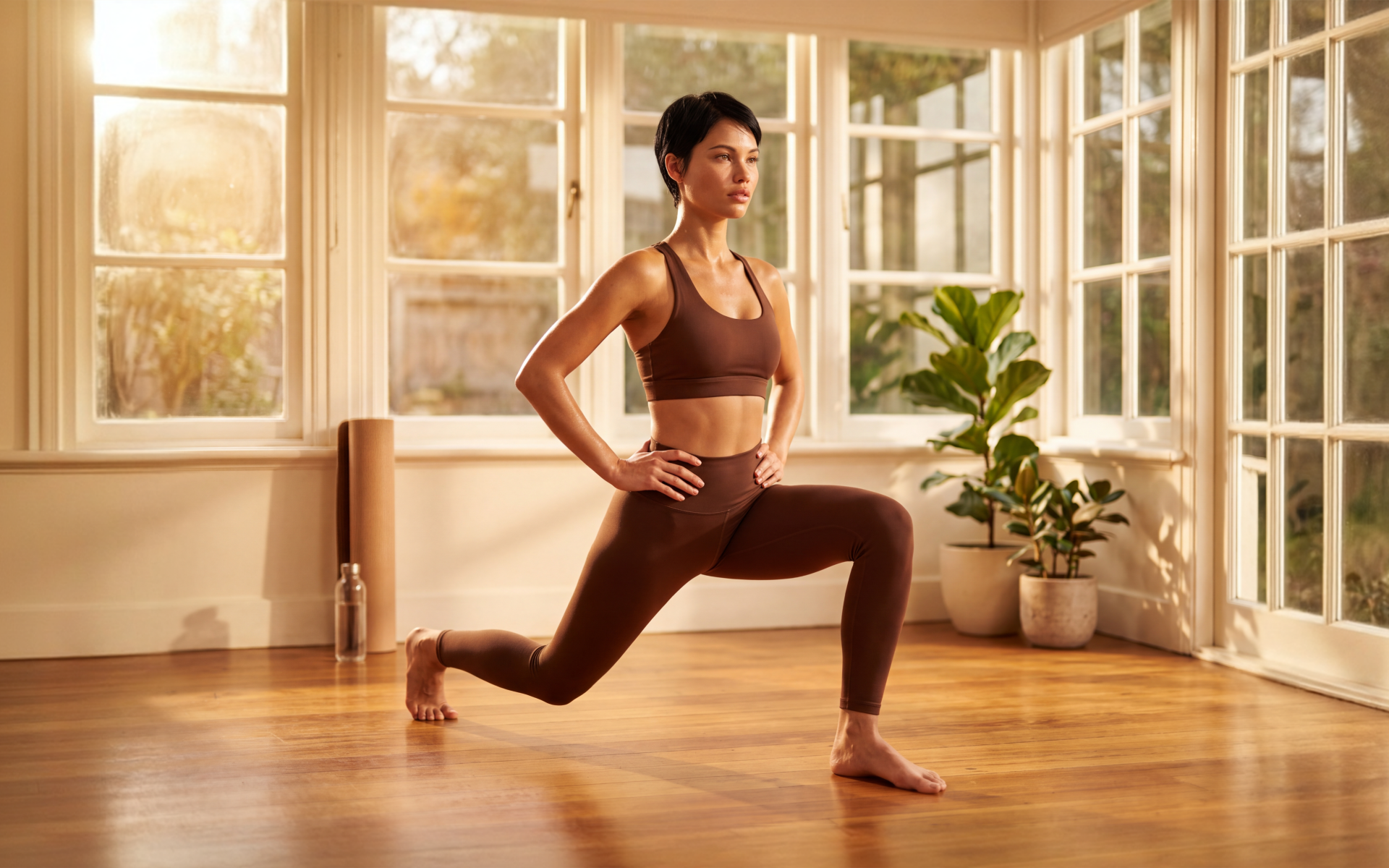
- Step one foot forward, allowing both knees to bend as you lower into the lunge. The back knee should hover just above the ground.
- Push through the front heel to return to the starting position.
- Repeat on the opposite side.
Progressions:
- Walking Lunge: Step forward with one leg, then the other, for a continuous walking motion.
- Reverse Lunge: Step backward instead of forward, emphasizing engagement of the glutes and hamstrings.
- Bulgarian Split Squat: Place your rear foot on an elevated surface to achieve a deeper range of motion and increased quadriceps activation.
Glute Bridge
The bridge is an excellent exercise for targeting the glutes and hamstrings while improving hip mobility and posture.
- Lie on your back, knees bent, feet flat on the floor hip-width apart.
- Place your arms at your sides, palms facing down.
- Engage your glutes and core, pressing through your heels to lift your hips toward the ceiling.
- Squeeze at the top, forming a straight line from your shoulders to your knees.
- Lower slowly back to the starting position.
Progressions:
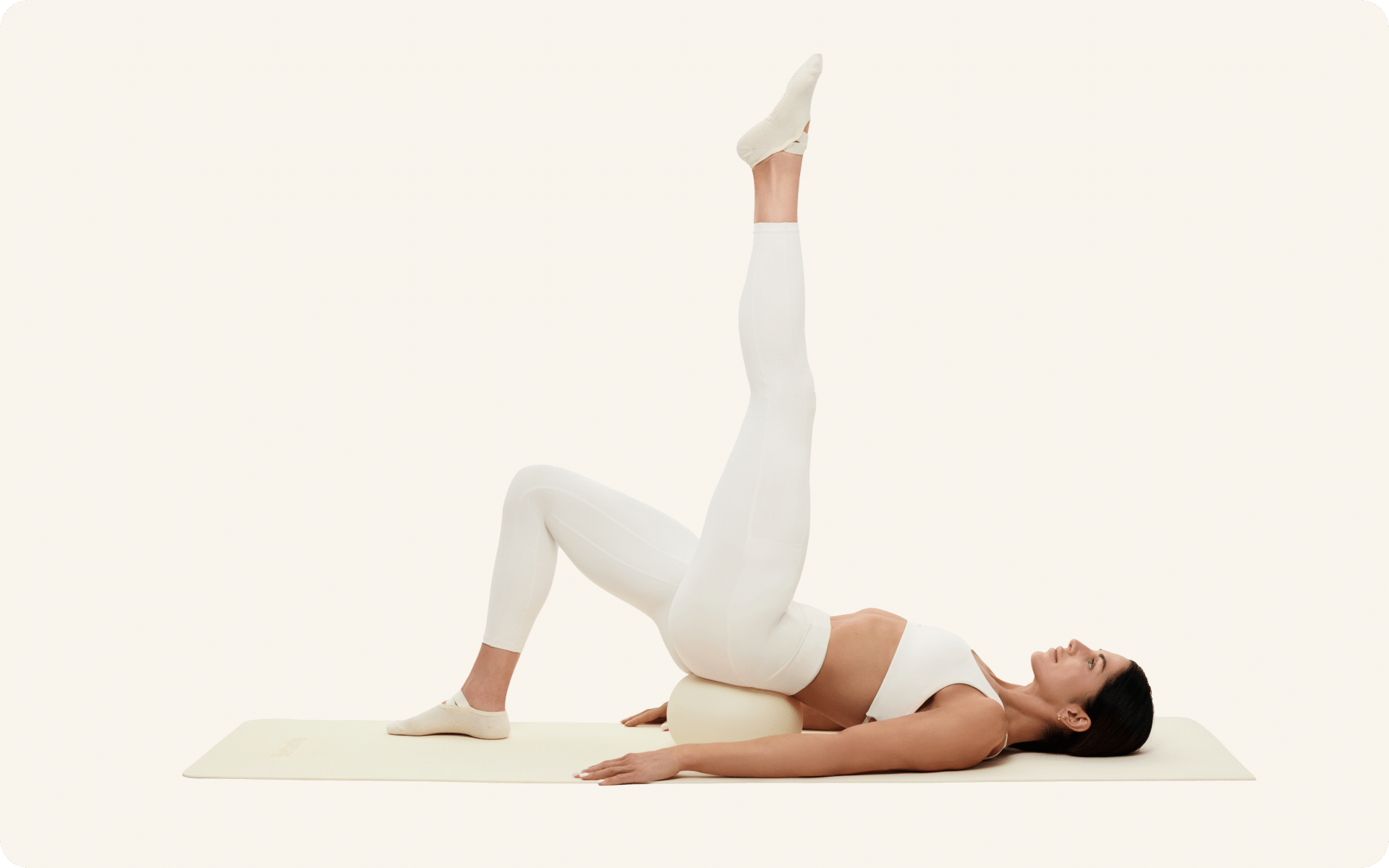
- Single-Leg Glute bridge: Perform the same movement, but with one leg lifted off the ground, increasing unilateral strength.
- Marching Glute bridge: Alternate lifting one knee toward your chest at the top of the bridge to challenge stability.
- Hip Thrust: Use an elevated surface to support your upper back, allowing for a greater range of motion in the glutes.
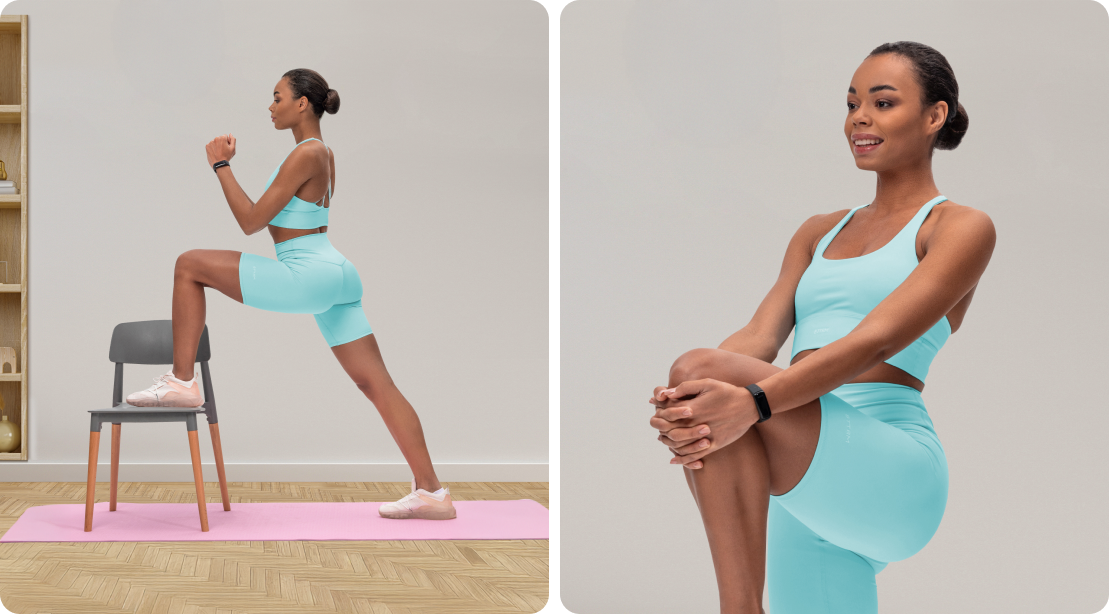
Step-Up
Step-ups are a functional exercise that improves balance, coordination, and overall lower-body strength.
- Stand facing a sturdy elevated surface (e.g., a bench or step).
- Place one foot firmly on the surface, ensuring your entire foot is in contact.
- Press through your front heel to drive upward, lifting your body onto the step.
- Lower slowly and return to the starting position.
- Repeat on the other leg.
Progressions:
- High Step-up: Use a higher platform to increase the range of motion and challenge your glutes.
- Weighted Step-up: Add resistance by holding weights in your hands or wearing a weighted vest. This variation adds resistance to an at-home leg workout.
- Explosive Step-up: Drive upward with enough force to lift your rear foot off the ground, adding a plyometric element.
Calf Raise
Calf raises isolate and strengthen your calf muscles, improving lower-leg endurance and stability.
- Stand with your feet shoulder-width apart by a wall or sturdy surface for balance.
- Raise your heels off the ground, balancing on the balls of your feet.
- Pause briefly at the top, then slowly lower back down.
Progressions:
- Single-Leg Calf raise: Perform the movement on one leg at a time to strengthen each calf individually.
- Seated Calf raise: Use a seated position with a weighted object on your thighs to target the soleus muscle more specifically.
- Elevated Calf raise: Use a raised platform to allow for a greater stretch at the bottom of the movement.
By combining these exercises and their progressions, you can create a varied and challenging routine to build lower-body strength and endurance without the need for weights.
BetterMe can help you add more structure to your daily wellness routine with workouts, meal planning tools, and habit-building features. Explore the app and take a practical step toward a routine that feels more manageable for you.
How Can You Structure an Effective 30-Minute Leg Routine?
Here’s a simplified, step-by-step breakdown to help you organize your session while covering all the essentials.
1. Warm-Up (5 Minutes)
A gradual warm-up prepares your muscles and joints for the movements ahead and may support comfortable, controlled performance. The goal is to increase blood flow, activate the muscles you’ll be using, and enhance mobility (1).
- Dynamic stretches, such as leg swings or hip circles, help loosen joints.
- Bodyweight movements, such as lunges or air squats, engage key muscle groups.
- Engage in light cardio (e.g., jogging in place) to elevate your heart rate.
2. Exercise Selection (20 Minutes)
The central portion of your workout should include a combination of compound movements, unilateral exercises, and accessory work.
These elements together ensure you’re recruiting multiple muscle groups, addressing imbalances, and working through varied motion patterns.
Movement Categories For a Balanced Routine
- Compound Exercises: Work multiple muscles and joints simultaneously.
For example, squats, lunges, or step-ups.
- Unilateral Movements: Address imbalances by focusing on one leg at a time.
For example, single-leg glute bridges or pistol squats.
- Explosive or Plyometric Moves: Build power and athletic performance.
For example, jump squats or explosive step-ups.
Sample Structure
- Primary Movement (Focus on Strength)
Example: Bodyweight squats (or a progression).- 3 sets x 10-12 reps.
- Aim for slow, controlled reps with good form.
- Unilateral Exercise (Balance and Stability)
Example: Reverse Lunges.- 2-3 sets x 8-10 reps per side.
- Focus on equal effort for both legs.
- Accessory Work (Hamstrings/Glutes)
Example: Glute bridges or Single-Leg Glute bridges.- 3 sets x 12-15 reps.
- Explosive Movement (Power/Endurance)
Example: Jump Squats.- 2-3 sets x 8-10 reps.
- Keep rest periods short for cardio benefits.
3. Rest Periods
Rest intervals help you manage effort while maintaining controlled form.
Tailor rest periods according to exercise type:
- Strength movements: Rest 60–90 seconds.
- Explosive or high-intensity exercises: Rest 20-30 seconds to maintain a heart rate boost.
4. Cool-Down & Stretching (5 Minutes)
The cool-down provides a gradual transition from exertion to rest (1).
Spend a few minutes stretching the key muscle groups worked, focusing on flexibility and relaxation.
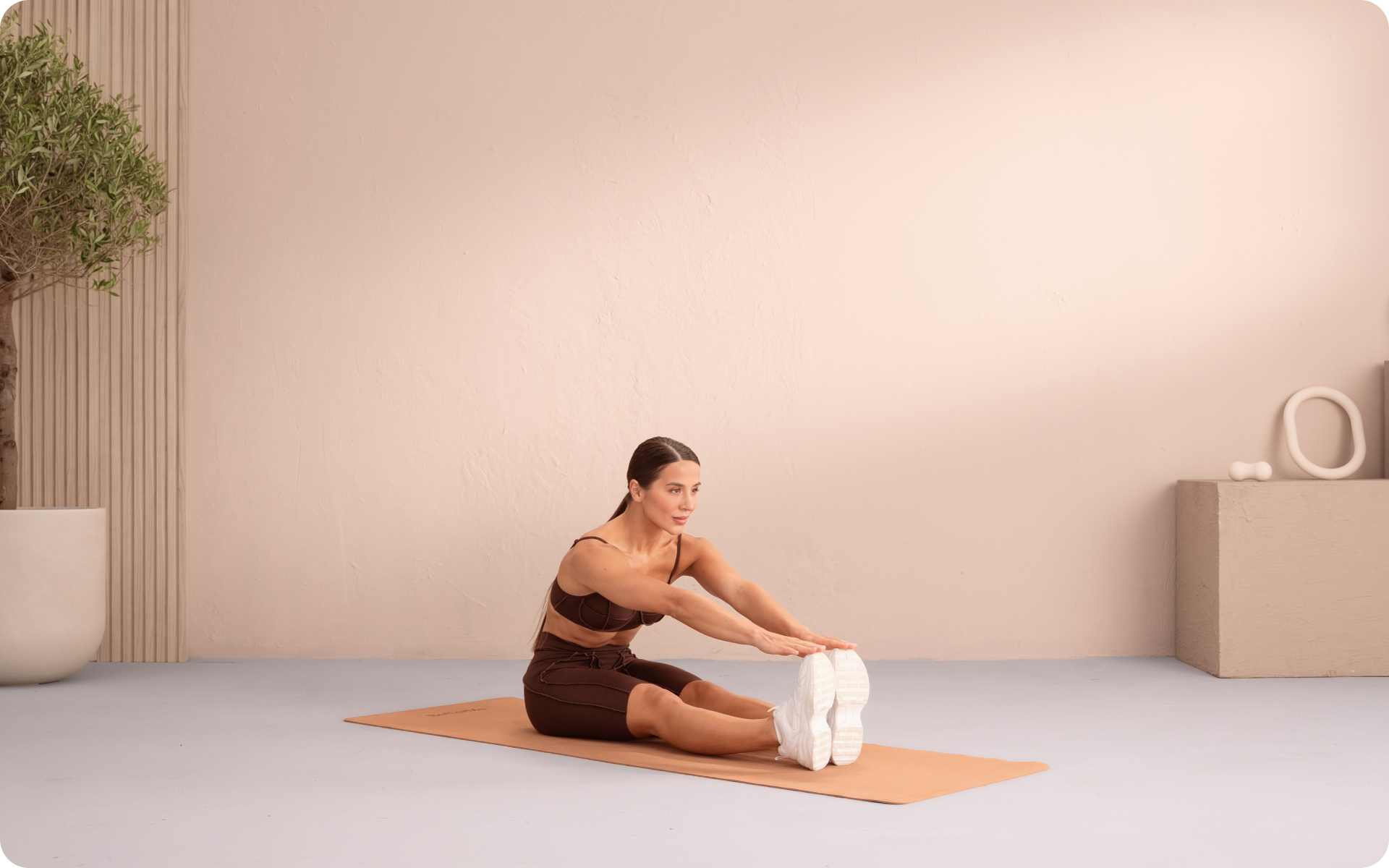
- Static stretches: Hamstring stretch, quad stretch, or seated forward fold.
- Deep breaths: Combine controlled breathing with stretches to help your heart rate return to its baseline.
Read more: Leg-Toning Exercises: 6 Toning Leg Exercises to Build More Defined Legs
Key Principles to Remember
- Progressive Overload: To ensure long-term progress, aim to gradually increase the number of reps, sets, or intensity over time.
- Full Range of motion: Perform each exercise through its full range of motion to maximize muscle engagement.
- Focus on Form: Prioritize controlled technique over quantity to limit unnecessary strain.
What Is an Example of a Dynamic 30-Minute Bodyweight Leg Workout?
Many want examples of what is included in a 30-minute bodyweight leg workout.
The following example provides a 30-minute bodyweight lower body workout that combines strength, balance, and power exercises to effectively target all major leg muscles while staying within your time constraints.
Follow the structure below for a balanced, efficient workout.
Adjust rest periods or intensities as needed based on your fitness level.
Warm-Up (5 Minutes)
Perform each movement for 30 seconds. Repeat until 5 minutes is complete.
- Leg Swings (alternate forward and lateral)
- Air Squats
- Hip Circles
- Reverse Lunges (bodyweight, alternating sides)
- Light Jog in Place
Main Workout (20 Minutes)
1. Bodyweight Squats (Strength and Activation)
- Sets/Reps: 3 sets of 10-12 reps
- Rest: 60 seconds between sets
2. Reverse Lunges (Unilateral Training)
- Sets/Reps: 2 sets of 8-10 reps per leg
- Rest: 60 seconds between sets
3. Glute Bridges (Accessory Work)
- Sets/Reps: 3 sets of 12-15 reps
- Rest: 30 seconds between sets.
4. Jump Squats (Explosive Power)
- Sets/Reps: 3 sets of 10 reps
- Rest: 20-30 seconds between sets
Cool-Down (5 Minutes)
Hold each stretch for 20-30 seconds per leg.
- Hamstring Stretch
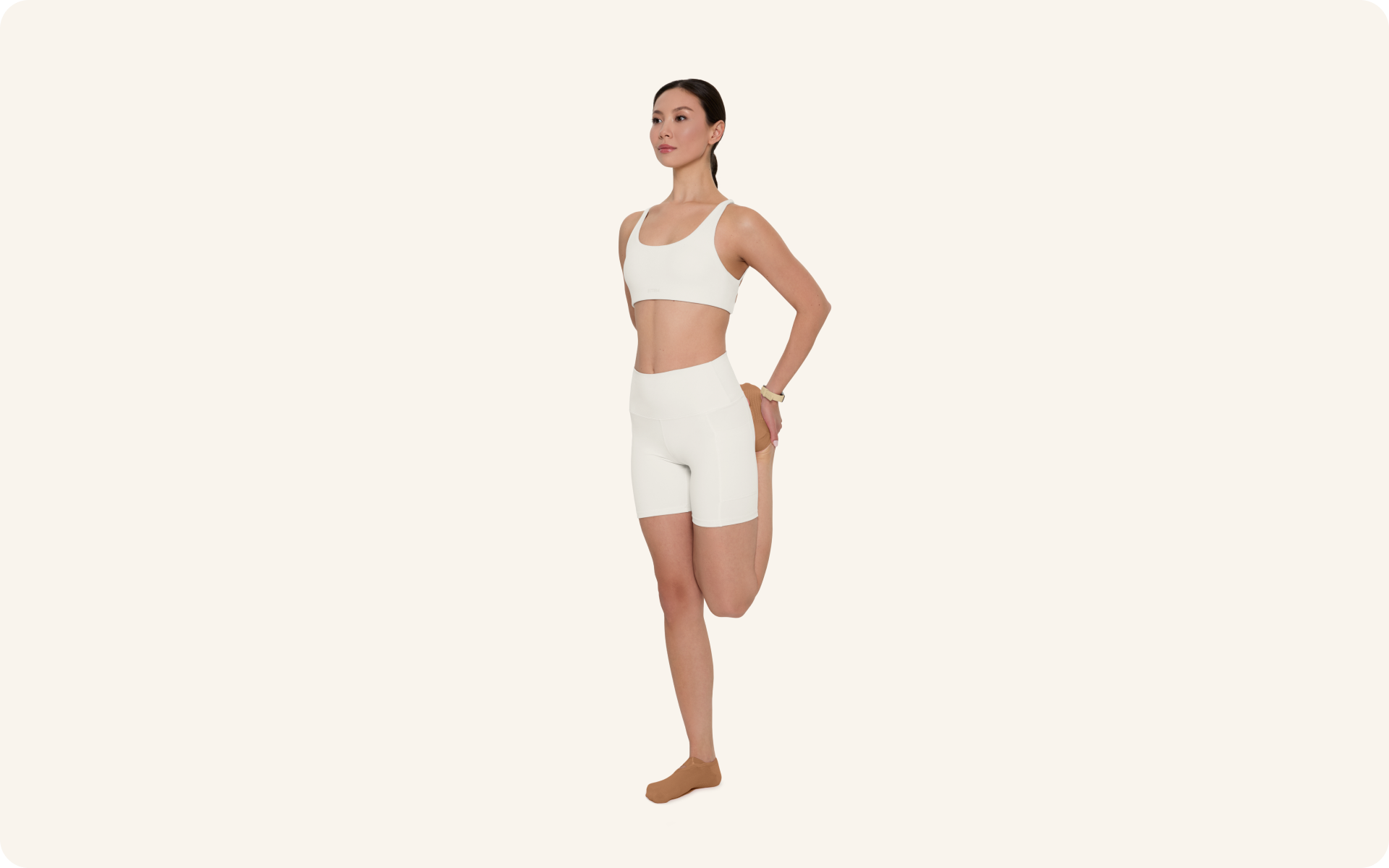
- Standing Quad Stretch
- Seated Forward Fold
- Glute Stretch (Figure Four Stretch)
Are 30 Minutes Enough for a Leg Workout?
Yes, 30-minutes can be enough. Leg workouts at home for guys and leg workouts at home for women do not need to be extremely long.
The most effective workout duration depends on how you structure your sessions.
While longer workouts are sometimes associated with greater volume, research suggests that what truly matters for muscle growth and fitness improvement isn’t workout duration alone but intensity, exercise selection, and efficiency.
Studies have shown that training volume, which is the total amount of work performed (sets x reps x weight) in strength training, is a primary driver of muscle hypertrophy (growth) (6). However, this doesn’t mean you have to train for hours.
Shorter workouts can be just as effective when they’re high in intensity and structured with purpose.
For instance:
- High-Intensity Interval Training (HIIT): Research demonstrates that shorter, high-intensity workouts can effectively improve strength, endurance, and muscle tone (7).
- Time-Efficient Training Protocols: Research indicates that equal-volume strength training sessions of varying frequencies are comparable. In this study, one group trained twice a week, and the other trained 3 times a week (8).
How Many Times a Week Should I Do a Leg Workout?
The number of leg workouts you should do weekly depends on several factors, including your:
- Recovery capacity
- Training intensity
- Fitness goals
Research on training frequency suggests that working out each muscle group 2-3 times per week is optimal for most individuals seeking to build strength and muscle mass (9).
This frequency enables you to distribute your training volume (total sets and reps) efficiently while allowing sufficient rest between sessions.
For example:
- Strength and Hypertrophy Goals: Studies in strength training recommend splitting your total weekly sets (10-20 per muscle group) across multiple sessions to avoid overworking muscles in a single workout.
- Endurance-Focused Goals: Training 3-5 times a week with lower intensity and higher reps is more suitable for improving muscular endurance and fatigue resistance.
Rest between sessions is important because training temporarily fatigues the working muscles. Factors such as sleep, nutrition, and the intensity of your workouts significantly influence how often you can train while allowing adequate rest.
If you’re new to leg training, starting with 1-2 weekly sessions is a great approach.
This frequency allows your muscles and joints to adapt to new stresses without excessive soreness. Your goal should be to prioritize technique, build consistency, and gradually increase strength.
Workouts, weight management tools, and recipe ideas come together in the BetterMe Well-Being Coach app, giving you practical support for building a more consistent wellness routine.
Frequently Asked Questions
Is leg day the hardest day?
Most people consider leg day challenging because it targets large muscle groups, such as the quads, hamstrings, and glutes, which require significant effort and energy to work effectively. However, difficulty is subjective and depends on your workout intensity and individual fitness level.
Is it OK to not do leg day?
Skipping leg day occasionally is fine, but neglecting lower-body training altogether can lead to imbalances, reduced functional strength, and limited athletic performance. Consistent leg workouts are essential for overall fitness and mobility.
Are 4 exercises enough for leg day?
Yes, 4 well-chosen exercises that target major muscle groups and incorporate compound movements, such as squats and lunges, are sufficient for an effective leg workout. Focus on proper form, reps, and intensity to maximize results.
How many calories do 30-minutes of leg day burn?
The number of calories burned during a 30-minute leg workout varies based on factors such as intensity, body weight, and fitness level. On average, you can burn 200–300 calories in this time frame with moderate-to-high intensity exercises.
The Bottom Line
Training your legs with just bodyweight is not only possible but also incredibly beneficial, especially for beginners or those looking to improve their functional strength and mobility. By focusing on muscle activation, proper technique, and progressive variations, you can effectively stimulate your leg muscles to adapt and grow without the need for external weights.
Thirty minutes is more than enough time to work your legs if you maximize intensity and efficiency. With a focused approach, you can target major muscles, promote balance, and stimulate growth.
DISCLAIMER:
This article is intended for general informational purposes only and does not serve to address individual circumstances. It is not a substitute for professional advice or help and should not be relied on for making any kind of decision-making. Any action taken as a direct or indirect result of the information in this article is entirely at your own risk and is your sole responsibility.
BetterMe, its content staff, and its medical advisors accept no responsibility for inaccuracies, errors, misstatements, inconsistencies, or omissions and specifically disclaim any liability, loss or risk, personal, professional or otherwise, which may be incurred as a consequence, directly or indirectly, of the use and/or application of any content.
You should always seek the advice of your physician or other qualified health provider with any questions you may have regarding a medical condition or your specific situation. Never disregard professional medical advice or delay seeking it because of BetterMe content. If you suspect or think you may have a medical emergency, call your doctor.
SOURCES:
- Maximizing Muscle Hypertrophy: A Systematic Review of Advanced Resistance Training Techniques and Methods (2019, ncbi.nlm.nih.gov)
- Progression of total training volume in resistance training studies and its application to skeletal muscle growth (2024, pubmed.ncbi.nlm.nih.gov)
- The Mechanisms of Muscle Hypertrophy and Their Application to Resistance Training (2010, journals.lww.com)
- Bodyweight Training: A Return To Basics (2010, journals.lww.com)
- Bodyweight Training for Muscular Strength & Endurance (2022, researchgate.net)
- Resistance Training Volume Enhances Muscle Hypertrophy but Not Strength in Trained Men (2018, ncbi.nlm.nih.gov)
- Effects of High-Intensity Interval Training on Exercise Capacity and Health: A Review with Historical Perspective (2021, ncbi.nlm.nih.gov)
- Effect of short-term equal-volume resistance training with different workout frequency on muscle mass and strength in untrained men and women (2007, pubmed.ncbi.nlm.nih.gov)
- Effects of Resistance Training Frequency on Measures of Muscle Hypertrophy: A Systematic Review and Meta-Analysis (2016, link.springer.com)
 Reviewed by