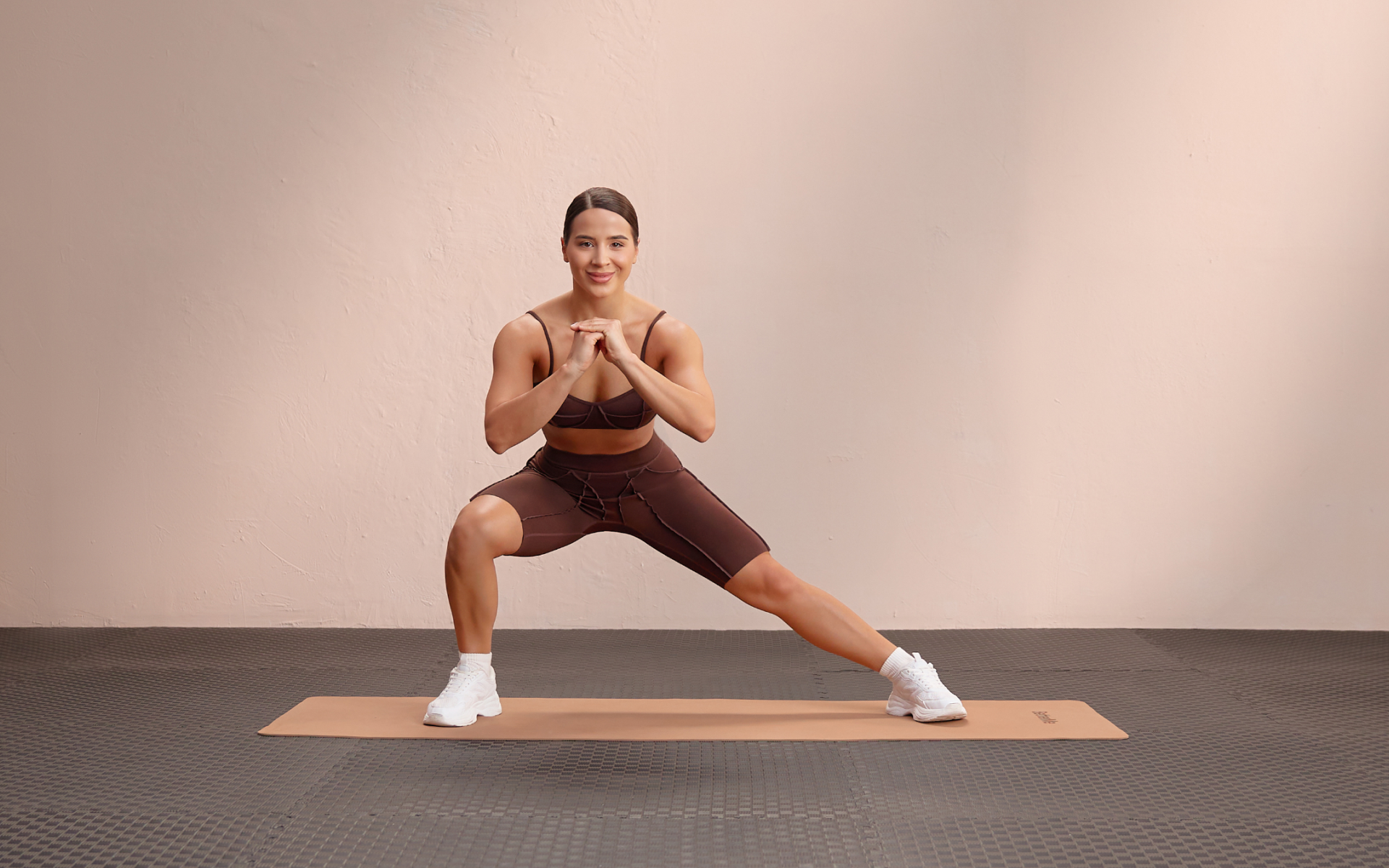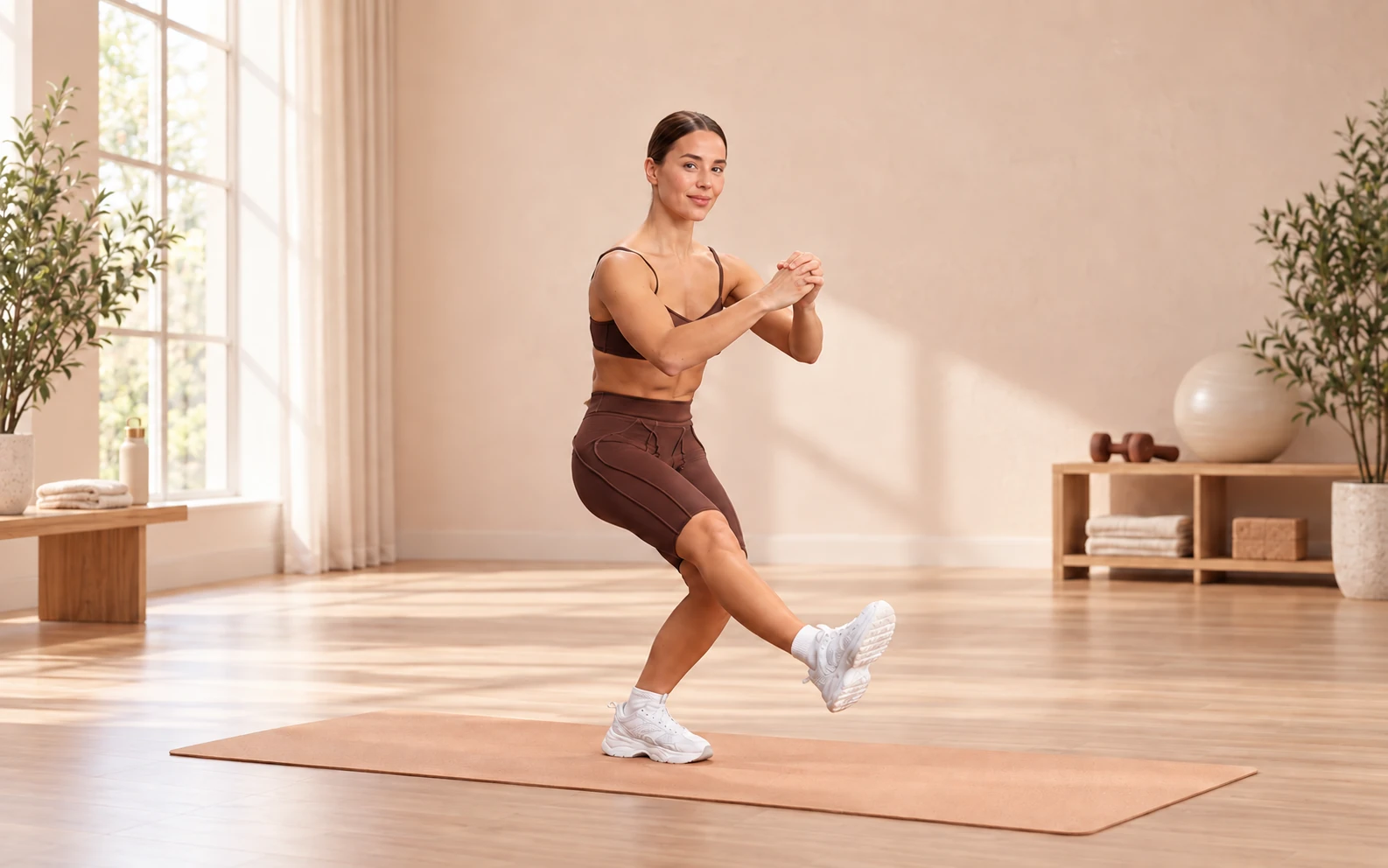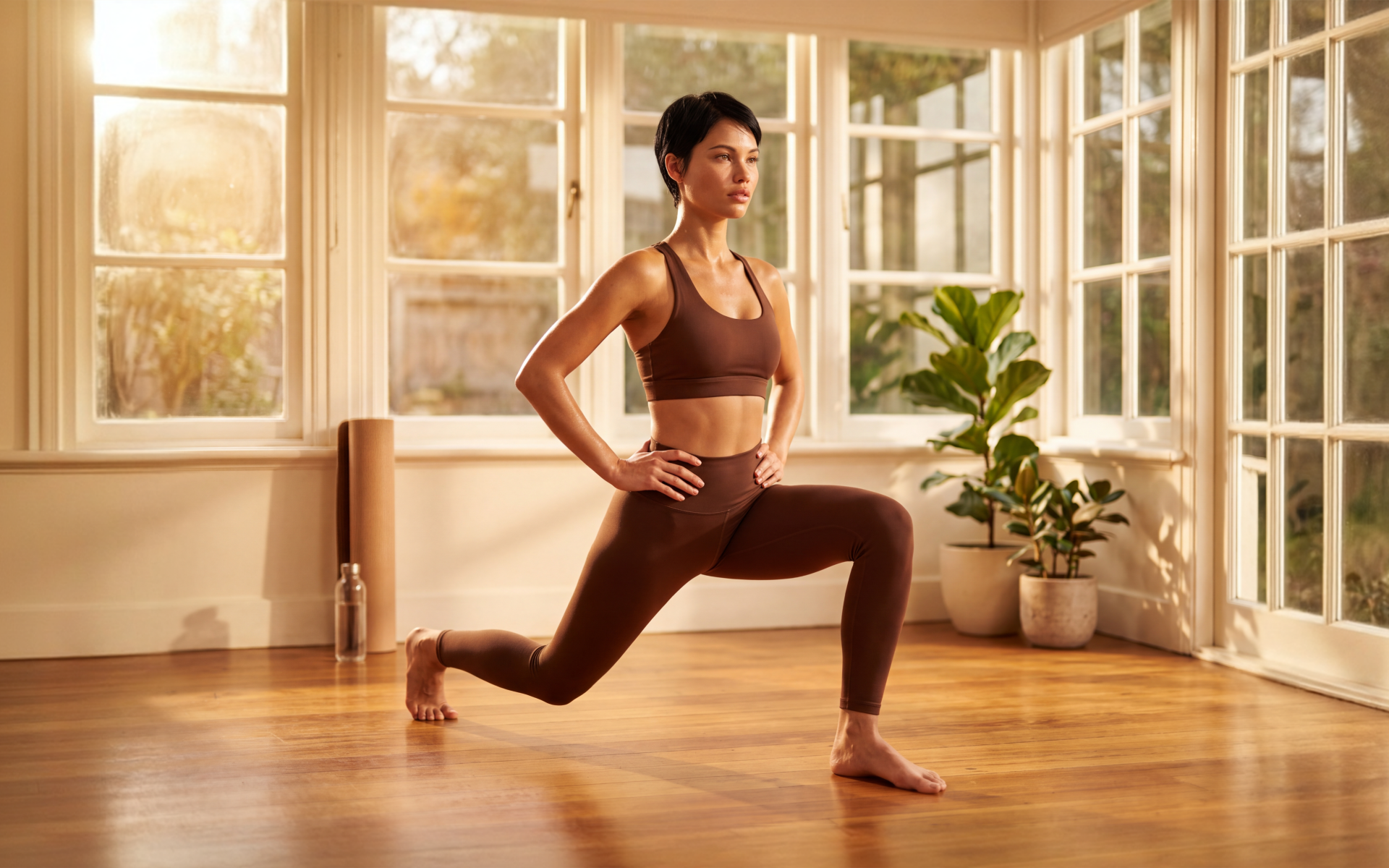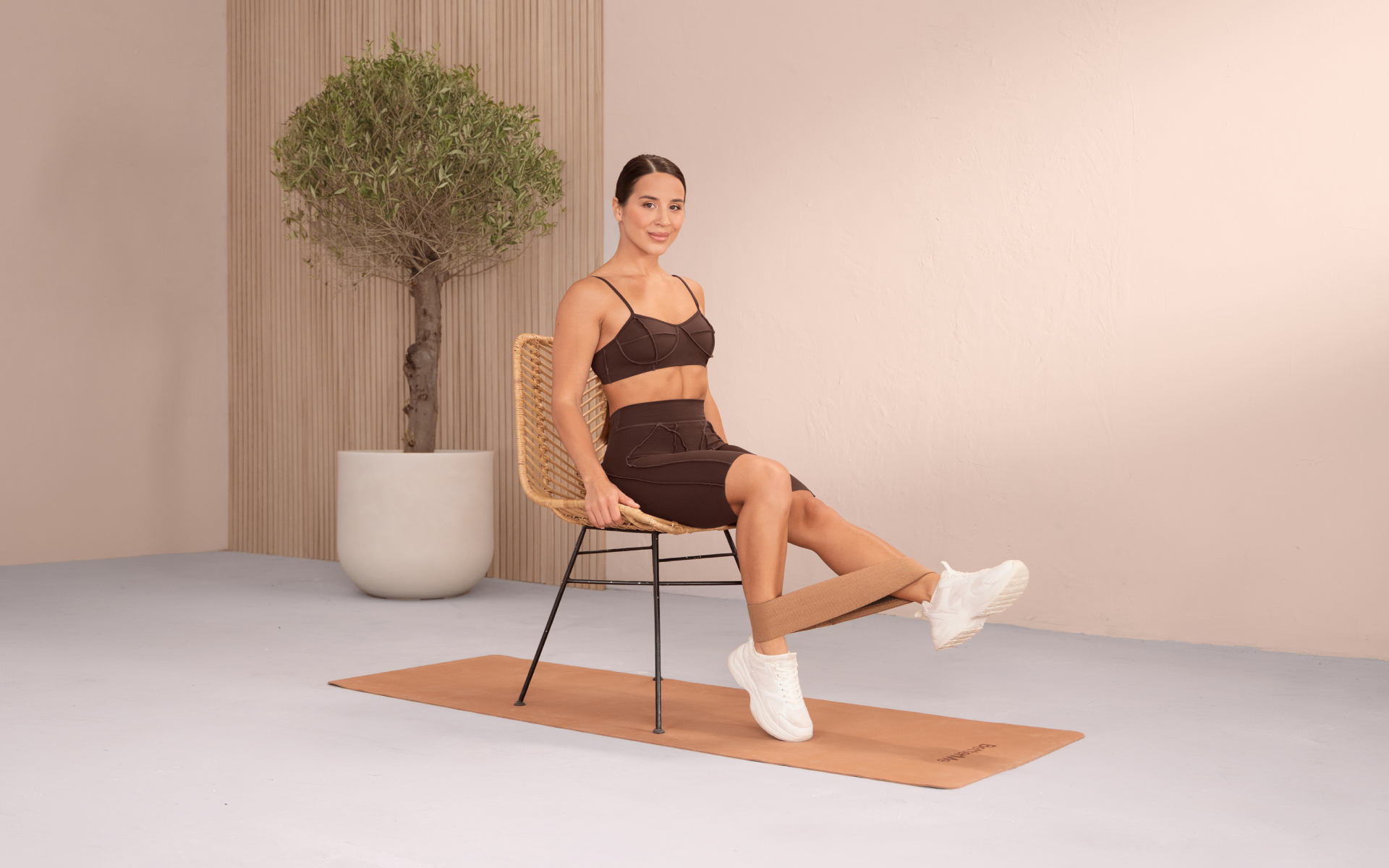
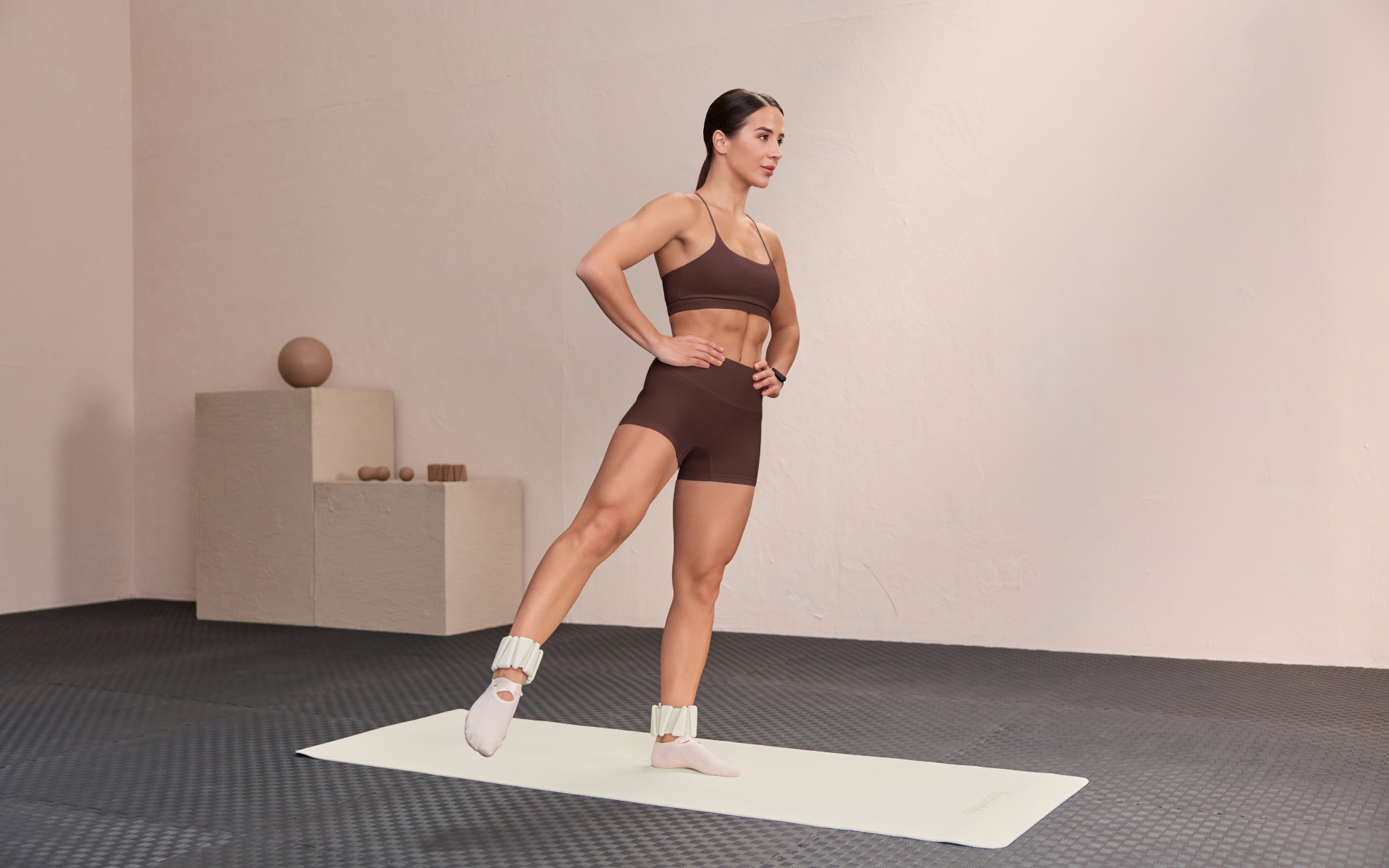
A beginners’ leg workout is a simple strength training routine that targets the major muscles in your lower body. It uses basic exercises that can build strength, improve balance, and support joint well-being. When done right, they can make everyday movements such as walking, climbing stairs, and lifting a whole lot easier.
The best beginners’ leg workouts focus on proper form rather than heavy weights. Starting with bodyweight exercises such as squats, glute bridges, lunges, and calf raises allows you to lay a solid foundation before you add resistance. These are beginner-friendly and quite effective too.
In this guide, you’ll learn core leg exercises and how to structure the right workouts for a newbie. We also share practical tips to help you train with confidence and make steady progress, despite the roadblocks.
What Should Beginners Know Before Starting a Leg Workout?
Before jumping into a leg workout for beginners, take a moment to lay the right foundation. The key to a successful beginners’ lower-body workout is to learn to move correctly. Although some people underestimate this, good exercise form can set you up for long-term progress (1).
Keep these basics in mind before you begin:
- Warm up first. Spend 5 or 10 minutes doing dynamic movements to increase blood flow and improve hip and ankle mobility.
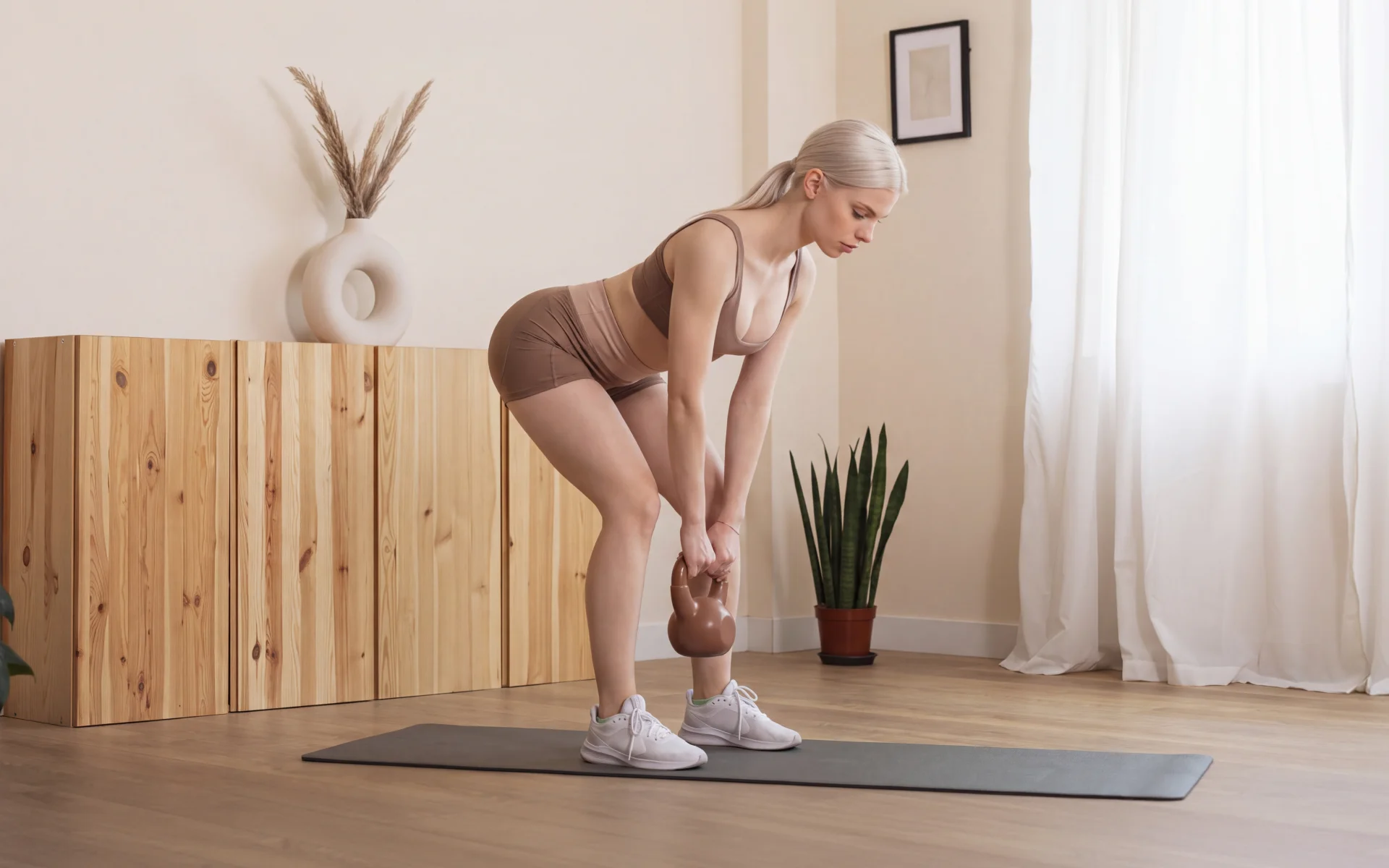
- Start with bodyweight movements. A simple leg workout should focus on mastering squats, hinges, and lunges before adding resistance.
- Choose beginner-friendly exercises. Easy leg exercises such as bodyweight squats, glute bridges, calf raises, and supported reverse lunges can build strength and confidence while improving your movement patterns (2)(3).
- Progress gradually. As your coordination and core stability improve, you can move on to more challenging beginners’ leg exercises or introduce light weights.
- Don’t fear soreness. Mild muscle soreness after a workout is normal (4). Stay hydrated, get enough sleep, and include light stretching or walking to support rest.
Remember, consistency matters more than intensity. Focus on learning the basics and stick with your routine.
If you’re starting with a bodyweight leg workout, you don’t need to worry about lifting heavy weights right away. A 2021 study found that both moderate- and heavy-load leg training improved leg strength by similar amounts over 10 weeks (5). This shows the importance of consistently performing beginner-friendly exercises with good form. The weight increases will come over time and you’ll still see muscle gains without needing to go for a one rep max every session.
What Muscles Do Beginners’ Leg Workouts Focus on?
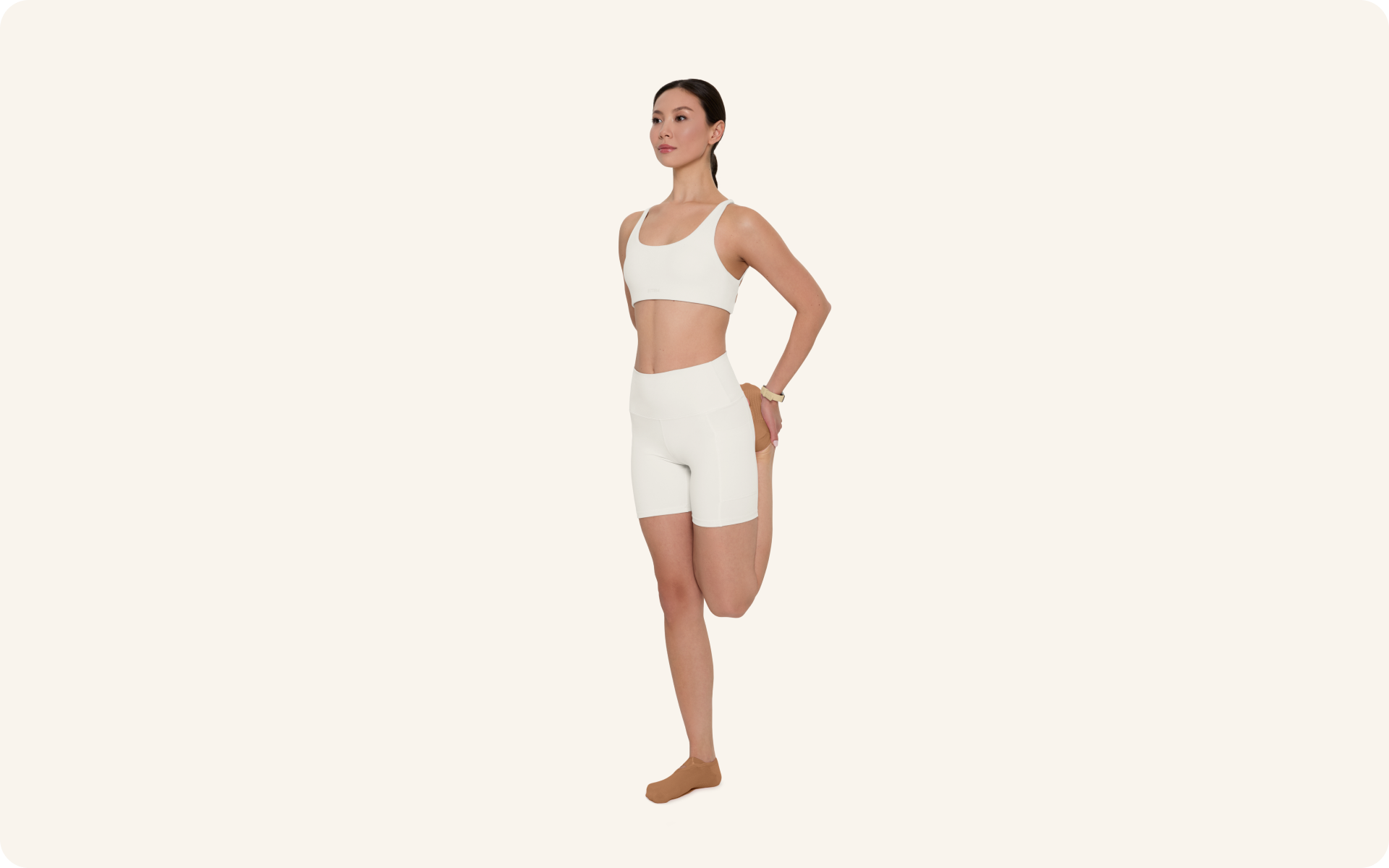
When structuring leg workouts at the gym, understanding the primary muscle groups involved helps you build movement control. A well-rounded lower body routine targets four main areas. It lays a solid foundation for more advanced training down the road.
First are the quadriceps on the front of your thighs, which power leg extension and knee stability (6). Master basic movement patterns using beginners’ squat variations, such as goblet squats or machine leg presses, to build quad strength gently. Next are the hamstrings on the back of your thighs. These are responsible for knee flexion and hip extension during hinges (7).
The glutes, the largest muscle group in your lower body, drive key movements like hip extension and pelvic alignment (8). Incorporating targeted glute exercises for beginners, such as bodyweight glute bridges or cable pull-throughs, activates these muscles and supports your lower back. Finally, the calves provide vital ankle stability and power every step you take (9).
| Target muscle | Primary function | Exercise options |
|---|---|---|
| Quadriceps | Knee extension and stability | Goblet squats, leg press |
| Hamstrings | Knee flexion and hip hinge | Romanian deadlifts, leg curls |
| Glutes | Hip extension and rotation | Glute bridges, hip thrusts |
| Calves | Ankle extension and balance | Standing calf raises |
Together, the controlled reps and proper alignment across all four areas ensure your lower body develops evenly while keeping your joints supported.
Read more: Leg-Toning Exercises: 6 Toning Leg Exercises to Build More Defined Legs
How Do You Warm up Before a Beginners’ Leg Workout?
A proper warm-up prepares your body for exercise while allowing it to take proper form (10). Before you do at-home leg workouts or even leg workouts at the gym, spend 5-10 minutes on dynamic movements to increase blood flow and improve mobility.
You should include these simple warm-up exercises:
- Bodyweight squats
- Walking lunges
- Leg swings
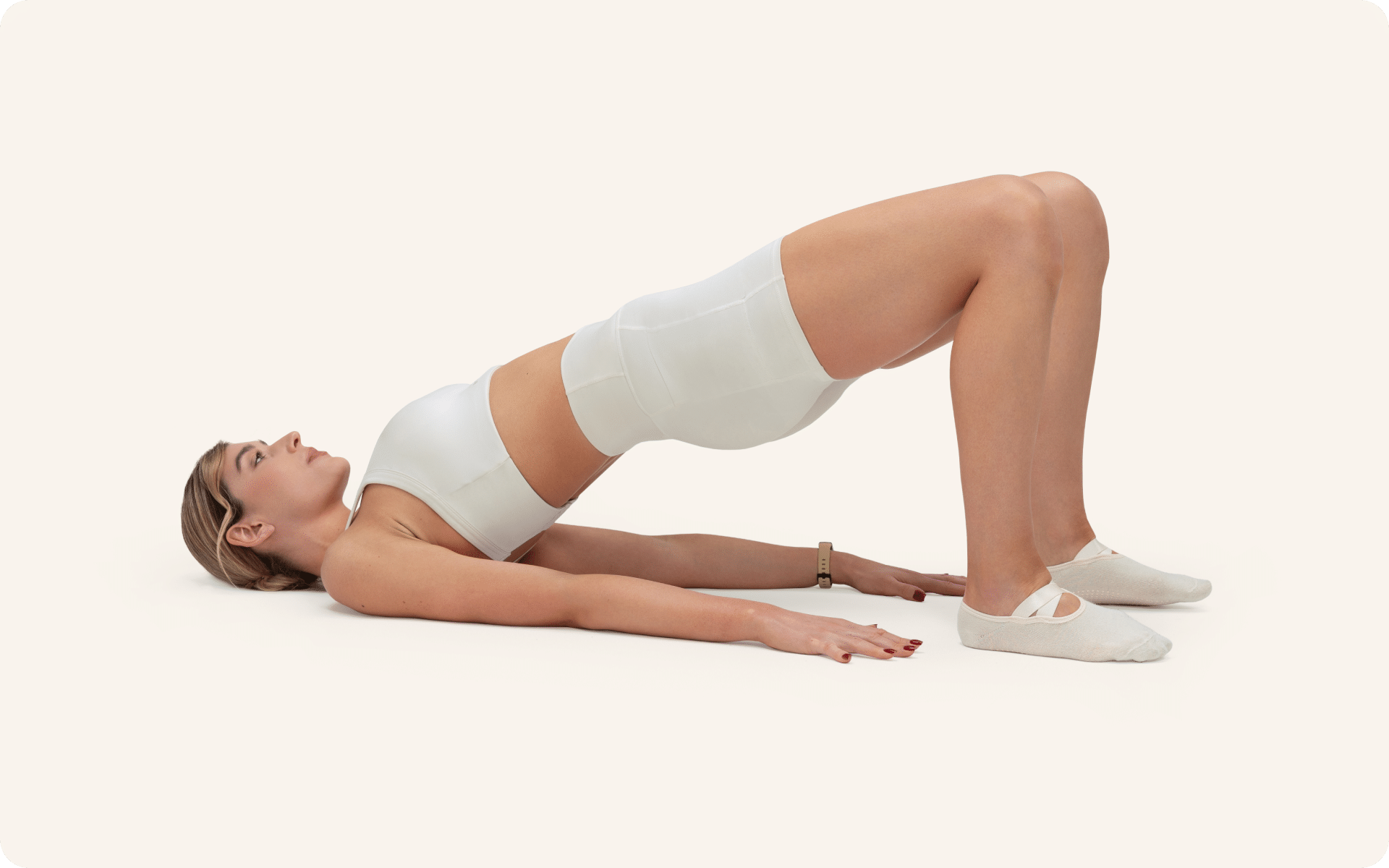
- Glute bridges
- Light jogging or high knees
Keep each movement controlled to prepare your body for what’s coming next. Research has suggested that increasing muscle temperature can improve exercise performance, with every 1°C rise in muscle temperature linked to around a 3.5% improvement in performance (11).
The biggest benefits are seen in movements that require speed and power. You may find yourself moving more efficiently during your workout.
How Can You Do a Beginners’ Leg Workout at Home?
You don’t need a gym membership or fancy equipment to build stronger legs. A no-equipment leg workout can be a good starting point. It may help beginners improve strength and balance using simple bodyweight movements.
A beginner-friendly routine can include:
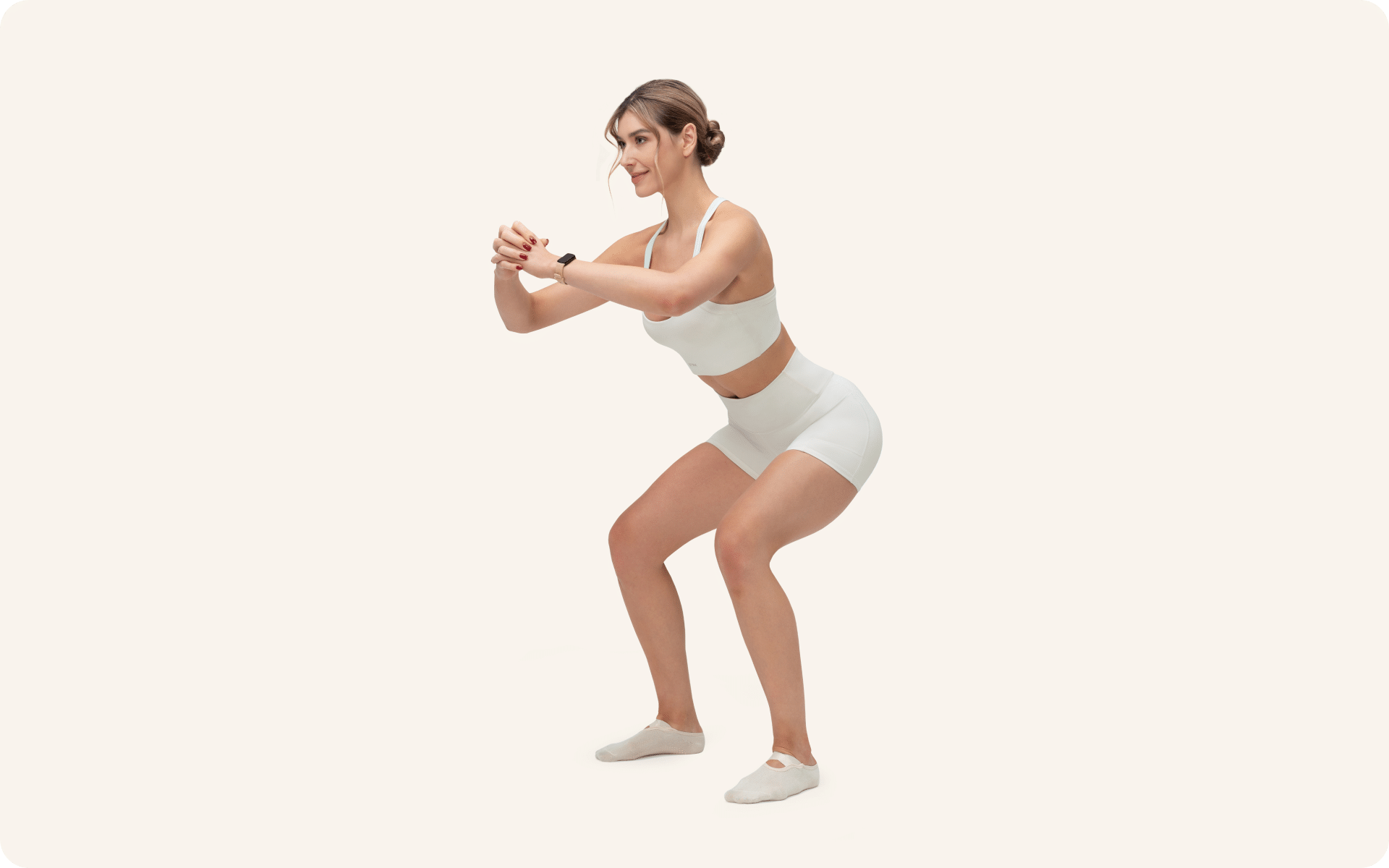
- Squats: May strengthen your quads, glutes, and hips (12)
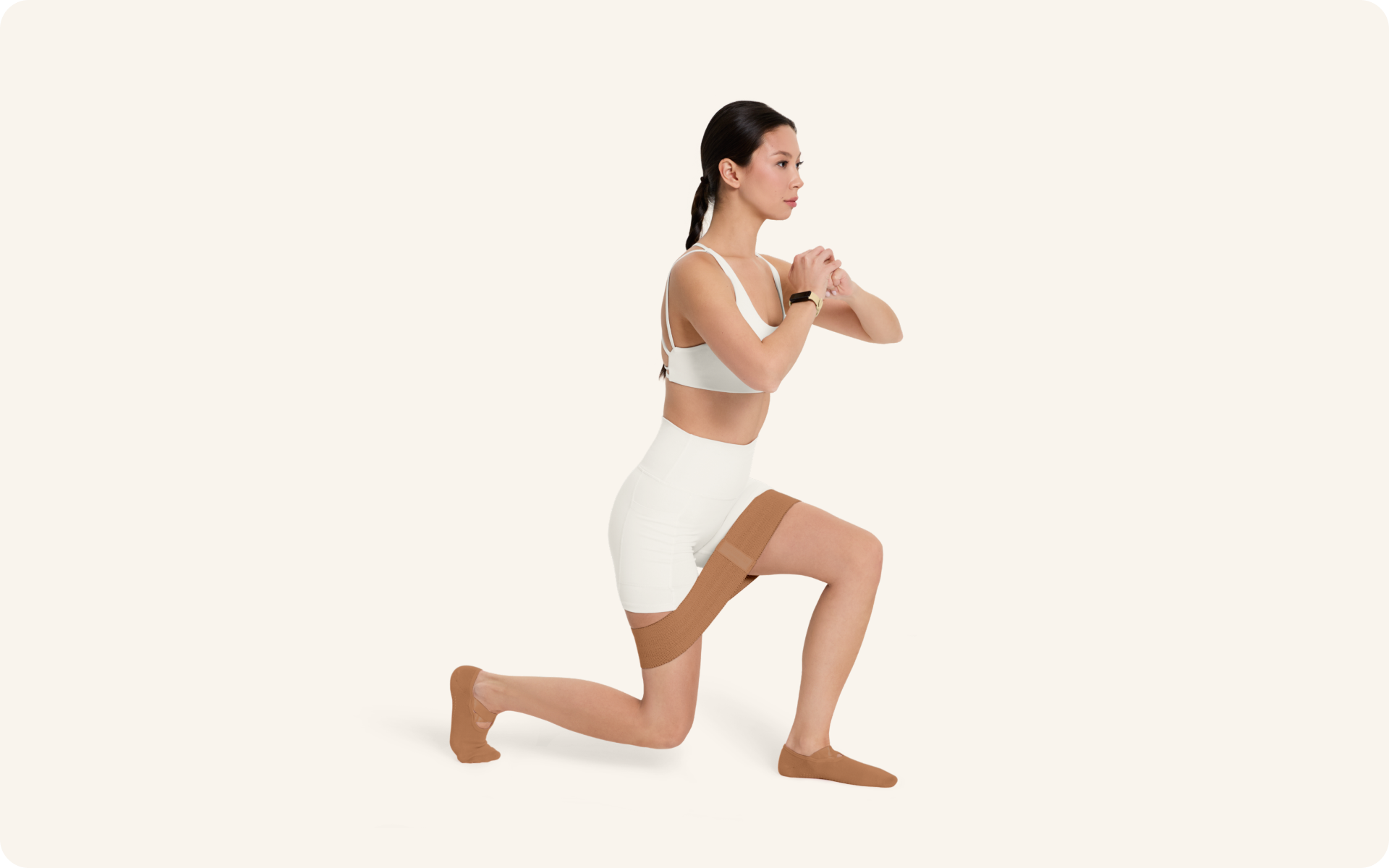
- Reverse lunges: Can improve stability while working multiple lower-body muscles (13)
- Glute bridges: Target your glutes and support hip strength (14)
- Calf raises: Can build lower-leg strength and improve ankle stability (15)
These leg strengthening exercises are easy to perform at home and can be adjusted as your fitness level improves. Just focus on controlled movements and gradual progress rather than rushing through repetitions.
What Is a Simple Beginners’ Leg Workout Routine?
A beginner-friendly leg routine should improve your strength and help you master foundational exercise movements in a gentle manner. A leg workout for men can follow the same basic structure, with exercises, resistance, and volume adjusted to individual fitness levels and goals.
Try this simple beginners’ routine:
| Exercises | Sets | Reps |
|---|---|---|
| Glute bridges | 3 | 12-15 |
| Bodyweight squats | 3 | 10-12 |
| Single-leg RDL | 3 | 10 per leg |
| Reverse lunges | 3 | 8-10 per leg |
| Calf raises | 3 | 15-20 |
| Wall sits | 2 | 30-45 seconds |
Rest for 45-60 seconds between sets and focus on controlled movements. Start with this routine 2-3 times per week. This can give your muscles some time to rest between sessions, and as your strength improves, you can increase the intensity by adding weights or trying more advanced variations.
BetterMe offers a variety of workouts, recipes, challenges, and support tools to help you stay more consistent with your wellness routine. Explore the app to find features that fit your goals, preferences, and schedule.
How Many Sets and Reps Should Beginners Start With?
Beginners should focus on building consistency and learning proper form rather than pushing for maximum intensity. For most beginners’ leg workouts, starting with a weight that allows you to do 2-3 sets of 8-12 repetitions per exercise is a good range. Your muscles can adapt with this frequency while giving you enough practice to improve your technique.
Research has also suggested that total weekly training volume plays an important role in building strength. A 2021 study found that beginners and recreational lifters can benefit from performing at least 4 weekly sets per muscle group, using a rep range of around 6-15 repetitions (16). If you’re training closer to muscle fatigue, higher rep ranges can also be effective.
Remember, steady sustainable progress matters more than doing more volume or a specific weight. A routine that you enjoy helps you stay consistent while you build strength gently over time.
How Often Should Beginners Train Legs?
As mentioned above, beginners should focus on consistency and gradual progress rather than training as hard or as often as possible. For most people, training legs 2-3 times per week is a good starting point. This can give enough time for muscles to rest and grow stronger between sessions.
If you’re following the beginners’ leg workout routine above, spread your sessions throughout the week with at least one rest day between workouts. Pay attention to how your body feels and adjust the frequency if you experience excessive soreness or fatigue.
Remember, a sustainable routine that you can stick to will deliver better results than pushing through too many workouts too soon. You can even check out mat Pilates leg workouts if you want to switch things up while improving control on your legs.
How Can You Stay Consistent with Beginners’ Leg Workouts?
Staying consistent is often the biggest challenge when starting a new workout routine. Rather than focusing on quick results, focus on building habits. Start with low-impact leg workouts that are easier to maintain over time.
- Start with manageable workouts and focus on small improvements, rather than expecting overnight changes.
- Choose specific days for leg training so it becomes a regular part of your routine.
- Record your exercise reps or strength improvements to stay motivated.
- Try different exercises or training styles to keep things interesting.
- Rest days, good sleep, and proper nutrition help your muscles rest, so make these a priority.
- Every extra rep, improved form, or increase in strength is progress worth recognizing.
Read more: Low Impact Leg Workout to Sculpt and Strengthen Your Lower Body
FAQs
How many leg exercises should a beginner do?
Beginners can start with 3-5 leg exercises per workout. Focus on movements that target major lower-body muscles, such as squats, lunges, glute bridges, and calf raises. It’s better to perform a few exercises with proper form than do too many movements incorrectly.
What is the easiest leg exercise for beginners?
A squat is thought to be an ideal introductory exercise to learn. It mimics everyday movement and the only equipment you may need is a chair for additional support. Glute bridges and supported lunges are also great options if you’re just starting out.
Should beginners use weights for leg workouts?
Beginners don’t need to start with weights—bodyweight exercises can help you build strength, balance, and confidence before adding resistance. Once you can perform exercises with good form, you can gradually introduce dumbbells or other weights to increase the challenge.
Are squats good for beginners’ leg workouts?
Yes, squats are one of the best exercises for beginners’ leg workouts. They strengthen your quads, glutes, and hips while improving mobility and everyday movement patterns. Start with bodyweight squats and focus on controlled movements before progressing to weighted variations.
How long should a beginners’ leg workout be?
A beginners’ leg workout usually takes around 20-45 minutes, including warm-up and rest periods. The goal is not to spend hours training, but to complete quality exercises consistently while allowing your muscles enough time to rest.
The Bottom Line
The discussion leads us to conclude that starting a leg workout routine isn’t rocket science. You don’t need fancy equipment or hours at the gym to get started—a few beginner-friendly moves and consistency are all you need to build strength and confidence. It may take some time to get used to the new moves, but you might find yourself doing better at everyday tasks, which is just the right push you need to keep doing leg workouts.
So don’t wait for your muscles to ask for it—lace up your shoes, pick a beginners’ leg workout routine that you enjoy, and keep showing up. Stronger legs are built one workout at a time!
DISCLAIMER:
This article is intended for general informational purposes only and does not serve to address individual circumstances. It is not a substitute for professional advice or help and should not be relied on for making any kind of decision-making. Any action taken as a direct or indirect result of the information in this article is entirely at your own risk and is your sole responsibility.
BetterMe, its content staff, and its medical advisors accept no responsibility for inaccuracies, errors, misstatements, inconsistencies, or omissions and specifically disclaim any liability, loss or risk, personal, professional or otherwise, which may be incurred as a consequence, directly or indirectly, of the use and/or application of any content.
You should always seek the advice of your physician or other qualified health provider with any questions you may have regarding a medical condition or your specific situation. Never disregard professional medical advice or delay seeking it because of BetterMe content. If you suspect or think you may have a medical emergency, call your doctor.
SOURCES:
- Knowledge of Targeted Muscles and Proper Form in Strength Training: A Cross-Sectional Survey of 1000 Adults Across Age, Sex, and Instructional Experience (2025, mdpi.com)
- The Role of Home-Based Exercise in Managing Common Musculoskeletal Disorders: A Narrative Review (2025, mdpi.com)
- Gluteus Maximus Activation during Common Strength and Hypertrophy Exercises: A Systematic Review (2020, pmc.ncbi.nlm.nih.gov)
- Relationship between exercise-induced muscle soreness, pain thresholds, and skin temperature in men and women (2021, sciencedirect.com)
- Effects of Different Types of Lower Body Resistance Exercise on Upper-body Strength in Men and Women, with Special Reference to Anabolic Hormones (2021, digitalcommons.wku.edu)
- The Effect of the Quadriceps Muscle on Sports Performance and Injury Prevention: Biomechanical Perspective (2024, researchgate.net)
- Comparison of muscle activity of hamstrings as knee flexors and hip extensors and effect of tibial and hip rotation on the contribution of hamstrings (2023, researchgate.net)
- The effects of hip- vs. knee-dominant hamstring exercise on biceps femoris morphology, strength, and sprint performance: a randomized intervention trial protocol (2023, link.springer.com)
- The role of calf muscle strength in shaping proximal joint mechanics during jump-landing in female athletes with and without dynamic knee valgus (2026, link.springer.com)
- The Effects of Warm-Up Strategies on Athletic Performance: A Systematic Review (2025, researchgate.net)
- Warm-up could make or break a work-out (2025, ecu.edu.au)
- A Brief Review on the Effects of the Squat Exercise on Lower-Limb Muscle Hypertrophy (2023, ovid.com)
- The Reverse Lunge: A Descriptive Electromyographic Study (2024, mdpi.com)
- Biomechanical differences between hip thrust and glute bridge for hip extensors (2024, ccd.ucam.edu)
- Effects of calf muscle conditioning upon ankle proprioception (2020, journals.plos.org)
- No Time to Lift? Designing Time-Efficient Training Programs for Strength and Hypertrophy: A Narrative Review (2021, pmc.ncbi.nlm.nih.gov)
 Reviewed by