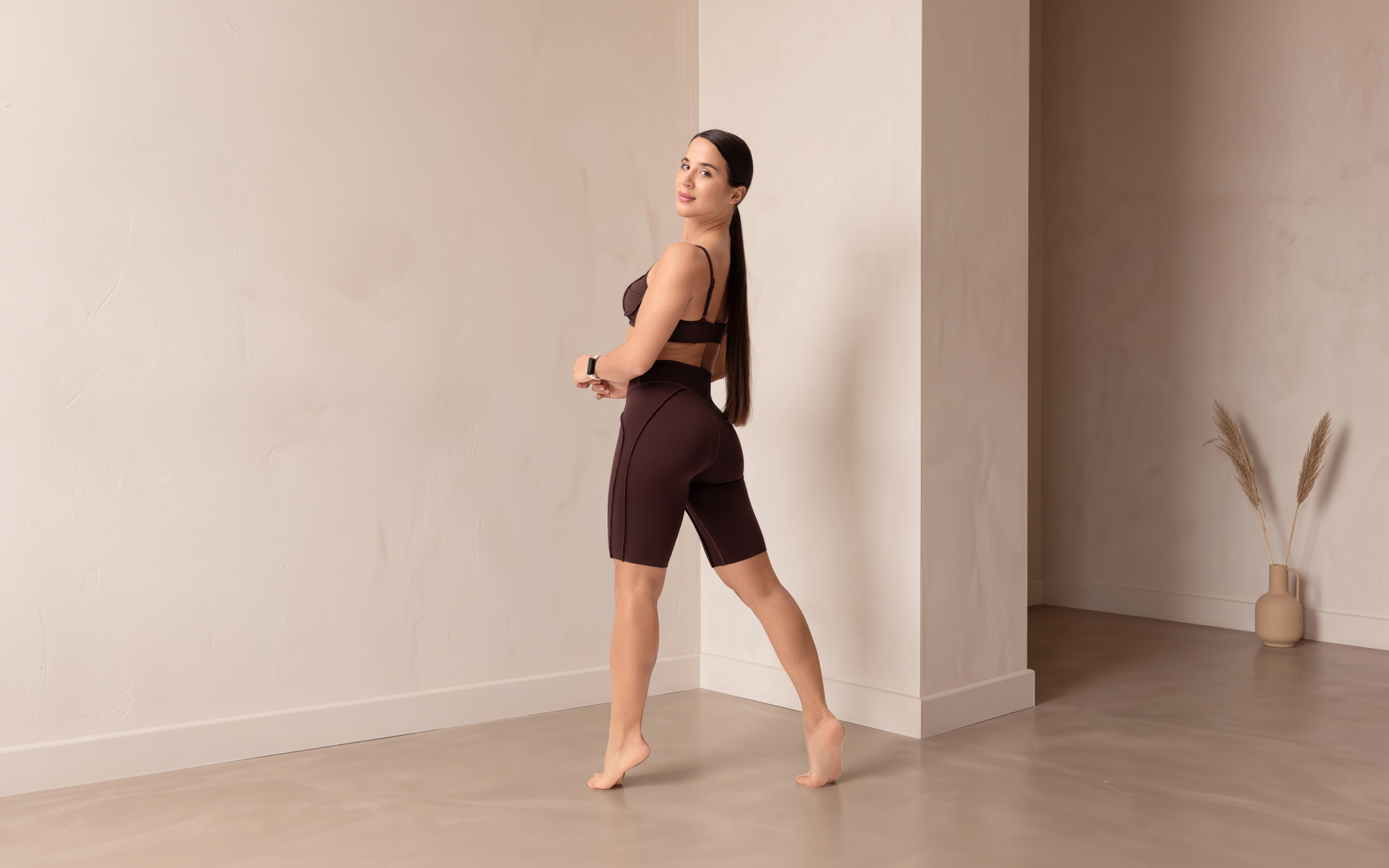
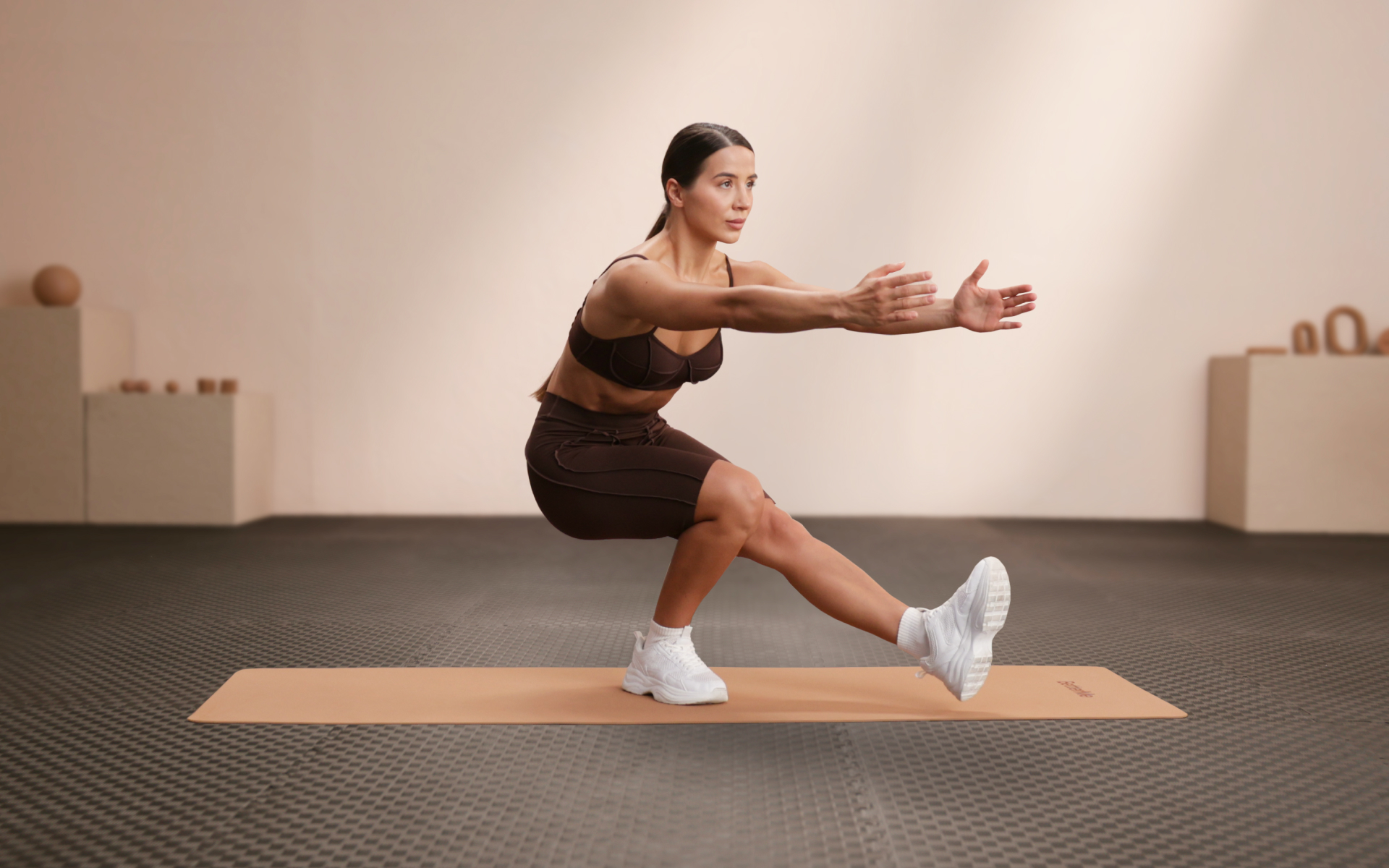
Bodyweight leg workouts can build leg strength at home with no equipment: squats, lunges, glute bridges, and calf raises done 2 to 3 times a week give many beginners enough challenge to start. This guide suits beginners and people training at home, with a warm-up, six moves, a cool-down, and ways to progress.
If you have a joint condition, a recent injury, or pain when you squat or lunge, check with a doctor or physical therapist before starting.
Key takeaways
Squats, lunges, glute bridges, and calf raises done 2 to 3 times a week can build leg strength at home.
- Squats, lunges, glute bridges, and calf raises need no equipment and little space.
- One study in young men found that lighter loads built muscle similarly to heavier loads when sets were taken to fatigue 1.
- In an 8-week study of adults aged 30 to 64, both free-weight and body mass-based training increased thigh muscle size 2.
- A warm-up of about 3 to 5 minutes of gentle movement raises blood flow and helps your joints feel ready to move 3.
- To make the moves harder, add reps or sets, try one-leg variations, slow the tempo, or change your angles 4.
- Adults are advised to do muscle-strengthening activity on at least 2 days a week 5.
Can you build legs with just bodyweight?
Yes, you can build legs with just bodyweight, especially as a beginner, as long as your sets get close to the point where you cannot do another good rep.
One study in young men found that lighter loads built muscle similarly to heavier loads when each set was taken to fatigue 1.
Another study compared free weights with body mass-based training over 8 weeks in healthy adults aged 30 to 64. Both groups showed a significant increase in thigh muscle size 2.
Once your own weight feels easy, progress usually needs harder variations, more reps, or added weights such as a dumbbell or barbell.
What are good bodyweight leg exercises?
Good bodyweight leg exercises for many people are squats, lunges, glute bridges, step-ups, Bulgarian (rear-foot-elevated) split squats, and calf raises, because together they train the quads, hamstrings, glutes, and calves.
| Exercise | Main muscles | Movement pattern |
|---|---|---|
| Bodyweight squat | Quads, glutes | Squat |
| Reverse lunge | Quads, glutes | Lunge (one leg) |
| Rear-foot-elevated split squat | Quads, glutes | One leg |
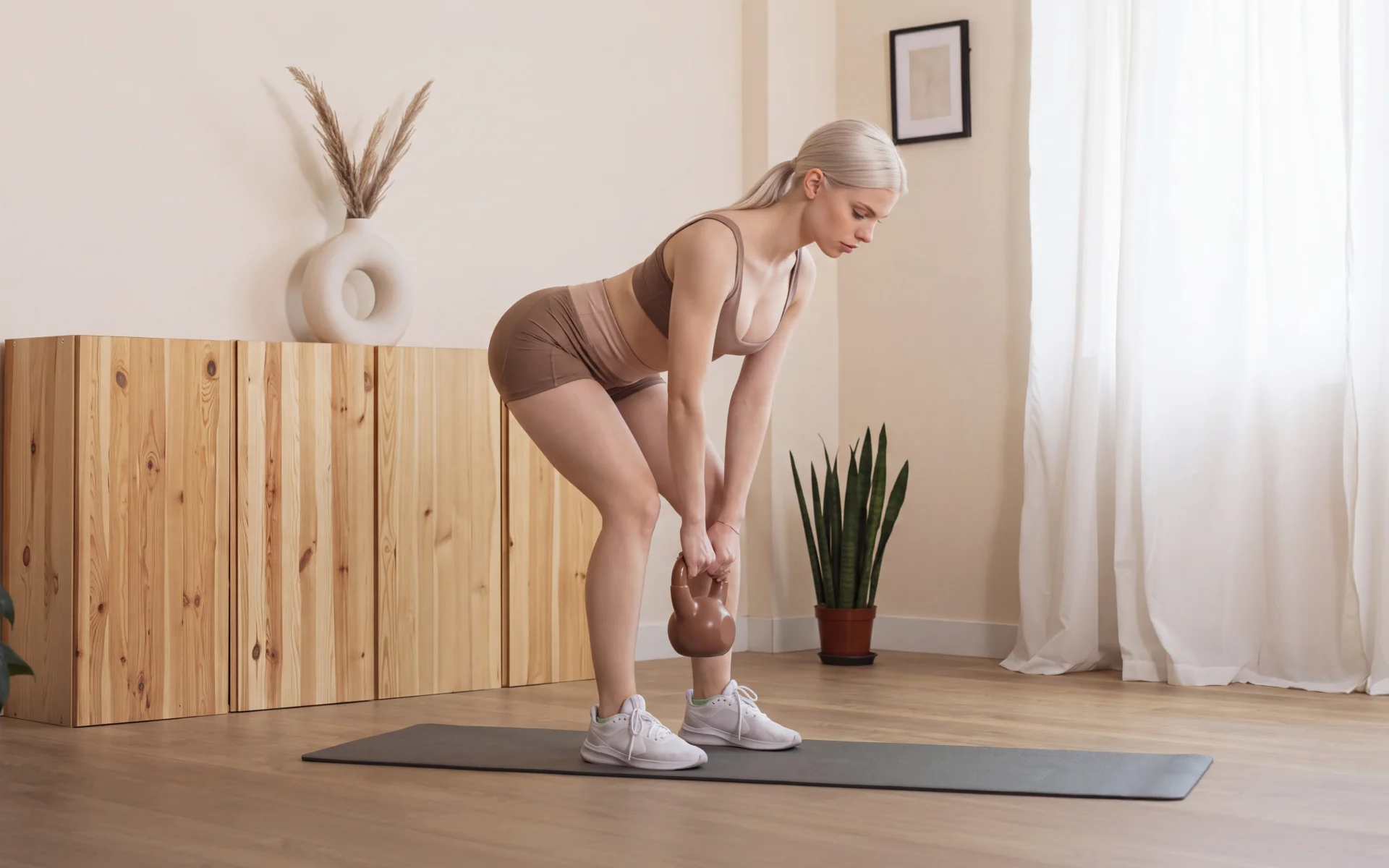
| Glute bridge | Glutes, hamstrings | Hip hinge |
| Single-leg Romanian deadlift | Hamstrings, glutes | Hip hinge pattern |
| Calf raise | Calves | Ankle |
These bodyweight exercises work the major lower body muscle groups, so they can suit many fitness levels.
Read more: Squat workout plan for controlled lower-body training
Do you need to warm up before a bodyweight leg workout?
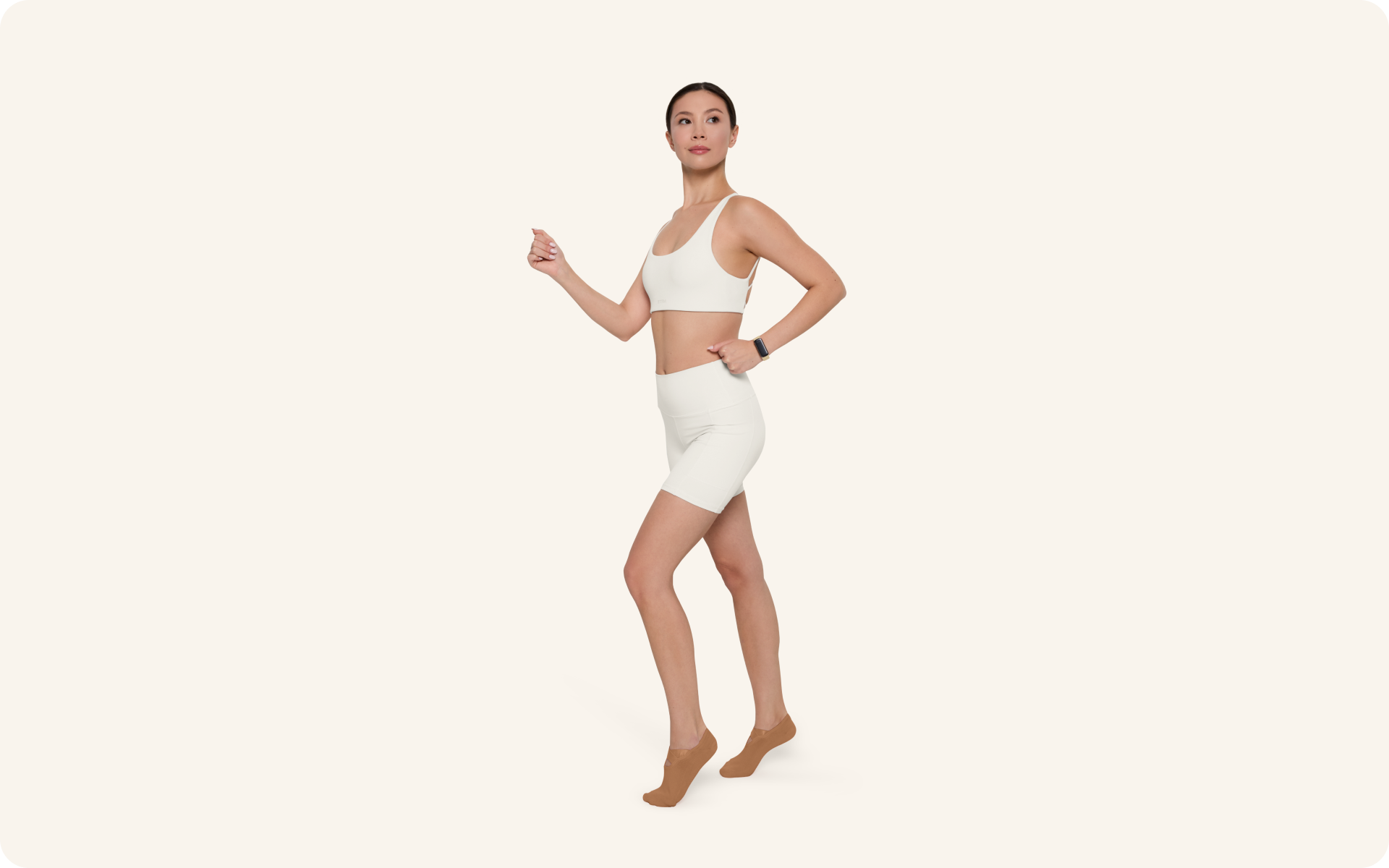
Yes, a short warm-up of about 3 to 5 minutes is a good idea before any leg workout, because gentle movement raises blood flow and helps your joints feel ready 3.
- 30 seconds of marching in place
- 30 seconds of leg swings (each side)
- 30 seconds of hip circles
- 30 seconds of slow bodyweight squats
- 30 seconds of ankle rolls (each side)
What is a beginner bodyweight leg workout?
As a rough starting point, a beginner workout at home can be six moves done as a circuit: 2 to 3 rounds, 8 to 12 reps per move (or the time shown), and 30 to 60 seconds of rest between moves. Total workout time is about 20 to 30 minutes plus the warm-up and cool-down.
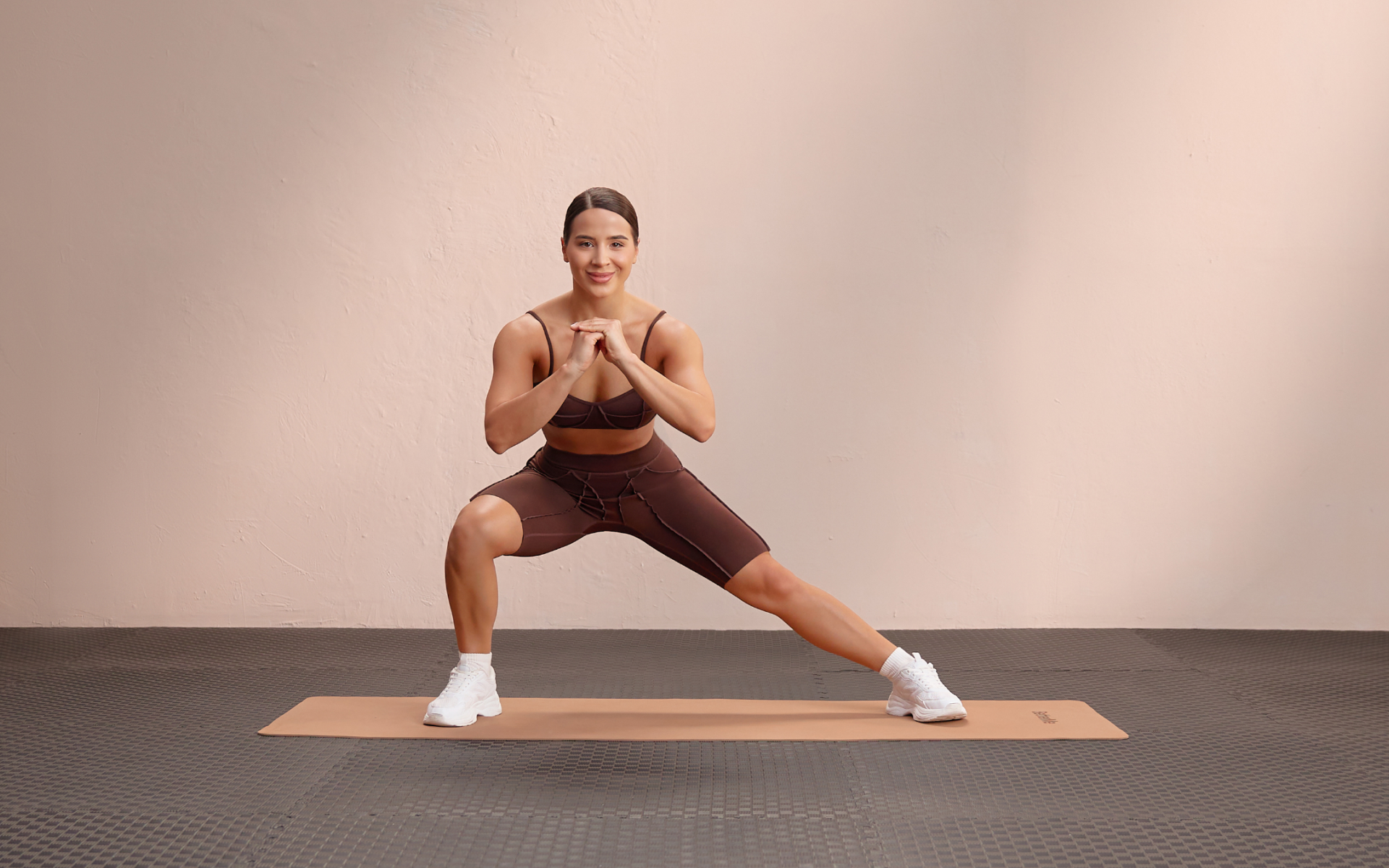
1. Side-step to squat
This move trains the quads, glute muscles, and inner thighs with a wider squat position.
- Stand with your feet together and hands at chest height.
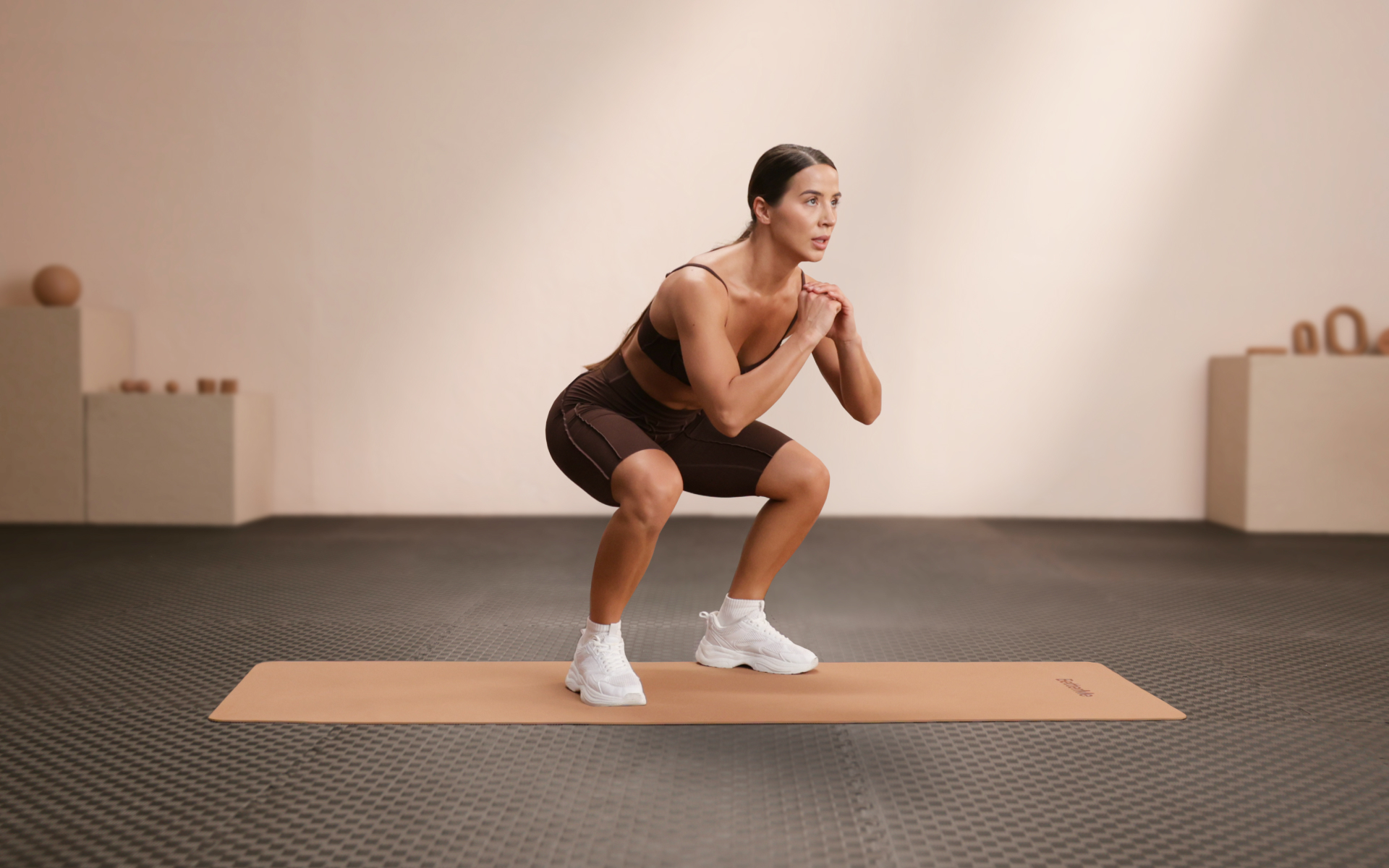
- Take a step out to the right, push your hips back, and bend both knees into a wide squat until your thighs are close to parallel to the floor.
- Drive through your feet to stand up and bring the right foot back to center.
- Do 8 to 10 reps, then switch legs.
2. Squat walk (optional squat jump)
This move keeps the legs working in a low squat and can include a jump for more intensity.
- Start with your feet hip-width apart and drop into a quarter squat.
- Stay low and take 3 steps to the right, then 3 steps to the left.
- To make it plyometric, add one squat jump at the end of each set of steps and land softly. Skip the jump if you are new to training.
- Continue for 35 to 40 seconds.
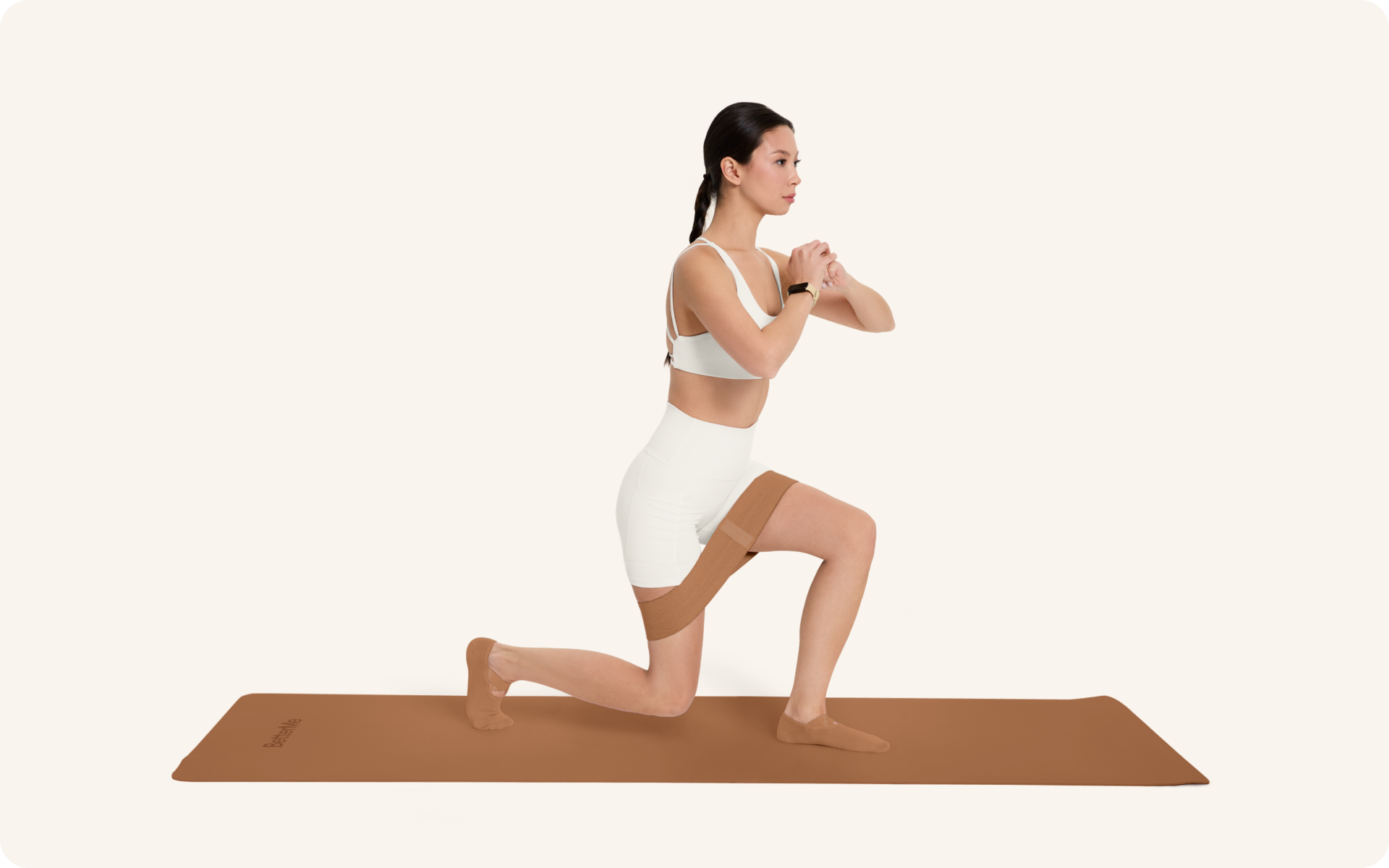
3. Alternating forward and reverse lunge
This move trains each leg on its own in a lunge position and challenges balance.
- Start with your feet shoulder-width apart and hands at your chest.
- Step your right leg forward and lower your body until the front leg thigh is close to parallel to the ground and the back knee hovers above the floor. Lean slightly forward at the waist with a flat back.
- Push through the front foot to return to the start position, then step backward with the same leg into a reverse lunge.
- Do 8 to 10 reps on the right leg, then switch to the left leg.
4. Single-leg calf raises
This move trains the calves one leg at a time.
- Hold a wall or stable support for balance and lift one foot.
- Press through the ball of the standing foot to lift the heel as high as you can.
- Hold for 3 seconds, then lower slowly.
- Do 10 repetitions on each leg.
Workouts, weight management tools, and recipe ideas come together in the BetterMe: Health Coaching app, giving you practical support for building a more consistent wellness routine.
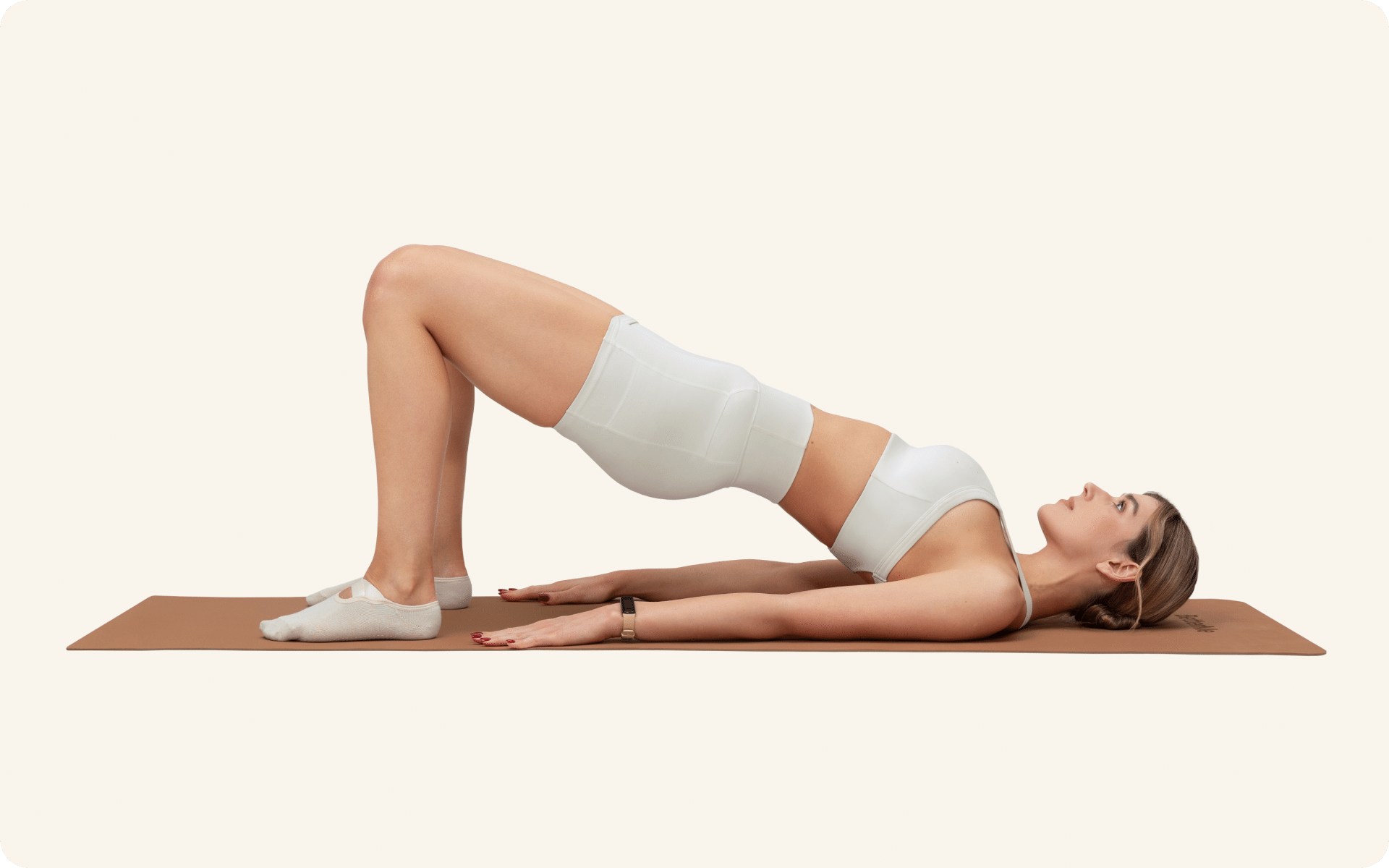
5. Glute bridge
This move trains the glute muscles and hamstrings with a hip hinge from the floor.
- Lie on your back with knees bent and feet flat on the floor.
- Drive through your heels to lift your hips until your body forms a straight line from shoulders to knees.
- Squeeze your glute muscles at the top, then lower back down.
- Repeat 8 to 12 times.
6. Donkey kick
This move isolates the glute muscles on each side.
- Get on all fours with wrists under shoulders and knees under hips.
- Keeping the knee bent, drive your left heel toward the ceiling and squeeze your glute.
- Stop before your lower back arches, then lower with control.
- Do 8 to 12 repetitions on one side, then switch.
Cool-down routine
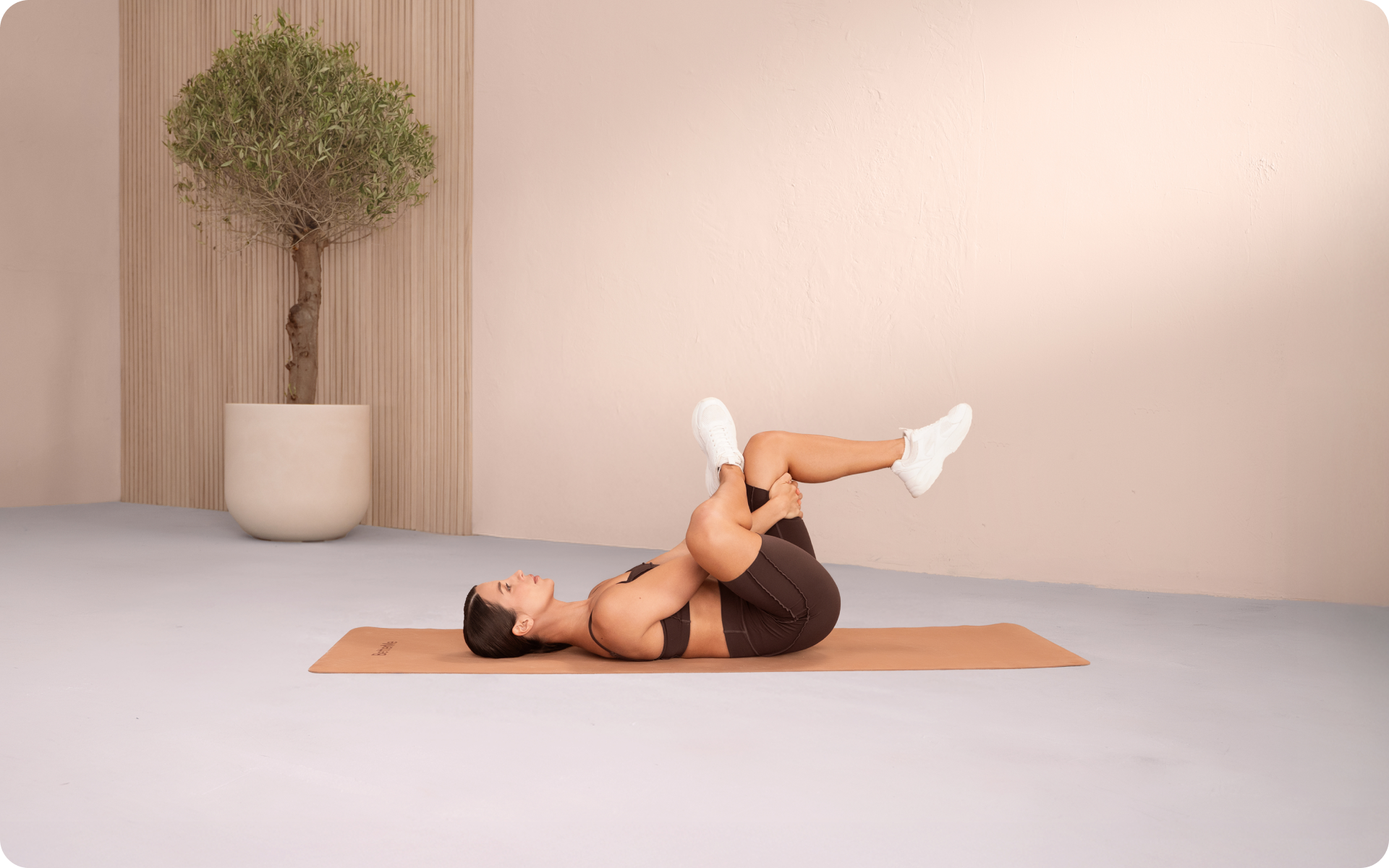
Finish with about 3 to 5 minutes of easy stretching for the major leg muscles.
- 30 seconds of standing quad stretch (each leg)
- 30 seconds of seated hamstring stretch with a single leg straight
- 30 seconds of figure-four stretch (each side)
- 30 seconds of calf stretch against a wall
- 30 seconds of child’s pose
How can I build legs without weights as I progress?
Many people can keep progressing in training without weights for months by using harder variations. You can keep building legs without weights by changing one variable at a time: more repetitions, more sets, slower tempo, one-leg versions, or harder angles 4.
- Do more: add repetitions or an extra set.
- Use a single leg: swap a squat for a rear-foot-elevated split squat or a single-leg glute bridge.
- Slow the tempo: take 3 seconds to lower your body on each rep, keeping control through the full range.
- Change angles: raise your back foot on a step or a low, stable surface.
- Add plyometric moves: jump squats or jump lunges increase the intensity, but land softly and add them only once the basic moves feel easy.
Avoid speeding up at the expense of control, which can raise the risk of strain.
Read more: Leg strengthening exercises: how to build stronger legs at any fitness level
How do you make bodyweight leg workouts more challenging?
To make the workouts more challenging, shorten the rest, pair two moves back to back as supersets, or add a pause at the bottom of each squat or lunge.
For example, do 10 reverse lunges followed right away by 10 glute bridges, then rest.
How often should you do bodyweight leg workouts?
Many people can do lower-body workouts 2 to 3 times a week with at least one rest day between sessions, which meets the advice to do muscle-strengthening activity on at least 2 days a week 5.
- Full-body plan (2 times a week): pair 2 or 3 leg exercises with upper-body moves in the same session.
- Dedicated leg day (1 to 2 times a week): do 4 to 6 exercises that work the quads, hamstrings, glute muscles, and calves, and stop each set 1 to 3 repetitions short of failure.
Are 4 exercises enough for leg day?
Yes, 4 exercises can be enough for leg workout day if they cover a squat, a lunge or other one-leg move, a hinge, and a calf move.
For example: bodyweight squats, backward lunge, glute bridges, and calf raises, each for 3 sets of 10 to 15 repetitions.
What is the 3-3-3 rule for workouts?
The 3-3-3 rule is an informal saying with no official definition. People often use it to mean 3 exercises, 3 sets each, 3 times a week, or 3 rounds of 3 moves.
Applied to the legs, that could be squats, backward lunge, and glute bridges for 3 sets, 3 days a week. It is a simple workout structure, not a rule backed by research.
When should you consider adding external resistance?
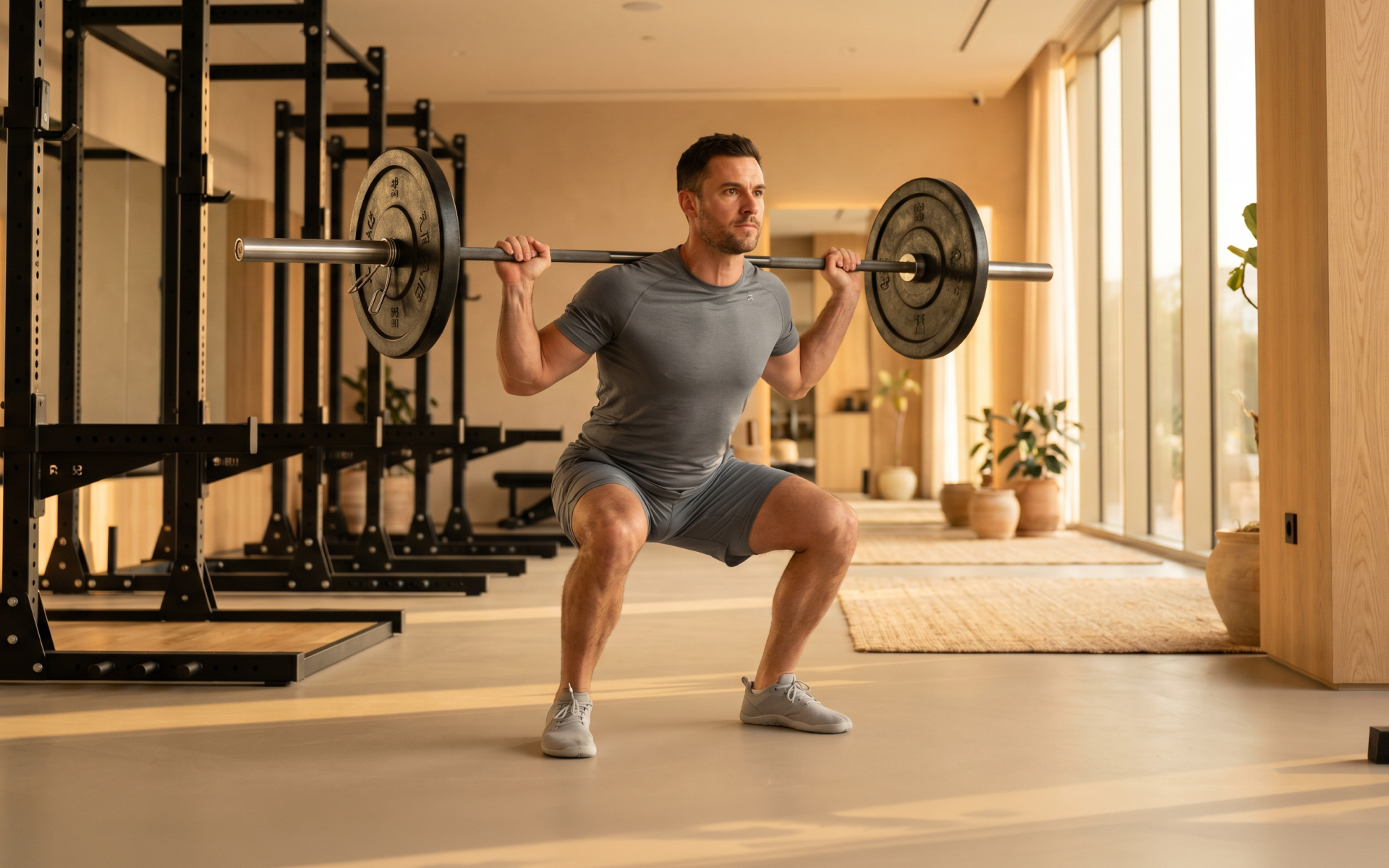
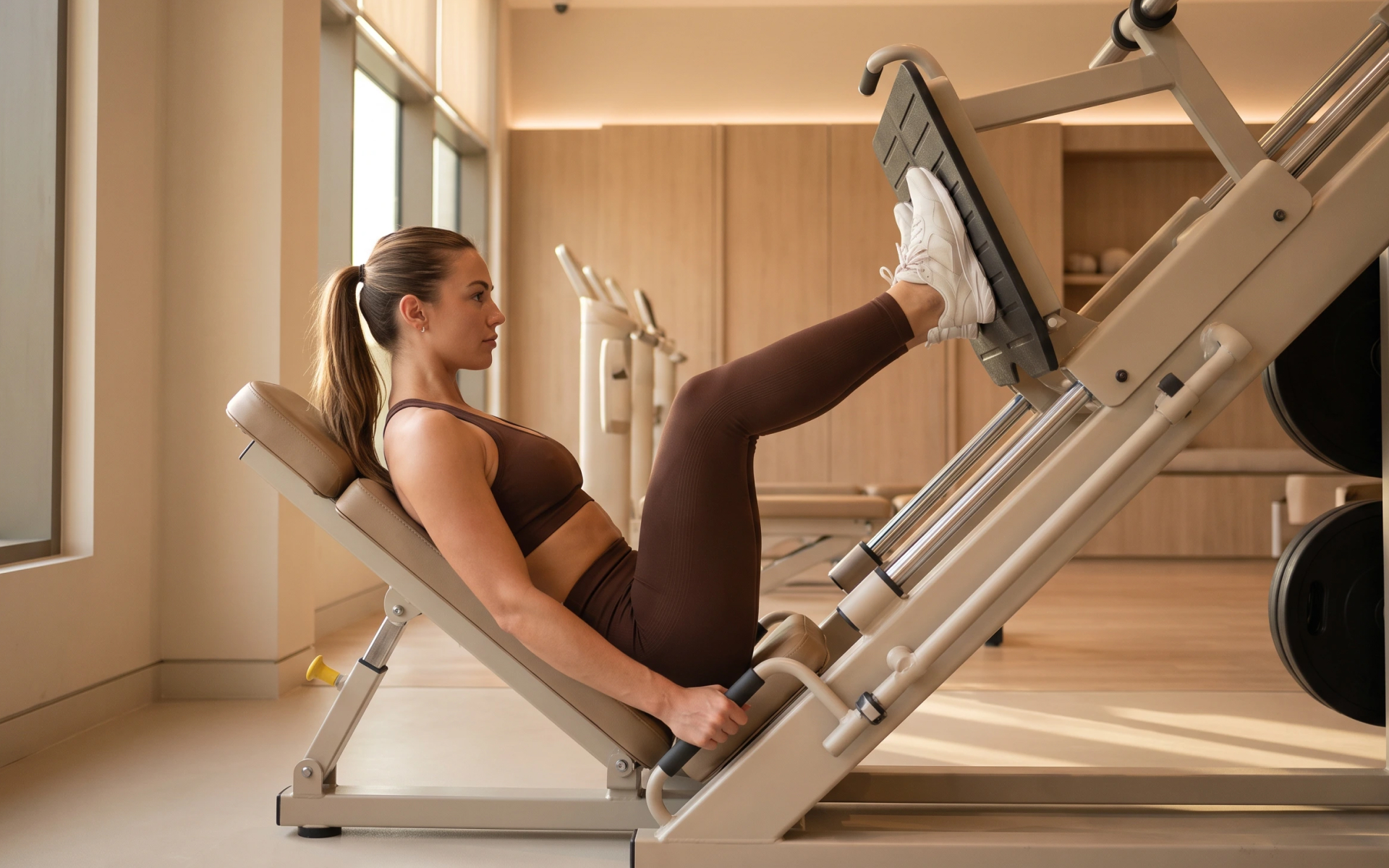
Consider adding weights to your workout when bodyweight sets feel easy and you have stopped progressing, even after using harder variations.
- Reps get very high: if you can do 25 to 30 good repetitions per set, more resistance can help, though this varies by person and exercise.
- Goals change: if your focus moves to maximal strength, external load is usually needed.
BetterMe can help you add more structure to your daily wellness routine with workouts, meal planning tools, and habit-building features. Explore the app and take a practical step toward a routine that feels more manageable for you.
FAQs
Can bodyweight leg workouts replace weighted leg days?
For many people, yes, at least for a while. If your goal is maximal strength or powerlifting, you will likely need external weights to keep progressing.
Are single-leg exercises necessary in a bodyweight workout?
Not strictly, but they help. One-leg moves like rear-foot-elevated split squats add load without weights.
Should you count repetitions or use timed intervals?
Both work. Counting sets and repetitions makes progress easy to track, while timed intervals suit circuits.
Can you combine bodyweight leg workouts with running?
Yes. Leave a day between hard leg sessions and hard runs, or do a short leg circuit after an easy run rather than a hard one.
What can you use for step-ups if you do not own a workout bench?
Use the bottom stair or a stable exercise step. Avoid ordinary chairs, which may tip or slide. If none is available, choose a floor-based move such as a supported squat.
The bottom line
Bodyweight leg training is a beginner-friendly way to learn good form and build strong legs at home. Start with the six-move workout above 2 to 3 times a week, progress one variable at a time, and add weights once the hardest variations feel easy.
DISCLAIMER:
This article is intended for general informational purposes only and does not serve to address individual circumstances. It is not a substitute for professional advice or help and should not be relied on for making any kind of decision-making. Any action taken as a direct or indirect result of the information in this article is entirely at your own risk and is your sole responsibility.
BetterMe, its content staff, and its medical advisors accept no responsibility for inaccuracies, errors, misstatements, inconsistencies, or omissions and specifically disclaim any liability, loss or risk, personal, professional or otherwise, which may be incurred as a consequence, directly or indirectly, of the use and/or application of any content.
You should always seek the advice of your physician or other qualified health provider with any questions you may have regarding a medical condition or your specific situation. Never disregard professional medical advice or delay seeking it because of BetterMe content. If you suspect or think you may have a medical emergency, call your doctor.
SOURCES:
These are the training studies, warm-up guidance, and activity guidelines cited above, listed in order of first mention.
-
- Resistance training load does not determine resistance training-induced hypertrophy across upper and lower limbs in healthy young males (2025, pubmed.ncbi.nlm.nih.gov)
- Effects of free weight and body mass-based resistance training on thigh muscle size, strength and intramuscular fat in healthy young and middle-aged individuals (2023, pubmed.ncbi.nlm.nih.gov)
- Exercise 101: Don’t skip the warm-up or cool-down (2020, health.harvard.edu)
- Bodyweight Training for Muscular Strength and Endurance (2022, researchgate.net)
- Adult Activity: An Overview (2023, cdc.gov)
 Reviewed by