If you are wondering when to start doing wall Pilates, the answer is simple: you can begin at almost any age or fitness level. Wall Pilates is a low-impact, beginner-friendly variation of traditional Pilates that uses a wall for support and resistance. Whether you are a beginner looking for a manageable entry point into fitness, a senior seeking gentle movement, or someone returning to exercise after a break, wall Pilates offers a structured way to build a consistent routine.
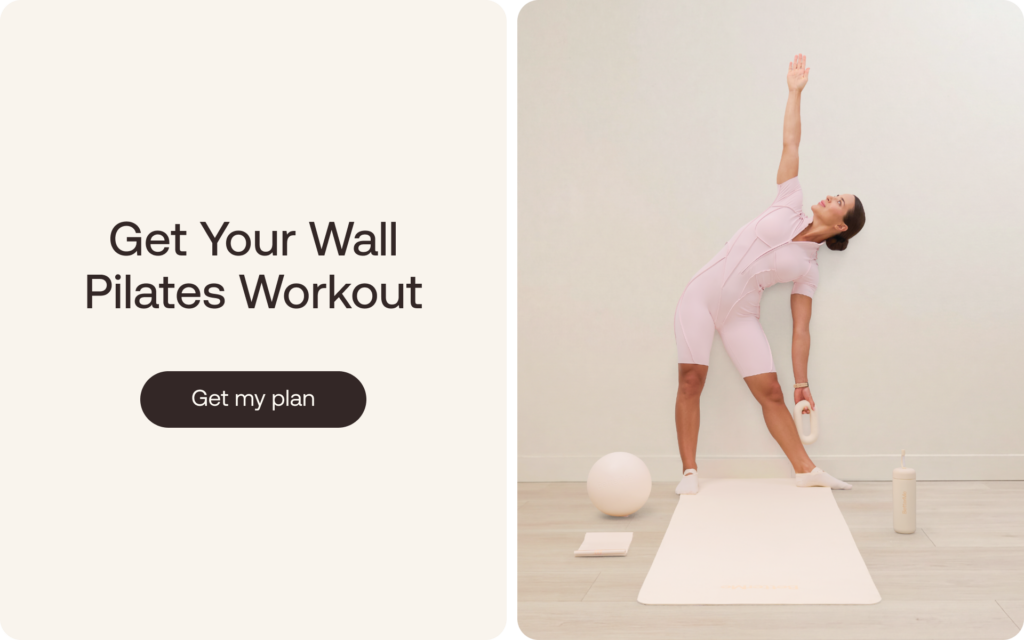
Many people hesitate to start a new exercise program because they feel they need to reach a certain level of fitness first. However, the beauty of wall Pilates lies in its adaptability. The wall acts as a stabilizing force, allowing you to focus on form, alignment, and breathing without the pressure of keeping your balance unassisted.
When Is The Right Time To Start Doing Wall Pilates?
The right time to start doing wall Pilates depends entirely on your personal goals, current lifestyle, and readiness to introduce movement into your day. Because it is highly adaptable, it suits many different life stages and physical capabilities. There is no prerequisite fitness level required to begin.
If You Are New to Exercise
For those who have never exercised before, starting a new routine can feel overwhelming. The gym environment can be intimidating, and high-intensity workouts may seem out of reach. Wall Pilates for beginners is an excellent starting point because the wall provides stability, helping you practice controlled movement and body awareness without the need for complex equipment.
When you are just starting out, the focus should be on learning how your body moves and understanding the mind-body connection that Pilates emphasizes. The wall offers tactile feedback, helping you understand where your body is in space. The BetterMe app offers beginner-friendly routines that can help add structure to your practice.
Read More: Wall Pilates FAQ: Answers From The Experts
If You Have Limited Mobility
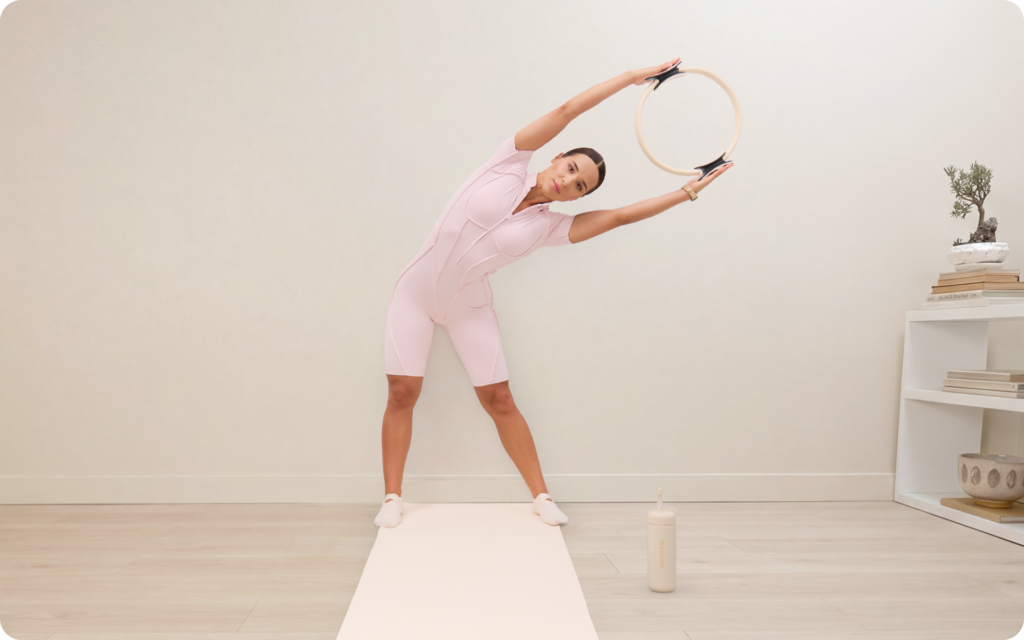
For those looking for gentle movement or who have limited mobility, finding a manageable routine can be challenging. Many traditional workouts involve high impact, jumping, or rapid changes in direction, which may not be suitable for everyone. Wall Pilates offers a lower-impact alternative that prioritizes slow, deliberate movements.
The wall acts as a prop to assist with balance, making it easier to perform exercises that might otherwise feel too intense or difficult to manage. By using the wall for support, you make some movements feel more supported while still engaging your muscles. This approach allows individuals with limited mobility to participate in a structured movement practice without feeling overwhelmed.
If You Recently Got a Desk Job
Prolonged sitting can take a toll on your body. If you spend hours at a desk, you may notice stiffness in your back, neck, and shoulders. The modern work environment often encourages a sedentary lifestyle, which can lead to postural changes and general discomfort. Wall Pilates emphasizes alignment and engages core muscles, which may support posture and help manage everyday discomfort associated with prolonged sitting (1).
Taking short breaks to perform wall Pilates exercises can be a practical way to add gentle movement breaks to a sedentary day. Even a few minutes of mindful movement against a wall can help you reconnect with your body and encourage a more upright posture. By focusing on core engagement and spinal alignment, desk workers can incorporate movement into their daily routine.
If You Are Looking for a Change
If you are bored with your current workout routine, wall Pilates offers a fresh challenge. Doing the same exercises day after day can lead to a plateau in not only your ability to develop strength but also your motivation and engagement. Wall Pilates introduces new movement patterns and requires focus, which can help keep you engaged and motivated to maintain your fitness habits.
The novelty of using a wall as a prop can make familiar exercises feel entirely different, challenging your coordination and engaging your muscles in new ways.
If You Are Over The Age Of 50
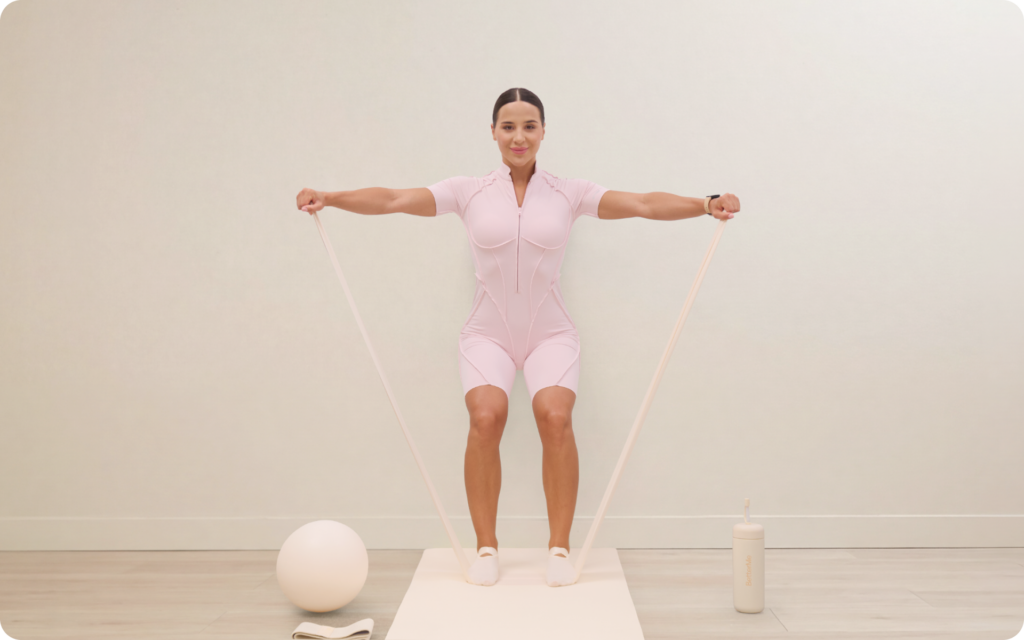
Wall Pilates exercises for seniors are particularly beneficial. As we age, maintaining balance, coordination, and flexibility becomes increasingly important for everyday activities. A recent systematic review found that Pilates may be beneficial for the elderly population, supporting muscle strength and flexibility (2).
The added support of the wall makes these exercises more accessible for older adults who might feel unsteady during freestanding exercises. The wall provides a sense of security, allowing seniors to focus on the movement itself rather than worrying about losing their balance. Gentle, controlled movements can support joint mobility and overall well-being, making wall Pilates a thoughtful addition to a senior’s daily routine.
What is a Wall Pilates Schedule?
A common question is how often to practice. Establishing a wall Pilates schedule can help you build consistency and make movement a regular part of your life. For beginners, research suggests starting with 2 to 3 sessions per week (3). This frequency allows your body time to adapt to new movements while building a routine.
Consistency is more important than intensity when you are first starting out. It is better to commit to a few manageable sessions each week than to attempt daily workouts that may lead to burnout.
Beginner Wall Pilates Weekly Schedule
To help you get started, here is a sample weekly schedule. This plan balances active days with rest or light stretching, ensuring that you have adequate time to recover while still building a consistent habit.
| Day | Activity | Duration |
|---|---|---|
| Monday | Beginner wall Pilates workout | 20–30 min |
| Tuesday | Rest or light stretching | 10–15 min |
| Wednesday | Beginner wall Pilates workout | 20–30 min |
| Thursday | Rest or light stretching | 10–15 min |
| Friday | Beginner wall Pilates workout | 20–30 min |
| Saturday | Optional: 10 minute wall Pilates | 10 min |
| Sunday | Rest | — |
BetterMe app is a foolproof way to start your Pilates journey safely. What are you waiting for? Download the application now to waste no time for regrets in the future.
What Is a Beginner Wall Pilates Workout Plan
This sample wall Pilates workout plan is designed to introduce you to basic wall Pilates moves. Move slowly and focus on your breathing throughout each exercise. The quality of the movement is far more important than the quantity of repetitions. Take your time to understand how each exercise feels in your body.
Warm-Up
A proper warm-up prepares your body for movement by gradually increasing blood flow and encouraging joint mobility.
- Wall Roll Downs: Stand with your back against the wall, feet hip-width apart. Slowly lower your upper body, rolling down through your back one section at a time while keeping the movement controlled. Pause at the bottom, take a deep breath, then slowly roll back up until your head is the last thing to lift.
- Arm Circles: Stand against the wall with your spine lengthened. Slowly circle your arms forward and up, then back and down, keeping your shoulders relaxed. Reverse the direction after a few repetitions.
Main Workout
The main workout focuses on engaging the core, supporting the lower body, and practicing controlled movements.
- Wall Squats: Lean your back against the wall and step your feet out. Slide down until your knees are bent at a comfortable angle (no lower than 90 degrees). Hold briefly, then press through your heels to slide back up with control.
- Wall Push-Ups: Stand facing the wall, about an arm’s length away, hands at shoulder height. Keep your body in a straight line as you slowly bend your elbows to bring your chest toward the wall, then push back with control.
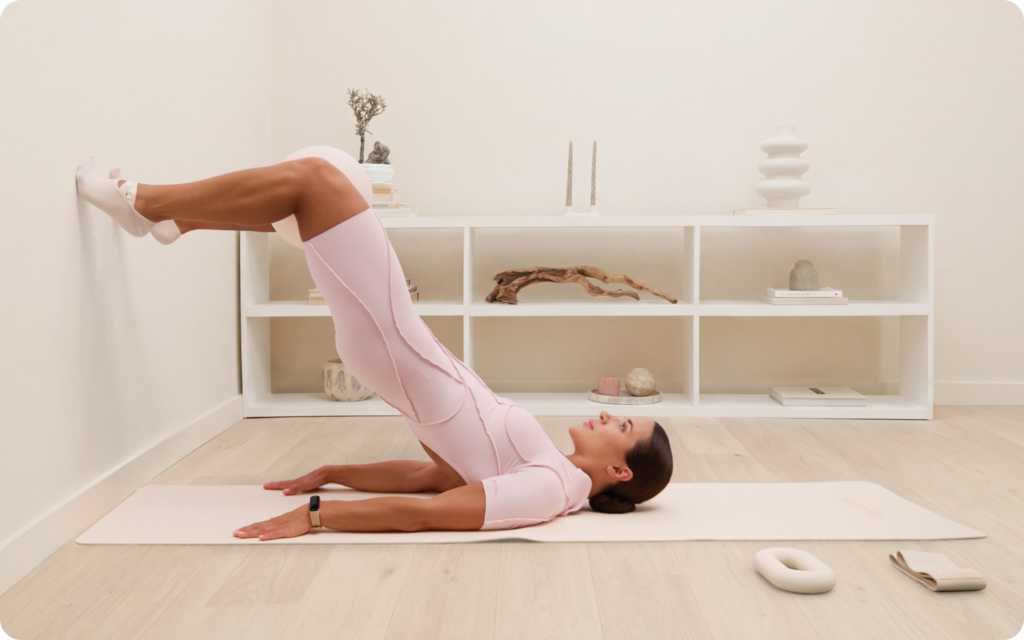
- Wall Bridges: Lie on your back with your feet flat against the wall, knees bent at 90 degrees. Press your feet into the wall and slowly lift your hips, engaging your core and glutes. Hold briefly, then lower back down with control.
- Wall Marches: Stand with your back against the wall and slowly lift one knee at a time while keeping your core engaged. Alternate sides with control.
- Wall Calf Raises: Stand facing the wall with your hands lightly resting on it. Rise onto your toes, pause briefly, then lower your heels with control.
- Wall Plank Hold: Place your hands on the wall at shoulder height and step your feet back. Keep your body in a straight line and hold while breathing steadily.
Read More: Wall Pilates For Beginners: Your Complete Guide To Get Started
Cool-Down
The cool-down helps your body transition back to a resting state and encourages flexibility.
- Wall Hamstring Stretch: Lie on your back with your legs resting straight up the wall. This gentle position stretches the backs of your legs and encourages relaxation. Hold for several deep breaths.
- Wall Chest Opener: Stand facing away from the wall and place one hand lightly against it at shoulder height. Slowly turn your body away until you feel a gentle stretch across your chest and shoulder. Hold for several breaths, then switch sides.
- Deep Breathing: Sit comfortably near the wall with your back supported. Place your hands on your ribcage and take several deep breaths, focusing on expanding your ribs with each inhale and relaxing with each exhale.
Frequently Asked Questions
When should I start doing wall Pilates?
You can start doing wall Pilates at any time, regardless of your age or fitness level. It is a gentle, adaptable practice suitable for beginners, seniors, and those looking for low-impact movement. There is no need to wait until you feel “fit enough” to begin; the practice is designed to meet you where you are.
Can I do 10 minute wall Pilates daily?
Yes, a short 10-minute wall Pilates routine can be done daily to help build a consistent habit and support body awareness. Short, frequent sessions can be highly effective for establishing a routine. However, it is also important to listen to your body and include rest days as needed to allow for recovery.
Is wall Pilates good for seniors?
As long as they have their doctor’s approval, wall Pilates can be an excellent option for seniors. The wall provides extra support and balance, making it easier to perform exercises that may support flexibility and muscle strength. It allows older adults to engage in physical activity with an added sense of security.
How often should I do wall Pilates as a beginner?
Beginners may consider starting with 2 to 3 sessions per week. This frequency helps you learn the movements and build a routine without overexerting yourself. As you become more familiar with the practice, you can adjust the frequency to suit your personal preferences.
Is wall Pilates enough for beginners?
Wall Pilates can be a manageable starting point for beginners because the wall provides support while you learn basic movement patterns, balance, and body awareness. These wall Pilates benefits can make the practice feel less intimidating, especially if you are new to structured exercise. As you become more comfortable, you can gradually add more exercises, increase the number of rounds, or combine wall Pilates with other low-impact activities.
The Bottom Line
When to start doing wall Pilates is entirely up to you, but there is no need to wait for a specific milestone. Whether you are looking for wall workouts to do at home, seeking a gentle routine, or wanting to support your posture, wall Pilates offers a versatile and accessible option. By following a structured plan and listening to your body, you can build a sustainable practice that fits your lifestyle.
The most important step is simply to begin. Find a clear stretch of wall, take a deep breath, and start exploring how this gentle form of movement can support your daily well-being. With consistency and patience, wall Pilates can become a rewarding part of your regular routine.
DISCLAIMER:
This article is intended for general informational purposes only and does not serve to address individual circumstances. It is not a substitute for professional advice or help and should not be relied on for making any kind of decision-making. Any action taken as a direct or indirect result of the information in this article is entirely at your own risk and is your sole responsibility.
BetterMe, its content staff, and its medical advisors accept no responsibility for inaccuracies, errors, misstatements, inconsistencies, or omissions and specifically disclaim any liability, loss or risk, personal, professional or otherwise, which may be incurred as a consequence, directly or indirectly, of the use and/or application of any content.
You should always seek the advice of your physician or other qualified health provider with any questions you may have regarding a medical condition or your specific situation. Never disregard professional medical advice or delay seeking it because of BetterMe content. If you suspect or think you may have a medical emergency, call your doctor.
SOURCES:
- The effects of reformer pilates on postural alignment, body appreciation, and social appearance anxiety in sedentary office workers (2025, pmc.ncbi.nlm.nih.gov)
- Benefits of Pilates in the Elderly Population: A Systematic Review and Meta-Analysis (2022, pmc.ncbi.nlm.nih.gov)
- Pilates Dosage in Rehabilitation of Patients With Musculoskeletal Conditions: A Scoping Review (2024, pmc.ncbi.nlm.nih.gov)
 Reviewed by
 Reviewed by