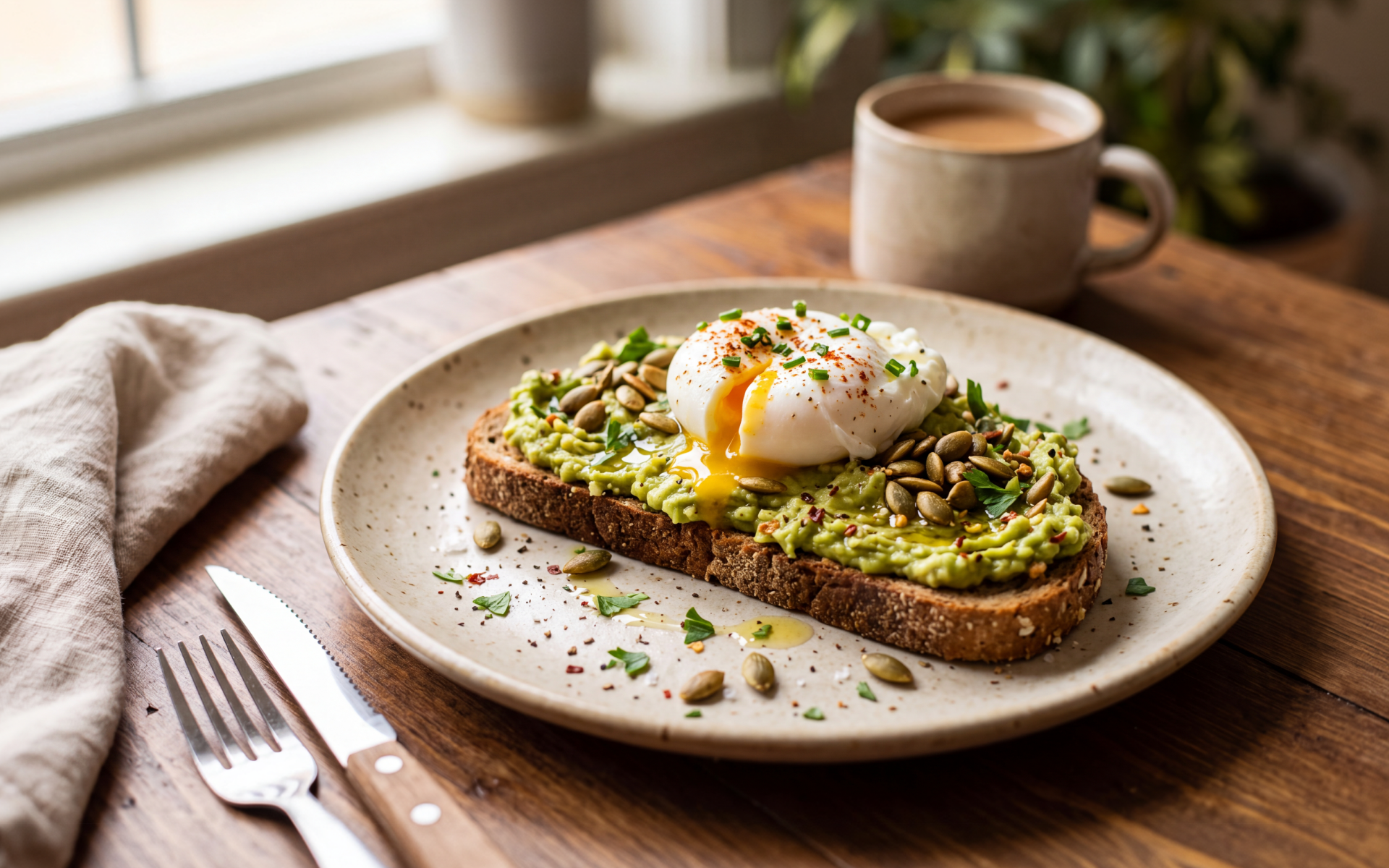
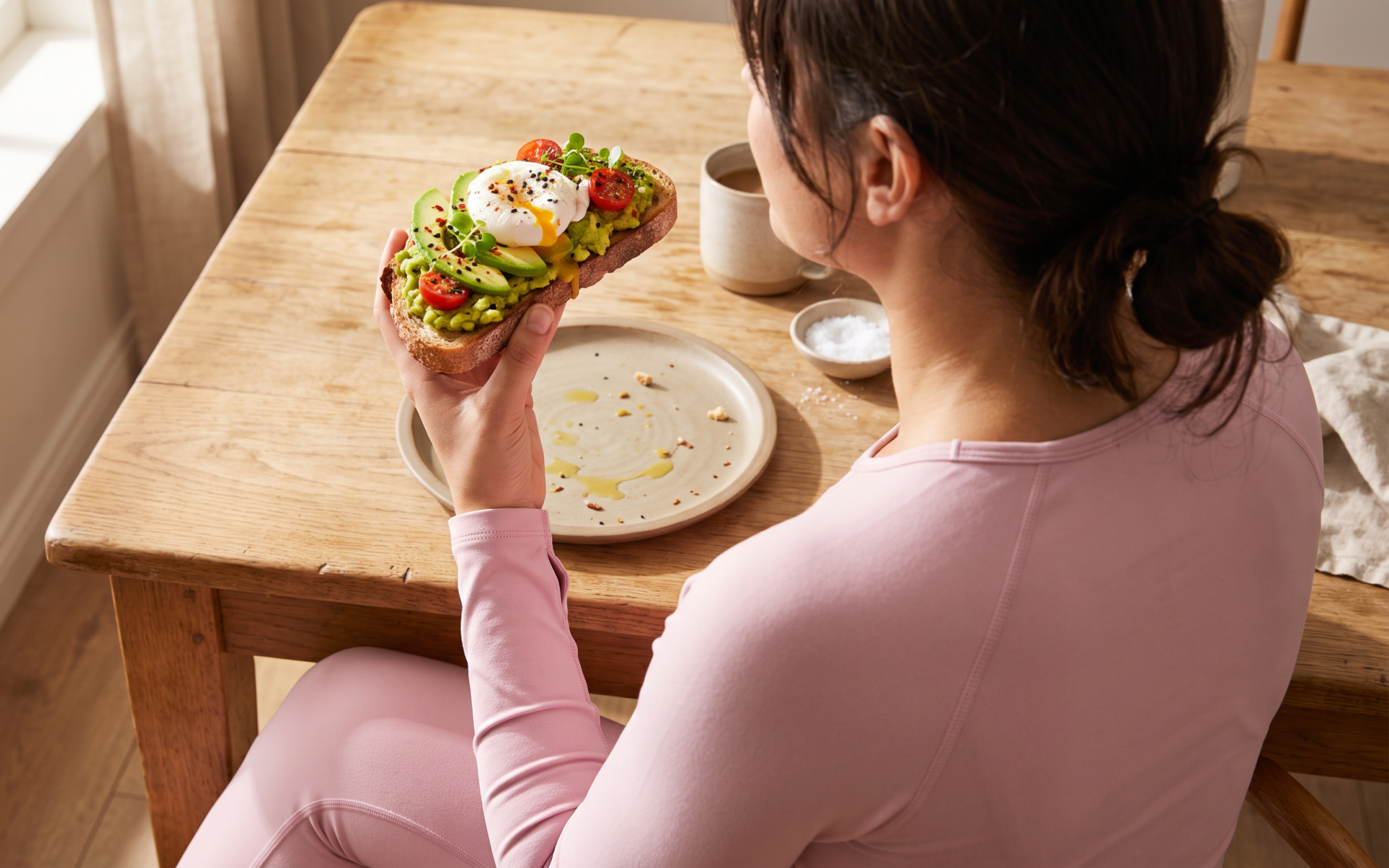
During your fasting window, stick to zero-calorie options such as water, plain tea, and black coffee. When your eating window opens, focus on nutrient-dense foods with protein, fiber, and vegetables. Knowing what to eat during intermittent fasting can help you feel supported and steady throughout your day, even with a longer gap without food.
Intermittent fasting is an eating pattern that cycles between set periods of fasting and eating. It sounds simple, but food choices trip many people up. What can you drink while fasting? How do you break a fast comfortably? What belongs on your plate during your eating window? This guide walks through each stage in plain language. Here, you’ll find practical meal ideas, clear tables, and straightforward answers to common questions. Whether you’re brand new to a fasting diet or fine-tuning your routine, you’ll leave with flexible options you can adjust to fit your life.
Every fast is a personal experience. Your dietary preferences, body composition, and activity level all influence your fasting journey. It’s advisable to consult a healthcare provider before embarking on a fasting regimen, particularly one with a longer fast.
Intermittent Fasting Rules: What to Eat and Drink
Intermittent fasting rules come down to one core idea: eat only during your set eating window and keep calories near zero during your fasting window (1). An eating window is the block of hours when you eat your meals. A fasting window is the stretch when you skip food and focus on calorie-free drinks.
Most people follow an intermittent fasting schedule that fits their day. A common starting point is a 16-hour fast with an 8-hour eating window (16:8). Others prefer shorter or longer windows depending on lifestyle and comfort (2). Individual experience varies, so it helps to try a schedule before you commit.
An intermittent fasting diet plan doesn’t lock you into specific foods. It mostly shapes when you eat. Still, what you choose during each window can influence how you feel, as well as potential health benefits, such as weight loss and insulin sensitivity, that may come from a fast.
A few simple guidelines can help (3):
- Drink plenty of water throughout the day
- Keep fasting-window drinks calorie-free where possible
- Prioritize protein, fiber, and vegetables during your eating window
- Ease back into food gently after a longer fast
The table below offers a quick reference for what tends to fit each window. Think of it as a flexible guide, not a strict rulebook.
| Category | During fasting window | Eating window |
|---|---|---|
| Water | Yes—plain, still, or sparkling | Yes—anytime |
| Coffee | Black, no sugar or cream | Any style you enjoy |
| Tea | Plain, unsweetened | With milk or honey if you like |
| Food | None (or minimal on modified plans) | Balanced meals and snacks |
| Supplements | Calorie-free options may fit some people | Most supplements fit here |
| Calorie Intake | Near zero | Amount and timing based on your individual needs |
What works for one person may not suit another. Feel free to adjust as you learn what fits your routine.
Read more: Keto vs Intermittent Fasting: Differences, Ketosis Timing, Meal Plan & How to Combine Them

Best Foods and Drinks During Your Fasting Window
The best foods to eat while fasting are, technically, no foods at all—the goal is to stay calorie-free. Your focus shifts instead to drinks that keep you comfortable without ending your fast.
Water is your anchor. Sip steadily across the day, particularly if you feel sluggish or low on energy. Sparkling and calorie-free flavored water count too, and they can help when cravings hit (3).
Plain tea and black coffee are widely used fasting foods—or more accurately, fasting drinks—that many people rely on. Both are calorie-free when you skip sugar, milk, and cream. Herbal teas such as peppermint or chamomile can add variety without calories and also offer both antioxidants and anti-inflammatory properties.
Some people also use sugar-free electrolyte options during longer fasting windows, such as plain electrolyte powders with no added carbs. Check the label to confirm there’s no hidden sugar (4) before adding them to your routine. Particularly if you are sweating a lot, drinking extra, or eating less than usual overall, a small amount of electrolytes can keep your body’s electrolyte levels in balance.
Here are calorie-free or near-zero options that tend to suit a fasting window:
- Still or sparkling water
- Black coffee, hot or iced
- Plain green, black, or herbal tea
- Sugar-free electrolyte drinks with no added carbs
- A small pinch of salt in water, if that makes sense for you
A note on supplements: Some come with calories, sugars, or fillers that may not suit your fasting window. Gummy vitamins, for example, often contain sugar (5). Protein powders and certain amino acids also add calories. If a supplement lists sugar, fat, or protein on the label, consider moving it to your eating window, though these additions are trivial. Plain capsule-form vitamins tend to be lower-impact, but label-checking is always a good habit (6).
Keeping your fasting drinks simple and unsweetened removes much of the guesswork. That way, you remain in your fasted window while still feeling refreshed.
BetterMe Well-Being Coach app can help you build a more structured approach to your wellness routine with meal plans, workouts, and habit-tracking tools. Start using the app to explore options that may support your personal fitness and nutrition goals.

How to Break Your Fast: Low-Glycemic and High-Protein Options
Breaking your fast tends to feel most comfortable when you ease in with gentle, balanced foods rather than a large, heavy meal. After several hours without eating, some people may prefer to start with a modest, balanced meal rather than a large or rich one (7). Low-glycemic and high-protein choices are a popular starting point for many people.
Low-glycemic foods are those with carbohydrates that release the energy from carbohydrate more gradually, such as oats or non-starchy vegetables, and can contribute to longer-lasting energy and fullness (8). High-protein foods, such as eggs, fish, or plain yogurt, may help you feel full and satisfied (9). Combining protein, carbohydrate-rich foods, and vegetables is one way to build a balanced first meal. Individual experience varies, so start modestly and build from there.
The table below shows one way to structure an eating window. Adjust the times to match your own schedule and note that individual calorie and portion needs vary.
| Meal | Time | Food options |
|---|---|---|
| First meal | 12:00 pm | 2 scrambled eggs, ½ cup oats, 1 handful berries |
| Snack | 3:00 pm | 1 cup Greek yogurt with 10 almonds |
| Main meal | 6:00 pm | 4 oz grilled chicken, 1 cup roasted vegetables, ½ cup quinoa |
| Evening option | 7:30 pm | 1 apple with 1 tbsp nut butter |
Read more: Types of Fasting: 6 IF Schedules Compared, Benefits by Hour, Meal Plan & Guide
1. What Are Good First Foods?
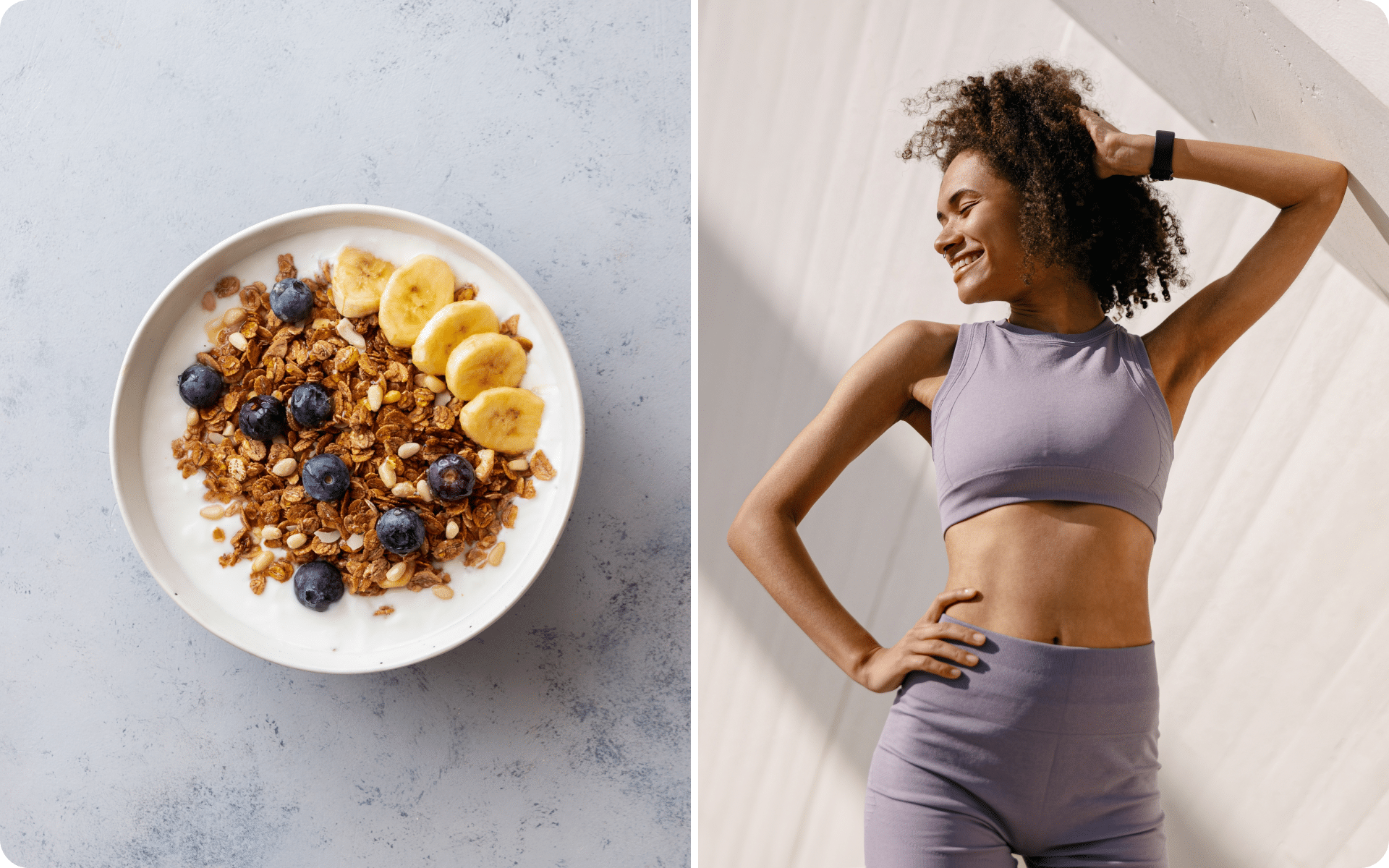
Good first foods after fasting can be gentle, protein-rich, and low in added sugar. Many people prefer a light, balanced first meal.
Some comfortable options to consider:
- 2 boiled or scrambled eggs
- ½ cup cooked oats with berries
- 1 cup warm broth as a starter
- A small bowl of non-starchy vegetables
Start with a modest portion and eat gradually. You can always add more once your body settles into eating again.
2. What Does a Beginner Intermittent Fasting Meal Plan Look Like?
A beginner intermittent fasting meal plan keeps things simple, balanced, and easy to repeat. You don’t need unusual ingredients—just a steady mix of protein, fiber, and vegetables across your eating window.
Here’s a sample day using an 8-hour window from noon to 8:00 pm:
- Noon: 2 eggs, 1 slice whole-grain toast, ½ avocado
- 3:00 pm: 1 cup yogurt with a handful of berries
- 6:30 pm: 4 oz salmon, 1 cup broccoli, ½ cup brown rice
This layout gives you two meals and one snack. It’s flexible—swap in foods you enjoy so the routine feels sustainable for you.
3. What Are Practical Intermittent Fasting Snack Ideas?
Practical intermittent fasting snack ideas are small, protein-focused, and satisfying enough to bridge the gap between meals. Keep them within your eating window only.
A few easy options to try:
- 10-12 almonds or walnuts
- 1 hard-boiled egg
- 1 cup cottage cheese with cucumber slices
- 1 apple with 1 tablespoon peanut butter
- A handful of baby carrots with hummus
A high-protein intermittent fasting meal plan leans on options like these. Protein may help you feel fuller and more satisfied between meals (9), which can make your eating window feel less rushed. Keep portions modest so snacks support your meals rather than replace them.

Foods to Avoid When Breaking a Fast
Foods to avoid when breaking a fast include highly processed items, very sugary choices, and oversized portions. After several hours without eating, a heavy or sugary first meal may leave you feeling bloated or uncomfortable—a very common experience (7). High sugar options, particularly after longer gaps without eating, can also lead someone to have drops in energy and cravings and ultimately consume more calories than the body needs.
Ease back in slowly. A large plate right away often feels like too much, too fast, and can lead to nausea or an upset stomach. Smaller, lighter portions, when consumed slowly, tend to sit better for many people.
These choices are worth skipping for your first meal, although they have fewer drawbacks later in your eating window:
- Deep-fried or greasy foods
- Sugary pastries, candy, or soda
- Very large, oversized portions
- Heavily processed packaged snacks
- Rich, creamy dishes in big servings
Supplements can also feel heavy right after a fast. Some contain fillers or dense ingredients that may not sit well on an empty stomach. If a supplement tends to bother you, consider taking it later in your eating window with a fuller meal.
Think of your first meal as a gentle transition back to eating. Choose lighter, balanced foods, then build up to a normal-sized meal an hour or two later. Everyone’s tolerance differs, so listen to your own experience and adjust as needed.
BetterMe can help you add more structure to your daily wellness routine with workouts, meal planning tools, and habit-building features. Explore the app and take a practical step toward a routine that feels more manageable for you.

Intermittent Fasting Schedule: The 16:8 Approach
An intermittent fasting schedule sets the hours you fast and the hours you eat, and the 16:8 approach is one of the most widely used (10). This means a 16-hour fast with an 8-hour eating window. Many people find it fits naturally around sleep and a regular daily rhythm.
With 16:8, you might eat from noon to 8:00 pm, then fast until noon the following day. You can shift those hours earlier or later to match your lifestyle. Here are four example windows to consider, all of which optimize energy for a unique daily schedule:
- 7:00 am–3:00 pm: Suits early risers who prefer breakfast
- 9:00 am–5:00 pm: A balanced option for standard workdays
- 12:00 pm–8:00 pm: Popular for those who prefer to skip breakfast
- 2:00 pm–10:00 pm: Works well for later schedules and evening meals
An intermittent fasting diet plan built around 16:8 doesn’t set a strict calorie limit. However, portion awareness across your eating window may make a difference for overall balance. For those who are exploring fasting for weight loss, some research has explored associations between intermittent fasting and body weight management (11, 12), but individual outcomes vary widely.
An intermittent fasting meal plan for weight loss simply pairs your eating window with nutrient-dense, balanced meals—there are no guarantees, and your experience may differ.
The table below compares common fasting schedules so you can choose one that feels right for you.
| Method | Fasting hours | Eating window | Best for |
|---|---|---|---|
| 16:8 | 16 hours | 8 hours | Beginners and daily routines |
| 18:6 | 18 hours | 6 hours | Those who are ready for a step up |
| 20:4 | 20 hours | 4 hours | More experienced fasters |
| 23:1 | 23 hours | 1 hour | One-meal-a-day preference |
| 5:2 | 2 low-calorie days weekly | Regular eating 5 days | Flexible weekly rhythm |
Pick the schedule that feels sustainable. You can always adjust as your routine and comfort level change over time. For fasts of 18 hours or more, consider speaking with a healthcare provider before you try a longer fasting schedule.
FAQs
What can I eat during intermittent fasting without breaking my fast?
During intermittent fasting, you can drink water, black coffee, and plain unsweetened tea without breaking your fast. These calorie-free options keep you in your fasted window while staying hydrated. Sugar-free electrolyte drinks with no added carbs may also suit some people. Avoid anything with sugar, cream, or calories during your fasting window, as even small amounts can add up.
What are the best foods to eat when breaking a fast?
The best foods to eat when breaking a fast are gentle, protein-rich, and low in added sugar. Options such as eggs, oats, Greek yogurt, or warm broth tend to feel comfortable after fasting hours. Pairing protein with fiber may help you feel satisfied (13). Start with a modest portion, then add more once your stomach has settled, and eat gradually.
What foods should I avoid when breaking a fast?
Foods to avoid when breaking a fast include highly processed, very sugary, or oversized meals. Deep-fried foods, pastries, soda, and large portions can leave many people feeling uncomfortable after fasting, on top of a subsequent drop in energy. Ease in with lighter, balanced choices first. You can move to a normal-sized meal an hour or two later, once you feel ready.
Can I eat snacks during intermittent fasting?
You can eat snacks during intermittent fasting, but only within your eating window. Protein-forward options such as almonds, a hard-boiled egg, or plain yogurt tend to work well. Keep portions modest so snacks support your meals rather than replace them. During your fasting window, stick to calorie-free drinks only.
What does a beginner intermittent fasting meal plan look like?
A beginner intermittent fasting meal plan typically includes two meals and one snack across an 8-hour eating window. For example: eggs and toast at noon, yogurt with berries at 3:00 pm, and salmon with vegetables at 6:30 pm. Keep it simple and repeatable. Swap in foods you enjoy so the plan feels manageable over time.
How many calories should I eat on a 16:8 intermittent fasting plan?
The 16:8 plan doesn’t set a fixed calorie target, as individual needs vary. Focus on balanced, nutrient-dense meals (14) rather than a strict number. If body weight management is a goal, portion awareness and a focus on higher-volume, higher-protein foods across your eating window may help (15). Your ideal intake depends on your body, activity level, and personal goals—individual outcomes vary.
What should I eat when fasting to lose weight?
When thinking about what to eat when fasting to lose weight, focus on filling, nutrient-dense foods that support body weight management. Lean protein, vegetables, and fiber-rich choices tend to keep you satisfied across your eating window (16). Portion awareness matters more than any single food. Results vary from person to person, so choose an approach you can maintain comfortably and consistently.
The Bottom Line
Understanding what to eat during intermittent fasting comes down to a few straightforward habits: stay hydrated during your fasting window, ease back into food gently, and fill your eating window with balanced, protein-rich meals. Every stage offers flexible options, so you can shape a routine that fits your life and preferences. There’s no single plan that works for everyone—just the one that feels right for you. Choose one practical step from this guide today and build your fasting rhythm from there.
DISCLAIMER:
This article is intended for general informational purposes only and does not serve to address individual circumstances. It is not a substitute for professional advice or help and should not be relied on for making any kind of decision-making. Any action taken as a direct or indirect result of the information in this article is entirely at your own risk and is your sole responsibility.
BetterMe, its content staff, and its medical advisors accept no responsibility for inaccuracies, errors, misstatements, inconsistencies, or omissions and specifically disclaim any liability, loss or risk, personal, professional or otherwise, which may be incurred as a consequence, directly or indirectly, of the use and/or application of any content.
You should always seek the advice of your physician or other qualified health provider with any questions you may have regarding a medical condition or your specific situation. Never disregard professional medical advice or delay seeking it because of BetterMe content. If you suspect or think you may have a medical emergency, call your doctor.
SOURCES:
- Intermittent Fasting and Metabolic Health (2022, mdpi.com)
- Intermittent Fasting: Exploring Approaches, Benefits, and Implications for Health and Weight Management (2024, npjournal.org)
- Fasting: How to Guide (2021, mdpi.com)
- Added Sugars on the Nutrition Facts Label (2026, fda.gov)
- Gummy vitamins: A complete analysis (2024, researchgate.net)
- How to Understand and Use the Nutrition Facts Label (2024, fda.gov)
- Refeeding Syndrome (2022, ncbi.nlm.nih.gov)
- Physiology, Carbohydrates (2023, ncbi.nlm.nih.gov)
- Proteins and Peptides from Food Sources with Effect on Satiety and Their Role as Anti-Obesity Agents: A Narrative Review (2024, mdpi.com)
- Effect of intermittent fasting 16:8 and 14:10 compared with control‐group on weight reduction and metabolic outcomes in obesity with type 2 diabetes patients (2024, onlinelibrary.wiley.com)
- Intermittent fasting for weight management and metabolic health: An updated comprehensive umbrella review of health outcomes (2025, pubmed.ncbi.nlm.nih.gov)
- Intermittent fasting and weight loss: Systematic review (2020, pmc.ncbi.nlm.nih.gov) 12
- Consuming a Protein and Fiber-Based Supplement Preload Promotes Weight Loss and Alters Metabolic Markers in Overweight Adults in a 12-Week, Randomized, Double-Blind, Placebo-Controlled Trial (2022, sciencedirect.com)
- Defining a Healthy Diet: Evidence for the Role of Contemporary Dietary Patterns in Health and Disease (2020, mdpi.com)
- Impact of Portion Control Tools on Portion Size Awareness, Choice and Intake: Systematic Review and Meta-Analysis (2021, mdpi.com)
- Satiety from healthier and functional foods (2021, sciencedirect.com)

 By
By 
 By
By 
 Reviewed by