Intermittent fasting snacks are specific foods and beverages that can help you manage hunger during your eating or fasting windows. During a fasting window, you should generally stick to zero-calorie drinks to maintain the fast, unless your fasting regimen allows a limited number of calories. In your eating window, nutrient-dense snacks can help support your overall energy levels and daily nutritional needs.
Incorporating the right intermittent fasting snacks can make your routine much more manageable. Intermittent fasting is a popular eating pattern that many people find fits well into their daily routine. Rather than dictating exactly what you should eat, it focuses on when you eat. Adjusting to a new schedule can take some time, and choosing supportive snacks can make the transition easier. By focusing on nutrient-dense options, you can maintain your energy and stay hydrated throughout the day.
Every fasting experience is personal. Your dietary preferences, body composition, and activity level all influence how intermittent fasting feels for you. It’s advisable to speak with a healthcare provider before starting any fasting regimen.
What Can I Snack On During My Fast?
| Drink/Item | Does It Break a Strict Fast? | Notes |
|---|---|---|
| Water | No | The most universally accepted choice. |
| Plain sparkling water | No | Great for adding variety without calories. |
| Black coffee | No | Best consumed plain without sugar or milk. |
| Herbal tea | No | Ensure it contains no added sugars or dried fruit pieces. |
| Green tea | No | A popular option for daytime energy. |
| Bulletproof coffee | Yes/Borderline | High in fats; typically breaks a strict fast. |
| Bone broth | Yes/Borderline | Contains protein and calories; breaks a strict fast. |
| ACV water | Borderline | Negligible calories, but check for added sugars. |
1. Water
Drinking plenty of water is easily the best way to approach your hydration needs. While you can have other zero-calorie beverages, water is generally the most universally accepted choice during a fasting window to stay hydrated and maintain energy throughout the day. Staying hydrated supports normal kidney function and overall body processes (1).
Experts often recommend at least eight glasses a day, but the exact amount depends on various factors like body size, activity levels, and climate conditions (2). A good rule of thumb is to learn how to differentiate hunger from thirst. If you drink a glass or two of water and you’re still hungry, it may be time to reassess your routine.
2. Black Coffee
Black coffee is a popular source of polyphenols and caffeine (3). If you are new to fasting, drinking coffee on an empty stomach may cause some discomfort. You might consider starting with half a cup per day and seeing how it goes from there.
Coffee—as long as it’s unsweetened and without milk or cream—is virtually calorie-free, which makes it a common fasting companion. It also contains caffeine, which many people find helps them stay alert and mentally engaged throughout the day (4). You should avoid adding sugar, milk, cream, or anything with calories to your coffee during the fasting period.
3. Tea
Black tea is a good source of caffeine as well (5). It is important that the tea is unsweetened and has no added sugar or milk. Read the packaging label carefully to make sure you know exactly what goes into your tea and how much caffeine it contains.
Green tea is a popular alternative because it is often lower in caffeine, but it also contains catechins that some research suggests may support metabolic processes (6). This beverage is best when it’s unsweetened, so you can avoid adding unnecessary calories.
4. Bulletproof Coffee
Depending on which type of flexible fasting you practice, bulletproof coffee may be an option you consider. Because the butter and oil add calories to the drink, many people find it helps them feel satisfied throughout the morning (7).
You should know that since bulletproof coffee is chock-full of fats, it contains a significant amount of calories. There is some debate over whether this breaks your fast, but you can decide whether you are comfortable with it or not based on your personal routine and goals for fasting.
5. Bone Broth
Bone broth is a nutritious option that many people find easy to digest. It provides protein and minerals (8), though note it does contain calories which may technically break a strict fast.
It is often consumed by those looking for a warm, savory beverage. Because of its calorie and protein content, this may disrupt a strict fasting window. If you follow a more flexible approach, it can be a soothing choice. If you are a vegetarian, you might consider vegetable stock instead.
6. Herbal Tea
Herbal tea is another popular fasting companion because it is generally calorie-free, but you should know that not all herbal teas are created equal. Some have added sugar or candied fruit pieces which can disrupt your routine.
Before starting your day, read the tea packaging label carefully to see if sweetening agents or other additives may be present in your favorite herbal blend.
7. Water With Apple Cider Vinegar
Apple cider vinegar is often included in morning routines for its various properties. It is generally easy on the digestive system since it contains acetic acid. Acetic acid is commonly used by some people who feel it helps them manage their appetite (9).
Water with apple cider vinegar is a common fasting companion because it is nearly calorie-free, but make sure your brand of apple cider vinegar does not contain added sweeteners or sugar.
Can You Snack During 16:8 Fasting?
Yes, you can snack during the 8-hour eating window of a 16:8 schedule, but you should stick to zero-calorie beverages during the 16-hour fasting window.
If you are looking for 16 8 intermittent fasting snacks, it helps to understand how the two windows work. In the fasting window (16 hours), you should avoid solid food and consume only zero-calorie drinks like water, black coffee, and unsweetened tea. In the eating window (8 hours), yes, snacking is fine and can be helpful for managing hunger between your main meals.
A practical tip to remember is that choosing nutrient-dense options is often more important than strict calorie-counting. Knowing what to eat during fasting window periods helps you maintain steady energy levels. Focus on nutrient-dense foods like lean, protein, complex carbs, fruits and vegetables, and healthy fats to support your body’s needs.
What Food Does Not Break Intermittent Fasting?
During the fasting window, only zero-calorie drinks like water, plain black coffee, and unsweetened tea are generally accepted as not breaking a fast.
When considering what to eat during fasting window periods, the general rule is to avoid calories completely. However, there is a spectrum. Some people follow a flexible approach where very small caloric amounts (under 50 calories) are tolerated, while others stick to a strict zero-calorie rule.
The key principle is that anything that triggers an insulin response interrupts the biological processes associated with fasting. Depending on your goals for fasting, this may or may not be a concern for you.
| Item | Breaks a Strict Fast? | Notes |
|---|---|---|
| Water | No | Essential for hydration. |
| Plain black coffee | No | Best consumed without additives. |
| Herbal tea | No | Must be unsweetened. |
| Bone broth | Yes | Contains protein and calories. |
| Bulletproof coffee | Yes | Contains fats and calories. |
| Nuts | Yes | Solid food with calories and fats. |
| Any solid food | Yes | Triggers digestion and an insulin response. |
Read More: First Meal After Fasting: What To Eat, What To Avoid, And How To Reintroduce Food The Right Way
What Cancels Intermittent Fasting?
Consuming any caloric food or drink during the fasting window breaks a strict fast.
Many people find that eating anything during the fasting window disrupts their routine. Research suggests that calorie intake during the fasting window triggers digestion and an insulin response. Sugar and sweetened drinks are particularly disruptive, as they can trigger an insulin response even without significant calories in some cases (10). If your goal for fasting is maintaining the metabolic fasting state, this would be a concern for you.
Common mistakes include adding milk to your coffee, using added sugars, or consuming protein shakes during the fasting period. There is also a psychological component: eating something small can trigger increased hunger for some people, making the remainder of the fasting window feel much more difficult.
What Counts as a Dirty Fast?
A dirty fast is an informal term for a flexible approach that allows small amounts of food or caloric drinks during the fasting window.
Some people who practice intermittent fasting refer to a dirty fast when they consume up to 50 calories during their fasting period. Common examples include adding a splash of cream to coffee, having a very small piece of fruit, or drinking a cup of bone broth. Some whole-day fasting regimens, like 5:2 or alternate day fasting, allow up to around 500 calories on fasting days.
Many people find this approach more sustainable and easier to maintain in the long run. The trade-off is that it may reduce some of the specific physiological processes associated with stricter fasting protocols. If your main goal is a reduction in calorie intake for weight loss, then the disruption of a small number of calories matters less. Ultimately, it depends on what your goals are and what helps you stick to your routine comfortably.
What Can You Eat on a Dirty Fast?
Some people who follow a flexible fasting approach choose very low-calorie items that provide comfort without a heavy caloric load.
Common choices in flexible or dirty fasting include black coffee with a small splash of cream, a small amount of bone broth, or apple cider vinegar mixed in water. These are typically chosen because they have a very low calorie content and produce a minimal insulin response compared to solid meals.
| Item | Estimated Calories | Why Some People Choose It |
|---|---|---|
| Black coffee with a splash of cream | 15–30 calories | Cuts the bitterness of plain coffee. |
| Bone broth (1 cup) | 30–50 calories | Provides a warm, savory, soothing option. |
| Apple cider vinegar in water | 3–5 calories | Virtually calorie-free and adds flavor. |
Whether you’re looking to simply pep up your fitness routine, jazz up your diet with mouth-watering low-calorie recipes or want to get your act together and significantly drop that number on your scale – BetterMe Well-Being Coach app has got you covered! Improve your body and revamp your life!
What Can I Snack On During My Eating Window?
| Snack | Calories (approx.) | Key Nutrients | Best For |
|---|---|---|---|
| Nuts | 160–200 per oz | Healthy fats, protein, fiber | Sustained energy and crunch. |
| Low-fat yogurt | 100–150 per cup | Protein, calcium, probiotics | Supporting digestion. |
| Avocado | 230–250 per cup | Monounsaturated fats, fiber | Feeling full and satisfied. |
| Cruciferous veggies | 30–50 per cup | Fiber, vitamins C and K | Adding bulk to meals. |
| Berries | 50–80 per cup | Antioxidants, fiber, vitamin C | A natural sweet treat. |
| Eggs | 70–80 per egg | High-quality protein, fats | Quick, portable protein. |
| Air-popped popcorn | 30–40 per cup | Fiber, complex carbs | A high-volume, crunchy snack. |
| Protein bars | 150–250 per bar | Protein, varied vitamins | Convenience on the go. |
| Fish and seafood | 100–150 per 3 oz | Omega-3s, protein | Nutrient-dense mini meals. |
| Leafy greens | 10–20 per cup | Vitamins A, C, K, iron | Blending into smoothies. |
| Beans and legumes | 110–130 per 1/2 cup | Plant protein, fiber | Long-lasting satiety. |
| Probiotic-rich foods | 20–50 per serving | Probiotics, varied nutrients | Supporting gut wellbeing. |
When you break your fast, choosing healthy fasting snacks can help you maintain your energy. Here are some options for snacks during intermittent fasting you can enjoy:
1. Nuts
Nuts are packed with nutrients that can help you stay energized throughout the day. Almonds are a popular choice because they contain riboflavin, also known as vitamin B2, which your body uses to turn food into energy (11). Walnuts are also a good option as they’re rich in antioxidants and omega-3 fatty acids (12).
Some research has explored associations between omega-3 fatty acids and various cardiovascular markers (13), though individual outcomes vary. If you are looking for low calorie snacks for intermittent fasting, watch your portions, as nuts are energy-dense.
2. Low-Fat Yogurt
Plain low-fat yogurt is a great addition to your eating window because it contains a decent amount of protein. Make sure you opt for plain yogurt, as sweetened versions often contain added sugars. You can add your own fruit for flavor. Sugar-free Greek yogurt is another excellent choice if you want your snack to be higher in protein. Yogurts that contain live and active cultures can help support your digestive system (14).
3. Avocado
Avocado is a fruit that is packed with nutrients. It contains healthy, monounsaturated fats and fiber that many people find helps keep them feeling full all day long (15). It’s a versatile ingredient that pairs well with other nutrient-dense foods. Try spreading it on whole wheat toast, mixing it into a colorful fruit salad, or blending it into a smoothie for added creaminess and texture.
4. Cruciferous Veggies
Cruciferous vegetables include things like cauliflower, broccoli, cabbage, and Brussels sprouts. These vegetables are nutrient-dense and many people find them satisfying and easy to incorporate into meals. They contain dietary fiber, which can help keep your digestive tract running smoothly (16). To get the most out of your cruciferous veggies, try steaming them, roasting them, or adding them to your favorite soups and stews. You can also eat them raw dipped in hummus or yogurt.
5. Berries
Berries are a smoothie staple because they are high in nutrients and taste great. Berries are rich in vitamins, minerals, and antioxidants, and many people find them a satisfying and easy-to-digest snack option (17). Blackberries, blueberries, and strawberries can be eaten alone or mixed into a bowl of yogurt. It is usually best to choose whole berries over berry juices, as whole fruit provides the dietary fiber your body needs to feel satisfied.
Read More: Keto Bulletproof Coffee: The Perfect Zero Carb Pick-Me-Up For Weight Loss
6. Eggs
Hard-boiled eggs are a convenient option because they provide a lot of healthy nutrients that will serve you well throughout the day. Eggs contain high-quality protein and fats, along with various vitamins and minerals (18). They are incredibly easy to prepare in advance. Just boil some eggs for 10 to 15 minutes and keep them in the fridge for a quick, portable snack.
7. Air-Popped Popcorn
Air-popped popcorn is high in fiber and provides a satisfying crunch (19). It is easy to prepare on the stovetop or in an air popper at home. When preparing popcorn, be mindful of your toppings. Opt for a sprinkle of cinnamon, a dash of pepper, or a light mist of olive oil instead of heavy butter and excessive salt.
8. Protein Bars
If you are looking for a convenient snack, protein bars may be the way to go. They often contain various vitamins and minerals as well, so they can provide a quick source of energy when you are busy (20). However, it is important to read the labels carefully. Some protein bars can be high in added sugars, so choose a brand that aligns with your nutritional goals.
9. Fish and Seafood
Fish is a great source of omega-3 fatty acids and high-quality protein (21). If you want to include more of these healthy fats in your routine, try options like salmon, sardines, or trout. While it might seem like a mini-meal, a small portion of baked or broiled fish makes for a highly nutrient-dense snack. Try to steer clear of heavily fried options.
10. Leafy Greens
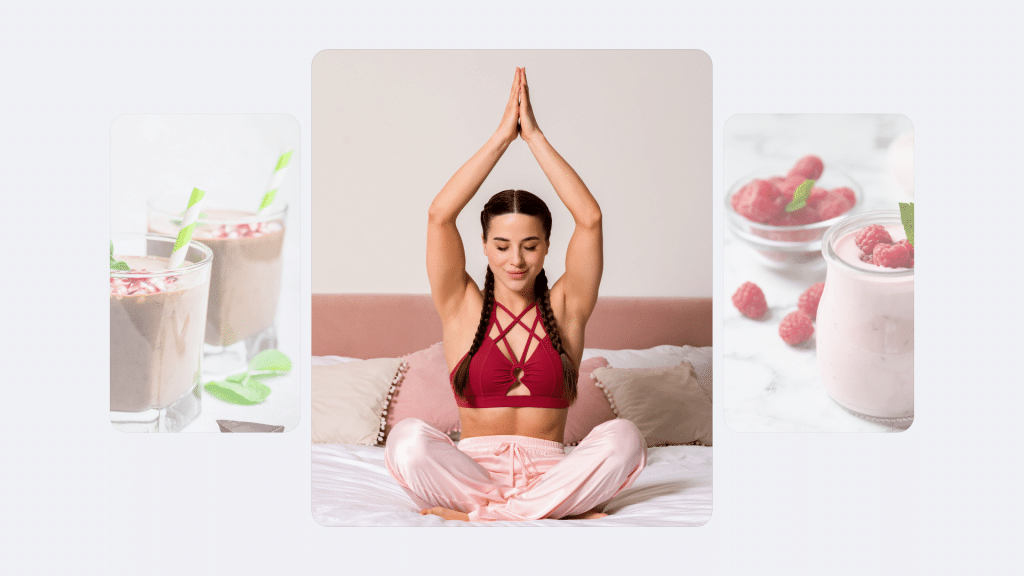
Leafy greens are extremely versatile foods that have a lot to offer. They are full of vitamins, minerals, and antioxidants (22). Salads are a great way to enjoy leafy greens, but they can also be added to soups, stews, or wraps. Throwing a handful of spinach or kale into a fruit smoothie is a popular way to boost your nutrient intake without altering the flavor too much.
11. Beans and Legumes
Beans are packed full of nutrients, dietary fiber, and plant-based protein (23). They are filling, nutritious options that you can enjoy stewed, baked, or mixed into a salad. If you are not used to eating a lot of beans, you may want to increase your intake slowly to give your digestive system time to adjust. Preparing dried beans at home allows you to control the amount of added sodium.
12. Probiotic-Rich Foods
Probiotic-rich foods can help promote a balanced gut environment (24). Fermented vegetables like sauerkraut or kimchi are excellent savory options to include with your meals. You can also explore certain drinks like kombucha, as long as you watch the sugar content. Fermented dairy products like yogurt or kefir are also great additions to your eating window.
BetterMe Well-Being Coach app helps you achieve your body goals with ease and efficiency by helping to choose proper meal plans and effective workouts. Start using our app and you will see good results in a short time.
When Do You Stop Feeling Hungry During Fasting?
After 1–2 weeks of consistent intermittent fasting, many people report that hunger during the fasting window significantly reduces.
Most people report that the strongest hunger occurs in the first few days when first starting an intermittent fasting routine. Over time, the body adjusts its normal hunger cues to the new eating pattern. Many people find that staying well hydrated, keeping busy, and drinking herbal tea can help manage discomfort during the adjustment period. Some research suggests that your body’s natural rhythms will eventually adapt to your chosen schedule.
Every fasting experience is personal. Your dietary preferences, body composition, and activity level all influence how intermittent fasting feels for you. It’s advisable to speak with a healthcare provider before starting any fasting regimen.
The Bottom Line
Choosing the right intermittent fasting snacks can make your daily routine much more enjoyable and easy to maintain. During the fasting window, zero-calorie drinks like water, plain black coffee, and unsweetened tea are generally the best choices to keep you hydrated and comfortable. Once your eating window opens, prioritizing nutrient-dense snacks—such as nuts, berries, and vegetables—supports your overall approach and helps you meet your nutritional needs. Many people find that choosing the right snacks during their eating window makes their intermittent fasting routine more sustainable.
DISCLAIMER:
This article is intended for general informational purposes only and does not serve to address individual circumstances. It is not a substitute for professional advice or help and should not be relied on for making any kind of decision-making. Any action taken as a direct or indirect result of the information in this article is entirely at your own risk and is your sole responsibility.
BetterMe, its content staff, and its medical advisors accept no responsibility for inaccuracies, errors, misstatements, inconsistencies, or omissions and specifically disclaim any liability, loss or risk, personal, professional or otherwise, which may be incurred as a consequence, directly or indirectly, of the use and/or application of any content.
You should always seek the advice of your physician or other qualified health provider with any questions you may have regarding a medical condition or your specific situation. Never disregard professional medical advice or delay seeking it because of BetterMe content. If you suspect or think you may have a medical emergency, call your doctor.
SOURCES:
- Healthy Hydration and Your Kidneys (2024, kidney.org)
- Water: How much should you drink every day? (2026, mayoclinic.org)
- Caffeine Consumption Patterns, Health Impacts, and Media Influence: A Narrative Review (2025, pmc.ncbi.nlm.nih.gov)
- Coffee as a Source of Antioxidants and an Elixir of Youth (2026, mdpi.com)
- Caffeine content for coffee, tea, soda and more (2025, mayoclinic.org)
- Green Tea: Current Knowledge and Issues (2025, pmc.ncbi.nlm.nih.gov)
- Investigating the Effects of a High-fat Coffee Beverage Containing Medium-Chain Triglyceride Oil and Ghee on Cognitive Function and Measures of Satiety (2021, pmc.ncbi.nlm.nih.gov)
- Savoring the benefits of bone broth: Worth a taste? (2025, health.harvard.edu)
- The Effects of Vinegar/Acetic Acid Intake on Appetite Measures and Energy Consumption: A Systematic Literature Review (2022, pmc.ncbi.nlm.nih.gov)
- The Impact of Free Sugar on Human Health—A Narrative Review (2023, mdpi.com)
- A review on some properties of almond: ımpact of processing, fatty acids, polyphenols, nutrients, bioactive properties, and health aspects (2022, pmc.ncbi.nlm.nih.gov)
- Antioxidant and Anti-Inflammatory Properties of Walnut Constituents: Focus on Personalized Cancer Prevention and the Microbiome (2023, mdpi.com)
- Effect of omega-3 fatty acids on cardiovascular outcomes: A systematic review and meta-analysis (2021, pmc.ncbi.nlm.nih.gov)
- Beneficial Effects of Yoghurts and Probiotic Fermented Milks and Their Functional Food Potential (2022, mdpi.com)
- Exploring avocado consumption and health: a scoping review and evidence map (2025, frontiersin.org)
- Current Knowledge on the Preparation and Benefits of Cruciferous Vegetables as Relates to In Vitro, In Vivo, and Clinical Models of Inflammatory Bowel Disease (2024, pmc.ncbi.nlm.nih.gov)
- Review of Functional and Pharmacological Activities of Berries (2021, mdpi.com)
- Nutritional Aspects of Eggs for a Healthy and Sustainable Consumption: A Narrative Review (2025, pmc.ncbi.nlm.nih.gov)
- 7 Health Benefits of Popcorn (2025, health.clevelandclinic.org)
- A Comprehensive Study on the Nutritional Profile and Shelf Life of a Custom-Formulated Protein Bar Versus a Market-Standard Product (2025, pmc.ncbi.nlm.nih.gov)
- Health benefits of fish and fish by-products—a nutritional and functional perspective (2025, frontiersin.org)
- Green Leafy Vegetables (GLVs) as Nutritional and Preventive Agents Supporting Metabolism (2025, mdpi.com)
- The Benefits of Beans and Legumes (2023, heart.org)
- Plant-based probiotic foods: current state and future trends (2024, pmc.ncbi.nlm.nih.gov)

 Reviewed by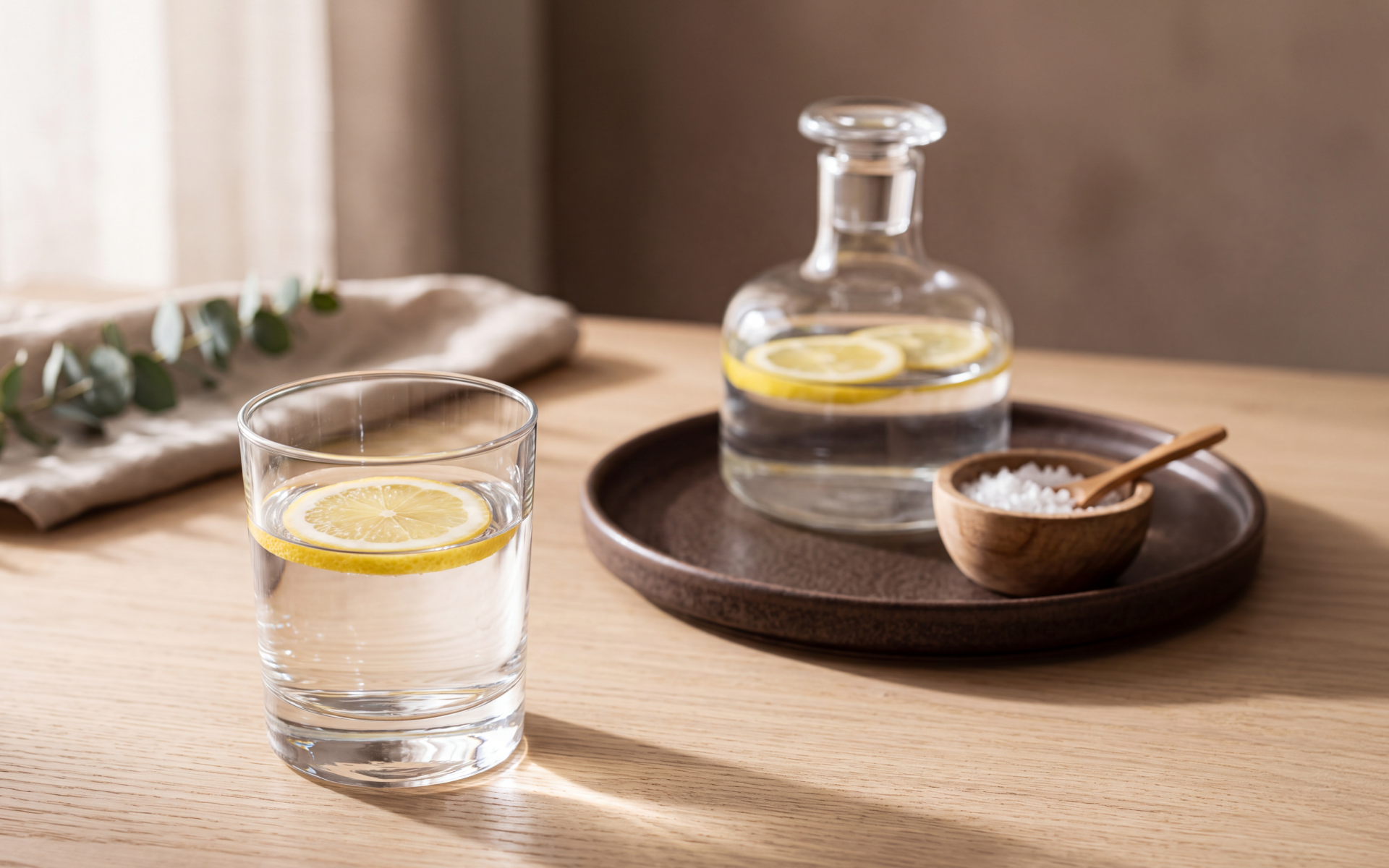
 By
By 
 By
By 
 Reviewed by