The thigh muscles play a crucial role in your body’s movement and stability, powering actions like:
- Walking
- Running
- Squatting
- While supporting your hips and knees
Thigh muscles include the following:
- Quadriceps
- Hamstrings
- Adductors
The thigh muscles are key to maintaining balance, posture, and flexibility (1).
Pilates is an excellent way to strengthen and stretch these vital muscle groups, enhancing mobility and reducing stiffness (2).
Exercises like the Thigh Stretch target these areas for a deeper stretch, promoting muscular endurance and increasing range of motion.
This guide will walk you through the steps to perform thigh stretch exercises appropriately.
We’ll also share other moves that complement the Thigh Stretch in your Pilates routine.
What Is Thigh Stretch Exercise In Pilates?
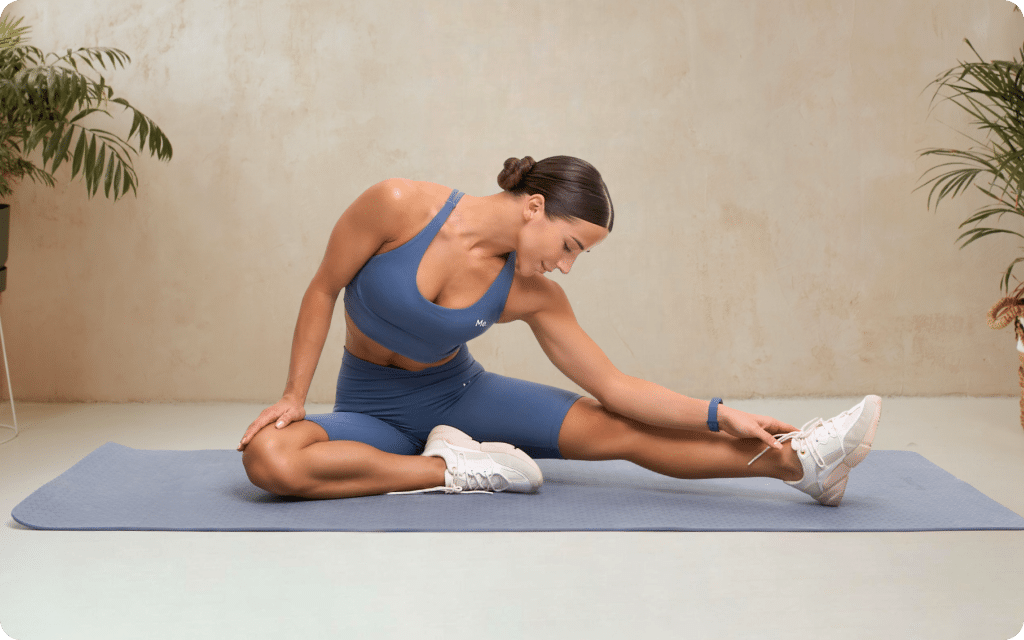
The Thigh Stretch is a staple Pilates exercise designed to lengthen the front of the thighs while simultaneously engaging the core for stability.
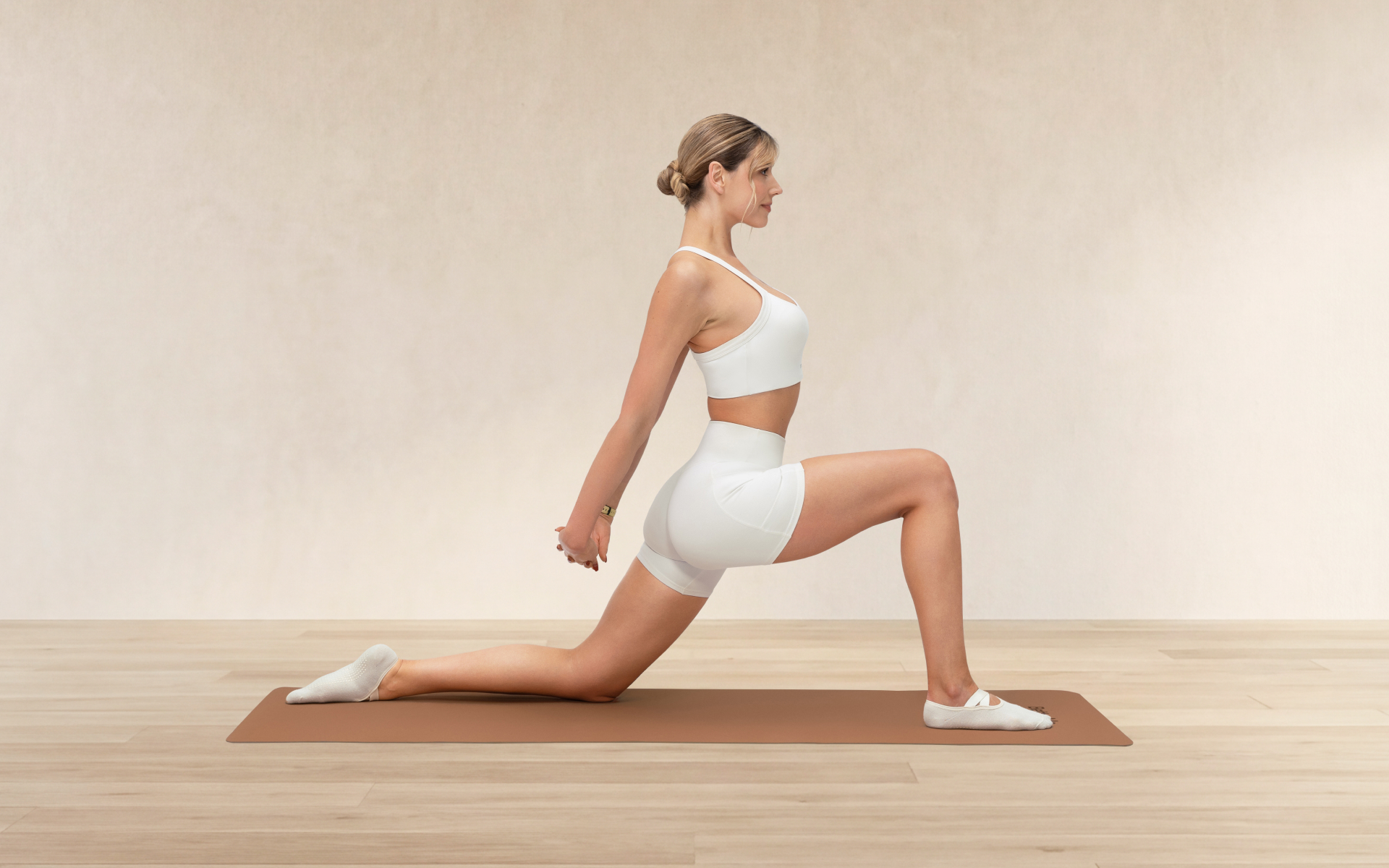
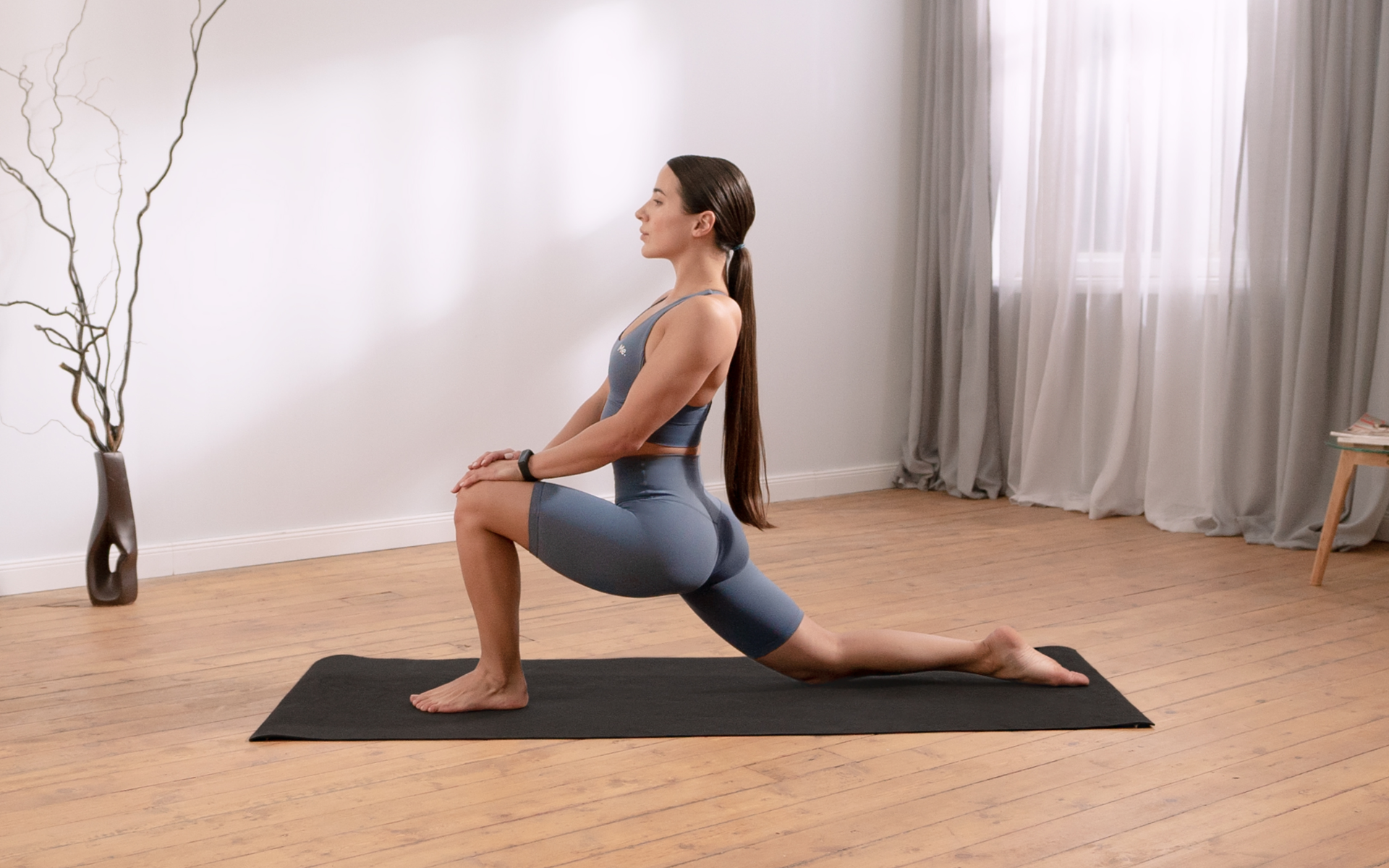
It focuses on stretching the quadriceps (the muscles on the front of the thigh) and hip flexors, often tight due to prolonged sitting or repetitive use.
Purpose Of The Thigh Stretch
The primary goal of the Thigh Stretch is to improve flexibility in the thighs and hips while building strength and control in the core. It emphasizes proper posture and alignment, helping you create length through the body.
This exercise also encourages better balance and coordination by challenging your body’s ability to stabilize kneeling.
Muscles Targeted
- Quadriceps (front of the thigh): Primary muscle group stretched during the exercise. Some refer to the exercise as “front thigh stretch Pilates.”
- Hip Flexors (psoas major and iliacus, commonly called the “iliopsoas”): Released and lengthened to promote better hip mobility.
- Core Muscles (abdominals and obliques): Engaged to provide stability and control.
- Spinal Extensors (muscles along the back): Activated to maintain an upright posture.
Read more: How to Combine Pilates and Cardio for an Effective Cross-Training Routine
Why Is Thigh Stretch Important For Your Workout Routine?
- It lengthens the Quadriceps and Hip Flexors, helping to release tightness and improve muscle flexibility, which is crucial for mobility and posture (3).
- Enhances Core Stability: Engaging the core prevents strain on the lower back, ensuring safe execution of the movement (4).
- Improves Posture and Balance: The upright alignment strengthens your back and encourages a taller, more stable posture (5).
- Prepares for Dynamic Movements: The thigh stretch increases thigh flexibility and mobility, supporting a broader range of motion for activities like running, jumping, or dancing (3).
These 5 flexibility exercises can help boost your daily range of motion, improve balance, and keep you feeling more agile.
Reasons why BetterMe is a safe bet: a wide range of calorie-blasting workouts, finger-licking recipes, 24/7 support, challenges that’ll keep you on your best game, and that just scratches the surface! Start using our app and watch the magic happen.
How To Do Pilates Thigh Stretch In A Safe Way
Wondering what is a safe way to do a thigh stretch pilates exercise is an excellent question.
You can stretch your thighs on a mat, which requires a comfortable surface, or on a Cadillac machine, which offers more resistance.
Here are the step-by-step instructions for both thigh stretch versions:
How To Perform Thigh Stretch On The Mat
- Starting Position: Kneel on the mat with your knees hip-width apart.
Keep your torso upright, shoulders relaxed, and arms extended forward or crossed over your chest.
- Engage the Core: Pull your navel toward your spine to activate your core and maintain a neutral pelvis.
- Movement: Slowly lean back from the knees, keeping your body in a straight line from head to knees. Avoid arching your back or collapsing your chest.
- Stretch and Return: Go as far back as possible while maintaining control, feeling a stretch in your thighs. Then, use your core and thighs to return to the starting position.
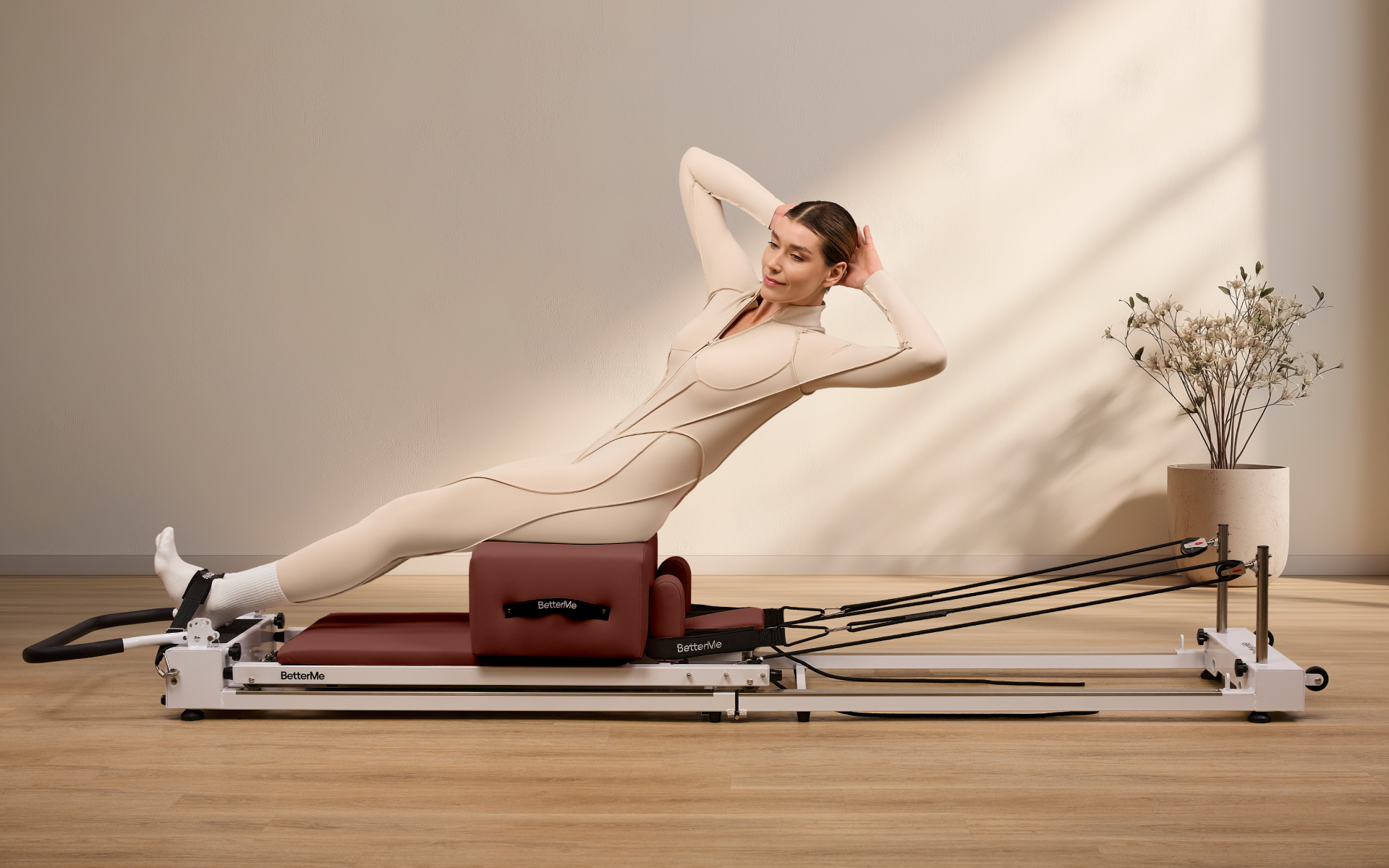
How To Perform The Thigh Stretch On The Cadillac
Set-Up:
- Attach the roll-down bar to the Cadillac springs at a height appropriate for your body size and range of motion.
- Kneel on the Cadillac platform, keeping your knees hip-width apart.
Place a padded cushion under your knees to avoid discomfort.
- Hold the roll-down bar with your palms facing downward and arms extended forward.
- Keep the bar at a comfortable height aligned with your shoulders.
Starting Position:
- Establish a neutral spine and pelvis. Your torso should form a straight line from the crown of your head to your knees.
- Gently activate your transverse abdominis by pulling your navel toward your spine. Engage your pelvic floor for added stability.
- Relax your shoulders away from your ears and maintain a soft bend in your elbows.
Hinge Motion:
- On an inhale, lean your entire body back, hinging at the knees. Keep the torso and hips in alignment throughout the movement.
- Avoid creating flexion or extension in the spine—your body should remain one solid unit from knees to head.
- Push the roll-down bar gently, but stop as soon as your body forms a straight line and your thighs begin to stretch.
- Ensure you feel the stretch primarily in the quadriceps and hips, not your lower back or knees.
Engage Muscles:
- On the exhale, press into the bar slightly while engaging your glutes, hamstrings, and core to stabilize the movement.
- Avoid locking your elbows or using your arms solely to control the motion.
- Maintain support through the obliques and spinal extensors.
Return to Starting Position:
- Slowly hinge back to the starting upright position with control. Use your core and leg muscles to perform the movement rather than relying on momentum.
Key Safety And Form Points
Maintain Alignment
Maintain a straight line from your head to your knees throughout the movement.
Avoid arching the lower back, which can stress the lumbar spine.
Keep the pelvis neutral to protect your lower back and hips.
Controlled Range Of Motion
Do not lean back further than your body’s flexibility allows. Pushing too far may strain the knees or overstretch the hip flexors.
Engage Supporting Muscles
Activate the transverse abdominis and pelvic floor to stabilize the torso and reduce pressure on the lower back.
Utilize the glutes and hamstrings to control the hinge movement.
Avoid Knee Pressure
Ensure the stretch you feel the stretch in the quadriceps and hips, not directly on the kneecaps. To minimize discomfort, use cushioning under your knees.
Individuals with these ailments should avoid thigh stretches unless cleared by a professional:
- Knee injuries
- Replacements
- Mobility restrictions
Mind Your Spine
Do not allow hyperextension in the lumbar or cervical spine. To prevent strain, keep the movement initiated from the thoracic area.
Listen To Your Body
If you feel pressure or pain in the knees, hips, or lower back, stop immediately and reassess your form. Feedback from a trained instructor can ensure proper technique.
What Happens When You Stretch Your Thighs?
When you stretch your thighs, a series of fascinating physiological processes occur within your body. These processes improve mobility, relieve tension, and promote recovery.
1. Lengthening Muscle Fibers
When you stretch, you gradually elongate the muscle fibers in your thighs, such as the quadriceps and hip flexors.
Inside each muscle are tiny structural units called sarcomeres, which contain overlapping filaments that slide apart as the muscle lengthens.
This temporary extension helps reduce tightness and increases the muscle’s range of motion over time (3). As you repeat stretches, muscle fibers and connective tissues adapt, becoming more flexible and less prone to stiffness during movement.
2. Activation Of Muscle Spindles And Golgi Tendon Organs
Your muscles contain sensory receptors called muscle spindles and Golgi tendon organs, which act like your body’s movement monitors. Muscle spindles detect the initial stretch and may trigger a reflex contraction to prevent overstretching (4).
However, as you hold a stretch, the Golgi tendon organs kick in and signal your muscles to relax. This process, known as autogenic inhibition (5), is why holding a stretch feels more effective over time—your muscles become more willing to elongate without resistance.
3. Improved Blood Flow
Stretching increases circulation to the muscles in your thighs by dilating the blood vessels. This enhanced blood flow delivers crucial oxygen and nutrients to the muscle tissues while removing waste products like lactic acid that can build up from exercise or prolonged inactivity.
This process helps the muscles:
- Relax
- Recover
- Reduces soreness (6)
4. Release Of Stored Tension
Thigh muscles, such as the quadriceps and hip flexors, often become tight after sitting for long periods or engaging in repetitive movements.
Stretching creates gentle tension within the muscle fibers and surrounding fascia, which helps release areas of stiffness or immobility (3, 7). This release brings an almost immediate feeling of relief and enhanced comfort.
5. Impact On The Nervous System
Stretching activates the parasympathetic nervous system, your body’s “rest and digest” mode. As you stretch and relax, signals from the brain tell your body to slow the heart rate and reduce stress hormone levels (8).
This response helps create calm and relaxation, making stretching beneficial for your muscles and mental state.
6. Enhancement Of Flexibility
Regular stretching trains your nervous system to tolerate longer muscle lengths without triggering contractions or tightness (9). This process, called neuromuscular adaptation, gradually improves your flexibility. By increasing the muscle’s elasticity and teaching your body to move within a more extensive range of motion, stretching supports better movement efficiency and reduces the risk of injury (10).
7. Promotes Recovery
Stretching is beneficial post-workout when muscles are warm and more pliable.
By relieving tightness in the thighs and improving circulation, stretching may reduce delayed-onset muscle soreness (DOMS) and accelerate recovery time.
It also realigns muscle fibers that may have become overstressed during exercise, helping to prepare them for future movement (11).
Why Does Stretching Thighs Feel Good?
Stretching your thighs feels so good because it hits the body and the mind in all the right ways.
Physically, stretching improves blood flow to tight areas like the quadriceps and hip flexors.
This boost in circulation delivers oxygen and nutrients to the muscles, helping them relax and reducing any feelings of stiffness or discomfort (6).
It’s like giving your thighs a deep breath of fresh air.
When you stretch, you also release tension from:
- Daily activities
- Sitting too long
- Exercising
The thighs support the body and hold onto strain without us even realizing it.
A good stretch helps “reset” these muscles, lengthening them, making them less tense, and preparing them for action (3).
On a deeper level, stretching activates your parasympathetic nervous system—the part that helps calm and relax you. It also promotes the release of feel-good hormones like endorphins, which can lift your mood and reduce stress. That’s why a thigh stretch doesn’t just feel good physically; it can also bring a wave of mental relaxation and clarity (8).
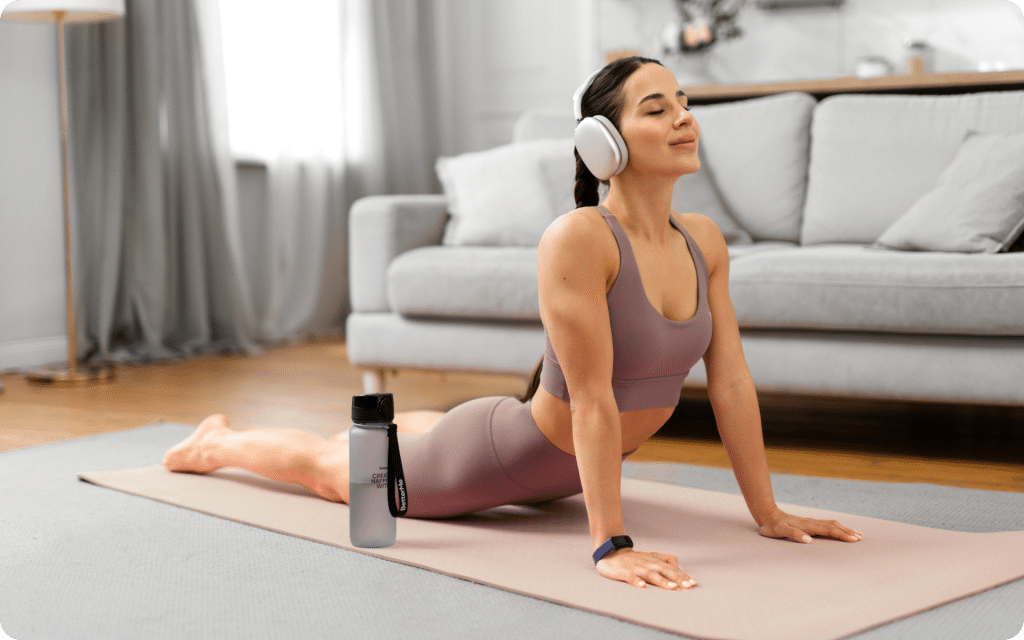
Stretching the thighs also enhances flexibility and range of motion, making everyday movements smoother and more effortless.
Whether bending down, taking the stairs, or powering through a workout, you’ll notice your body working more efficiently.
That satisfying stretch combines:
- Reduced tightness
- Improved flexibility
- Enhanced blood flow
- A dose of relaxation
- It’s no wonder it feels so great!
We discussed some stretching exercises for seniors and their role in enhancing flexibility, preventing injuries, and promoting overall well-being.
Read more: At-Home Chair Pilates Workout Routines for Beginners
Does Stretching Burn Thigh Fat?
Stretching does not directly burn thigh fat. Fat loss primarily comes from creating and maintaining a calorie deficit, which means burning more calories than you consume.
Activities like cardio exercises (such as running, cycling, or swimming) and strength training are much more effective for burning calories and reducing overall body fat, including thigh fat.
That said, stretching plays a valuable role in any fitness routine.
While thigh stretches won’t burn a significant number of calories, they can:
- Improve blood circulation and promote muscle recovery after workouts.
- After stretching your thighs, you’ll feel less sore and more prepared to stay consistent with higher-intensity fat-burning activities (11).
- Increase flexibility
- Lengthens tight muscles
- Enhances your range of motion
- Boosts your performance during exercise (3)
BetterMe: Health Coaching app helps you achieve your body goals with ease and efficiency by helping to choose proper meal plans and effective workouts. Start using our app and you will see good results in a short time.
Combine these 3 things to burn thigh fat:
- Strength training
- Regular stretching with cardio
- A healthy, balanced diet
For more details about wall Pilates scissors, take a look at our prior publication.
Does Stretching Change Your Body?
Stretching can create positive changes in your body, though these changes are primarily functional rather than dramatic shifts in shape or body composition.
What stretching can do goes beyond visible improvements, targeting flexibility, muscle function, and joint health.
Here’s a closer look at the research on thigh stretch pilates benefits:
1. Improves Flexibility
Regular stretching increases the length and elasticity of muscles and connective tissues, enhancing flexibility over time (12).
Increased flexibility gives you a fuller range of motion, improving functional capabilities and reducing the risk of injury. Studies have shown that consistent dynamic and static stretching can positively impact hamstring flexibility and other muscle groups.
2. Supports Better Posture
Stretching helps to realign imbalances caused by tight or shortened muscles.
For instance, if your chest muscles are tight from hunching over a desk, gentle stretching can counteract that tension and foster an upright posture (13).
Proper posture looks better and reduces strain on your spine and surrounding structures.
3. Aids Muscle Recovery
Stretching improves circulation and plays a crucial role in muscle recovery.
Studies suggest that post-exercise stretching can reduce delayed-onset muscle soreness (DOMS) and aid in muscle repair by delivering nutrients and oxygen to damaged fibers efficiently (11). While not a replacement for active recovery, stretching supports faster healing and readiness for subsequent workouts.
4. Enhances Joint Health And Mobility
Stretching preserves or improves the full range of motion in joints, reducing stiffness and promoting long-term joint health (14). These joint mobility benefits are essential for aging adults or people with sedentary lifestyles, where mobility losses are shared.
Stretching alleviates tightness in surrounding muscles and tissues, making it easier for joints to function.
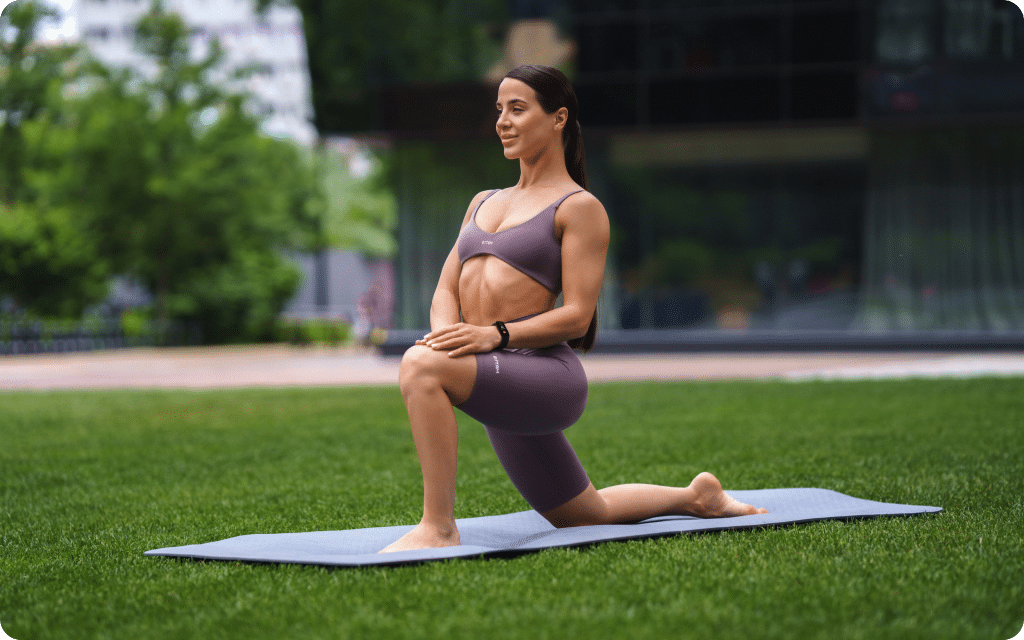
You can stretch before and after Pilates, but the purpose varies. Stretching before Pilates is a warm-up that loosens tight muscles and improves mobility. Stretching after Pilates helps cool down the body, enhances flexibility, and aids muscle recovery. It’s healthy and normal for thighs to touch. Thigh shape and size largely depend on genetics, body composition, and muscle structure, so having thighs that touch is natural for many people and does not indicate health issues. Stretching alone does not make you slimmer because it does not burn enough calories to reduce body fat. However, it supports weight loss and overall fitness by improving flexibility, reducing muscle stiffness, and enhancing performance in calorie-burning exercises. Daily leg stretching can improve flexibility, reduce muscle tension, enhance blood circulation, and alleviate stiffness. Over time, it can improve mobility, posture, and muscle function, making your body feel more balanced and agile.Frequently Asked Questions
Should I stretch before or after Pilates?
Is it healthy for thighs to touch?
Can stretching make you slimmer?
What happens if you stretch your legs every day?
The Bottom Line
Stretching does not radically change body composition like intense cardio or strength training, focusing on fat burning and muscle growth. However, it plays a valuable role in overall health by enhancing flexibility, posture, recovery, and mobility.
Over time, these improvements can leave you feeling—and even looking—more balanced, agile, and aligned. For best results, incorporate stretching consistently alongside other fitness activities for a comprehensive approach to body wellness.
DISCLAIMER:
This article is intended for general informational purposes only and does not serve to address individual circumstances. It is not a substitute for professional advice or help and should not be relied on for making any kind of decision-making. Any action taken as a direct or indirect result of the information in this article is entirely at your own risk and is your sole responsibility.
BetterMe, its content staff, and its medical advisors accept no responsibility for inaccuracies, errors, misstatements, inconsistencies, or omissions and specifically disclaim any liability, loss or risk, personal, professional or otherwise, which may be incurred as a consequence, directly or indirectly, of the use and/or application of any content.
You should always seek the advice of your physician or other qualified health provider with any questions you may have regarding a medical condition or your specific situation. Never disregard professional medical advice or delay seeking it because of BetterMe content. If you suspect or think you may have a medical emergency, call your doctor.
SOURCES:
- Anatomy, Bony Pelvis and Lower Limb: Thigh Quadriceps Muscle (2023, nih.gov)
- Pilates for improvement of muscle endurance, flexibility, balance, and posture (2010, nih.gov)
- The Influence of Stretching the Hip Flexor Muscles on Performance Parameters. A Systematic Review with Meta-Analysis (2021, mdpi.com)
- Acute and Chronic Adaptations of Muscle Proprioceptors in Response to Increased Use (2012, springer.com)
- Do Golgi tendon organs really inhibit muscle activity at high force levels to save muscles from injury, and adapt with strength training? (2022, nih.gov)
- Daily muscle stretching enhances blood flow, endothelial function, capillarity, vascular volume and connectivity in aged skeletal muscle (2018, nih.gov)
- Fascial or Muscle Stretching? A Narrative Review (2020, mdpi.com)
- The Impact of Stretching Intensities on Neural and Autonomic Responses: Implications for Relaxation (2023, mdpi.com)
- The relevance of stretch intensity and position—a systematic review (2015, frontiersin.org)
- Stretching and Injury Prevention (n.d., rmi.colostate.edu)
- The Effectiveness of Post-exercise Stretching in Short-Term and Delayed Recovery of Strength, Range of Motion and Delayed Onset Muscle Soreness: A Systematic Review and Meta-Analysis of Randomized Controlled Trials (2021, frontiersin.org)
- Improvements in Flexibility Depend on Stretching Duration (2023, nih.gov)
- Stretching: 9 Benefits (n.d., maine.gov)
- Does stretching induce lasting increases in joint ROM? A systematic review (2002, nih.gov)
 Reviewed by
 Reviewed by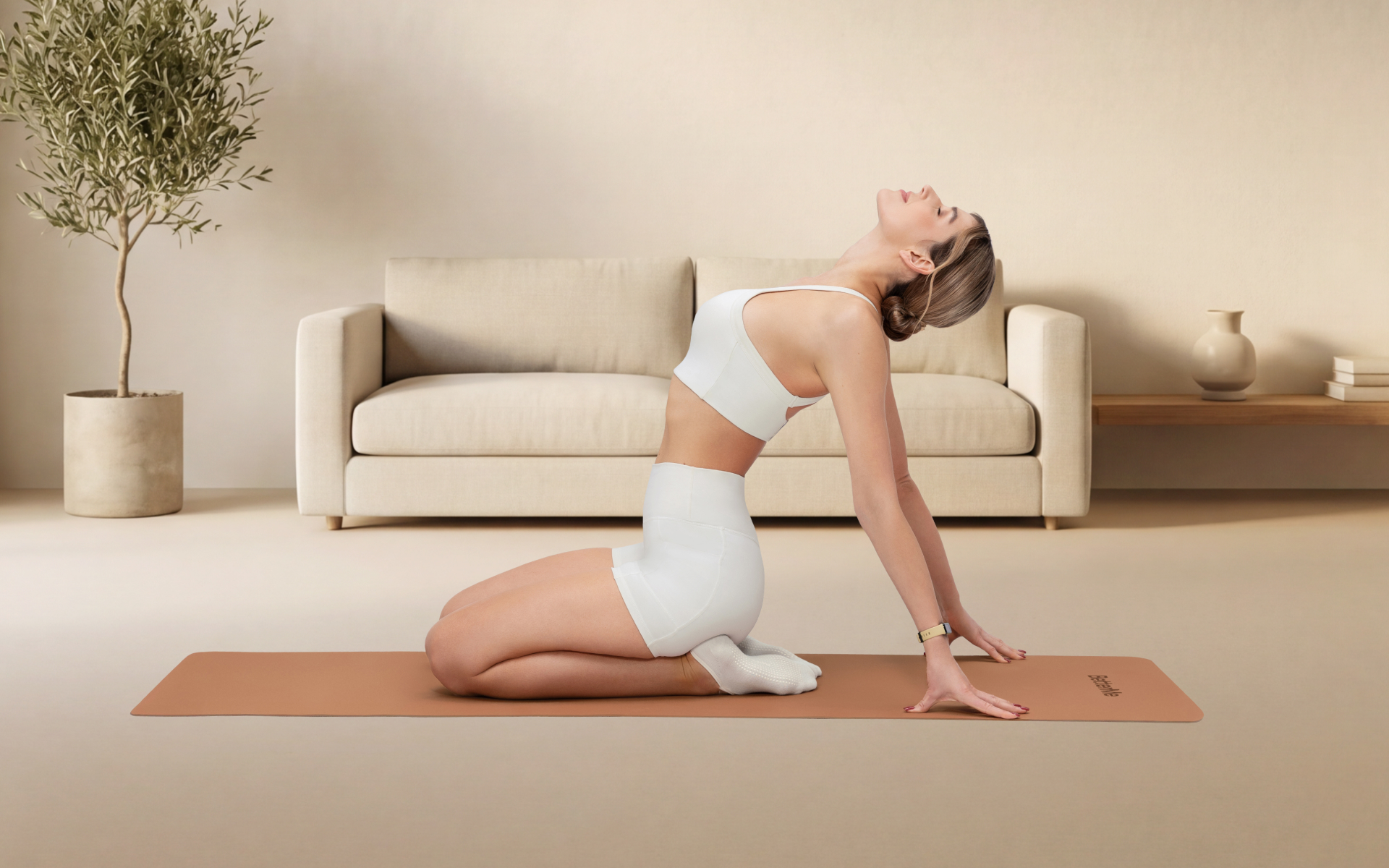
 Reviewed by