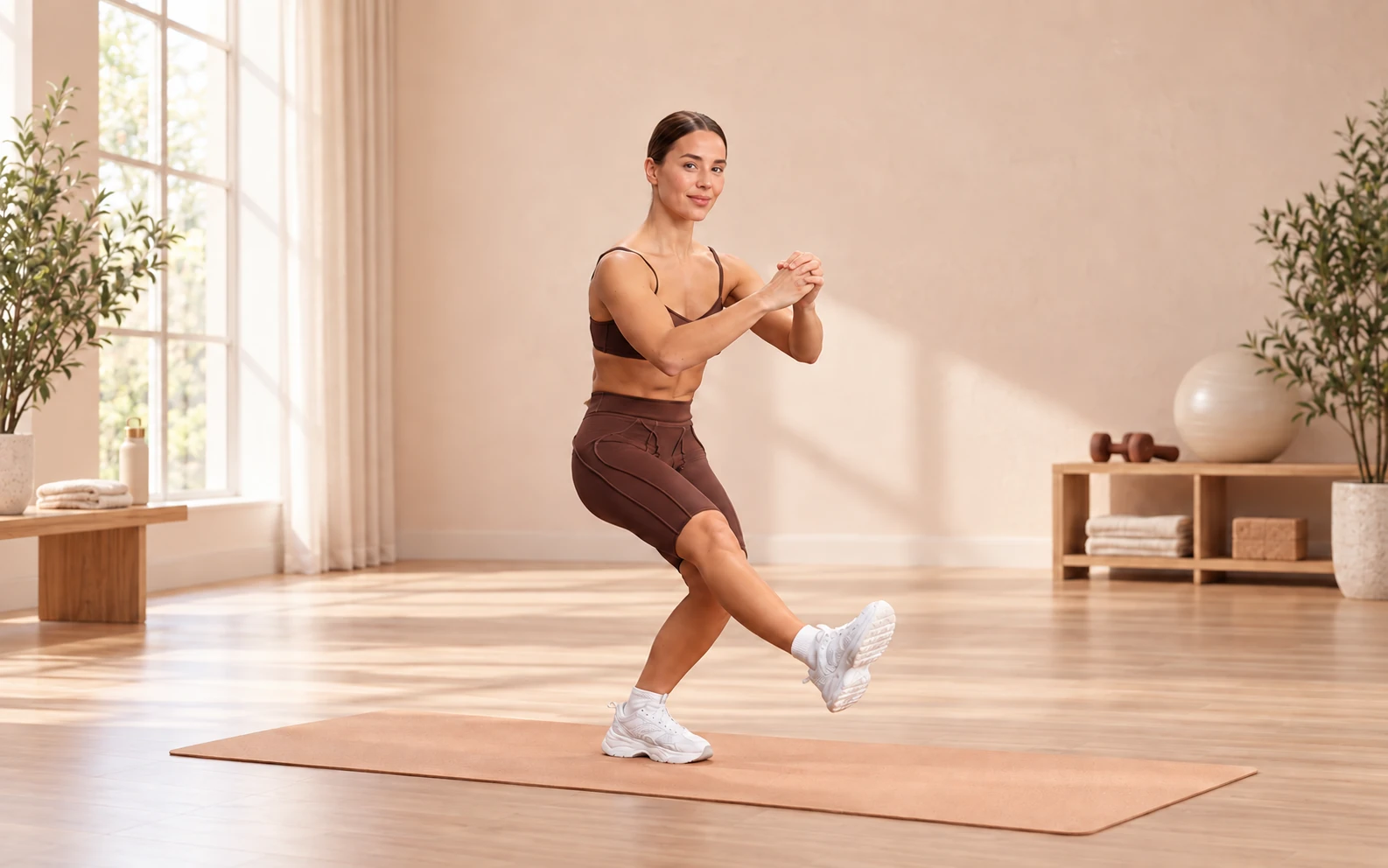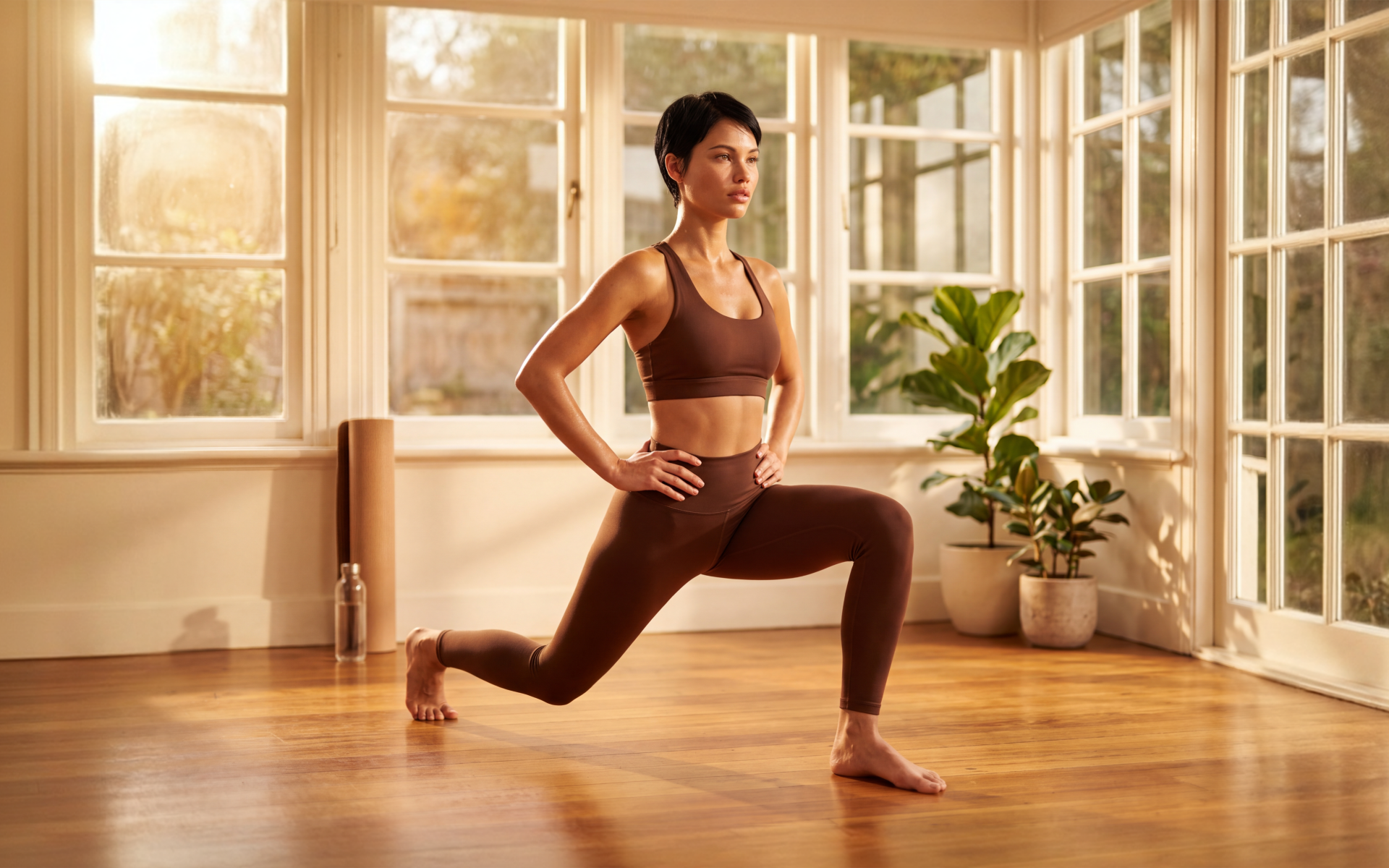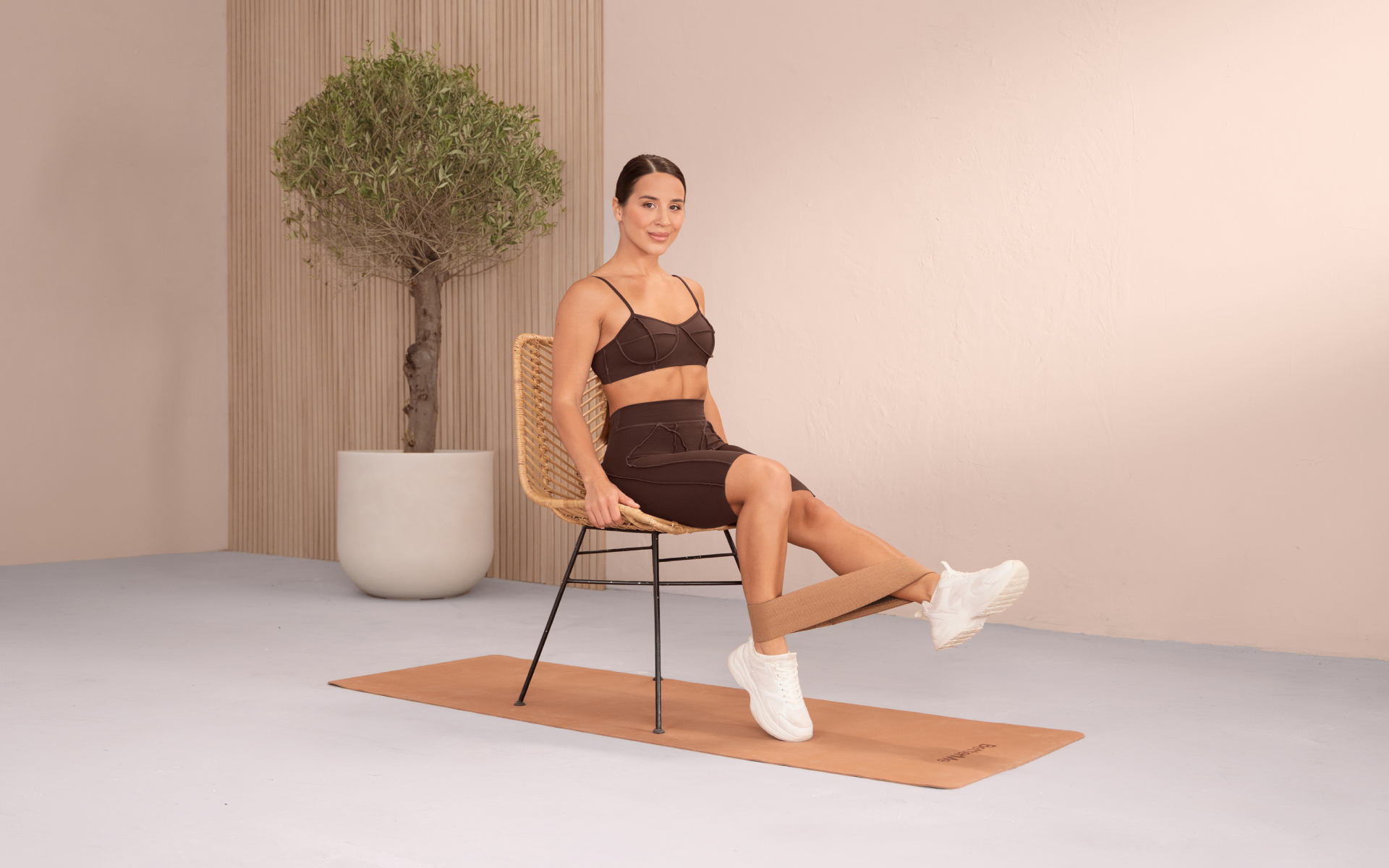
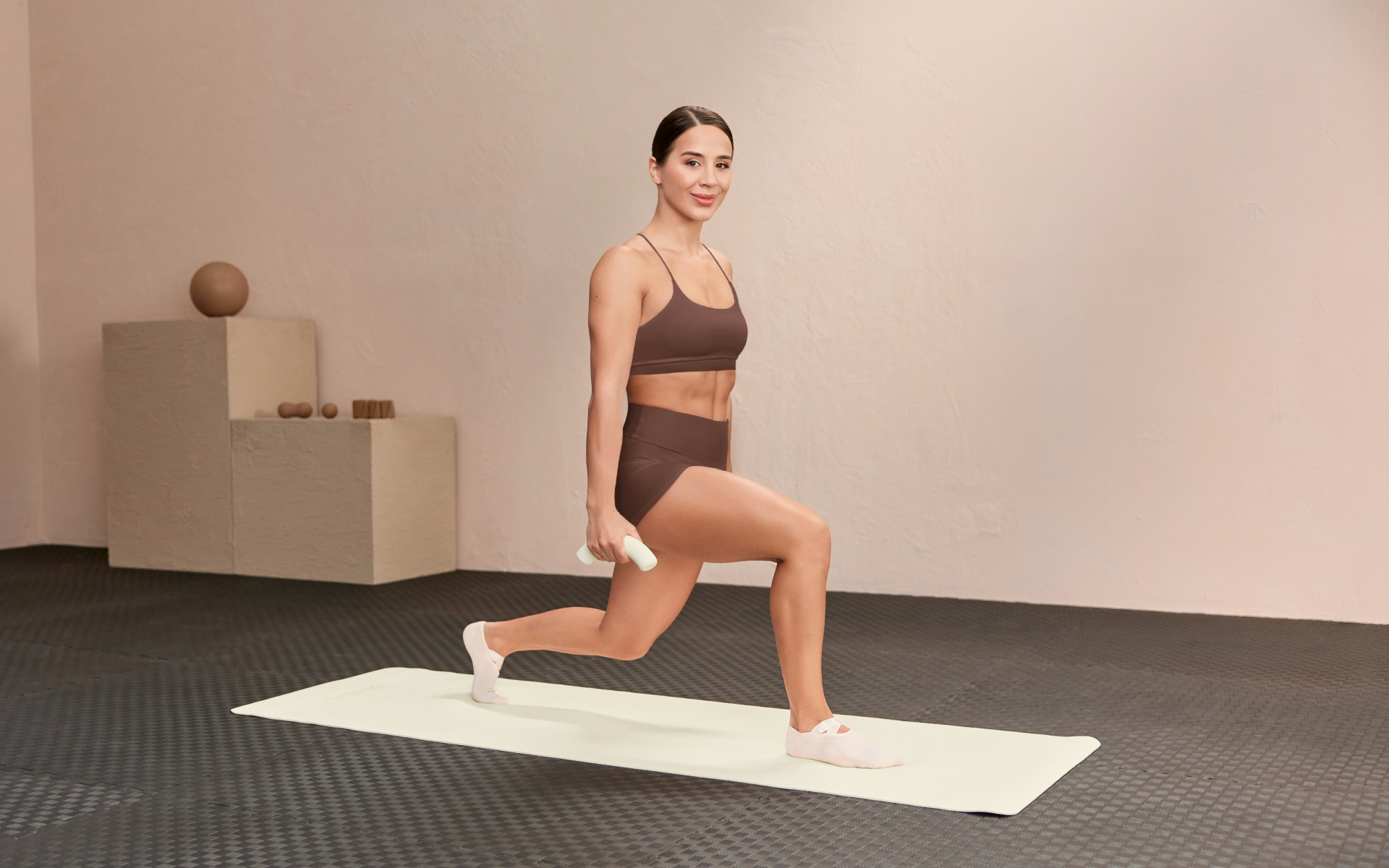
A superset leg workout is a training method where you perform two lower-body exercises back to back with minimal rest. This approach can help you complete your session faster while maintaining a high level of effort. It can be adapted to suit different fitness levels, equipment types, and overall goals. By pairing specific movements, you can challenge your muscles in new ways without spending hours in the gym.
Finding time to exercise can be challenging for many people. If you want to build strength but have a tight schedule, you may want to try something different. A superset leg workout can offer a practical way to fit movement into a busy day. Instead of waiting between every single exercise, you pair them up to keep things moving.
Whether you prefer going to the gym or exercising in your living room, this method can easily adapt to your needs. For example, a resistance bands leg workout can be incorporated into a superset routine when free weights or machines aren’t available. A superset leg workout at home can be just as engaging as a session with heavy gym equipment. Keep reading to learn how to structure your routine, which exercises to pair, and tips for making the most of your time.
What Is a Superset Leg Workout?
A superset leg workout involves performing two leg-focused exercises consecutively with little or no rest in between. You only take a full rest break after completing both exercises. This method is often used to make workouts more time-efficient. Similar principles are used in calisthenics supersets, where bodyweight exercises are paired together with minimal rest between movements.
Some research suggests that supersets may be time-efficient for some training goals while leading to similar strength gains compared to traditional sets (1). New research also suggests that “lengthened supersets”—training muscles in a stretched position—may boost hypertrophy (2).
The distinction between supersets and lengthened supersets lies in how the exercises are performed and the specific muscle mechanics involved.
Supersets
- Definition: Performing two different exercises back to back with little or no rest.
- Structure: Can target opposing muscle groups (e.g. biceps + triceps) or complementary ones (e.g. bench press + push-ups).
- Goal: Time efficiency, metabolic stress, and overall conditioning.
Lengthened Supersets
- Definition: A variation where, after completing a full set to failure, you immediately continue with partial reps in the stretched (lengthened) position of the muscle.
- Example:
- Calf raises: Do full range reps until failure, then continue with partial reps at the bottom stretch (heel lowered).
- Biceps curls: Full reps first, then partials at the bottom where the biceps are stretched.
- Goal: Push past momentary failure, keeping mechanical tension on the muscle in its most stretched state.
Both techniques are widely recognized as time-efficient, but research is still evolving on their long-term impact on strength and hypertrophy.
Intense sweat sessions, working weight loss tips, lip-smacking recipes come in one package with the BetterMe Well-Being Coach app—all at your fingertips, start transforming your life now!
Can I Build Muscle With Supersets?
Yes, you can build muscle using supersets if you maintain sufficient volume and intensity. Muscle growth, or hypertrophy, primarily relies on mechanical tension and progressive overload over time (3).
One review found that chronic gains in strength, endurance, and hypertrophy can be similar to traditional sets when total volume is matched (1). It’s worth noting that generalizability in some research is limited, as many studies involved mostly young, trained men. Individual outcomes vary depending on your nutrition, rest, and fitness level.
If your goal is to build size, a superset leg workout for mass can be a helpful strategy. In theory, grouping exercises that target similar muscle groups may push your sets closer to failure, which can support muscle-growth goals (4). In reality, this grouping can cause fatigue mid-session and affect the quality of your lifts.
What Supersets Are Good For
- Time Efficiency: Supersets cut workout time significantly by pairing exercises back-to-back with minimal rest. This makes them ideal for busy schedules (1).
- Body Composition: Studies show they can help increase lean muscle mass and reduce body fat, thanks to higher metabolic demand (5).
- Muscular Endurance and Conditioning: The reduced rest and elevated heart rate improve stamina and cardiovascular conditioning (6).
- Variety and Engagement: Pairing opposing muscle groups (e.g. biceps + triceps) or complementary ones (e.g. chest + shoulders) keeps training engaging.
- Hypertrophy Potential: Particularly when combined with “lengthened supersets”, they can support muscle growth due to stretch-mediated tension (2, 6). However, they don’t result in greater hypertrophy compared to traditional sets.
What Supersets Aren’t So Good For
- Maximal Strength Gains: Traditional sets with longer rest intervals outperform supersets for strength (7), particularly in pulling exercises such as rows and lat pulldowns.
- Performance in Later Sets: Supersets increase fatigue, which can reduce quality and load in subsequent exercises (6).
- Precision Training: For athletes who are focused on powerlifting or strength sports, supersets may compromise performance due to insufficient rest.
- Progressive Overload: As fatigue builds quickly, it’s harder to progressively increase load compared to traditional training.
How Do You Perform a Superset Leg Workout?
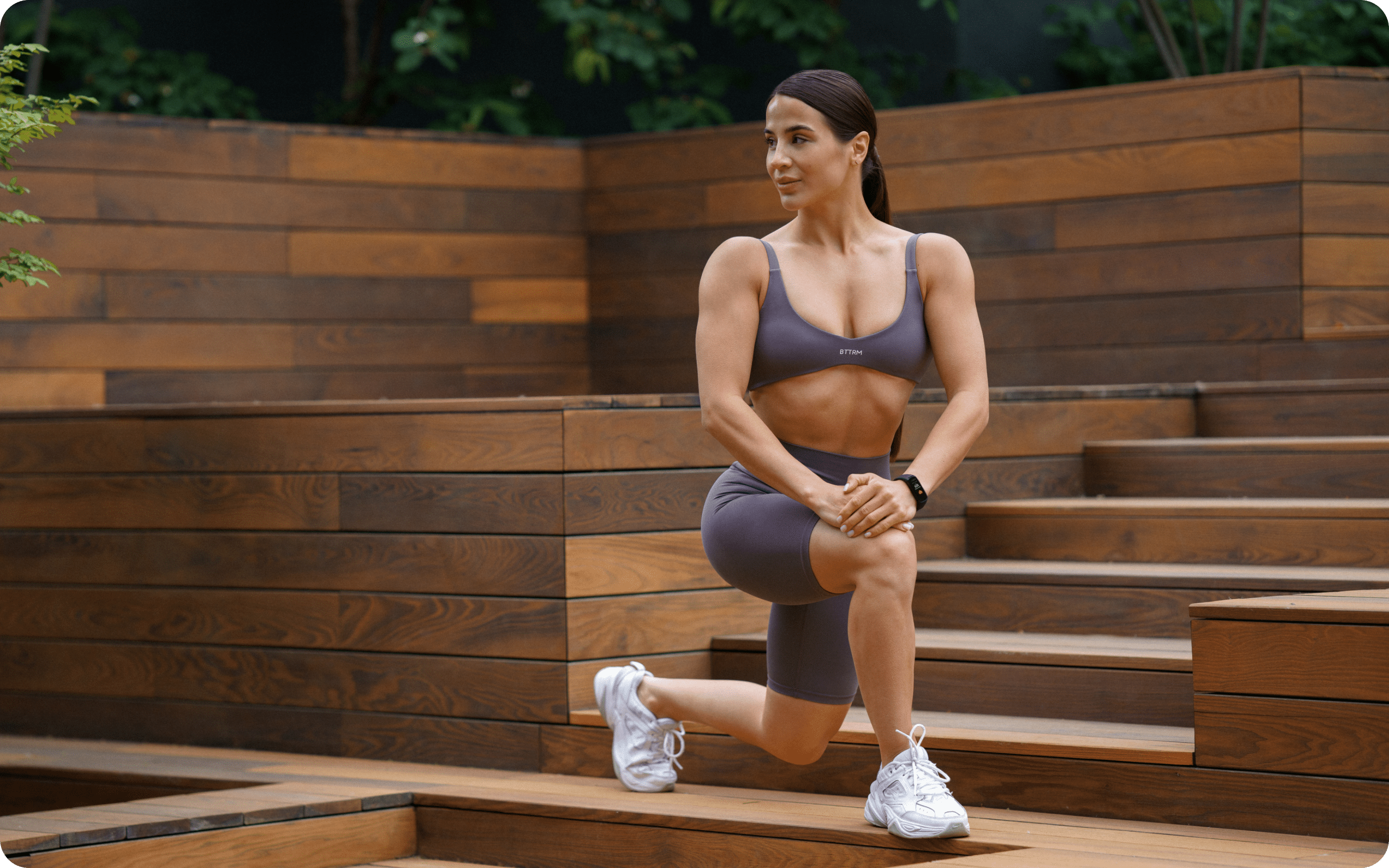
You perform a superset leg workout by choosing two exercises, completing a set of the first, and immediately moving to the second. Once both are done, you rest before repeating the pair.
When planning your pairs, you have a few options for how to structure them. Agonist-antagonist supersets pair opposing muscle groups, which may support maintaining training volume. Similar biomechanical supersets pair exercises that target the same muscles, which can push your limits further (6).
| Superset type | Description | Example pairing |
|---|---|---|
| Agonist-antagonist | Pairs opposing muscle groups to allow partial recovery | Squats and hamstring curls |
| Similar biomechanical | Pairs exercises that work the exact same muscle group | Leg press and lunges |
| Upper-lower | Pairs a leg exercise with an upper-body exercise | Deadlifts and push-ups |
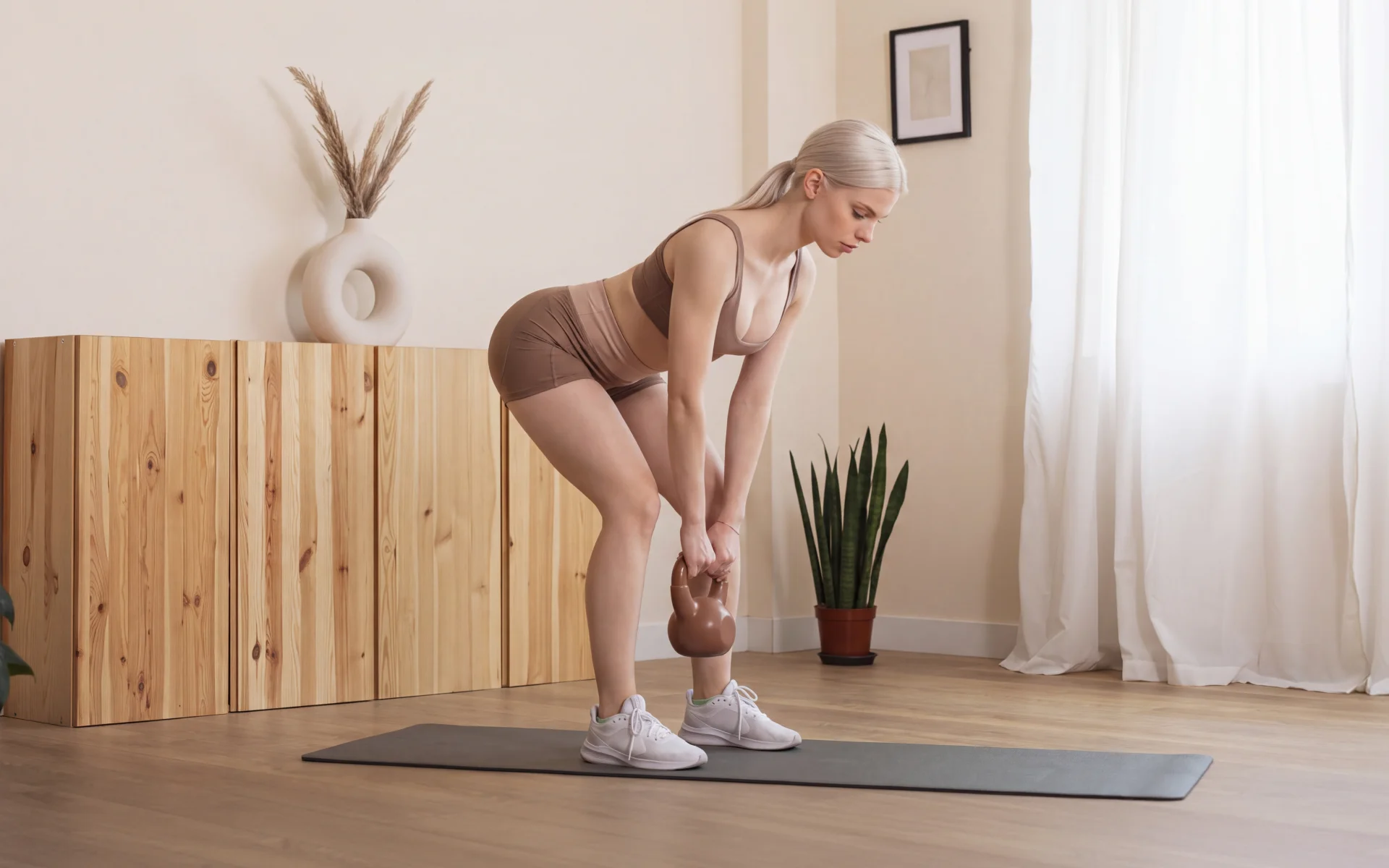
For those who are new to this training style, starting with manageable weights is often a good idea. A superset leg workout for beginners can focus on basic movement patterns to build coordination and confidence. A leg superset workout with dumbbells can be a great option for those who prefer free weights over machines. Many people use leg workouts with dumbbells because they are versatile, accessible, and easy to perform at home or in the gym.
Here’s a sample workout plan using common exercises:
| Superset pair | Exercise | Sets | Reps | Rest after pair |
|---|---|---|---|---|
| Pair 1 | 1A: goblet squat | 3 | 10-12 | 0 seconds |
| Pair 1 | 1B: glute bridge | 3 | 12-15 | 60-90 seconds |
| Pair 2 | 2A: reverse lunge | 3 | 10 per leg | 0 seconds |
| Pair 2 | 2B: calf raise | 3 | 15-20 | 60-90 seconds |
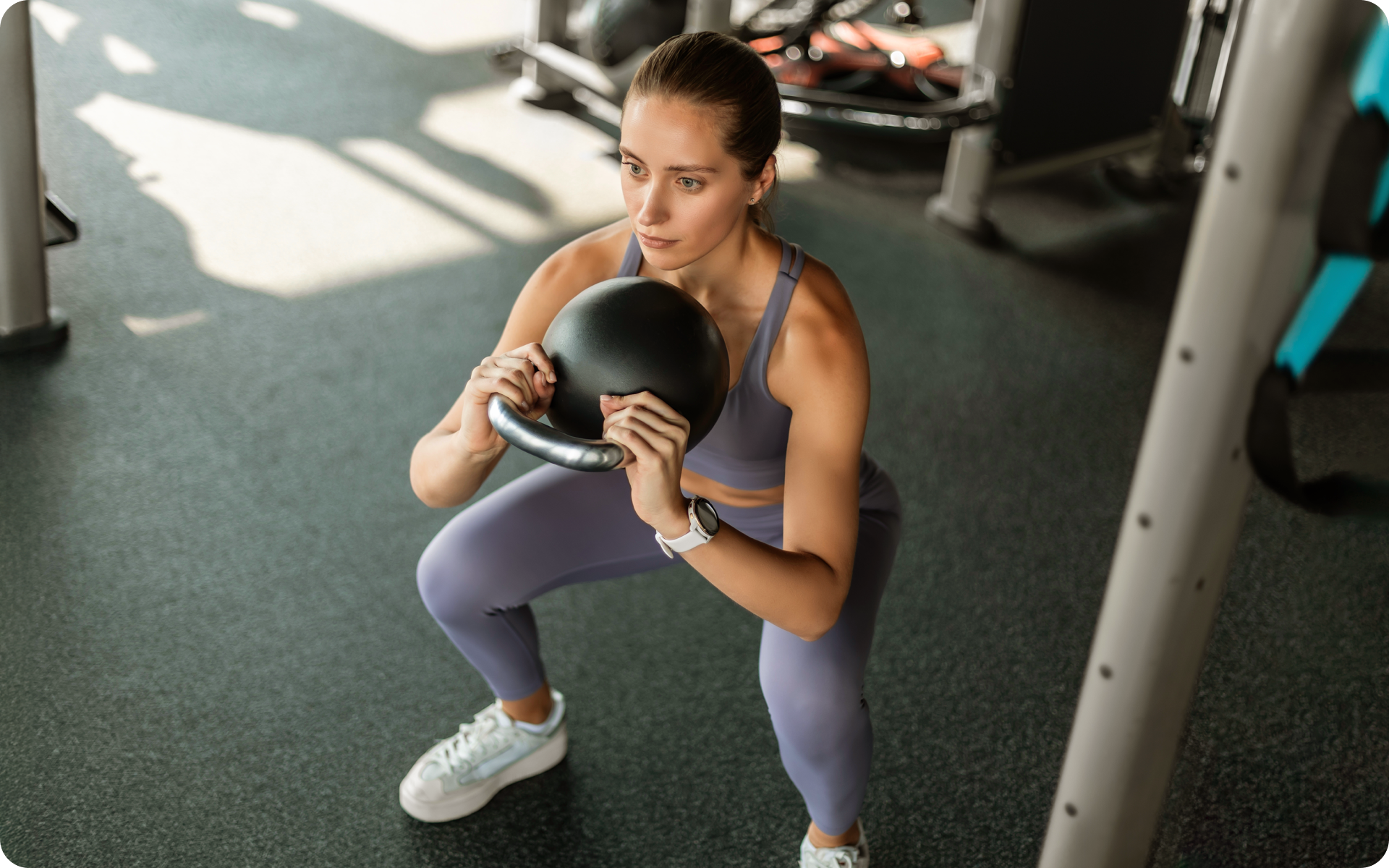
Goblet Squat
- Hold a single weight vertically against your chest with both hands.
- Stand with your feet shoulder-width apart and your toes pointing slightly outward.
- Lower your hips down and back as if sitting in a chair, keeping your chest up.
- Push through your feet to return to the starting standing position.
Glute Bridge
- Lie on your back with your knees bent and your feet flat on the floor.
- Keep your arms resting at your sides.
- Push through your heels to lift your hips toward the ceiling.
- Squeeze your glutes at the top, then slowly lower back down.
Reverse Lunge
- Stand tall with your feet together and your hands on your hips.
- Step one foot backward and lower your hips until both knees are bent at a 90-degree angle.
- Keep your front knee aligned over your front ankle.
- Push off your back foot to return to the starting position.
Calf Raise
- Stand with your feet hip-width apart on a flat surface or a slight elevation.
- Slowly raise your heels off the ground, pushing through the balls of your feet.
- Hold the top position briefly to feel the tension in your calves.
- Gently lower your heels back to the floor.
Read more: Standing Leg Exercises: 6 Moves for Lower-Body Strength
What Is an Explosive Superset Leg Workout?
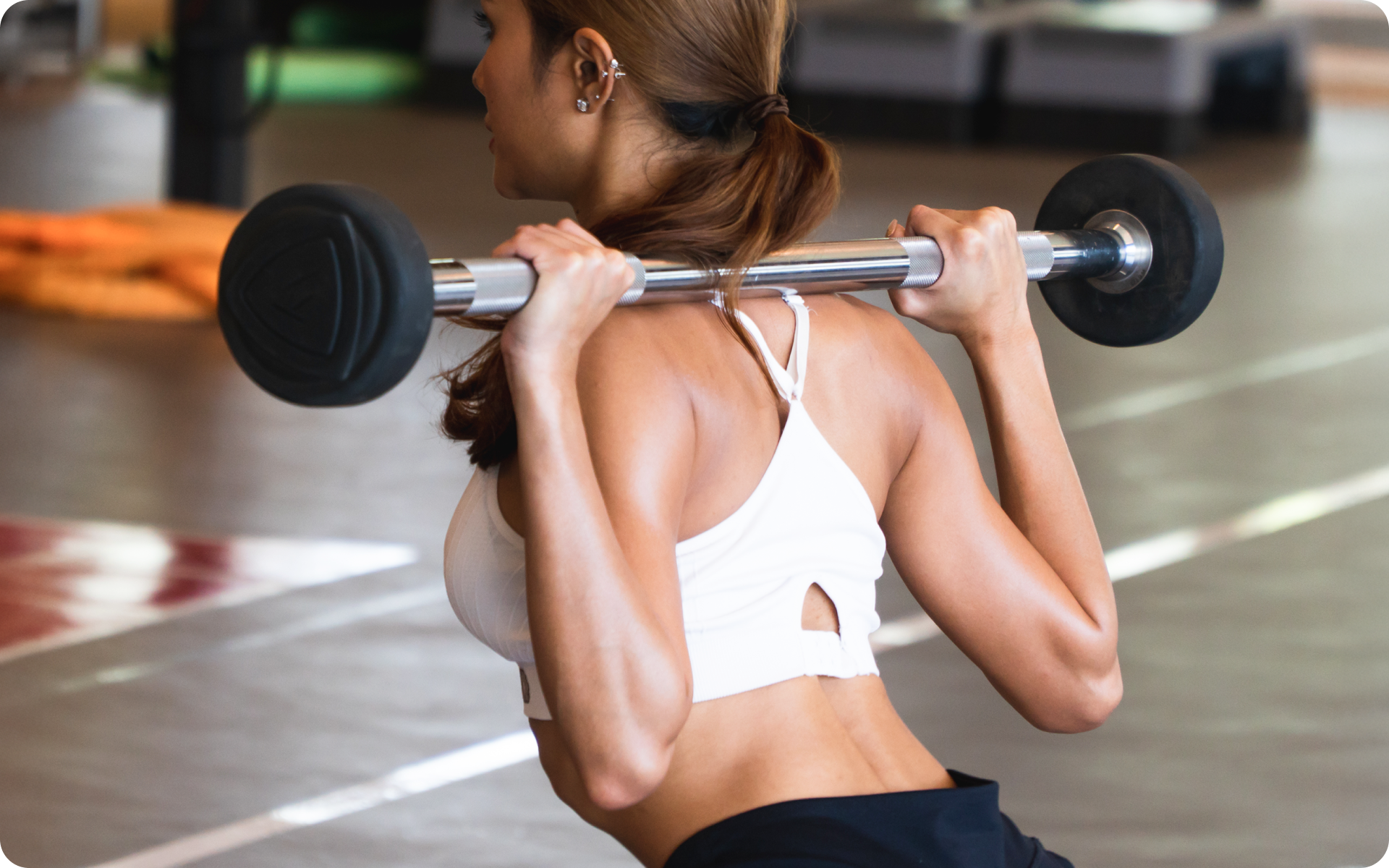
An explosive superset pairs a heavy strength exercise with a fast, power-based movement. This approach aims to recruit fast-twitch muscle fibers and can help build both strength and speed.
For example, you might pair a heavy barbell squat with a set of jump squats. As explosive movements require a lot of energy, they can lead to fatigue quite quickly. It’s often best to keep the repetitions lower for the explosive exercise to maintain good form.
Many people enjoy this style of training to add variety and intensity. A superset leg workout for female and male fitness enthusiasts might often incorporate explosive elements such as box jumps or broad jumps to keep routines engaging.
What Muscles Should You Not Train Together?
There are no strict rules regarding which muscles you cannot train together, but pairing two highly fatiguing exercises targeting the same area can be counterproductive. When muscles are too fatigued, your form may begin to suffer.
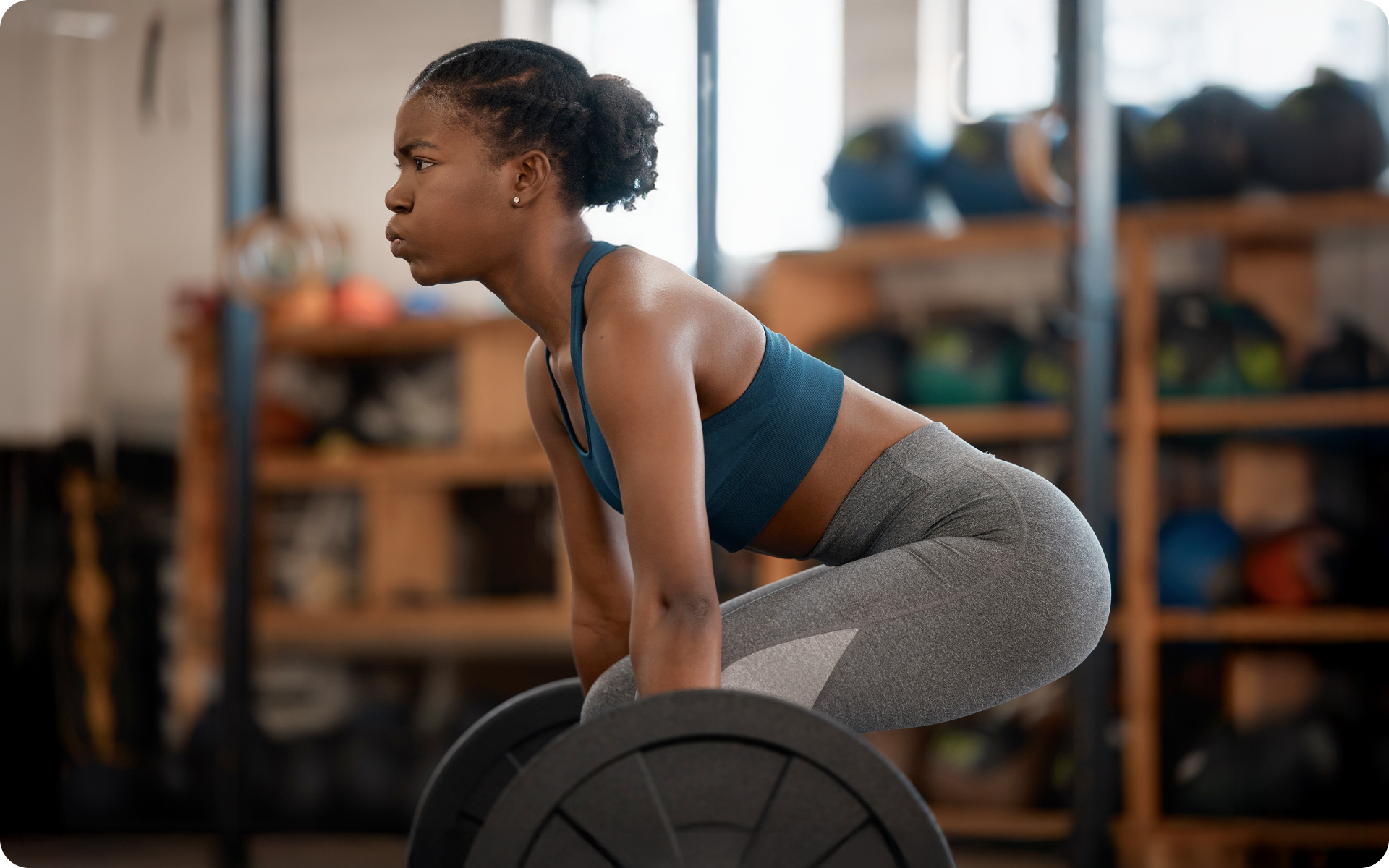
For example, pairing heavy squats with heavy deadlifts in a superset is often not recommended for most people, particularly beginners. Both require immense core stability and lower back engagement. It can be more practical to pair a heavy compound movement with a lighter isolation exercise instead.
Listening to your body is always the best guide. If a specific pairing causes extreme discomfort or makes it impossible to maintain proper technique, you should adjust the routine.
Here’s a helpful guide:
Muscle Group Pairings That Work Well
- Antagonist Pairings (Push vs. Pull):
- Example: Biceps curls + triceps pushdowns, bench press + rows.
- Benefit: While one muscle group works, the opposing group rests, so performance is preserved.
- Non-Competing Pairings (Different Regions):
- Example: Squats + shoulder press, deadlifts + chest fly.
- Benefit: Minimal overlap in fatigue, allowing efficient full-body training.
- Accessory + Compound:
- Example: Lateral raises + bench press.
- Benefit: Smaller muscles pre-fatigue or complement larger compound lifts.
Pairings That Are Less Effective
- Same Muscle Group Supersets (Agonist Supersets):
- Example: Bench press + push-ups, curls + hammer curls.
- Issue: Fatigue accumulates quickly, reducing load and quality in the second exercise.
- Best used for hypertrophy “burnout” sets, not strength.
- Heavy Compound + Heavy Compound (Same Region):
- Example: Squats + lunges, deadlifts + bent-over rows.
- Issue: Overlaps in stabilizers and prime movers can lead to form breakdown and injury risk.
- Grip-Dependent Pairings:
- Example: Pull-ups + barbell rows.
- Issue: Grip fatigue limits performance before target muscles are fully trained.
Whether you’re a workout beast or just a beginner making your first foray into the world of fitness and dieting – BetterMe has a lot to offer to both newbies and experts! Install the app and experience the versatility first-hand!
How Many Sets Should a Leg Workout Be?
The ideal number of sets for a leg workout depends on your fitness level and weekly schedule. Generally, aiming for 10 to 20 total sets per muscle group per week is a common guideline for muscle growth (8). A super set counts as 2 sets.
If you do two leg workouts a week, you might aim for 5 to 10 sets per muscle group in a single session. This allows for sufficient stimulation without overwhelming your ability to rest between sessions. Remember that volume, rest time, and intensity can all change your outcomes.
You can easily adjust your sets based on how your body feels that day. Using a superset leg workout with weights can help you accumulate this volume in a shorter amount of time.
How Long Should I Rest Between Each Superset?
You should generally rest for 60 to 120 seconds after completing both exercises in a superset pair. This duration allows your heart rate to come down and your muscles to partially recover (9).
If you are pairing two very demanding exercises, you might need a longer rest period, perhaps up to three minutes. Conversely, if you’re pairing lighter isolation exercises, a 60-second rest may be plenty. The goal is to rest just long enough that you can perform the next set with good form.
Skipping rest entirely can turn the workout into a cardiovascular session rather than a strength-focused one. It’s okay to take the time you need to catch your breath.
What Are Common Superset Workout Mistakes?
One common mistake is pairing two exercises that require the same piece of equipment, creating logistical issues in a busy gym. Another frequent error is rushing through the movements without paying attention to form.
People sometimes forget that supersets increase the overall energy demand of a workout. Starting with weights that are too heavy can lead to early burnout before the session is finished. It’s often better to start slightly lighter than you would for traditional sets.
Finally, neglecting rest periods between the actual superset rounds is a mistake. Taking adequate rest after completing the pair is what allows you to maintain effort across all your sets.
Read more: Cardio After Leg Day: Should You Do It?
Should You Superset Every Workout?
You don’t need to superset every single workout to see progress in your fitness journey. While supersets are excellent for saving time, traditional straight sets still hold significant value, particularly for maximal strength.
Using supersets for every session might increase systemic fatigue over time. Many people choose to mix their training styles, perhaps doing straight sets for their first heavy movement and supersets for their accessory work.
Variety can also keep your routine mentally engaging. Finding a balance that fits your schedule, energy levels, and personal preferences is usually the most sustainable approach.

Frequently Asked Questions
Do supersets build muscle faster?
Supersets can build muscle at a similar rate to traditional sets when the total training volume is the same (1). They are primarily a tool for saving time rather than a shortcut for faster muscle growth.
Can I superset squats and calf raises?
Yes, you can easily pair squats and calf raises. As squats target the thighs and glutes while calf raises target the lower leg, one muscle group can rest while the other works.
What should I pair with a leg press?
You can pair the leg press with an exercise that targets the hamstrings, such as a seated leg curl. This is an agonist-antagonist pairing that helps you work the entire upper leg efficiently.
What should I superset squats with?
Squats can be paired with hamstring exercises, calf movements, or even upper-body mobility drills. A popular choice is pairing them with a lying hamstring curl for balanced leg development.
What to superset front squats with?
Front squats pair well with posterior chain exercises such as Romanian deadlifts or glute bridges. This ensures you target both the front and back of your legs within the same training block.
The Bottom Line
Choosing to try a superset leg workout can bring a fresh challenge to your typical routine. It’s a practical choice for maximizing your time and maintaining an engaging pace. Start with familiar exercises, focus on your form, and enjoy the process of building strength in a new way.
DISCLAIMER:
This article is intended for general informational purposes only and does not serve to address individual circumstances. It is not a substitute for professional advice or help and should not be relied on for making any kind of decision-making. Any action taken as a direct or indirect result of the information in this article is entirely at your own risk and is your sole responsibility.
BetterMe, its content staff, and its medical advisors accept no responsibility for inaccuracies, errors, misstatements, inconsistencies, or omissions and specifically disclaim any liability, loss or risk, personal, professional or otherwise, which may be incurred as a consequence, directly or indirectly, of the use and/or application of any content.
You should always seek the advice of your physician or other qualified health provider with any questions you may have regarding a medical condition or your specific situation. Never disregard professional medical advice or delay seeking it because of BetterMe content. If you suspect or think you may have a medical emergency, call your doctor.
SOURCES:
- Less time, same gains: Comparison of superset vs. traditional set training on muscular adaptations (2026, sciencedirect.com)
- Advanced Resistance Training Strategies for Bodybuilding: Tools for Muscle Hypertrophy (2025, researchgate.net)
- Load-induced human skeletal muscle hypertrophy: Mechanisms, myths, and misconceptions (2026, sciencedirect.com)
- Intensity of effort and momentary failure in resistance training: Are we asking a binary question for a continuous variable? (2022, pmc.ncbi.nlm.nih.gov)
- The Influence Of Superset Training Model And Circuit Training On Fat Mass Changes And Muscle Mass Increase In Men (2021, researchgate.net)
- Superset Versus Traditional Resistance Training Prescriptions: A Systematic Review and Meta-analysis Exploring Acute and Chronic Effects on Mechanical, Metabolic, and Perceptual Variables (2025, link.springer.com)
- Efficacy of Supersets Versus Traditional Sets in Whole-Body Multiple-Joint Resistance Training: A Randomized Controlled Trial (2024, pubmed.ncbi.nlm.nih.gov)
- Resistance Training Variables for Optimization of Muscle Hypertrophy: An Umbrella Review (2022, pmc.ncbi.nlm.nih.gov)
- Give it a rest: a systematic review with Bayesian meta-analysis on the effect of inter-set rest interval duration on muscle hypertrophy (2024, frontiersin.org)
 Reviewed by