
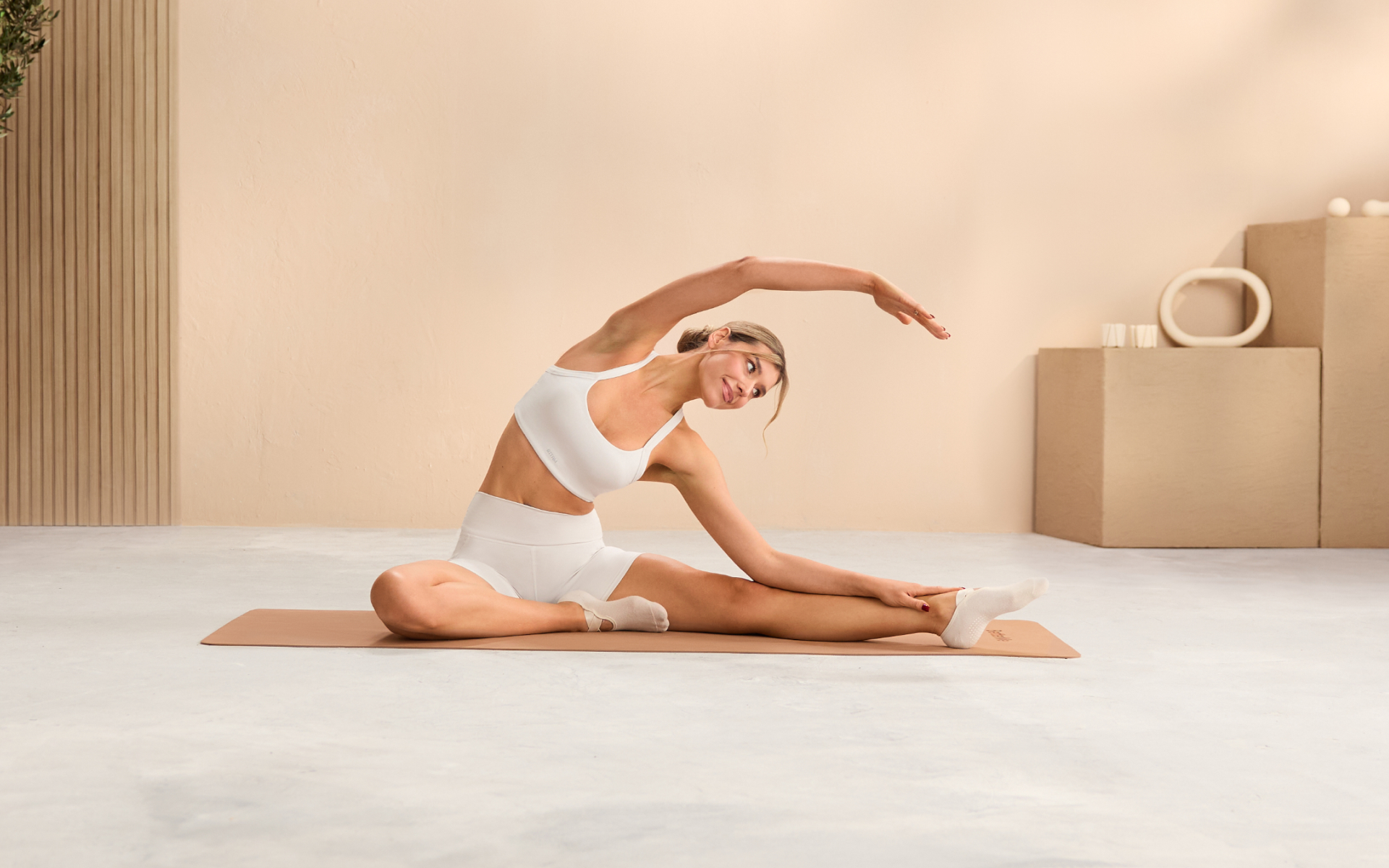
The daily stretch routine for flexibility involves a short series of stretching and mobility exercises. These are designed to improve how easily your body moves. The routines typically target major areas of the body, including the hips, hamstrings, shoulders, and back.
In as little as 10 minutes, you can follow a full-body stretch routine or mix and match movements based on your needs. Many people use a daily stretch routine for flexibility at home to build with regular practice. The key is to move slowly, breathe steadily, and stop if anything feels uncomfortable.
What Is a Daily Stretch Routine for Flexibility?
A daily stretch routine for flexibility involves a set of simple movements performed regularly that work to improve range of motion and body awareness (1). These routines often combine stretching techniques with mobility exercises.
You’ll find a typical routine includes movements for the upper body, lower body, and core. The goal isn’t intensity with stretching. Instead, it’s about moving with control and building consistency. A daily stretch routine for flexibility for beginners often starts with basic positions that feel comfortable and easy to repeat.
What Is a Good Daily Stretch Routine for Flexibility?
A good daily stretch routine for flexibility involves movements that work your entire body. A simple 10-minute full-body stretch for flexibility and mobility might include:
- A neck stretch to ease tension
- Shoulder rolls to improve upper body mobility
- A forward fold to work the hamstrings
- A hip flexor stretch for the lower body
- A gentle twist movement for the spine
You may follow this as a full-body stretch 10-minute routine or adjust it based on your needs and schedule. Each stretching exercise for beginners at home should feel manageable. It should also focus on steady breathing and controlled movement.
Can I Stretch Every Day for Flexibility?
Yes, you can stretch every day for flexibility if your routine feels comfortable and remains balanced.
A daily stretching routine helps reinforce movement patterns while building awareness (2). Many people include a daily stretch routine for flexibility at home as part of their regular routine. However, it’s important to listen to your body. Gentle stretching is usually easier to maintain daily than more intense sessions. Stretching exercises for beginners should feel controlled, but not forced.
How Long Does It Realistically Take to Become Flexible?
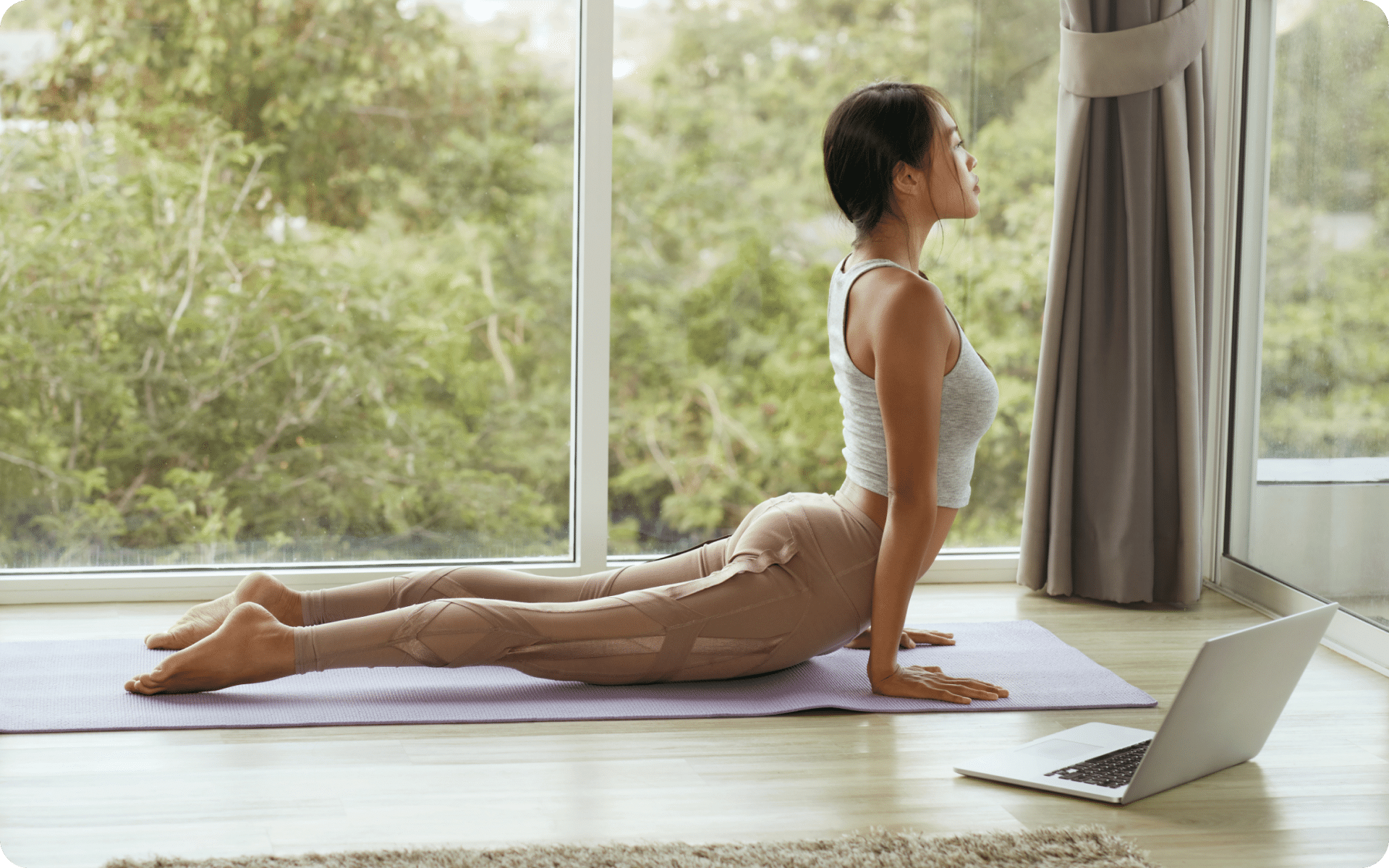
Keep in mind that flexibility develops gradually over time (3). Some may notice small changes in only a few weeks, while for others, it may take longer, depending on their movement habits and whether it’s consistent.
A daily stretch routine for flexibility for beginners really works best when done regularly. Sometimes, short sessions can often feel more manageable than longer sessions. Progress is usually subtle at first, so patience is key.
Can Too Much Stretching Be Bad for You?
Too much stretching can cause strain if the body doesn’t have time to adjust (4). Stretching too often or too intensely can lead to fatigue or reduce control during movements. This is why it can be helpful to keep your approach balanced and steady.
Specific mobility exercises combined with gentle stretching techniques can help you stay consistent without overdoing it. Focus on how your body feels rather than worrying about pushing it to extremes.
Read more: Wall Lean Stretch Guide for Better Flexibility and Mobility
Tips to Make a Daily Stretch Routine More Effective
Two factors come into play in making an effective routine: consistency and approach.
Start Small and Build Gradually
It’s best to start with a few simple movements when new to stretching. A daily stretch routine for flexibility for beginners should feel easy to repeat.
Focus on Breathing
Focused breathing helps your body relax into each movement. Try to keep your breathing steady and controlled.
Stay Consistent
Maintaining a consistent workout matters more than how long each workout is. A 10-minute full-body stretch for flexibility and mobility, done regularly, can support gradual progress.
Combine Stretching Techniques and Mobility Exercises
Try using a mix of stretching techniques and mobility exercises to help support overall body movement.
Avoid Rushing Through Movement
Moving through the positions slowly helps you stay aware of your positioning. This also helps improve control gradually.
Daily Stretch Routine for Flexibility at Home: Sample Plan
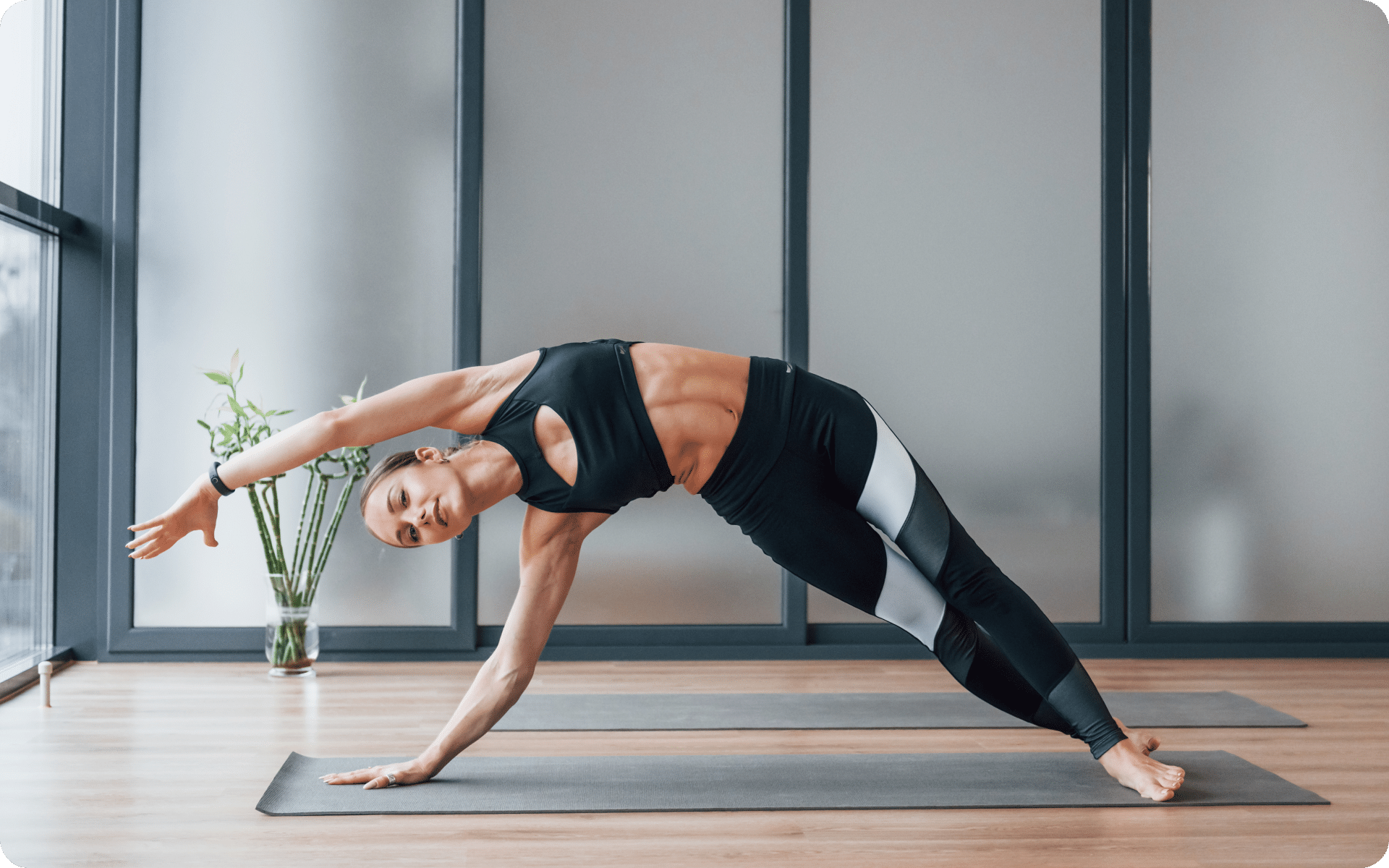
Try following this simple approach at home. It works as a full-body stretch 10-minute plan.
Neck Stretch
Gently tilt your head side to side and hold for 10 to 15 seconds.
Shoulder Rolls
Roll your shoulders slowly backward 8 to 10 times.
Cat-Cow Movement
Switch between arching and rounding your back.
Forward Fold
Bend forward, reaching toward your toes with control.
Hip Flexor Stretch
Slowly step into a gentle lunge and hold briefly.
Calf Stretch
Stand with one foot slightly behind the other, then press your heel towards the ground.
Each of these movements can be adjusted based on your comfort level.
Stretching Exercises for Beginners at Home: How to Start?
Stretching exercises for beginners at home work best when they’re simple and repeatable.
Start with:
- 4 to 6 basic movements
- 10 to 20 seconds per stretch
- A few sessions every week
Stretching exercises for beginners should feel steady and controlled. Avoid pushing too deeply into positions.
Reasons why BetterMe is a safe bet: a wide range of calorie-blasting workouts, finger-licking recipes, 24/7 support, challenges that’ll keep you on your best game, and that just scratches the surface! Start using our app and watch the magic happen.
Mobility Exercises to Include in Your Routine
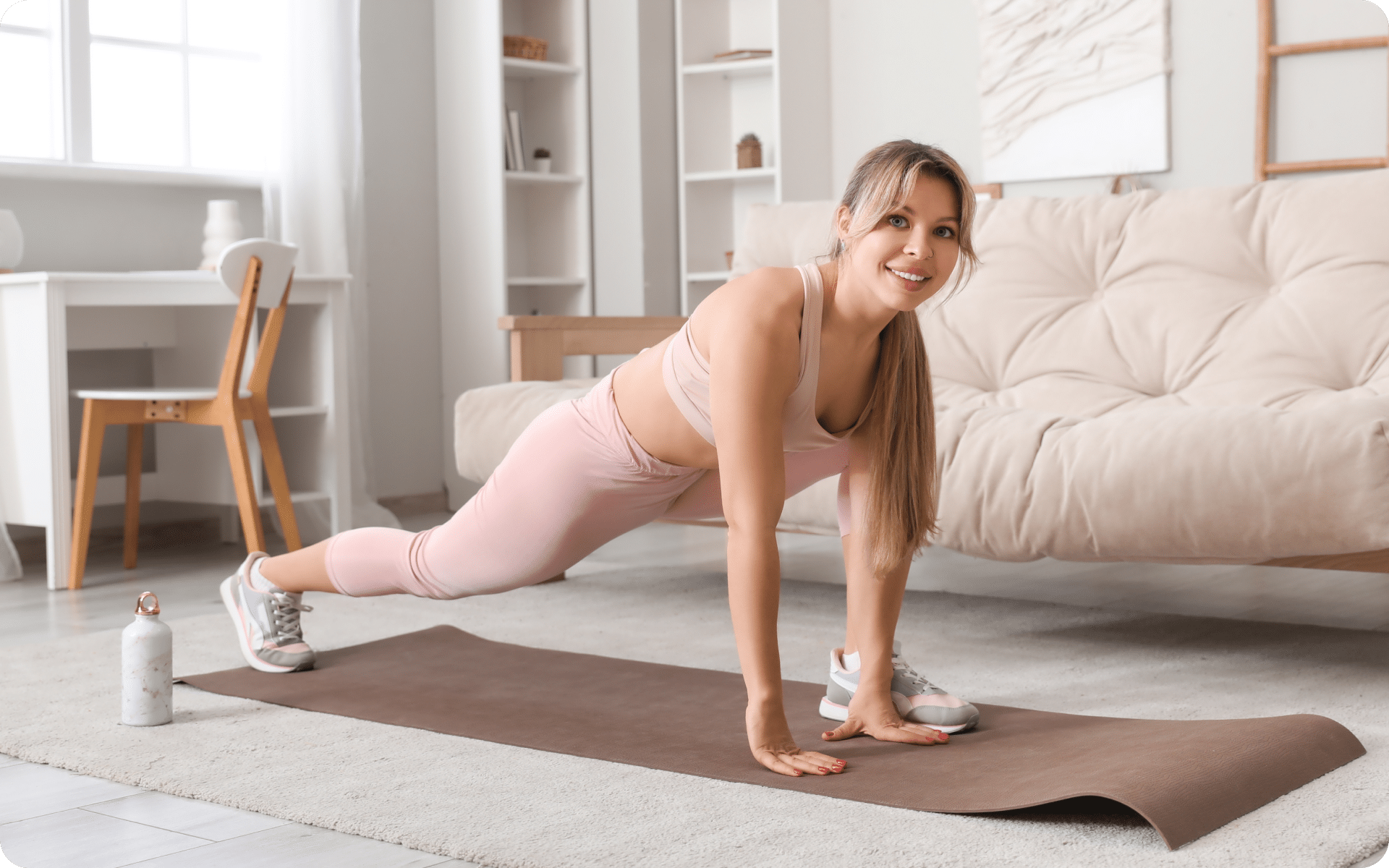
Mobility exercises are a great way to support joint and muscle movement. Some examples include:
- Arm circles
- Hip rotations
- Gentle twists
Mobility exercises work well together with stretching techniques.
How to Structure Your Daily Stretch Routine for Flexibility?
Structuring your daily routine for flexibility can help you stay on track with your goals. A daily stretch routine for flexibility doesn’t need to be complicated. In fact, keeping it simple often works best.
Start With Upper-Body Movements
Begin at the top with your approach. Start with gentle upper-body stretches.
Focus on:
- Neck tilts
- Shoulder rolls
- Arm circles
Each movement helps prepare your body and ease you into your routine.
Move into Full-Body Stretching
After warming up the upper body, shift into a full-body stretch 10-minute routine that targets multiple areas. You can include:
- Forward folds to stretch the hamstrings
- Hip flexor stretches
- Gentle spinal twists
This 10-minute full-body stretch for flexibility and mobility helps improve your body’s overall movement.
Finish with Slower, Controlled Stretches
Finally, you’ll end your session with slower movements.
Focus on:
- Holding each stretch for 15 to 20 seconds
- Steady breathing
- Staying relaxed
The end of your daily home stretch routine for flexibility reinforces control and body awareness.
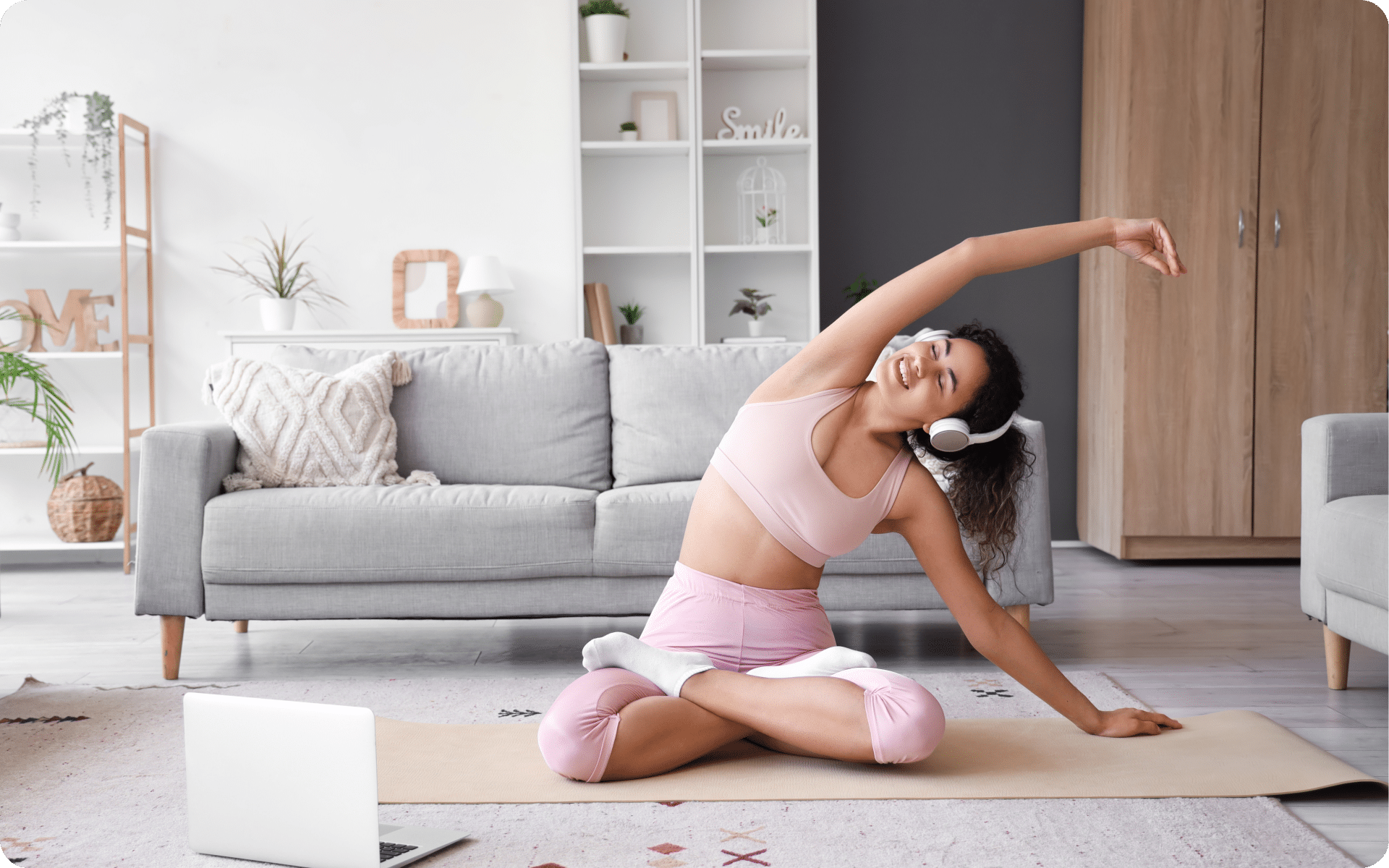
How to Remain Consistent with a Daily Stretch Routine?
Staying consistent in your routine is sometimes the most challenging part, but keeping your approach simple can make all the difference.
Attach Stretching to an Existing Habit
A way to stay consistent is to combine stretching with something you already do. For example:
- Stretch every morning after brushing your teeth
- Incorporate mobility exercises after your workout
- Stretch right before bedtime
This can help turn stretching into a regular habit.
Read more: 6 Wall Stretches for the Lower Back: A Complete Guide
Keep Your Routine Short and Repeatable
Keeping routines short may be easier to maintain.
A daily stretch routine for flexibility for beginners can be as simple as 10 minutes a day. A full-body stretch 10-minute plan can still support steady progress when done regularly.
Rotate Stretching Exercises to Avoid Repetition
To keep it interesting, avoid repeating the same movements. You can rotate:
- Different stretching exercises for beginners at home
- New mobility exercises
- Slight variations of familiar stretches
Shaking up your routine can keep you engaged without making it complicated.
Focus on How Your Body Feels
Listening to your body can help guide your routine. Instead of pushing deeper into a stretch, focus on:
- Smooth movement
- Controlled positioning
- A comfortable range of motion
This approach can better help you build consistency with stretching techniques that feel sustainable.
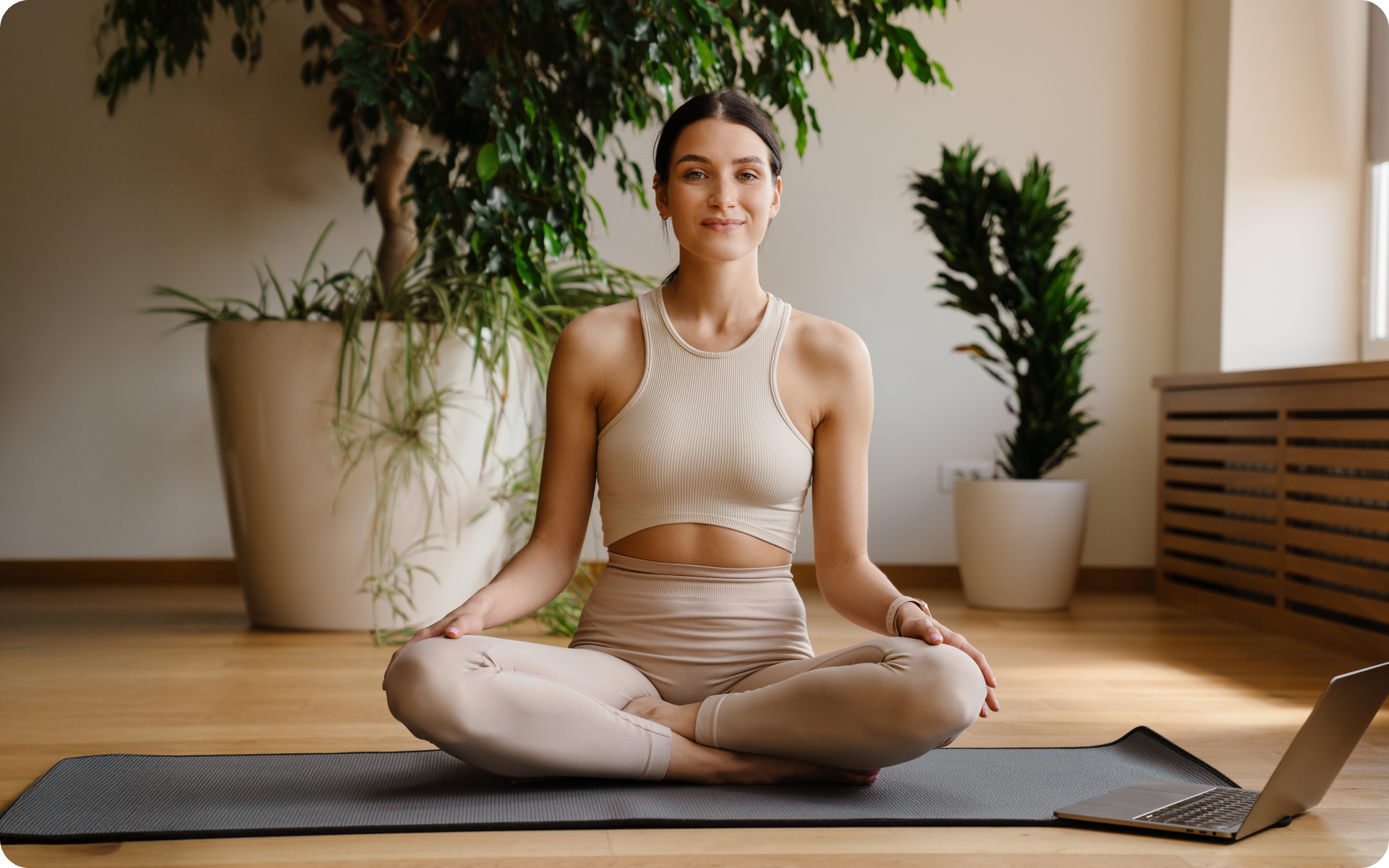
How to Adjust Your Routine Over Time?
In time, you’ll see your flexibility improved. Your routine can evolve with you. A daily stretch routine for flexibility doesn’t need to stay the same forever.
You might:
- Hold stretches a little bit longer
- Add new mobility exercises
- Try different stretching techniques
A daily stretch routine for flexibility at home can be adjusted based on how your body feels and changes. Even small changes can help keep your routine engaging while supporting steady progress without feeling overwhelmed.
Frequently Asked Questions
What happens if you stretch every day for 30 minutes?
Stretching every day for 30 minutes helps improve how your body feels and moves. Many people notice gradual changes with consistent routines.
What is the hardest muscle to stretch?
Some muscles may feel harder to stretch, and areas such as the hips or hamstrings can feel tighter depending on daily habits.
What is the best time to stretch?
There isn’t one ideal time of day to stretch. People can stretch at different times, and many choose a time that fits their routine best.
Is flexibility genetic or learned?
Genetics and lifestyle can influence flexibility. Many people can improve their flexibility with regular stretching practice.
What are some signs of good flexibility?
Signs of good flexibility can include smoother movements, better range of motion, and improved comfort during daily activities.
The Bottom Line
A daily stretch routine for flexibility is a simple way to support better health, improve movement, and build consistent habits. You can follow a full-body stretch 10-minute routine or a shorter session as long as you do it regularly. Consistent practice can help you feel more comfortable gradually. Focus on steady progress and adjust your routine to fit your needs.
DISCLAIMER:
This article is intended for general informational purposes only and does not serve to address individual circumstances. It is not a substitute for professional advice or help and should not be relied on for making any kind of decision-making. Any action taken as a direct or indirect result of the information in this article is entirely at your own risk and is your sole responsibility.
BetterMe, its content staff, and its medical advisors accept no responsibility for inaccuracies, errors, misstatements, inconsistencies, or omissions and specifically disclaim any liability, loss or risk, personal, professional or otherwise, which may be incurred as a consequence, directly or indirectly, of the use and/or application of any content.
You should always seek the advice of your physician or other qualified health provider with any questions you may have regarding a medical condition or your specific situation. Never disregard professional medical advice or delay seeking it because of BetterMe content. If you suspect or think you may have a medical emergency, call your doctor.
SOURCES:
- The Ideal Stretching Routine (2026, health.harvard.edu)
- Practical Recommendations on Stretching Exercise: A Delphi Consensus Statement of International Research Experts (2025, pmc.ncbi.nlm.nih.gov)
- Is There a “Window of Opportunity” for Flexibility Development in Youth? A Systematic Review with Meta-Analysis (2022, pmc.ncbi.nlm.nih.gov)
- Overstretching Expectations May Endanger the Success of the “Millennium Surgery” (2022, pmc.ncbi.nlm.nih.gov)

 Reviewed by
 Reviewed by

 By
By 
 By
By