

Staring into the mirror, you realize that you look slim overall. However, some people notice that they carry more of their body fat around their midsection.
Does this sound familiar?
This is often described as “skinny apple body shape” and it’s more common than you might think. This distribution of weight can be frustrating if you are trying to achieve a more balanced look. It also comes with unique health considerations, as abdominal fat behaves differently than fat stored in the lower body.
Fortunately, exercise and lifestyle habits can support overall fitness and body-composition goals, although results vary from person to person.
Here, we’re going to go over everything you need to know about this specific body type. We’ll cover how to identify your shape and some workout and lifestyle considerations that may be relevant to people who are interested in this body-shape description.
What Is a Skinny Apple Body Shape?
An apple-shaped body is typically characterized by a broader upper body, a less defined waistline, and narrower hips and legs. When someone with an apple-shaped body gains weight, it normally accumulates around their chest, waist, and abdomen.
Now, the “skinny” version of this shape means that your overall body mass index (BMI) or total body weight falls into a lower or average range. Your arms and legs are likely quite slender, and your hips are narrow.
However, any excess fat you carry might sit mainly in the abdominal region. This is what some people might refer to as being “skinny fat”, where a person has a low amount of muscle mass combined with localized fat around the midsection.
How Do I Know if I Have an Apple Body Shape?
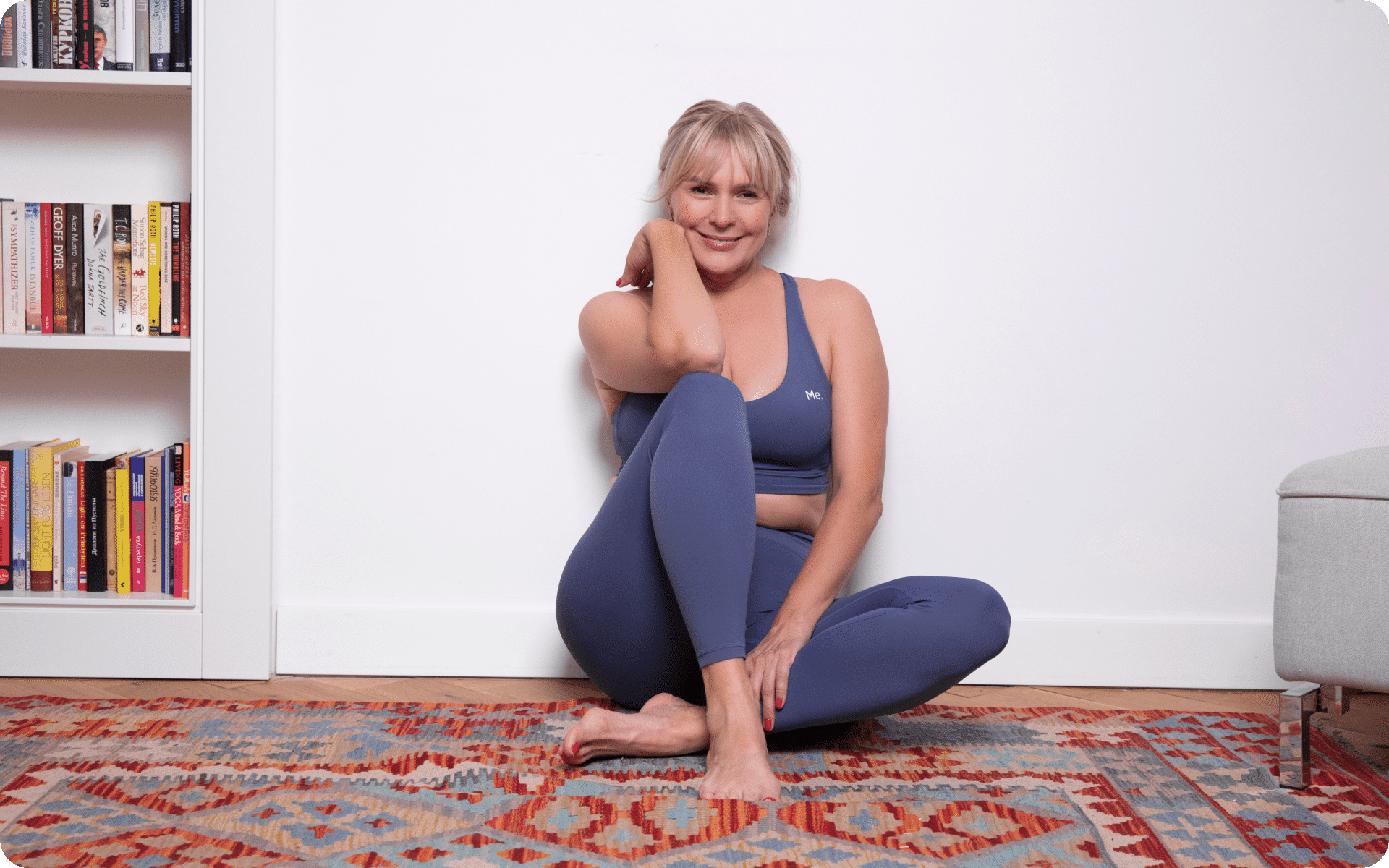
Knowing if you have this type of body shape requires looking at your natural bone structure and where your body prefers to store fat. An apple body shape woman usually shares several common physical traits.
First, look at your shoulders and bust in proportion to your hips. If your upper body is wider than your lower body, you lean towards an apple shape. Next, take a look at your waistline. Apple shapes tend to lack a natural indented waist.
Finally, consider your limbs. In this case, arms and legs are normally slender and rarely store fat.
You can also use a measuring tape for a more objective assessment. You need to measure the circumference of your waist (just above your belly button) and your hips (at their widest part). Divide your waist measurement by your hip measurement. If you get a ratio of more than 0.80 in women and 0.95 in men, it suggests you’re storing more fat around the stomach than in the hips (4).
Read more: What Is My Body Type? Your Complete Guide
Can You Be Skinny with an Apple Body Type?
Yes, you can certainly be skinny with this body type. Body shape is largely determined by genetics, bone structure, and hormonal profiles, rather than just the number on the scale.
Someone with a skinny apple shape might wear a small size in clothing, but still notice a small belly or a lack of waist definition. And, as the arms and legs stay very slim, the abdominal area can look larger by contrast.
The goal for this body type isn’t necessarily to lose weight, as you might already be at a healthy weight. Instead, it’s a matter of shifting the focus towards body recomposition. In this case, we want to lose belly fat while building muscle in the lower body at the same time. This can create the illusion of a smaller waist.

Health Concerns with Apple Body Type
The way you look isn’t always going to determine if you’re healthy or not. However, some studies have shown that apple-shaped people might have a higher risk of certain health conditions.
One study found that those with an apple-shaped body type (more fat in the midsection) were more likely to develop heart disease (1). Another study found that people with more abdominal fat have a larger risk of type 2 diabetes (2).
Keep in mind that just because you have this type of body shape, that doesn’t determine if you’re healthy or not. It’s important that you monitor the abdominal fat, maintain a balanced diet that’s rich in whole foods, and include regular physical activity to help mitigate the risks and promote overall wellness.
BetterMe Well-Being Coach app can help you build a more structured approach to your wellness routine with meal plans, workouts, and habit-tracking tools. Start using the app to explore options that may support your personal fitness and nutrition goals.
Which Muscles Should a Skinny Apple Body Shape Focus on?
To create a more balanced silhouette, you need to strategically build muscle. As apple-shaped people naturally have narrower hips and less lower-body volume, building some muscle in your legs and glutes can be useful. By widening your lower half, your waist will naturally look smaller in proportion.
Focus heavily on the gluteus maximus, medius, and minimus, as well as the quadriceps and hamstrings. Heavy squats, deadlifts, hip thrusts, and lunges are great for building this lower-body muscle.
However, you shouldn’t ignore your upper half—you still need to work on it. While you might already have broad shoulders, it’s good to develop some muscle in your back to help create a V-taper.
This V-taper can help accentuate a smaller waistline. So, including upper-body bodyweight exercises such as push-ups, planks, and pull-up variations can help build functional strength and improve your posture, which also makes your stomach appear flatter.
How Can a Skinny Apple Body Shape Build a Balanced Workout Routine?
A balanced workout routine for this type of body shape requires a mix of resistance training, core stabilization, and cardiovascular exercise.
Resistance Training
Strength training should be the base of your workout routine. Aim for 3-4 days of lifting weights per week. Now, if you’re just starting, you can start with 2-3 days and build until you manage to do more in the week.
Prioritize lower-body workouts to build muscle mass in your glutes and thighs. For those wondering how to get a slim thick body, building the glutes and legs while supporting overall fat loss can help create a more balanced silhouette.
If you’re new to working out and prefer to start without heavy weights, calisthenics for female beginners is a great way to get started. You can do bodyweight squats, lunges, and glute bridges to establish a mind-muscle connection before adding weights.
Core Stabilization
As fat gathers around the midsection, many people do hundreds of crunches to reduce belly fat. However, spot reduction isn’t possible. If you lose fat, you lose fat all over your body, not in a specific place.
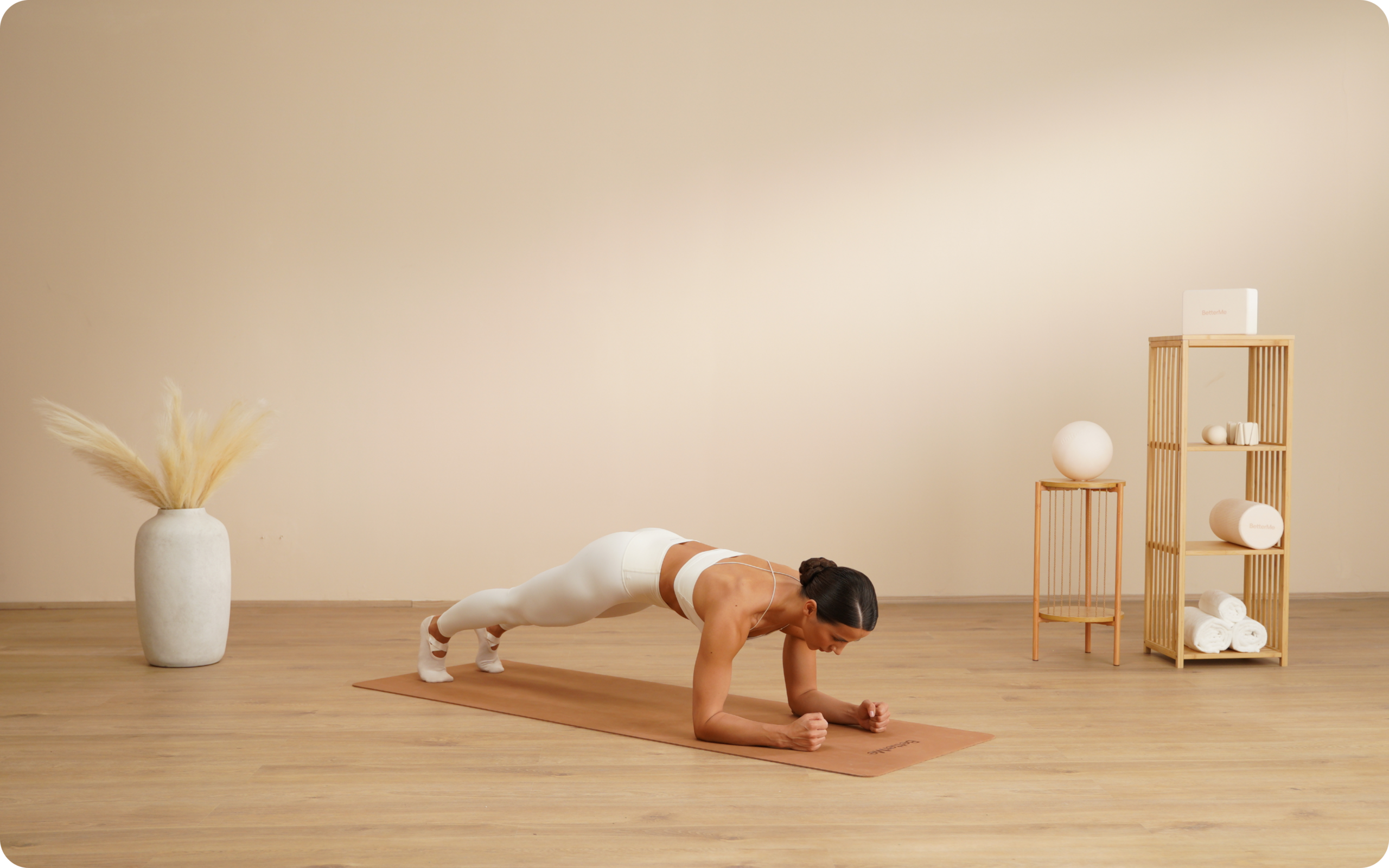
Instead, focus on deep core stabilization exercises that pull the stomach tight. Planks, deadbugs, and bird dogs strengthen the transverse abdominis, which can act like an internal corset for your waist.
Cardiovascular Exercise
Cardio is important for heart health and can help manage visceral fat. Choose cardiovascular activities that fit your preferences and current fitness level.
However, be mindful not to overdo it. Aim for 1-2 short HIIT sessions a week, along with some low-intensity cardio (such as brisk walking).
Read more: Body Type Workout Quiz: The Training for Your Body Type
What Lifestyle Tips Support a Skinny Apple Body Shape?
Getting that desired shape doesn’t only come from what you do at the gym. Skinny apple body shape weight loss or fat loss heavily relies on managing your diet, stress, and sleep.
First, make sure you prioritize your protein intake. Protein is essential for building the lower-body muscles you need to balance your frame. In addition, it helps you stay full, reduce sugar cravings, and make it easier to reach a caloric deficit (eating fewer calories than the body needs).
Second, manage your stress levels. High stress triggers the release of cortisol. For apple shapes, cortisol directs the body to store fat specifically around the midsection (3). Try to find active ways to help you manage stress, like yoga, meditation, or simply going for an outdoor walk.
Finally, prioritize sleep. Poor sleep disrupts your hunger hormones, ghrelin and leptin, which can lead to overeating. It can also affect muscle recovery. Try to get 7-9 hours of quality sleep each night to give your body the time it needs to repair muscle tissue and regulate fat-burning hormones.

FAQs
Where do apple shapes gain weight?
Apple shapes normally gain weight in their midsection. This includes the chest, abdomen, and waist. Even if there’s just a slight weight gain, it normally starts to build in these areas first.
Should a skinny apple body shape focus on cardio or strength training?
Strength training should be the main focus. However, cardio can help improve cardiovascular health. So it’s a matter of combining both to get the best of both worlds.
Can exercise change an apple body shape?
You can’t change your genetic bone structure, but you can change your body composition. When you build muscle in the hips and glutes and reduce overall abdominal fat, you can create the appearance of a more defined waist and balanced hourglass-like figure.
Which body type has the slowest metabolism?
Metabolism isn’t dictated by body shape, but by body composition. People with lower muscle mass and higher body fat percentage tend to have a slower metabolism. So, if you want to speed up your metabolism, increasing your muscle mass is one way to do it.
What are some signs that your body is burning fat?
No single sign confirms fat loss. If body-composition tracking is relevant to your goals, use a method that feels appropriate and sustainable for you. Keep in mind that sometimes, the scale doesn’t show what’s going on, which is why it’s important to have other indicators of progress, such as measurements or progress photos.
The Bottom Line
A fitness routine can focus on strength, movement, and habits that fit your preferences and lifestyle. By shifting your focus away from the scale and toward building lower-body strength and deep core stability, you can reshape your figure.
Start by adding some strength training, prioritizing protein, and keeping your stress levels in check. Make sure you’re tracking your progress using photos and how your clothes are fitting, rather than solely what you see on the scale. With consistency and the right strategy, you can build a strong, healthy, and balanced body.
DISCLAIMER:
This article is intended for general informational purposes only and does not serve to address individual circumstances. It is not a substitute for professional advice or help and should not be relied on for making any kind of decision-making. Any action taken as a direct or indirect result of the information in this article is entirely at your own risk and is your sole responsibility.
BetterMe, its content staff, and its medical advisors accept no responsibility for inaccuracies, errors, misstatements, inconsistencies, or omissions and specifically disclaim any liability, loss or risk, personal, professional or otherwise, which may be incurred as a consequence, directly or indirectly, of the use and/or application of any content.
You should always seek the advice of your physician or other qualified health provider with any questions you may have regarding a medical condition or your specific situation. Never disregard professional medical advice or delay seeking it because of BetterMe content. If you suspect or think you may have a medical emergency, call your doctor.
SOURCES:
- Association Between Regional Body Fat and Cardiovascular Disease Risk Among Postmenopausal Women with Normal Body Mass Index (2019, pmc.ncbi.nlm.nih.gov)
- Causal Associations of Adiposity and Body Fat Distribution with Coronary Heart Disease, Stroke Subtypes and Type 2 Diabetes: A Mendelian Randomization Analysis (2018, pmc.ncbi.nlm.nih.gov)
- Determining the Culprit: Stress, Fat, or Carbohydrates (2015, pmc.ncbi.nlm.nih.gov)
- Waist Circumference and Waist-Hip Ratio (2008, iris.who.int)

 Reviewed by
 Reviewed by

 By
By