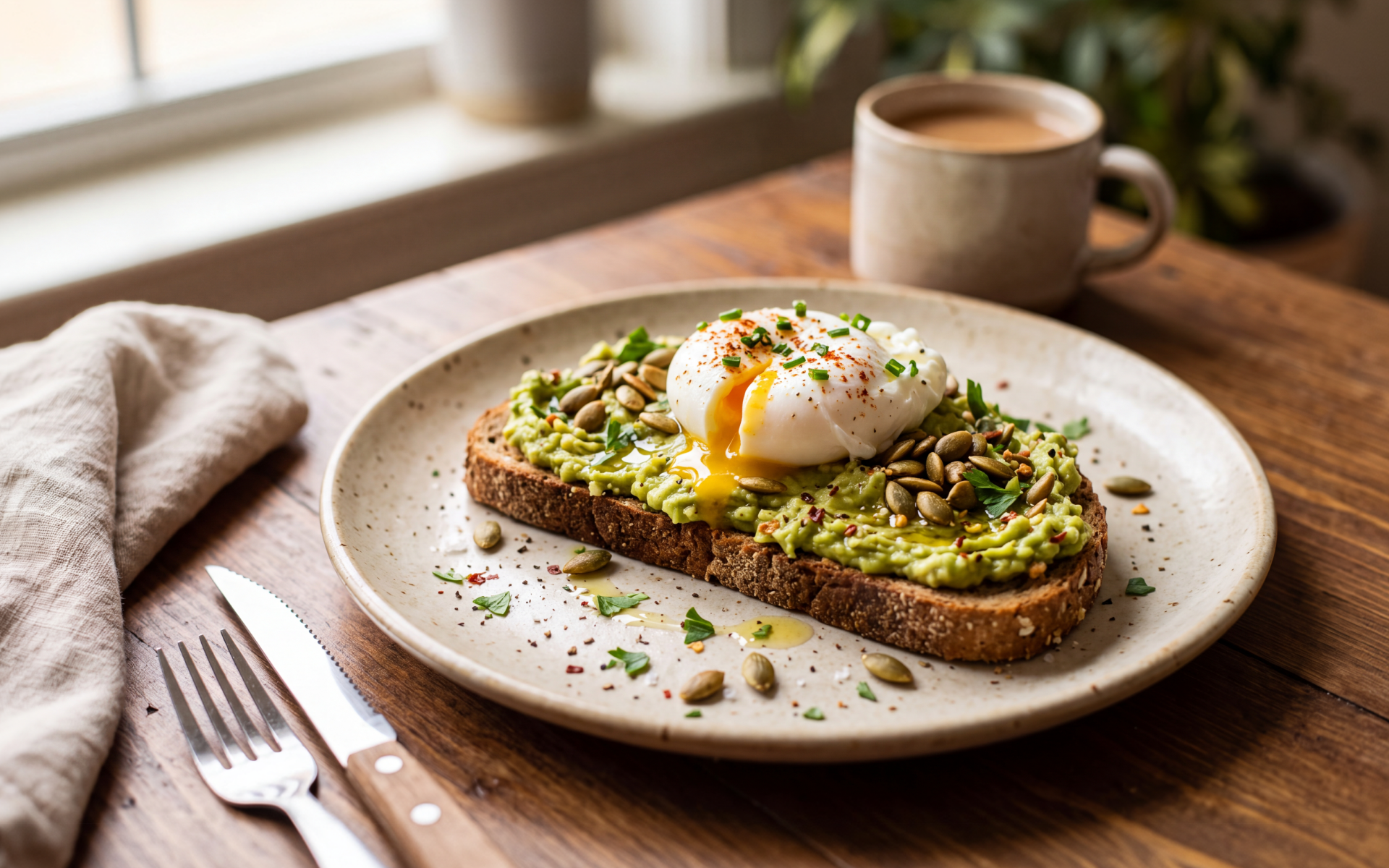

Does coffee break a fast? Drinking plain black coffee will not break your fast. Because a standard cup contains negligible calories and zero sugar, it is unlikely to disrupt your fasting window. However, the type of coffee matters—adding milk, cream, or sugar increases the calorie content, which can break a strict fast depending on your personal fasting goals.
Starting a new wellness routine can sometimes feel overwhelming, especially when trying to figure out the details of your daily schedule. If you are exploring different eating windows, you might find yourself asking—does coffee break a fast? You are not alone. This is one of the most common questions for people looking to balance their morning energy needs with their weight management goals.
Black coffee is a daily staple for many people. It offers a familiar comfort and a helpful boost of energy. The good news is that, for most people, a simple cup of black coffee fits perfectly into a fasting routine. However, once you start adding extras like cream, sweeteners, or flavored syrups, the answer begins to change.
Read on to learn more about how your morning brew interacts with your fasting window, what ingredients to keep an eye on, and how to build a routine that works well for your body and your lifestyle.
How Intermittent Fasting Works: A Quick Overview
Intermittent fasting (IF) is a popular approach that many people combine with weight management goals. Instead of focusing on specific foods, this eating pattern focuses on when you eat. By alternating between periods of eating and fasting, many people find they can simplify their meal planning and support their overall wellbeing (1).
There are several intermittent fasting diet plans to choose from. Some research has explored associations between intermittent fasting and various wellbeing markers (2), though findings and individual experiences vary. Some people prefer a daily time-restricted approach, while others choose to adjust their intake on specific days of the week.
| Fasting Approach | Description | Notes |
|---|---|---|
| 16:8 Method | A 16-hour fasting window and an 8-hour eating window (16:8). | A highly popular and user-friendly starting point. |
| 5:2 Method | Regular eating for 5 days, with reduced calorie intake for 2 days. | Offers flexibility for people with shifting weekly schedules. |
| Alternate-Day | Fasting every other day. | A more advanced approach that takes time to adjust to. |
When starting out, you might notice changes in your energy levels or hunger cues. As with any change in eating pattern, some people find the adjustment period takes time. Starting small and building your way up can make the process much easier on the body. Gradually shifting your eating window can help your body adapt more comfortably.
Every fast is a personal experience. Your dietary preferences, body composition, and activity level all influence your fasting experience. It’s advisable to speak with a healthcare provider before making significant changes to your eating pattern.
Does Coffee Break a Fast?
If you enjoy a warm cup of coffee in the morning, you will be happy to know that black coffee while fasting is widely accepted. IF allows consuming low- and zero-calorie beverages in moderate amounts. Because black coffee contains virtually no calories (3), it is an excellent choice to sip on while you wait for your eating window to open.
One cup of black coffee (about 240 ml) has a barely detectable amount of minerals, fat, and protein. In fact, such an amount of coffee contains approximately 5 calories (4). This small number is generally not enough to affect your metabolic rate or break your fast. Many people rely on black coffee fasting to help them maintain their routine without feeling deprived.
Some research has explored associations between regular coffee consumption and various wellbeing markers (5). While individual results vary, incorporating coffee while fasting can be a comforting ritual that makes the fasting period feel more manageable.
It is important to note that these observations apply specifically to plain black coffee. As soon as you begin adding extra ingredients, the calorie count changes, which may alter how your body responds during the fasting window.
Read More: How Long Is It Safe To Fast: Are Long Or Short-Term Fasts More Effective?
Will Coffee Break Intermittent Fasting?
For strict intermittent fasting protocols, black coffee is generally considered not to break the fast. If you are following a 16:8 or 12:12 schedule, having coffee while intermittent fasting is a popular approach that rarely interferes with your overall goals.
The logic behind this is simple: black coffee contains negligible calories and does not trigger a meaningful insulin response (3). Because of this, it allows your body to remain in a fasted state.
However, there is some practical nuance depending on why you are fasting. People who follow stricter, autophagy-focused fasting sometimes choose to avoid coffee entirely, as even minimal calories or compounds may theoretically affect cellular processes. For the vast majority of people focusing on general wellbeing and weight management, a cup of plain black coffee is perfectly fine.
BetterMe will shake off your mental funk, rid you of your energy-zapping habits, and help you sculpt the body of your dreams. Intrigued? Hurry up and change your life for the better!
What Happens if I Drink Coffee While Fasting?
Drinking coffee while fasting can have several observable effects on your body, depending on your sensitivity to caffeine and your overall routine.
First, black coffee stimulates the central nervous system. For many people, this caffeine boost can help suppress appetite during fasting hours (6), making it easier to stick to their schedule. Second, plain black coffee has a minimal insulin response for most people (7), meaning it does not disrupt the primary mechanisms of a fast.
Interestingly, some animal research suggests a possible supportive relationship between coffee and cellular processes. Coffee may support rather than inhibit autophagy (8)—the process where your body clears out unnecessary cellular components. While more research is needed to fully understand this in humans, it is a promising observation for fasting enthusiasts.
As a practical note, be mindful of when you consume your coffee. Drinking coffee late in the fasting window may affect sleep quality for some people. It is often best to enjoy your coffee earlier in the day to prevent any unwanted restlessness at night.
Benefits of Black Coffee While Fasting
There are several practical reasons why the benefits of black coffee while fasting make it a go-to beverage for so many people.
Appetite management: Many people find that black coffee helps them comfortably tide over the fasting window. The natural properties of coffee can sometimes dull hunger cues (6), making the wait until your next meal feel much more achievable.
Energy and focus: Caffeine is well-studied for alertness. Fasting can sometimes leave you feeling a bit sluggish, especially in the beginning. Many people fasting drink coffee to maintain their usual routine, stay focused at work, and keep their energy levels steady throughout the morning (9).
Autophagy context: Some research found that coffee might actually support the process of autophagy (8). While experiences may vary, this suggests that coffee can be a thoughtful addition to your wellness journey.
Zero calories: Above all, coffee does not contribute meaningfully to daily calorie intake (3). This makes it a highly effective tool for those who want a flavorful beverage without compromising their fasting goals.
Does Coffee with Added Ingredients Break a Fast?
Not everyone enjoys the taste of plain black coffee. It is common to add ingredients to improve the flavor, but these additions can change the way your drink interacts with your fast.
Butter
Butter is packed with fat and calories. Technically, a large amount could break a strict fast. However, some people following flexible fasting approaches find that a small amount does not affect their blood glucose levels meaningfully. A teaspoon of butter is unlikely to significantly disrupt a flexible fasting approach for most people.
Heavy Cream
Heavy cream contains fat and protein. One ounce has only a small amount of both. While a splash might be fine for a relaxed fasting schedule, adding too much will introduce enough calories to break your fast. Moderation is key.
Almond Milk
Unsweetened almond milk is very low in calories. A small splash is a popular choice and generally will not break your fast. However, it is important to avoid sweetened versions or those with added protein.
Cinnamon
Cinnamon is a popular addition and in small amounts is unlikely to affect your fasting window. It adds a comforting flavor without bringing extra calories.
Cocoa Powder
Defatted cocoa powder can be added in very small amounts. If you add more than a teaspoon, the carbs and fats may begin to add up, potentially reducing the effect of your fasting window.
| Ingredient | Breaks a Strict Fast? | Notes |
|---|---|---|
| Butter | Yes | Often used in flexible fasting, but contains high calories. |
| Heavy Cream | Yes | A small splash is sometimes tolerated, but it adds calories and fat. |
| Almond Milk (unsweetened) | No | A small splash is generally fine; avoid sweetened versions. |
| Cinnamon | No | Adds flavor without calories; use in moderation. |
| Cocoa Powder | Yes (in larger amounts) | Keep to under a teaspoon to avoid excess carbs/fats. |
| Milk / Sugar | Yes | High in calories and carbs; will break a fast. |
What Is the Calorie Limit for Coffee During a Fast?
Understanding the calories in black coffee is helpful when planning your morning routine. A standard 240 ml cup of black coffee contains approximately 5 calories (4), which is generally considered not to break a strict fast.
A common approach many people use is the 50-calorie threshold. Under this flexible guideline, consuming between 0–50 calories is thought to keep the fast intact for most fasting goals. A 50-calorie threshold allows for a tiny splash of unsweetened almond milk without worry.
As a practical guide, an espresso has about 1–3 calories, an Americano has roughly 5–10 calories, and a long black contains around 5 calories. All of these are choices that easily fit into a fasting lifestyle.
Whether you’re looking to simply pep up your fitness routine, jazz up your diet with mouth-watering low-calorie recipes or want to get your act together and significantly drop that number on your scale – BetterMe Well-Being Coach app has got you covered! Improve your body and revamp your life!
What Can I Sweeten My Coffee with That Won’t Break My Fast?
If you prefer your coffee on the sweeter side, you might be wondering what options are available. Zero-calorie options like stevia and monk fruit are generally considered not to break a fast for weight management goals. Many people following IF choose these as a way to enjoy their coffee without adding sugar.
Small amounts of ground cinnamon are also generally fine and can add a perception of sweetness and warmth.
You should avoid regular sugar, honey, agave, and flavored coffee syrups. These are packed with calories and carbohydrates that will immediately break your fast.
It is also worth noting a small nuance: for strict autophagy-focused fasting, some people avoid all sweeteners, even if they are calorie-free, just to be on the safe side. A popular approach is to experiment and see what aligns best with your personal goals.
How To Get Caffeine Without Breaking Your Fast
If you need a morning boost but want to keep your fasting window perfectly intact, there are several ways to get caffeine.
Black coffee options like espresso, an Americano, or simple black filter coffee are all fine and widely enjoyed. If coffee isn’t your preference, plain green tea, black tea, and herbal teas are generally fine and provide a gentle lift.
Matcha is another great option. Plain matcha without any added milk or sweetener is fine in small amounts and offers a steady release of energy.
Some people choose caffeine supplements or tablets. Because they are calorie-free, they do not technically break a fast. However, relying on supplements is a personal choice, and many prefer to get their energy from a comforting, warm beverage.
Every fast is a personal experience. Your dietary preferences, body composition, and activity level all influence your fasting experience. It’s advisable to speak with a healthcare provider before making significant changes to your eating pattern.
Read More: Meal Plans To Lose Weight: Simple Diet Plans, Menus, and Hacks to Lose Pounds Faster
Who Should Not Drink Coffee When Fasting?
While coffee is a great tool for many, it is not suitable for everyone. People who experience restlessness, increased heart rate, or sleep disruption may find that they are highly sensitive to caffeine. Drinking it on an empty stomach can sometimes amplify these feelings.
Additionally, people who experience digestive discomfort from coffee on an empty stomach might want to explore other options. The acidity in coffee can occasionally cause an upset stomach when you haven’t eaten.
Those who are pregnant are generally advised to discuss caffeine intake with their healthcare provider. Furthermore, if you are taking certain medications where caffeine interactions are a consideration, it is always best to seek professional guidance before making coffee a staple of your fasting routine.
What Other Drinks Do Not Break a Fast?
If you want to mix things up, there are plenty of fasting drinks to choose from. Finding the right liquids to drink while fasting can make the experience much more enjoyable.
Iced Tea and Hot Tea
Plain black tea, green tea, and herbal teas are excellent liquids during intermittent fasting. They provide flavor and comfort without calories. Ensure you do not add sugar or milk.
Lemon Water
Water intermittent fasting is the foundation of any good routine. Lemon juice adds flavor and is a popular choice for people who prefer not to drink plain water during their fasting window. It keeps things refreshing.
Sparkling Water
Plain sparkling water provides a satisfying fizz that can help settle your stomach and keep you feeling full.
Electrolyte Water
Unsweetened electrolyte water is an excellent addition, especially if you are active. Just check the label to ensure there are no hidden sugars.
Staying well hydrated is an important part of any fasting routine. Having a variety of drinks allowed during intermittent fasting ensures you never get bored.
| Drink | Breaks Fast? | Notes |
|---|---|---|
| Black Coffee | No | Classic choice, ~5 calories. |
| Herbal / Green / Black Tea | No | Must be plain and unsweetened. |
| Lemon Water | No | A squeeze of lemon adds negligible calories. |
| Plain Sparkling Water | No | Great for feeling full. |
| Unsweetened Electrolytes | No | Check labels for hidden sugars. |
Tips for Drinking Coffee While Fasting
To make the most of your coffee and water fasting routine, consider these practical tips:
Order simply at the coffee shop. When you order coffee out, go for an espresso or an Americano. The majority of coffee shops use sweetened versions of almond or oat milk, which can easily break your fast if you aren’t careful.
Use sugar-free gum carefully. If you use chewing gum to tide over the fasting period, opt for sugar-free versions, but be mindful that the artificial sweeteners may still trigger cravings for some people.
Pace your activities. Gentle movement is a popular complement to intermittent fasting, and many people find that walking or yoga works well during fasting hours. If you are having a cup of coffee before movement, keep it light and see how your body feels
Frequently Asked Questions
Why does bulletproof coffee not break a fast?
Bulletproof coffee (black coffee blended with butter and sometimes MCT oil) is considered by some to not fully break a strict calorie-based fast because the fats it contains have minimal effect on blood sugar and insulin levels. Some people following flexible fasting approaches use it to maintain energy and satiety without triggering an insulin response (10).
However, it does contain a significant amount of calories. For autophagy-focused fasting, some people prefer to avoid it, as those calories may reduce some of the cellular benefits. Not all fasting approaches consider bulletproof coffee “clean,” so it depends heavily on your personal goals.
Does flavored coffee break a fast?
Flavored coffee (such as vanilla or hazelnut flavored beans) typically does not break a fast as the flavoring in the beans themselves adds negligible calories. You get the aroma and taste without the sugar.
However, flavored coffee syrups—commonly added in coffee shops—contain sugar and calories and would break a strict fast. When ordering out, always clarify that you want flavored beans or a zero-calorie extract, rather than a sugary syrup pump.
Does cinnamon in coffee break a fast?
A small amount of ground cinnamon in coffee does not break a strict fast, as it contains negligible calories. Cinnamon is highly popular in fasting circles because it adds a warm, comforting flavor that makes black coffee easier to drink.
Most people find that using 1/4 to 1/2 teaspoon is the perfect amount. It is worth noting that dumping very large amounts into your cup would eventually add more calories, so a light sprinkle is the best approach.
Does keto coffee break a fast?
Keto coffee (typically coffee with butter, MCT oil, or heavy cream) generally does not break a strict calorie-defined fast at small amounts, but it does contain calories. The distinction lies in flexible fasting versus strict fasting.
Because the fats in keto coffee do not spike insulin the way carbohydrates do, many people find it supports their energy levels while keeping them in a fat-adapted state (11). Keto and intermittent fasting can work together well, provided you account for the calories during your eating window.
Does coffee or tea break a fast?
Plain black coffee and plain unsweetened tea generally do not break a strict fast, as both contain negligible calories. Both are incredibly popular choices for getting through the morning. Herbal, green, and black teas provide hydration and comfort, while coffee offers a stronger caffeine boost. However, adding milk, honey, or sugar to either drink would add enough calories to change the answer.
| Drink | Breaks Fast? | Notes |
|---|---|---|
| Black coffee | No | Negligible calories. |
| Herbal tea | No | Naturally caffeine-free and calorie-free. |
| Black tea | No | Contains caffeine, no calories. |
| Green tea | No | Gentle caffeine, no calories. |
| Matcha | No | Must be plain with no milk/sugar. |
The Bottom Line
Does coffee break a fast? For the most part, a simple cup of plain black coffee fits perfectly into a fasting window. It offers a helpful energy boost and can make the fasting period feel much more manageable. However, it is always wise to keep an eye on added ingredients like milk, cream, and sugar, as these will change your calorie intake. As with any change to your eating pattern, what works best is individual. Listen to your body, stay hydrated, and find the routine that supports your wellbeing.
DISCLAIMER:
This article is intended for general informational purposes only and does not serve to address individual circumstances. It is not a substitute for professional advice or help and should not be relied on for making any kind of decision-making. Any action taken as a direct or indirect result of the information in this article is entirely at your own risk and is your sole responsibility.
BetterMe, its content staff, and its medical advisors accept no responsibility for inaccuracies, errors, misstatements, inconsistencies, or omissions and specifically disclaim any liability, loss or risk, personal, professional or otherwise, which may be incurred as a consequence, directly or indirectly, of the use and/or application of any content.
You should always seek the advice of your physician or other qualified health provider with any questions you may have regarding a medical condition or your specific situation. Never disregard professional medical advice or delay seeking it because of BetterMe content. If you suspect or think you may have a medical emergency, call your doctor.
SOURCES:
- Intermittent Fasting (2020, sciencedirect.com)
- Intermittent fasting and health outcomes: an umbrella review of systematic reviews and meta-analyses of randomised controlled trials (2024, pmc.ncbi.nlm.nih.gov)
- The effect of black coffee on fasting metabolic markers and an abbreviated fat tolerance test (2021, pubmed.ncbi.nlm.nih.gov)
- Coffee, brewed (2024, fdc.nal.usda.gov)
- Habitual Coffee Consumption and Systemic Health Outcomes: A Comprehensive Review (2025, pmc.ncbi.nlm.nih.gov)
- Coffee Intake Reduces Short-Term Carbohydrate and Lipid Consumption (2025, mdpi.com)
- Effects of Coffee Consumption on Insulin Resistance and Sensitivity: A Meta-Analysis (2021, pmc.ncbi.nlm.nih.gov)
- Coffee consumption and cardiometabolic health: a comprehensive review of the evidence (2024, link.springer.com)
- The association of caffeine consumption with positive affect but not with negative affect changes across the day (2025, nature.com)
- Investigating the Effects of a High-fat Coffee Beverage Containing Medium-Chain Triglyceride Oil and Ghee on Cognitive Function and Measures of Satiety (2021, pmc.ncbi.nlm.nih.gov)
- Short-Term Influence of Caffeine and Medium-Chain Triglycerides on Ketogenesis: A Controlled Double-Blind Intervention Study (2021, pmc.ncbi.nlm.nih.gov)

 By
By 
 By
By