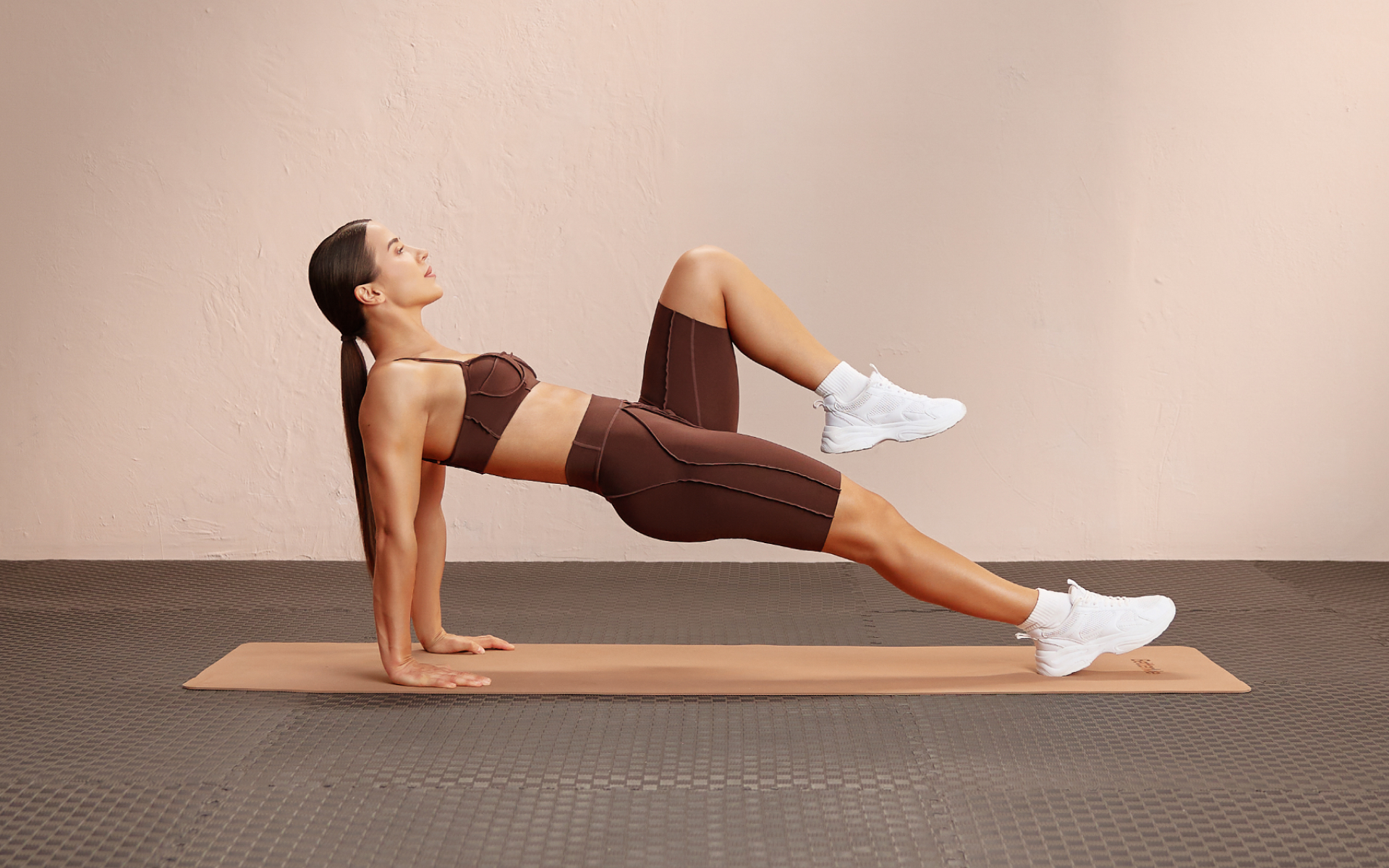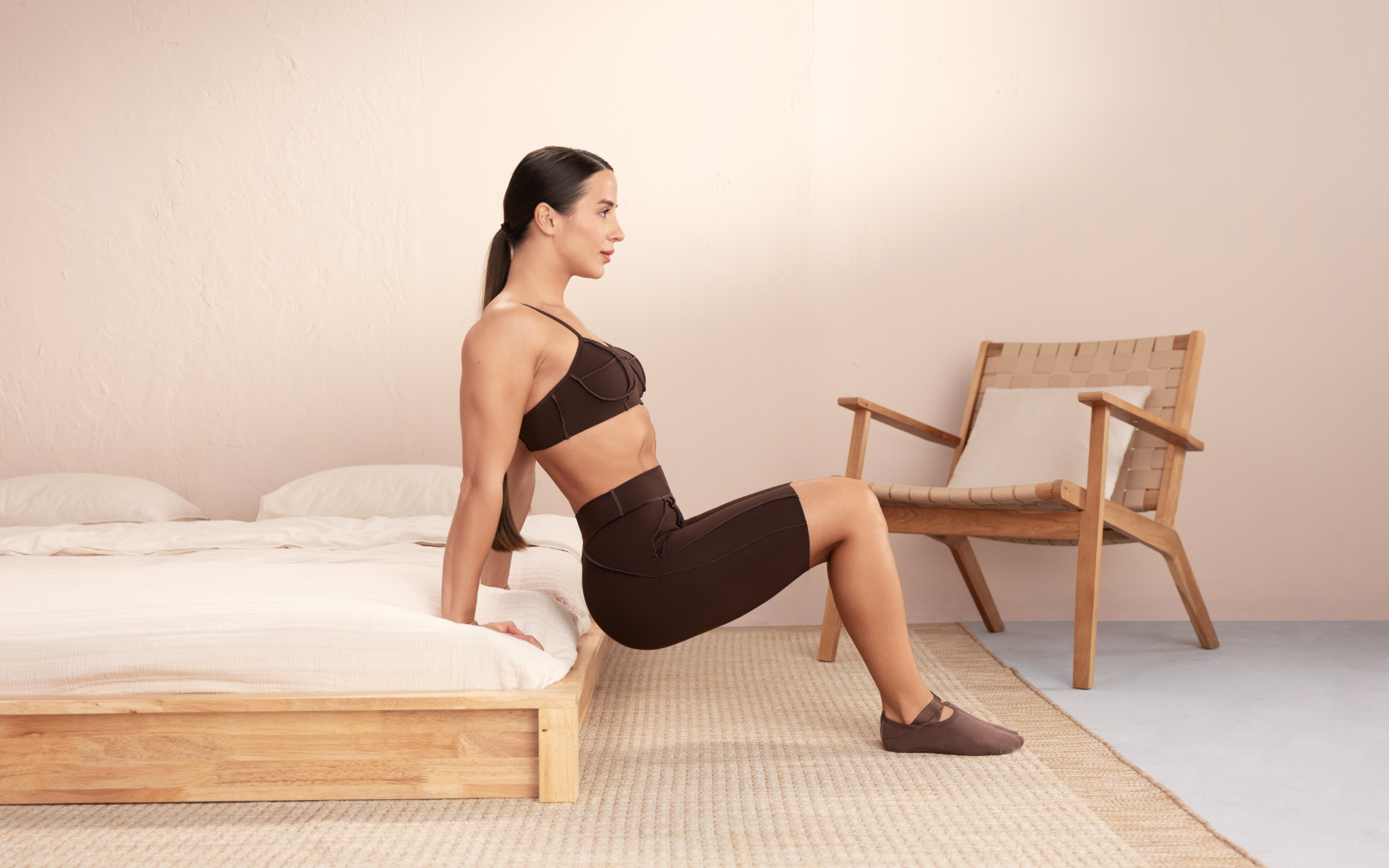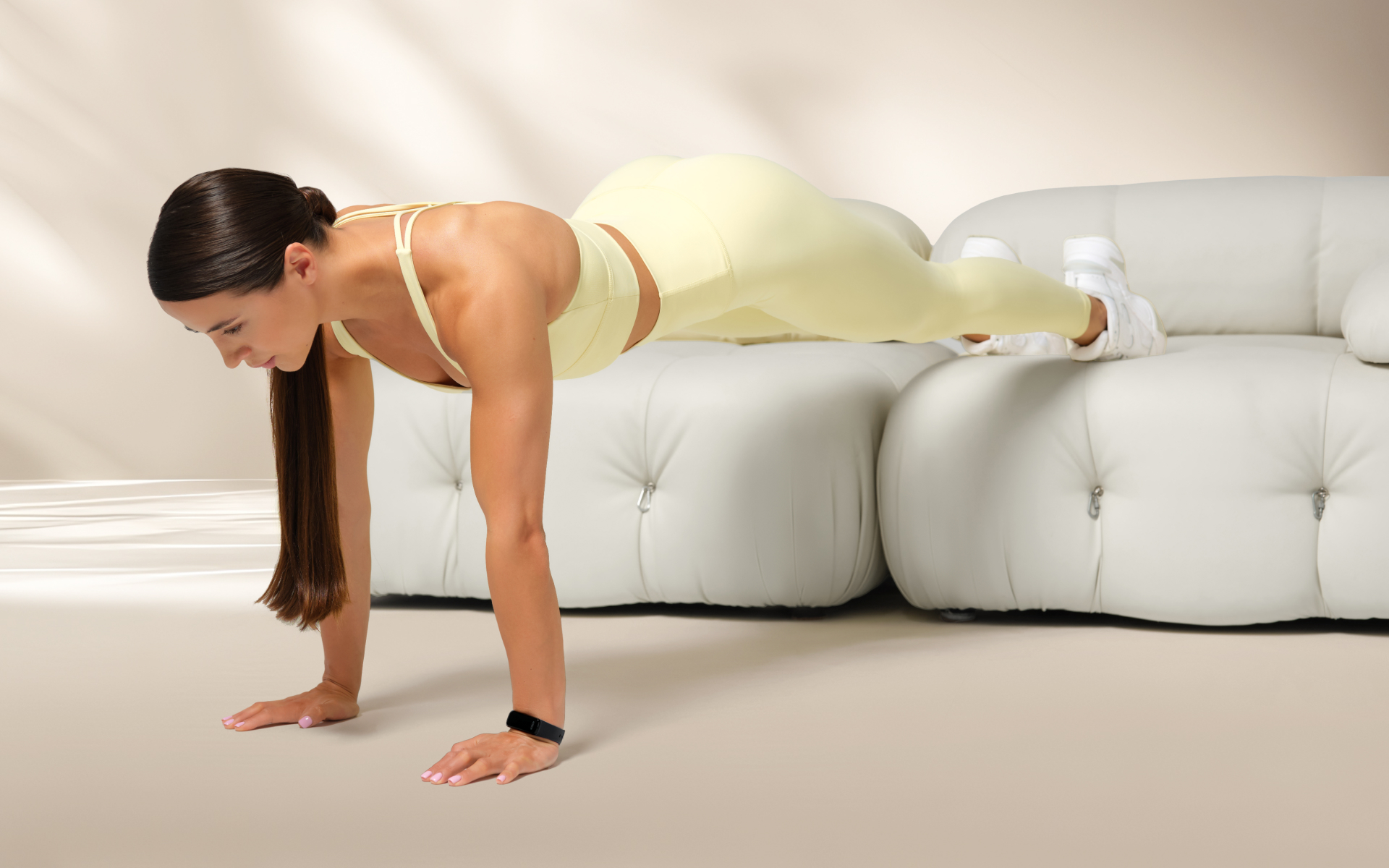
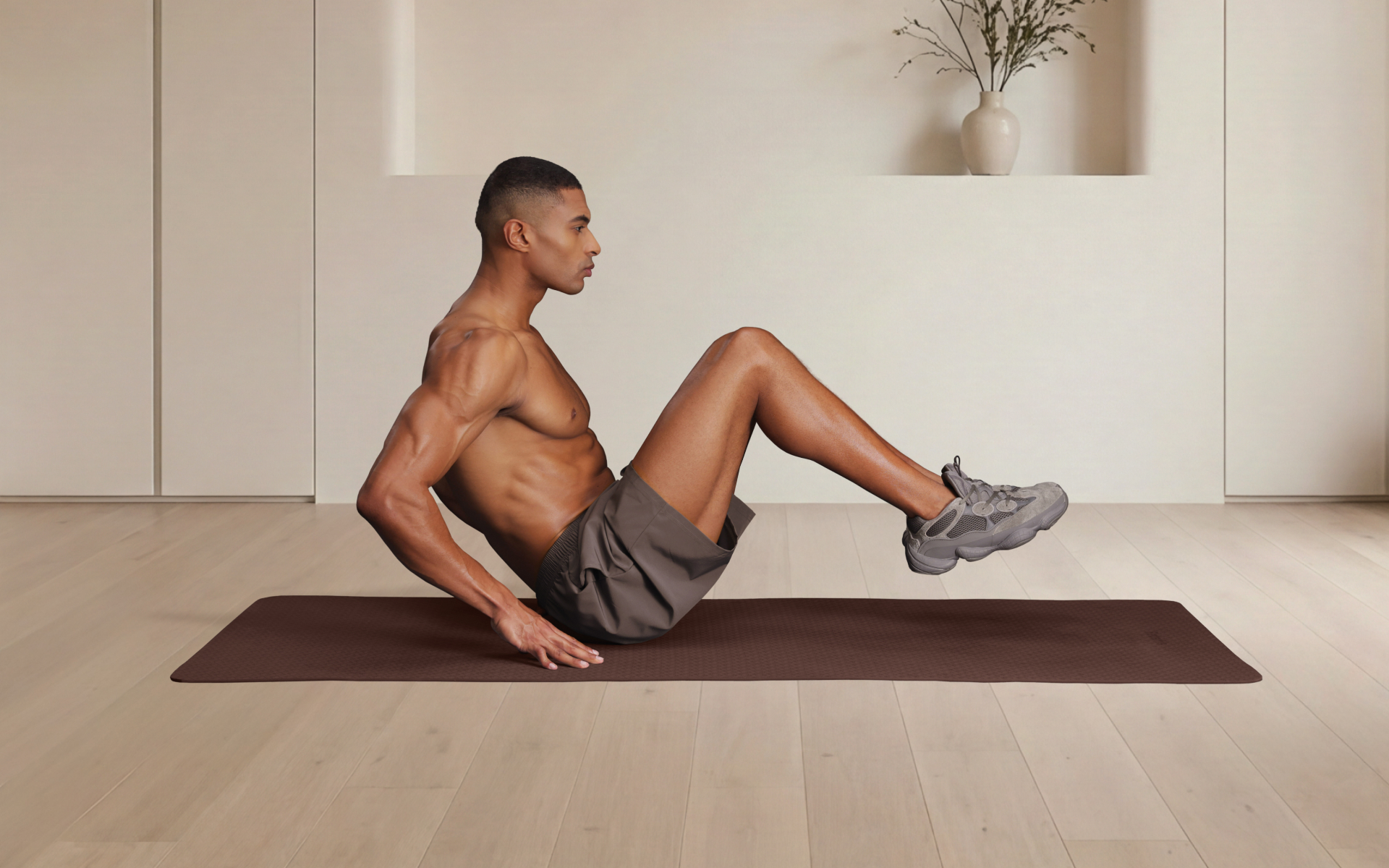
Beginner military calisthenics is a bodyweight training method inspired by armed forces routines. It focuses on building strength, endurance, and discipline using minimal gear. For a calisthenics beginner, starting this practice involves mastering basic movements like push-ups, squats, and planks. The best routine for you depends on your current fitness level and physical goals. Read on to learn how to build a consistent habit with these foundational exercises.
Bodyweight training offers a highly accessible way to build physical resilience. Beginner military calisthenics takes the structured, straightforward approach of boot camp conditioning and adapts it for everyday people. You do not need a heavy rucksack or a drill sergeant to enjoy the benefits of these routines.
Whether you want to try a beginner military calisthenics female routine or simply want to move more comfortably, this style of exercise is highly adaptable. It often requires zero gear, making it a great choice for busy schedules. A beginner military calisthenics at home practice allows you to work out in your living room.
Keep reading to learn how to ease into these foundational movements. You will discover how to build a routine that fits your lifestyle, and learn the practical benefits of military-style bodyweight training.
Can Beginners Do Military Workouts?
Yes, beginners can easily adapt military-style workouts to fit their current fitness levels. You do not have to start with hundreds of push-ups or miles of running. The core idea is to focus on simple, functional movements that support everyday life.
Many people assume these routines are too intense for a novice. However, every advanced exercise has a beginner-friendly variation. A beginner military calisthenics no equipment routine modifies the movements to be gentle on your joints.
To understand how these workouts can be modified, look at the comparison below. It shows how traditional exercises translate into accessible variations.
| Exercise Type | Traditional Military Movement | Beginner-Friendly Adaptation |
|---|---|---|
| Upper Body | Standard floor push-ups | Wall push-ups or knee push-ups |
| Core | Flutter kicks or V-ups | Seated knee tucks or brief planks |
| Lower Body | Jump squats | Bodyweight box squats or chair squats |
| Cardio | Long-distance running | Brisk walking or marching in place |
By choosing the adaptations, you can practice a beginner military calisthenics no equipment routine without overworking your body. This makes the process enjoyable and sustainable over the long term.
Read more: Morning Calisthenics Routine for Men: A Science-Based Guide
How To Start Military Calisthenics?
Starting a new routine requires a clear plan and a focus on consistency. The best approach is to start small and build your capacity over time. If you want to build a beginner military calisthenics at home practice, follow these three simple steps:
- Create a dedicated space: Find a clear area in your home where you can stretch your arms and legs fully.
- Focus on form over speed: Perform each movement slowly to ensure you engage the right muscles and avoid strain (1).
- Establish a routine: Commit to a realistic schedule, like working out 2–3 days a week.
Many people find success by following a structured schedule. Using a workout plan full body calisthenics approach can help you track your progress and remove the guesswork from each training day.
Remember, consistency matters more than intensity. A 30 day Calisthenics workout plan for beginners allows your body to adjust to new movement patterns gradually.
Which Is the Easiest Calisthenics Skill to Begin With?
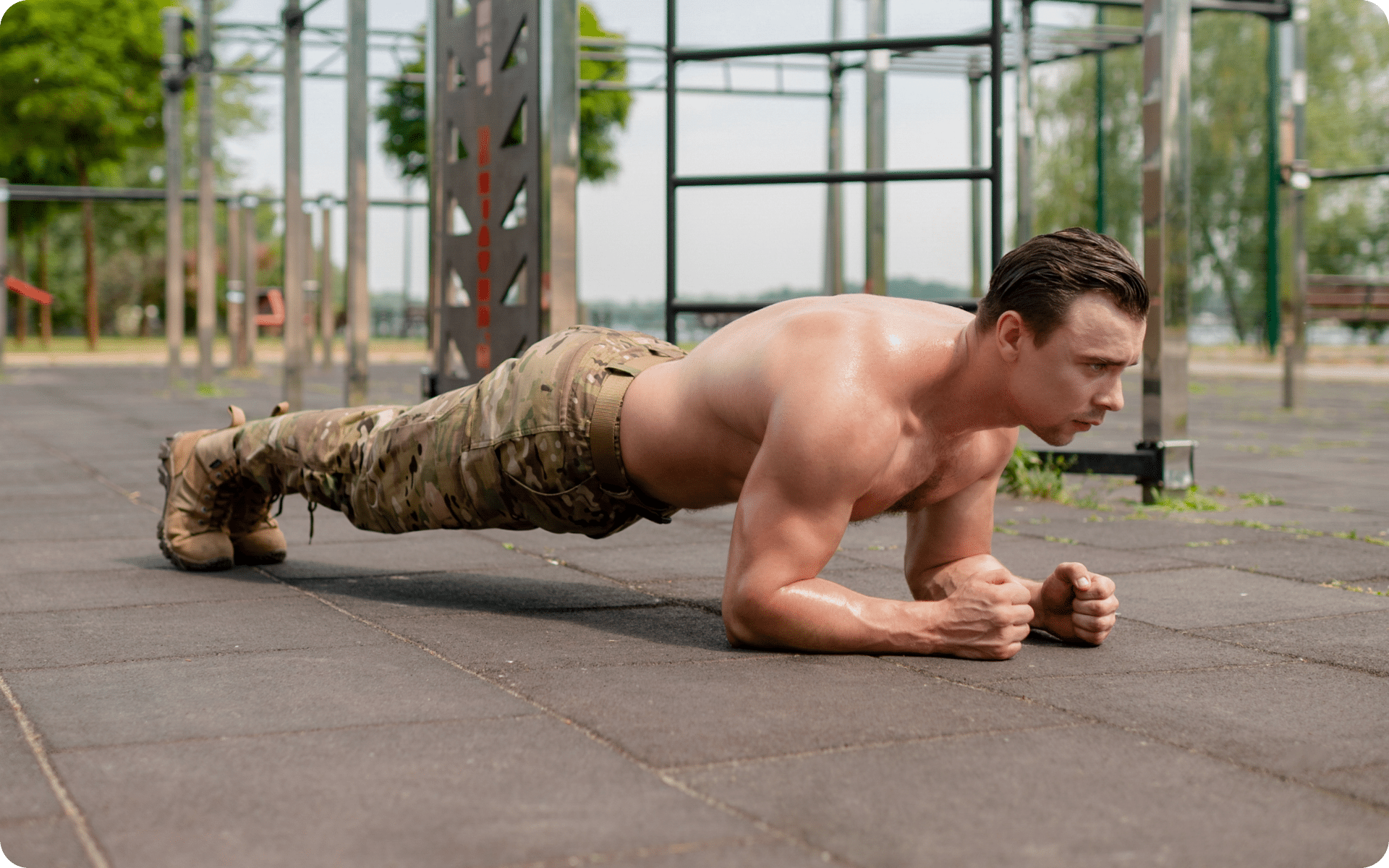
The plank is widely considered one of the easiest and most effective calisthenics skills for beginners. It teaches your body how to brace your core, which is essential for almost every other movement. When you hold a plank, you learn how to align your shoulders, hips, and ankles.
Another excellent starting point is the wall push-up. It is a fantastic beginner calisthenics workout with no equipment exercise because it builds upper body strength gently. It allows you to control how much weight you press by adjusting your foot position.
Mastering these basic holds and presses builds a solid foundation. Once you feel comfortable with a wall push-up, you can progress to an incline push-up on a sturdy chair. This step-by-step progression is the heart of a good beginner calisthenics workout no equipment plan.
BetterMe: Health Coaching app helps you achieve your body goals with ease and efficiency by helping to choose proper meal plans and effective workouts. Start using our app and you will see good results in a short time.
What Is a Moderate Beginner Military Calisthenics?
A moderate beginner routine combines upper body, lower body, and core movements into one balanced session. It should challenge your muscles while remaining easy on the body. If you are looking for a workout military calisthenics workout beginners can follow, this type of short, balanced circuit is a practical place to start. You can complete this sequence in 15–20 minutes.
Here is a sample table outlining a moderate routine suitable for anyone, including those seeking a beginner military calisthenics female approach:
| Exercise | Reps/Time | Rest Period |
|---|---|---|
| Marching in Place | 2–3 minutes | None (warm-up) |
| Wall Push-Ups | 8–12 reps | 30 seconds |
| Chair Squats | 10–15 reps | 30 seconds |
| Modified Plank | 15–20 seconds | 45 seconds |
| Glute Bridges | 10–12 reps | 60 seconds |
Below are the instructions for performing these exercises correctly.
Wall Push-Ups
Stand an arm’s length away from a solid wall. Place your hands flat against the wall at shoulder height. Slowly bend your elbows to bring your chest toward the wall. Press back to the starting position.
Chair Squats
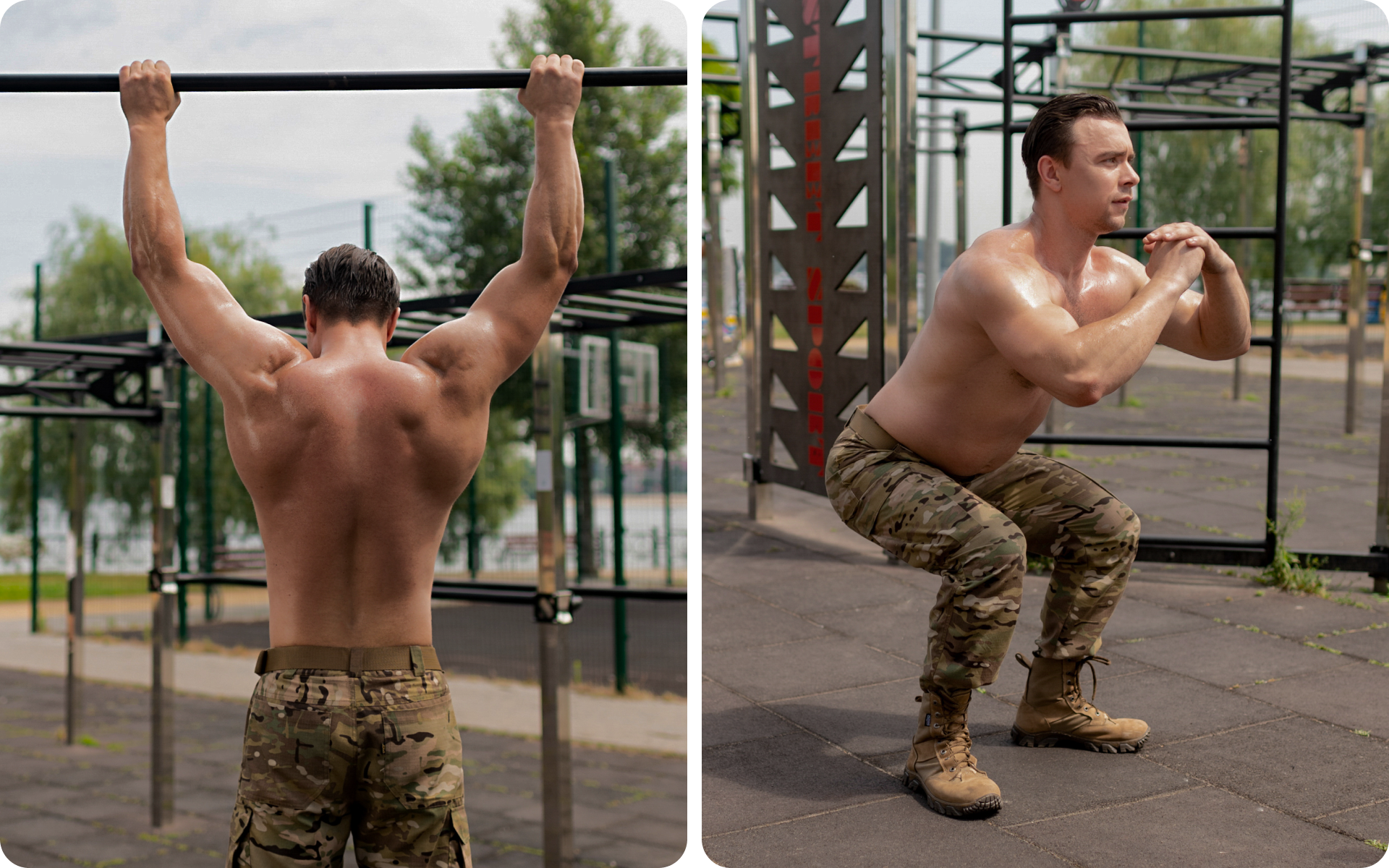
Stand in front of a sturdy chair with your feet shoulder-width apart. Slowly push your hips back and lower yourself until you lightly touch the seat. Keep your chest up, then press through your heels to stand back up.
Modified Plank
Kneel on a soft mat and place your forearms on the floor. Extend your body so there is a straight line from your head to your knees. Hold this position while breathing deeply, keeping your core engaged.
Glute Bridges
Lie on your back with your knees bent and feet flat on the floor. Keep your arms resting at your sides. Press your heels into the ground and lift your hips toward the ceiling. Pause at the top, then slowly lower your hips back down.
Should You Do Military Calisthenics Every Day?
You do not need to do military calisthenics every day to see progress. In fact, resting is when your muscles rebuild and adapt to the stress of exercise. For most people, training 3–4 days a week is plenty.
Working out every day can lead to fatigue and make it harder to maintain good form. A beginner military calisthenics female routine often emphasizes listening to your body and taking rest days. If your muscles feel heavily fatigued, taking a day off or going for a gentle walk is a wise choice.
Balancing effort with rest allows you to maintain a lasting habit. Focus on quality movement during your workouts and give your body the time it needs to recover afterward.
Read more: How to Build Muscle with Calisthenics: A Complete Guide
Can Military Calisthenics Get You Ripped?
Military calisthenics can help you build lean muscle and improve your overall body composition. However, getting “ripped” depends heavily on a combination of consistent training, genetics, and a balanced diet. Bodyweight exercises are excellent for building functional strength and muscle tone (2).
As you progress, you will naturally increase the difficulty of your movements. This progressive overload challenges your muscles to grow stronger (3). While calisthenics builds an athletic physique, achieving a highly defined look requires specific nutritional habits (4).
Ultimately, focus on how the movements make you feel rather than just aesthetic outcomes. Consistent practice will help you feel more energetic and capable in your daily life.
Frequently Asked Questions
Does 15 minutes of military calisthenics work?
Yes, a focused 15-minute military calisthenics routine can be highly effective for building strength. Short, consistent workouts help you establish a lasting fitness habit without overwhelming your schedule (4). By moving continuously and focusing on your form, you can elevate your heart rate and engage major muscle groups. Over time, these brief daily or weekly sessions accumulate into noticeable improvements in endurance and mobility. It is a practical option for anyone with a busy lifestyle.
How many pushups do navy seals do a day?
Navy SEALs often perform several hundred push-ups a day during their rigorous training. However, this volume is designed for elite tactical conditioning and is not recommended for the general public.
For an average person, doing that many push-ups could cause severe shoulder strain. Beginners should focus on small, manageable sets, such as 10–20 repetitions total per workout. Your goal is to build steady strength, not to mimic extreme military selection programs.
What weight should a beginner military press be?
A beginner should start with a very light weight, such as 5–10 pounds per hand, or simply use an empty barbell. The military press requires significant shoulder mobility and core control, making proper form crucial.
If you are doing bodyweight calisthenics, you can practice the motion with zero weight or use resistance bands. Starting light helps you learn the movement pattern without placing undue stress on your upper body joints.
Is calisthenics better than weightlifting?
Neither method is universally better; the best choice depends entirely on your personal preferences and lifestyle. Calisthenics relies on your own body weight, making it convenient, accessible, and excellent for core stability.
Weightlifting allows for easier, more measurable progressive overload by simply adding more plates. Many people choose to blend both methods to enjoy the unique benefits of each. The most effective routine is always the one you actually enjoy and stick with.
Can beginners do military calisthenics at home?
Yes, beginners can easily perform military calisthenics at home using minimal space. These exercises are designed to rely solely on your body, meaning you do not need expensive gym equipment or machines. You can use common household items, like a sturdy chair for squats or a wall for modified push-ups. Working out at home provides a comfortable, private environment to learn new movements at your own pace.
The Bottom Line
Starting a beginner military calisthenics routine is a simple, practical way to build functional strength. By mastering basic movements and progressing gently, you can create a sustainable fitness habit that supports your daily life.
DISCLAIMER:
This article is intended for general informational purposes only and does not serve to address individual circumstances. It is not a substitute for professional advice or help and should not be relied on for making any kind of decision-making. Any action taken as a direct or indirect result of the information in this article is entirely at your own risk and is your sole responsibility.
BetterMe, its content staff, and its medical advisors accept no responsibility for inaccuracies, errors, misstatements, inconsistencies, or omissions and specifically disclaim any liability, loss or risk, personal, professional or otherwise, which may be incurred as a consequence, directly or indirectly, of the use and/or application of any content.
You should always seek the advice of your physician or other qualified health provider with any questions you may have regarding a medical condition or your specific situation. Never disregard professional medical advice or delay seeking it because of BetterMe content. If you suspect or think you may have a medical emergency, call your doctor.
SOURCES:
- Knowledge of Targeted Muscles and Proper Form in Strength Training: A Cross-Sectional Survey of 1000 Adults Across Age, Sex, and Instructional Experience (2025, pmc.ncbi.nlm.nih.gov)
- Benefits of Bodyweight Training (2025, humankinetics.me)
- Effects of Resistance Training Overload Progression Protocols on Strength and Muscle Mass (2024, pubmed.ncbi.nlm.nih.gov)
- Effects of Different Nutritional Patterns and Physical Activity on Body Composition: A Gender and Age Group Comparative Study (2024, mdpi.com)
- Short bursts of exercise may offer big health benefits (2023, health.harvard.edu)
 By
By