
Embarking on a fitness journey often comes with two primary goals: losing weight and building muscle. Many beginners believe these must be tackled separately, one after the other. However, the human body is highly adaptive, and with the right approach, it’s possible to pursue both objectives simultaneously.
This guide contains an effective approach to weight loss and muscle gain for beginners. We break down the nutrition and training principles that are required to transform your body composition, moving beyond simple weight loss to a more holistic state of health and strength.
Weight Loss vs Fat Loss: The Difference
Before we get started, it’s important to understand a subtle yet vital distinction:
- Weight loss refers to a reduction in your overall body mass from fat, muscle, water, and other tissues.
- Fat loss specifically targets the reduction of body fat. For most people aiming for a healthier, leaner physique, fat loss is the real objective – even though “weight loss” is a more commonly used term.
You’ll notice that this guide uses “weight loss” and “fat loss” interchangeably. However, the strategies covered here are specifically designed to preserve or even increase muscle while reducing body fat.
Can I Do Weight Loss and Muscle Gain at the Same Time?
Yes, it’s entirely possible to lose fat and gain muscle concurrently. This process is known as body recomposition (1).
While it may seem counterintuitive – as fat loss requires a caloric deficit (consuming fewer calories than you burn) and muscle gain is optimized in a caloric surplus (consuming more calories than you burn) – the body can manage both under specific conditions (1).
Body recomposition is most efficient for certain groups of people:
- Beginners: Individuals new to resistance training have a high sensitivity to its stimulus. Their muscles respond rapidly to training (2), and the body can pull energy from fat stores to fuel muscle growth even in a slight caloric deficit (3).
- Detrained Individuals: People who were previously fit but have taken a long break from training can regain muscle quickly due to “muscle memory”, a phenomenon where previously trained muscle cells are easier to reactivate (4).
- Individuals with Higher Body Fat: Those with more significant fat reserves have a readily available energy source (5). The body can tap into these fat stores to provide the energy that is needed for muscle protein synthesis – the process of building new muscle tissue (6).
However, research has shown body recomps are successful in highly trained individuals and even physique athletes (7).
The key is to create a moderate caloric deficit – just enough to stimulate fat loss without depriving your body of the resources needed for muscle repair and growth. This, combined with adequate protein intake and a structured resistance training program, provides the ideal environment for body recomposition (1).
For an in-depth look at structuring your meals to support this goal, you might want to explore our guide to a body recomposition diet.
What Is the Fastest Way to Lose Weight and Gain Muscle?
The concept of “fast” in fitness should be reframed to “efficient and sustainable”. While rapid changes are appealing, they’re often temporary and can be detrimental to your long-term health (8). The most efficient strategy for simultaneous fat loss and muscle gain involves a multi-faceted approach that prioritizes consistency over speed.
1. Implement a Moderate Caloric Deficit
Instead of drastic calorie cuts, aim for a conservative deficit of 100-200 calories below your total daily energy expenditure (TDEE) (9). This moderate pace will ensure that your body has enough energy to fuel workouts and build muscle, preventing the catabolic (muscle-breakdown) state that can occur with aggressive dieting.
BetterMe: Health Coaching app helps you achieve your body goals with ease and efficiency by helping to choose proper meal plans and effective workouts. Start using our app and you will see good results in a short time.
2. Prioritize High-Protein Nutrition
Protein is the building block of muscle (10). During body recomposition, its role is twofold: it provides the amino acids necessary for muscle protein synthesis and promotes satiety, helping you adhere to your caloric deficit (1).
Research on dieting phases has suggested that higher protein targets are often used for body recomposition than for standard bulking/bodybuilding. In practice, many protocols land around ~2.5 g/kg+, and some researchers have tested intakes as high as ~3.4 g/kg in trained lifters during energy restriction (7). One leading explanation is protein’s high thermic effect of food (TEF) – your body expends more energy digesting, absorbing, and metabolizing protein than it does for carbs or fat. For recomp, the practical takeaway is to keep the calorie deficit conservative and increase protein to support lean mass while dieting.
3. Engage in Progressive Resistance Training
Resistance training is the non-negotiable stimulus for muscle growth (11). It signals your body to preserve and build muscle tissue, ensuring that the weight you lose comes primarily from fat (1).
The principle of progressive overload is crucial here. This means you must continually challenge your muscles by gradually increasing the weight, repetitions, or sets over time. Without this progressive challenge, your muscles will adapt and cease to grow (12).
4. Incorporate Strategic Cardiovascular Exercise
While resistance training builds muscle, cardiovascular exercise excels at burning calories and improving heart health. A combination of both is ideal.
- High-Intensity Interval Training (HIIT): Involves short bursts of all-out effort followed by brief recovery periods. A 20-minute HIIT session can burn a significant number of calories and has been shown to be effective at reducing body fat while preserving muscle mass (13).
- Low-Intensity Steady-State (LISS): Activities such as brisk walking or cycling for 30-45 minutes are less taxing on the body and primarily use fat for fuel. LISS is an excellent tool for increasing your overall calorie burn without impeding recovery from your strength workouts (14).
By combining these four pillars, you create an efficient system for achieving your goals. This strategic approach is the best way to gain muscle and lose fat in a sustainable manner.
Read more: Circuit Training at Home: Your Ultimate Guide to a Lean Physique
What Is the Best Weight Loss and Muscle Gain Workout Plan?
A successful weight loss and muscle gain workout plan for beginners should be built around compound exercises. These are multi-joint movements that engage several muscle groups at once, which makes them incredibly efficient for both strength development and calorie expenditure (15).
This plan focuses on a 3-day-per-week full-body routine, which provides an optimal balance of training stimulus and recovery for beginners.
Here’s a sample workout plan. Perform this routine three times a week on non-consecutive days (e.g. Monday, Wednesday, Friday) to allow for 48 hours of recovery between sessions.
Workout Day (Full Body)
Warm-up (5-10 minutes):
- Light cardio (jogging in place, jumping jacks) for 3-5 minutes.
- Dynamic stretches (arm circles, leg swings, torso twists).
Main Workout:
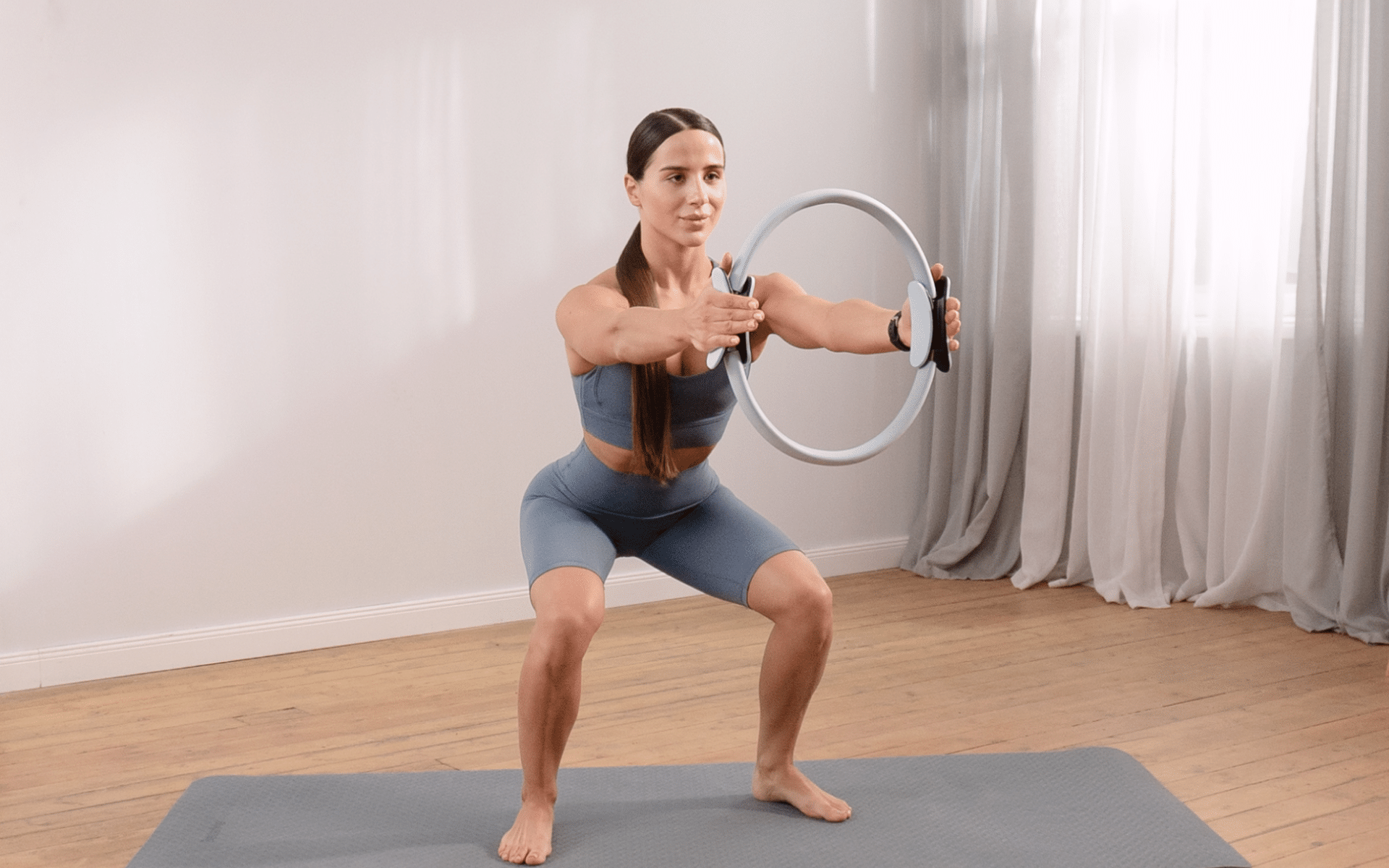
- Goblet Squat
- Sets: 3
- Reps: 8-12
- Target Muscles: Quadriceps, glutes, hamstrings, core.
- Execution:
- Hold a single dumbbell or kettlebell vertically against your chest with both hands. Keep your elbows tucked in.
- Stand with your feet slightly wider than shoulder-width apart, with your toes pointing out slightly.
- Keeping your chest up and your back straight, lower your hips back and down as if sitting in a chair.
- Descend until your thighs are parallel to the floor, or as low as you can comfortably go while maintaining good form.
- Drive through your heels to return to the starting position, squeezing your glutes at the top.
- Dumbbell Bench Press
- Sets: 3
- Reps: 8-12
- Target Muscles: Chest, shoulders, triceps.
- Execution:
- Lie on a flat bench with a dumbbell in each hand, resting them on your thighs.
- Kick the dumbbells up one at a time to bring them to the sides of your chest. Your palms should face forward.
- Plant your feet firmly on the floor. Your back should have a slight, natural arch.
- Press the dumbbells straight up until your arms are fully extended, but not locked.
- Slowly lower the dumbbells back to the starting position with control.
- Bent-Over Dumbbell Row
- Sets: 3
- Reps: 8-12 per arm
- Target Muscles: Back, biceps, rear shoulders.
- Execution:
- Place your left knee and left hand on a flat bench. Your back should be parallel to the floor.
- Hold a dumbbell in your right hand with your arm extended toward the floor.
- Keeping your core tight and back straight, pull the dumbbell up toward your chest, leading with your elbow.
- Squeeze your back muscles at the top of the movement.
- Lower the dumbbell slowly and with control. Complete all reps on one side before switching to the other.
The BetterMe: Health Coaching app will provide you with a host of fat-frying fitness routines that’ll scare the extra pounds away and turn your body into a masterpiece! Get your life moving in the right direction with BetterMe!
- Overhead Press
- Sets: 3
- Reps: 8-12
- Target Muscles: Shoulders, triceps, upper chest.
- Execution:
- Stand with your feet shoulder-width apart, holding a dumbbell in each hand at shoulder height. Your palms should be facing forward.
- Engage your core and glutes to stabilize your body.
- Press the dumbbells directly overhead until your arms are fully extended.
- Avoid arching your lower back as you press.
- Slowly lower the dumbbells back to the starting position.
- Plank
- Sets: 3
- Hold Time: 30-60 seconds
- Target Muscles: Core (abdominals, obliques, lower back).
- Execution:
- Position yourself on the floor in a push-up position, but with your weight resting on your forearms instead of your hands.
- Your body should form a straight line from your head to your heels.
- Engage your core and glutes to prevent your hips from sagging.
- Hold the position for the designated time, breathing steadily.
Cool-down (5-10 minutes):
- Static stretches for major muscle groups (hold each stretch for 20-30 seconds).
This routine is one of the best workout routines for beginners as it’s simple, effective, and easily scalable. As you get stronger, you can apply progressive overload by increasing the weight, adding a repetition, or performing an extra set.
Read more: Body Recomp Workout Plan: Gain Muscle and Lose Fat
Is Lifting 3 Days a Week Enough for Weight Loss and Muscle Gain?
For a beginner, lifting weights three days a week isn’t only enough, it’s often optimal. This frequency provides a perfect balance between stimulating muscle growth and allowing for adequate recovery (16).
Here’s why a 3-day full-body routine is so effective for a novice aiming for weight loss and muscle gain:
- Maximizes Muscle Protein Synthesis (MPS): After a resistance training session, MPS is elevated for approximately 24-48 hours (17). Training the full body three times per week means you’re stimulating every major muscle group frequently enough to keep MPS elevated throughout the week, which leads to consistent growth.
- Promotes Adequate Recovery: Recovery is when muscle repair and growth actually occur. Spacing workouts with at least one day of rest in between allows your muscles, nervous system, and connective tissues to heal and adapt (18). Overtraining is a common pitfall for enthusiastic beginners, and this schedule helps prevent it.
- High-Frequency Stimulus: Hitting each muscle group three times per week provides a high-frequency stimulus that is ideal for neuromuscular adaptation – the process by which your brain becomes more efficient at recruiting muscle fibers. This leads to rapid strength gains in the initial stages of training (2).
- Metabolic Impact: Full-body workouts centered on compound lifts burn a substantial number of calories both during and after the session due to excess post-exercise oxygen consumption (EPOC), also known as the “afterburn effect”. This contributes significantly to your weekly caloric deficit, which facilitates fat loss (19).
While more advanced lifters might benefit from higher-frequency splits (e.g. training 4-6 days a week), a 3-day weight training for weight loss program is a powerful and sustainable starting point for anyone who is new to the gym. As you progress, you can assess your recovery and goals to determine if it’s necessary to increase your training frequency.
Which Food Is Best for Fat Loss and Muscle Gain?
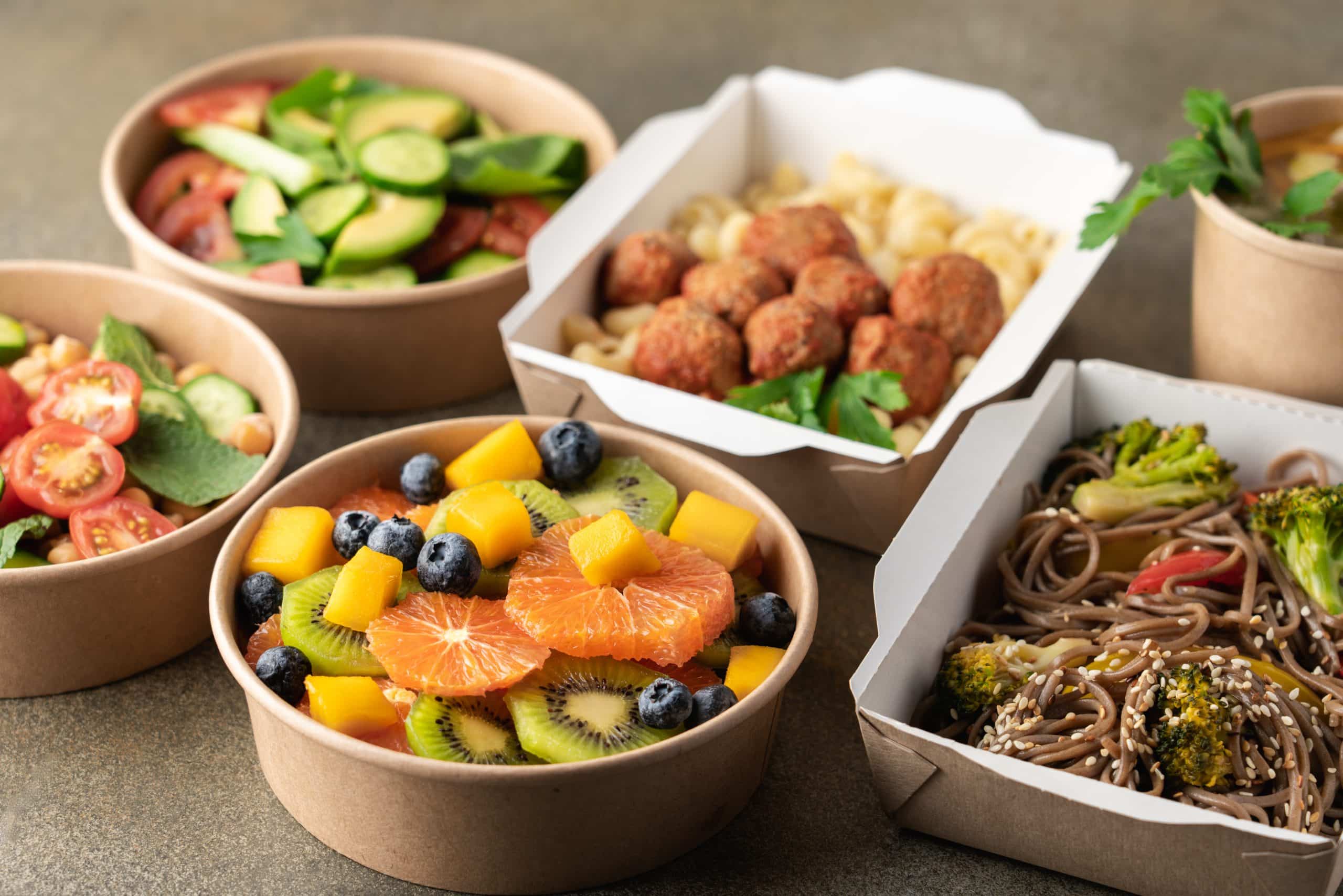
There’s no single “best” food, but rather a dietary strategy built on consuming nutrient-dense, whole foods. Your diet should support both fat loss (by controlling calories) and muscle gain (by providing essential nutrients).
Key Food Groups and Examples:
- Lean Protein Sources: This is the most important macronutrient for body recomposition (1).
- Why: Provides the amino acids that are needed to repair and build muscle. It’s also highly satiating, which helps control hunger, and protein’s high thermic effect of food (TEF) means your body expends more energy digesting, absorbing, and metabolizing it than it does for carbohydrates or fat – slightly increasing overall calorie expenditure during digestion (20, 21).
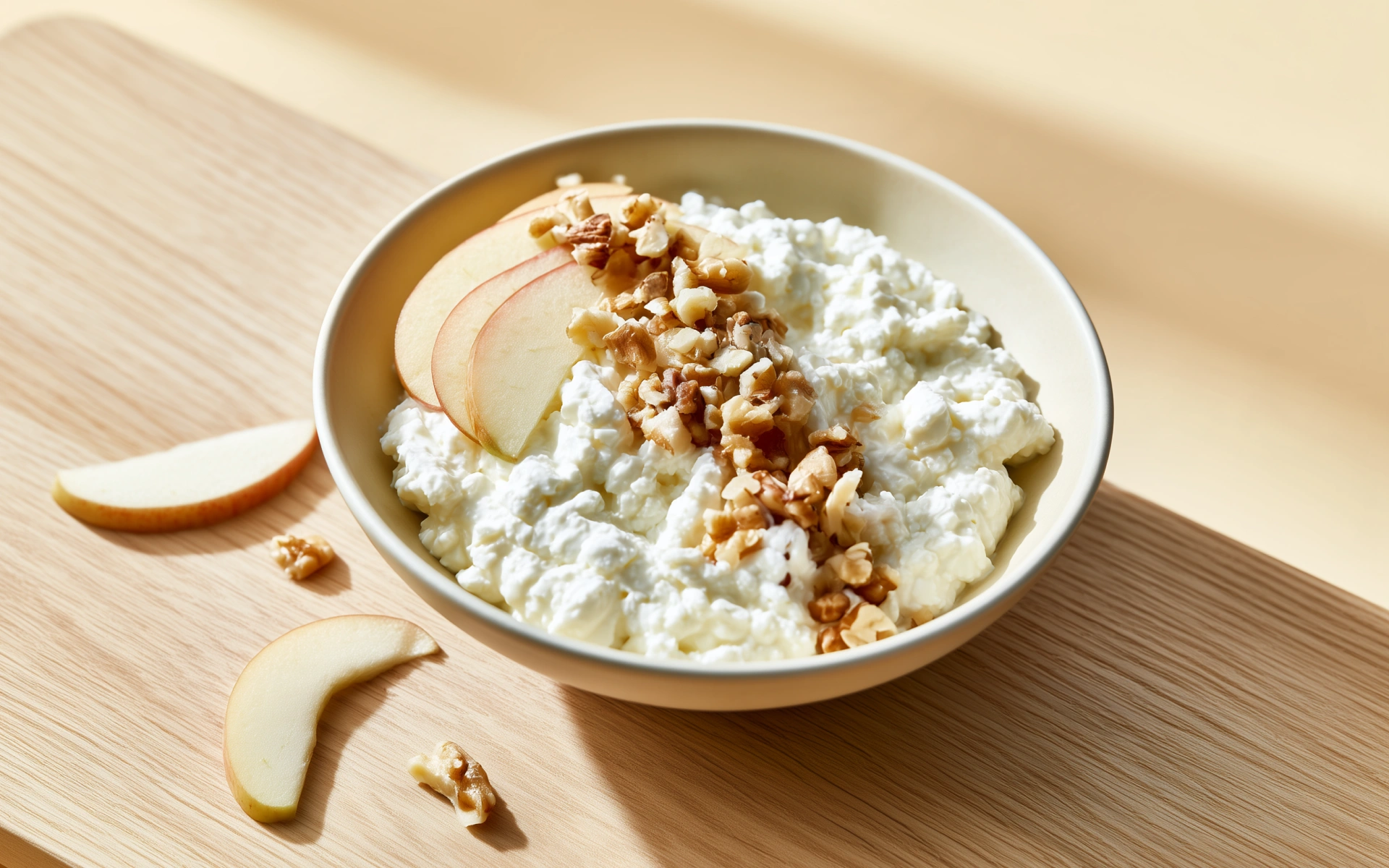
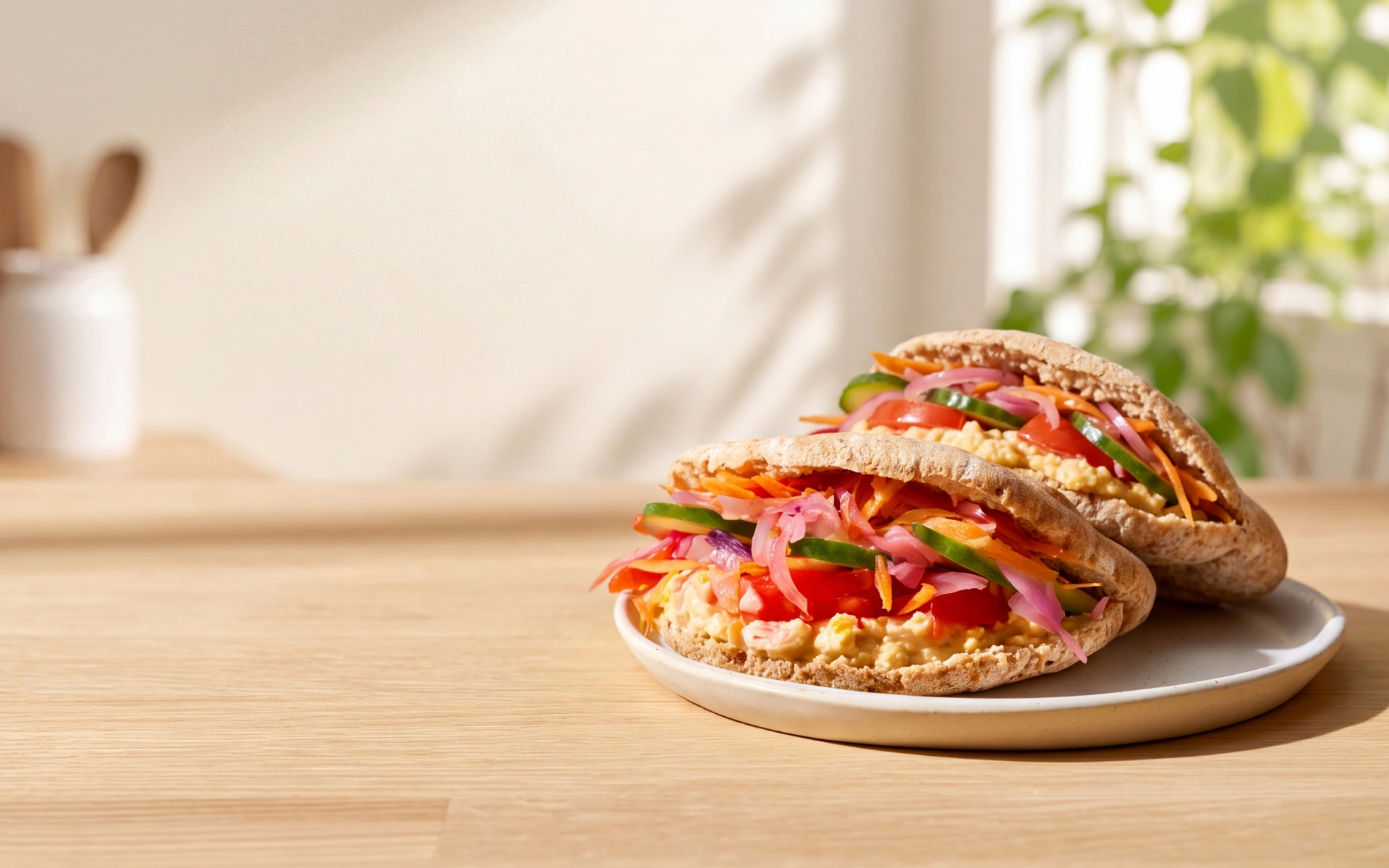
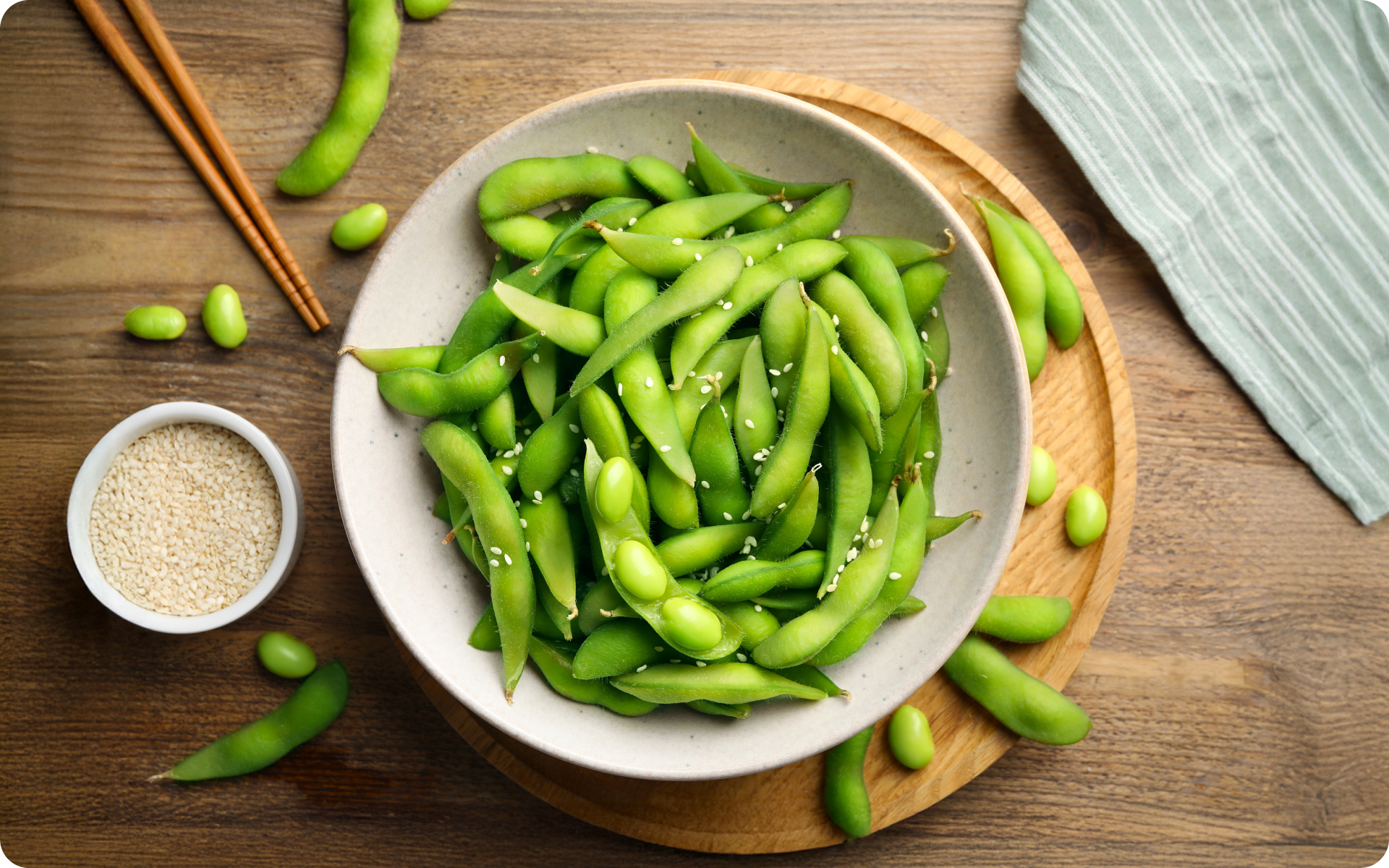
- Examples: Chicken breast, turkey, lean beef, fish (such as salmon and tuna), eggs, Greek yogurt, cottage cheese, and plant-based options such as tofu, tempeh, lentils, and chickpeas.
- Target: Aim for 20-40 grams of protein per meal.
- Complex Carbohydrates: These are your primary energy source for workouts (22).
- Why: They provide a slow, sustained release of energy, fueling your training sessions and replenishing glycogen stores afterward. They’re also rich in fiber, which aids digestion and satiety (23).
- Examples: Oats, brown rice, quinoa, sweet potatoes, whole-wheat bread, and vegetables.
- Timing: Consuming carbohydrates around your workouts can be particularly beneficial for performance and recovery.
- Healthy Fats: Essential for hormone production and overall health (24).
- Why: Fats play a crucial role in regulating hormones, including testosterone, which is essential for muscle growth. They also help with the absorption of fat-soluble vitamins (24).
- Examples: Avocados, nuts, seeds (chia, flax), olive oil, and fatty fish.
- Moderation: Fats are calorie-dense (9 calories per gram), so portion control is important when in a caloric deficit.
- Fruits and Vegetables: Packed with vitamins, minerals, and antioxidants (25).
- Why: These micronutrients support metabolic function, reduce inflammation, and protect cells from exercise-induced stress (25).
- Examples: Leafy greens (spinach, kale), broccoli, berries, bananas, and oranges.
Building a diet around these food groups will ensure you’re well-equipped to lose fat while building muscle. To learn more about creating a complete eating plan, consider researching the best diet for weight loss and muscle gain.
Yes, you can absolutely build muscle while losing fat, particularly if you’re a beginner. This process, which is known as body recomposition, is achieved by combining a moderate caloric deficit with high protein intake and consistent resistance training (1). The training signals your body to build muscle, while the protein provides the necessary building blocks and the caloric deficit encourages your body to use stored fat for energy. Lifting heavy is crucial when you’re in a caloric deficit (cutting). Maintaining intensity and lifting heavy weights (in the 6-12 rep range) signals to your body that your muscle mass is essential and needs to be preserved (26). If you reduce the intensity of your workouts significantly, your body may interpret this as a sign that the muscle is no longer needed, which can lead to muscle loss alongside fat loss. No, you don’t need a fully equipped gym to start. A simple weight loss and muscle gain workout plan for beginners can be highly effective using just your body weight. Exercises such as push-ups, squats, lunges, and planks are excellent for building a foundational level of strength. As you progress, you can invest in a set of resistance bands or adjustable dumbbells to continue challenging your muscles with progressive overload.Frequently Asked Questions
Can I build muscle during fat loss?
Should I lift heavy when cutting?
Do I need equipment to start?
The Bottom Line
The journey of transforming your physique is a marathon, not a sprint. By focusing on the foundational principles of nutrition and consistent, progressive training, you’re setting yourself up for success.
You’ll start to notice the signs of gaining muscle and losing fat not just on the scale, but in the way your clothes fit, your increasing strength at the gym, and your overall energy levels. Embrace the process, stay consistent, and trust that your dedicated efforts will yield the results you are working towards.
DISCLAIMER:
This article is intended for general informational purposes only and does not serve to address individual circumstances. It is not a substitute for professional advice or help and should not be relied on for making any kind of decision-making. Any action taken as a direct or indirect result of the information in this article is entirely at your own risk and is your sole responsibility.
BetterMe, its content staff, and its medical advisors accept no responsibility for inaccuracies, errors, misstatements, inconsistencies, or omissions and specifically disclaim any liability, loss or risk, personal, professional or otherwise, which may be incurred as a consequence, directly or indirectly, of the use and/or application of any content.
You should always seek the advice of your physician or other qualified health provider with any questions you may have regarding a medical condition or your specific situation. Never disregard professional medical advice or delay seeking it because of BetterMe content. If you suspect or think you may have a medical emergency, call your doctor.
SOURCES:
- Editorial: New insights and advances in body recomposition (2024, frontiersin.org)
- Neuromuscular adaptations to resistance training in elite versus recreational athletes (2025, frontiersin.org)
- The Body’s Fuel Sources (n.d., us.humankinetics.com)
- EVERYTHING YOU NEED TO KNOW ABOUT MUSCLE MEMORY (n.d., nasm.org)
- A Comparison of Substrate Utilization Profiles During Maximal and Submaximal Exercise Tests in Athletes (2022, frontiersin.org)
- Muscle Protein Synthesis and Whole-Body Protein Turnover Responses to Ingesting Essential Amino Acids, Intact Protein, and Protein-Containing Mixed Meals with Considerations for Energy Deficit (2020, mdpi.com)
- A high protein diet (3.4 g/kg/d) combined with a heavy resistance training program improves body composition in healthy trained men and women – a follow-up investigation (2015, link.springer.com)
- Risks Associated With Excessive Weight Loss (2024, ncbi.nlm.nih.gov)
- What is the Required Energy Deficit per unit Weight Loss? (2008, pmc.ncbi.nlm.nih.gov)
- Proteins: building blocks of the body (n.d., otsuka.co.jp)
- Resistance Training Load Effects on Muscle Hypertrophy and Strength Gain: Systematic Review and Network Meta-analysis (2021, journals.lww.com)
- Effects of Resistance Training Overload Progression Protocols on Strength and Muscle Mass (2024, pubmed.ncbi.nlm.nih.gov)
- The Effect of High-Intensity Interval Training Type on Body Fat Percentage, Fat and Fat-Free Mass: A Systematic Review and Meta-Analysis of Randomized Clinical Trials (2023, mdpi.com)
- Effects of Individualized Low-Intensity Exercise and Its Duration on Recovery Ability in Adults (2021, mdpi.com)
- 5 Benefits of Compound Exercises (2016, acefitness.org)
- Effects of Resistance Training Frequency on Measures of Muscle Hypertrophy: A Systematic Review and Meta-Analysis (2016, link.springer.com)
- Resistance training‐induced changes in integrated myofibrillar protein synthesis are related to hypertrophy only after attenuation of muscle damage (2016, pmc.ncbi.nlm.nih.gov)
- The Importance of Recovery in Resistance Training Microcycle Construction (2024, jhk.termedia.pl)
- 7 Things to Know About Excess Post-exercise Oxygen Consumption (EPOC) (2014, acefitness.org)
- Protein may help boost weight loss and improve overall health (2025, kumc.edu)
- Effects of Varying Protein Amounts and Types on Diet-Induced Thermogenesis: A Systematic Review and Meta-Analysis (2024, sciencedirect.com)
- High-Quality Carbohydrates and Physical Performance (2018, journals.lww.com)
- Carbohydrates in the Diet (2025, extension.okstate.edu)
- Dietary Fats, Human Nutrition and the Environment: Balance and Sustainability (2022, frontiersin.org)
- Health Benefits of Fruits and Vegetables (2012, sciencedirect.com)
- Loading Recommendations for Muscle Strength, Hypertrophy, and Local Endurance: A Re-Examination of the Repetition Continuum (2021, mdpi.com)