
Blog Fitness Workouts Don’t Skip the Cool-Down: Simple Ways to End Your Workout the Right Way

Don’t Skip the Cool-Down: Simple Ways to End Your Workout the Right Way

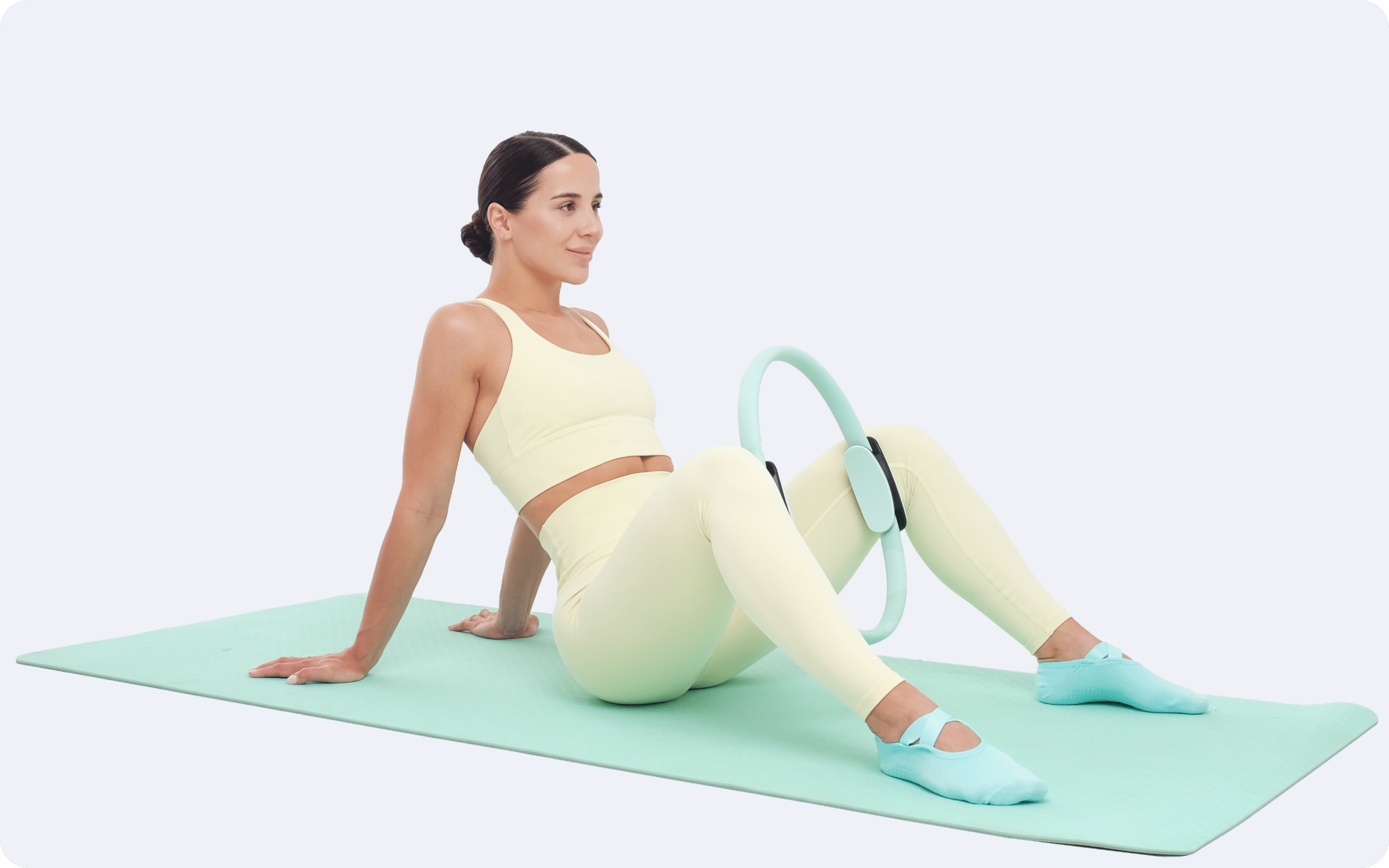
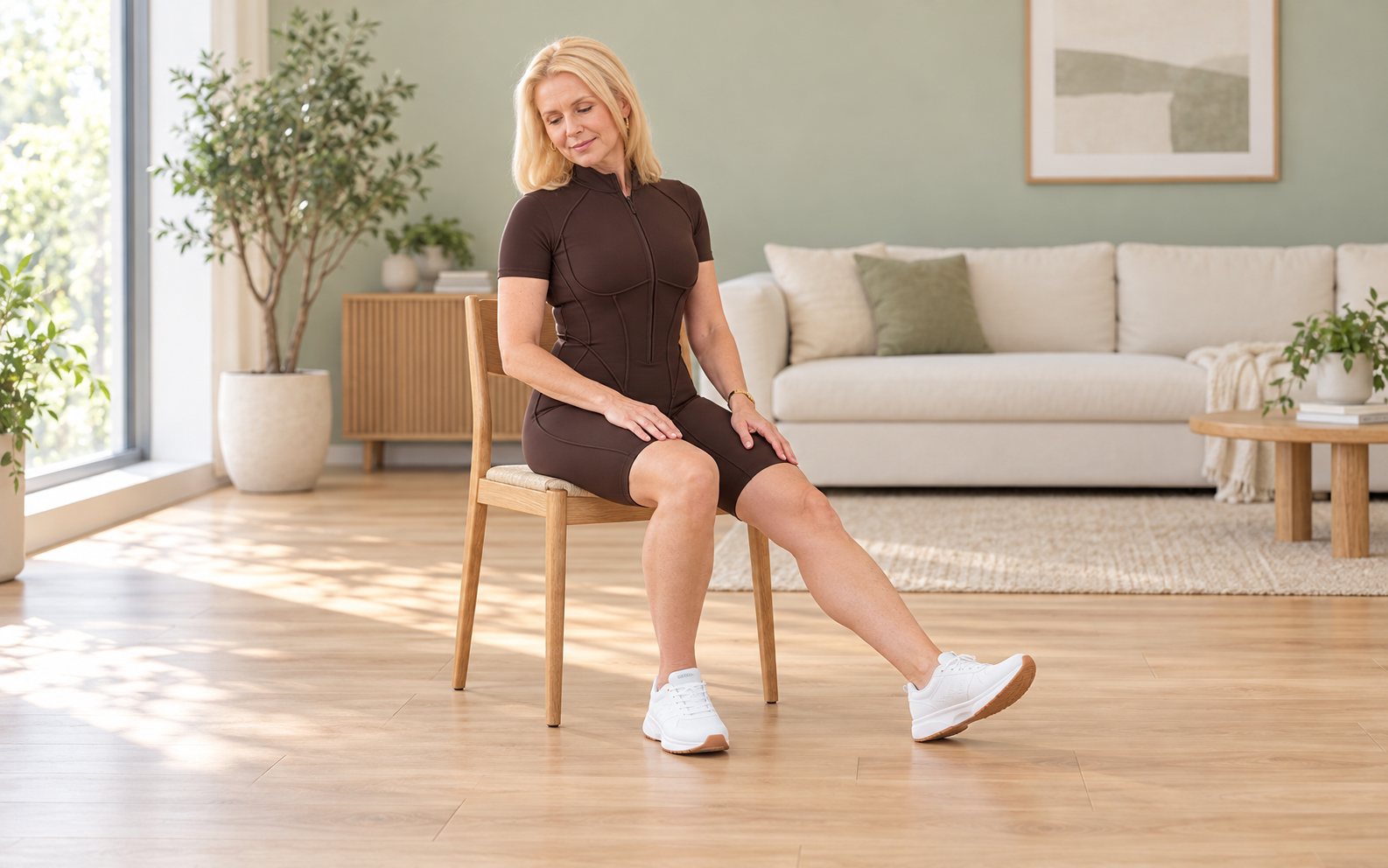
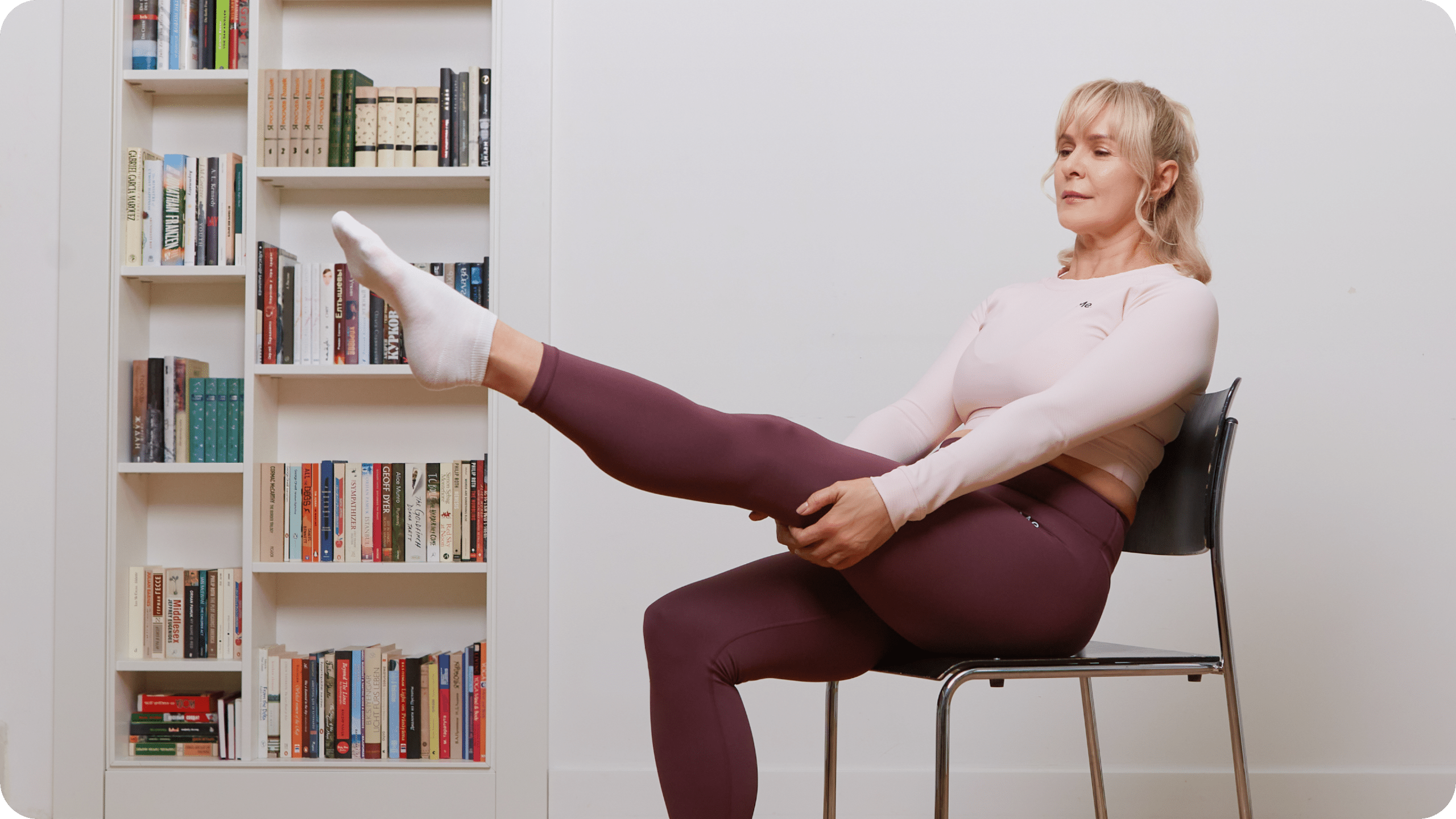
Woman doing a seated hamstring stretch on a mat as part of cool downs.

Do you feel done and dusted once your workout sequence is over? It’s the feeling where you want to throw the dumbbells away, stop the run, and crash into the nearest couch or mat.

After a workout, your body is still in go mode. Your muscles may still be working, and your breathing might be unusually fast. A restorative cool-down can help bring it all to baseline.

It’s a short period at the end of a workout that helps your body gradually shift from activity to rest, so you don’t stop abruptly. Rather, you slow things down and give your body time to settle. It involves slow, steady breathing, gentle stretches, and simple movements that encourage relaxation.

Know that you’re not adding any exercises or pushing harder. You’re simply helping your body downshift after physical activity and ease back into a more relaxed state before you move on with the rest of your day.

Key Takeaways

  • Cool-downs use light movement, gentle stretching, and slow breathing to shift from activity to rest.
  • Most routines take about 5 to 10 minutes and can be adjusted to the workout.
  • A gradual finish can make the transition after exercise feel more comfortable.

Is a Cool-Down Actually Important?

Many trainers and athletes treat the cool-down as a regular part of their routine, and for all the right reasons. Essentially, it’s a brief period at the end of exercise during which you gradually lower the intensity of your activity. This can help your body shift back toward its normal resting state (1).

Health organizations have recommended cooling down for about 5-10 minutes after a workout (2). During this time, your breathing, body temperature, and blood pressure slowly return to their usual levels instead of dropping suddenly.

As research on cool-downs continues to develop, cool-downs remain widely recommended in fitness programs and athletic training plans (3). Compared to abrupt cessation, a gradual transition gives your body time to adjust after intense activity.

Plus-Size Workouts: How to Burn Calories and Feel Great Without Overdoing It
See also

Common elements of a cool-down routine include:

  • Light movement: Slow walking, light jogging, or easy cycling
  • Cool-down stretches: Gentle static stretches that target muscles used during the workout
  • Slow breathing: Relaxed breathing patterns that help shift the body into a calmer state
  • Hydration and recovery habits: Some people also include practices such as taking a cold shower after workouts to feel refreshed and relaxed.

These post-workout movement chunks are designed to help you transition smoothly from exercise to rest. They don’t replace recovery strategies like sleep or nutrition, but they can be a simple way to wrap up your workout before moving on with your day. This broader recovery process is also relevant when learning about micro tears in muscles after workout sessions.

How to Properly Cool Down

Cooling down doesn’t have to be complex. In fact, it’s often the fun part because you can chat with your gym friends and even answer a call during some movements. A well-structured cool-down usually takes 5-10 minutes.

Experts generally recommend a simple sequence:

Start with light movement, then gentle stretches, and finish with relaxation or breathing exercises.

This gradual approach can help your cardiovascular system and muscles gently return toward resting levels (1). This part of the exercise doesn’t need to be too long or too tiring. A 2018 review found that many athletes perform 5-15 minutes of low-to-moderate activity after training as part of an active cool-down routine to help the body transition from exertion to rest (4).

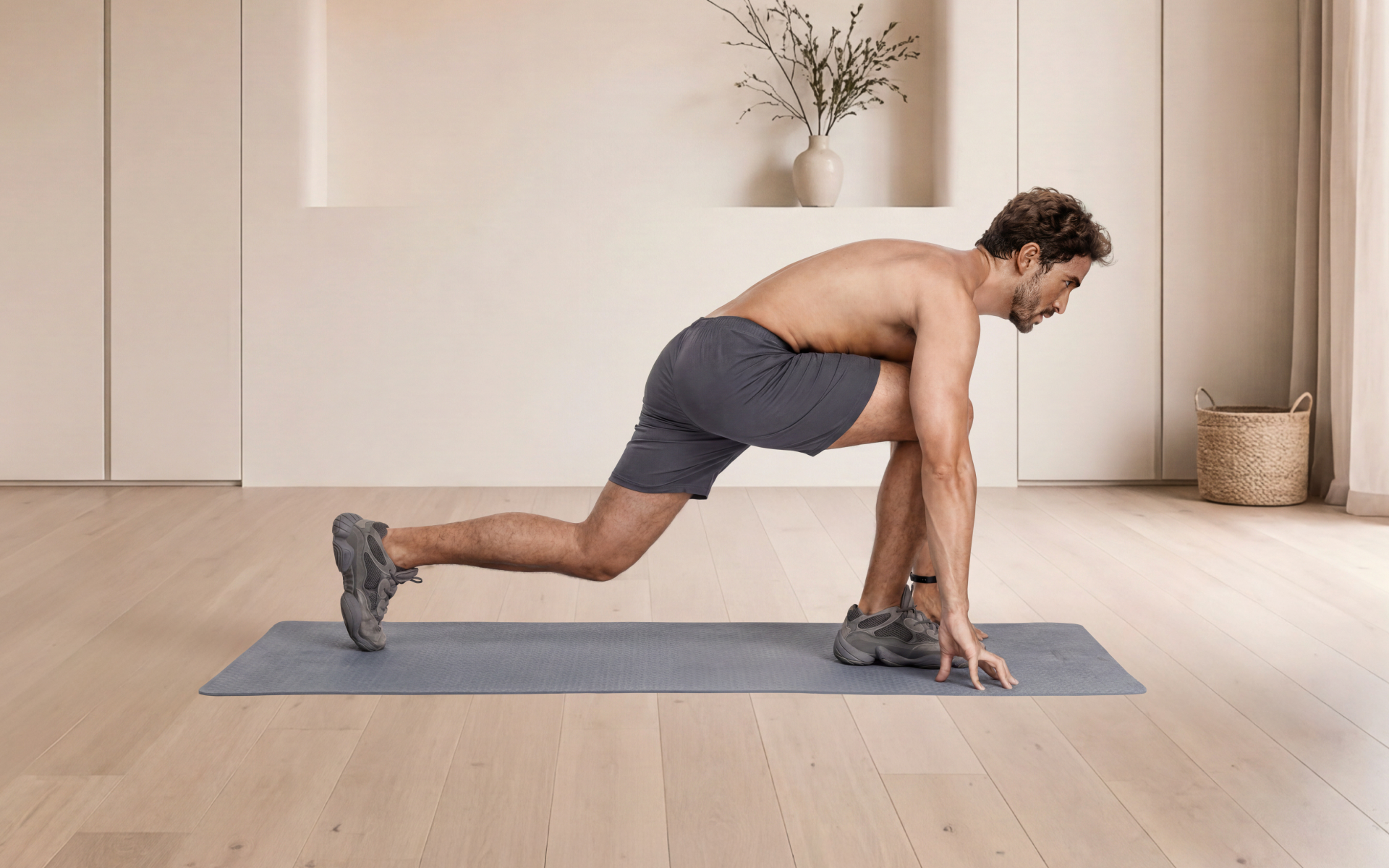
Arguably, the most appealing part of cool-downs is their versatility. You can do some simple static stretches after a workout and call it a day. Or you can make it more of an “active” cool-down and perform sitting and standing cool-down exercises consecutively with light walking. Just a few minutes of light movement and stretching can wrap up your workout in a controlled, comfortable way.

1-Hour Gym Workout for Beginners: Simple Moves, Good Results
See also

BetterMe offers a variety of workouts, recipes, challenges, and support tools to help you stay more consistent with your wellness routine. Explore the app to find features that fit your goals, preferences, and schedule.

What Are Time-Efficient Cool-Downs After a Workout?

If you’re short on time, you don’t need to skip your cool-down entirely.

A time-efficient cool-down focuses on simple movements that help your body transition from exercise to rest in just a few minutes. 

Below are a few quick cool-down options you can try after a workout.

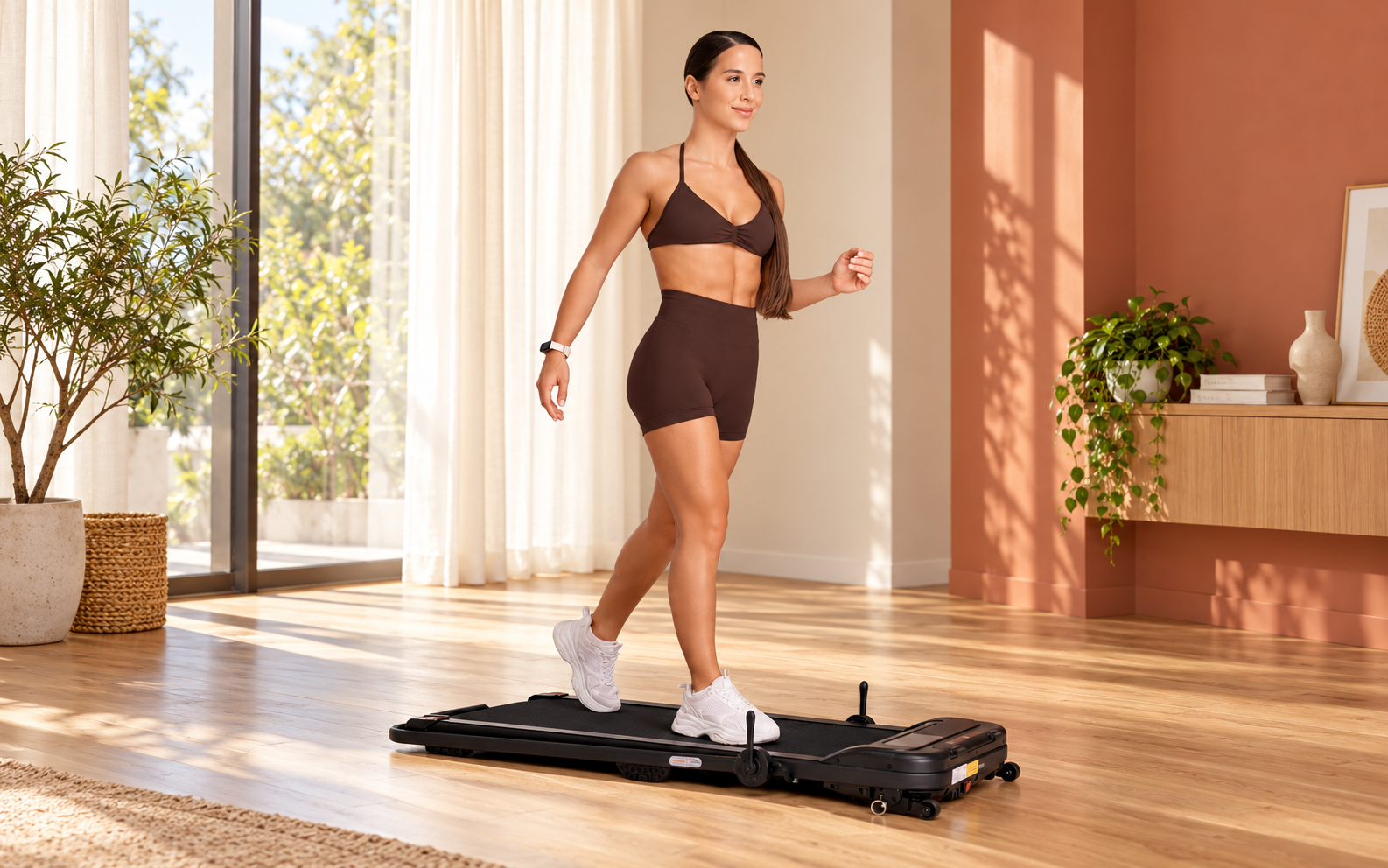
Slow Walk and Breathing Reset (3-5 Minutes)

This is one of the simplest cool-down exercises you can do after running, cycling, or high-intensity workouts.

Steps:

  1. Start by walking slowly instead of stopping immediately.
  2. Keep your pace relaxed and natural for about 2-3 minutes.
  3. Focus on deep breathing. Inhale through your nose and exhale slowly through your mouth.
  4. Let your shoulders drop and relax as your breathing slows.
  5. Finish once your heart rate feels steadier.

Standing Lower-Body Stretch Routine (3-4 Minutes)

This quick routine targets the muscles that are commonly used during cardio and strength workouts. These leg stretches after workout sessions are simple enough to fit into a short cool-down.

Steps:

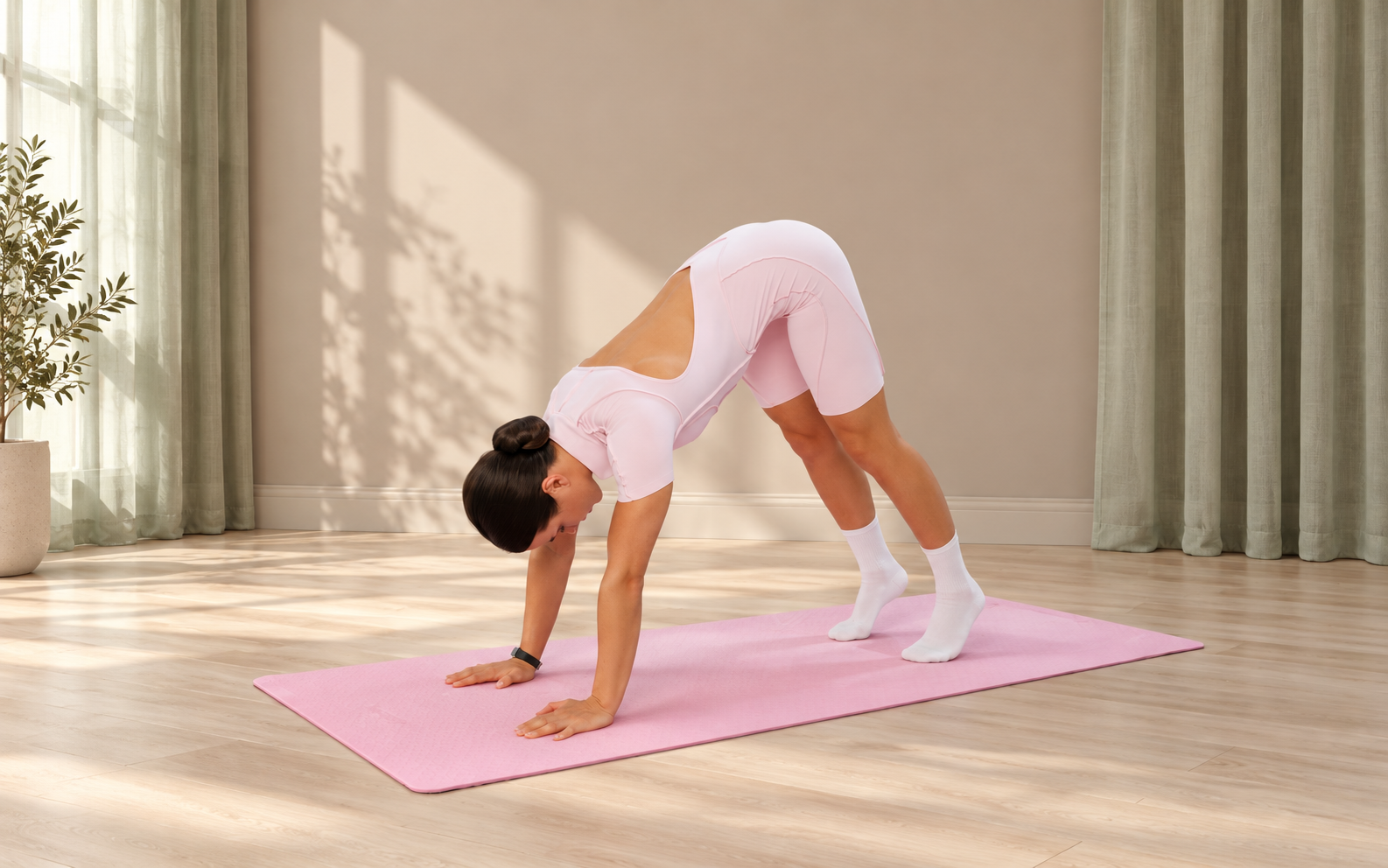
  1. Hamstring stretch: Stand tall and gently reach toward your toes. Hold for 15-45 seconds.
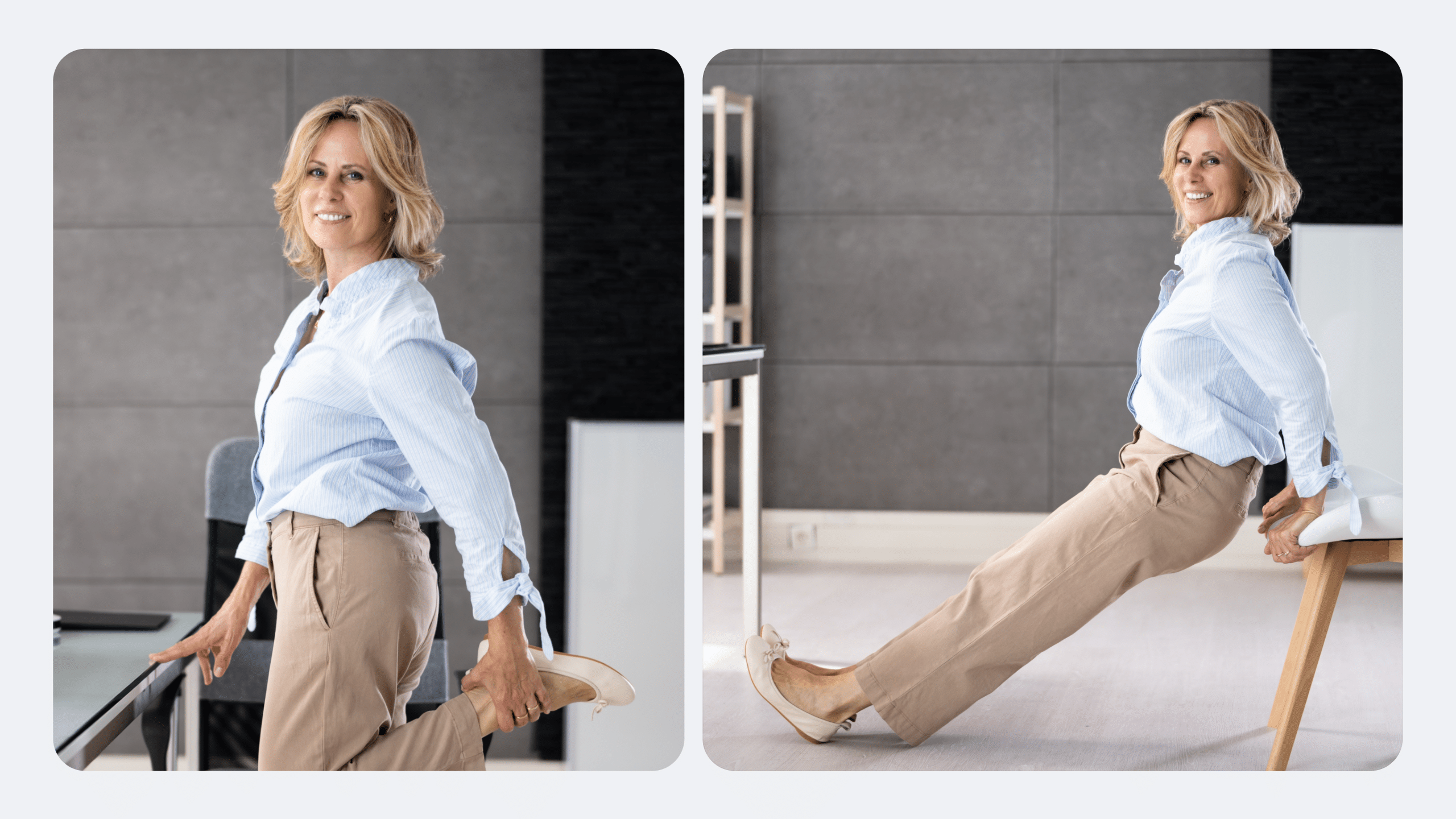
  2. Quad stretch: Bend one knee and hold your ankle behind you. Hold for 15-45 seconds per leg.
  3. Calf stretch: Step one foot back and press the heel gently toward the floor. Hold for 15-45 seconds and then repeat with the other leg.

Repeat the stretches once if time allows.

Glute Gains: How Much Incline On A Treadmill For Glutes?
See also

Gentle Mobility Flow (4-5 Minutes)

A short mobility sequence helps release tension and improve flexibility after exercise.

Steps:

  1. Stand tall and roll your shoulders backwards 8-10 times.
  2. Slowly rotate your neck from side to side.
  3. Place your hands on your hips and perform slow hip circles.
  4. Finish with a gentle standing side stretch on both sides for about 15 seconds.

Read more: 6 Cool-Down Exercises After an Intense Workout

Relaxation Finish (2-3 Minutes)

Ending with relaxation can help your body shift out of workout mode.

Steps:

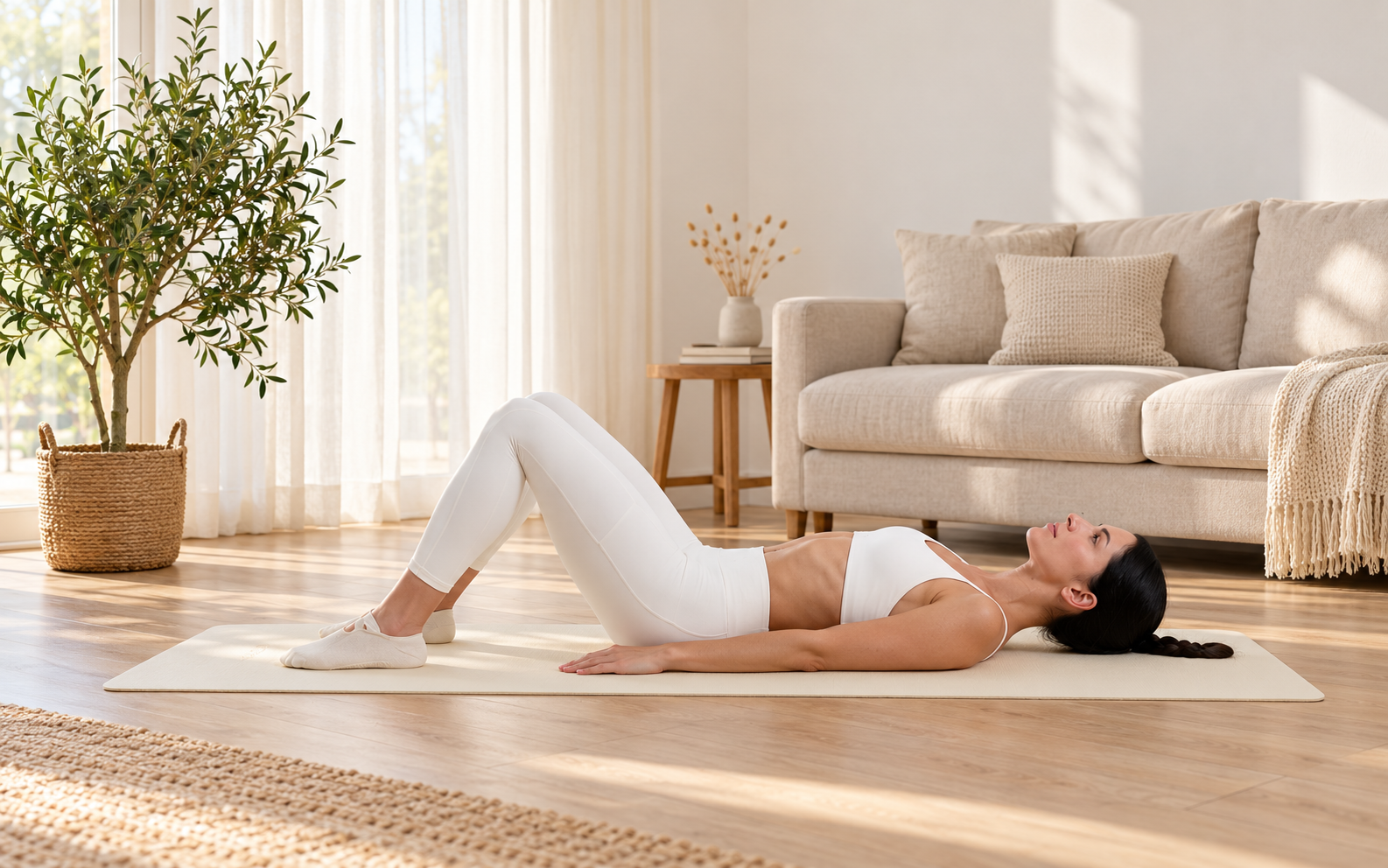
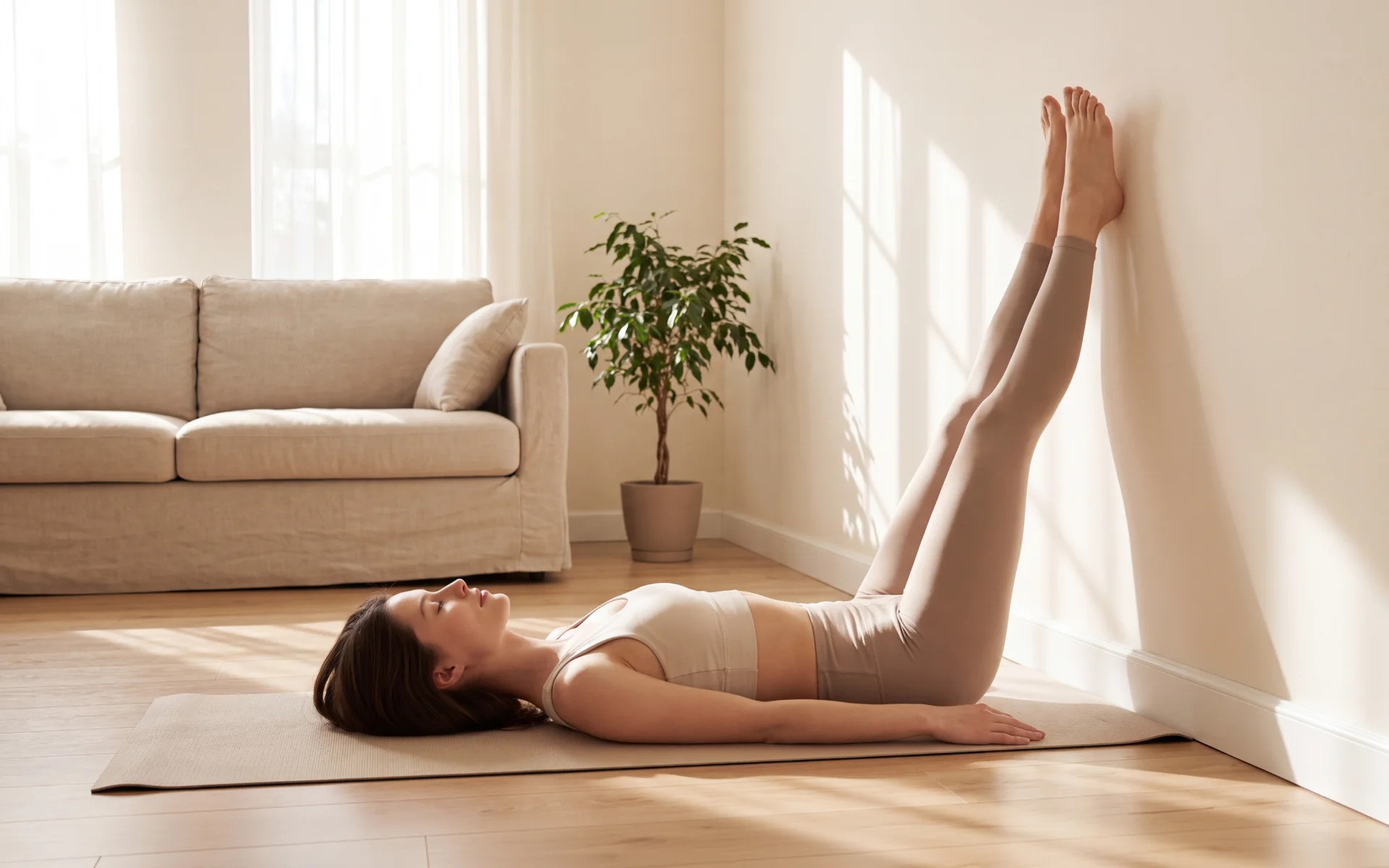
  1. Sit or lie down in a comfortable position.
  2. Close your eyes and take slow, steady breaths.
  3. Inhale deeply for about 4 seconds and exhale slowly.
  4. Continue for 1-2 minutes until your breathing feels calm.

These quick routines show that a cool-down doesn’t have to take long. Even 3 to 5 minutes of light movement and stretching can help you wrap up your workout. You feel more sorted and comfortable as you move on with your day.

What Are the Mental Benefits of a Cool-Down?

A cool-down is usually associated with physical recovery, but it can also support mental recovery after exercise. When you make these gentle moves, it can help your body transition from a high-energy state to a calmer one. This can influence your mood, stress levels, and mental clarity.

A few notable cool-down benefits that you may feel include:

Lower Stress Levels

Intense exercise activates the body’s sympathetic nervous system. This is responsible for the fight-or-flight response. A structured cool-down with light movement and controlled breathing can help shift the body back toward the parasympathetic state. This state is associated with relaxation and recovery (5).

Research on cortisol after exhaustive exercise has found that levels can remain elevated during the early recovery period (6).

Helps Improve Your Mood

Finishing a workout with a calm transition period can positively influence emotional state. Research examining exercise recovery and post-workout routines has found structured cool-downs to be associated with improved emotional states (4).

How to Turn Exercise Motivation Into Real Actions?
See also

This may be partly due to the gradual decrease in physiological stress combined with relaxation techniques such as breathing or stretching.

Read more: Jump Rope Workout Plan for Beginners at Home

A Clear Mental Transition

A short, predictable cool-down can mark the end of a workout and give you a few minutes to shift your attention toward the rest of the day.

This is a practical use of the routine rather than a guaranteed psychological effect.

Helps with Mental Recovery

Moderate physical activity and recovery periods after exercise are associated with improvements in mood and better cognitive function. This also includes focus and decision-making ability.

A cool-down can act as a transition period. This is where the body and mind shift from intense effort to a calmer, more focused state.

Generally, the mental benefits of a cool-down come from gradually slowing the body down. This is the time when you let your energy return so you can take the rest of the day head-on.

What Not to Do Immediately After Exercise

Before you kick off your shoes and call it a day, you should consider doing some post-workout activities. This is one way to feel good the next day. The following tips can help to limit those feelings of  stiffness or soreness that happen after a challenging workout: 

  • Don’t stop suddenly: Slow down gradually. Walk for about 5 minutes to let your heart rate return to normal.
  • Don’t sit for hours: If possible, try to stay lightly active throughout your day. Walk around, take the stairs, or stand and stretch every 30 minutes. All your movements for the day will add up quickly. 
  • Don’t consume too much junk food: Choose foods with healthy fat, protein, and complex carbohydrates, such as yogurt with fruit or a protein with rice and vegetables. 
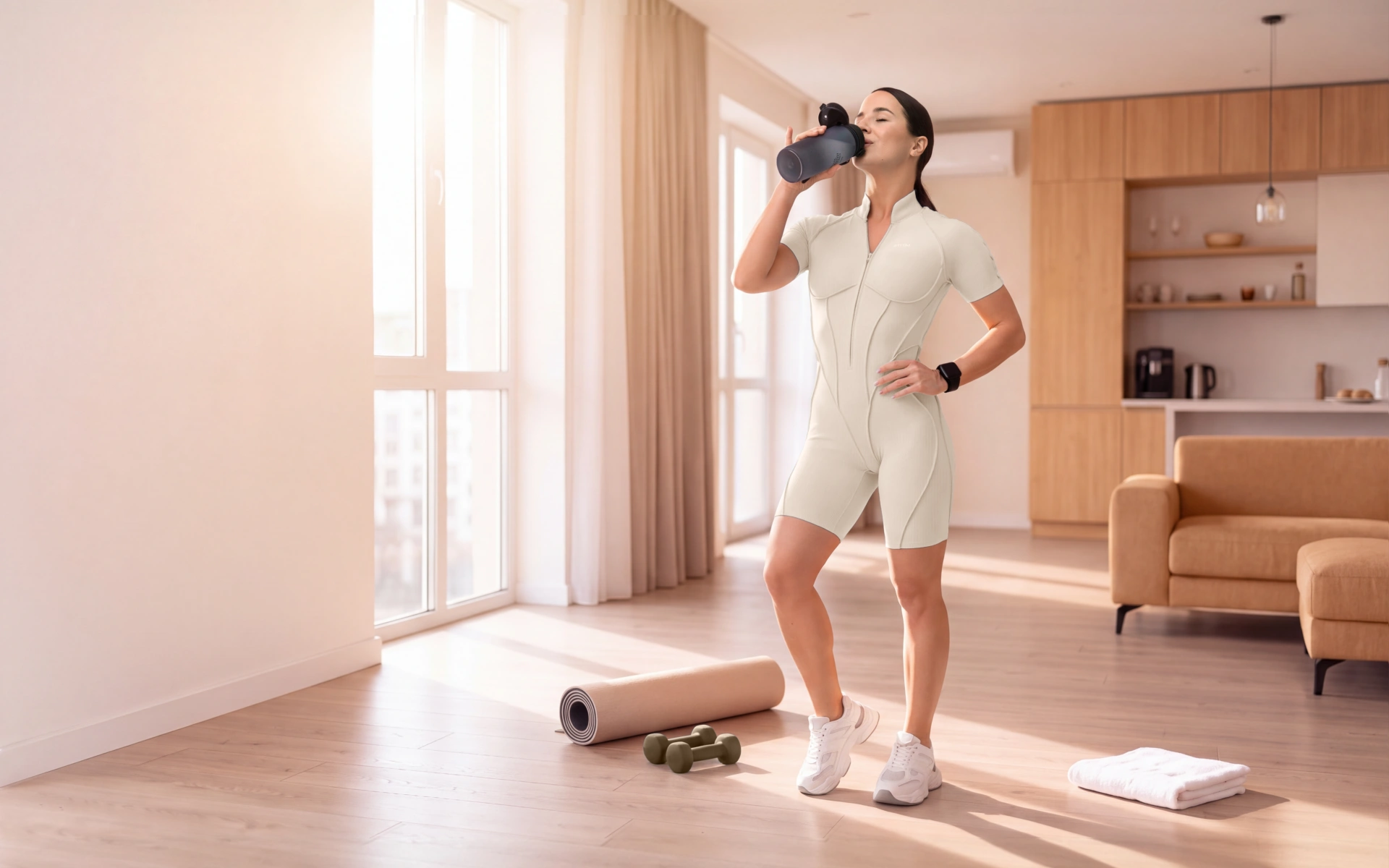
  • Don’t forget to hydrate: Drink water gradually after your workout to replace fluids lost through sweat.
  • Don’t stay in sweaty clothes: Change into clean, dry clothes as soon as possible, even if you can’t shower right away.
Pear vs Hourglass Body Types: How to Train for Real Results
See also

These are a bunch of habits that we don’t usually consider as impactful, but when they’re done in a loop, they can sabotage all the hard workouts you do at the gym or at home.

How Long Should a Cool-Down Be?

A cool-down doesn’t need to take a long time to be effective.

In most cases, 5-10 minutes is enough to help your body transition from exercise to rest. During this time, the intensity of movement gradually decreases. 

It’s generally recommended to start with a few minutes of light activity, such as walking or slow cycling, followed by gentle stretches or relaxed breathing. The duration is typically 5-10 minutes, but you can do it for longer if you want.

Many athletes also use a similar time frame for recovery routines, which suggests that this duration is commonly used after a workout.

Workouts, weight management tools, and recipe ideas come together in the BetterMe: Health Coaching app, giving you practical support for building a more consistent wellness routine.

FAQs

  • What are the two types of cool-down?

The two main types are active and passive cool-down.

  • Active cool-down: This involves performing low-intensity exercise immediately after your main workout (such as a slow jog after a sprint) (8).
  • Passive cool-down: This involves little to no movement, such as using a sauna or simply sitting down (4).
  • What’s the easiest way to cool down?

The easiest way to cool down is to slow your activity gradually for a few minutes. For example, after running or intense exercise, walk at a relaxed pace for about 5 minutes, then follow it with a few gentle cool-down stretches and slow breathing.

  • What drinks help cool you down?

Simple drinks such as water, coconut water, and electrolyte drinks can help you cool down after exercise.

  • Is walking considered a cool-down?

Yes, walking is one of the most common cool-down exercises. A slow walk after a workout helps bring your heart rate back to its “normal” range, rather than stopping suddenly.

  • Does drinking water help cool you down?

Yes. Drinking water helps regulate body temperature and replace fluids that have been lost through sweat (9).

The Bottom Line

Workouts usually get all the attention, but the cool-down is the quiet step that helps bring everything full circle. Stopping abruptly after moving at full speed may feel less comfortable. However, a cool-down doesn’t need to be complex or time-consuming. Just 5 or 10 minutes may be enough.

So take those few extra minutes, let your body settle, and you’ll likely walk away from your workout feeling calmer and happier.

DISCLAIMER:

This article is intended for general informational purposes only and does not serve to address individual circumstances. It is not a substitute for professional advice or help and should not be relied on for making any kind of decision-making. Any action taken as a direct or indirect result of the information in this article is entirely at your own risk and is your sole responsibility.

BetterMe, its content staff, and its medical advisors accept no responsibility for inaccuracies, errors, misstatements, inconsistencies, or omissions and specifically disclaim any liability, loss or risk, personal, professional or otherwise, which may be incurred as a consequence, directly or indirectly, of the use and/or application of any content.

You should always seek the advice of your physician or other qualified health provider with any questions you may have regarding a medical condition or your specific situation. Never disregard professional medical advice or delay seeking it because of BetterMe content. If you suspect or think you may have a medical emergency, call your doctor.

SOURCES:

  1. The Effect of Warm-Up and Cool-Down Exercise on Delayed Onset Muscle Soreness in the Quadriceps Muscle: a Randomized Controlled Trial (2012, researchgate.net)
  2. Warm Up, Cool Down (2024, heart.org)
  3. Pre- and Post-Activity Stretching Practices of Collegiate Athletic Trainers in the United States (2017, journals.lww.com)
  4. Do We Need a Cool-Down After Exercise? A Narrative Review of the Psychophysiological Effects and the Effects on Performance, Injuries and the Long-Term Adaptive Response (2018, pmc.ncbi.nlm.nih.gov)
  5. Effects of a Cool-Down after Supramaximal Interval Exercise on Autonomic Modulation (2022, mdpi.com)
  6. PEAK CORTISOL RESPONSE TO EXHAUSTING EXERCISE: EFFECT OF BLOOD SAMPLING SCHEDULE (2004, pubmed.ncbi.nlm.nih.gov)
  7. Effects of a Mental Warmup on the Workout Readiness and Stress of College Student Exercisers (2019, mdpi.com)
  8. The effectiveness of active recovery (jogging and cycling) post-football match simulation on athletes’ heart rate and fatigue levels (2021, ojs.unpkediri.ac.id)
  9. The effect of water temperature and voluntary drinking on the post rehydration sweating (2013, pmc.ncbi.nlm.nih.gov)
150 million people
have chosen BetterMe

This app is really amazing

Derick J.
This app is really amazing, I just downloaded and within a week I’ve been able to see changes in my body system with the kind of workout exercises I engaged. I just wanna keep fit, I’m surely going to recommend this for my sibling and hopefully they get the same results as mine. On this fitness challenge I’m going to get it done with, let’s go there.

The best workout app

Okunade A.
Wow this is the best workout app. I have ever used it's easy to navigate the content and the article are all good it's really help me to loss weight and I pill Up some abs in fact I recommend it to my friends they all love this applicant too. What a good job done by better me. More good work.

Love it!!

Precio N.
It’s hard to find an app with quality workouts on your phone that you enjoy. BetterMe has solve that problem for me. I also love the variety you get. The coaching, nutrition, dancing, yoga, gym, and calisthenics are all videos of the highest quality. There’s something I’m forget most likely but I think you get the point. This app is worth you time and money.