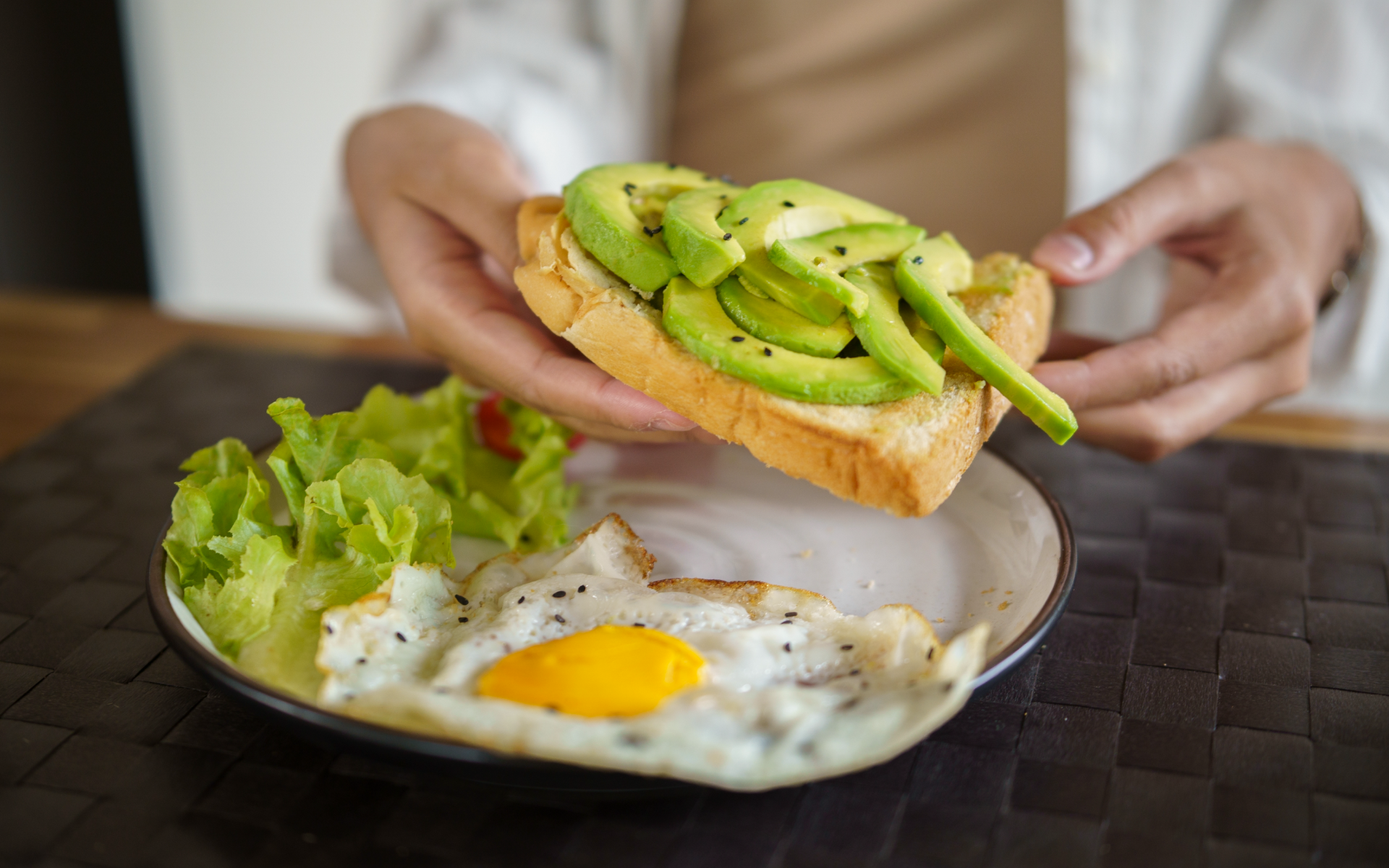
In recent years, there has been a surge in diets that eliminate almost all carbohydrates. While many people have successfully followed these diets, it’s important to remember that they’re not suitable for everyone. Here, we’ll explore an approach that limits carbohydrate intake to 50 grams per day.
As this diet limits carbohydrates so severely, it’s important to carefully choose which ones to include and at what times of the day. Throughout this article, we’ll answer common questions, such as whether it’s possible to achieve ketosis with only 50 grams of carbohydrates, and discuss the impact of carbohydrate quality on overall wellbeing and how making the right choices can help you support steady energy levels and satiety. This is essential, as it’s not just about the quantity, but also the quality of the foods you consume.
We’ll also share some meal ideas that will help you stay within this limit without sacrificing flavor or nutrition.
This article explains what a 50-gram carbohydrate target can look like and offers practical meal-planning ideas.
Following eating and activity plans can support a weight-management routine, but outcomes vary. Individual factors influence results, and no specific rate of weight loss is guaranteed. Consider consulting a healthcare professional before making a significant dietary change.
Can I Lose Weight Eating 50 Grams of Carbs a Day?
One of the most common questions when considering eliminating or reducing carbohydrates in your diet is: “Can I lose weight eating only 50 grams of carbs a day?” To answer this question, it is essential to first understand what carbohydrates are and what role they play in our bodies.
Carbohydrates are one of the three macronutrients your body needs to function, along with proteins and fats, and together with these, they provide energy for your cells to work properly (1). Carbohydrates are your body’s preferred energy source. They are found in a variety of foods and are divided into two main categories:
Simple carbohydrates: These are sugars that the body can absorb quickly. They are found in foods such as sweets, sugary drinks, and fruits.
Complex carbohydrates: These include starches and fiber, which digest more slowly, providing a steady release of energy. They are found in foods like whole grains, legumes, fruits, and vegetables.
When almost all carbs are eliminated from the diet, the body could enter a state called ketosis, where it starts to burn fat as the primary source of energy instead of glucose.
Eating 50 grams of carbohydrates per day may support weight loss for some people when it contributes to an overall calorie deficit. However, there are several factors to consider:
- Quality of carbohydrates: The quality of the carbs you consume is important. Later, we’ll see which types of carbohydrates to choose that could help maintain good health and satiety.
- Physical activity: Your level of physical activity plays a crucial role in weight loss. The more active you are, the more energy you’ll need, which could affect your ability to follow a low-carb diet.
- Individual metabolic state: Everyone is different. Factors such as metabolism, genetics, and lifestyle could influence the effectiveness of a low-carb diet (2).
- Caloric deficit: Ultimately, to lose weight, you need to be in a caloric deficit – consuming fewer calories than you burn. A 50-gram carbohydrate target may contribute to a calorie deficit for some people, but meals should still provide adequate protein, fats, fiber, and micronutrients (2). It also isn’t the only way to achieve a calorie deficit and lose weight.
Limiting carbohydrates to 50 grams a day may support weight loss for some people when it contributes to an overall calorie deficit. It is also important to choose nutrient-dense foods and consider factors such as physical activity and overall dietary quality. It’s always advisable to consult a healthcare or nutrition professional before you make any significant changes to your diet. Low-carb diets may not be appropriate for everyone.

Is 50 Carbs Still Low-Carb?
To adequately answer this question, it’s important to understand what we mean by “low-carb” and how the amount of carbs impacts the body’s metabolism and physiology. There is no universally accepted definition of “low-carb”. What is considered “low” for one person may not be for another, depending on factors such as their level of physical activity, metabolic health, weight and body composition, and personal goals.
Generally, we could classify carbohydrate diets as follows:
- Standard Diet: Generally within the recommended range of 45-65% of daily caloric intake. For example, for a person who consumes 2,000 calories a day, this could equate to at least 225 grams of carbohydrates (3).
- Moderately Low-Carbohydrate Diet: Covers between 26% and 44% of daily calories. In the same example of 2,000 calories, this would be between 130 and 220 grams of carbohydrates (3).
- Low-Carbohydrate Diet (Low-Carb): A diet that generally restricts carbohydrate intake to less than 26% of daily calories is considered “low-carb”. This means it would contain less than 130 grams of carbohydrates per day on a 2,000-calorie diet. (3).
- Very Low-Carbohydrate Diet (Very Low-Carb or Ketogenic): This form is usually limited to less than 10% of daily calories, or 20 to 50 grams of carbs per day on a 2,000-calorie diet. The main goal is to induce ketosis, as mentioned before, a metabolic state in which the body begins to burn fat as the primary source of energy instead of carbs (3).
So, is 50 grams of carbs still considered low-carb?
The answer is yes, 50 grams of carbs per day would be considered low-carb or even ketogenic, depending on individual factors.
Read more: Lazy Keto Meal Prep: A Gentle Guide to Easy Cooking
What Does 50 Carbs a Day Look Like?
Diving into a low-carb diet could seem like a challenge, particularly if you’re not sure what it truly means to consume 50 grams of carbs a day. Here’s an example of a day consuming under 50 grams of carbs (4).
Example Meal Plan 50g Carbs a Day
Breakfast:
Scrambled Eggs with Spinach and Raspberries:
- 2 large eggs
- 1 cup of cooked spinach
- ½ cup of fresh raspberries
- ¼ avocado
Total Carbohydrates: approx 11g
Lunch:
Grilled Chicken Salad:
- 115 g grilled chicken
- 2 cups of mixed leafy greens
- ½ cup of cherry tomatoes
- ¼ cucumber
- 2 tablespoons of olive oil and vinegar dressing
Total Carbohydrates: approx 6g
Dinner:
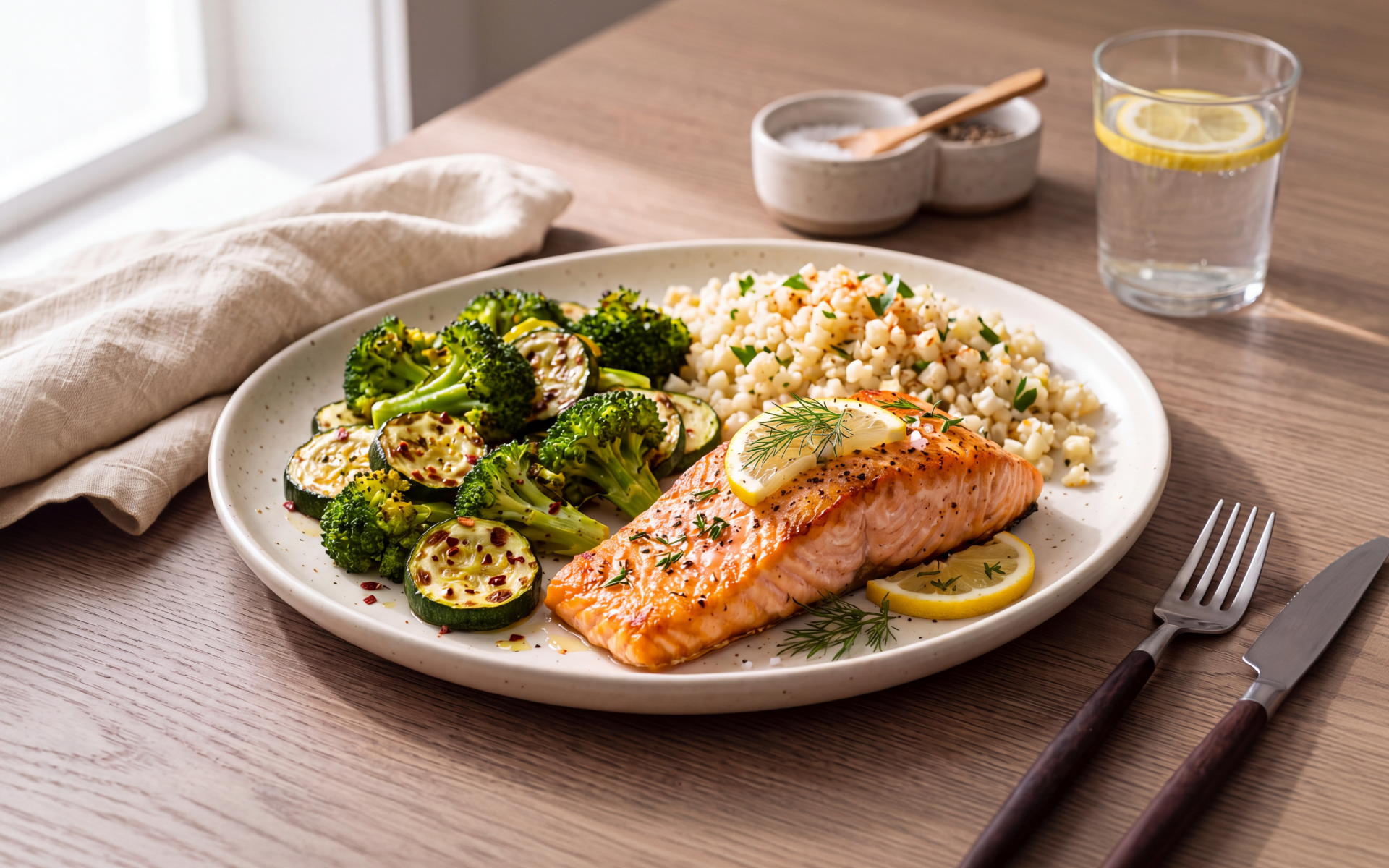
Baked Salmon with Roasted Vegetables:
- 115 g salmon (0g)
- 1 cup roasted broccoli (6g)
- 1 cup zucchini (4g)
- 1 cup cauliflower rice (5g)
Total Carbohydrates: approx 15g
Optional Snacks (Up to 5 grams)
If you feel hungry between meals, you can opt for a low-carb snack:
- Celery sticks with almond butter: One stalk of celery with 1 tablespoon of almond butter
- Olives (10 small)
- 2 hard-boiled eggs

Will Cutting Carbs Lose Belly Fat?
Reducing carbohydrate intake does not specifically target belly fat. Changes in abdominal fat generally occur alongside changes in overall body fat and vary between people.
When you reduce your carbs intake, your body seeks alternative sources of energy. Generally, carbs are the primary fuel source for our cells, as they are converted into glucose, which can be used immediately. However, when you decrease the amount of carbs you consume, a significant metabolic shift occurs where the body needs to find another way to obtain energy. In this case, it may start to rely on the stored fat in the body if it’s also not getting enough calories from your diet to meet its energy needs (5). So you also need to be in a calorie deficit or you’ll burn the fat you’re eating and not stored fat.
However, it’s not just about cutting carbs. Losing belly fat also depends on other important factors:
- Type of Carbohydrates: As previously mentioned, not all carbohydrates are the same. It’s better to focus on reducing refined carbohydrates and maintaining a moderate intake of complex carbohydrates. Keep reading, as we’ll discuss which carbohydrates to avoid if you want to lose belly fat.
- Nutrient Quality: It’s essential to include other nutrients in your diet, such as good quality proteins and healthy fats. This will help you feel satisfied and also provide your body with what it needs to function properly.
- Regular Exercise: Physical activity is essential. Exercise burns calories and could promote the use of fat as a source of energy.
- Lifestyle: Factors such as adequate sleep and stress management are essential. Stress could lead to abdominal weight gain and affect your eating habits (6).
Reducing carbohydrate intake may support overall weight loss when it helps create a calorie deficit, but it does not selectively reduce fat from the abdomen. However, it’s important to remember that results could vary from person to person. What works for one person may not be effective for another. It’s also always advisable to consult a registered dietitian or your healthcare provider before you make significant changes to your diet.
BetterMe Well-Being Coach app can help you build a more structured approach to your wellness routine with meal plans, workouts, and habit-tracking tools. Start using the app to explore options that may support your personal fitness and nutrition goals.
Which Carbohydrates May Be Worth Limiting?
When reviewing carbohydrate quality, consider limiting refined carbohydrates and added sugars while including fiber-rich foods. These types of carbohydrates are easily digestible and don’t tend to come with much or any fiber, which means they provide a lot of calories but don’t make you feel full for very long. This can mean eating more overall calories than you would if you focused more on complex carbohydrates with fiber, like those in whole grains.
The worst high-carb foods you should avoid include:
Sugary Drinks: Sodas, processed juices, and any beverage with high added sugar content. These drinks provide many calories with little nutritional value and don’t make you feel as full as you should for the number of calories they contain, which could lead to weight gain (8).
White Bread and Bakery Products: White bread, pastries, and cookies are made from refined flour, which means they’ve been stripped of many nutrients and fiber. This makes them less filling (8).
Highly Processed Snacks: Many of these products, such as chips, candy bars, and packaged baked goods, contain a high amount of added sugars and simple carbohydrates. These are high in calories, low in filling fiber, and very easy to overeat (8).
Therefore, it’s important to be mindful and choose complex carbohydrates, such as vegetables, legumes, whole grains, and fruits. These foods provide energy and fiber and may help you feel full for longer while supporting overall wellbeing.

Will 50g of Carbs Take Me out of Ketosis?
While consuming 50 grams of carbs is generally considered very low and may fall within the keto range, whether it will take you out of ketosis depends on several personal factors.
For example, your level of physical activity plays a role. If you are very active, your body might be able to handle more carbs without exiting ketosis compared to someone who is more sedentary (3).
Individual responses to carbohydrate intake vary. Activity level, overall food intake, and other personal factors may influence whether someone remains in ketosis; source (3) does not establish a universal threshold.
In addition, individual goals are important. Some people may prioritize strict ketosis, while others have more flexibility in their intake.
Although 50 grams is considered very low, there’s no one-size-fits-all answer. Some people could maintain ketosis with this amount, while others may need to reduce their intake to 20-30 grams (3).
In conclusion, as mentioned at the beginning of this article, 50 grams of carbs could be considered low-carb or even ketogenic, but whether you truly maintain ketosis depends on your personal factors. Monitoring how you feel can help you discuss suitable adjustments with a qualified professional.
Also, as we always advise, consulting a doctor or registered dietitian can help you receive guidance based on your circumstances, as well as monitoring how you feel physically and mentally while following this type of diet, as what works for one person may not be suitable for another. Therefore, it’s important to adjust your carb intake based on your specific needs and lifestyle.
Read more: Keto Diet Plan for Vegetarians: A Complete Guide for Beginners
What Can a 50-Gram Carbohydrate Meal Plan Include?
Above, we shared an example of a lower-carbohydrate day. BetterMe may also provide low-carb or keto meal options with meal ideas based on the preferences selected during setup. Confirm current plan availability and features in the app before relying on a specific option.
To help you navigate this way of eating, here are some practical tips that will guide you and help you optimize your low-carb plan:
Tips and Strategies
Key Food Options for a 50g Carbohydrate Diet
- Non-Starchy Vegetables: Include spinach, broccoli, zucchini, cauliflower, and bell peppers.
- Proteins: Prioritize lean meats, chicken, eggs, and fish.
- Healthy Fats: Incorporate avocado, olive oil, and nuts (in moderation).
- Fruits: Opt for raspberries, blackberries, and strawberries.
Read Labels
Many packaged foods have hidden carbohydrates such as added sugars. It’s important to look for total carbohydrates and dietary fiber to calculate net carbs.
Focus on Fiber
Fiber-rich foods (such as leafy greens, legumes, nuts, and seeds) will help you feel full, allowing you to reduce your carbohydrate intake without feeling hungry.
Meal Prep
Planning your meals in advance is an excellent way to avoid slip-ups and stay within established carbohydrate limits. Remember that consulting with a registered dietitian can also be a helpful strategy for planning.
Consider Intermittent Fasting
This strategy can help you control calorie intake and keep carbohydrates low.
Be Honest About Your Choices
Be open about your dietary choices – others may be understanding and offer suitable options.
Diversify Your Diet
Ensure your meals are varied and flavorful so that you don’t feel deprived.

FAQs
Which carbohydrates provide useful nutrients?
Nutrient-dense carbohydrate options include vegetables, fruits, whole grains, and legumes.
What happens if I eat no carbs for a month?
By eliminating carbohydrates from your diet for a month, your body could enter a state called ketosis, where it burns fat as its primary source of energy instead of carbohydrates. This could lead to rapid initial weight loss, primarily from water. Before making a substantial dietary change, consider consulting a healthcare professional to discuss whether it is appropriate for you, as there may be risks of nutritional deficiencies if not adequately compensated with other nutrients and potential side effects, such as fatigue, headaches, and lack of concentration initially (9).
Will I lose belly fat if I stop eating carbs?
Avoiding carbohydrates does not specifically target belly fat. Any change in abdominal fat would generally occur as part of an overall change in body fat and cannot be guaranteed. Remember that weight loss, especially belly fat, is dependent on many factors, and to get optimal results, it’s essential to maintain a caloric deficit, which means you consume fewer calories than you burn. In addition, regular exercise and strength training can support general fitness and weight-management goals.
Why do I feel better when I don’t eat carbs?
Many people report feeling better when they reduce their carbohydrate intake and this may be due to several factors:
- Blood Sugar Stabilization: By avoiding carbohydrates, blood sugar levels could be more stable, reducing hunger and cravings.
- Weight management: Some people use a low-carbohydrate approach as part of a broader weight-management plan. Outcomes and related wellbeing changes vary between individuals.
- Benefits of Ketosis: Some people report greater mental clarity and more consistent energy levels during ketosis, but this is subjective and will vary from person to person (9).
The Bottom Line
A 50 grams of carbs meal plan could be viable and may be effective for weight loss and overall well-being for some people. It’s a strategy that falls within low-carb diets and, depending on individual factors, could help many people reach their wellness goals.
However, it’s important to remember that the quality of food is just as important as the quantity. Choosing high-quality carbohydrates, such as fiber-rich vegetables and lean proteins, could be beneficial for maintaining energy levels and satiety.
In addition, it’s always recommended to consult a healthcare professional before you make significant dietary changes. This can help you choose an approach that accounts for your needs and lifestyle. Remember that what works for one person may not be suitable for another, and it may be necessary to adjust your carbohydrate intake to find an approach that suits you.
DISCLAIMER:
This article is intended for general informational purposes only and does not serve to address individual circumstances. It is not a substitute for professional advice or help and should not be relied on for making any kind of decision-making. Any action taken as a direct or indirect result of the information in this article is entirely at your own risk and is your sole responsibility.
BetterMe, its content staff, and its medical advisors accept no responsibility for inaccuracies, errors, misstatements, inconsistencies, or omissions and specifically disclaim any liability, loss or risk, personal, professional or otherwise, which may be incurred as a consequence, directly or indirectly, of the use and/or application of any content.
You should always seek the advice of your physician or other qualified health provider with any questions you may have regarding a medical condition or your specific situation. Never disregard professional medical advice or delay seeking it because of BetterMe content. If you suspect or think you may have a medical emergency, call your doctor.
SOURCES:
- Carbohydrates (2014, pmc.ncbi.nlm.nih.gov)
- Optimal Diet Strategies for Weight Loss and Weight Loss Maintenance (2020, pmc.ncbi.nlm.nih.gov)
- Low-Carbohydrate Diet (2022, pmc.ncbi.nlm.nih.gov)
- U.S. Department of Agriculture (fdc.nal.usda.gov)
- Overweight and diabetes prevention: is a low-carbohydrate–high-fat diet recommendable? (2018, pmc.ncbi.nlm.nih.gov)
- Stress and Obesity: Are There More Susceptible Individuals? (2018, pmc.ncbi.nlm.nih.gov)
- Carbohydrates, insulin, and obesity (2021, pmc.ncbi.nlm.nih.gov)
- Relationship between Ultra-Processed Food Consumption and Risk of Diabetes Mellitus: A Mini-Review (2022, pmc.ncbi.nlm.nih.gov)
- Ketogenic Diet (2025, pmc.ncbi.nlm.nih.gov)



 Reviewed by