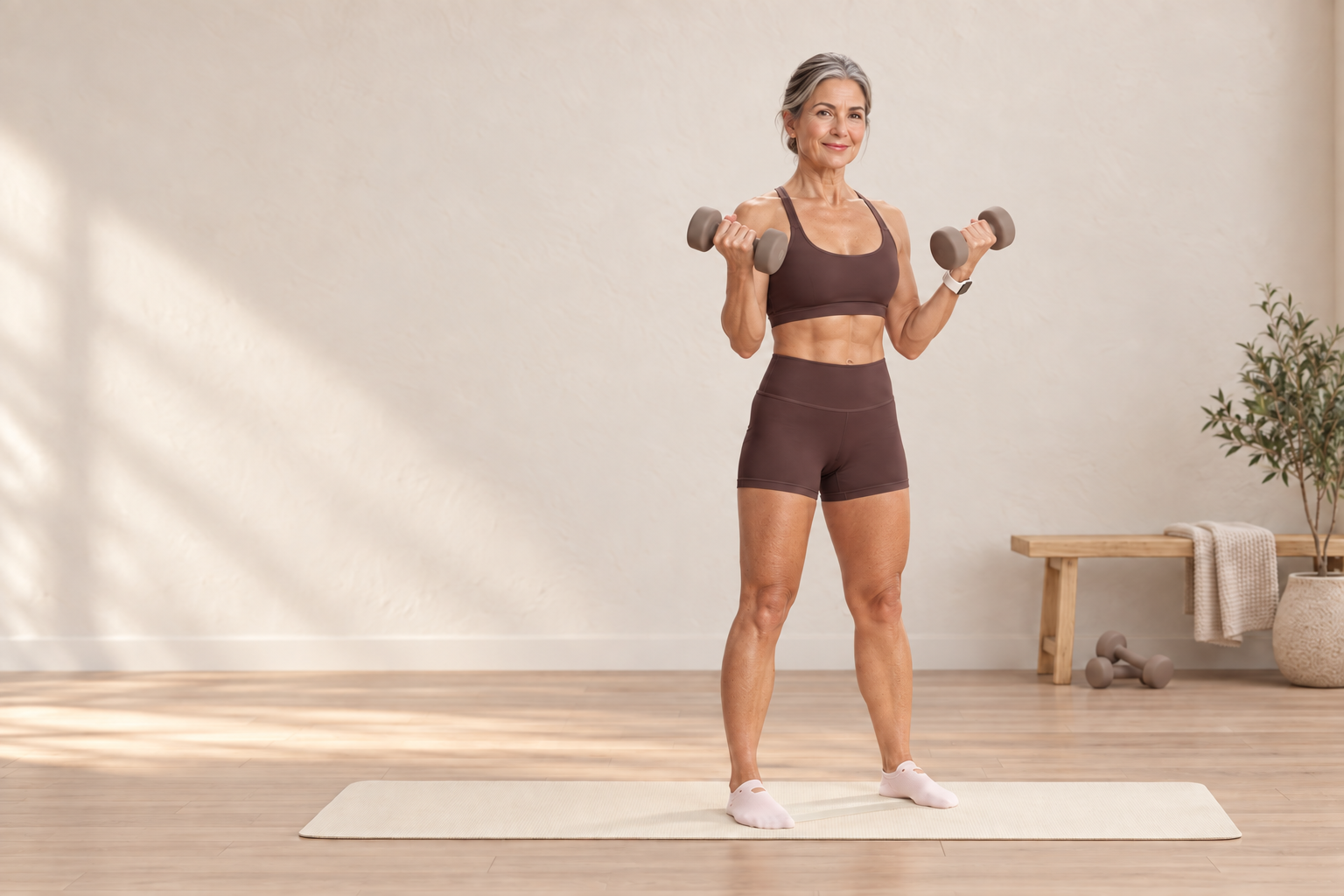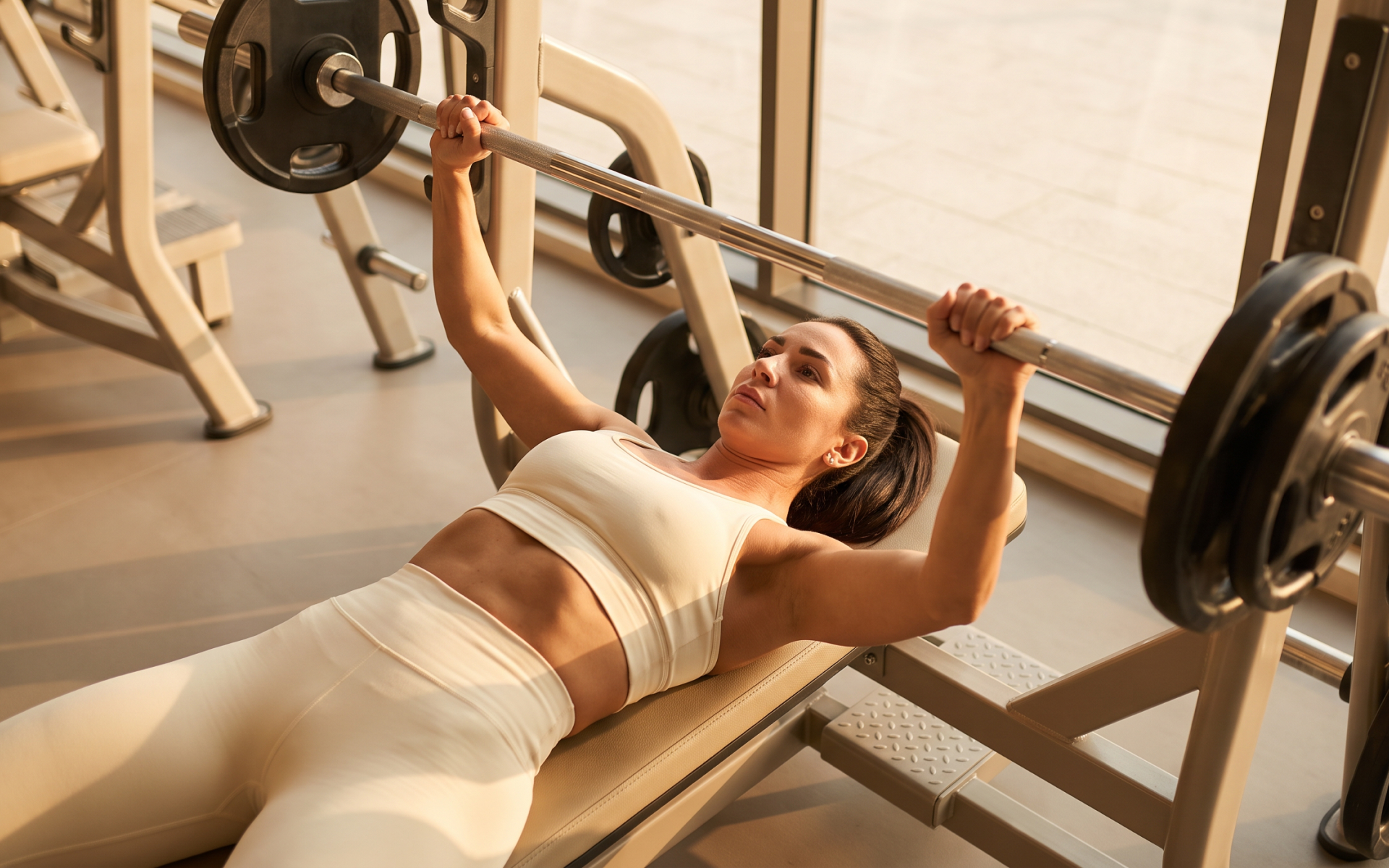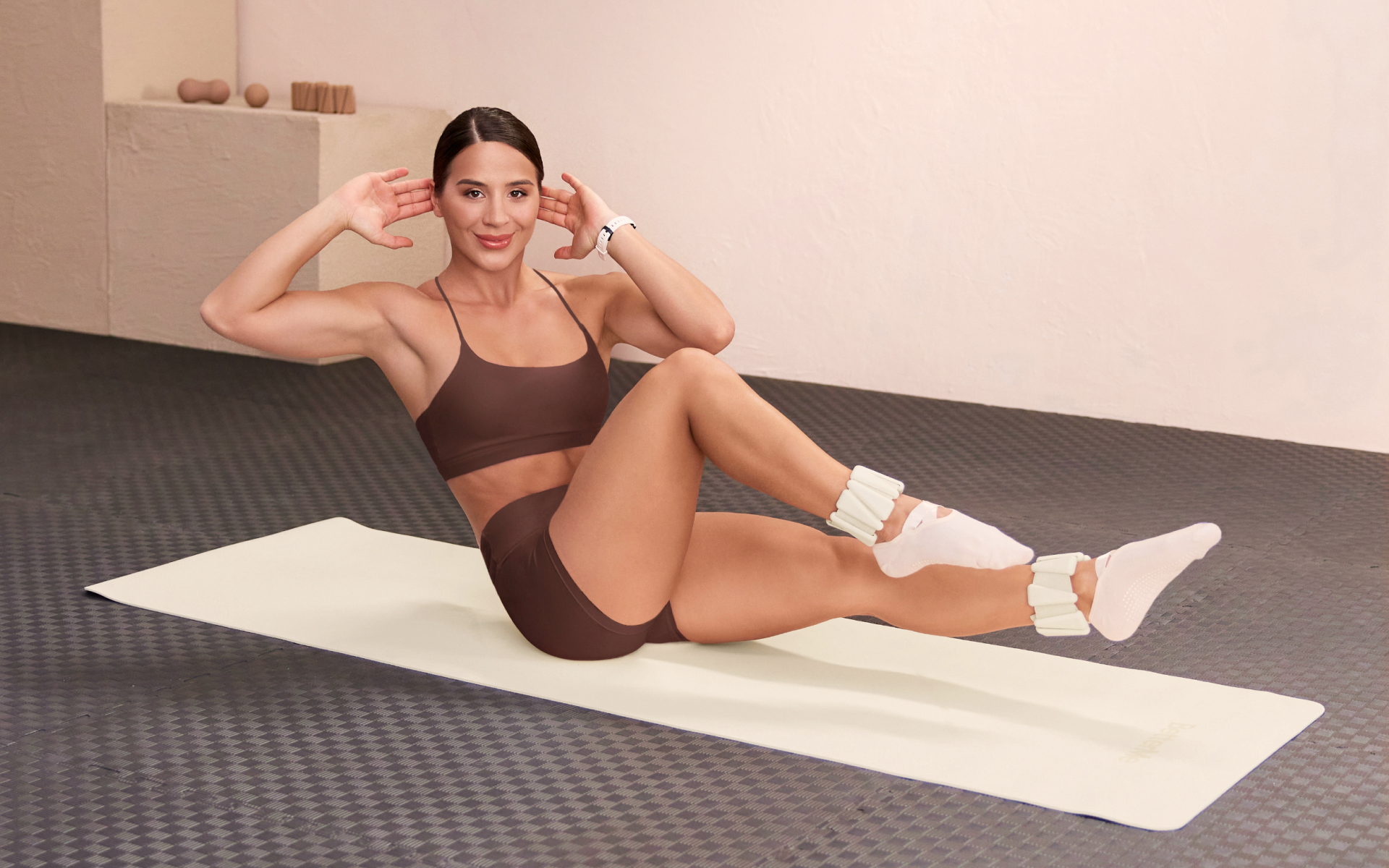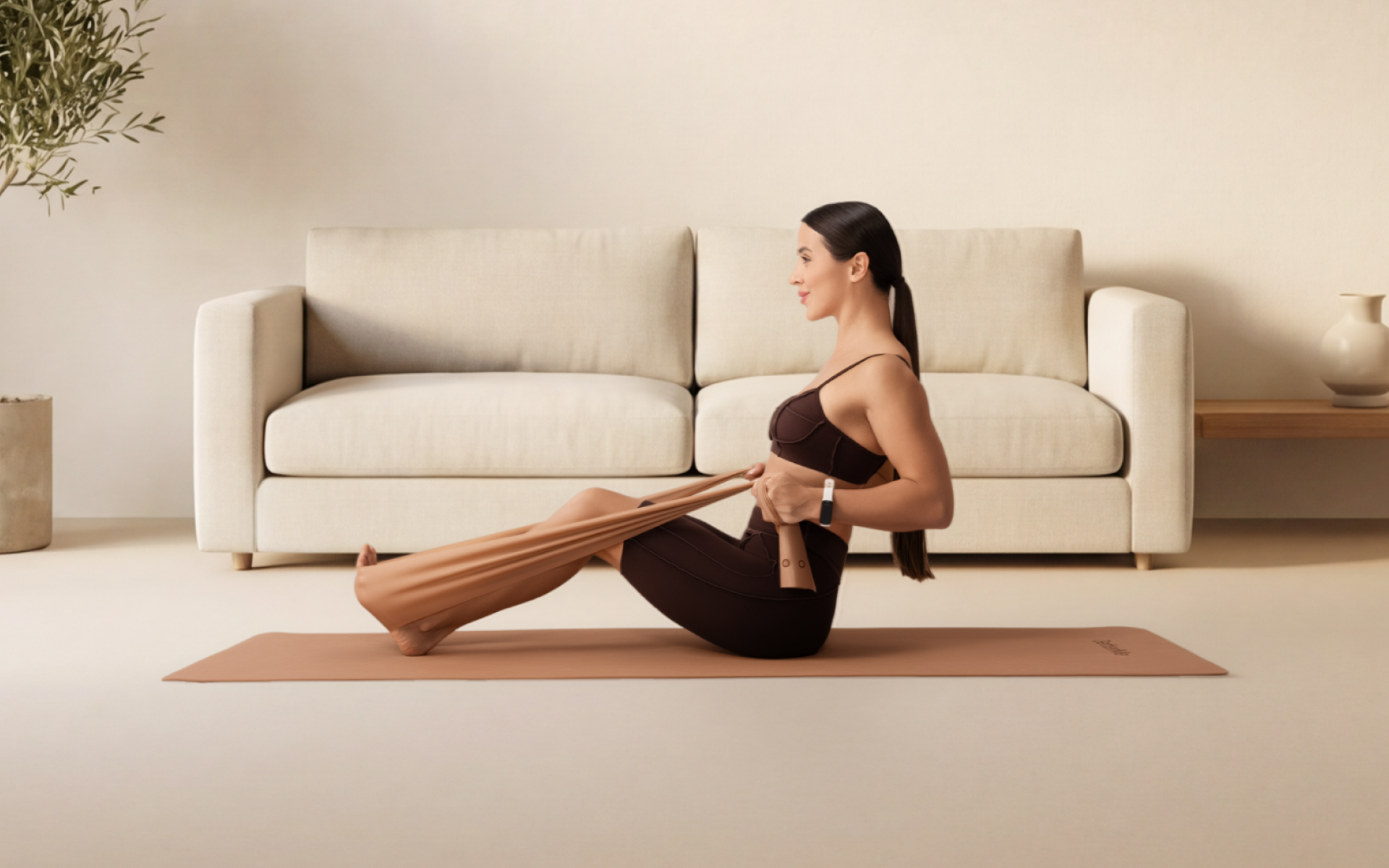
A 2-week workout challenge is a 14-day exercise plan with simple daily workouts, plus lighter movement or rest. It may include bodyweight strength moves, cardio, and mobility work. The goal isn’t a dramatic body change in two weeks. Instead, it helps you practice regular movement and learn what feels manageable for your body. People of most fitness levels can take part when exercise modifications are used. The plan can also be adjusted to fit your ability, time, and space.
That flexibility matters when both time and money feel tight. Gym fees, travel, classes, and equipment can make exercise more expensive. A 2-week workout challenge that needs little to no equipment can be a practical way to try a routine at home without adding much extra spending. Time also matters. Shorter workouts are a reasonable starting point for people who can’t fit long sessions into their day.
A short challenge can also act as a low-commitment test before you spend money or make a bigger change to your schedule. You may learn that home workouts suit you, or that you prefer more structure, such as a class or guided plan.
Think of these 14 days as a trial run. You can see what fits your routine, notice how your body responds, and decide what kind of movement you may want to continue. The expected outcome is greater familiarity with regular exercise—not a guaranteed change in weight, shape, strength, or fitness.
What Can You Realistically Achieve with a 2-Week Workout Challenge?
A 2-week workout challenge can help you become more active, get familiar with basic exercises, and start building a regular workout routine. What it can’t promise is a major change in your weight, muscle size, or overall fitness in only 14 days.
Some benefits can appear sooner. A single session of moderate-to-hard physical activity may support better sleep and help some people feel less worried. Regular movement also adds up over time, which is why a short challenge can be a useful starting point rather than an end goal.
During a 14-day workout challenge, realistic progress may include:
- Learning how to perform common bodyweight movements
- Finding a workout pace you can manage
- Completing more exercise than you were doing before (developing a new routine/habit that you can stick with)
- Becoming more comfortable with a mix of strength and cardio work
The changes may feel small and that’s okay. Your starting point matters too. Someone who rarely exercises may notice the challenge differently from someone who already trains several times a week.
Recent activity guidance also stresses that regular participation matters more than making a workout needlessly complex. So, a useful way to judge these two weeks is simple: look for steady participation and small signs of progress, rather than expecting a complete transformation.
How Can You Prepare for the Challenge Before Day 1?
You can prepare for a 2-week workout challenge by choosing when and where you will exercise, reading through the workouts, and making sure that the plan matches your current ability. A little planning before Day 1 can make the next two weeks easier to manage.
Before you begin:
- Pick a regular workout time. Choose a part of the day that you’re usually free, even if you only have a short window.
- Prepare your space. Clear enough room to move your arms and legs comfortably. Keep water and any equipment you plan to use nearby.
- Look through the exercises first. Make sure you understand each movement and find an easier option for anything that looks too demanding.
- Start at a sensible level. Public-health guidance suggests starting slowly and building toward longer or more challenging activity over time.
- Consider your health needs. If you have a health concern, have been inactive, or have been told to limit certain activities, it may be useful to speak with a health professional before starting harder exercise.
The goal before Day 1 is simply to remove avoidable obstacles. Your space, schedule, and exercise choices need to feel realistic enough to repeat for the next 14 days.
If you would like a longer starting point, explore our 30-day fitness challenge for beginners.
Which Fitness Checkpoints Should You Record at the Start?
Record a few simple starting points: your current activity level, how hard exercise feels, and basic measures of strength and mobility. These checkpoints give you something personal to compare with at the end of your 2-week fitness challenge. They’re not pass-or-fail tests.
Research describes cardio endurance, muscular strength, and flexibility as key parts of physical fitness, so it makes sense to include simple measures from these areas (1).
Before starting your 14-day fitness plan, write down:
- Current activity: How many days did you exercise or take purposeful walks last week?
- Exercise effort: During a brisk walk, notice how easily you can talk. During moderate activity, you should generally be able to talk, but not sing.
- Strength: Pick one simple move, such as a bodyweight squat or wall push-up, and record how many controlled repetitions you can comfortably complete.
- Mobility: Note how comfortably you can move through a squat, reach, or another basic movement.
For a beginners’ workout challenge, these simple notes are often more useful than chasing somebody else’s numbers. Your individual starting point gives future individual results context. The starting checkpoint doesn’t need to be impressive—it only needs to be something that can be readdressed and potentially improved on. It’s your baseline for your 2-week challenge so that by Day 14, you’ll know your progress.
Read more: 12-Week Body Transformation Workout Plan – The Ultimate Guide To Toning And Sculpting Your Body
What Does the Complete 14-Day Workout Schedule Include?
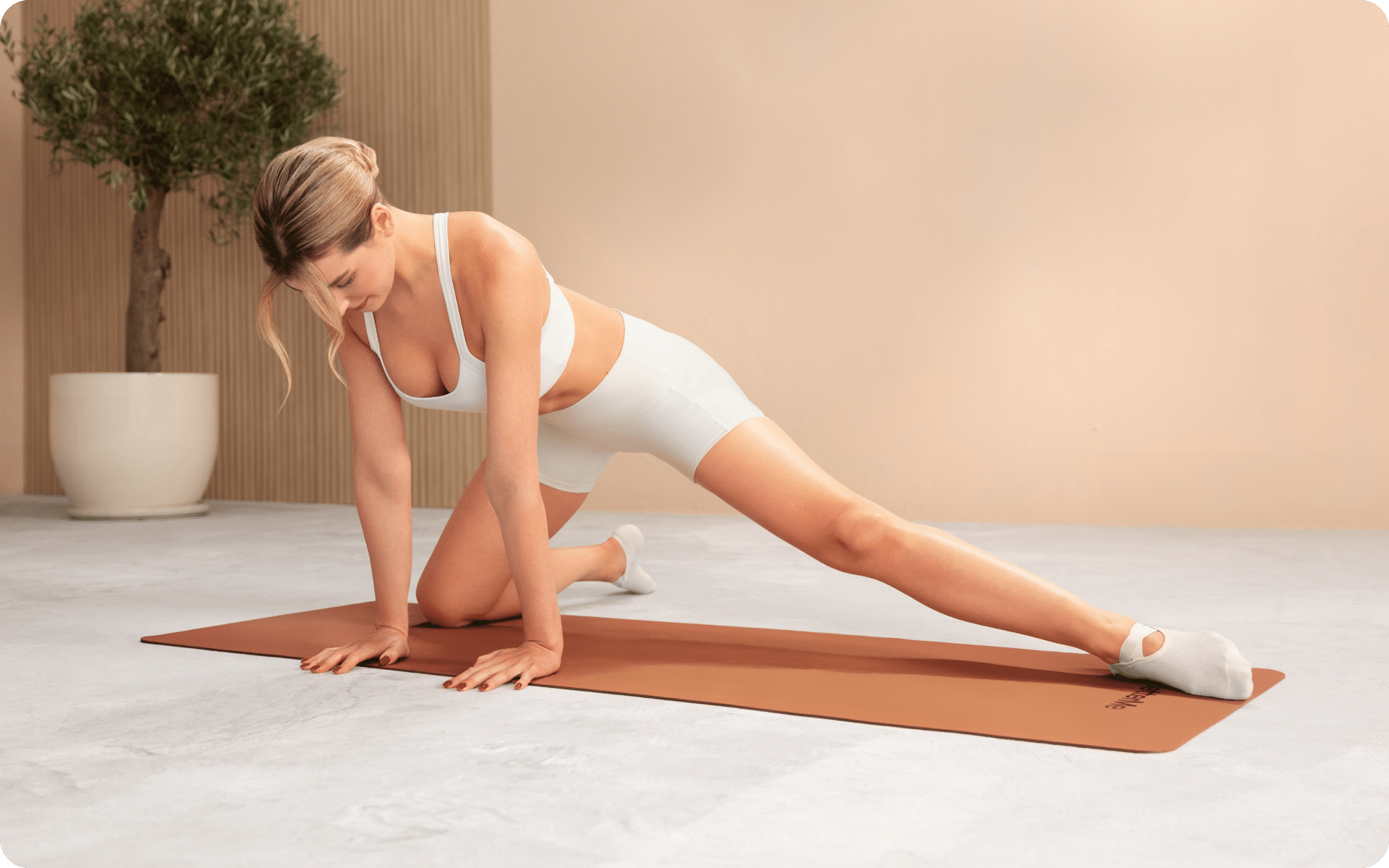
A complete 2-week workout challenge should mix full-body strength, cardio, mobility, and easier recovery days across all 14 days. This gives you regular movement without making every session hard. The schedule also includes different types of exercise so that the same muscles aren’t asked to do the same job every day.
Here’s a simple 14-day workout calendar designed as an at-home workout challenge:
| Day | Focus | Workout |
|---|---|---|
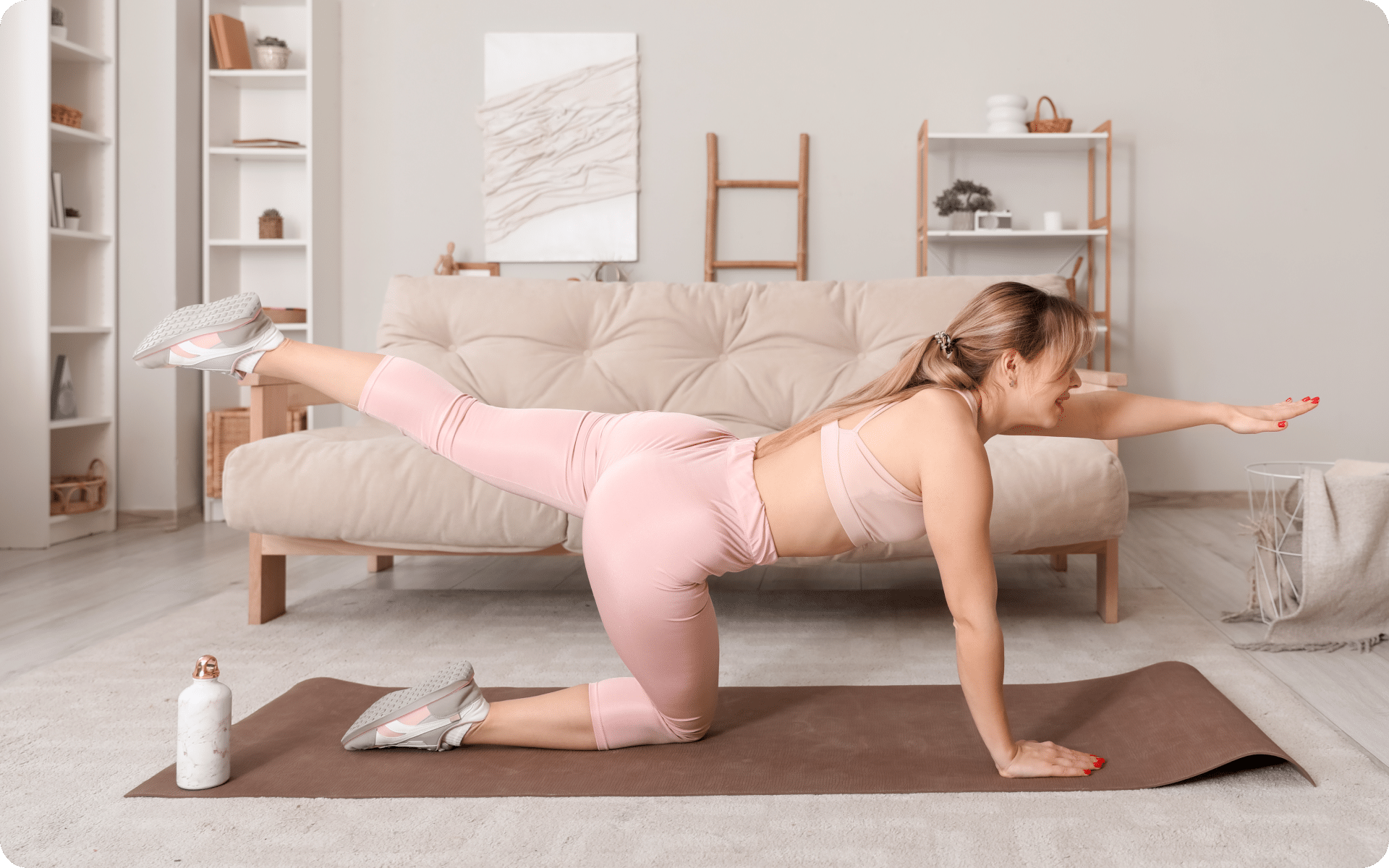
| 1 | Full-body strength | 2 rounds: 10 squats, 8 wall or incline push-ups, 10 glute bridges, 6 bird dogs per side |
| 2 | Cardio | 20-25-minute brisk walk or low-impact march |
| 3 | Legs + core | 2 rounds: 10 squats, 8 step-backs per side, 12 glute bridges, 6 dead bugs per side |
| 4 | Recovery | 15-20 minutes of easy walking and gentle mobility |
| 5 | Full-body strength | 2 rounds: 10 hip hinges, 8 incline push-ups, 10 squats, 6 bird dogs per side |
| 6 | Cardio intervals | Alternate 1 minute brisk and 1 minute easy for 16-20 minutes |
| 7 | Recovery | Easy walk, stretching, or gentle mobility for 15-20 minutes |
| 8 | Full-body strength | Repeat Day 1—add a few reps only if the first week felt manageable |
| 9 | Cardio | 20-25 minutes of steady walking, marching, or low-impact movement |
| 10 | Legs + core | Repeat Day 3 at a controlled pace |
| 11 | Recovery | 15-20-minute active recovery workout |
| 12 | Full-body strength | 2-3 rounds of the Day 5 circuit, based on comfort |
| 13 | Strength + cardio | Alternate 2 minutes of bodyweight moves with 2 minutes of brisk walking for 20 minutes |
| 14 | Full-body finish | 2 comfortable rounds of squats, incline push-ups, bridges, and bird dogs |
This bodyweight workout challenge works as a basic no-equipment workout plan, although a chair or wall may make some moves easier. Strength days cover major movement patterns while cardio days add moderate activity. Current guidance recommends adults work toward 150-300 minutes of moderate aerobic activity each week and muscle-strengthening activity on at least two days (3).
There’s research that supports the idea that short exercise periods can produce measurable changes, although results will depend heavily on the workout used. In a 2026 study, healthy young adults completed a 10-minute home exercise routine every day for two weeks. Flexibility, balance, and side-step performance improved, while measures linked with maximal strength and power didn’t (4). This supports keeping mobility and controlled movement in a full-body workout challenge while setting modest expectations for strength changes.
Cardio results can differ. One study conducted for two weeks of very high-intensity sprint training in 10 sedentary men and reported improved maximal oxygen uptake and cycling power, along with several other measured outcomes (5). However, it’s important to note that the sprints were much higher in intensity than the workout schedule we’ve outlined.
This distinction matters. Two weeks can provide useful practice and some measurable changes, but the type and intensity of exercise shape the outcome. Recovery days give this plan space between harder sessions rather than treating exhaustion as the goal.
Therefore, the bodyweight workout challenge mixes manageable strength work with cardio and lighter days. Recovery days aren’t wasted time and the schedule gives you room to practice without treating soreness or exhaustion as the only proof of progress.
If a shorter structure feels more manageable, this 20-day workout challenge offers another gradual option.
Workouts, weight management tools, and recipe ideas come together in the BetterMe Well-Being Coach app, giving you practical support for building a more consistent wellness routine.
How Can You Adjust the Exercises to Match Your Fitness Level?
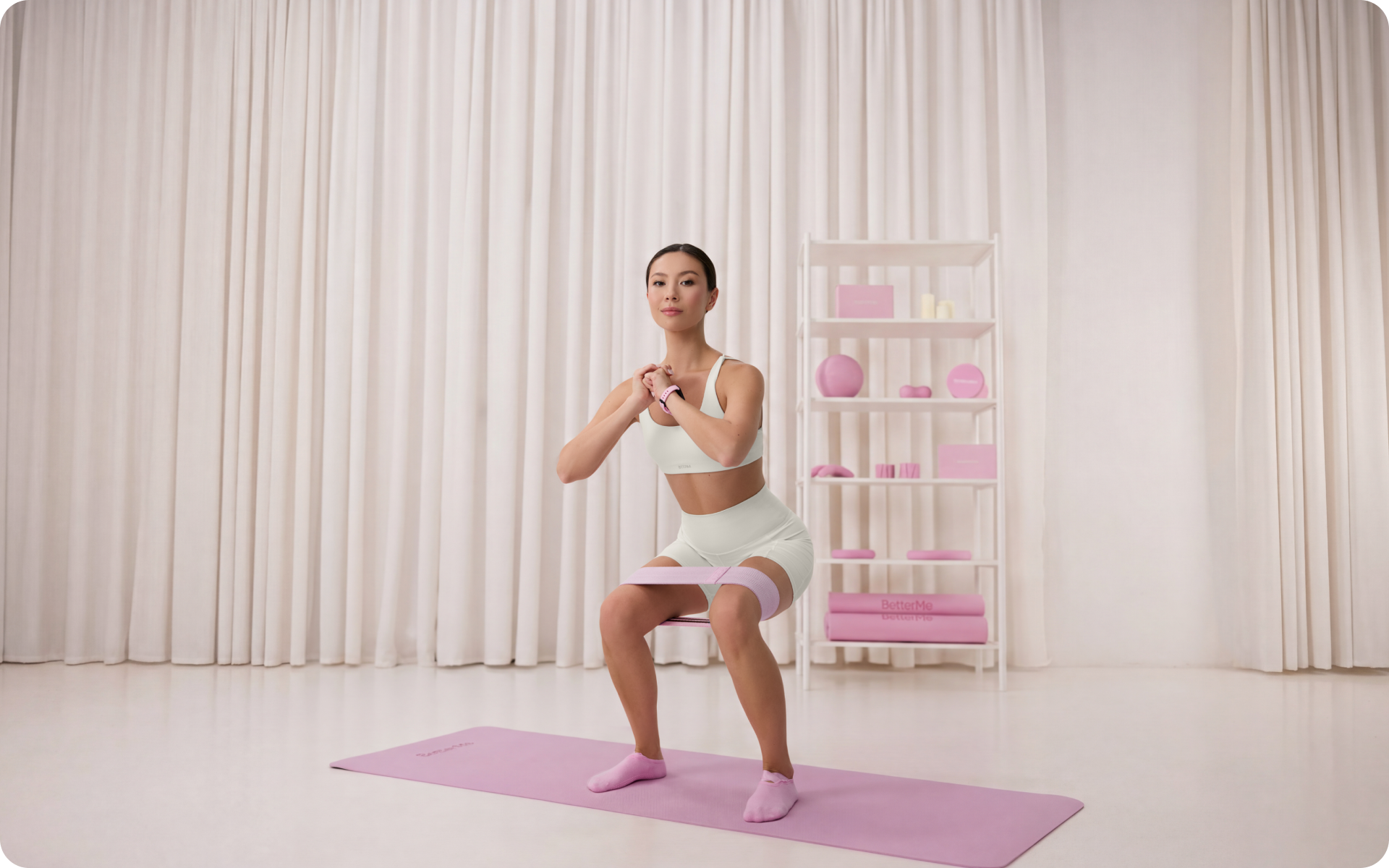
Adjust the exercises by changing their difficulty, repetitions, pace, or amount of support. The right version depends on what you can perform with control. A beginners’ workout challenge won’t look the same for every person.
Here are simple ways to scale the movements:
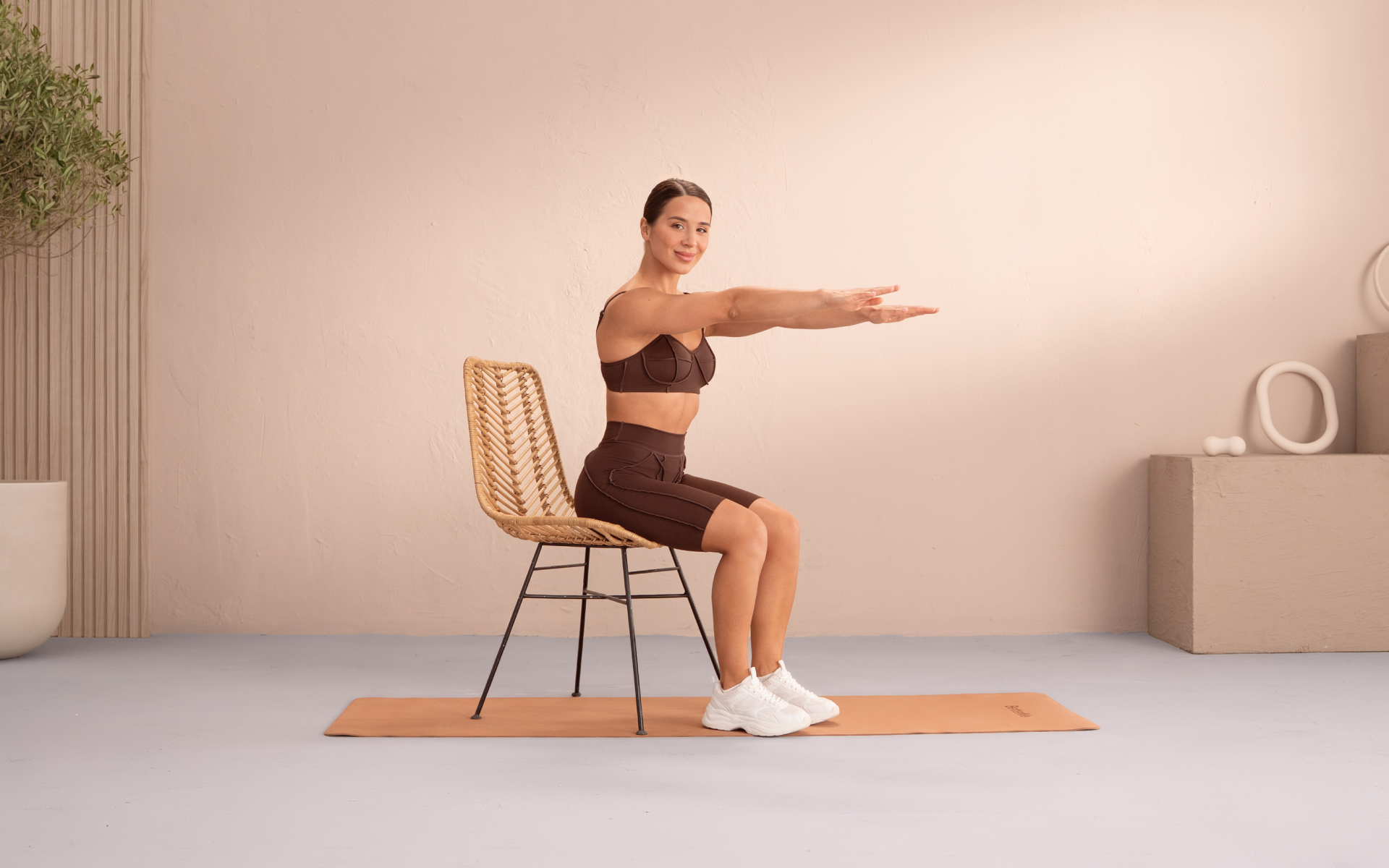
- Use more support. Try wall push-ups instead of floor push-ups. You can also squat toward a sturdy chair rather than lowering as far as possible.
- Do fewer repetitions. If 10 repetitions feel too demanding, start with five or six. You can add more later if the movement feels manageable.
- Reduce the impact. Swap jumping for stepping or marching. This can turn a harder exercise into a more accessible low-impact workout challenge option.
- Shorten the range of motion. Don’t overdo it. You don’t need to squat excessively deep or lower yourself too far into a push-up. Work within a range you can control.
- Adjust the pace. Move more slowly when you need extra control. If an exercise feels easy, you can gradually add repetitions rather than rushing through it.
Changing an exercise can make it easier without removing the movement completely. Push-up research, for example, shows that body position changes how much load you handle. In one study, participants supported about 69%-75% of their body weight during a traditional push-up, compared with about 54%-62% during a modified knee push-up (6). Research on other push-up variations also found that raising the hands reduced the force compared with a regular floor push-up (7).
Your own sense of effort can also help you decide when to scale an exercise up or down. Research has found that perceived effort increased as people got closer to the point where they couldn’t complete another repetition (8). In simple terms, if you feel like you have very few good reps left, the exercise may be too demanding for that moment. Use this feeling as a guide to help you adjust repetitions, pace, or support without turning every set into a maximum-effort test.
Modifications don’t make the exercise less worthwhile—they just help make the same two-week exercise plan more suitable for different starting levels.
Read more: 3-Day Muscle Building Workout: Everything You Should Know About Building Muscle And Tone
What Should You Do If a Workout Feels Too Difficult?
If a workout feels too difficult, reduce the effort instead of forcing yourself through it. You can slow down, shorten the session, do fewer repetitions, or switch to an easier version of the exercise.
Try these adjustments:
- Cut the reps: Do 5-6 instead of 10.
- Take longer breaks: Rest until your breathing feels more controlled.
- Use an easier version: Try wall push-ups instead of floor push-ups, or march instead of jumping.
- Stop the set early: You do not need to reach complete exhaustion for the workout to count.
- End the workout if needed: Sharp pain, dizziness, chest discomfort, or feeling faint are signs to stop and seek medical advice if symptoms are severe or don’t settle.
This matters for all workout challenges. Difficulty doesn’t automatically mean you’re failing—it may simply mean the current version is too demanding. The goal is definitely to adjust the workout so you can move with control and come back for the next session.
How Can You Remain Consistent Throughout the 14 Days?
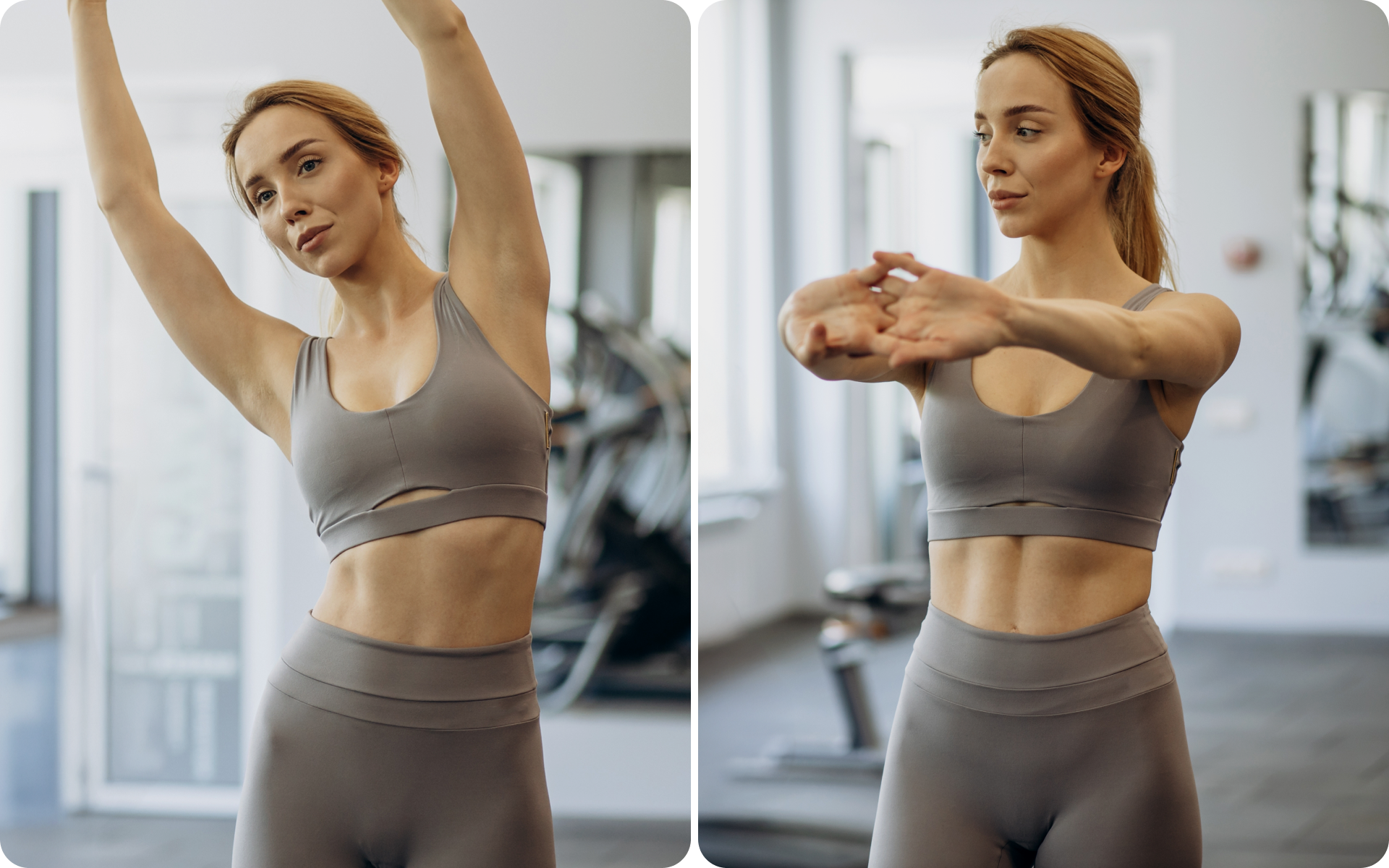
You can stay consistent by making each workout easy to start, planning for busy days, and focusing on completing the challenge, rather than doing every session perfectly. A workout challenge for beginners should fit around real life, not compete with it.
A few simple tricks can help:
- Attach the workout to something you already do. Exercise after breakfast, before your shower, or once you finish work.
- Keep workout clothes ready. Removing one small step can make starting feel easier.
- Use the “just start” rule. Commit to five minutes. Once you begin, you may choose to continue, but five minutes still counts as showing up.
- Have a backup option. If the planned session doesn’t fit your day, do a shorter walk or mobility session instead of skipping movement completely.
- Avoid the all-or-nothing mindset. Missing one day shouldn’t mean the challenge is over—just continue with the next planned session.
- Think only about today. 14 days can feel long when viewed all at once. One workout feels much more manageable.
- For extra support as you build a habit, see our beginner workout challenge guide.
- eel long when viewed all at once. One workout feels much more manageable.
These habits can also help if you later move on to longer workout challenges, such as a 28-day calisthenics workout challenge.
What Should You Track at the End of Each Workout?
At the end of each workout, record what you completed, how hard it felt, and any changes you made. Keep it simple. A few quick notes can show patterns across your 2-week workout challenge without turning tracking into another task.
Write down:
- Workout completed: Note the day and session you finished.
- Time spent: Record roughly how many minutes you exercised.
- Effort level: Rate the session from 1-10, where 1 feels very easy and 10 feels like your maximum effort.
- Reps or rounds: Track how much of the planned workout you completed.
- Any modifications: Note if you used wall push-ups, fewer reps, longer breaks, or any other easier option.
- How the workout felt: Write one short note, such as “comfortable”, “legs felt tired”, or “needed more rest”.
A simple log gives you enough information to spot which sessions felt manageable, where you adjusted, and how your experience changed from Day 1 to Day 14.
BetterMe offers a variety of workouts, recipes, challenges, and support tools to help you stay more consistent with your wellness routine. Explore the app to find features that fit your goals, preferences, and schedule.
FAQs
What should I do if I miss one of the workouts?
Skip the guilt and continue with the next planned session. Trying to squeeze two workouts into one day doesn’t necessarily make the challenge more effective.
Can I combine the challenge with walking or other exercise?
Yes, light or moderate walking can fit alongside the challenge if it feels manageable. Keep extra activity easy enough that it doesn’t leave you too tired for the planned workouts.
Do I need gym equipment to complete the challenge?
No. Most exercises in this 2-week workout challenge use body weight, although a sturdy chair or wall may make some movements easier to modify.
Should I change my diet during the 14-day challenge?
You don’t need a major diet change just because you are exercising for two weeks. Aim for regular, balanced meals and enough fluids, rather than using a strict eating plan that makes the challenge harder to maintain.
Can I repeat the challenge immediately after finishing it?
You can repeat it if the workouts still feel appropriate and your body feels ready. You may also choose to add a little more time, a few repetitions, or an extra round, instead of making every exercise much harder.
The Bottom Line
A 2-week workout challenge can be a simple way to test a more active routine without making a long-term promise. Over 14 days, the aim is to move regularly, learn which exercises suit you and notice what feels manageable. Small changes in balance, flexibility, effort, or confidence may happen, but major fitness changes should not be expected.
Suitable plans are those that you can adjust when needed and return to the next day. Track your sessions, respect your limits, and use what you learned to decide what comes next. Two weeks can give you a starting point, not a finish line!
DISCLAIMER:
This article is intended for general informational purposes only and does not serve to address individual circumstances. It is not a substitute for professional advice or help and should not be relied on for making any kind of decision-making. Any action taken as a direct or indirect result of the information in this article is entirely at your own risk and is your sole responsibility.
BetterMe, its content staff, and its medical advisors accept no responsibility for inaccuracies, errors, misstatements, inconsistencies, or omissions and specifically disclaim any liability, loss or risk, personal, professional or otherwise, which may be incurred as a consequence, directly or indirectly, of the use and/or application of any content.
You should always seek the advice of your physician or other qualified health provider with any questions you may have regarding a medical condition or your specific situation. Never disregard professional medical advice or delay seeking it because of BetterMe content. If you suspect or think you may have a medical emergency, call your doctor.
SOURCES:
- Health Benefits of Physical Activity for Adults (2026, cdc.gov)
- ACSM Unveils Landmark 2026 Resistance Training Guidelines (2026, pmc.ncbi.nlm.nih.gov)
- Adding Physical Activity as an Adult (2025, cdc.gov)
- A supine exercise program linking trunk stability with lower extremity coordination is associated with improved body balance and agility: A study using randomized crossover and pre-post trial designs (2026, journals.plos.org)
- Effect of 2 weeks of sprint interval training on health-related outcomes in sedentary overweight/obese men (2010, pubmed.ncbi.nlm.nih.gov)
- The Effect of Position on the Percentage of Body Mass Supported During Traditional and Modified Push-up Variants (2010, pubmed.ncbi.nlm.nih.gov)
- Kinetic Analysis of Several Variations of Push-Ups (2011, ovid.com)
- Novel Resistance Training-Specific RPE Scale Measuring Repetitions in Reserve (2015, researchgate.net)