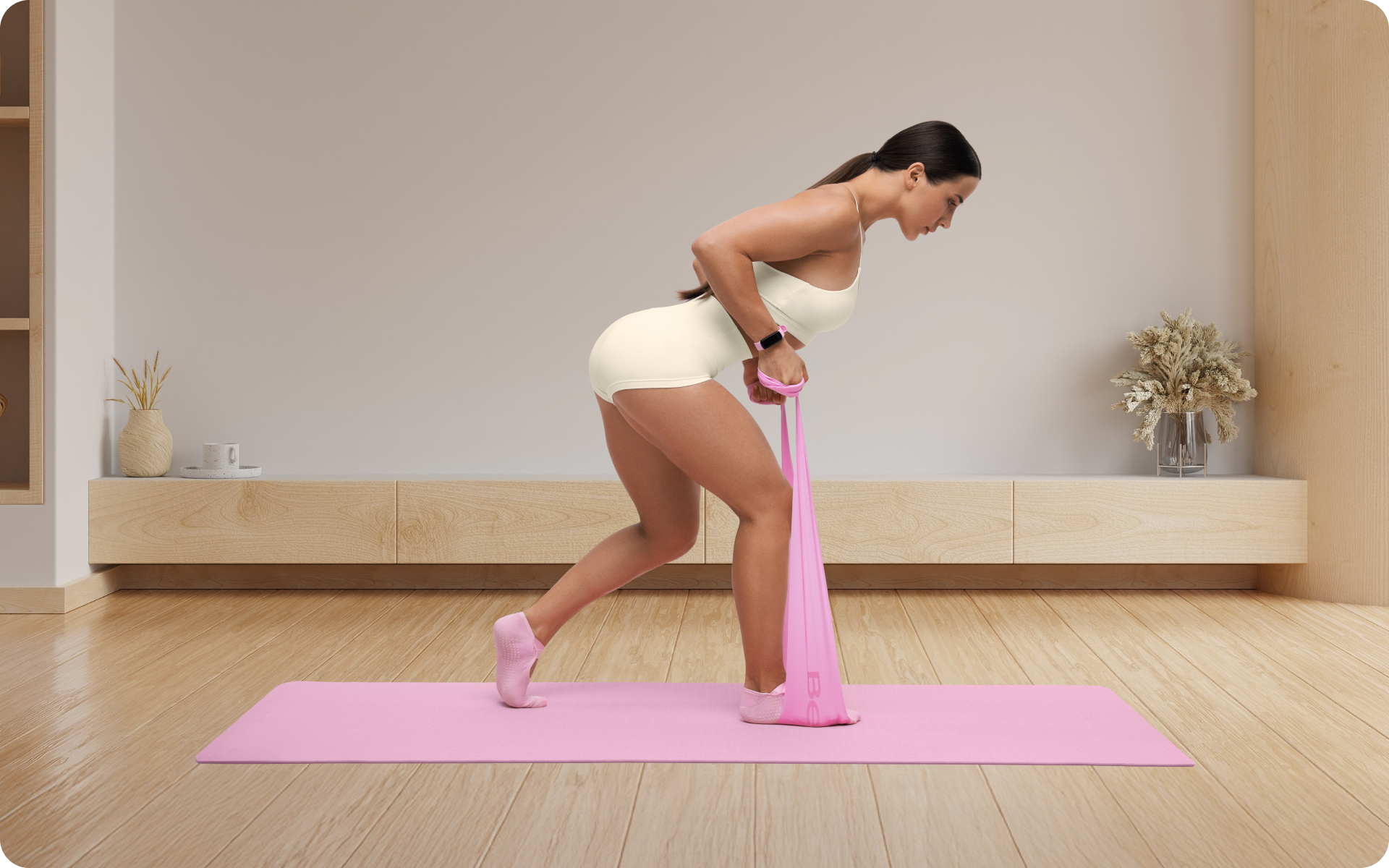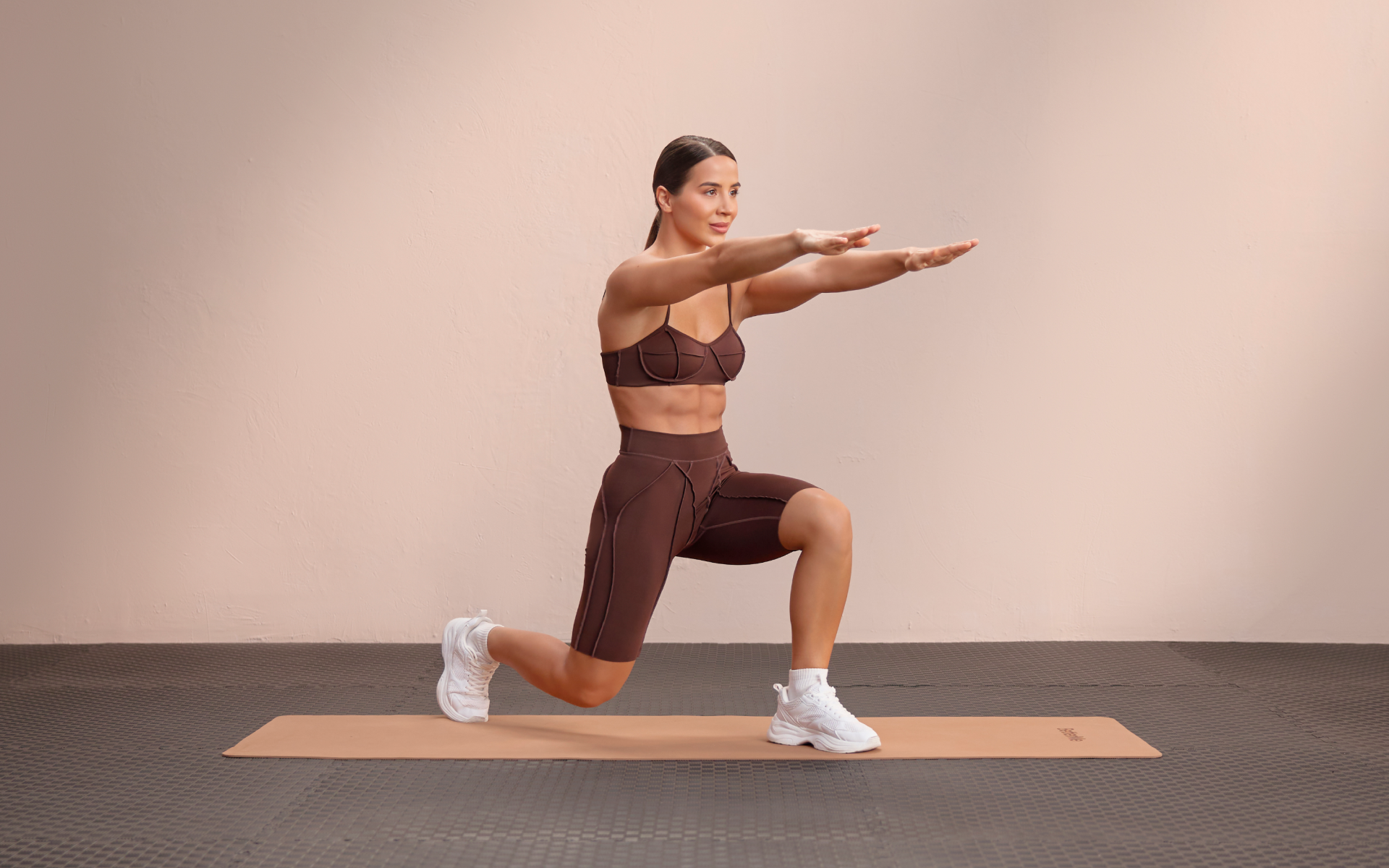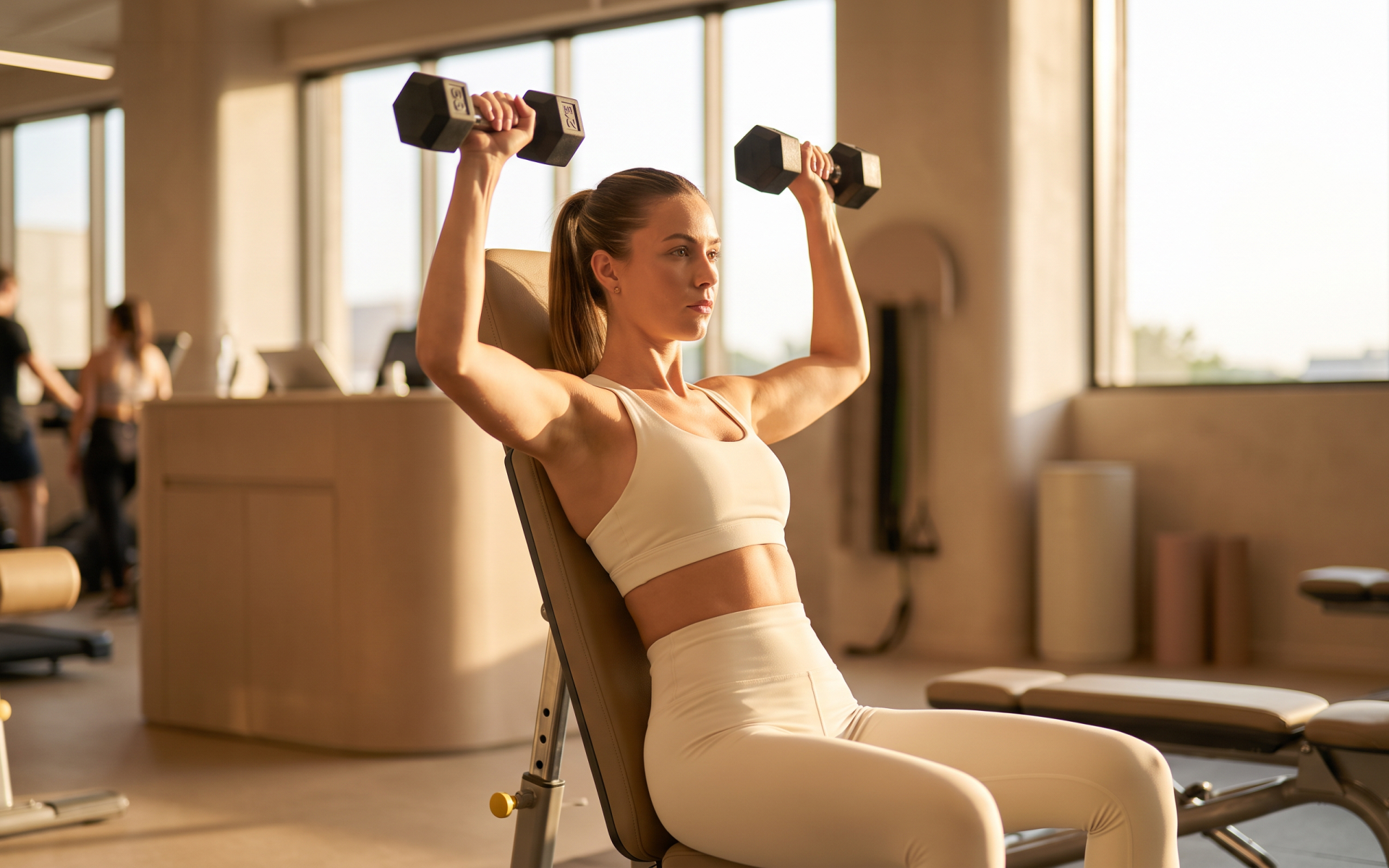

A 4 day workout routine to get ripped can organize strength and muscle building work into two upper-body and two lower-body sessions. This sample plan includes exercise steps, rest intervals, and progression options. Muscle definition also depends on nutrition and body composition. Four weekly workouts cannot guarantee a particular appearance.
Key takeaways
This four-day upper/lower plan trains each muscle group twice a week and builds workload gradually.
- An upper/lower split and a full body workout can produce similar gains when weekly volume matches (1).
- This sample includes two upper-body and two lower-body workouts, with rest days between repeated sessions.
- Training every set to failure is not required for muscle growth (2).
- Recovery needs vary with workload, effort, and individual response (3).
- Start with fewer exercises and sets when learning the movements.
- Track repetitions, technique, and recovery before increasing your workload.
How do you structure a 4 day workout split?
An upper/lower training split separates different muscle groups across four days per week. Compare this approach with our gym workout routine for women when choosing your schedule.
This workout program trains every major muscle group twice throughout the week. A 2024 review included 14 studies and 392 participants. Split and full-body routines produced similar muscle and strength gains when training volume matched (1).
Pick a 4-day split if it fits your schedule and recovery needs. Consistent training of each muscle group tends to matter more than the name of your split.
What equipment and warm-up do you need?
This four-day gym workout uses free weights, cables, and machines. Ask gym staff to demonstrate unfamiliar equipment and adjust its settings.
Helpful equipment includes:
- A barbell and plates
- Dumbbells
- An adjustable bench
- A cable machine or resistance bands
- A pull-up bar or lat pulldown
- Leg curl and leg extension machines, if available
A home version requires substitutions for the machines. Keep the same movement patterns and choose resistance you can control.
Use this sample warm-up, adjusting movements and time to your needs:
General warm-up (5 minutes):
- Brisk walking, cycling, or rowing
Movement practice: choose comfortable repetitions for today’s lifts.
- Bodyweight squats before lower-body training
- Unloaded hip hinges
- Light band pull-aparts before upper-body training
- Supported lunges if comfortable
Before your first demanding lift, add progressively heavier practice sets:
- Start with a comfortable unloaded or very light version.
- Add a small amount of resistance.
- Rehearse a few controlled repetitions before working sets.
These practice sets are additional to the sets in the program. Use the rack’s catch bars or a qualified spotter for barbell bench presses and squats.
Read more: 3 Days Workout Routine For Mass Increment And Toning
How do you choose your starting weight and RPE?
Start with a weight you can control through every prescribed repetition. Leave roughly two or three repetitions available rather than forcing another rep.
The resistance-training RPE scale estimates effort using repetitions in reserve, or RIR (4). These estimates improve with practice:
- RPE 10: No reps left
- RPE 9: About 1 rep left
- RPE 8: About 2 reps left
- RPE 7: About 3 reps left
A 2022 meta-analysis found no overall strength or muscle-growth advantage from always training to failure (2). Its studies involved young adults. For this sample routine, use RPE 7 to 8 as an adjustable starting target.
Here’s how to test your weight:
- If five more repetitions feel possible, keep practicing or consider whether to increase the weight later.
- If you cannot reach the lower repetition target with control, reduce the weight.
- If only two or three controlled repetitions remain, the load may suit this sample target.
Stop a set when technique deteriorates.
Day 1: upper body A
Upper A combines horizontal pressing and rowing with a vertical pull. It trains the chest, back, shoulders, and arms.
Day 2: lower body A
This leg day starts with squats and Romanian deadlifts. Leg presses, curls, calf raises, and cable crunches complete the session.
Day 3: upper body B
Upper B starts with overhead pressing and assisted pull-ups.
Day 4: lower body B
Your second leg workout starts with hip thrusts and Bulgarian split squats. Complete both sides of each single-leg exercise.
How much rest should you take between sets and training days?
Rest long enough to repeat controlled sets. Recovery between sessions varies with training volume, effort, exercise selection, and individual response (3).
One study tested 14 resistance-trained women. Three-minute rests allowed more training volume than one-minute rests during specific machine exercises (5). The following intervals are adjustable examples:
| Exercise type | Suggested rest | Why |
|---|---|---|
| Heavy compound lifts (squat, bench, deadlift) | 2 to 3 minutes | Restore strength for quality reps |
| Moderate accessory lifts (rows, presses) | 90 seconds to 2 minutes | Balance recovery and time |
| Isolation lifts (curls, lateral raises) | 60 to 90 seconds | Extend rest if repetitions or control decline |
For rest between days, a common training week looks like this:
- Monday: Upper A
- Tuesday: Lower A
- Wednesday: Rest
- Thursday: Upper B
- Friday: Lower B
- Saturday and Sunday: Rest
Add another recovery day when fatigue affects performance. A calendar gap cannot guarantee complete recovery (3).
For optional low-intensity movement, explore our chair Pilates workout routines. Keep rest days restful when you need them.
Is a four-day workout routine suitable for beginners?
Beginners can start with 4 exercises per workout, fewer sets, or fewer weekly sessions.
These are sample adjustments. Advance only when your current workload feels manageable:
| Level | Exercises per session | Sets per exercise | Effort (RPE) |
|---|---|---|---|
| Beginner | 4 | 1 to 2 | Leave 3 or more reps |
| Intermediate | 4 to 6 | 2 to 3 | RPE 7 to 8 |
| Advanced | 6 to 7 if appropriate | As listed | Adjust to recovery |
Workouts, weight management tools, and recipe ideas come together in the BetterMe: Health Coaching app, giving you practical support for building a more consistent wellness routine.
How do you progress your workouts to build muscle?
Progressive overload means gradually increasing training demands. In one 10-week study, 39 previously untrained adults increased repetitions or weight. Both approaches improved leg strength and muscle size similarly (6).
Treat these four weeks as review checkpoints. Repeat a week when technique or recovery needs more attention:
| Week | Focus | Effort |
|---|---|---|
| Week 1 | Learn the lifts, set baseline loads | Comfortable practice |
| Week 2 | Try one extra rep within the range | Keep reps in reserve |
| Week 3 | Increase weight only when ready | Maintain control |
| Week 4 | Review progress and fatigue | Repeat or reduce work |
A simple rule for your 4 day workout plan:
- Reach the top of the repetition range with control before considering the smallest available weight increase.
- Record weight, repetitions, and estimated effort every workout. Compare several sessions rather than reacting to one difficult workout.
When performance repeatedly falls, review workload and recovery before adding more. A lighter session or extra rest may be appropriate (3).
When should you stop an exercise or choose an alternative?
Stop for sharp or worsening discomfort, dizziness, or loss of control. Ongoing discomfort is worth checking with a qualified healthcare professional. Switching exercises may not suit an existing strain.
For another training format, explore our calisthenics workout routine.
A sample four-day gym workout plan
This program is an adjustable example. For example, prioritize the first two movements, then choose two accessories. Use the exercise instructions below and rest guidance above.
| Day | Exercise | Sets × reps |
|---|---|---|
| Day 1: Upper A | Bench press | 3 × 6 to 8 |
| Chest-supported row | 3 × 8 to 10 | |
| Incline dumbbell press | 3 × 8 to 12 | |
| Lat pulldown | 3 × 8 to 12 | |
| Lateral raise | 3 × 12 to 20 | |
| Triceps pressdown | 2 × 10 to 15 | |
| EZ-bar curl | 2 × 10 to 15 | |
| Day 2: Lower A | Back squat | 3 × 5 to 8 |
| Romanian deadlift | 3 × 6 to 10 | |
| Leg press | 3 × 10 to 15 | |
| Leg curl | 3 × 10 to 15 | |
| Standing calf raise | 3 × 10 to 15 | |
| Cable crunch | 3 × 10 to 15 | |
| Day 3: Upper B | Overhead press | 3 × 6 to 8 |
| Assisted pull-up | 3 × 6 to 10 | |
| Machine chest press | 3 × 8 to 12 | |
| One-arm dumbbell row | 3 × 8 to 12 per arm | |
| Rear delt fly | 3 × 12 to 20 | |
| Overhead triceps extension | 2 × 10 to 15 | |
| Hammer curl | 2 × 10 to 15 | |
| Day 4: Lower B | Hip thrust | 3 × 5 to 8 |
| Bulgarian split squat | 3 × 8 to 12 per leg | |
| Leg extension | 3 × 10 to 15 | |
| Seated leg curl | 3 × 10 to 15 | |
| Seated calf raise | 3 × 10 to 20 | |
| Hanging knee raise | 3 × 8 to 15 |
Exercise instructions
These steps cover all 26 exercises in the plan, in table order.
Bench press
- Lie on the bench with your eyes under the bar.
- Grip slightly wider than shoulder-width.
- Lower the bar to your mid-chest with control.
- Press it back up until your arms are straight.
Chest-supported row
- Lie chest-down on an incline bench.
- Hold a dumbbell in each hand.
- Pull your elbows back and squeeze your shoulder blades.
- Lower with control.
Incline dumbbell press
- Set a bench to about 30 degrees.
- Hold a dumbbell in each hand at chest level.
- Press up until your arms are straight.
- Lower slowly to the start.
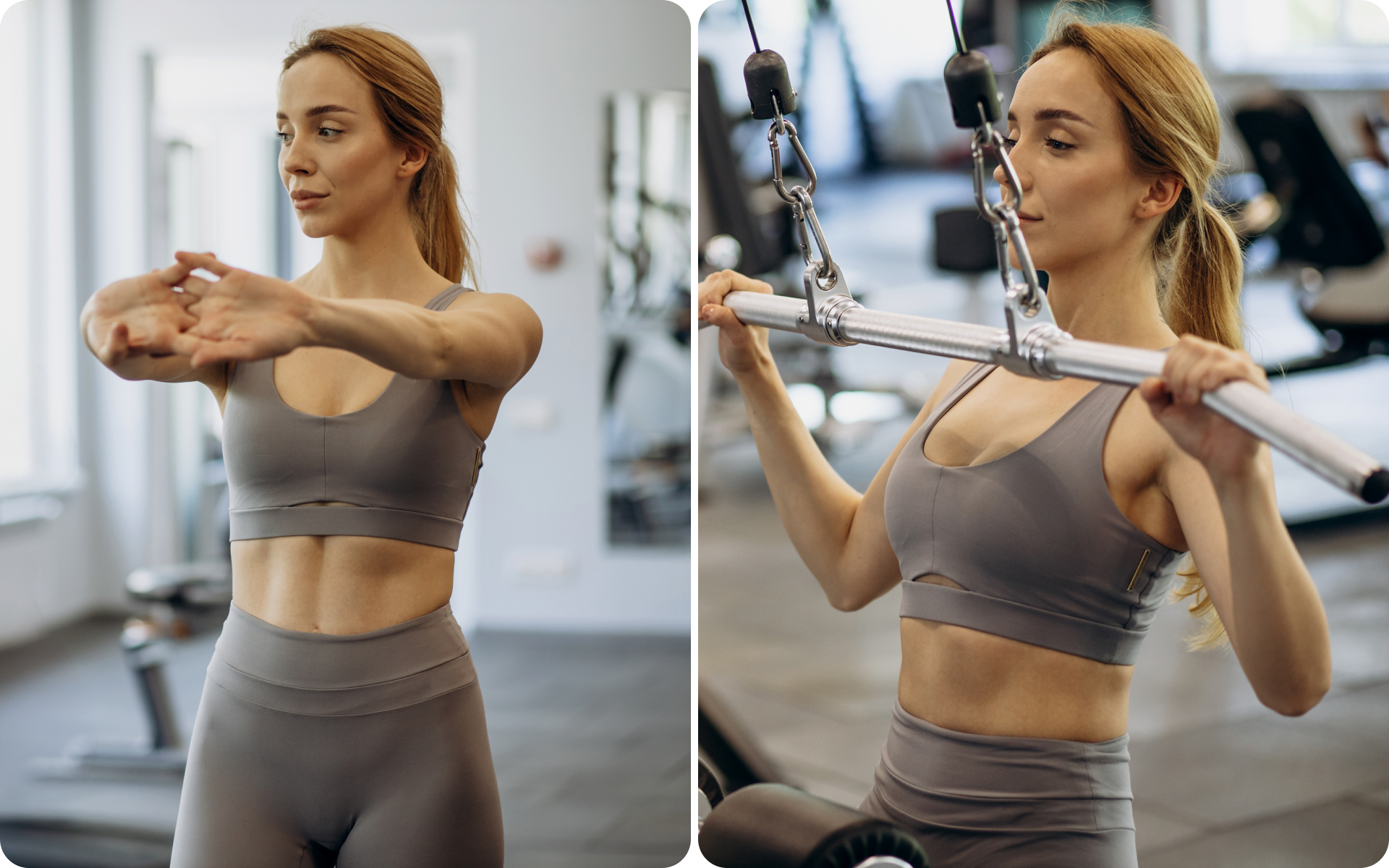
Lat pulldown
- Grip the bar slightly wider than your shoulders.
- Pull it to your upper chest.
- Squeeze your back muscles.
- Return the bar with control.
Lateral raise
- Hold a dumbbell in each hand at your sides.
- Raise your arms out to the sides to shoulder height.
- Pause briefly.
- Lower slowly.
Triceps pressdown
- Grip a cable attachment at chest height.
- Press down until your arms are straight.
- Squeeze your triceps.
- Return with control.
Read more: 12 Weeks Mass Building Workout Plan – Optimized For Muscle Growth
EZ-bar curl
- Hold the bar with an underhand grip.
- Curl it toward your shoulders.
- Keep your elbows still.
- Lower slowly.
Back squat
- Rest the bar on your upper back.
- Stand with feet shoulder-width apart.
- Lower through a comfortable range while keeping your feet planted.
- Push through your whole feet to stand.
Romanian deadlift
- Hold the bar in front of your thighs.
- Push your hips back, keeping a soft knee bend.
- Lower along your legs until you cannot maintain your back position.
- Stand back up by driving your hips forward.
Leg press
- Sit in the machine with feet shoulder-width on the platform.
- Lower within a controlled range while keeping your pelvis against the pad.
- Press back up without locking out hard.
- Repeat with control.
Leg curl
- Position your ankles under the pad.
- Curl your heels toward your glutes.
- Squeeze your hamstrings.
- Lower slowly.
Standing calf raise
- Stand with the balls of your feet on a platform.
- Rise up onto your toes.
- Pause at the top.
- Lower your heels below the platform.
Cable crunch
- Kneel below a high cable.
- Hold the rope near your head.
- Crunch down by rounding your spine.
- Return with control.
Overhead press
- Hold the bar at shoulder height.
- Press it overhead until your arms are straight.
- Keep your core tight.
- Lower to your shoulders.
Assisted pull-up
- Set assistance so you can control the prescribed repetitions.
- Pull your chest toward the bar.
- Squeeze your back.
- Lower with control.
Machine chest press
- Sit with the handles at chest height.
- Press forward until your arms are straight.
- Pause briefly.
- Return with control.
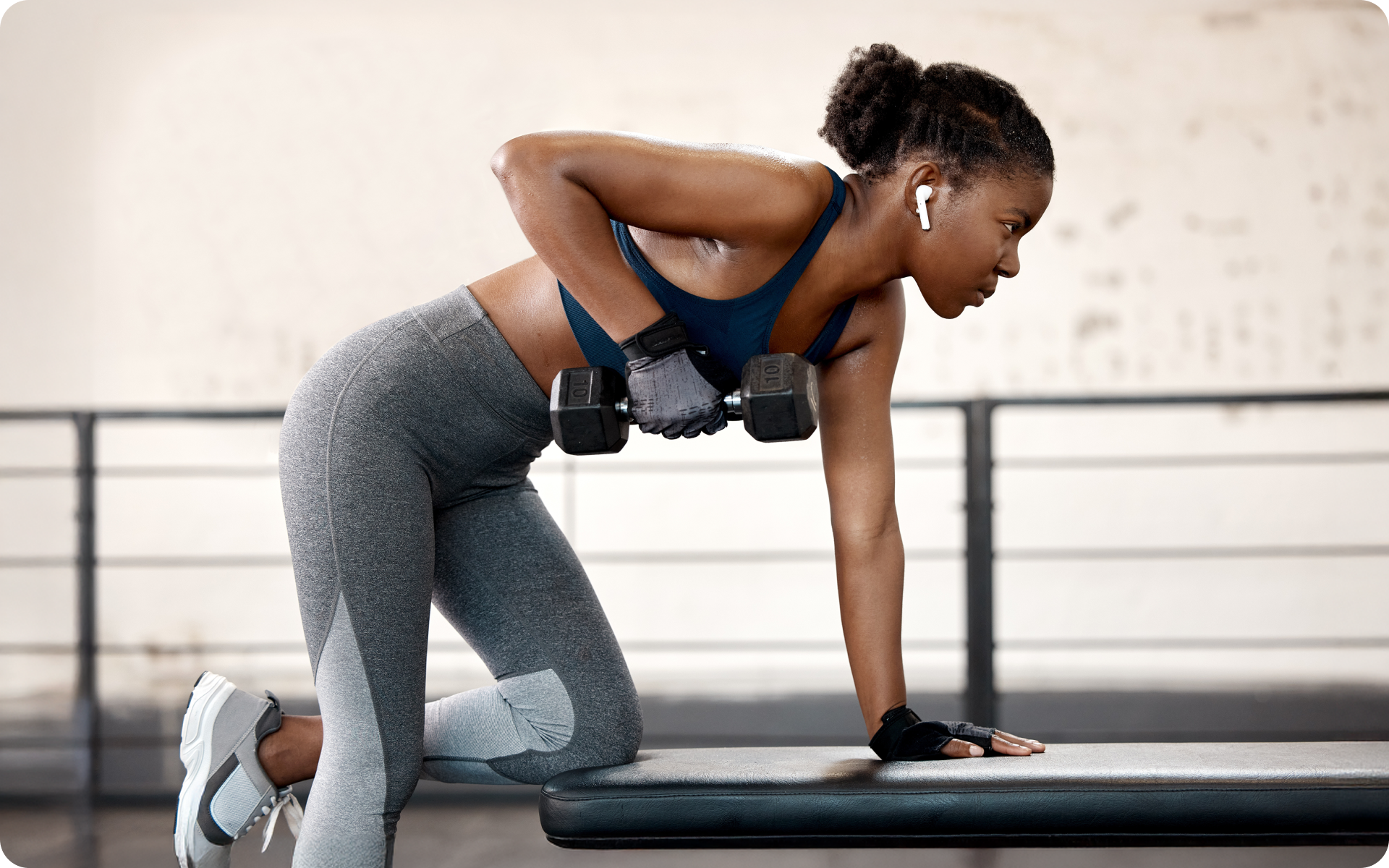
One-arm dumbbell row
- Place one knee and hand on a bench.
- Hold a dumbbell in the other hand.
- Row it toward your hip.
- Lower slowly, then complete the prescribed repetitions on the other side.
Rear delt fly
- Hinge forward with a dumbbell in each hand.
- Raise your arms out to the sides.
- Squeeze your rear shoulders.
- Lower with control.
Overhead triceps extension
- Hold a dumbbell overhead with both hands.
- Lower it behind your head.
- Extend your arms back up.
- Keep your elbows steady.
Hammer curl
- Hold dumbbells with palms facing each other.
- Curl toward your shoulders.
- Keep your elbows still.
- Lower slowly.
Hip thrust
- Rest your upper back on a bench.
- Secure a padded weight across your hips.
- Lift until shoulders, hips, and knees align, without arching your lower back.
- Lower with control.
Bulgarian split squat
- Place one foot behind you on a bench.
- Lower into a lunge on the front leg.
- Keep your torso upright.
- Push through your front foot to stand, then complete both sides.
Leg extension
- Sit with your ankles under the pad.
- Extend your legs until straight.
- Squeeze your quads.
- Lower slowly.
Seated leg curl
- Sit with your ankles over the pad.
- Curl your heels underneath you.
- Squeeze your hamstrings.
- Return with control.
Seated calf raise
- Sit with the pad on your thighs.
- Rise onto the balls of your feet.
- Pause at the top.
- Lower slowly.
Hanging knee raise
- Hang from a bar with straight arms.
- Raise your knees toward your chest.
- Pause briefly.
- Lower with control.
How do you combine strength training, cardio, and rest?
Keep aerobic activity manageable alongside lifting. Adult guidelines recommend at least 150 minutes of moderate aerobic activity weekly, plus muscle strengthening (7). These are general health targets, and intense cardio after every lift is optional. A short brisk walk on an upper-body day is one option.
How should you eat and recover on a four-day workout plan?
Regular meals, enough energy, and fluids support training. Carbohydrates provide exercise fuel, while protein supports muscle repair (8). Include varied foods rather than relying on supplements. A registered dietitian can help align food intake with body composition goals and medical needs.
BetterMe can help you add more structure to your daily wellness routine with workouts, meal planning tools, and habit-building features. Explore the app and take a practical step toward a routine that feels more manageable for you.
Frequently asked questions
Can you get ripped working out 4 days a week?
Possibly, though results vary. Four sessions can organize training if you are looking to gain muscle. They cannot guarantee how much muscle you gain or how your body fat changes. Nutrition, starting point, recovery, and adherence also matter. Choose goals you can track, such as controlled repetitions and consistency.
Is an upper/lower split different from push-pull-legs?
Yes. These split routines group training differently. Upper/lower training separates body regions. Push-pull-legs groups them by pushing, pulling, and leg exercises. Either format can be adapted to your schedule. One review found similar gains from split and full-body routines when weekly volume matched (1).
How long should a 4-day workout take?
The time for one workout depends on warm-up, exercises, sets, rest intervals, and equipment availability. Time your first sessions rather than relying on a fixed estimate.
How many exercises should be in each workout?
The full sample includes six or seven exercises per session. More exercises are not automatically better. Consider movement quality, available time, and your response before adding work.
What can slow down muscle gains?
Missed sessions, too little recovery, and not eating enough to support training can all slow progress. Recovery needs vary with workload and effort (3), and protein supports muscle repair (8).
Can I change the order of exercises in a workout?
Yes. Place an exercise earlier when improving strength in that movement is your priority. A meta-analysis found greater strength gains for exercises performed first. Exercise order did not significantly change muscle growth (9).
The bottom line
A four-day upper/lower split can organize your strength training. Start with a manageable workload, record your sessions, and progress when control and recovery allow. Judge the plan by the steady progress in your training log.
DISCLAIMER:
This article is intended for general informational purposes only and does not serve to address individual circumstances. It is not a substitute for professional advice or help and should not be relied on for making any kind of decision-making. Any action taken as a direct or indirect result of the information in this article is entirely at your own risk and is your sole responsibility.
BetterMe, its content staff, and its medical advisors accept no responsibility for inaccuracies, errors, misstatements, inconsistencies, or omissions and specifically disclaim any liability, loss or risk, personal, professional or otherwise, which may be incurred as a consequence, directly or indirectly, of the use and/or application of any content.
You should always seek the advice of your physician or other qualified health provider with any questions you may have regarding a medical condition or your specific situation. Never disregard professional medical advice or delay seeking it because of BetterMe content. If you suspect or think you may have a medical emergency, call your doctor.
SOURCES:
- Efficacy of Split Versus Full-Body Resistance Training on Strength and Muscle Growth: A Systematic Review With Meta-Analysis (2024, pubmed.ncbi.nlm.nih.gov)
- Effects of resistance training performed to repetition failure or non-failure on muscular strength and hypertrophy: A systematic review and meta-analysis (2022, sciencedirect.com)
- The Importance of Recovery in Resistance Training Microcycle Construction (2024, pmc.ncbi.nlm.nih.gov)
- Novel Resistance Training-Specific Rating of Perceived Exertion Scale Measuring Repetitions in Reserve (2016, pubmed.ncbi.nlm.nih.gov)
- The Effect of Rest Interval Length on Upper and Lower Body Exercises in Resistance-Trained Females (2021, pmc.ncbi.nlm.nih.gov)
- Effects of Resistance Training Overload Progression Protocols on Strength and Muscle Mass (2024, pubmed.ncbi.nlm.nih.gov)
- Adult Activity: An Overview (2023, cdc.gov)
- Nutrition and athletic performance (2026, medlineplus.gov)
- What influence does resistance exercise order have on muscular strength gains and muscle hypertrophy? A systematic review and meta-analysis (2021, pubmed.ncbi.nlm.nih.gov)
 By
 Reviewed by