A 14-day workout challenge is a short, structured plan that helps you rebuild a movement routine over two weeks. It blends simple strength moves and easy cardio, often at home with little or no equipment. For many people, two weeks may improve confidence, energy, and consistency. Bigger changes in strength or body composition usually take longer.
Getting started is often the hardest part of an active lifestyle. Life gets busy, motivation dips, and a long break can make exercise feel intimidating. This is where a 14-day workout challenge helps. It gives you a clear, repeatable structure so you spend less time planning and more time doing.
This guide is for beginners and anyone who is returning after a pause. You’ll get movement patterns, a full schedule, warm-up and cool-down steps, intensity tips, low-impact swaps, and clear stop signs.
Are you ready to see how two weeks can rebuild momentum? Let’s walk through it together.
Can a 14-Day Workout Challenge Help You Restart an Exercise Routine?
Yes, a 14-day workout challenge can help you restart an exercise routine, particularly if your goal is momentum rather than a dramatic makeover. Two weeks is enough time to rebuild a habit and feel more comfortable moving again.
Some research has suggested that short, simple programs can support beginners well. Previously inactive people often respond to small amounts of exercise at first (1).
Here’s what may improve in the first two weeks:
- Confidence and routine-building
- Energy and mood
- Comfort and tolerance for movement
- Coordination and movement skill
Here’s what usually needs more time:
- Visible muscle gain
- Large changes in body composition
- Big jumps in cardio capacity
So treat this two-week workout routine as phase one: showing up, proving exercise is doable, and setting up week three and beyond.
The real wins are behavioral. You build trust in your body, and you learn that movement can fit your day. This foundation tends to matter more than any single tough session.
One helpful mindset: aim for repeatable, not extreme. A plan you can finish beats a plan that burns you out by day four. Individual experience varies, so adjust as you go.
If you want more ideas for training in your living room, you can explore our guide to Workout Challenges at Home for practical, space-friendly options.
Which Movement Patterns Does the Challenge Include?
The challenge includes seven foundational movement patterns that cover your whole body. A full-body workout challenge works well when it trains how you actually move in daily life.
These patterns include squatting, hinging, pushing, pulling, lunging, core bracing, and walking (2). Together, they build a balanced base without needing every machine in a gym.
Below is a quick reference table. It defines each pattern in plain language and gives an example you can try today.
| Movement pattern | Plain-language definition | Example exercise | What it supports |
|---|---|---|---|
| Squat | Bending knees and hips to lower and stand back up | Bodyweight squat | Thighs, hips, and glutes |
| Hinge | Folding at the hips with a flat back, knees soft | Glute bridge | Back of the legs and glutes |
| Push | Pressing your body or a load away from you | Wall push-up | Chest, shoulders, and triceps |
| Pull | Drawing a load toward your body | Towel or band row | Upper back and biceps |
| Lunge | Stepping into a split stance and lowering down | Supported split squat | Single-leg control and balance |
| Core brace | Holding your trunk steady against movement | Plank | Trunk stability and posture |
| Walk/cardio | Moving continuously to raise your heart rate | Brisk 10-minute walk | Cardio fitness and habit-building |
Some research on lower-dose training has suggested that beginners often do well with multi-joint moves (3). These are exercises that use more than one joint, such as a squat.
That’s good news for a no-equipment workout plan. You don’t need fancy gear or long sessions to hit every major pattern. Simple, repeated basics can carry you through two weeks.
Read more: 10-Day Workout: How To Kick Start Weight Loss In Less Than 2 Weeks
How Does the Warm-Up, Workout, and Cool-Down Format Work?
The format follows three simple stages: a short warm-up, a main workout, and a brief cool-down. Each stage has a job, and each keeps your session manageable.
A warm-up prepares your body to move (4). The workout trains your patterns. The cool-down helps you wind down and finish on a calm note (4).
Warm-Up (5-8 minutes)
Use these steps to ease in:
- Walk or march in place for 2-3 minutes.
- Do gentle joint circles: arms, hips, and ankles, about 30 seconds each.
- Rehearse your moves: 5 sit-to-stands, 5 wall push-ups, 5 hip hinges.
A warm-up should raise your body temperature and reduce stiffness (4). It shouldn’t tire you out.
Workout (15-30 minutes)
A repeatable session can follow this order:
- Lower-body move (squat or hinge)
- Upper-body push
- Upper-body pull
- Core brace
- Short cardio finisher or brisk walk
For beginners, 1-3 sets of 6-12 reps per exercise is often plenty to start. Rest for 30-60 seconds between sets.
Cool-Down (3-8 minutes)
Wind down with these steps:
- Walk slowly for 2-3 minutes to lower your effort.
- Breathe deeply and relax your shoulders.
- Stretch calves, quads, chest, and hips, holding each for 20-30 seconds.
A cool-down creates a clear end to your session. This little ritual can make your daily workout schedule feel easier to repeat.
Keeping this three-part format each day builds rhythm. Rhythm tends to support consistency, which is the whole point of two weeks.
Whether you want to refresh your fitness routine, explore lower-calorie recipe ideas, or bring more structure to your wellness habits, BetterMe: Health Coaching app offers tools that can support your next step. Explore the app and find an approach that works for your lifestyle.
What Does the Complete 14-Day Schedule Look Like?
The complete 14-day schedule alternates workout days with easier movement days so you can recover between harder sessions. This balance is the heart of a sustainable 14-day workout plan.
You’ll repeat two main sessions: Full-Body A and Full-Body B. Between them, you get walks, mobility, and rest.
The table below maps each day. Durations are approximate, and you can adjust them to fit your life.
| Day | Session focus | Sample session | Approx. duration |
|---|---|---|---|
| 1 | Full-Body A | Warm-up, squat, push, pull, plank, 10-min walk | 30-40 mins |
| 2 | Easy movement | 20-30-min easy walk plus light mobility | 25-35 mins |
| 3 | Full-Body B | Warm-up, glute bridge, split squat, push, side plank, 10-min walk | 30-40 mins |
| 4 | Active recovery day | Gentle walk, bike, or stretching at low effort | 20-30 mins |
| 5 | Full-Body A | Repeat Day 1, aim for smoother form | 30-40 mins |
| 6 | Light cardio | 20-30-min easy-to-moderate walk | 20-30 mins |
| 7 | Rest | Full rest or very light stroll | 0-20 mins |
| 8 | Full-Body B | Repeat Day 3 | 30-40 mins |
| 9 | Easy movement | Walk plus mobility | 25-35 mins |
| 10 | Full-Body A | Repeat Day 1, add 1 set if it feels good | 30-45 mins |
| 11 | Active recovery day | Gentle walk or stretching at low effort | 20-30 mins |
| 12 | Full-Body B | Repeat Day 3 | 30-45 mins |
| 13 | Long easy cardio | 30-min relaxed walk | 30 mins |
| 14 | Choice day | Repeat your favorite session and reflect | 30-40 mins |
This layout keeps hard and easy days apart. Recovery time can vary with the workout; demanding resistance sessions may affect performance for 24-48 hours (7). Individual experience varies, so listen to your body.
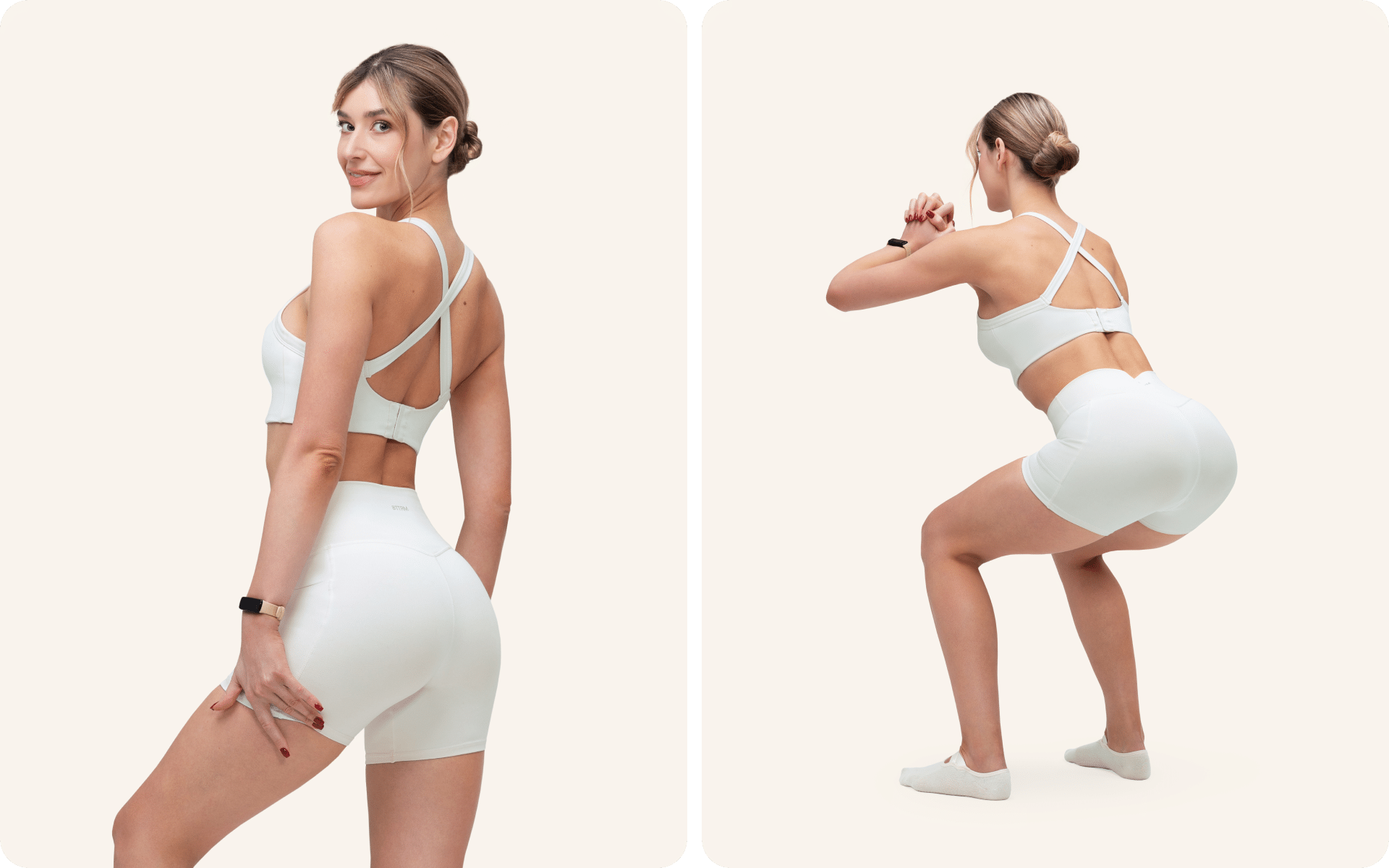
Exercise Instructions for the Program
Here are step-by-step instructions for the core moves in this 14-day exercise program. Move at a pace that feels controlled, not rushed.
Bodyweight Squat
- Stand with your feet about shoulder-width apart.
- Push your hips back and bend your knees.
- Lower until your thighs are near parallel, or as far as comfortable.
- Press through your feet to stand tall.
Glute Bridge
- Lie on your back with your knees bent and your feet flat.
- Squeeze your glutes and lift your hips.
- Pause at the top for 1-2 seconds.
- Lower slowly and repeat.
Wall Push-Up
- Stand an arm’s length from a wall.
- Place your hands on the wall at chest height.
- Bend your elbows to bring your chest toward the wall.
- Press back to the start.
Towel or Band Row
- Loop a towel around a sturdy anchor or hold a band.
- Hold both ends and step back to create tension.
- Pull your elbows back, squeezing your shoulder blades.
- Return slowly with control.
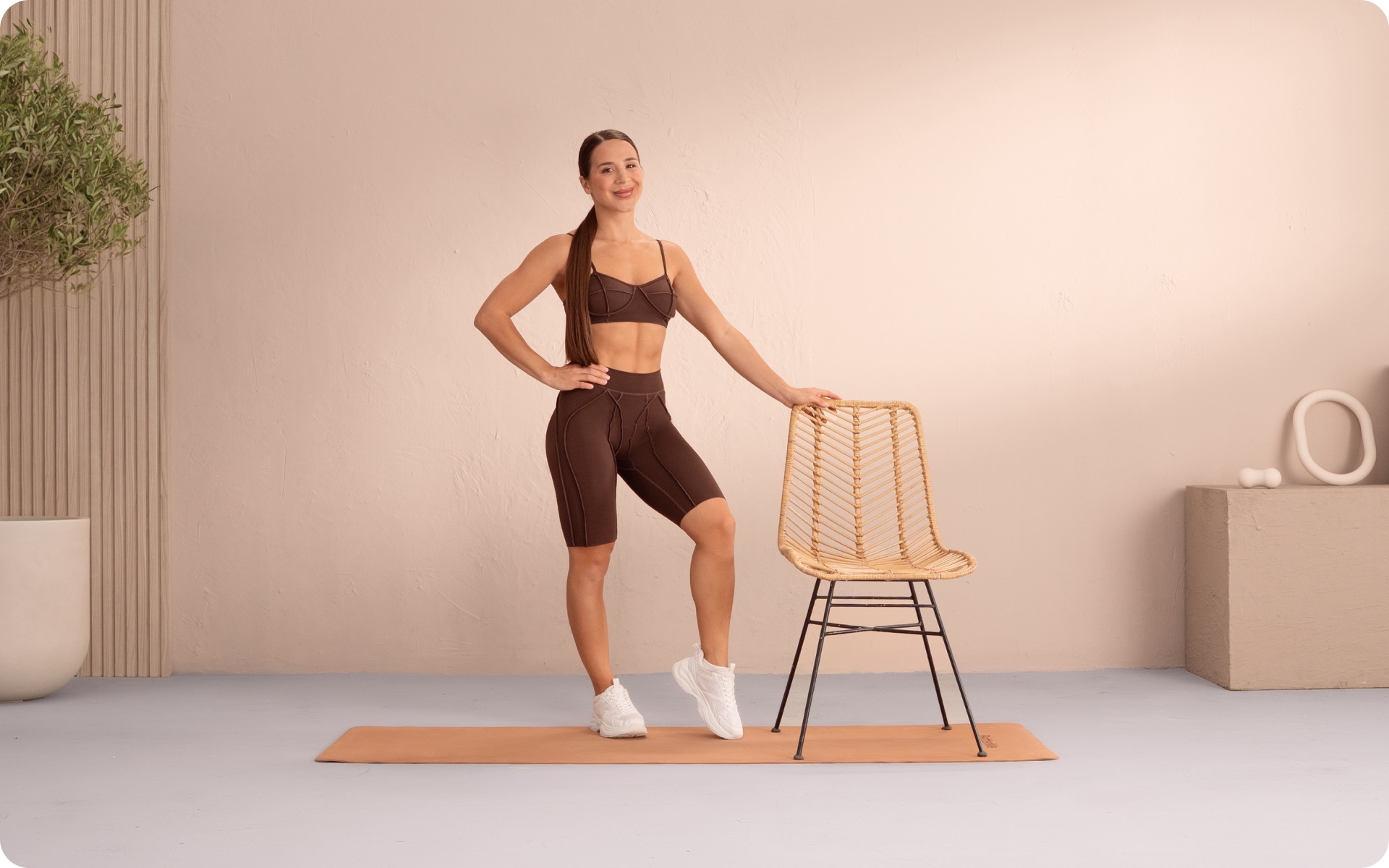
Supported Split Squat
- Stand in a split stance, one foot forward.
- Hold a chair or wall for balance.
- Lower your back knee toward the floor.
- Push through your front foot to rise.
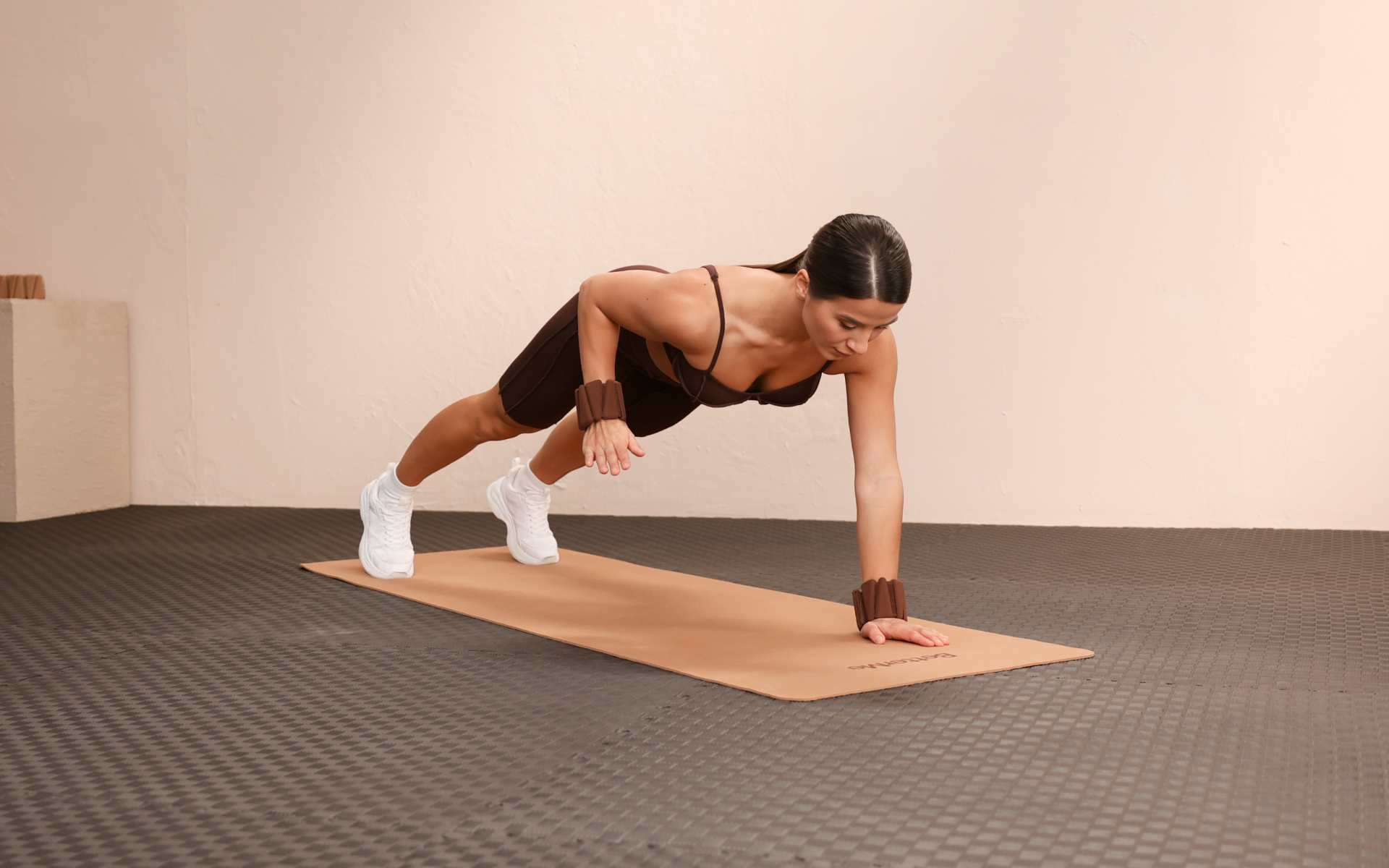
Plank
- Rest on your forearms and toes, or your knees for an easier version.
- Keep your body in a straight line.
- Brace your stomach gently.
- Hold for 15-30 seconds.
Side Plank
- Lie on your side with your forearm under your shoulder.
- Stack or stagger your feet.
- Lift your hips off the floor.
- Hold for 10-20 seconds per side.
If you’re new to structured plans, our Workout Challenge for Beginners offers more gentle starting points you can click through anytime.
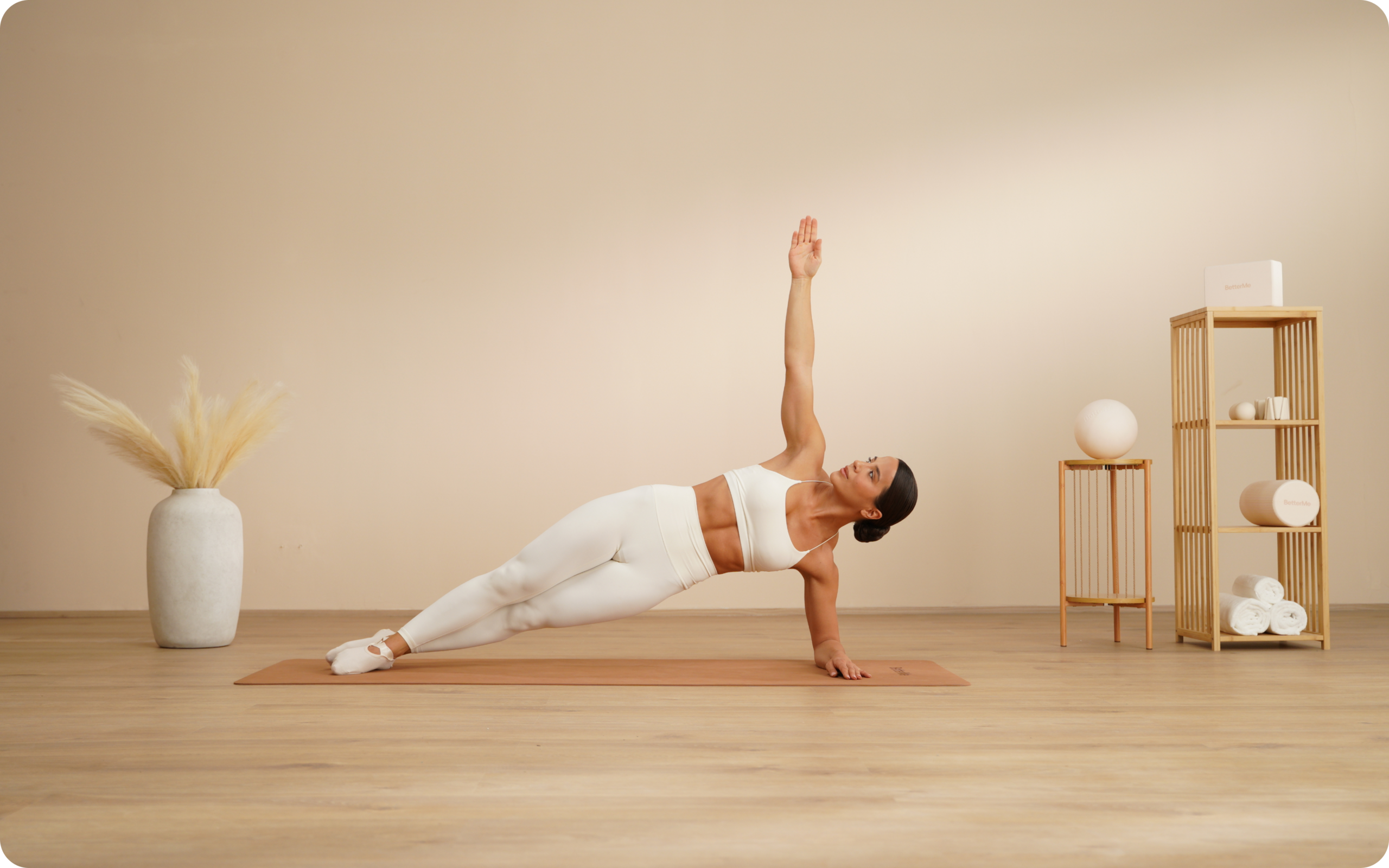
How Can You Choose a Manageable Exercise Intensity?
Choose an intensity that feels challenging but clearly repeatable, so you could return in the next day or two. For a beginner workout challenge, moderate effort tends to work better than all-out pushing.
Use simple gauges instead of guesswork. Here are two easy tools.
The talk test for cardio (5):
- Easy: you can speak in full sentences.
- Moderate: you can talk, but not sing.
- Too hard: you can only manage a few words.
For most of this strength and cardio plan, aim for the easy-to-moderate range.
Reps in reserve for strength (6):
- Stop each set when you feel you could do 2-4 more reps.
- Avoid pushing to the point where you cannot finish a rep.
Some research on lower-dose training has suggested that beginners can make progress with modest loads and fewer sets (3). Very high effort is often not needed early on.
A helpful target is effort around 6-7 out of 10. You finish thinking, “I worked, but I could do this again soon.”
Going too hard may raise soreness and fatigue. That can make the next session harder to face, which works against consistency. Individual experience varies, so scale up slowly.
If a day feels rough, reduce sets or slow your pace. Adjusting is smart, not a setback.
Read more: 2-Week Workout Plan To Lose 10 Pounds: The Ultimate Workout To Shed Off A Few Pounds
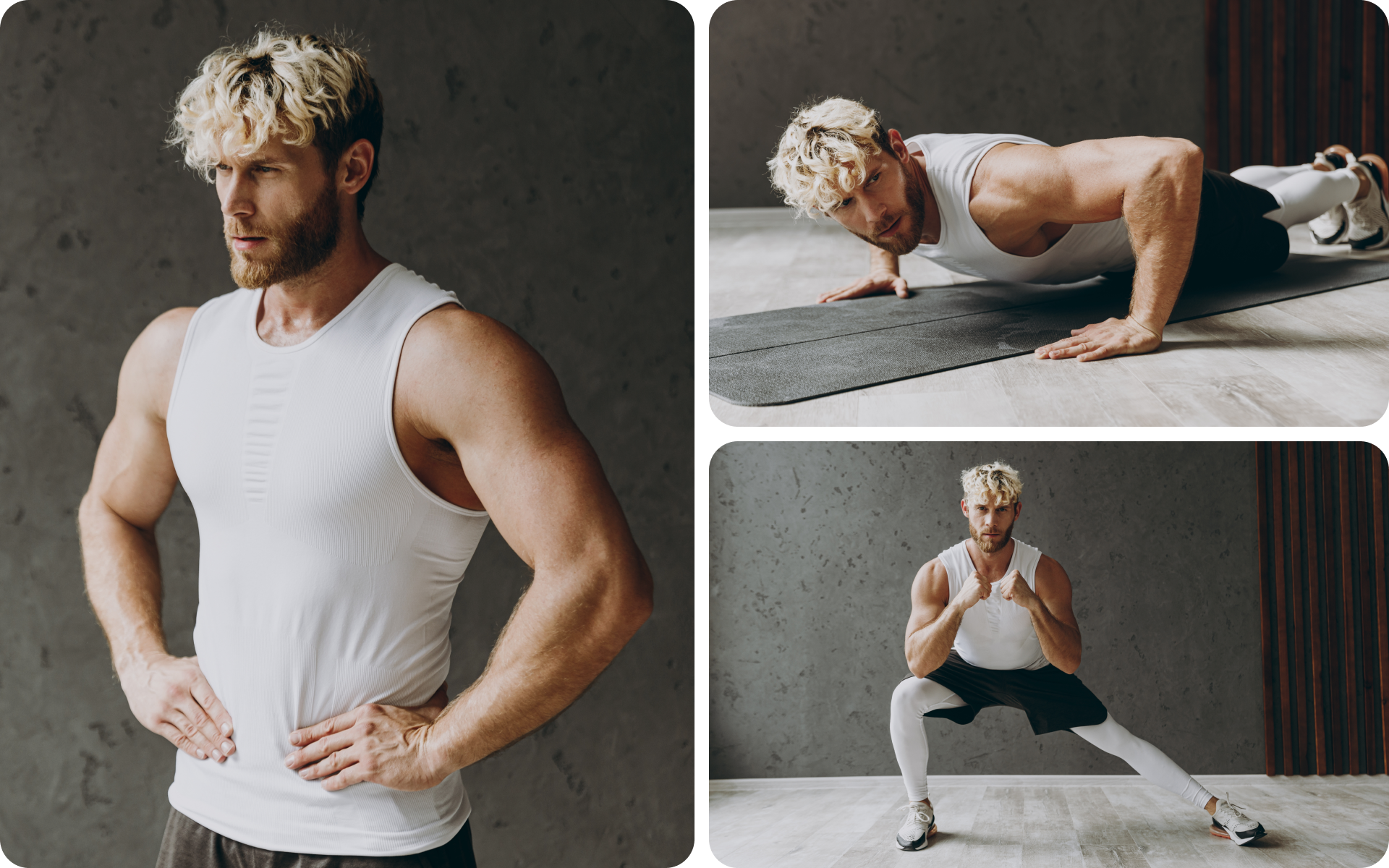
Which Low-Impact Modifications Can You Use?
You can use low-impact modifications that reduce jarring and pressure on your joints while keeping the workout effective. A low-impact workout challenge swaps high-force moves for gentler versions.
Low-impact means little to no jumping or pounding. It does not mean easy or ineffective.
Lower-body swaps:
- Jump squats → sit-to-stands
- Lunges → supported split squats
- High step-ups → low step taps
- Jogging → brisk walking
Upper-body swaps:
- Floor push-ups → wall or counter push-ups
- Pull-ups → band rows or towel rows
Core swaps:
- Full plank → incline plank on a counter
- Side plank on feet → side plank on knees
- Fast sit-ups → dead bugs or bird dogs
General swaps:
- Jumping jacks → step jacks
- Burpees → squat with a step-back
- Mountain climbers → slow, elevated versions
Low-impact options may suit you if you’re returning after a long break. They can also help if you carry more weight, notice knee or back discomfort, or want steadier balance.
These gentle choices help make the plan easier to repeat. When moves feel doable, you’re more likely to keep showing up and build consistency.
Seated options are another friendly route. If standing is tricky, our Chair Workout Challenge shows how to train comfortably from a seat.
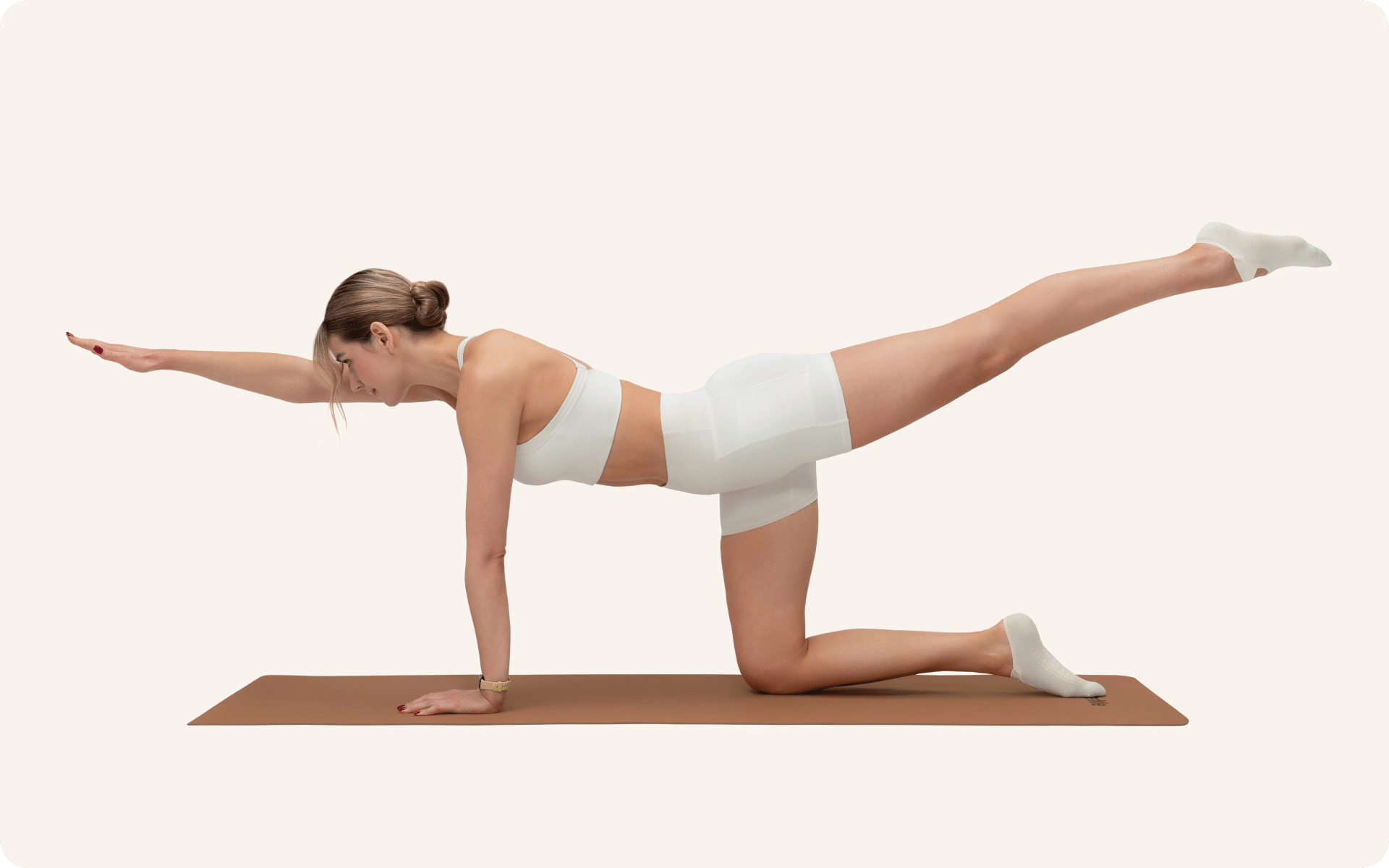
Which Signs Mean You Should Stop Exercising?
Stop exercising right away if you notice warning signs that go beyond normal effort, such as chest discomfort or dizziness. Knowing the difference between hard work and a real warning sign will keep your two weeks manageable.
Normal sensations during a short workout challenge often include:
- Breathing harder than usual
- Mild muscle burning during a set
- Sweating and temporary fatigue
- Some next-day soreness
Stop and rest if you feel any of these:
- Chest discomfort, pressure, or tightness
- Severe breathlessness beyond your effort level
- Dizziness, faintness, or feeling you may pass out
- Sudden sharp or stabbing sensations
- Joint discomfort that worsens as you move
- A sudden severe headache
- Pain spreading to your jaw, arm, or back
Also pause a move if your form breaks down badly. Stop if one side suddenly feels weak or unstable.
Here is a key nuance: next-day soreness is common and usually eases as you warm up, but sharp discomfort during a movement is different and worth respecting.
When something feels off, you have options:
- Reduce your range of motion
- Lower the load or reps
- Slow down and breathe
- Swap to a gentler version
- Stop and reassess
If you have a known condition, past strain, or symptoms that concern you, checking with a qualified professional is a wise next step. This guide shares general information, not personal advice.
Workouts, weight management tools, and recipe ideas come together in the BetterMe: Health Coaching app, giving you practical support for building a more consistent wellness routine.
FAQs
Do you need equipment for the 14-day workout challenge?
No, you don’t need equipment for the 14-day workout challenge, as it works as an at-home workout challenge using your body weight. A towel, a sturdy chair, and a wall are optional helpers. If you have a resistance band, you can use it for rows. Otherwise, bodyweight moves cover every pattern you need.
How long should each daily session take?
Each daily session should take about 20-40 minutes, including your warm-up, workout, and cool-down. Workout days sit near the longer end, while easy movement days may take 20-30 minutes. You can trim or extend based on your energy and schedule. Shorter, consistent sessions tend to beat long ones you skip.
Can you start the challenge on any day of the week?
Yes, you can start the challenge on any day of the week, because the plan follows a Day 1 to Day 14 flow, not fixed calendar dates. Begin whenever it suits you, then follow the sequence in order. If life interrupts, simply pick up where you paused rather than restarting from scratch.
Can beginners repeat the challenge?
Yes, beginners can repeat the challenge, and repeating it may support a steadier routine over time. On your second round, you might add a set, slow your reps, or extend a walk. Progressing gradually helps keep things manageable. Individual experience varies, so adjust the pace to match how you feel.
Should you change your diet during the 14 days?
You do not need to overhaul your diet during the 14 days to follow this plan. Eating balanced meals with enough protein and staying hydrated can support your energy and comfort. Focus on gentle, sustainable habits rather than strict rules. For nutrition guidance suited to you, consider speaking with a qualified professional.
The Bottom Line
A 14-day workout challenge gives you a simple, repeatable structure to rebuild movement, confidence, and rhythm over two weeks. Focus on showing up, choosing a manageable effort, and using low-impact swaps when needed. Results and adaptation differ from person to person. Follow the plan at your own pace, celebrate finishing, and let this momentum carry you into whatever comes next.
DISCLAIMER:
This article is intended for general informational purposes only and does not serve to address individual circumstances. It is not a substitute for professional advice or help and should not be relied on for making any kind of decision-making. Any action taken as a direct or indirect result of the information in this article is entirely at your own risk and is your sole responsibility.
BetterMe, its content staff, and its medical advisors accept no responsibility for inaccuracies, errors, misstatements, inconsistencies, or omissions and specifically disclaim any liability, loss or risk, personal, professional or otherwise, which may be incurred as a consequence, directly or indirectly, of the use and/or application of any content.
You should always seek the advice of your physician or other qualified health provider with any questions you may have regarding a medical condition or your specific situation. Never disregard professional medical advice or delay seeking it because of BetterMe content. If you suspect or think you may have a medical emergency, call your doctor.
SOURCES:
- “Ready-to-use” two-week home exercise program targeting depressive symptoms: pilot study (2023, pmc.ncbi.nlm.nih.gov)
- Do Functional Movement Screens Predict Body Composition Changes after Resistance Training? (2025, pmc.ncbi.nlm.nih.gov)
- Minimalist Training: Is Lower Dosage or Intensity Resistance Training Effective to Improve Physical Fitness? A Narrative Review (2023, link.springer.com)
- Warm Up, Cool Down (2024, heart.org)
- An Examination and Critique of Subjective Methods to Determine Exercise Intensity: The Talk Test, Feeling Scale, and Rating of Perceived Exertion (2022, link.springer.com)
- Modeling the repetitions‐in‐reserve‐velocity relationship: a valid method for resistance training monitoring and prescription, and fatigue management (2024, pmc.ncbi.nlm.nih.gov)
- Time course of recovery following resistance training leading or not to failure (2017, pubmed.ncbi.nlm.nih.gov)
 Reviewed by

 Reviewed by