Both Pilates and somatic Pilates offer valuable benefits, and neither is inherently superior to the other. However, knowing their differences can help you choose the path that is best aligned with your goals, current physical state, and learning preferences.
Highlighting differences between the two practices requires us to explore movement, the role of consciousness in physical practice, and how we define success in our fitness journey.
Read on to discover what makes an exercise “somatic” and how that changes the entire Pilates experience.
What Is the Difference Between Regular Pilates vs Somatic Pilates?
The fundamental distinction lies in their relationship to movement awareness. By definition, a somatic movement is practiced consciously with intention focused on the internal experience rather than external appearance or end results (1).
- Movement Philosophy
Traditional Pilates operates from a performance-oriented framework. Joseph Pilates designed his original 34 exercises to address modern lifestyle challenges, poor posture, and inefficient breathing patterns. The method emphasizes precision, control, and the achievement of specific movement patterns through disciplined practice (2).
Somatic Pilates integrates somatic principles with traditional Pilates exercises. This approach prioritizes the felt sense – your internal awareness of movement, tension, and ease within your body. The focus shifts from executing perfect form to developing embodied awareness and listening to your body’s feedback (3).
- Teaching Methodology
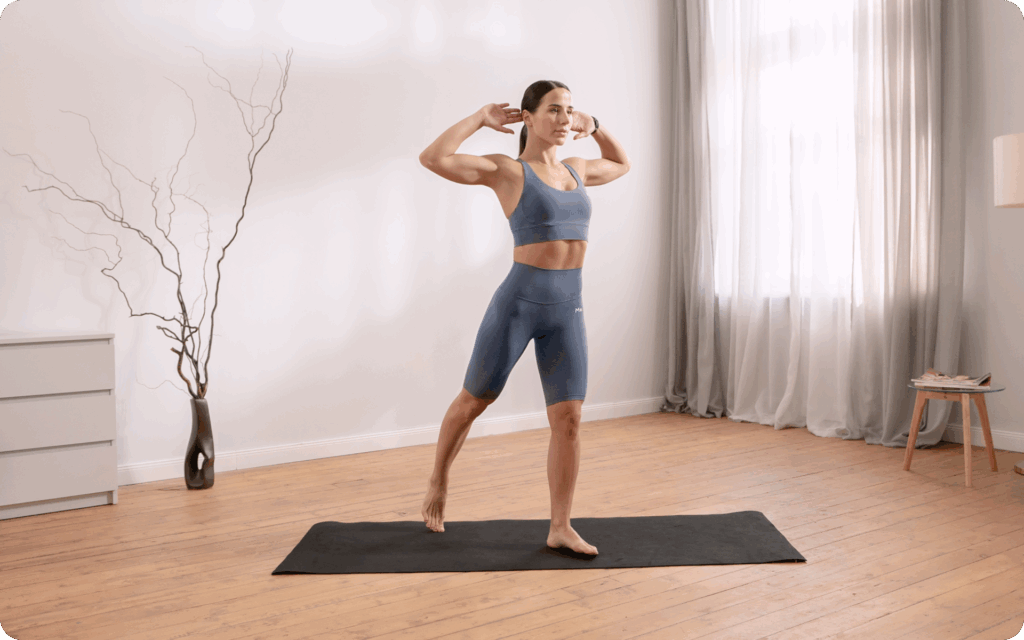
The instructional differences between these approaches are significant. Traditional Pilates typically follows a more directive teaching style. Instructors demonstrate movements and guide students toward specific positions and sequences. Students work to match the demonstrated form and progress through increasingly challenging variations.
Somatic Pilates employs a more exploratory teaching method. Instead of copying movements, you’re encouraged to feel and embody each exercise (4). Instructors guide you through internal awareness rather than external correction. This approach keeps the individual at the center of the practice, acknowledging that each body has unique needs and responses.
- Pace and Attention
Traditional Pilates classes often maintain a steady rhythm, moving through exercises with controlled timing. The emphasis remains on building strength, flexibility, and coordination through consistent practice (5).
Somatic Pilates typically unfolds at a slower pace. This deliberate timing allows for deeper internal processing and sensory awareness (6). You might close your eyes during movements to eliminate visual distractions and focus entirely on internal sensations.
BetterMe: Health Coaching app helps you achieve your body goals with ease and efficiency by helping to choose proper meal plans and effective workouts. Start using our app and you will see good results in a short time.
- Body Integration
Classical Pilates approaches the body systematically, often working specific muscle groups or movement patterns in a sequence before integrating them into full-body exercises (7). This methodical progression builds strength and control progressively.
Somatic Pilates works with the body as an integrated whole from the start. Rather than separating the body into parts, this approach recognizes the interconnectedness of all systems. It may deliberately engage different physiological systems to produce specific effects with the goal of complete mind-body integration (4).
For those who are interested in exploring foundational movements, you could consider learning more about Pilates exercises for beginners to build your movement vocabulary.
Read more: Mat Pilates Exercises List: 34 Foundational Exercises Explained
How Does Somatic Movement Change the Pilates Experience?
Research into somatic movement and its applications provides insights into how this approach fundamentally alters the Pilates experience.
A quasi-experimental study comparing Pilates Method mat classes to recreational exercise showed that Pilates specifically enhances mindfulness, with increases directly related to improved self-regulatory self-efficacy, reduced perceived stress, and better mood (4).
Enhanced Mind-Body Awareness
The pedagogical orientation in somatic Pilates engages students in body-mind awareness processes that go beyond traditional exercise instruction (8). This approach influences what movements are taught and how they’re communicated and conceptualized.
Students report developing a deeper relationship with their bodies, experiencing improved movement with less tension, and finding greater freedom and space within their physical being. These changes often lead to increased calmness and integration that extends beyond the practice session.
Neuroplasticity and Motor Learning
Somatic education allows for the retraining of muscle memory and learned motor patterns through conscious, slow movement. This approach offers the potential to release chronic muscle tension, relieve chronic pain, improve posture and movement, and recover from common musculoskeletal conditions (9).
However, research on the specific mechanisms and timelines for these adaptations remains limited. While clinical observations support these outcomes (10), more controlled studies are required to establish definitive protocols and expected timeframes.
The Role of Felt Sense
Somatic Pilates emphasizes felt sense – the internal perception of bodily sensations and movement quality (11). This contrasts with approaches that might prioritize external appearance or achievement of specific positions, potentially leading to what some practitioners describe as disembodiment (12).
The focus on internal experience doesn’t eliminate the importance of proper alignment or technique. Instead, it shifts the pathway to achieving these qualities from external imitation to internal awareness and integration.
Early studies have suggested that somatic approaches may be particularly beneficial for individuals recovering from trauma or those dealing with chronic pain conditions (11), although more research is required to establish specific protocols and contraindications.
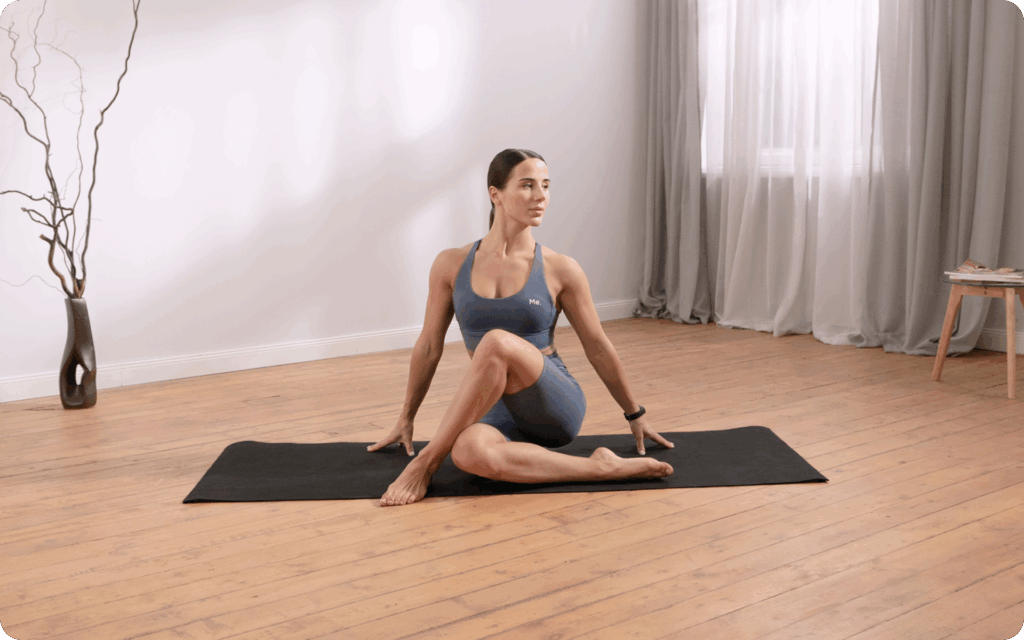
Does Classical Pilates Prioritize Strength over Flexibility?
Not quite. Classical Pilates incorporates both strengthening and lengthening (flexibility) components in its exercise sequence (13).
Joseph Pilates designed his method to address what he saw as the primary issues of modern life: poor posture and inefficient breathing patterns that contribute to overall poor health (13).
The original 34 exercises include movements that challenge strength, flexibility, coordination, and balance in an integrated manner (2). Exercises such as the saw combine spinal rotation with hamstring flexibility, while movements such as the roll up demand both abdominal strength and spinal mobility.
The perception that classical Pilates prioritizes strength may arise from its emphasis on muscular control and the challenging nature of many exercises. However, this control serves the purpose of moving through full ranges of motion with precision rather than simply building muscle mass (13).
The systematic progression from basic to advanced exercises ensures that strength develops alongside mobility. Early exercises in the sequence prepare the body for more demanding movements that require both strength and flexibility to perform safely (13).
Note that the classical approach does emphasize what Pilates called “powerhouse” strength – the integration of deep abdominal muscles, pelvic floor, and back muscles (14). However, this focus serves as a foundation for all movement rather than an end goal in itself.
Modern interpretations of Pilates sometimes emphasize strengthening components more heavily, particularly in studio settings with the reformer and other apparatuses that provide additional resistance. This evolution may contribute to the perception that Pilates is primarily a strengthening method.
The original mat-based sequence maintains a more balanced approach between strengthening and lengthening (15), though individual instructors may emphasize different aspects based on their training and philosophy.
How Does Pilates vs Somatic Pilates Compare for Beginners?
The learning experience differs significantly between traditional and somatic approaches, particularly for those who are newcomers to movement practice.
Traditional Pilates for Beginners
Learning Focus:
- Emphasis on proper form and technique
- Progressive skill development through established sequences
- Clear structure and measurable achievements
- External feedback and correction from an instructor
Physical Experience:
- May feel challenging initially due to precision requirements
- Focus on building foundational strength patterns
- Structured progression through modified exercises
- Emphasis on consistent practice and repetition
Mental Approach:
- Goal-oriented with specific positions to achieve
- May create performance pressure in some individuals
- Provides clear benchmarks for progress
- Builds discipline through structured practice

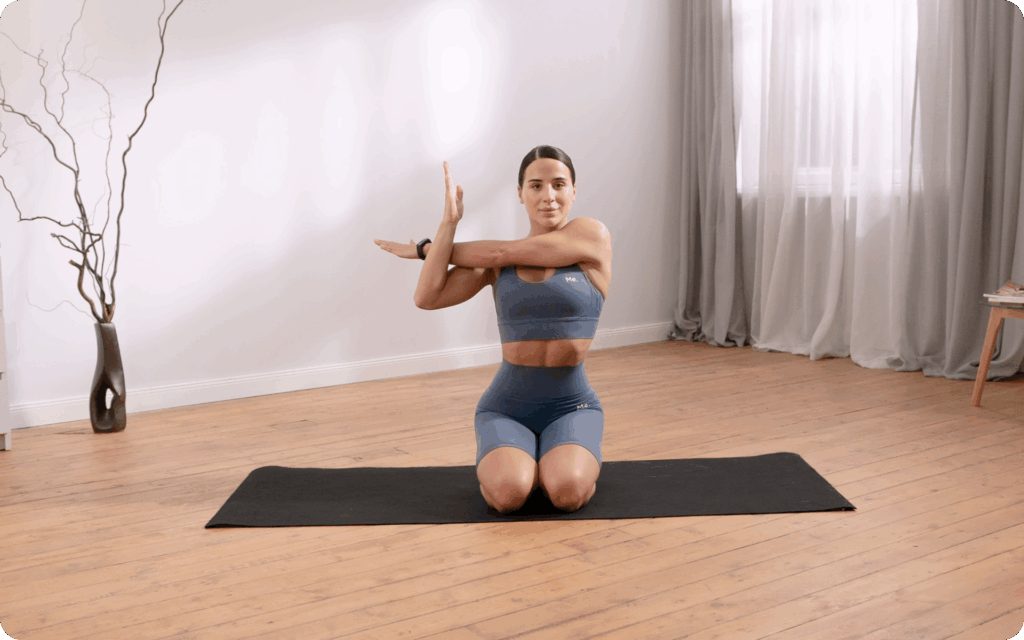
Somatic Pilates for Beginners
Learning Focus:
- Emphasis on internal awareness and sensation
- Exploratory approach to movement discovery
- Self-directed learning with instructor guidance
- Internal feedback and body wisdom development
Physical Experience:
- Generally gentler introduction to movement
- Focus on releasing tension and improving awareness
- Individualized approach based on personal needs
- Emphasis on comfort and nervous system regulation
Mental Approach:
- Process-oriented with focus on experience rather than achievement
- Reduced performance pressure and comparison
- Success is measured by internal awareness rather than external form
- Builds self-trust and body confidence
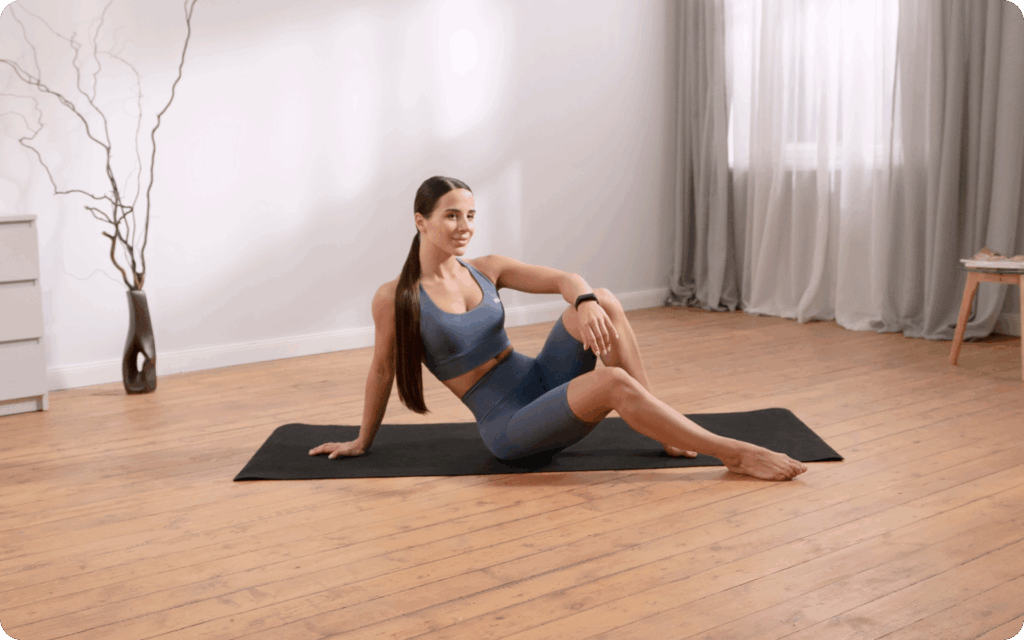
Who Benefits More from Regular Pilates vs Somatic Pilates?
Both practices offer benefits to most people who lead an active lifestyle, although specific circumstances may make one approach more suitable than the other.
Ideal Candidates for Traditional Pilates
Traditional Pilates may be more beneficial for individuals who:
- Thrive in structured, goal-oriented environments
- Enjoy progressive challenges and measurable achievements
- Have specific athletic or performance goals
- Prefer clear instructions and external feedback
- Are working toward particular physical capabilities
- Have access to qualified classical Pilates instructors
Athletes who are preparing for competition, dancers who require precise movement control, and individuals who are rehabilitating from specific injuries with clear protocols may find traditional Pilates to be better aligned with their needs(16).
Ideal Candidates for Somatic Pilates
Somatic Pilates may be more suitable for individuals who:
- Are dealing with chronic pain or tension patterns
- Have experienced trauma that affects their relationship with their body
- Prefer internal guidance and self-directed learning
- Are looking for nervous system regulation alongside physical conditioning
- Find traditional exercise approaches too intense or triggering
- Value the process of movement exploration over specific outcomes
Individuals in high-stress careers, those who are recovering from burnout, or people who are dealing with anxiety may find the nervous system regulation aspects of somatic Pilates to be particularly beneficial.
Whether you’re a workout beast or just a beginner making your first foray into the world of fitness and dieting – BetterMe has a lot to offer to both newbies and experts! Install the app and experience the versatility first-hand!
The Instructor Factor
The quality and approach of instruction significantly impacts the effectiveness of either method. Traditional Pilates requires instructors well-versed in classical exercise progressions and anatomical precision. Somatic Pilates demands instructors trained in both somatic principles and trauma-informed practices.
Access to qualified instruction may ultimately determine which approach is more practical and beneficial for individual circumstances.
For those who are considering Pilates for beginners over 60, the somatic approach may offer particular advantages due to its emphasis on gentle awareness-building and nervous system support.
What Results Can You Expect from Pilates vs Somatic Pilates?
Both approaches offer documented benefits, though their emphasis and outcomes differ in meaningful ways.
Traditional Pilates Outcomes
Classical Pilates demonstrates well-researched benefits across multiple domains (13):
Physical Development:
- Improved core strength and stability
- Enhanced flexibility and joint mobility
- Better posture and spinal alignment
- Increased muscular endurance
- Greater movement coordination
Mental Benefits (17):
- Enhanced concentration and focus
- Improved mind-body awareness
- Stress reduction through controlled movement
- Greater sense of physical accomplishment
Research has shown that consistent Pilates practice leads to measurable improvements in strength, flexibility, and postural control (18, 19). Students often report feeling more connected to their bodies and more confident in their movement capabilities.
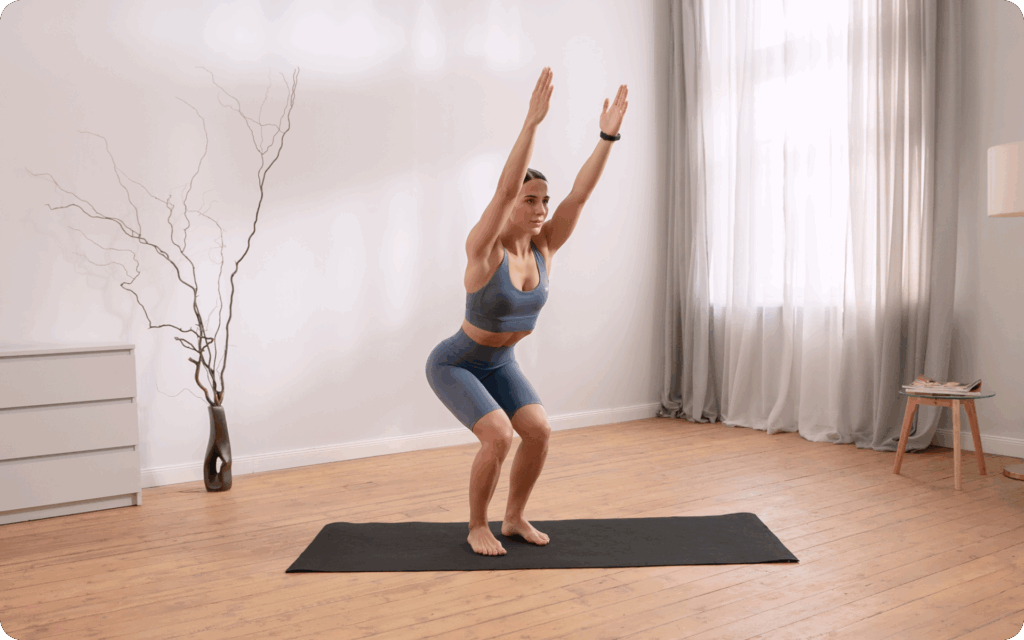
Somatic Pilates Outcomes
Somatic Pilates produces distinct outcomes aligned with its philosophy (4, 8):
Tension Release and Movement Efficiency
- Reduced chronic muscle tension
- Improved movement patterns and coordination
- Greater ease and freedom in daily activities
- Enhanced proprioception and body awareness (20).
Nervous System Regulation
- Increased sense of calm and peace
- Better stress management through body awareness
- Improved interoception (internal sensation awareness)
- Enhanced ability to self-regulate tension and anxiety
Students often describe feeling “more at home” in their bodies after somatic Pilates practice. The emphasis on internal awareness often leads to insights about holding patterns and tension that weren’t previously conscious.
Research Limitations
It’s important to acknowledge that research specifically comparing traditional Pilates to somatic Pilates remains limited. Most studies examine traditional Pilates or somatic movement practices separately. The integration of these approaches represents a relatively recent development in movement education.
What we do know suggests both methods offer valuable but different pathways to improved well-being. The choice between them often depends more on personal learning style and current needs than on the superior effectiveness of one over the other.
Those who are interested in using Pilates for weight loss should understand that while both approaches can support overall fitness and body awareness, neither is primarily designed for weight reduction without additional dietary and lifestyle modifications (21).
How to Choose Between Somatic Pilates and Regular Pilates
The decision ultimately depends on your current needs, learning preferences, and movement goals. Several factors can guide this choice effectively.
- Consider Your Learning Style
If you prefer structured guidance:
Traditional Pilates might suit you better. The clear progression of exercises, specific alignment cues, and measurable advancement can provide the framework some people need to remain motivated and engaged.
If you prefer exploratory learning:
Somatic Pilates may resonate more strongly. The emphasis on internal discovery and individual adaptation allows for a more personalized movement experience.
- Assess Your Current Relationship with Your Body
If you’re disconnected from physical sensations:
Somatic Pilates can help rebuild this connection through its emphasis on felt sense and internal awareness. This approach specifically cultivates the ability to notice and interpret bodily signals.
If you have good body awareness but want to challenge it:
Traditional Pilates can provide the structured challenge to apply your existing awareness toward specific movement goals.
- Evaluate Your Stress and Tension Patterns
For chronic tension and stress-related issues:
Somatic Pilates offers specific tools for releasing chronic muscle tension through its integration of pandiculation and conscious movement. The slower pace and internal focus can be particularly soothing for overwhelmed nervous systems.
For general fitness and strength building:
Traditional Pilates provides a systematic approach to building physical capacity while still offering stress-relief benefits through focused movement practice.
- Consider Your Recovery Needs
If you’re recovering from injury or dealing with chronic pain:
Somatic Pilates’ emphasis on individual adaptation and tension release may offer a gentler pathway back to full movement capacity. The focus of this approach on retraining muscle memory can be particularly valuable during rehabilitation.
If you’re healthy and looking to prevent future issues:
The emphasis of traditional Pilates on strength, flexibility, and coordination provides an excellent foundation for injury prevention and general fitness maintenance.
- Factor in Age and Life Stage
For older adults or those who are new to movement:
Either approach can be appropriate, but somatic Pilates’ emphasis on internal awareness and individual adaptation may feel less intimidating. The permission to modify and explore can create a more welcoming environment.
For younger or more athletic populations:
Traditional Pilates may provide the challenge and progression that matches their expectations and abilities.
For those over 60 who are considering either approach, Pilates for beginners over 60 offers specific guidance for starting safely and effectively.
- Trial and Evaluation
The best choice often becomes clear through direct experience. Consider trying both approaches with qualified instructors. Pay attention to:
- How you feel during and after each session
- Which teaching style resonates with your learning preferences
- Whether you feel challenged appropriately for your current capacity
- Which approach you find yourself thinking about between sessions
The difficulty of any Pilates approach depends more on the specific exercises, instructor, and your current fitness level than on the style itself. Traditional Pilates can be incredibly challenging, particularly as you progress to advanced exercises that require significant strength, flexibility, and coordination. Somatic Pilates isn’t necessarily easier – it’s differently challenging. The mental focus that’s required to maintain internal awareness while moving can be quite demanding, particularly if you’re accustomed to more externally-focused exercise. The “hardest” style is ultimately the one that challenges you most appropriately for your current needs and capacity. Effectiveness must be measured against specific goals. Traditional Pilates shows strong evidence for improving strength, flexibility, balance, and overall fitness measures. If your goals are aligned with these outcomes, traditional Pilates demonstrates clear effectiveness. Somatic Pilates may be more effective for goals related to stress reduction, chronic tension release, and developing deeper body awareness (4). However, research that specifically compares these approaches remains limited. Both methods can be highly effective when practiced consistently with qualified instruction and when the approach matches your learning style and needs. No specific research demonstrates that somatic Pilates reduces belly fat more effectively than other forms of exercise or traditional Pilates. Fat loss occurs through creating a caloric deficit – burning more calories than you consume (21). Both somatic and traditional Pilates can contribute to overall caloric expenditure and may help build lean muscle tissue, which can support metabolism. However, neither approach should be expected to spot-reduce fat from specific body areas. For fat loss goals, either Pilates approach works best when combined with appropriate nutrition and potentially additional strength training and cardiovascular exercise (22, 23). The timeline for experiencing benefits from somatic exercises varies considerably based on individual factors and what you mean by “work”. Many people report feeling more relaxed and aware immediately after their first somatic movement session. This acute response to nervous system calming can happen within a single session. For more lasting changes in movement patterns, tension release, or chronic pain relief, consistent practice over several weeks to months is typically necessary. Somatic education aims to retrain learned motor patterns, which requires time and repetition (24). Most practitioners notice meaningful changes within 4-8 weeks of consistent practice (25), though this timeline can vary significantly based on starting condition, practice frequency, and individual responsiveness.Frequently Asked Questions
Which type of Pilates is the hardest?
Which is more effective, Pilates or somatic Pilates?
Does somatic Pilates reduce belly fat?
How long does it take for somatic exercises to work?
The Bottom Line
Both traditional Pilates and somatic Pilates offer valuable pathways to improved movement and well-being. The choice between them need not be permanent or exclusive – many practitioners benefit from exposure to both approaches at different times or even simultaneously.
Your movement practice should serve your current needs while remaining adaptable as those needs evolve. Consider starting with the approach that feels most accessible and appealing right now. You can always explore the other method later as your movement journey progresses.
The most important factor is consistent practice with qualified instruction, regardless of which approach you choose. Both methods require time to develop their full benefits, and both can contribute meaningfully to your overall health and movement capacity.
DISCLAIMER:
This article is intended for general informational purposes only and does not serve to address individual circumstances. It is not a substitute for professional advice or help and should not be relied on for making any kind of decision-making. Any action taken as a direct or indirect result of the information in this article is entirely at your own risk and is your sole responsibility.
BetterMe, its content staff, and its medical advisors accept no responsibility for inaccuracies, errors, misstatements, inconsistencies, or omissions and specifically disclaim any liability, loss or risk, personal, professional or otherwise, which may be incurred as a consequence, directly or indirectly, of the use and/or application of any content.
You should always seek the advice of your physician or other qualified health provider with any questions you may have regarding a medical condition or your specific situation. Never disregard professional medical advice or delay seeking it because of BetterMe content. If you suspect or think you may have a medical emergency, call your doctor.
SOURCES:
- What is Somatic Movement? (2016, somaticmovementcenter.com)
- Pilates (n.d., physio-pedia.com)
- How Does Somatics Compare to…? (n.d., somatics.org)
- Pilates, Mindfulness and Somatic Education (2013, pmc.ncbi.nlm.nih.gov)
- Defining Pilates exercise: a systematic review (2012, pubmed.ncbi.nlm.nih.gov)
- What Is Somatic Pilates? (2025, health.clevelandclinic.org)
- Pilates: What Is It? Should It Be Used in Rehabilitation? (2011, pmc.ncbi.nlm.nih.gov)
- Somatic Education and Mind-Body Disciplines: Exploring the Effects of the Pilates Method on Life Satisfaction, Mindfulness and Self-Compassion (2022, researchgate.net)
- Unlocking Your Body: Your Personal Process of Releasing Tension and Pain (2019, somaticmovementcenter.com)
- Somatic Movement to Stimulate and Soothe the Nervous System (2025, liebertpub.com)
- The Body Can Balance the Score: Using a Somatic Self-Care Intervention to Support Well-Being and Promote Healing (2025, mdpi.com)
- (Dis)embodiment in Psychology and Psychotherapy: A Critical Historical Analysis and Clinical Implications (2014, pmc.ncbi.nlm.nih.gov)
- Pilates: how does it work and who needs it? (2011, pmc.ncbi.nlm.nih.gov)
- Pilates and the “powerhouse”—I (2004, bodyworkmovementtherapies.com)
- The impact of pilates mat training on flexibility and core strength in young female volleyball players (2025, researchgate.net)
- Pilates (2024, webmd.com)
- Benefits of Pilates on Depression, Anxiety, and Stress: An Observational Study Comparing People Practicing Pilates to Non-Active Controls (2025, pmc.ncbi.nlm.nih.gov)
- Pilates for Improvement of Muscle Endurance, Flexibility, Balance, and Posture (2010, journals.lww.com)
- Effects of Pilates on Body Posture: A Systematic Review (2024, sciencedirect.com)
- Enhancing Pilates Practice With Somatic Movement Techniques (n.d., pilatesjournal.com)
- “Calories in, calories out” and macronutrient intake: the hope, hype, and science of calories (2017, journals.physiology.org)
- Weight loss – a healthy approach (2022, betterhealth.vic.gov.au)
- Strength training: Get stronger, leaner, healthier (2023, mayoclinic.org)
- The Science of Somatics (2021, essentialsomatics.com)
- Effects of a 12-Week Pilates Program on Functional Physical Fitness and Basal Metabolic Rate in Community-Dwelling Middle-Aged Women: A Quasi-Experimental Study (2022, mdpi.com)
 Reviewed by
 Reviewed by