Finding time for exercise can feel like an impossible task when juggling work, family, and personal commitments. Many people believe that to see real health benefits, you need to dedicate hours to the gym each week. What if you could improve your health and fitness in just a few minutes a day, without even leaving your desk? This is where micro exercises come into play. This guide will break down what micro exercises are, how they work, and how you can seamlessly integrate them into your busy life to boost your well-being.
What are Micro Exercises and How Do They Help?
Micro exercises are short, structured bouts of physical activity that typically last anywhere from one to 10 minutes. You can perform them throughout the day to break up long periods of sitting and accumulate physical activity in manageable chunks.
These are not meant to replace your traditional workout routine but rather to supplement it, especially on days when time is tight. They’re also meant to (1, 2):
- Break up prolonged periods of inactivity for improved metabolic and musculoskeletal health
- Encourage consistent movement habits throughout the day
- Provide an accessible starting point for those new to exercise or returning from injury
- Offer opportunities for posture correction and stress relief in busy settings
- Support long-term adherence by making physical activity achievable, no matter your schedule
To understand the power of brief activity, it helps to look at the research around a concept called vigorous intermittent lifestyle physical activity, or VILPA. VILPA refers to short, energetic bursts of movement that are part of your everyday life, such as running to catch a bus or taking the stairs instead of the elevator. These are typically unstructured and incidental (3).
A notable study published in Nature Medicine examined data from over 25,000 individuals who did not engage in formal exercise. The researchers found that just three to four one-minute bursts of VILPA per day were associated with a nearly 40% reduction in all-cause mortality risk and up to a 49% reduction in death related to cardiovascular disease (4). This demonstrates that even minimal amounts of vigorous activity can have a profound impact on your health.
While VILPA is about intensifying everyday movements, micro exercises are intentional mini-workouts. You might schedule a five-minute session of squats or push-ups. The key takeaway from the VILPA research is that the human body responds positively to short, intense stimuli (3)
Micro exercises leverage this principle by providing a structured way to get those benefits, even if you can’t make it to the gym. They’re an effective tool for anyone who’s looking to stay active and include both micro exercises for men and micro exercises for women.
BetterMe: Health Coaching app helps you achieve your body goals with ease and efficiency by helping to choose proper meal plans and effective workouts. Start using our app and you will see good results in a short time.
What Are the Main Benefits of Doing Micro Exercises?
Integrating brief workouts into your day offers more than just physical health benefits. These short sessions can positively influence your productivity, mental state, and long-term habits. Here are eight key advantages.
1. Improved Cardiovascular Health
Short bursts of activity, particularly when it’s vigorous, elevate your heart rate and improve circulation.
Research on VILPA has shown that accumulating just a few minutes of intense activity daily is linked to a significantly lower risk of cardiovascular events (4, 5).
A 2024 study found that as little as three minutes of VILPA per day can help offset some of the risk of major adverse cardiovascular effects (6).
2. Enhanced Mood and Mental Clarity
Physical activity is a well-known mood booster. Exercise stimulates the release of endorphins, which are brain chemicals that act as natural painkillers and mood elevators (7). Even a short workout can help reduce feelings of stress and anxiety, leaving you with a sense of calm and improved focus to tackle your next task.
3. Increased Energy Levels
It may seem counterintuitive, but expending energy through exercise can actually leave you feeling more energized. A brief workout increases blood flow to the brain and body (8), fighting off that familiar afternoon slump. Instead of reaching for another cup of coffee, a few minutes of movement can provide a more sustainable energy boost (9).

4. Better Time Management
One of the biggest barriers to exercise is a perceived lack of time. Micro exercises dismantle this barrier by fitting into the small pockets of free time you already have. A five-minute break between meetings or while waiting for dinner to cook is all you need. This makes it easier to stay consistent.
5. Reinforcement of Healthy Habits
Consistency is the cornerstone of any successful fitness journey. By making exercise a regular, albeit small, part of your daily routine, you reinforce the habit of moving your body. These small wins build momentum and can make it easier to commit to longer workouts when your schedule allows.
6. Reduced Risk of Sedentary Behavior-Related Diseases
Prolonged sitting is linked to a host of health problems, including type 2 diabetes, heart disease, and certain types of cancer (10, 11).
Micro exercises help break up long periods of inactivity, stimulating your muscles and metabolism. This simple act of interruption can mitigate some of the negative effects of a sedentary lifestyle.
7. Improved Muscular Strength and Endurance
While you may not build the physique of a bodybuilder with micro exercises to build muscle alone, they are effective for maintaining and improving a baseline level of strength and endurance. Regular, short bouts of resistance exercises such as squats and push-ups stimulate muscle fibers and can lead to noticeable improvements over time (12).
8. Greater Accessibility and Lower Barriers to Entry
Micro exercises require minimal to no equipment, can be done anywhere, and are free. This high level of accessibility makes them an ideal starting point for beginners or those who find the gym environment intimidating. It democratizes fitness, which makes it available to everyone, regardless of their resources or experience level.
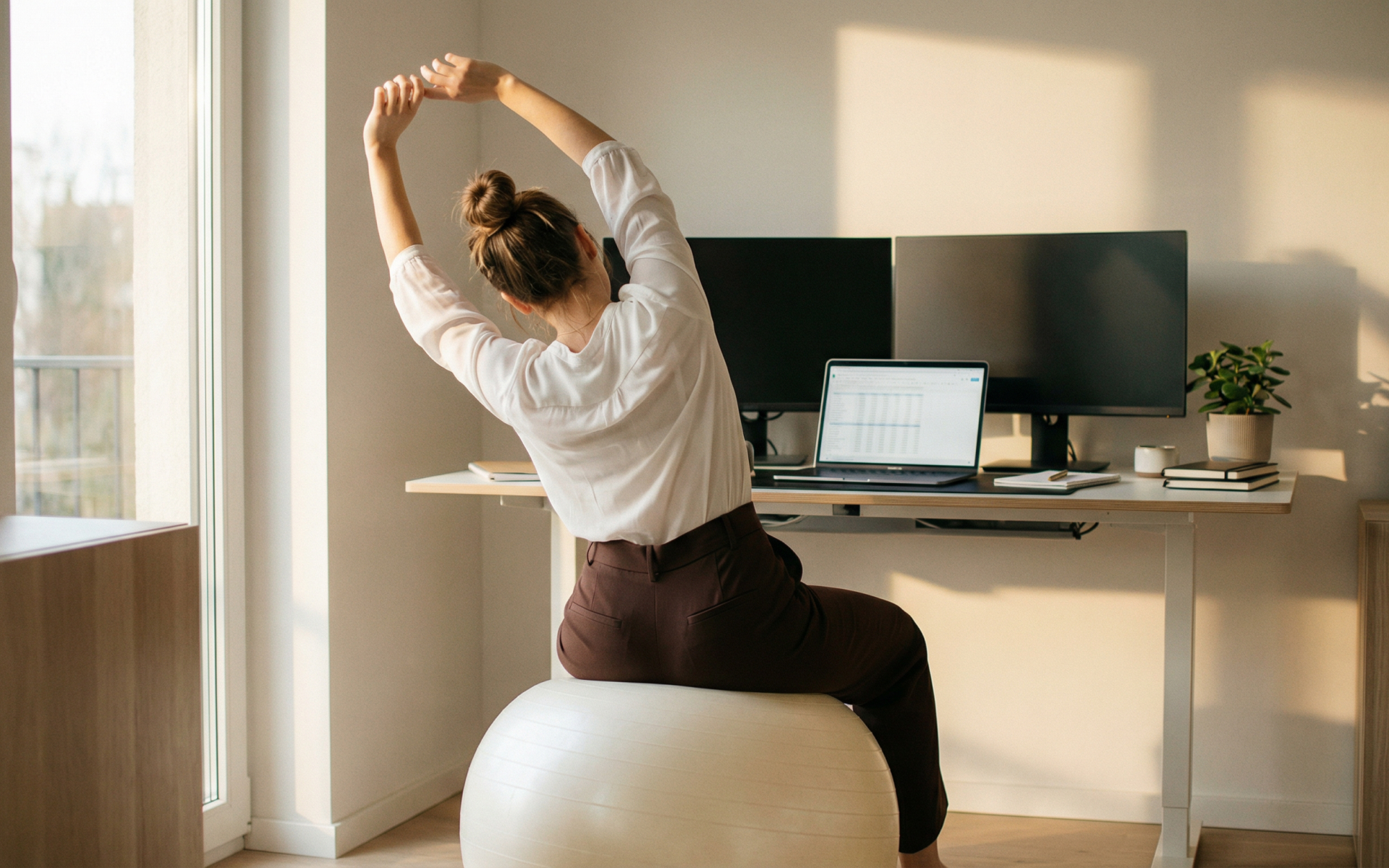
For those who are looking to get started, there are plenty of exercises you can do at your desk.
Do Micro Workouts Really Work?
Yes, micro workouts genuinely work, but it’s important to set realistic expectations. They are a powerful tool for improving general health and fitness, particularly for individuals transitioning from a sedentary lifestyle. Here’s what science says they can achieve.
- For Building Strength
A micro workout can stimulate muscle growth, a process known as hypertrophy. Muscle growth is triggered when a muscle is sufficiently challenged.
A 2022 review suggested that as long as the total workout volume is matched, the frequency and duration of individual sessions might not matter as much for strength gains (13).
Performing multiple short sessions of exercises such as push-ups or squats throughout the day can accumulate enough volume to trigger a strength adaptation.
- For Improving Cardiovascular Fitness
To improve cardiovascular fitness, you need to elevate your heart rate consistently (14). Micro workouts, particularly those incorporating high-intensity movements such as jumping jacks or burpees, can effectively raise your heart rate into beneficial training zones. Over time, these brief sessions can improve your VO2 max (1, 15) – the maximum amount of oxygen your body can use during exercise – which is a key indicator of cardiovascular health (16).
- For Enhancing Postural Variation
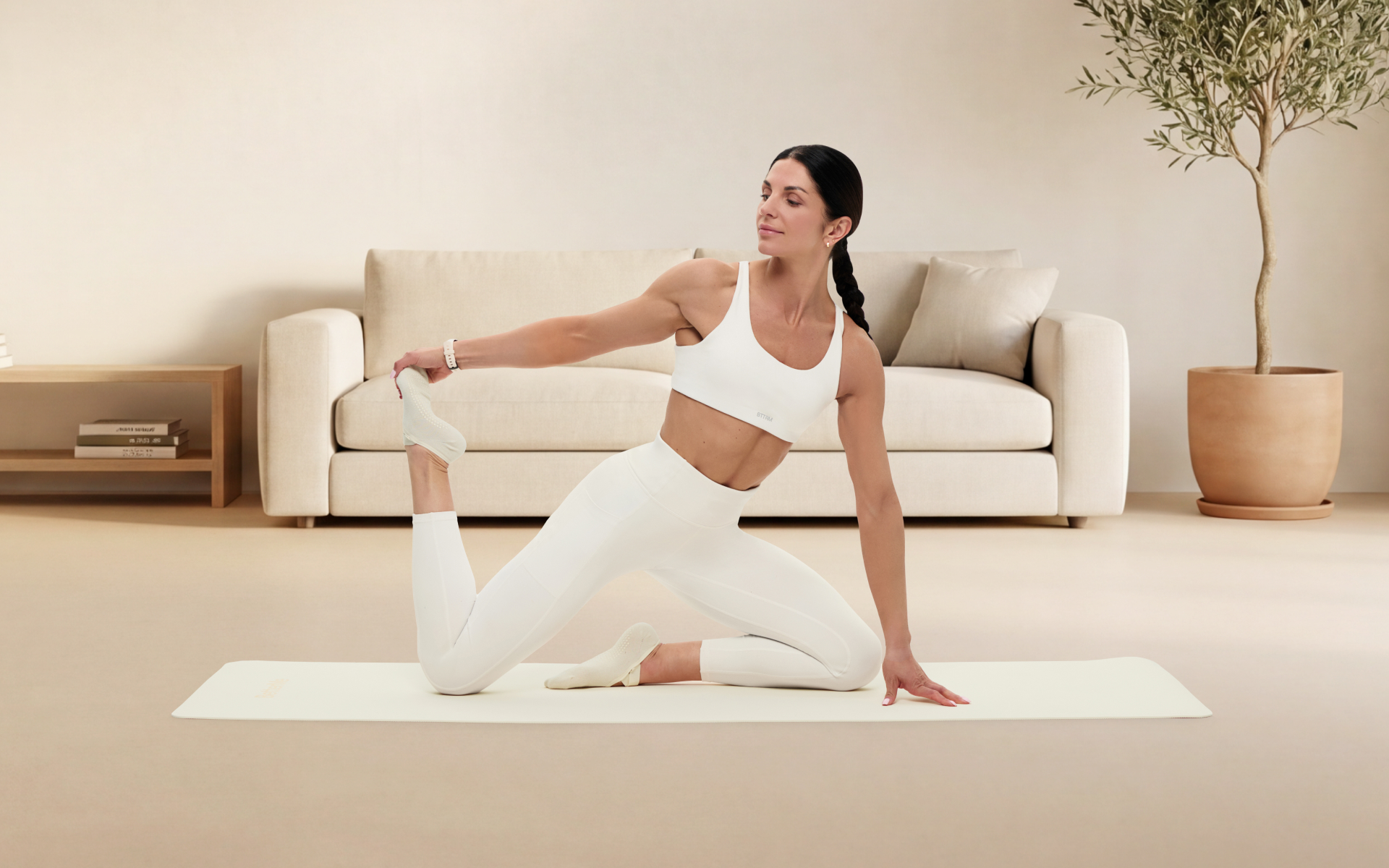
One of the most immediate benefits of micro workouts is that they encourage postural variation (3). Sitting in one position for hours on end puts strain on your spine, weakens key postural muscles such as the glutes, and tightens others like the hip flexors (17). Taking short breaks for workouts at your desk or at home to stretch, squat, or lunge can counteract these effects, improve your posture, and reduce discomfort.
- For Increasing Overall Daily Activity
For many people, the biggest benefit of micro workouts is the increase in their total daily energy expenditure. These small bouts of activity add up, helping you burn more calories than you would otherwise (18, 19). This is particularly valuable for weight management and offsetting the metabolic slowdown associated with prolonged sitting.
If you’re curious about whether they can deliver results, you may want to learn more about if micro workouts work.
Read more: Nutrition and Workout Plan for Strength and Balanced Wellness
What Are the Best Micro Exercises to Do at Your Desk?
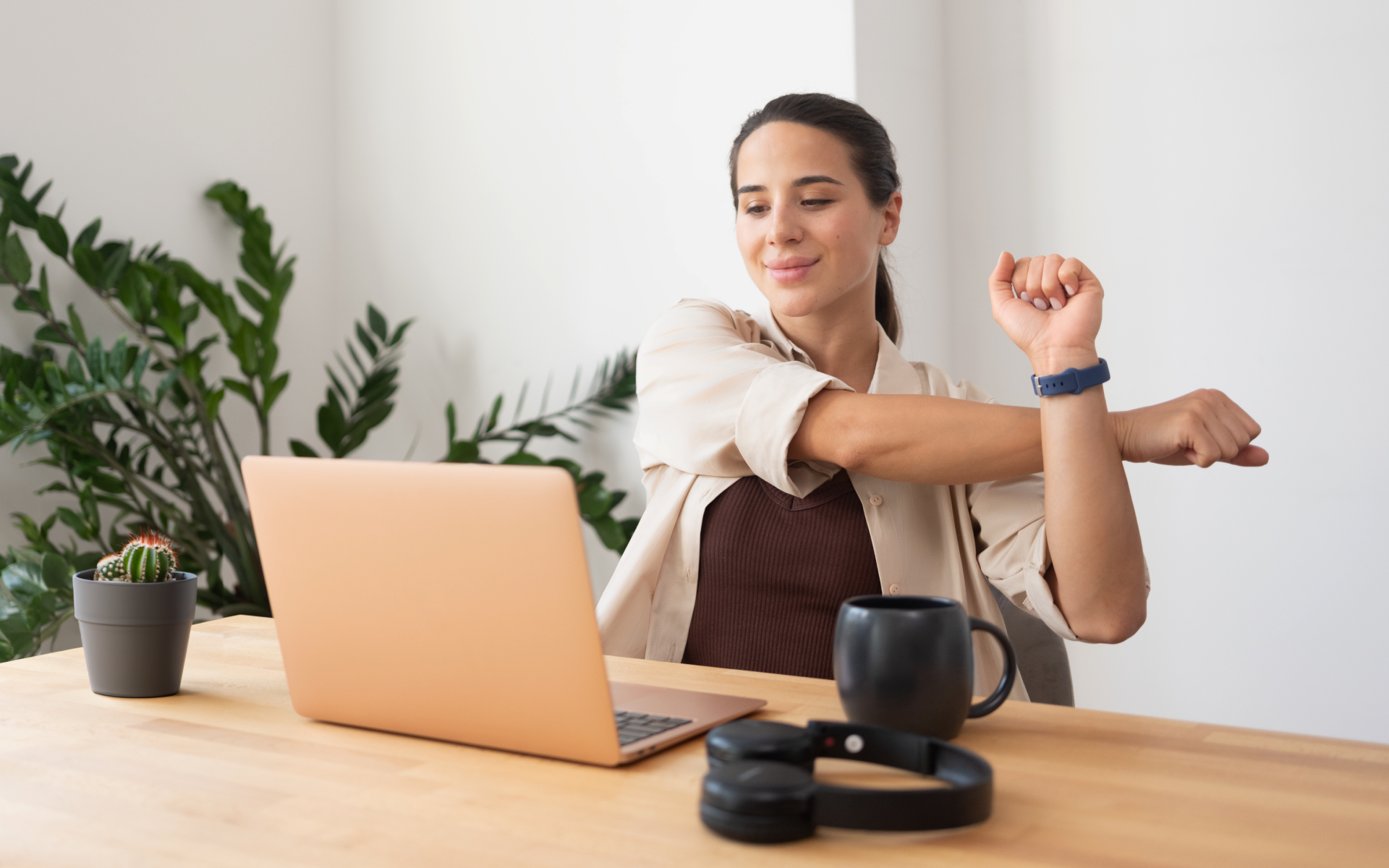
You don’t need to disrupt your entire office to get a quick workout in. These four seated exercises are discreet, effective, and require no equipment.
- Seated Leg Lifts: While seated, straighten one leg and hold it parallel to the floor for 2-5 seconds. Lower it slowly. This targets the quadriceps.
- Chair Squats: Stand up from your chair and then lower yourself back down until you are just about to sit, but don’t. Hold for a moment before standing back up. This engages your glutes and legs.
- Seated Torso Twists: Sit tall with your feet flat on the floor. Cross your arms over your chest and gently twist your upper body from side to side. This mobilizes your spine and works your obliques.
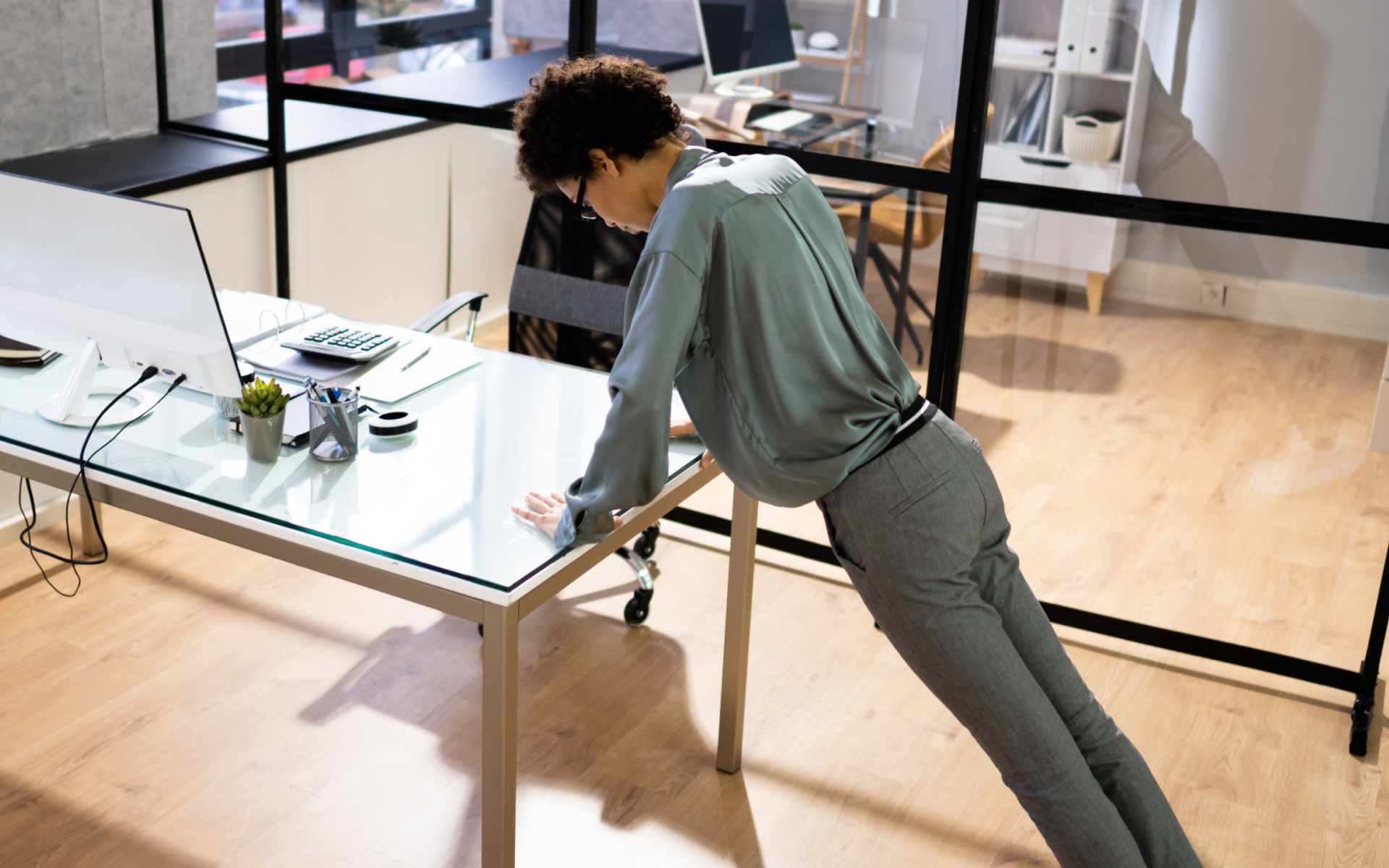
- Desk Push-ups: Place your hands on the edge of your desk, slightly wider than your shoulders. Step back until your body forms a straight line. Lower your chest toward the desk, then push back up. This strengthens your chest, shoulders, and triceps.
Can You Do Micro Workouts Every Day?
Yes, a gentle micro workout routine can be performed every day. The key is to listen to your body and focus on consistency rather than intensity, especially when starting out. A well-rounded micro workout plan can cover different muscle groups throughout the day, preventing over-fatigue and promoting balanced development.
Here’s a sample schedule you can adapt to your lifestyle:
- Morning: Lower-body micro workout, followed by a 10-minute walk.
- Afternoon: Core micro workout.
- Evening: Upper-body micro workout, followed by a 10-minute walk.
This approach breaks your activity into three distinct, manageable sessions. Performing the lower-body workout in the morning can energize you for the day, the core workout can combat midday postural fatigue, and the upper-body session in the evening can help you unwind.
Micro Workout Program
For each session, set a 3-minute timer and perform one of each exercise at the top of the minute.
| Routine | Exercise 1 | Exercise 2 | Exercise 3 | Frequency |
|---|---|---|---|---|
| Lower-body (3 minutes) | Walking lunges (or reverse lunges) | Squats | Good mornings (bonus) | 3-5 times per week |
| Core (3 minutes) | Plank | Side plank (right) | Side plank (left) | 5-7 times per week |
| Upper-body (3 minutes) | Seated resistance band rows | Push-ups | Face pulls (bonus) | 3-5 times per week |
Exercise Instructions
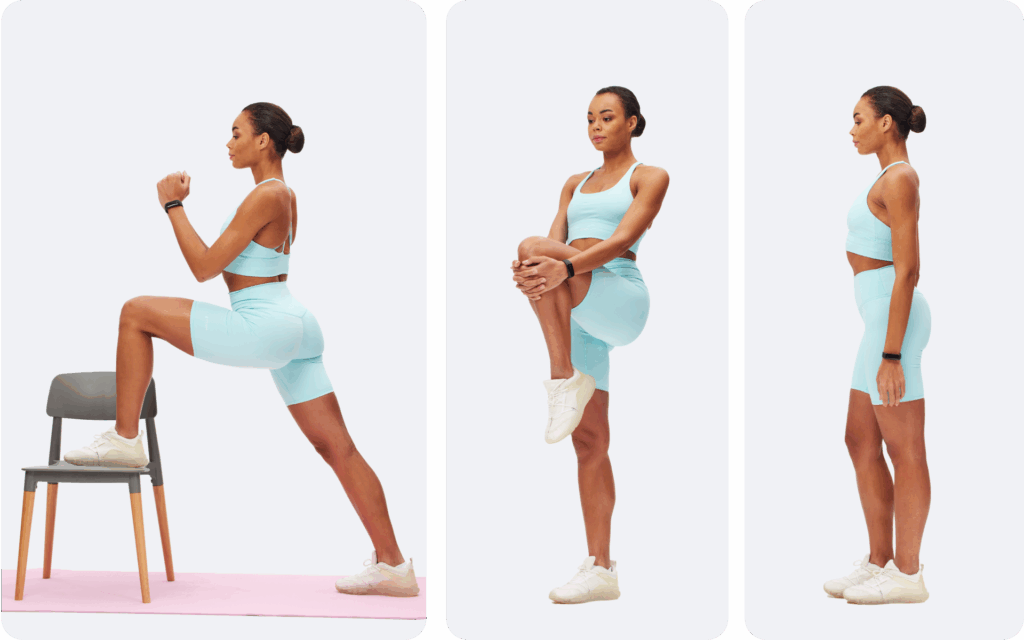
Walking Lunges
- Stand with your feet together.
- Take a large step forward with your right foot.
- Lower your hips until both knees are bent at approximately a 90-degree angle. Ensure your front knee is directly above your ankle and your back knee hovers just above the ground.
- Push off your left foot and bring it forward to step into the next lunge. Alternate legs with each step.
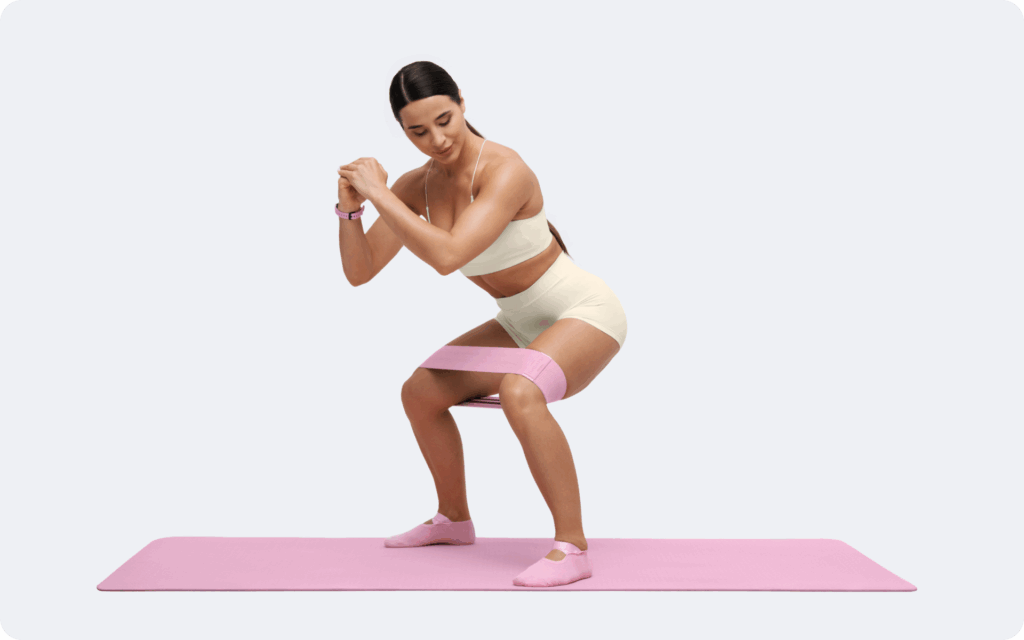
Squats
- Stand with your feet shoulder-width apart, your toes pointing slightly outward.
- Keeping your chest up and back straight, lower your hips as if sitting in a chair.
- Go as low as you can comfortably, ideally until your thighs are parallel to the floor.
- Push through your heels to return to the starting position.
Good Mornings
- Stand with your feet shoulder-width apart and place your hands behind your head.
- Keeping a slight bend in your knees and your back straight, hinge at your hips and lower your torso until you feel a stretch in your hamstrings.
- Squeeze your glutes to return to an upright position.
Plank
- Position yourself on the floor as if you’re about to do a push-up, with your weight on your forearms and toes.
- Ensure that your elbows are directly under your shoulders and your body forms a straight line from your head to your heels.
- Engage your core and glutes to prevent your hips from sagging.
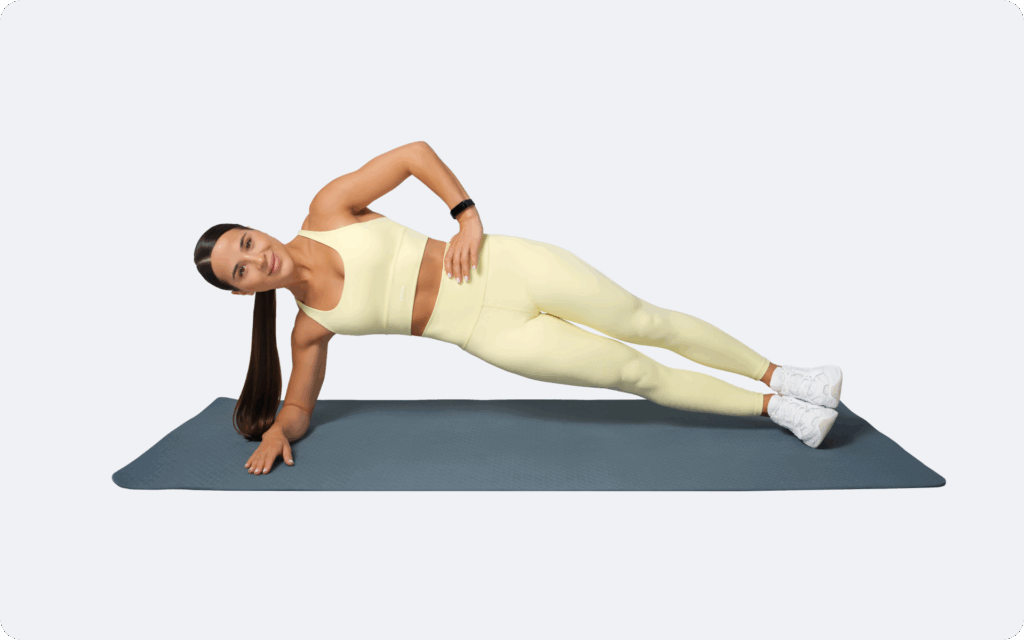
Side Plank
- Lie on your right side with your legs straight.
- Prop your upper body up on your right forearm, with your elbow directly under your shoulder.
- Lift your hips until your body forms a straight line from your ankles to your head.
- Hold the position before switching to the other side.
Seated Resistance Band Rows
- Sit on the floor with your legs extended in front of you.
- Loop a resistance band around the arches of your feet.
- Holding the ends of the band, sit up straight and pull the band toward your torso, squeezing your shoulder blades together.
- Slowly release to the starting position.
Push-ups
- Get into a plank position with your hands slightly wider than shoulder-width apart.
- Lower your body until your chest nearly touches the floor. Keep your elbows tucked at a 45-degree angle.
- Push back up to the starting position. For a modification, perform the exercise on your knees.
Face Pulls
- Anchor a resistance band at chest height.
- Grab the band with both hands, your palms facing down.
- Pull the band directly toward your face, separating your hands as you pull. Focus on squeezing your rear deltoids and upper back muscles.
- Pause, then slowly return to the starting position.
To take your fitness to the next level, you might want to try a micro workout challenge.
Read more: How to Perform the Seated Calf Raise with Dumbbells
Can I Lose Weight by Exercising for 10 Minutes a Day?
Weight loss fundamentally comes down to energy balance: you need to expend more calories than you consume (20). So, can 10 minutes of exercise a day contribute to this? Absolutely, but its direct impact depends on the intensity of the exercise and your overall lifestyle.
A 10-minute session of high-intensity interval training (HIIT) can burn a significant number of calories – anywhere from 100 to 150, depending on your body weight and effort (21). While this number may seem small, it adds up over time. More importantly, this type of exercise boosts your metabolic rate for hours afterward, which means that you continue to burn calories at a higher rate even after you’ve stopped moving.
However, exercise is only one part of the equation. 10 minutes of daily activity is unlikely to lead to significant weight loss without complementary changes in your diet. Combining micro exercises for weight loss with mindful eating, adequate hydration, and sufficient sleep creates a holistic strategy for achieving a healthy weight.
Yes, a 10-minute workout can be incredibly effective. It can improve cardiovascular health, boost your mood and energy levels, and contribute to your overall daily physical activity (22). The key is to make the workout intense enough to challenge your body. There is no single “quickest” exercise for weight loss. The most effective approach combines high-intensity exercises that burn a lot of calories (such as burpees or sprints) with a consistent, balanced diet. The best exercise is one you can stick with in the long term. While there’s no universally agreed-upon threshold, many experts suggest that sitting for more than six to eight hours a day is associated with increased health risks (23). The goal should be to break up long periods of sitting with movement every 30-60 minutes. Prolonged sitting primarily weakens the posterior chain muscles, including the glutes, hamstrings, and lower-back erectors. It can also lead to a weak core and tight hip flexors, which contribute to poor posture and back pain (24).Frequently Asked Questions
Does a 10-minute workout really work?
What’s the quickest exercise to lose weight?
How much sitting is too much per day?
Which muscles get weak from sitting?
The Bottom Line
Integrating movement into your daily life doesn’t require a radical overhaul of your schedule. By embracing micro exercises, you can build a sustainable fitness habit that supports your health and well-being, one minute at a time. The most important step is simply beginning.
DISCLAIMER:
This article is intended for general informational purposes only and does not serve to address individual circumstances. It is not a substitute for professional advice or help and should not be relied on for making any kind of decision-making. Any action taken as a direct or indirect result of the information in this article is entirely at your own risk and is your sole responsibility.
BetterMe, its content staff, and its medical advisors accept no responsibility for inaccuracies, errors, misstatements, inconsistencies, or omissions and specifically disclaim any liability, loss or risk, personal, professional or otherwise, which may be incurred as a consequence, directly or indirectly, of the use and/or application of any content.
You should always seek the advice of your physician or other qualified health provider with any questions you may have regarding a medical condition or your specific situation. Never disregard professional medical advice or delay seeking it because of BetterMe content. If you suspect or think you may have a medical emergency, call your doctor.
SOURCES:
- Micro-Workout: A Paradigm Shift in Effective Exercise/Physical Activity for Health and Longevity (2025, eu-opensci.org)
- Effectiveness of a six-month workplace therapeutic micro-exercise program on musculoskeletal pain: Initial anamnestic risk screening via TACOS and outcome evaluation using the Nordic Questionnaire (2025, sciencedirect.com)
- Untapping the Health Enhancing Potential of Vigorous Intermittent Lifestyle Physical Activity (VILPA): Rationale, Scoping Review, and a 4-Pillar Research Framework (2020, link.springer.com)
- Association of wearable device-measured vigorous intermittent lifestyle physical activity with mortality (2022, nature.com)
- Can incidental physical activity offset the deleterious associations of sedentary behaviour with major adverse cardiovascular events? (2025, academic.oup.com)
- Device-measured vigorous intermittent lifestyle physical activity (VILPA) and major adverse cardiovascular events: evidence of sex differences (2024, bjsm.bmj.com)
- Role of Physical Activity on Mental Health and Well-Being: A Review (2023, pmc.ncbi.nlm.nih.gov)
- Effects of Exercise on Vascular Function, Structure, and Health in Humans (2018, pmc.ncbi.nlm.nih.gov)
- Exercise and Fatigue (2012, link.springer.com)
- Sitting Time and Risk of Cardiovascular Disease and Diabetes: A Systematic Review and Meta-Analysis (2019, pubmed.ncbi.nlm.nih.gov)
- Sedentary Lifestyle: Overview of Updated Evidence of Potential Health Risks (2020, pmc.ncbi.nlm.nih.gov)
- The role of resistance exercise-induced local metabolic stress in mediating systemic health and functional adaptations: could condensed training volume unlock greater benefits beyond time efficiency? (2025, frontiersin.org)
- Equal-Volume Strength Training With Different Training Frequencies Induces Similar Muscle Hypertrophy and Strength Improvement in Trained Participants (2022, frontiersin.org)
- All about your heart rate (2023, health.harvard.edu)
- High-intensity interval training for health benefits and care of cardiac diseases – The key to an efficient exercise protocol (2019, pmc.ncbi.nlm.nih.gov)
- VO2 max (2023, ebsco.com)
- Musculoskeletal disorders and prolonged static sitting (2020, oshwiki.osha.europa.eu)
- Effects of long versus short bout exercise on fitness and weight loss in overweight females (2001, pubmed.ncbi.nlm.nih.gov)
- Multiple Shorter High‐Intensity Interval Exercise Sessions During the Day Result in Greater Energy Expenditure With Less Exertion Than a Longer Single Session: A Randomized Crossover Clinical Trial (2025, pmc.ncbi.nlm.nih.gov)
- Optimal Diet Strategies for Weight Loss and Weight Loss Maintenance (2020, pmc.ncbi.nlm.nih.gov)
- Evidence-Based Effects of High-Intensity Interval Training on Exercise Capacity and Health: A Review with Historical Perspective (2021, pmc.ncbi.nlm.nih.gov)
- Exercise sustains the hallmarks of health (2023, sciencedirect.com)
- Sitting too much may raise heart disease risk (2016, professional.heart.org)
- Effect of low back pain on the muscles controlling the sitting posture (2021, pmc.ncbi.nlm.nih.gov)
 Reviewed by