

How to fast properly starts with choosing a simple schedule, eating balanced meals during your eating window, and building up gradually. The goal is not to force long fasts right away. It is to create a routine that feels structured, realistic, and easier to maintain over time.
If you’re curious about intermittent fasting, it helps to start with the basics before changing your routine. How to fast properly is less about extremes and more about timing, consistency, and preparation. Many people try fasting because they want a simpler eating routine, fewer decisions during the day, or a more structured approach to their meals.
This beginners guide to intermittent fasting walks you through common schedules, practical intermittent fasting rules, what to eat during eating windows, and when to pause and check in with a qualified professional. You’ll also find tips for fasting for beginners, water fasting rules, and answers to common questions. If you want an intermittent fasting guide that feels clear and manageable, this is a solid place to begin.
This article is for informational purposes only and does not constitute medical advice. Fasting may not be suitable for everyone. Consult a qualified healthcare provider before starting any fasting regimen, especially if you have underlying conditions or take medication.
How Long Should You Fast For?
A good fasting window depends on your experience, schedule, and comfort level. Many beginners start with a 12-hour fast with a 12-hour eating window (12:12) and adjust from there. Other commonly-used options include a 14-hour fast with a 10-hour eating window (14:10) and a 16-hour fast with an 8-hour eating window (16:8) .
Time-restricted eating is one of the easiest ways to begin because it gives your day a clear rhythm. A 12:12 schedule may feel approachable if you already stop eating after dinner. A 14:10 schedule gives you a slightly longer overnight fast. A 16:8 schedule is popular in many intermittent diet plans because it can feel structured without being overly complicated.
Other options exist too. Alternate-day fasting usually involves alternating regular eating days with lower-intake or fasting days. The 5:2 method involves eating as usual on 5 days and eating much less on 2 non-consecutive days. These approaches may feel less beginner-friendly because they ask for bigger changes.
| Schedule | Fasting Window | Eating Window | Best For |
|---|---|---|---|
| 12:12 | 12 hours | 12 hours | Complete beginners |
| 14:10 | 14 hours | 10 hours | People ready for a small step up |
| 16:8 | 16 hours | 8 hours | People who want more structure |
| 5:2 | 2 lower-intake days per week | Regular intake on 5 days | People who prefer weekly planning |
| ADF | Alternating fasting-style days | Alternating regular days | Experienced fasters |
The best schedule is often the one you can repeat without making your day feel chaotic.
BetterMe will shake off your mental funk, rid you of your energy-zapping habits, and help you sculpt the body of your dreams. Intrigued? Hurry up and change your life for the better!
What Are the Benefits of Fasting?
The benefits of fasting can vary from person to person. For many people, the biggest value is structure. Intermittent fasting benefits are often tied to routine, meal timing, and consistency rather than dramatic overnight change.
Some commonly discussed benefits of fasting include:
- A simpler eating routine. Fewer eating windows can mean fewer daily food decisions.
- More structure around meals. This can help some people feel more organized during busy weeks.
- A clearer sense of hunger and fullness. A regular schedule may help you notice patterns more easily.
- Potential support for body weight management. Some reviews suggest intermittent fasting may be associated with changes in body weight for some individuals (1).
- Potential support for metabolic markers. Some studies have explored how fasting patterns relate to markers linked with energy use and daily regulation (2).
- Better alignment with daily routines. For some, eating within a set window simply feels easier to plan around work, errands, and family life (3).
That said, intermittent fasting benefits are not identical for everyone. Your experience may depend on sleep, stress, food choices, activity, and how gradually you ease in.
What Are the Main Intermittent Fasting Rules?
Intermittent fasting rules do not need to be complicated. A few simple guidelines can make the process feel more manageable.
- Start with a shorter window. If you are fasting for beginners, begin with 12:12 before trying 14:10 or 16:8.
- Keep your meals balanced. Include protein, fiber-rich carbohydrates, and fats during your eating window.
- Drink enough fluids. Water matters during fasting windows and eating windows alike.
- Avoid “making up” for the fast. Large rebound meals can leave you feeling overly full or uncomfortable.
- Plan your eating window around real life. Choose hours that fit work, social plans, and sleep.
- Pay attention to how you feel. If a schedule feels too disruptive, consider shortening the fasting window.
- Build consistency before intensity. Repeating a gentle plan often works better than jumping into a strict one.
A practical intermittent fasting guide should help you build a rhythm you can actually use. If your current routine feels scattered, a small shift in meal timing may be more useful than an aggressive fasting plan.
What Should You Eat on an Intermittent Fasting Meal Plan?
An intermittent fasting meal plan should focus on satisfying, balanced meals during your eating window. You do not need a perfect menu. You need meals that are filling, practical, and easy to repeat.
A helpful eating window often includes lean protein, fiber-rich carbohydrates, fats, and low-calorie beverages. This can support steadier energy and make your fasting window feel more manageable (4).
| Food Category | Foods to Include | Foods to Limit |
|---|---|---|
| Protein | Eggs, Greek yogurt, tofu, beans, fish, chicken | Highly processed protein snacks |
| Carbohydrates | Oats, brown rice, fruit, beans, whole-grain bread | Large amounts of refined sweets |
| Fats | Avocado, nuts, seeds, olive oil | Heavy fried foods in large portions |
| Beverages | Water, sparkling water, unsweetened tea, black coffee | Sugary drinks, frequent creamy add-ins |
Try to build meals around foods that keep you satisfied. For example, lunch might include grilled chicken, rice, vegetables, and olive oil. A later meal could be yogurt with berries and nuts, or salmon with potatoes and salad.
If you want a more structured approach, BetterMe offers meal plans and recipes designed to support your daily routine.
Who Shouldn’t Fast?
Fasting is not a fit for everyone. Some guidance suggests extra caution for:
- people who are pregnant or breastfeeding
- people trying to conceive
- people who are underweight
- people with a current or past eating disorder
- people who have trouble managing blood sugar
- people with ongoing kidney-related concerns
- people taking daily medication that may be affected by meal timing
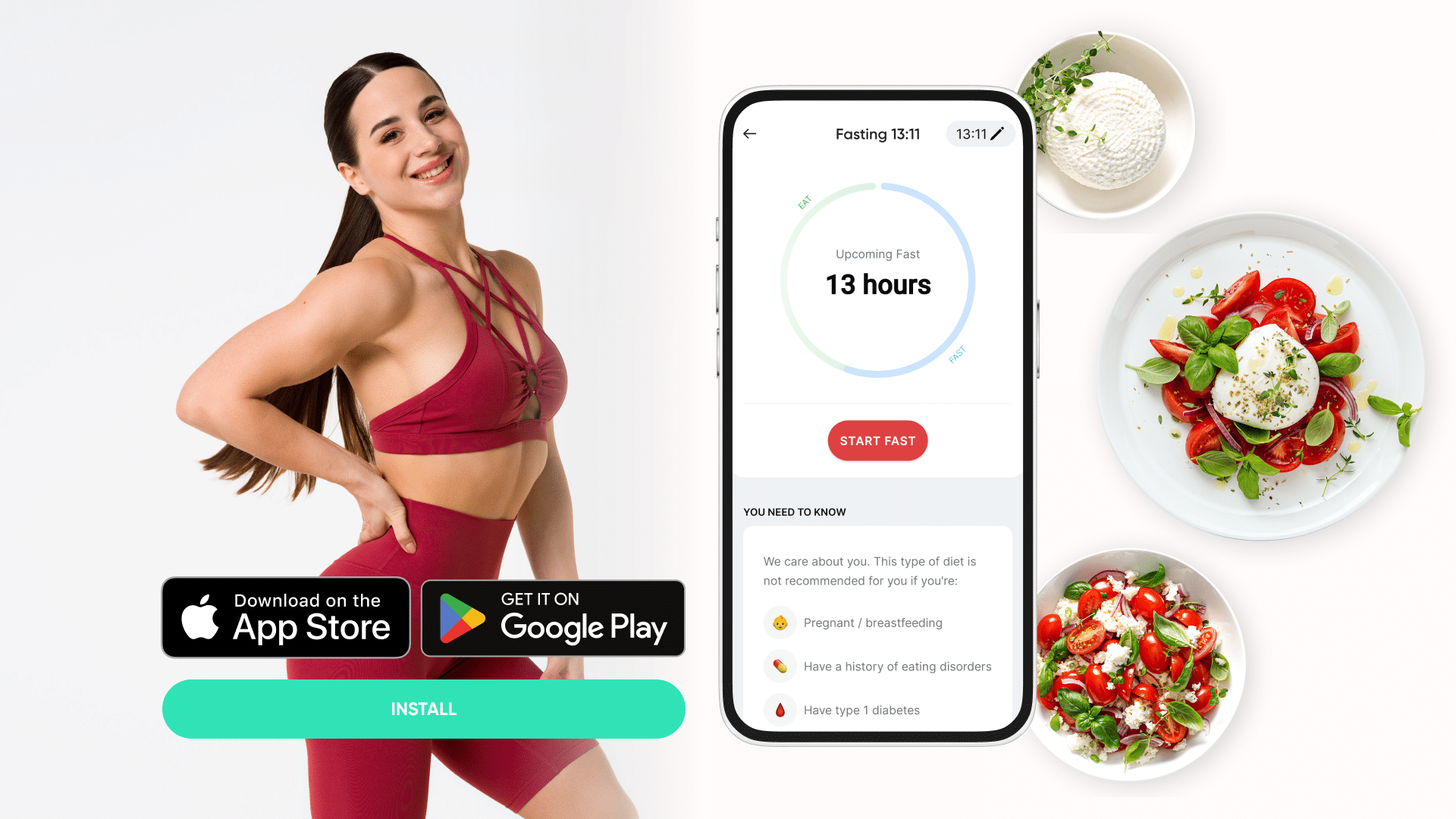
This does not automatically mean fasting is off the table forever. It means you should not treat fasting like a casual trend if your routine or circumstances call for closer support. If any item on this list sounds familiar, check with a qualified clinician before changing your eating pattern.
How to Fast Properly for Beginners
If you want to learn how to fast properly for beginners, start smaller than you think you need to. A gradual approach often feels easier to maintain.
- Start Gradually: Rather than jumping into a 16-hour fast, begin with a shorter duration. A 12-hour fast with a 12-hour eating window (12:12) is a gentle way to introduce your body to the process. You can slowly extend the fasting window as you feel more comfortable over the coming weeks.
- Adjust Your Current Habits: A few days before you begin, try reducing your portion sizes slightly and cutting back on calorie-dense beverages. This can make the transition less of a shock to your system and ease potential discomfort.
- Plan Your Meals: Think about what you will eat when your window opens. Having a balanced meal ready can prevent you from reaching for heavily processed snacks when you are hungry.
- Stay Busy: Keeping your mind occupied during the fasting window can help distract you from thoughts of food. Engage in light activities, work, or hobbies to pass the time smoothly.
- Manage Your Workouts: During your first few fasts, you may want to stick to low-impact exercises like walking or gentle stretching. As your body adapts, you can gradually reintroduce more intense activities into your routine.
- Break Your Fast Gently: When it is time to eat, start with a smaller meal. Eating a large meal too quickly can sometimes lead to temporary puffiness or discomfort.
- Progress slowly if needed. After a week or two, you may consider 14:10 or 16:8.
This beginners guide to intermittent fasting works best when you focus on routine, not perfection. If motivation is low, start with something small and repeatable.
Read more: Intermittent Fasting Schedule for Women: Benefits and Best Practices
What Are the Water Fasting Rules?
Water fasting rules are stricter than standard intermittent fasting rules. In a water fast, you avoid food and typically drink only water for a set period. Because this approach is more intense, it is not a beginner-friendly starting point.
If you are considering water fasting, keep these basics in mind:
- talk to a qualified healthcare provider first
- avoid treating it like a casual reset
- choose a short, clearly planned timeframe
- prioritize rest and hydration
- avoid strenuous workouts during the fasting period
- return to eating gradually afterward
Longer fasts may require professional supervision. For most people exploring an intermittent fasting guide, shorter time-restricted eating schedules are the more practical place to begin.
How Does Fasting Relate to Body Weight Management?
Fasting and body weight management are related, but fasting is not a guaranteed shortcut. For some people, fasting may support body weight management by creating more structure around meals and reducing unplanned snacking (1). By restricting your eating to a specific timeframe, you may naturally consume fewer calories, which is helpful.
That said, results can vary widely. Your eating window still matters. If fasting leads to oversized meals, frequent grazing, or a pattern that feels hard to maintain, it may not support your routine in the way you hoped.
Think of fasting for weight loss as one possible tool within a broader routine. Food choices, sleep, movement, and consistency still play a large role. If your goal includes body composition changes, it may help to pair fasting with balanced meals, enough protein, and regular activity.
Explore engaging fitness routines and structured meal plans in the BetterMe app to support your daily routine.
Reasons why BetterMe is a safe bet: a wide range of calorie-blasting workouts, finger-licking recipes, 24/7 support, challenges that’ll keep you on your best game, and that just scratches the surface! Start using our app and watch the magic happen.
What Are 10 Top Tips to Master Fasting?
These tips can help you make your routine feel steadier and more practical:
- Stop if You Feel Unwell: One study suggests that you should stop fasting if you experience excessive fatigue, severe discomfort, or unexplained digestive issues (5). Pushing through extreme discomfort is never recommended.
- Modify if Necessary: If a strict schedule feels too intense, try a modified approach. For example, you can eat a small percentage of your regular calories on fasting days when using the 5:2 method.
- Prioritize Fluids: Research indicates that a significant portion of your daily fluid intake normally comes from food (6). Be sure to replace this by drinking adequate water throughout your fast to stay fully hydrated.
- Ease into Eating: Break your fast with a modest portion of food to help your digestive system adjust smoothly and avoid temporary bloating.
- Focus on Protein: One review found that consuming adequate protein is important for maintaining muscle mass during any weight management routine (7). Ensure your meals include quality protein sources like chicken, tofu, or lentils.
- Consider a Multivitamin: Available guidance notes that some people may lack certain nutrients when they restrict their eating windows (8). A multivitamin can offer supportive coverage to fill potential gaps.
- Eat Balanced Meals: One overview suggests adding lean proteins to your meals and pairing them with high-fiber vegetables and healthy fats to stay satisfied and energized (9).
- Try a Mediterranean Approach: Research indicates that combining intermittent fasting with a Mediterranean-style diet can be a practical and supportive combination for many people (10).
- Limit Simple Carbs: Available guidance also notes to avoid simple carbohydrates and highly processed snacks between fasts, as they can cause energy spikes and crashes that make fasting more difficult (11).
- Watch Your Caffeine Intake: If you drink black coffee during your fast, be mindful of your overall caffeine consumption. Stick to recommended limits to avoid feeling jittery or disrupting your sleep schedule (12).
Explore a variety of workouts and recipes designed to support your daily routine. Start using the BetterMe app to build consistency.
Frequently Asked Questions
Is fasting for 3 days recommended?
Not usually for beginners. A 3-day fast is much more demanding than a standard intermittent fasting schedule and may require professional guidance.
What happens if you don’t eat for 5 days?
Your body shifts into a much more extreme fasting state. This is not the same as everyday intermittent fasting, and it should not be approached casually.
What’s the longest you can fast?
That depends on the type of fast and the level of supervision involved. For most beginners, shorter daily schedules like 12:12 or 14:10 are the more practical starting point.
Does sleep count as fasting?
Yes, sleep counts as fasting. That is one reason overnight schedules like 12:12 often feel approachable for beginners.
How long should you fast for?
The ideal length of your fast depends on your personal preferences and lifestyle. Many beginners find success starting with a 12-hour fast with a 12-hour eating window (12:12), while more experienced individuals may prefer a 16-hour fast. It is best to start slowly and find a duration that feels comfortable for you.
How should a beginner start fasting?
A beginner should start fasting by gently introducing a shorter fasting window, such as 12 hours overnight. Begin by delaying breakfast slightly and avoiding late-night snacks, ensuring you stay hydrated throughout the fasting period. Gradual changes tend to feel more realistic than long fasting windows right away.
How many hours is a good fast?
For many beginners, 12 hours is a good place to start. One review noted that this length may already shift the body into a fasting state overnight
How to fast properly?
How to fast properly means choosing a realistic schedule, eating balanced meals, staying hydrated, and adjusting slowly. A steady routine often works better than an extreme one.
This article is for informational purposes only and does not constitute medical advice. Fasting may not be suitable for everyone. Consult a qualified healthcare provider before starting any fasting regimen, especially if you have underlying conditions or take medication.
The Bottom Line
Learning how to fast properly starts with simple choices: pick a manageable schedule, plan balanced meals, drink enough fluids, and build gradually. You do not need to do the longest fast or follow the strictest intermittent diet to get started. If you want a routine that feels more organized, this intermittent fasting guide can help you begin with clarity. Choose the approach that fits your day, adjust as needed, and focus on consistency over intensity.
DISCLAIMER:
This article is intended for general informational purposes only and does not serve to address individual circumstances. It is not a substitute for professional advice or help and should not be relied on for making any kind of decision-making. Any action taken as a direct or indirect result of the information in this article is entirely at your own risk and is your sole responsibility.
BetterMe, its content staff, and its medical advisors accept no responsibility for inaccuracies, errors, misstatements, inconsistencies, or omissions and specifically disclaim any liability, loss or risk, personal, professional or otherwise, which may be incurred as a consequence, directly or indirectly, of the use and/or application of any content.
You should always seek the advice of your physician or other qualified health provider with any questions you may have regarding a medical condition or your specific situation. Never disregard professional medical advice or delay seeking it because of BetterMe content. If you suspect or think you may have a medical emergency, call your doctor.
SOURCES:
- Intermittent fasting strategies and their effects on body weight and other cardiometabolic risk factors: systematic review and network meta-analysis of randomised clinical trials (2025, bmj.com)
- Intermittent Fasting and Metabolic Health (2022, mdpi.com)
- Time-restricted eating improves health because of energy deficit and circadian rhythm: A systematic review and meta-analysis (2024, sciencedirect.com)
- The Do’s and Don’ts of Eating for Energy (2021, hss.edu)
- Intermittent Fasting—Short- and Long-Term Quality of Life, Fatigue, and Safety in Healthy Volunteers: A Prospective, Clinical Trial (2022, mdpi.com)
- Water: How much should you drink every day? (2026, mayoclinic.org)
- Enhanced protein intake on maintaining muscle mass, strength, and physical function in adults with overweight/obesity: A systematic review and meta-analysis (2024, sciencedirect.com)
- Impact of intermittent fasting on micronutrient intake (2025, pubmed.ncbi.nlm.nih.gov)
- Optimization of a functional food product based on fibers and proteins: Rheological, textural, sensory properties, and in vitro gastric digestion related to enhanced satiating capacity (2021, sciencedirect.com)
- A Mediterranean Eating Pattern Combining Energy and Time-Restricted Eating Improves Vaspin and Omentin Concentrations Compared to Intermittent Fasting in Overweight Individuals (2023, mdpi.com)
- Association between glucose dips and the feeling of hunger in a dietary intervention study among students with early and late chronotype-secondary analysis of a randomized cross-over nutrition trial (2024, sciencedirect.com)
- Spilling the Beans: How Much Caffeine is Too Much? (2024, fda.gov)

 By
By 
 By
By