

Nutrition isn’t one size fits all. Your body’s energy and nutrient requirements shift through growth, reproduction, work, illness, and aging. Below is a practical, science-based overview of how nutritional needs change across your lifespan, why they change, and how to satisfy them. Keep reading to learn more.
How Dynamic Is Nutrition over Time?
Nutritional needs are a dynamic aspect of your health and well-being and shift significantly throughout your lifespan. It’s not only about how many calories you need, it’s also about the quality of them.
- Quantity
How much energy (in other words, calories) you need changes dramatically based on growth, activity, and metabolism:
During childhood and adolescence, caloric intake, as well as some particular nutrient needs, is notoriously high. This is needed to fuel rapid growth and the building of new tissues (1).
Similarly, during pregnancy and breastfeeding, women need to increase their caloric intake (although not truly “eating for two”, which is a myth) and specific macro- and micronutrients to support fetal development and milk production.
Highly active adults, such as athletes, are another case where a significantly higher caloric intake is needed to support high energy expenditure and muscular repair. On the other hand, older adults usually have reduced calorie needs as metabolic rate slows down, and physical activity often lessens (2, 3).

- Quality
Nutrition isn’t solely about the number of calories you need, it’s also what comes with the calories. Quality matters as much as quantity, and not all sources of calories are created equal. For example, it’s not the same to get all of your calories from highly processed foods that are rich in saturated fats and added sugars as it is from wholesome foods filled with quality protein and fiber.
During growth and development stages, infants require higher amounts of fat for brain development and vital micronutrients. However, when they reach adolescence, calcium and iron needs increase significantly. On the other hand, older adults have an overall caloric needs drop, but they often have higher needs for protein to help combat age-related muscle loss. To learn more about eating real food, check out our in-depth article on the topic.
Read more: What Is A Clean Eating Food List For Beginners?
How Do Your Nutritional Needs Change over Time?
Nutritional needs constantly change throughout life, which makes understanding the key requirements of each stage quite important. Adapting the diet helps children grow up healthily and ensures you maintain optimal well-being and function as you age.
- Infancy (0-2 years)
At this stage, rapid brain and body growth are paramount, which makes it a period of very high nutrient needs. Breast milk or formula provides concentrated energy, fat, and other macro- and micronutrients. Iron stores at birth generally support the first months. However, complementary iron-rich foods are essential from about 6 months onward (1, 4).
- Childhood (2-12 years)
Calories and protein needs increase constantly to help support growth and movement. Balanced diets must include a wide variety of essential micronutrients, such as iron, zinc, calcium, vitamins A and D. In addition, eating habits that are formed during this stage will shape lifelong taste and health patterns (5).
- Adolescence (≈12-19 years)
The well-known second growth spurt of adolescence occurs during this stage. They need more energy, protein, calcium (for bone growth), iron (particularly for menstruating girls), and B vitamins. This is a critical stage, as poor intake or restrictive diets can generate long-term deficits (3).

- Adulthood (20s-50s)
Energy needs are more stable during this stage, although they vary with physical activity. Building and maintaining lean muscle mass and managing body composition requires adequate protein, as well as the consumption of enough fiber, potassium, and antioxidants to reduce the risk of chronic diseases. Including nutritious foods for most of your balanced meals will pay dividends in the long term (6).
- Reproductive years, pregnancy, and lactation
During pregnancy, the needs for essential nutrients, such as folate, iron, iodine, and choline, in addition to protein and overall energy, increase to help support fetal growth. Similarly, during lactation, energy and some specific nutrient demands are again higher to produce breast milk (5).
- Older adulthood (60+ years)
Metabolic rate and activity are often lower, and with that comes a reduced calorie need. However, protein needs are usually higher to help prevent sarcopenia, which is also known as age-related muscle loss. The absorption of certain nutrients, such as vitamin B12, D, and calcium, can be affected by reduced gastric acid production, skin synthesis, or kidney function, so increased intake or supplementation may be necessary at times (4).
When it comes to weight loss, progress is made by inches, not miles, so it’s much harder to track and a lot easier to give up. The BetterMe: Health Coaching app is your personal trainer, nutritionist, and support system all in one. Start using our app to stay on track and hold yourself accountable!
What Factors Influence Your Nutrient Needs?
As previously mentioned, age is a key factor that shifts nutritional needs, but it’s not the only one. Several interconnected factors can contribute to a person’s individual, unique dietary needs.
For example, sex plays a significant role due to different hormonal profiles, influencing energy use and body composition. This is particularly important during adolescence and the nutrient losses associated with menstruation, in addition to the metabolic changes during menopause.
Beyond these biological factors, lifestyle and health status have a significant impact on nutritional demands. The level of activity you engage in and the job you hold dictate how much energy you actually need – in other words, athletes or those in physically demanding jobs will require substantially more calories and often a higher protein intake than someone with a sedentary desk job.
Underlying medical conditions and chronic diseases also play a key role in your nutritional needs (such as blood sugar management with diabetes, limiting minerals with kidney disease, or addressing absorption issues from gastrointestinal disorders).
Lastly, major life phases such as pregnancy and breastfeeding are unique, with increased demands for nearly all macro- and micronutrients to support maternal and fetal health.
Read more: Clean Eating High-Protein Meal Plan for Beginners
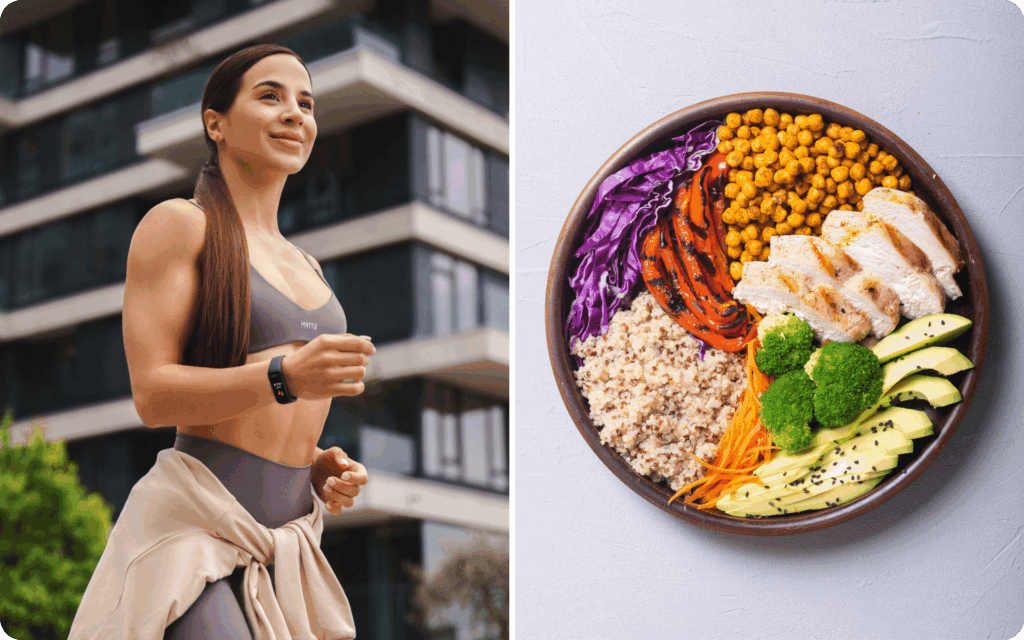
What Are the Top 10 Ways to Eat Healthy over the Years?
Healthy eating is key to keeping your health status. However, eating healthy over the years often requires consistency and adaptation. Let’s check the top 10 strategies to ensure your diet supports your health across every stage of life:
1. Prioritize Whole, Minimally-Processed Foods
Whole, minimally-processed foods are your best friends when it comes to healthy eating. These include vegetables, fruits, whole grains (oats, quinoa, brown rice), nuts, seeds, and lean proteins. These foods retain the highest amount of vitamins, minerals, and fiber, and should be the main components of your meals (5). Our previous post goes into great detail about real food vs processed food.
2. Embrace a Plant-Forward Diet
Aim to make plant foods such as whole grains, pulses, nuts, vegetables, and fruits the protagonist of your meals. Plant-based foods are calorie-light and nutrient-dense, and their high fiber and antioxidant content help protect against chronic diseases such as heart disease and certain cancers (7).
3. Master Portion Control
Learning to recognize appropriate serving sizes to manage your calorie intake over time is a key strategy for healthy eating. Use smaller plates, measure high-calorie ingredients such as oils and nuts, and practice mindful eating – eating slowly and stopping when you feel satisfied, not stuffed (5).

4. Optimize Protein Intake
Protein is one of the most important nutrients your body needs. And ensuring you consume adequate amounts is vital, particularly as you age, as this often increases with age to counteract age-related muscle loss (sarcopenia). Choose high-quality protein sources (fish, poultry, legumes, dairy) to include in all meals to maximize muscle protein synthesis (8).
5. Choose Healthy Fats Wisely
Many people often fear fats, but unsaturated fats that are found in foods such as avocados, nuts, seeds, and olive oil are your best friends. Omega-3 fatty acids, especially those from fatty fish (salmon, mackerel), are essential for brain health, heart function, and reducing inflammation throughout life (5).
6. Stay Hydrated with Water
Water is essential for every bodily function, including metabolism, digestion, and temperature regulation. Choose water over sugary beverages, juices, and excessive amounts of coffee or tea to prevent weight gain and support kidney function over the decades (5).

7. Limit Added Sugars and Refined Carbohydrates
Ultra-processed foods, white bread, sugary drinks, and desserts are often loaded with calories but little real nutrition. These foods are hyperpalatable and easy to overeat, which accelerates weight gain and disease risk. Focus instead on complex carbohydrates with fiber (5). Dive deeper into the benefits of not drinking soda with our dedicated article.
8. Pay Attention to Micronutrient Needs
As metabolism changes with age, the absorption of certain nutrients can decrease. Be mindful of potential deficiencies. For example, vitamin D and calcium for bone density, especially post-menopause. In addition, vitamin B12 absorption often decreases in older adults, and it’s essential for nerve health. Talk to your healthcare provider about any concerns you have regarding deficiencies. They can do tests and recommend supplements if necessary.
The BetterMe: Health Coaching app will provide you with a host of fat-frying fitness routines that’ll scare the extra pounds away and turn your body into a masterpiece! Get your life moving in the right direction with BetterMe!
9. Cook at Home More Often
Preparing your own meals gives you complete control over ingredients, portion sizes, and the amount of sodium, sugar, and unhealthy fats used. This is the single most effective habit for long-term dietary control. For more details about personalized meal plans, take a look at our prior publication.
10. Adapt Your Diet to Life Stages
Recognizing that your nutritional needs are dynamic is essential. This will help you be mindful and adjust your diet during key life changes, such as growth spurts, pregnancy, intense training periods, and as your metabolism naturally slows down in later years. Consulting a dietitian can ensure your intake remains appropriate for your current needs and health status (5).

There is no straight answer, as this is highly dependent on what particular aspect you’re looking to improve. For example, changes in blood glucose, blood pressure, and certain dietary biomarkers can occur within days to weeks after adjusting your diet. On the other hand, the normalization of iron or vitamin B12 levels can take months, depending on each case. There’s no single correct answer for everyone, but two vitamins that are frequently marked as “hard to get” from diet alone are vitamin D and vitamin B12 for certain populations, such as older adults or people who follow vegan diets. An assessment by a registered dietitian can help you understand if you may need supplements. There is plenty of strong evidence that supports several dietary patterns rather than a single diet. The Mediterranean dietary pattern – high in vegetables, fruits, legumes, whole grains, nuts, olive oil, moderate fish and poultry, and low in ultra-processed foods – is consistently associated with a lower risk of cardiovascular disease, certain cancers, and mortality across many studies and randomized trials. Frequently Asked Questions
How long does it take to improve your nutrition?
What is the hardest vitamin to get?
What is the number one diet for a longer, healthier life?
The Bottom Line
Nutrition is a dynamic process, and your nutrient and energy needs are constantly changing based on age, activity level, health status, and life stage. In addition to ensuring adequate energy intake, focusing on quality nutrients, particularly protein (to fight muscle loss) and key micronutrients (such as iron, vitamins B12 and D, and calcium), remains crucial as you age.
To support lifelong health, some of the most effective approaches include focusing on whole, minimally processed foods, being mindful of portion control, and staying well hydrated.
This article is for information purposes and should not be taken as medical advice. If you have any underlying conditions or any concerns, it’s always best to consult a registered dietitian who can provide personalized guidance.
DISCLAIMER:
This article is intended for general informational purposes only and does not serve to address individual circumstances. It is not a substitute for professional advice or help and should not be relied on for making any kind of decision-making. Any action taken as a direct or indirect result of the information in this article is entirely at your own risk and is your sole responsibility.
BetterMe, its content staff, and its medical advisors accept no responsibility for inaccuracies, errors, misstatements, inconsistencies, or omissions and specifically disclaim any liability, loss or risk, personal, professional or otherwise, which may be incurred as a consequence, directly or indirectly, of the use and/or application of any content.
You should always seek the advice of your physician or other qualified health provider with any questions you may have regarding a medical condition or your specific situation. Never disregard professional medical advice or delay seeking it because of BetterMe content. If you suspect or think you may have a medical emergency, call your doctor.
SOURCES:
- Nutrition for kids: Guidelines for a healthy diet (n.d., mayoclinic.org)
- Nutrition and athletic performance (n.d., medlineplus.gov)
- A Life-Stage Approach to Precision Nutrition: A Narrative Review (2024, cureus.com)
- Biochemistry, Nutrients (n.d., nlm.nih.gov)
- Dietary Guidelines for Americans (2020, dietaryguidelines.gov)
- The Mediterranean diet and health: a comprehensive overview (2021, wiley.com)
- What is a plant-based diet and why should you try it? (n.d., harvard.edu)
- Dietary protein intake and human health (2016, rsc.org)