
Embarking on our health journey often means taking a closer look at our dietary habits. Particularly for women, understanding the key role of protein can be transformative.
In this article, we’ll explore why protein is so important for overall health, but also for weight management, preserving muscle mass, and its role in hormonal balance. We’ll focus on general guidelines and also share tips for tailoring a balanced high-protein meal plan that suits your needs.
Keep reading to learn all about how incorporating enough protein, alongside other vital nutrients, can empower women to achieve greater health, strength, and overall well-being.
What Is a Balanced High-Protein Meal Plan for Women?
A balanced high-protein meal plan for women is a dietary approach that is designed specifically to increase protein intake while, at the same time, ensuring a balanced and well-rounded diet overall.
Protein plays a vital role in multiple functions. From contributing to the building blocks for tissues, such as muscle, collagen, and enzymes, to being a key nutrient in overall health and weight management, protein is one of our greatest allies.
Protein is one of the most filling nutrients, which means that it helps us stay full for longer, potentially helping reduce cravings and overall calorie intake, which can help with weight management. Furthermore, adequate protein intake is essential for maintaining lean muscle mass, particularly when combined with exercise, leading to a more active metabolism and overall strength (1).
For women, a balanced high-protein plan should emphasize a high protein intake and not come at the expense of other essential nutrients. This means that each meal should include good sources of lean protein alongside adequate intakes of fiber, complex carbs, and healthy fats. For this, you should focus on a variety of colorful vegetables (rich in vitamins, minerals, and fiber), complex carbohydrates such as whole grains (for sustained energy), and healthy fats (for hormone regulation and satiety) (2). If you’re curious about low-calorie high-protein meal plan, check out our earlier article.

How Much Protein Do Females Need per Day?
For most adult women, the recommended dietary allowance (RDA) for protein is 0.8 grams per kilogram or 0.36 grams per pound of body weight daily. Let’s see this with an example: a woman of 70 kilograms (154.32 pounds) would need a minimum of 56 grams of protein to meet basic requirements (3).
This protein intake is only to prevent deficiency, but doesn’t necessarily optimize health or support weight loss. This means that women who are aiming to lose weight or those who are physically active should aim for higher protein intakes to get the results they’re after.
Evidence suggests that a range of 1.0 to 1.6 grams of protein per kg of body weight per day is more beneficial for weight loss, depending on activity levels and individual factors (4).
BetterMe: Health Coaching app helps you achieve your body goals with ease and efficiency by helping to choose proper meal plans and effective workouts. Start using our app and you will see good results in a short time.
By now, you may be wondering: If I want to lose weight, why do I need to eat more protein? This may be needed due to several key reasons:
- Preserves muscle mass: When you’re in a calorie deficit for weight loss, your body can break down both fat and muscle for energy. This means that by keeping adequate protein intake and doing strength training, you help preserve lean muscle mass, ensuring your energy comes more from fat burning, which in turn, leads to weight loss.
- Supports metabolism: Muscle tissue is more metabolically active than fat tissue, which means it burns more calories, even when you’re at rest. By preserving lean muscle mass with sufficient protein intake and strength training, you’re helping keep a healthy metabolism, which is essential for long-term weight management (5).
- Promotes satiety: Protein is one of the most satiating nutrients, more than carbs or fats. By eating enough protein, you can feel fuller for longer after meals, helping with controlling overall calorie intake and reducing the likelihood of overeating or snacking on less healthy options.
- Higher thermic effect of food: Protein has a higher thermic effect of food (TEF) compared to fats and carbs. This means your body uses more calories to digest and metabolize protein, which leads to a slight increase in overall calories burned (6).
Read more: What Is A Clean Eating Food List For Beginners?
Is 200g of Protein Too Much for a Woman?
For most adult women, eating between 1.0 and 1.6 grams of protein per kg of body weight per day is a good range to help with overall health and weight loss, depending on activity levels and individual factors.
Using the same example, a 70 kg (154 lb) woman should aim for a protein intake between 70 and 112 grams of protein daily.
Eating more than 1.6 grams of protein per kilogram of body weight (up to 2.0 g/kg or 0.7 to 0.9 g/lb) most likely offers little to no extra benefit. Some bodybuilders and athletes may go as high as 2.2 g/kg, but that is overkill for the average person trying to lose weight. For that same 70 kg woman, consuming 200 grams means an average daily intake of 2.85 grams of protein per kilogram of body weight.
This far exceeds the maximum recommended intake and could potentially lead to several side effects:
- Nutrient imbalances: Focusing solely on protein intake could displace other essential nutrients such as fiber, healthy fats, vitamins, and minerals.
- Kidney strain: Very high protein intakes could potentially put extra stress on the kidneys, especially for people with pre-existing kidney problems or who are at a higher risk of kidney disease.
- Digestive issues: Some women may experience gastrointestinal discomfort with excessive protein intake.
- Dehydration: Our body needs water to digest and process protein, so when we have very high intakes without following up with adequate water intake, it could lead to dehydration.
Our previous post goes into great detail about the low-calorie high-protein foods for weight loss.
Does Protein Help Female Hormones?
Protein can play a vital role in female hormone health in multiple ways (7):
- Provide the building blocks of hormones
Many hormones are peptide or protein-based. This means the building blocks are amino acids, the same ones needed for proteins. As a consequence, adequate protein intake assures your body has the required materials to produce crucial hormones, including those that are involved in reproductive health (estrogen and progesterone), metabolism (thyroid hormones and insulin), appetite regulation (leptin and ghrelin), stress response (cortisol), and growth and development (growth hormone) (8).
- Hormone transport
Blood proteins can act as carriers for various hormones, enabling their transport throughout your entire body, reaching their target tissues, and completing their functions.

- Blood sugar balance
As protein can help slow down digestion and nutrient absorption when part of a balanced meal, it can help stabilize blood sugar levels by slowing down glucose absorption. This is a vital step for proper insulin function, the primary hormone in blood sugar regulation. This could also have an indirect impact on other hormones (9).
- Gut health
Adequate protein intake can contribute to a balanced gut microbiome, which plays a role in the production and regulation of hormones, such as serotonin.
- Satiety and weight management
Proteins are one of the most filling nutrients, and by promoting fullness, they can help you maintain a healthy weight. Adequate weight management is essential for hormonal balance, as weight fluctuations and metabolic issues can disrupt hormone levels (10).
Read more: The Scandinavian Diet: Simple, Seasonal, And Deeply Nourishing
What Foods Are High in Protein for Women?
If you’re looking to boost your protein intake, you don’t need any fancy supplements or protein bars. By organizing your meals and focusing on wholesome, minimally processed foods, you can easily increase protein intake to help you with overall health and weight loss.
Here are the best protein-rich foods to include daily:
- Lean meats such as chicken, turkey, and lean cuts of beef. These are classic options for a reason as they provide you with all the essential amino acids your body can’t make on its own.
- Eggs are tiny but mighty and they were once the gold standard for protein quality. Don’t be afraid of the yolk, as it’s rich in protein and many essential vitamins, minerals, and other nutrients.
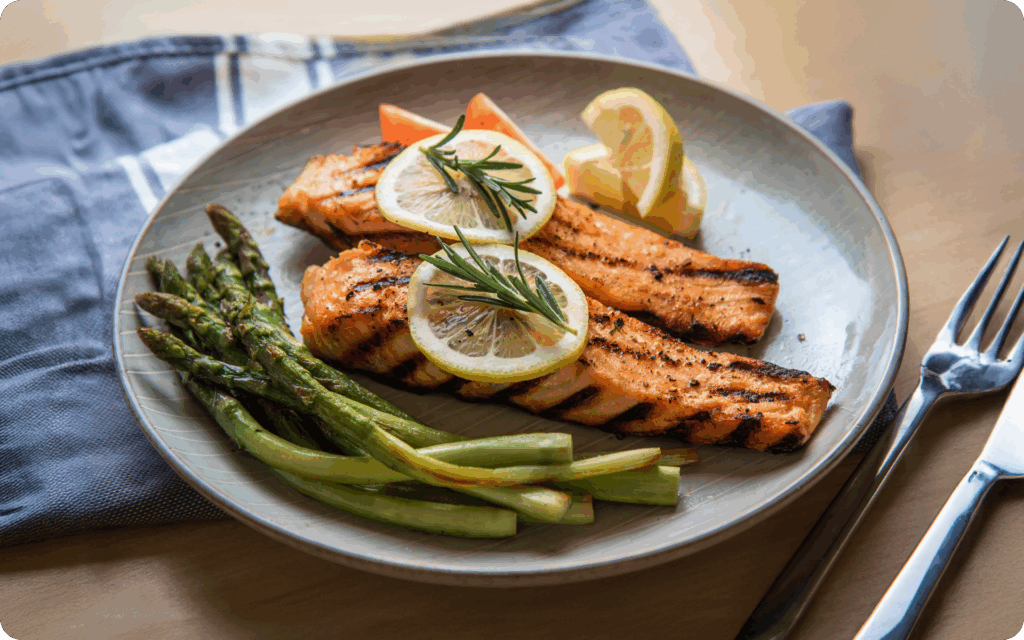
- Fish and seafood should be part of your weekly meals as they’re rich in complete proteins and healthy fats that aren’t present in other animal proteins.
- Plant-based protein is an amazing option, and not only for those who follow vegan or vegetarian diets. It’s also a great source of fiber, minerals, and vitamins that aren’t found in their animal counterparts. Opt for tofu, tempeh, lentils, chickpeas, and all kinds of beans.
- Dairy protein is a great way to complement your protein intake. Choose low-fat Greek yogurt, cottage cheese, and milk.
- Nuts and seeds are also a great way to sneak small amounts of protein during the day. They’re high in healthy fats and fiber too. A little goes a long way – just a handful of nuts or 1 tbsp of seeds is a good serving. Nut and seed butters are also very easy to add to a variety of dishes. Ideally, choose those with no added salt or sugar.
Is It Better to Eat Protein in the Morning or at Night?
There’s no right or wrong answer here, as it all depends on your overall goals, lifestyle, and preferences. Let’s take a look at both scenarios.
Eating Protein in the Morning
Starting the day with a protein-rich breakfast can help promote fullness compared to a breakfast mostly focused on carbs or fats. This can help regulate your appetite during the day, reducing cravings and potentially leading to a lower overall calorie intake. All of this can help you achieve your weight loss goals (11).
A high protein intake in the morning could also help stabilize blood sugar levels, leading to more sustained energy throughout the morning (12).
Eating Protein at Night
Having a high protein intake before bed could increase overnight muscle protein synthesis rates, as protein can be effectively digested and absorbed overnight. This can be of particular interest to those who are practicing resistance training (13).
In some cases, if you’re struggling to meet your protein needs, a pre-sleep protein snack could be an effective way to boost your overall intake.
Some studies have suggested that protein intake before bed could increase mitochondrial and myofibrillar protein synthesis rates during overnight recovery, potentially benefiting endurance athletes (14).
Protein in the evening can also help keep you full and keep blood sugar levels stable into the night, which may help prevent sleep disruptions due to hunger.
Reasons why BetterMe is a safe bet: a wide range of calorie-blasting workouts, finger-licking recipes, 24/7 support, challenges that’ll keep you on your best game, and that just scratches the surface! Start using our app and watch the magic happen.
What’s the Best Option?
There’s no one best option, as it all depends on your individual needs. However, it’s worth noting that hitting the total daily protein intake is the most important factor for muscle growth, repair, and overall health, rather than the specific timing. You should aim for a consistent intake that meets your individual needs.
Furthermore, splitting your protein intake evenly across your daily meals may be more beneficial and easier to follow. A good rule of thumb is to aim for 20 to 30 grams of protein at each meal (breakfast, lunch, and dinner), and 10-15 grams of protein in any snacks.
For more details about 7-day protein diet plan for weight loss, take a look at our prior publication.
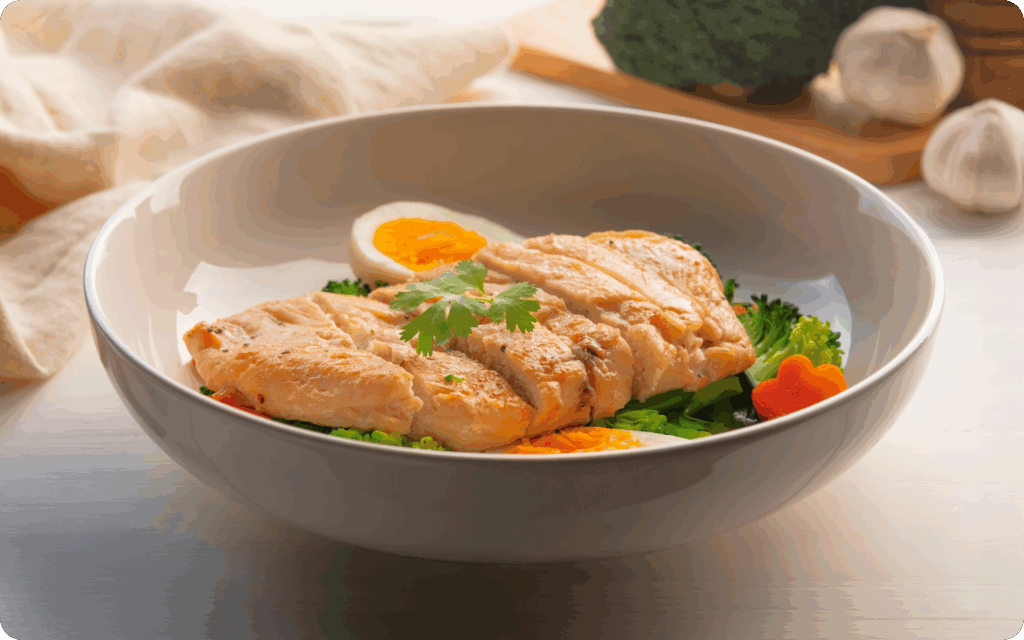
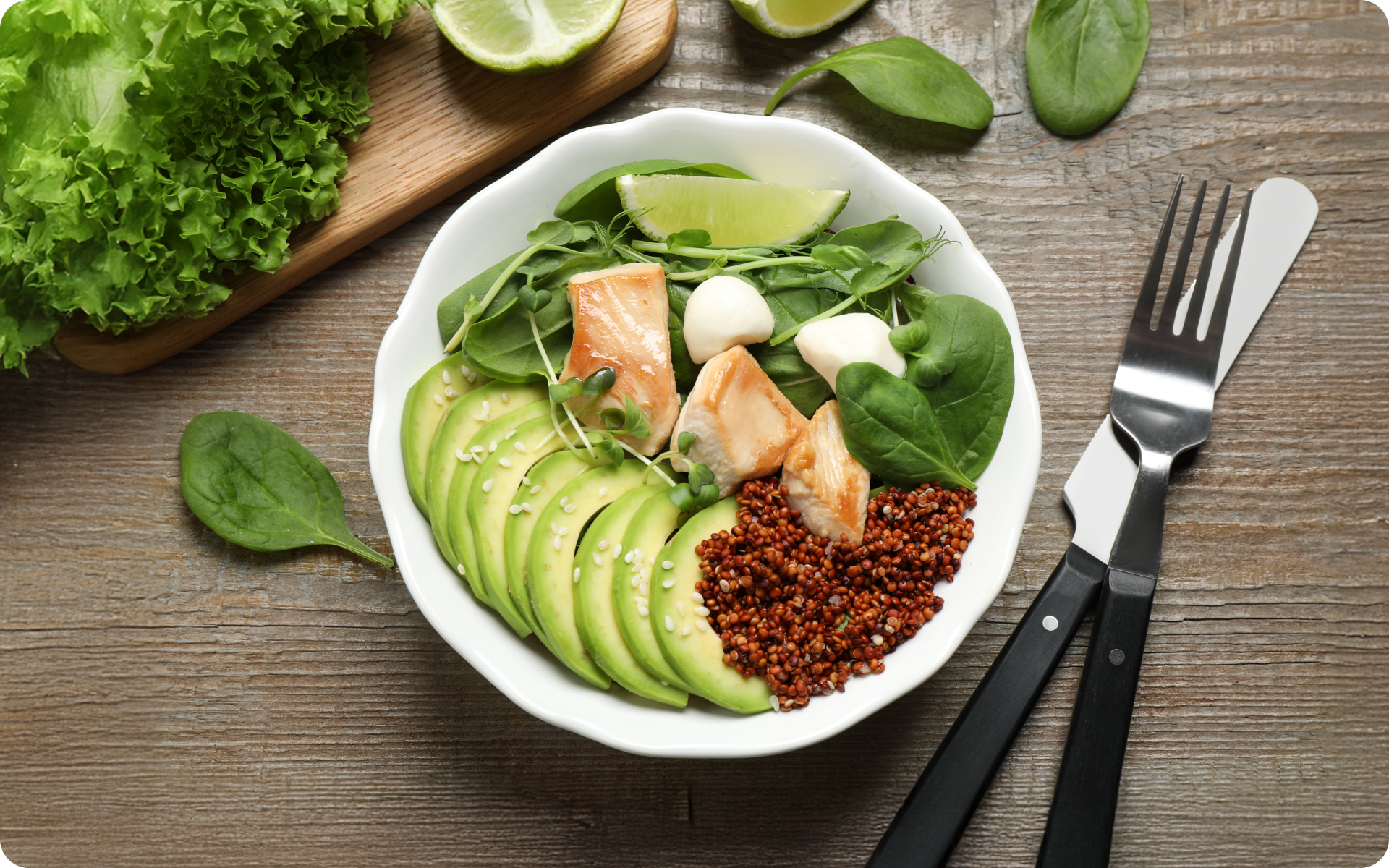
Some great protein lunch options you can consider include grilled chicken salad with mixed greens and a light dressing, a quinoa bowl topped with grilled shrimp and avocado, or a lentil and vegetable soup with a side of whole-grain bread. A rule of thumb is to aim for at least 20-30 grams of protein in your midday meal to support satiety and muscle maintenance. A general rule of thumb for protein intake is to aim for a minimum of 0.8 grams of protein per kilogram of body weight per day for sedentary adults, which is the recommended dietary allowance (RDA) to prevent deficiency. However, this may not be enough to help boost your metabolism and help with weight loss, for which an intake of 1 to 1.6 grams of protein per kilogram of body weight may be the best approach. Eggs can be a good food to eat before bed. They’re an excellent protein source that can help with muscle repair and growth overnight and can keep you full to prevent sleep disruptions due to hunger. Furthermore, eggs are rich in tryptophan, an amino acid that plays a role in the production of serotonin and melatonin, hormones that regulate sleep. It’s not about avoiding carbs altogether but rather focusing on complex carbs, paired with protein and healthy fat. If you break fast with a meal that is rich in simple carbs, such as refined grains and added sugars, this could lead to blood sugar spikes and subsequent crashes, potentially increasing hunger and cravings later in the day. A balanced breakfast including both protein and complex carbohydrates with some healthy fat can provide sustained energy and fuel for the brain and body. The optimal macronutrient ratio for breakfast can vary based on individual needs and goals. Frequently Asked Questions
What’s a good protein lunch?
What is the rule of thumb for protein?
Are eggs good before bed?
Why avoid carbs in the morning?
The Bottom Line
A well-rounded and balanced high-protein meal plan for women goes beyond just adding more protein-rich foods. It means focusing on a mindful integration of this essential nutrient within a balanced diet that is also rich in fiber, healthy fats, vitamins, and minerals.
While adequate protein intake may vary depending on our overall goals and activity levels, aiming for a range of 1.0 to 1.6 grams of protein per kg of body weight per day may be more beneficial for weight loss. This can help promote satiety, preserve metabolically active lean muscle, and support crucial hormonal functions.
It’s important to mention that the information shared in this article is for informational purposes and that consulting a registered dietitian can help define the optimal protein intake for your needs.
DISCLAIMER:
This article is intended for general informational purposes only and does not serve to address individual circumstances. It is not a substitute for professional advice or help and should not be relied on for making any kind of decision-making. Any action taken as a direct or indirect result of the information in this article is entirely at your own risk and is your sole responsibility.
BetterMe, its content staff, and its medical advisors accept no responsibility for inaccuracies, errors, misstatements, inconsistencies, or omissions and specifically disclaim any liability, loss or risk, personal, professional or otherwise, which may be incurred as a consequence, directly or indirectly, of the use and/or application of any content.
You should always seek the advice of your physician or other qualified health provider with any questions you may have regarding a medical condition or your specific situation. Never disregard professional medical advice or delay seeking it because of BetterMe content. If you suspect or think you may have a medical emergency, call your doctor.
SOURCES:
- The role of protein in weight loss and maintenance (2015, sciencedirect.com)
- Healthy Eating Plate (n.d., nutritionsource.hsph.harvard.edu)
- Protein for Life: Review of Optimal Protein Intake, Sustainable Dietary Sources and the Effect on Appetite in Ageing Adults (2018, pmc.ncbi.nlm.nih.gov)
- Preserving Healthy Muscle during Weight Loss (2017, pmc.ncbi.nlm.nih.gov)
- Dietary Protein and Energy Balance in Relation to Obesity and Co-morbidities (2018, pmc.ncbi.nlm.nih.gov)
- The Thermic Effect of Food: A Review (2019, pmc.ncbi.nlm.nih.gov)
- Protein is essential for women’s health (n.d., ucihealth.org)
- Biochemistry, Peptide (n.d., ncbi.nlm.nih.gov)
- Physiology, Glucose Metabolism (n.d., ncbi.nlm.nih.gov)
- Clinical Evidence and Mechanisms of High-Protein Diet-Induced Weight Loss (2020, pmc.ncbi.nlm.nih.gov)
- 4 Ways Protein Can Help You Shed Pounds (n.d., health.clevelandclinic.org)
- Muscle Protein Synthesis For Improved Health (n.d., pinnaclehillchiropractic.com)
- Protein Ingestion before Sleep Increases Overnight Muscle Protein Synthesis Rates in Healthy Older Men: A Randomized Controlled Trial (2017, sciencedirect.com)
- Pre-sleep Protein Ingestion Increases Mitochondrial Protein Synthesis Rates During Overnight Recovery from Endurance Exercise: A Randomized Controlled Trial (2023, link.springer.com)

 Reviewed by