Healthy fats to eat include olive oil, avocado, nuts, seeds, and oily fish. Choosing them often means replacing foods higher in saturated fat. The same distinction applies on keto. Start with the foods you enjoy, then build meals around them using our guide to a healthy dinner plate.
Key takeaways
These points sum up which fats to choose and how to use them.
- Replacing saturated fat with unsaturated fat can help lower LDL cholesterol; adding extra oil alone is a different change (1).
- Olive, canola, and soybean oils are practical unsaturated-fat choices for everyday cooking (2).
- Coconut oil and butter contain substantial saturated fat, even when they appear in keto recipes (3).
- Walnuts, chia seeds, and flax seeds provide ALA; fish provides different omega-3 fats called EPA and DHA (4).
- A package’s serving size describes the reference amount for its nutrition figures, not a required portion (5).
- Choose one useful food swap at a time, and count dressings, toppings, and cooking oils when reviewing meals.

What are healthy fats to eat?
Foods rich in unsaturated fats are useful everyday choices, including liquid plant oils, avocado, nuts, seeds, and fish. The type of fat and the overall eating pattern both matter (1).
The phrase “healthy fats” describes a nutritional preference, rather than a separate ingredient category. Foods usually contain a mixture of fatty acids. Olive oil, for example, is mostly unsaturated but still contains some saturated fat.
Healthy fat foods can be part of a balanced diet. Choose foods for their complete nutritional contribution and the meals you can make with them. A handful of nuts, a spoonful of oil, and a fish fillet serve different purposes. Oil is useful for cooking; fish can be the main source of protein.
The following examples are meal ideas, with portions left to your appetite and dietary needs.
| Food | Practical use | What to check |
|---|---|---|
| Olive oil | Dress vegetables or use for cooking | Measure the amount poured |
| Avocado | Slice into salad or mash onto toast | Consider the rest of the meal |
| Nuts or peanut butter | Add crunch or spread onto bread | Check salt, added sugar, and allergies |
| Chia or ground flax seeds | Stir into oatmeal or yogurt | Add gradually if unfamiliar |
| Salmon or sardines | Build a main meal around fish | Check preparation and salt in packaged options |
| Canola or soybean oil | Use for a neutral cooking flavor | Compare the label and intended use |
Nuts, seeds, and liquid plant oils feature in guidance on replacing saturated fats. Fish can also replace some meat meals (1).
Read More: 30 Day Keto Challenge: Will Upping Your Fat Intake Help You Lose Weight?
On the other hand, polyunsaturated fats are fat molecules that have more than one unsaturated carbon bond in the molecule. They are essential fats – omega-3 fatty acids and omega-6 fatty acids – that the body needs but cannot make them and thus we have to get them from food.
How do saturated and unsaturated types of fats differ?
Saturated and unsaturated fats differ in chemical structure, common food sources, and effects on blood cholesterol. Saturated fat is often solid at room temperature. Unsaturated oils are usually liquid, although room temperature alone cannot identify every product’s fat composition (1).
Which foods are high in saturated fats?
Saturated fat appears in butter, cream, fatty meat, cheese, coconut oil, and palm oil. Plant origin does not automatically mean an oil is mostly unsaturated. Coconut and palm oils are familiar exceptions (3).
You do not need to label a whole meal “bad” because it contains cheese. Look at how frequently saturated-fat foods appear and what could replace part of them. For example, use olive oil for vegetables while keeping a smaller cheese topping for flavor.
Monounsaturated and polyunsaturated fats
Monounsaturated fat has one double bond in its fatty-acid chain; polyunsaturated fat has more than one. Both groups include fats found in everyday plant oils. Polyunsaturated fats also include the omega-3 and omega-6 families (4).
These names describe the different types of fat in foods. Choose an oil you enjoy using and include varied foods alongside it. You can use one neutral oil for cooking and another for flavor if convenient.
Which fatty foods should I limit?
Limit foods high in saturated fat and check packaged foods for trans fat. Trans fats come from industrial processing and, in small amounts, from meat and dairy from cows or sheep. Guidance recommends limiting trans fat and replacing it with unsaturated fat (3).
Partially hydrogenated oils are an industrial source of trans fat (1). Food formulations vary, including in baked and fried foods. Avoid assuming every margarine, packaged snack, or frozen meal contains the same amount. Formulations and food supplies change. Read the current ingredient list and nutrition panel instead of relying on an old list of forbidden foods.
Reasons why BetterMe is a safe bet: a wide range of calorie-blasting workouts, finger-licking recipes, 24/7 support, challenges that’ll keep you on your best game, and that just scratches the surface! Start using our app and watch the magic happen.
Some keto friendly nuts and seeds include Brazil nuts, chia seeds, pecans, flax seeds, macadamia nuts, hazelnuts, hemp seeds, peanuts, sesame seeds, and sunflower seeds, among others.
- Promoting weight loss. One study showed that this oil prompts the release of peptide YY and leptin, two hormones that increase the feeling of satiety. When you feel full, you are less likely to eat over your recommended calorie intake, keeping you on a calorie deficit.
What are healthy fats for keto?
Unsaturated-fat foods can fit a keto eating pattern, provided the complete meal fits the person’s carbohydrate plan. Examples include olive oil, avocado, nuts, seeds, and oily fish. A keto label alone says little about saturated fat, portions, or dietary variety.
Keto often places more emphasis on fat than general dietary guidance does. That difference deserves attention when choosing a long-term eating pattern. Limits on saturated fat in general guidance apply to low-carb eating patterns too.
For example, a meal built around fish and vegetables differs from one centered on butter, cream, and processed meat. Both might be described as low in carbohydrate. Their ingredients and overall nutrient balance still need separate consideration.
If you are reviewing a keto plan, our article on not eating enough fat on keto explains the common question. Avoid interpreting a fat target as an instruction to add oil whenever you are already satisfied.
Nuts, seeds, and avocado
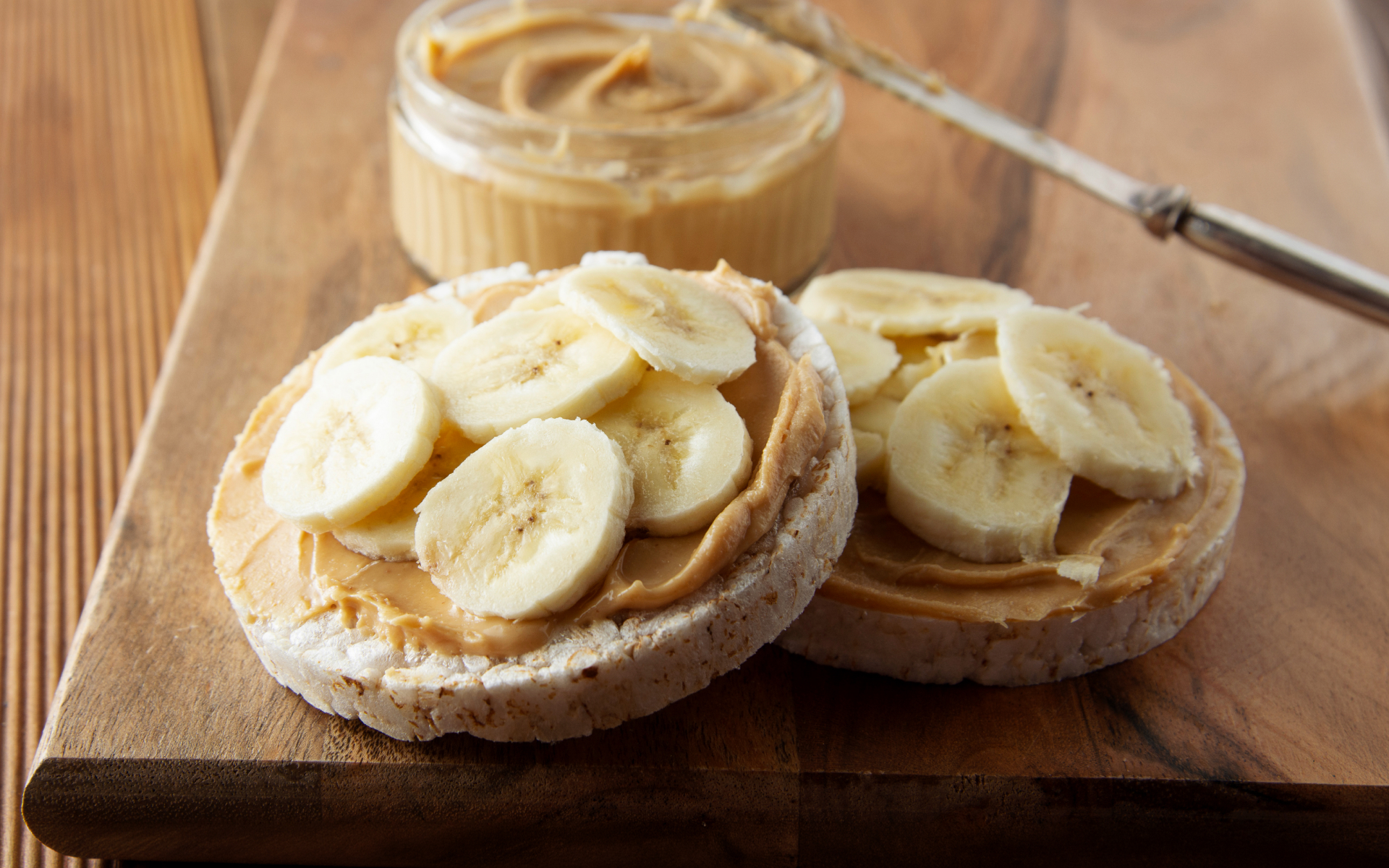
Use nuts or seeds where their flavor and texture improve a meal. Try chopped walnuts on vegetables, peanut butter in a dressing, or avocado beside eggs. Check portions and product labels when carbohydrate tracking is part of your plan.
Chia seeds, flax seeds, and walnuts contain the omega-3 fat ALA. The body converts ALA into EPA and DHA only to a limited extent. Plant omega-3 foods therefore should not be described as nutritionally identical to oily fish (4).
Hemp seeds can also add variety to meals. You do not need to buy every seed mentioned in a keto shopping list. Pick foods you tolerate and will use before they become stale.
Which foods are rich in omega-3 fatty acids?
Fatty fish such as salmon, sardines, and mackerel provides EPA and DHA. Amounts vary by species and preparation. Choosing fish is a food decision; it does not automatically establish a need for fish-oil supplements (4).
Eggs, cheese, and meat can contribute to meals, but they are not interchangeable with oils or nuts. Compare the whole food, including its protein, saturated fat, and preparation. Adding butter to an egg dish changes the meal again.
Our discussion of whether bacon is healthy offers more detail on a common keto ingredient. Keep bacon’s role distinct from the question of choosing everyday unsaturated fats.
- Could help with the management of several illnesses including Alzheimer’s, epilepsy, and autism

- May help in treating depression and anxiety.
Read More: 3 Day Egg Diet: Can It Up Your Protein Intake And Kick Weight Loss Up A Notch?
Do healthy fats help lower cholesterol?
Replacing saturated fat with unsaturated fat can help lower LDL cholesterol. The replacement matters: pouring extra oil over an unchanged diet is not the same dietary change. Individual responses also vary (1).
For a practical swap, cook vegetables in a liquid plant oil instead of butter. Alternatively, replace part of a meat-based meal with beans, tofu, or fish. Choose an option compatible with your dietary preferences and any prescribed eating plan.
General dietary guidance recommends limiting saturated fat to no more than 10% of total energy. It also recommends limiting trans fat to no more than 1%. These are population recommendations, not individual targets (3).
A clinician may recommend a different target based on your circumstances. If your cholesterol changes after a diet change, your doctor can review it with you. Feeling well or reaching a carbohydrate goal does not replace a blood-test discussion.
No single ingredient can ensure a particular cholesterol result. Discuss medication decisions with the clinician who manages them.
Weight gain – while keto has been praised for its effects on weight loss, consistently opting for high calorie high fat foods can lead to weight gain. Remember that consuming too much of this macronutrient can even prevent ketosis.
Which oils should you use for cooking?
Olive, canola, corn, soybean, sunflower, and other nontropical liquid plant oils are common cooking options. Select among them by flavor, cooking method, availability, and price. You do not need a premium oil for every recipe (2).
Olive oil works in dressings and many cooked dishes. A neutral oil can suit recipes where a stronger flavor would distract. Follow the product’s storage instructions and keep the bottle closed between uses.
Avoid heating oil until it smokes. Discard oil that smells rancid, and do not repeatedly reuse cooking oil. Choose a bottle size that suits how quickly you use it (2).
| Cooking task | Possible choice | Practical reason |
|---|---|---|
| Salad dressing | Olive oil | Adds its own flavor |
| Everyday sautéing | Olive or canola oil | Fits many savory dishes |
| A recipe needing little oil flavor | Canola or soybean oil | Allows other ingredients to stand out |
| Finishing a dish | A small amount of a flavored oil | Adds flavor after cooking |
These examples are culinary options, rather than a ranking. Check ingredient labels when cooking for someone with allergies. Specialty blends may contain several oils or added flavorings.
Keto says yes to almost all kinds of butters, ghee, and cooking oils so do not be shy to experiment. Try making some shrimp in butter on one night then switch to olive oil on the next two nights, then maybe throw in a dash of sesame, avocado or peanut oil. Not only do you get to consume these healthy fats for keto but experimenting allows you to enjoy food more which may help your chances of sticking to a healthier version of the eating plan.
BetterMe app will provide you with a host of fat-frying fitness routines that’ll scare the extra pounds away and turn your body into a masterpiece! Get your life moving in the right direction with BetterMe!
How can I replace saturated and trans fats with healthier fats?
Start by replacing a familiar ingredient in a meal you already cook. Adding several new toppings at once makes portions harder to judge. Choose changes that also improve flavor or convenience.
- Identify the main added fat in one regular meal.
- Choose an unsaturated-fat alternative you enjoy.
- Measure the amount during preparation.
- Taste the finished dish before adding more.
- Repeat the change if it suits your routine.
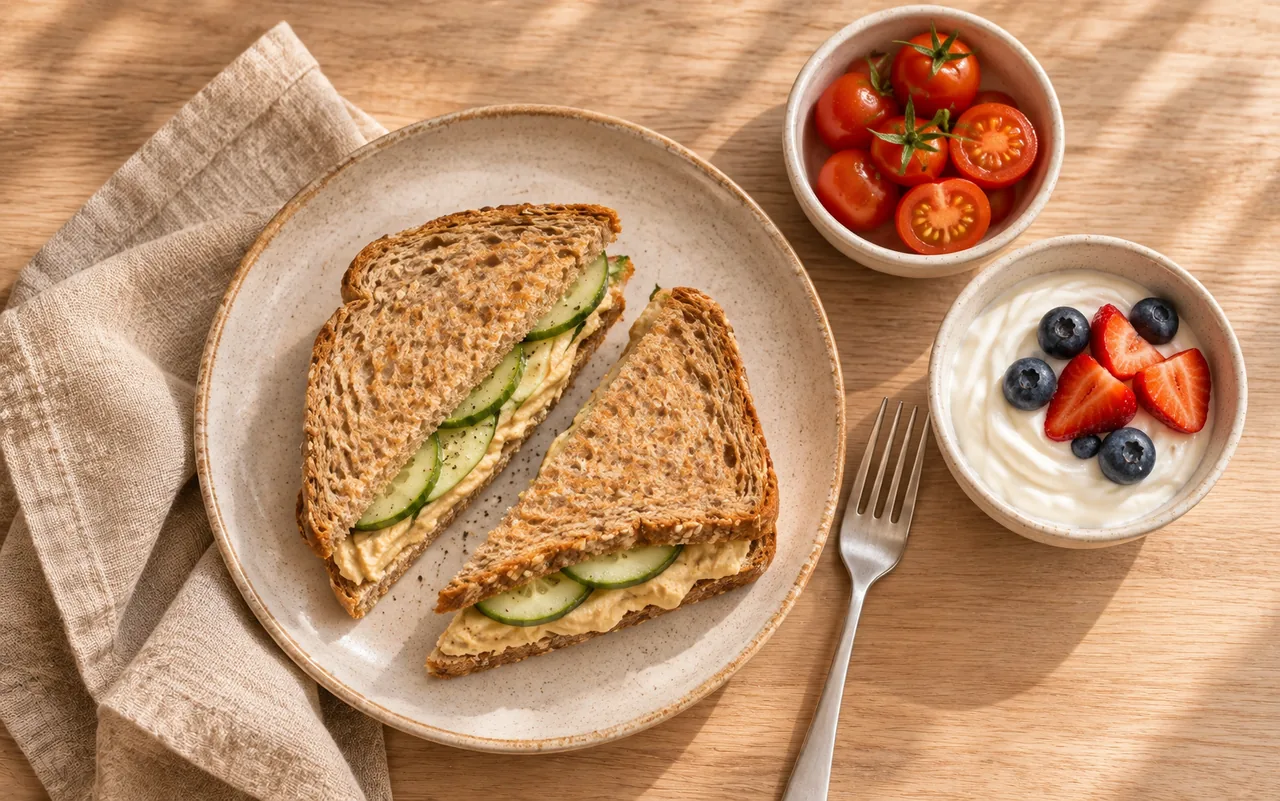
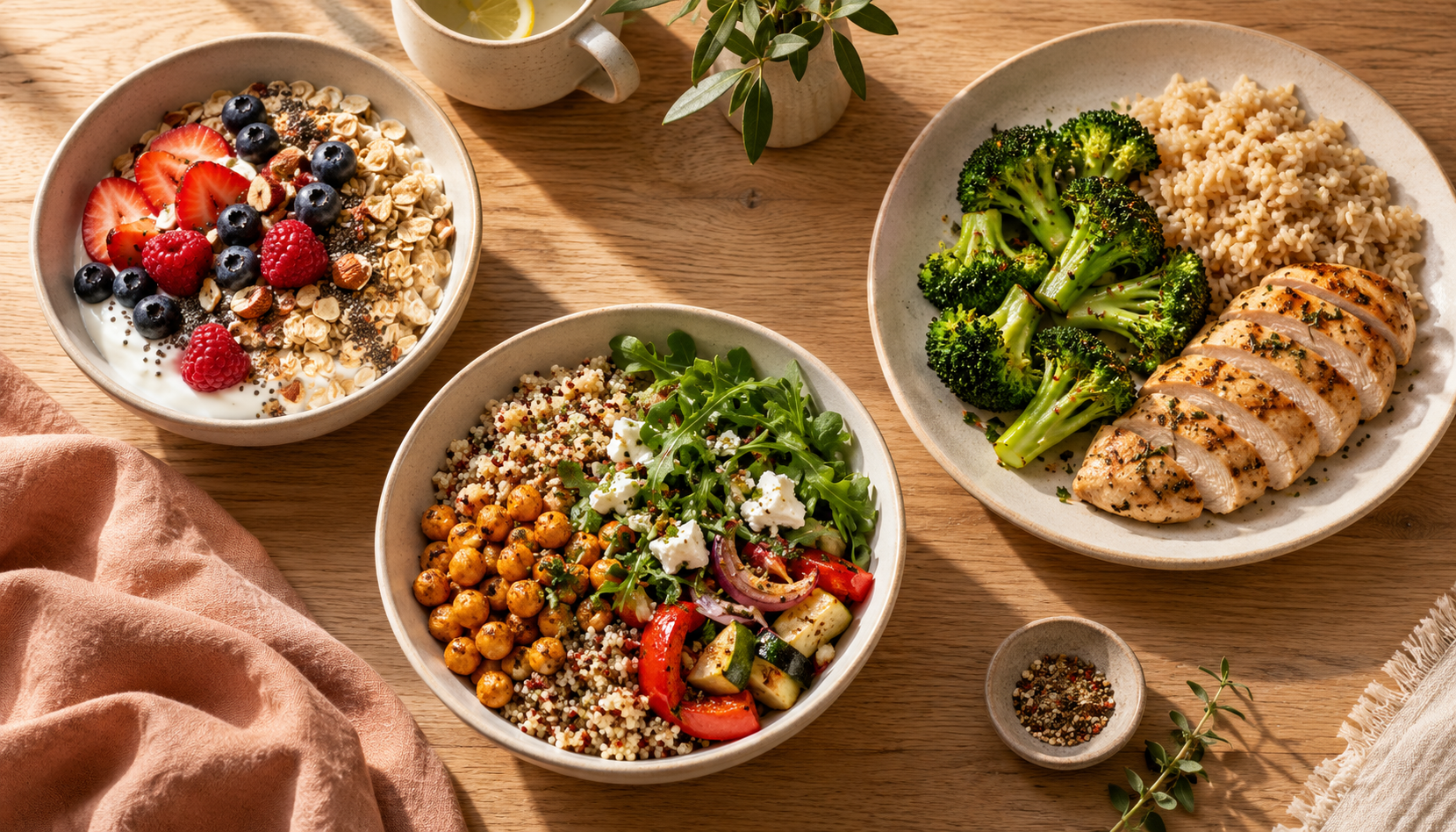
For breakfast, try peanut butter on toast or seeds in yogurt. At lunch, use an oil-based dressing with vegetables and a protein food. At dinner, cook fish or tofu with vegetables and a suitable side.
A snack is optional. If you want one, portion nuts into a bowl instead of eating directly from a large package. There is no requirement to add fat to coffee or prepare fat bombs to eat well.
Check the label for total fat and the amount of saturated fat, then compare the same portion size across products. Two label servings provide twice the listed nutrients and calories. The printed serving size is a reference amount, not a recommendation for everyone (5).

How much fat should I eat each day?
Daily fat intake depends on energy needs and the eating plan. General adult guidance recommends that total fat provide 30% or less of daily energy (3). A registered dietitian can help interpret this guidance for individual needs. Large portions of high-fat foods can increase overall energy intake and crowd out other foods. A diet centered on butter, cream, and fatty meat can also contain substantial saturated fat. Review both the amount and the type (1).
Avoid removing vegetables, protein foods, or other tolerated foods simply to make room for more added oil. A meal plan should be workable across a normal week, including meals away from home.
If your eating plan was prescribed for a medical reason, discuss changes with your care team. General keto meal suggestions cannot replace that plan. Get advice when food restrictions become difficult to manage or leave few acceptable choices.
Why does the body need dietary fat?
Dietary fat supplies energy and helps the body absorb vitamins. Some fats are essential because the body cannot make them, including the omega-3 and omega-6 fatty acids obtained through food (1). A healthy diet includes varied foods alongside these fats.
How can I identify fat content on food labels?
Start with the serving size, then read total fat, saturated fat, and trans fat for that amount. Multiply the figures when you eat more than one serving. A label serving is a reference amount, so adjust the calculation to your actual portion (5).
Are low-fat foods a healthier choice?
A lower-fat label alone does not describe the whole food. Compare saturated fat, added sugar, sodium, ingredients, and the portion you plan to eat. Low-fat dairy can be one option for replacing full-fat dairy; nuts and seeds remain useful unsaturated-fat choices even though they contain more total fat (1).
Frequently Asked Questions
Is coconut oil the same as olive oil nutritionally?
No. Coconut oil contains considerably more saturated fat, while olive oil is mainly unsaturated. Use the label to compare equal amounts before making a substitution (2, 3).
Does peanut butter count if it contains added sugar?
Peanut butter still contains fat, but the complete product matters. Compare the ingredient list, added sugar, sodium, and portion you plan to eat.
Should I buy omega-3 supplements if I eat seeds?
Eating seeds does not automatically create a supplement requirement. ALA differs from EPA and DHA; discuss supplementation when your diet or clinical circumstances warrant it (4).
Can I use a smaller portion than the label serving?
Yes. Scale the listed nutrients to the amount you use; half a serving provides approximately half the listed amounts. Label values are rounded (5).
Do I need several oils to eat a varied diet?
No. One suitable cooking oil can cover many meals. Dietary variety can also come from the vegetables, protein foods, nuts, and seeds you eat.
The bottom line
Choose one regular meal and replace some saturated fat with an unsaturated-fat food you enjoy. Keep portions visible and the rest of the meal varied. Keto preferences do not remove the need to consider cholesterol, dietary adequacy, and your own care plan.
Disclaimer
DISCLAIMER:
This article is intended for general informational purposes only and does not address individual circumstances. It is not a substitute for professional advice or help and should not be relied on to make decisions of any kind. A licensed physician should be consulted for diagnosis and treatment of any medical conditions. Any action you take upon the information presented in this article is strictly at your own risk and responsibility!
SOURCES:
These sources support the research cited in this article.
- Fats in Foods (2026, www.heart.org)
- Healthy Cooking Oils (2023, www.heart.org)
- WHO updates guidelines on fats and carbohydrates (2023, www.who.int)
- Omega-3 Fatty Acids: Fact Sheet for Health Professionals (n.d., ods.od.nih.gov)
- Serving Size on the Nutrition Facts Label (2024, www.fda.gov)
 Reviewed by
 Reviewed by

 By