
A fasted morning workout means exercising before breakfast after an overnight fast. Whether it suits you depends on your health, the session, and how you feel. Our guide to fasted cardio benefits explains the distinction between using fat during exercise and losing body fat over time.
Every fast is a personal experience. Your dietary preferences, body composition, and activity level all influence your fasting journey. It’s advisable to consult with a healthcare provider before embarking on a fasting regimen.
Following exercise and diet plans is the key in your fitness journey and greatly impacts results. In 4 weeks users can typically expect to lose not more than 1-2 lbs per week. Individual results may vary.
Key takeaways
- An overnight fast and a multi-day fast are different situations; the sample workouts here concern overnight fasting only.
- Long-term weight management depends on the overall eating and activity pattern (1).
- Stop exercising if you feel shaky, dizzy, faint, or unusually weak.
- Eating before training is an option; adjust food and timing to your tolerance.
- A carbohydrate review found that effects on lifting performance varied with the workout and feeding conditions (2).
- Post-exercise protein intake of 20-40 grams is discussed in sports-nutrition guidance, with needs varying by body size and training (3).
- Adult activity guidance includes at least 150 minutes of moderate aerobic activity weekly and strength work on at least two days (4).
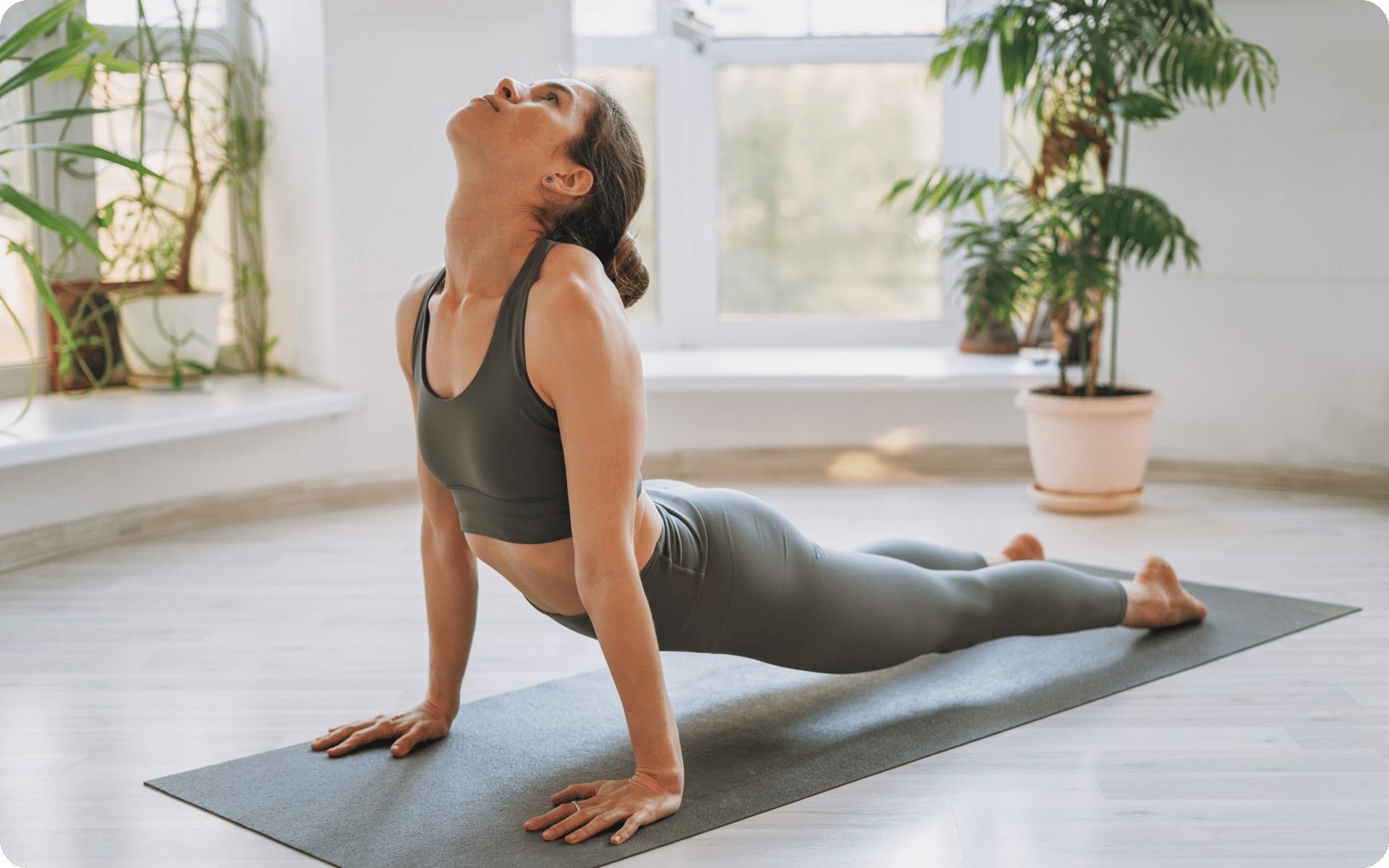
Is it okay to work out in the morning fasted?
Some people prefer exercising before breakfast; others feel or perform better after eating. Fasting here means an overnight period without food, not a prolonged fast.
Ask a healthcare professional before combining fasting and exercise if you have a condition or take medication that affects blood glucose. Pregnancy, a history of disordered eating, or recurrent dizziness also warrant individual advice.
A fasted morning workout tends to suit:
- Easy to moderate cardio, such as a 20-40 minute walk or jog
- Short lifting sessions of 20-30 minutes
- People who feel uncomfortable eating early
It may feel harder for:
- Hard interval sessions
- Long endurance efforts over 60 minutes
- Anyone prone to feeling shaky, dizzy, or lightheaded
Choose a manageable session and stop if you feel unwell. Eating first is a reasonable option, not a failure of the workout.
Read more: 84-hour water fast: research, risks, and limitations
Is it better to work out in the morning on an empty stomach or after breakfast?
Neither option is clearly better. It depends on your session and how you feel. The fasted workout vs non-fasted debate rarely has one winner. Fasted means training before eating. Non-fasted means eating something first.
An empty stomach may suit you when:
- Your workout is short or moderate
- You get an upset stomach eating early
- You value convenience and routine
Eating first may help when:
- Your session is long, over 60 minutes
- You train at high intensity
- You feel weak or unfocused without food
You don’t need a big meal to train fed. A banana, a slice of toast with honey, or a small yogurt can be enough (5). Individual results vary, so test both and notice which helps you perform and feel good.
You can read more in our guide, Should I Work Out on an Empty Stomach?
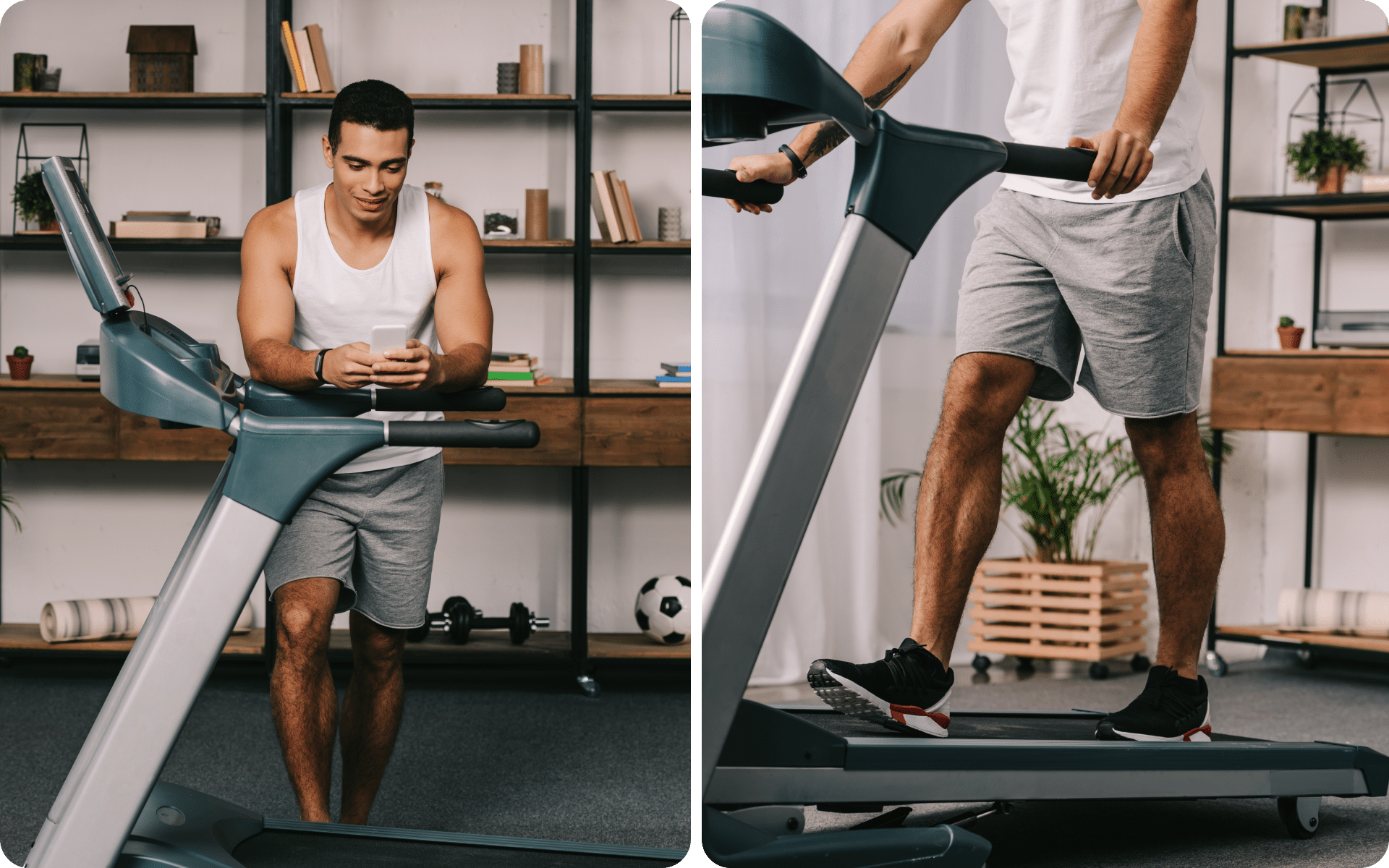
Does a fasted workout burn more fat?
Using more fat as fuel during one session does not establish greater long-term body-fat loss. Evidence from different fasting schedules cannot automatically be applied to an overnight fast.
- One small study found greater fat oxidation during evening cycling after a seven-hour daytime fast, alongside impaired performance. That protocol was not an overnight fast followed by morning exercise (6).
- Over weeks and months, the overall eating and activity pattern matters for weight management (1).
A review of intermittent fasting or calorie restriction combined with exercise did not isolate the effect of calorie-matched fasted versus fed morning workouts (7). It cannot establish that one morning routine is superior.
Fat burned during one workout is a small share of your weekly fat balance. Both approaches can support weight goals when your overall nutrition stays steady.
Is it good to exercise immediately after waking up?
Exercising right after waking can work well for gentle sessions, although harder efforts often benefit from a short buffer. Your body may need a few minutes to feel alert and ready.
Right after waking, some people feel stiff, slightly dehydrated, or not fully switched on. A short ramp-up helps.
A simple wake-up routine before training:
- Drink water according to thirst and your usual needs.
- Add optional coffee if you enjoy it
- Move gently for 5-10 minutes to warm up
Usually fine right after waking:
- Walking
- Easy cycling
- Mobility work
- Light-to-moderate lifting after a warm-up
Better with a longer warm-up:
- Heavy lifting, e.g. squats, deadlifts, bench press, etc.
- All-out sprints
- Intense interval work
These morning workout benefits, such as a consistent routine and an energized start, often come down to how you prepare. A focused warm-up can make early sessions feel smoother (8).
Workouts, weight management tools, and recipe ideas come together in the BetterMe: Health Coaching app, giving you practical support for building a more consistent wellness routine.

Is it okay to lift weights on an empty stomach?
Lifting before breakfast is an option for some people, but tolerance varies. Start with a manageable session and use food first if fasting leaves you weak or unwell.
A review found that carbohydrate intake did not consistently improve resistance-training performance across all conditions; benefits depended partly on factors such as fasting and workout volume (2).
When fasted weight training tends to work well:
- Sessions of 45-60 minutes
- A manageable number of sets with controlled effort
- Days when you ate reasonably well beforehand
When food first may help:
- Longer or more demanding lifting sessions
- Heavy lower-body days
- Two training sessions in one day
Let us weigh the pros and cons of fasted weight training simply.
Possible fasted weight training benefits:
- Convenient and time-saving
- May suit people who dislike eating early
- Can suit a simple morning routine
Possible downsides:
- You may feel weaker on demanding days
- Performance can dip in long or high-volume sessions
- Not ideal if you feel lightheaded
Sports-nutrition guidance discusses 20-40 grams of protein per feeding after training, adjusted for body size and training needs (3).

What are some exercises to avoid before breakfast?
Consider eating first or reducing the workload before demanding exercise. There is no universal list of exercises that everyone can perform fasted.
Long endurance efforts and intense intervals can be demanding. Your health, fueling, experience, and response should guide the choice.
The table below compares common workout types, why they may feel harder fasted, and gentler alternatives.
| Workout type | Why it may feel harder fasted | Better fasted alternative |
|---|---|---|
| All-out sprints | Rely on fast energy; may feel flat without fuel | Easy 20-30-minute jog or brisk walk |
| High-intensity interval training (HIIT) | Repeated hard efforts can feel draining | Moderate steady-state cardio at a conversational pace |
| Long endurance runs or rides (60+ minutes) | Extended effort may lower energy late in the session | Shorter 30-40-minute easy session |
| High-volume weight training | Large muscle demand may reduce output | Moderate full-body lift, 2-3 sets per exercise |
| Hard training circuits | Nonstop effort can feel taxing early | Light mobility or technique-focused work |
Stop if you feel shaky, dizzy, faint, or unusually weak. Seek medical advice for recurring symptoms. Urgent symptoms such as chest pain or fainting require prompt medical attention.
Read more: Fasting while traveling
What is a good fasted morning workout plan?
The following are adjustable sample workouts for people already able to perform the activities. They are not evidence that fasting improves the workout or suits everyone.
Each plan assumes you hydrate first and warm up for 5-10 minutes.
| Plan | Duration | Intensity | Who it may suit |
|---|---|---|---|
| Beginner cardio | 20-30 minutes | Low to moderate; conversational pace | New exercisers or anyone who is easing into morning workouts |
| Intermediate mix | 40-45 minutes | Moderate; brisk but sustainable | Regular movers who want cardio plus light strength |
| Strength-focused | 45-60 minutes, a longer option | Moderate; 6-10 reps at controlled effort | People who are comfortable lifting and want a full-body session |
Here’s a sample strength-focused plan you can adjust. Rest for 60-90 seconds between sets.
| Exercise | Sets | Reps |
|---|---|---|
| Goblet squat | 3 | 6-8 |
| Dumbbell bench press | 3 | 6-10 |
| Seated row | 3 | 8-12 |
| Glute bridge | 2 | 6-10 |
| Lateral raise | 2 | 10-15 |
Individual results vary, so scale the weight and volume to your own level.
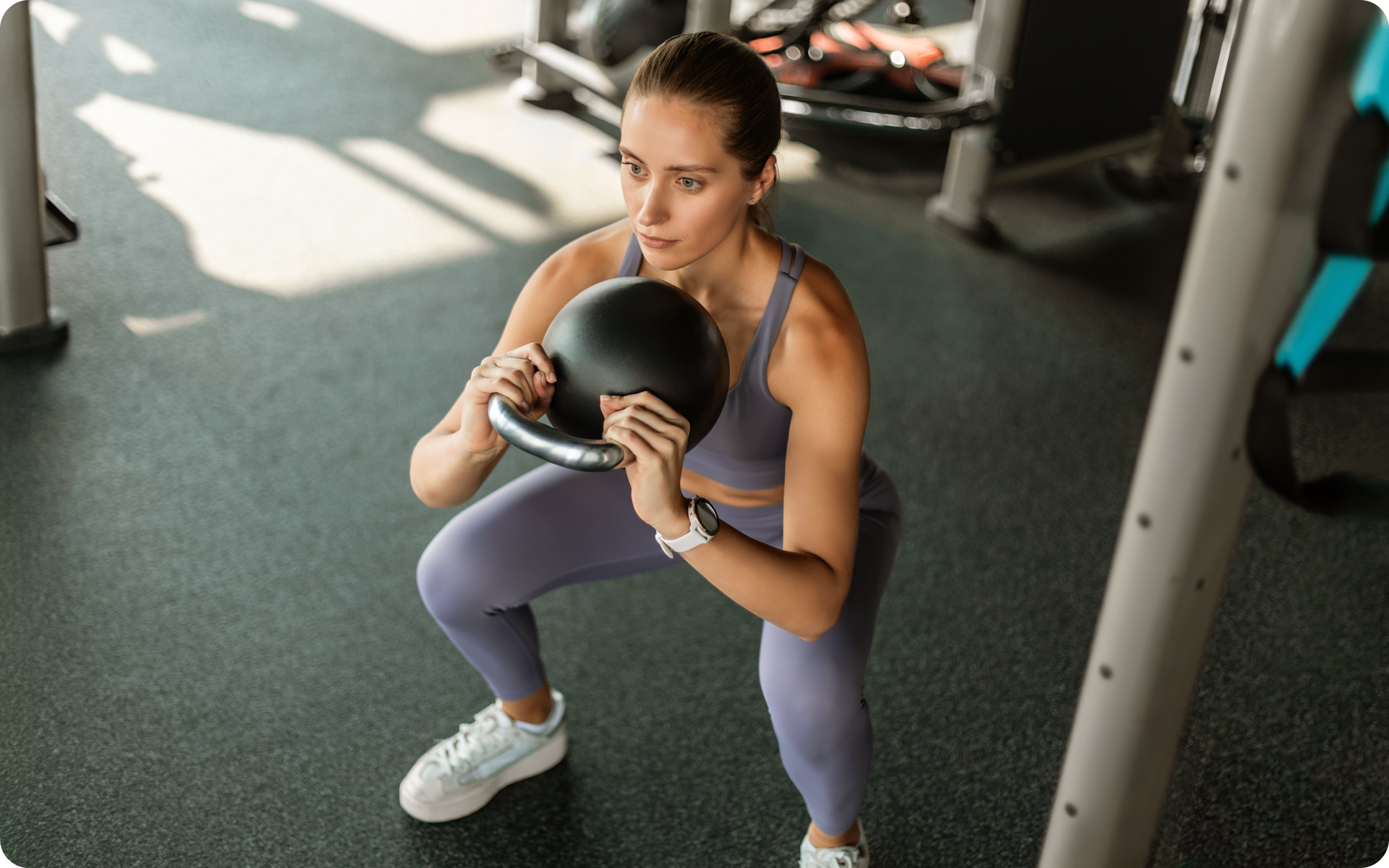
Goblet squat
- Hold one dumbbell or kettlebell close to your chest with both hands.
- Stand with your feet slightly wider than shoulder-width apart.
- Lower your hips down and back, keeping your chest tall.
- Descend until your thighs reach about parallel to the floor.
- Press through your feet to stand back up.
Dumbbell bench press
- Lie on a flat bench holding a dumbbell in each hand.
- Start with the weights near your chest, your elbows bent.
- Press the dumbbells up until your arms are nearly straight.
- Lower them slowly back toward your chest.
- Keep your movements smooth and controlled.
Seated row
- Sit at a row machine, or secure a suitable resistance band to an anchor rated for exercise.
- Hold the handles with your arms extended in front of you.
- Pull the handles toward your lower ribs.
- Squeeze your shoulder blades together at the end.
- Return slowly to the starting position.
Glute bridge
- Lie on your back with your knees bent
- Press through your heels as you hinge your hips to the sky
- Pause briefly at the top with your glutes engaged
- Lower your hips back to the ground slowly and with control
Lateral raise
- Stand holding a light dumbbell in each hand at your sides.
- Keep a slight bend in your elbows.
- Raise your arms out to the sides until they’re at about shoulder height.
- Pause briefly at the top.
- Lower the weights slowly back down.
When’s the worst time to work out?
The worst time to work out is when you feel under-rested, under-fueled, or dehydrated, not a specific hour on the clock. Timing matters less than your overall state.
For fasted training, the toughest combination tends to be a hard, long session after little sleep and no fluids.
Signs it may be a poor time to push hard:
- You slept very little
- You feel dehydrated or very hungry
- You haven’t recovered from a previous session
- Your energy feels unusually low
On those days, reduce the effort, eat first, or rest. Do not use a general review of fasting to override symptoms or a need for recovery.
The takeaway is simple: match your effort to how your body feels that morning. A flexible approach supports lasting, consistent habits.
If you like structured eating windows, you can learn more in our guide, Intermittent Fasting with a Morning Workout.
BetterMe offers a variety of workouts, recipes, challenges, and support tools to help you stay more consistent with your wellness routine. Explore the app to find features that fit your goals, preferences, and schedule.

FAQs
What is the 30-30-30 morning workout rule?
The 30-30-30 rule is a popular routine where you eat 30 grams of protein within 30 minutes of waking, then do 30 minutes of low-intensity movement (9). It’s often shared as a simple structure for morning habits. Some people find it helpful for routine and steady energy. It isn’t a strict fasted approach, as it includes eating first.
Should you work out on an empty stomach in the morning?
Working out on an empty stomach isn’t clearly better. It depends on your goals, session, and comfort. Easy or moderate sessions often feel fine fasted, while longer or intense sessions may feel better with a small snack first. Try both approaches for a week each. Notice which supports your energy, focus, and consistency, then choose what fits you.
Is 20 minutes of fasted cardio enough?
Yes, 20 minutes of fasted cardio can be enough for many people, particularly for general movement and routine. A brisk 20-minute walk or easy cycle supports daily activity goals. For broader fitness, most guidance points to 150 or more minutes of moderate cardio weekly (4). So a short daily session adds up nicely over a week. Individual needs vary.
How late is too late to work out?
If strenuous evening exercise affects your sleep, try finishing it at least four hours before bedtime or choosing lighter activity closer to bed. The supporting study was observational, so it does not establish one cutoff for everyone (10).
Can I work out while fasting for 3 days?
Training during a multi-day fast is not covered by this guide. Please talk to a healthcare provider before any fast longer than a day.
The bottom line
A fasted morning workout can be a practical, flexible option when it fits your body and your day, although it isn’t a must for results. Your total nutrition, protein, sleep, and consistency shape your progress far more than meal timing. Choose the approach that helps you feel strong and show up regularly.
DISCLAIMER:
This article is intended for general informational purposes only and does not serve to address individual circumstances. It is not a substitute for professional advice or help and should not be relied on for making any kind of decision-making. Any action taken as a direct or indirect result of the information in this article is entirely at your own risk and is your sole responsibility.
BetterMe, its content staff, and its medical advisors accept no responsibility for inaccuracies, errors, misstatements, inconsistencies, or omissions and specifically disclaim any liability, loss or risk, personal, professional or otherwise, which may be incurred as a consequence, directly or indirectly, of the use and/or application of any content.
You should always seek the advice of your physician or other qualified health provider with any questions you may have regarding a medical condition or your specific situation. Never disregard professional medical advice or delay seeking it because of BetterMe content. If you suspect or think you may have a medical emergency, call your doctor.
SOURCES:
- Dietary and Behavioral Strategies for Weight Loss and Weight Loss Maintenance: A Narrative Review (2025, mdpi.com)
- The Effect of Carbohydrate Intake on Strength and Resistance Training Performance: A Systematic Review (2022, mdpi.com)
- International society of sports nutrition position stand: nutrient timing (2017, tandfonline.com)
- Adult Activity: An Overview | Physical Activity Basics (2023, cdc.gov)
- 5 nutrition tips to maximize workouts (2025, mayoclinichealthsystem.org)
- Fasting Before Evening Exercise Reduces Net Energy Intake and Increases Fat Oxidation, but Impairs Performance in Healthy Males and Females (2022, journals.humankinetics.com)
- Effects of Intermittent Fasting and Calorie Restriction on Exercise Performance: A Systematic Review and Meta-Analysis (2025, mdpi.com)
- Dynamic Warm-ups Play Pivotal Role in Athletic Performance and Injury Prevention (2024, pmc.ncbi.nlm.nih.gov)
- What Is The Trending 30-30-30 Diet Method and Does the Rule Actually Work? (2023, mcpress.mayoclinic.org)
- Dose-response relationship between evening exercise and sleep (2025, pmc.ncbi.nlm.nih.gov)

 By

 By

 Reviewed by

 Reviewed by