
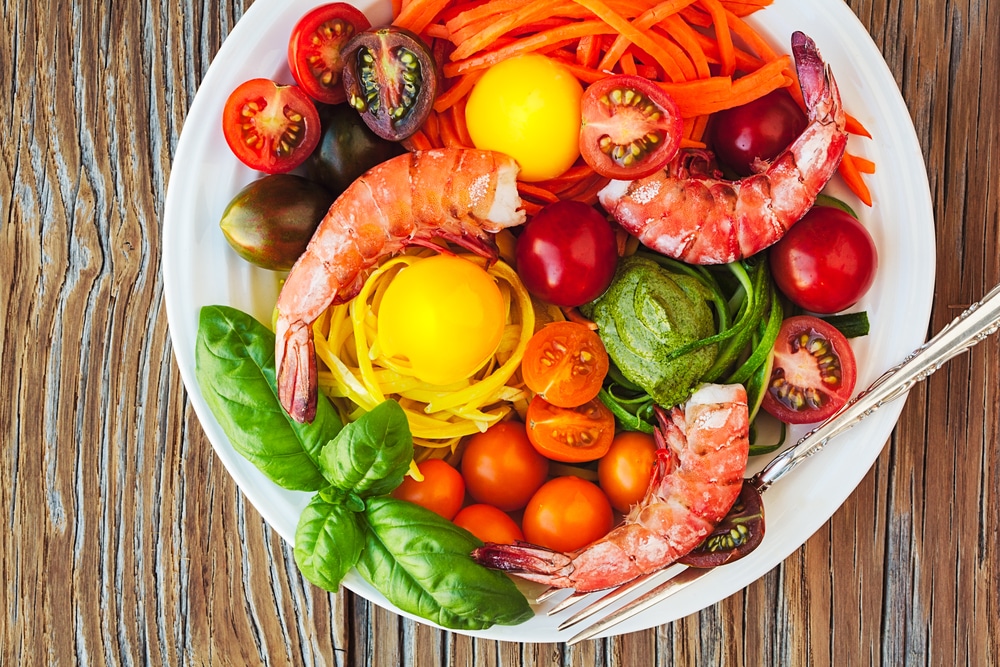
The Autoimmune Protocol Diet (AIP Diet) is an elimination-style eating approach that some people use as a structured way to explore how different foods may affect how they feel (5). It typically involves removing certain foods for a period of time and then reintroducing them one by one to identify which foods may not feel like a good fit for you, which can vary by person. During the elimination period, people often focus on simple, minimally processed foods and a consistent routine. If you have a medical condition or ongoing digestive concerns, it’s best to consult a healthcare professional before making major dietary changes.
Who Might Consider The Autoimmune Diet?
Your immune system helps protect your body from everyday external threats, such as certain germs. This process is part of normal body function.
In autoimmune conditions, the immune system may respond in a way that affects the body’s own tissues (1).
The causes of autoimmune conditions are still being studied. Researchers have explored a mix of factors, including genetics, environment, infections, and stress, among others (1).
Some people who follow the AIP diet do so as a structured elimination-style approach to explore how certain foods may affect how they feel. Responses can vary from person to person.
Some autoimmune conditions are often discussed in relation to the AIP diet (1). This is informational only and not medical advice:
- Rheumatoid arthritis
- Lupus
- Celiac disease or gluten intolerance
- Multiple sclerosis or MS
- Psoriasis
People who are pregnant, lactating, underweight, or malnourished may find highly restrictive diets inappropriate. If you’re considering an elimination diet, it’s best to consult a healthcare professional before making major dietary changes, as restrictive diets may not be appropriate for everyone.

How Does The Autoimmune Protocol Diet Work?
There are two phases that will be covered here:
The Elimination Phase
The elimination phase is a temporary period where some people choose to remove certain foods from their routine to observe how different foods may affect how they feel (5).
During this time, foods like eggs, dairy, gluten, nuts, seeds, nightshade vegetables (like peppers and tomatoes), coffee, and tea are commonly avoided. Some people also choose to simplify other variables during this phase.
While doing this, people often focus on fresh, nutrient-dense foods that are rich in antioxidants. The length of the elimination phase can vary, and many sources describe ranges like 30–90 days (5). Because elimination diets can be restrictive, it’s best to consult a healthcare professional before making major dietary changes, and to make sure you’re still meeting your nutrient needs.
Read More: 6 Food Elimination Diet: How To Do It Correctly And Identify Your Triggers
The Reintroduction Phase
After the elimination phase, some people choose to reintroduce foods gradually to observe how different foods may affect how they feel.
During this time, foods that were previously removed are typically added back in one at a time, often with a few days in between. If you notice a food doesn’t feel like a good fit for you, you may choose to pause it and try again later.
This process can be useful for anyone who wants to better understand personal preferences and tolerance, and it can add flexibility over time.
Here’s a step-by-step approach some people use during the reintroduction phase:
- Choose one food to reintroduce. Start with a small amount and pay attention to how you feel over the next day. If you don’t feel well, pause that food and consider re-trying it later. If you feel fine, move to step 2.
- Try a slightly larger portion. Monitor how you feel for a few hours afterward. If you don’t feel well, pause that food. If you feel fine, move to step 3.
- Try a normal portion. Then wait a few days before reintroducing another new food. If you continue to feel fine, you can choose to include that food in your routine. After a few days, repeat the process with a new food.
Because elimination diets can be restrictive and individual needs vary, it’s best to consult a healthcare professional before making major dietary changes, especially if you have a medical condition or take medications.

Foods To Eat And Avoid During The Elimination Phase
The AIP diet is a highly restrictive eating approach, so here are examples of foods that are commonly included and commonly avoided during the elimination phase. Individual needs vary, so it’s best to consult a healthcare professional before making major dietary changes.
Foods Commonly Avoided
During the elimination phase, these foods are commonly avoided:
- Grains – rice, oats, wheat (and anything made with them like breads and pastas), rye, barley
- Legumes – beans, peas and peanuts, and foods derived from them. Soy and soy products are also commonly avoided during this phase
- Nightshade vegetables – bell peppers (red and green), eggplants, tomatoes, and spices derived from them such as paprika
- Alcohol – wines, beer and liquor.
- Eggs – both yolk and whites, including products like mayonnaise
- Dairy – milk (from any animal), cheese, cream, yogurt
- Nuts – peanuts (actually a legume) and all other nuts like walnuts, Brazil nuts, pistachios
- Certain vegetable oils – soybean, canola, sunflower, safflower, grape seed oils
- Added sugars – cane sugar (sucrose), beet sugar, barley malt syrup, brown rice syrup, high-fructose corn syrup; plus sweets and desserts that may contain these ingredients
- Food additives and artificial sweeteners – MSG (monosodium glutamate), carrageenan, maltodextrin, hydrolyzed vegetable protein, artificial sweeteners like aspartame and sucralose
- Dried fruit – raisins, cranberries, apricots, dates and other dried fruit
- Coffee – all types including decaf
- Yeast and Brewer’s yeast.
BetterMe helps you stay focused on your wellness goals. Nutrient-packed meal plans, energizing workouts, motivating challenges, and much more. Try using the app and see what works for you!

Foods Often Included
During the elimination phase, these foods are commonly included:
- Vegetables – most except nightshades (and, in some versions, algae/sea vegetables)
- Fruits – many, often in moderation
- Minimally processed meats – beef, chicken, duck, pork, organ meats, seafood
- Fermented foods – sauerkraut, kimchi, coconut aminos
- Bone broths – beef, chicken, and fish
- Herbs and spices – parsley, rosemary, basil and ginger (fresh or powdered). Some versions avoid spices derived from seeds.
- Minimally processed vegetable oils – extra virgin olive oil, coconut oil, flaxseed oil
- Certain teas – herbal teas, green tea
- Honey, maple syrup and unprocessed sugars – typically in small amounts.
Does The AIP Diet Work
Research on the AIP diet is limited, and people’s experiences can vary. Some people choose this elimination-style approach as a structured way to explore how different foods may affect how they feel.
Digestion-Focused Approach
The elimination phase typically removes several common food groups for a period of time, then reintroduces them gradually. Some people use this structure to better understand which foods feel like a good fit for them (5).
Tracking How You Feel
For some people, a structured reintroduction phase can make it easier to notice patterns in how they feel after certain foods (7, 8). If you have a medical condition or concerns, or you’re considering a restrictive diet, it’s best to consult a healthcare professional before making major dietary changes.
Furthermore, research on the AIP diet is still limited, and more high-quality studies are needed (4).
Support Overall Wellbeing
Some people focus on eating patterns that emphasize minimally processed foods, fiber-rich ingredients, and balanced meals as part of a general wellness routine.
A number of health topics are often discussed in relation to long-term inflammation, but the science is complex and varies by individual (3). A restrictive elimination diet is not necessary or appropriate for everyone. For those looking for a more balanced, less restrictive approach, eating patterns like the Mediterranean, DASH, and MIND diets emphasize variety and whole foods and are popular options to explore.
Read More: Elimination Diet: The Answer To All Your Tummy Troubles
How To Start The Autoimmune Diet Plan
If you’re new to this approach, many versions start by temporarily removing a few commonly avoided foods—such as gluten, dairy, eggs, soy, and corn—to keep the first phase simple and consistent. Some people find it helpful to follow a structured menu for a few days to a week.
After the elimination phase, foods are typically reintroduced gradually, one at a time, with a few days in between, while paying attention to how you feel. This process can take weeks or longer and may vary from person to person. Because elimination diets can be restrictive, it’s best to consult a healthcare professional before making major dietary changes.
Sample 7-Day Autoimmune Diet Plan
This 7-day meal plan is an example of an elimination-style menu. It avoids grains, eggs, legumes, dairy, nuts, and other foods that are commonly excluded during the elimination phase.
Day One
- Breakfast: A cup of bone broth with boiled sweet potatoes
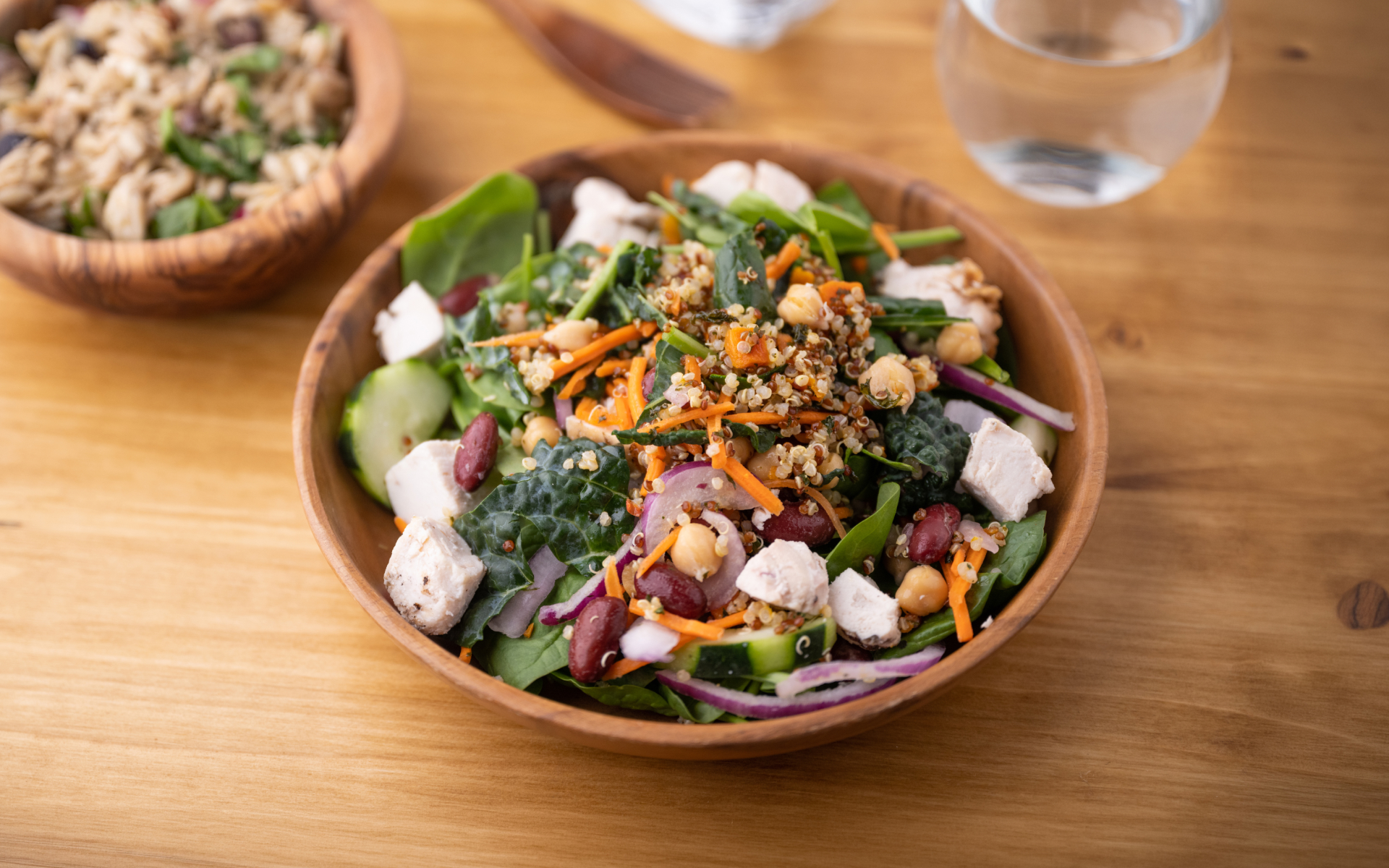
- Lunch: Chicken Caesar salad (no croutons, and check the ingredients list of your dressing or make it yourself)
- Dinner: Salmon with coconut cream sauce
- Snacks: cucumber slices with avocado
Day Two
- Breakfast: Vegetable smoothie made with coconut kefir
- Lunch: Mediterranean salad
- Dinner: Steak and roasted sweet potatoes
- Snacks: Piece of fruit
Day Three
- Breakfast: Green tea and boiled yam
- Lunch: Salad with chicken
- Dinner: Baked sweet potato with fish
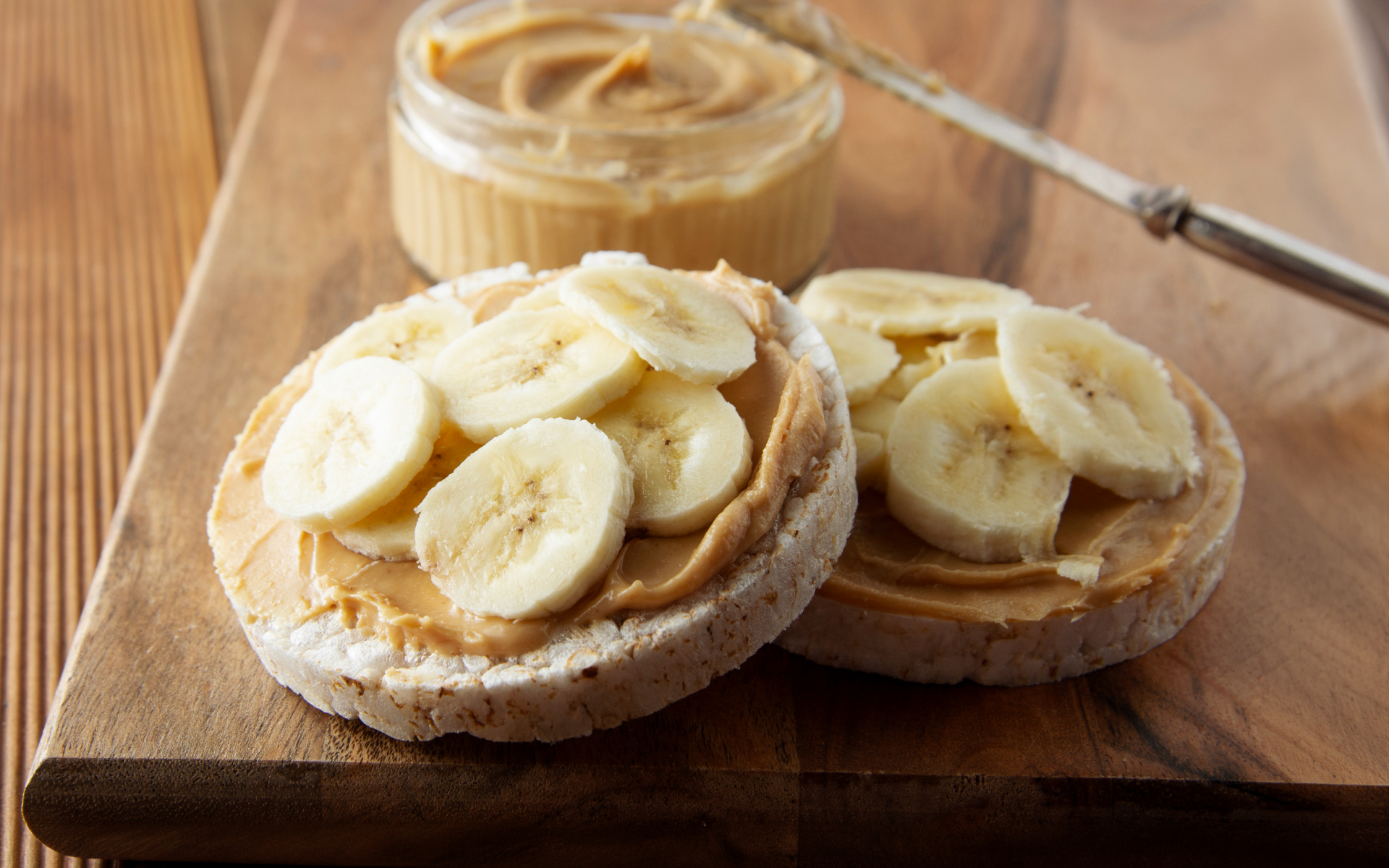
- Snacks: Banana
Day Four
- Breakfast: A cup of bone broth with boiled yam
- Lunch: Vegetable smoothie made with coconut kefir
- Dinner: Chicken stew and yam
- Snacks: Pickles
Day Five
- Breakfast: Veggie stir fry
- Lunch: Beef stew
- Dinner: Green salad topped with tuna
- Snack: Piece of fruit
Day Six
- Breakfast: Boiled sweet potatoes and green tea
- Lunch: Vegetable soup
- Dinner: Turkey and green beans
- Snacks: Bone broth
Day Seven
- Breakfast: Green tea and boiled yam
- Lunch: Vegetable stir-fry
- Dinner: Roasted sweet potato and steak
- Snack: Deep fried yams
BetterMe helps you reset your routine, build healthier habits, and stay consistent with your wellness goals. Intrigued? Start today and see what works for you!

Possible Downsides Of The AIP Diet
There are several challenges you may encounter while following the AIP diet:
Restrictive And Hard To Follow
The autoimmune protocol can be a significant commitment. It is very restrictive and may be difficult to follow, especially since many versions avoid grains, legumes, dairy, eggs, nuts, or soy.
Social situations can also be challenging. Since many restaurants use ingredients like corn, soy, and peanuts, it may be harder to find options that fit your preferences while eating out with friends or family.
Pricey
At least initially, it can be more expensive than other eating approaches since many staple foods may be limited.
May Not Meet Your Nutritional Needs
Because the elimination phase removes many food groups, it may be harder to meet all of your nutrient needs, especially when you also factor in tastes and availability. If you’re considering a restrictive elimination diet, it’s best to consult a healthcare professional or a registered dietitian to make sure your approach is appropriate for you and nutritionally balanced.

Helpful Tips If You’re Trying The AIP Diet
There are a few things to keep in mind if you’re trying an elimination-style eating approach.
Food Isn’t The Only Factor
How you feel day to day can be influenced by many factors, not just food. For example (10):
- Stress – High stress can affect overall wellbeing for some people.
- Environment – Everyday environmental exposures can vary. When possible, many people choose simple habits like washing produce and following general food-safety guidance.
- Routine And Recovery – Sleep, hydration, and regular movement can all play a role in how you feel.
Movement Can Support Overall Wellbeing
Regular physical activity can support mood and stress management, and it may help you feel more energized over time (6). Choose an intensity that feels sustainable for you.

Sleep Supports Overall Wellbeing
Many adults aim for around seven hours of sleep per night. Consistent sleep can support energy, mood, and overall wellbeing (2).
Vitamin D Basics
Vitamin D is an important nutrient that supports overall health. People get vitamin D from foods, supplements, and sunlight, but individual needs can vary (11). If you’re considering supplements, especially in higher doses, it’s best to consult a healthcare professional.
Take Your Supplements
Some people choose to use supplements alongside restrictive eating approaches to help cover potential nutrient gaps. Whether you need supplements depends on your diet, lifestyle, and individual needs.
If you’re considering supplements, it’s best to consult a healthcare professional, especially if you’re on medications, pregnant, or managing a health condition.
Some commonly discussed options include omega-3 supplements, probiotics, or other products depending on your goals and preferences (12).
You May Not Notice A Change Right Away
It can take time to adjust to any new routine. You may not notice changes right away, and experiences can vary from person to person. If you’re not feeling well or have ongoing concerns, consider speaking with a healthcare professional.
The Bottom Line
If you’re considering an elimination-style approach because you feel certain foods don’t sit well with you, the AIP diet is one structured method some people use to explore personal food preferences and tolerance over time. It can be time-consuming and challenging at first, and experiences vary from person to person. Because elimination diets are restrictive, it’s best to consult a healthcare professional before making major dietary changes.
DISCLAIMER:
This article is intended for general informational purposes only and does not serve to address individual circumstances. It is not a substitute for professional advice or help and should not be relied on for making any kind of decision-making. Any action taken as a direct or indirect result of the information in this article is entirely at your own risk and is your sole responsibility.
BetterMe, its content staff, and its medical advisors accept no responsibility for inaccuracies, errors, misstatements, inconsistencies, or omissions and specifically disclaim any liability, loss or risk, personal, professional or otherwise, which may be incurred as a consequence, directly or indirectly, of the use and/or application of any content.
You should always seek the advice of your physician or other qualified health provider with any questions you may have regarding a medical condition or your specific situation. Never disregard professional medical advice or delay seeking it because of BetterMe content. If you suspect or think you may have a medical emergency, call your doctor.
SOURCES:
- Autoimmune Diseases (2021, nih.gov)
- Benefits of Sleep (n.d., harvard.edu)
- Chronic inflammatory systemic diseases (2016, nih.gov)
- Efficacy of the autoimmune protocol diet as a part of multi-disciplinary, supported lifestyle intervention for hashimoto’s thyroiditis (2019, pubmed.gov)
- Efficacy of the Autoimmune Protocol Diet for Inflammatory Bowel Disease (2017, nih.gov)
- Evidence based exercise – clinical benefits of high intensity interval training (2012, pubmed.gov)
- Health Benefits and Adverse Effects of a Gluten-Free Diet in Non-Celiac Disease Patients (2018, nih.gov)
- Histamine Intolerance: The Current State of The Art (2020, nih.gov)
- Impact of diet intervention on autoimmunity in mice (2018, sciencedaily.com)
- Possible Environmental Triggers Associated with Autoimmune Diseases (2012, hss.edu)
- Vitamin D and autoimmune diseases (2019, pubmed.gov)
- Vitamin D and marine omega 3 fatty acid supplementation and incident autoimmune disease: VITAL randomized controlled trial (2022, bmj.com)

 By
By