
What is resting energy? It’s the calories that your body burns to stay alive while you rest, powering things such as breathing, circulation, and cell repair (1). For many adults, resting energy makes up 60-75% of total daily calorie needs, shaped mostly by body size, muscle, age, and sex (2).
Disclaimer: This guide shares general wellness information about calories and weight management. It isn’t medical advice. Individual results vary, so consider talking to a qualified professional about your own needs.
Key takeaways:
- Resting energy is the calorie cost of basic life functions while you’re awake and still (1).
- For many adults, resting energy makes up 60-75% of total daily calorie needs (2).
- Muscle and organ tissue drive resting energy more than body weight alone (2).
- Resting energy can shift over time with weight change, age, and dieting (2).
- Your total daily burn combines resting energy, movement, and food digestion (3).
What Is Resting Energy and What Does It Mean?
Resting energy is the number of calories your body burns to keep you alive while you’re awake, calm, and still. It’s often called resting energy expenditure (REE), meaning the energy used for basic functions when you’re not moving on purpose (1, 2).
Think of it as your body’s “background running cost”. Even when you’re lying on the couch, your body works hard.
It powers essential functions such as:
- Breathing
- Heartbeat and circulation
- Brain activity
- Keeping your temperature steady
- Repairing and maintaining cells
You may also hear the term resting metabolism, which describes this same steady, at-rest calorie burn. Your metabolic rate simply means how quickly your body uses energy overall (4).
Note: Two people who weigh the same can have different resting energy needs. This difference often comes down to body composition, not willpower or luck.

What Is the Difference Between Resting Energy and Active Energy?
Resting energy covers basic life support, while active energy covers calories burned through movement. That’s the core of active energy vs resting energy (5).
Resting energy keeps your organs running when you’re still. Active energy kicks in when you move, whether that’s a walk, a workout, or fidgeting at your desk (3, 5).
A quick comparison of active energy vs resting energy:
- Resting energy: breathing, circulation, cell repair, temperature control
- Active energy: walking, exercise, chores, standing, restless movement
Some of your active energy comes from non-exercise activity thermogenesis (NEAT), meaning calories burned through daily movement that isn’t formal exercise (3). Think pacing, cleaning, or carrying groceries.
For many people, NEAT explains why two people with similar workouts still burn different amounts. Small daily movement adds up more than most expect (6).
Read more: Whole Food Diet for Weight Loss
How Does Your Body Use Energy While You’re at Rest?
Your body uses resting energy to run vital organs, maintain cells, and keep internal systems steady (1, 2). Even when you feel completely still, your insides stay busy.
Different tissues burn energy at different rates (7). This is a key reason why “weight” alone doesn’t explain your calorie needs.
Here’s a rough sense of where resting energy goes and which tissues cost the most (7):
| Tissue or system | Energy demand at rest | Why it matters |
|---|---|---|
| Organs (liver, brain, heart, kidneys) | High per pound | Run constantly and need lots of fuel (2) |
| Muscle (fat-free mass) | Moderate per pound | Its large amount of tissue means that it still makes a meaningful contribution to resting energy expenditure (2, 8) |
| Fat tissue | Lower per pound | Contributes less energy demand per pound (2) |
Fat-free mass means everything in your body that isn’t fat, such as muscle, organs, bone, and water. Some research has suggested that fat-free mass is one of the biggest drivers of resting energy (2, 9).
So if a friend seems to burn more at rest, they may simply carry more muscle or organ mass. It’s often less mysterious than it feels.

How Does Your Activity Level Affect Your Daily Energy Needs?
Your activity level shapes your daily energy needs mostly by adding calories burned through movement, not by changing resting energy much in the short term. More movement usually means a higher total burn (3).
Physical activity is a flexible piece of your daily energy needs. You can adjust it day to day.
Activity affects your energy requirements in two ways:
- Directly: each walk, workout, or chore burns extra calories
- Indirectly: regular training can slowly change muscle mass over time
Exercise often changes active energy more than resting metabolism (10). That’s normal, and it doesn’t make movement any less worthwhile.
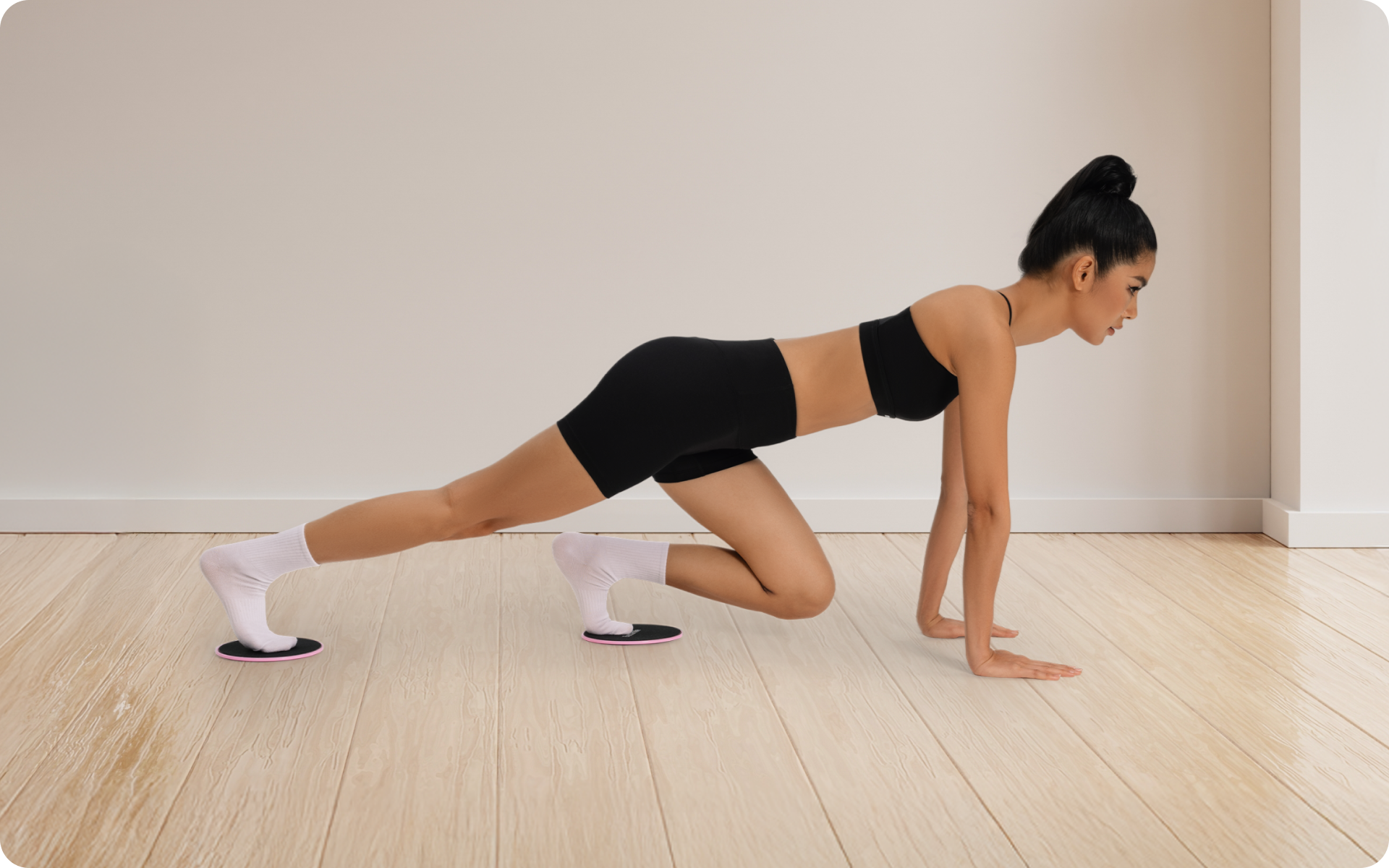
If you enjoy gentle, at-home options, there are plenty of fat burning exercises at home for females and everyone else, from bodyweight squats to marching in place. Choose what feels doable for you.
Are you curious how daily steps add up? You can explore our guide to 20,000 Steps a Day Weight Loss to see how walking shifts total burn.
Is It Better to Have High or Low Resting Energy?
Neither high nor low resting energy is automatically better. What matters most is whether your resting energy fits your body, age, and goals.
A higher resting burn isn’t a prize, and a lower one isn’t a problem. Context is everything.
Higher resting energy often reflects:
- A larger body size
- More muscle or fat-free mass
- Younger age
Lower resting energy often reflects:
- A smaller body size
- Less muscle mass
- Older age or a history of dieting
For context, many adults fall within a resting energy normal range of roughly 1,200–2,200+ calories per day (11). The range is wide because bodies differ so much.
There’s no single “right” number. A smaller older adult and a larger younger adult can both be perfectly healthy with very different numbers.
BetterMe: Health Coaching app can help you build a more structured approach to your wellness routine with meal plans, workouts, and habit-tracking tools. Start using the app to explore options that may support your personal fitness and nutrition goals.

Why Is My Resting Energy So High?
Your resting energy may be high because of larger body size, more muscle, younger age, or normal day-to-day factors. A higher basal metabolic rate, meaning your minimum energy use at complete rest, often traces back to how much tissue your body maintains (2, 3).
Common, everyday reasons include:
- Carrying more muscle or overall body mass
- Being younger, on average
- Recent activity or recovery
- Eating more over the past few days
Some temporary things can nudge it up too, like feeling warm, being active recently, or general growth periods. These often settle on their own.
When people say they have a “fast metabolism”, they often mean one of three things:
- They move more than they realize
- They carry more muscle than they assume
- They eat more on some days and less on others
If you’d like to boost your metabolism gently, building a little muscle and moving more each day are practical, lasting places to start (2).
Read more: Kimchi: Calories, Nutrition, and Health Benefits
What Factors Can Affect How Much Energy You Burn at Rest?
Many everyday factors affect how many calories you burn at rest, and body composition tends to be the biggest one (2). Your resting energy calories aren’t fixed by a single trait.
Here’s a practical look at what tends to raise, lower, or shift resting energy over time (2, 3):
| Factor | Typical effect on resting burn | Practical takeaway |
|---|---|---|
| More muscle (fat-free mass) | Tends to raise it | Strength work can support resting burn |
| Larger body size | Tends to raise it | More tissue means more mass to move. More energy is required to move more weight |
| Aging | Tends to lower it | Muscle loss often drives this shift |
| Long calorie restriction | Tends to lower it | Very low intake may reduce burn over time |
| Being active recently | May shift it up briefly | Movement and recovery raise short-term demand |
A few more influences that are worth knowing:
- Sex: on average, resting energy expenditure for women tends to be a bit lower, mostly due to differences in muscle mass (11)
- Genetics: some differences are simply inherited (12)
- Sleep and daily rhythm: poor sleep may affect appetite and energy patterns (10)
None of these mean anything is wrong with you. They’re just normal parts of how different bodies work.

How Does Resting Energy Fit into Your Overall Daily Calorie Needs?
Resting energy is usually the largest slice of your total daily calorie needs, followed by movement and the energy used to digest food. Together, these three pieces shape your total calories burned each day (3).
That third piece is the thermic effect of food (TEF), which means the calories your body uses to digest, absorb, and process meals (3).
Here’s how a typical day’s energy balance tends to break down (3):
| Component | Rough share of daily burn | What it covers |
|---|---|---|
| Resting energy | 60-75% | Breathing, circulation, cell upkeep |
| Activity (exercise + NEAT) | 15-30% | Workouts, walking, daily movement |
| Thermic effect of food | 5-10% | Digesting and processing meals |
Energy balance simply compares calories in versus calories out. When they match, weight tends to stay steady.
So your total burn isn’t just about workouts. Someone can move a lot and have a high total, even with a moderate resting burn.
How Do You Adapt Your Meal Plan to Your Daily Energy Needs?
You adapt your meal plan to your daily energy needs by estimating your total burn, then matching food intake to your goal. It’s a flexible process that you can adjust over time.
Follow these steps:
- Estimate your baseline. Consider your body size, age, sex, and usual activity level to gauge your energy requirements.
- Pick a goal. Choose whether you want to maintain, lose, or gain.
- Match intake to that goal. Eat around your needs to maintain, a bit less to lose, or a bit more to gain.
- Account for movement. Add a little more food on higher-activity days.
- Protect muscle mass. Prioritize protein and gentle strength work while eating less.
- Adjust with real feedback. Watch weight trends, hunger, energy, and mood over 2-4 weeks.
A modest deficit of 300-500 calories per day is a common, gentle starting point for weight loss (13). Individual results vary, so adjust as you learn what feels sustainable.
If you’re eating fewer calories, a high-protein calorie deficit meal plan can help you feel full while protecting muscle. Aim for a protein source at each meal.
A BetterMe rule of thumb: don’t chase the fastest deficit. Find what works for you and your individual goals. We often suggest starting with the smallest change you can repeat daily, then adjusting only after two steady weeks. Changes to body composition take a little bit of time, so it’s best to find the plan that you enjoy.
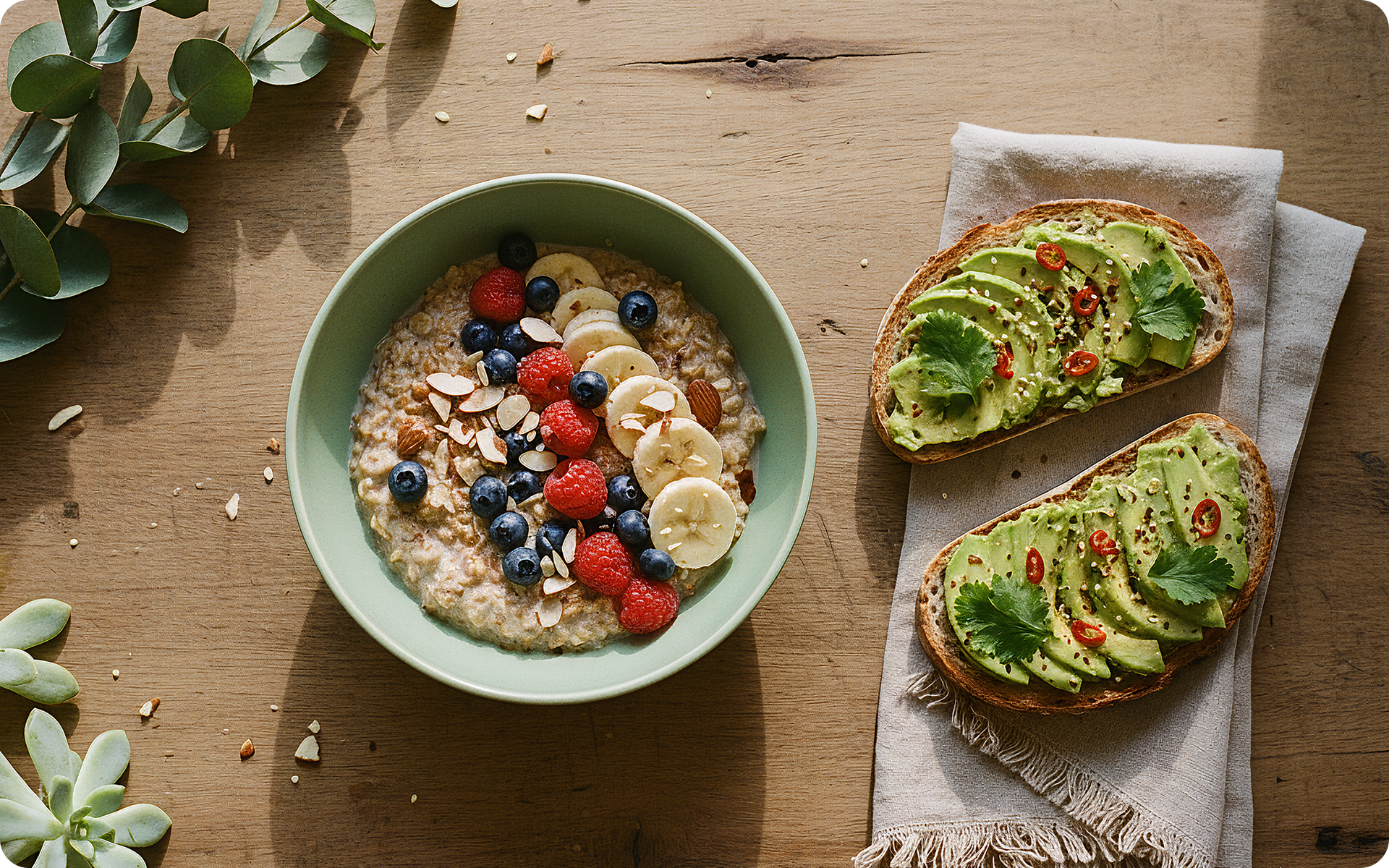
Do you need meal ideas? Some 10 metabolism-boosting foods lists highlight protein-rich picks such as eggs, beans, and lean meats that keep you satisfied.
For a gentle structure to follow, our Six Week Weight Loss guide walks you through pacing changes over time. And if mornings feel rushed, browse our 8 Healthy Breakfast Ideas for Weight Loss for quick, filling options.
Whether you want to refresh your fitness routine, explore lower-calorie recipe ideas, or bring more structure to your wellness habits, BetterMe: Health Coaching app offers tools that can support your next step. Explore the app and find an approach that works for your lifestyle.

FAQs
Is resting energy the same as calories burned?
Resting energy is one part of your total calories burned (1, 2), not the entire picture. Your daily total also includes calories that are burned through movement and calories used to digest food (3). So while resting energy counts toward your burn, it doesn’t cover everything. For many adults, it’s simply the largest single slice.
How many calories do you burn at rest?
Most adults burn roughly 1,200-2,200+ calories at rest per day, but the range is highly individual (11). Your number will depend on your body size, muscle mass, age, and sex. A larger, more muscular body tends to burn more, while a smaller body tends to burn less (2). There’s no single “normal” number without context.
Does sleeping count as resting energy?
Broadly, yes, sleeping counts toward your resting energy, although it’s measured a little differently. Sleeping calorie burn is often slightly lower than awake resting burn. In everyday terms, sleep absolutely counts as part of your baseline energy use (14). Technically, lab-measured resting energy and sleeping energy aren’t always identical, but both keep you running.
Does walking increase your daily energy burn?
Yes, walking clearly increases your daily energy burn by adding activity-related calories (3). It’s gentle, repeatable, and easy to fit into a busy day. Walking doesn’t usually raise resting metabolism much in the short term. Its main value is the extra movement itself, which can add up nicely across a week.
Can resting energy change over time?
Yes, resting energy can change over time with weight shifts, age, muscle changes, and dieting history. One notable idea is adaptive thermogenesis, which means the body may burn slightly fewer calories than expected after weight loss. Some research has suggested that this effect is real, but varies by person (15). That’s partly why maintaining weight loss can feel challenging.
The Bottom Line
Now you know what resting energy is: the calories your body burns to stay alive while you rest, usually the biggest part of your daily burn. It’s shaped most by body composition, size, age, and sex, and it can shift gently over time. There’s a helpful model called the constrained daily energy expenditure model, meaning your body may adjust to keep total burn within a certain range. Start with small, steady habits you enjoy, and let your routine grow with you.
DISCLAIMER:
This article is intended for general informational purposes only and does not serve to address individual circumstances. It is not a substitute for professional advice or help and should not be relied on for making any kind of decision-making. Any action taken as a direct or indirect result of the information in this article is entirely at your own risk and is your sole responsibility.
BetterMe, its content staff, and its medical advisors accept no responsibility for inaccuracies, errors, misstatements, inconsistencies, or omissions and specifically disclaim any liability, loss or risk, personal, professional or otherwise, which may be incurred as a consequence, directly or indirectly, of the use and/or application of any content.
You should always seek the advice of your physician or other qualified health provider with any questions you may have regarding a medical condition or your specific situation. Never disregard professional medical advice or delay seeking it because of BetterMe content. If you suspect or think you may have a medical emergency, call your doctor.
SOURCES:
- Resting Energy Expenditure: From Cellular to Whole-Body Level, a Mechanistic Historical Perspective (2021, onlinelibrary.wiley.com)
- Body Composition’s Association with Resting Energy Expenditure Prediction in a Large Population Sample from Different Age Groups, Sex, and Physical Activity Levels (2026, mdpi.com)
- Energy Expenditure in Humans: Principles, Methods, and Changes Throughout the Life Course (2024, researchgate.net)
- Deconstructing interindividual variability in energy metabolism: implications for metabolic health (2023, journals.physiology.org)
- Longitudinal and cross‐sectional evidence that daily resting and activity energy expenditures are independent in humans (2026, pmc.ncbi.nlm.nih.gov)
- Insights into Non-Exercise Physical Activity on Control of Body Mass: A Review with Practical Recommendations (2023, mdpi.com)
- Thirty Obesity Myths, Misunderstandings, and/or Oversimplifications: An Obesity Medicine Association (OMA) Clinical Practice Statement (CPS) 2022 (2022, pmc.ncbi.nlm.nih.gov)
- Challenges in tackling energy expenditure as obesity therapy: From preclinical models to clinical application (2021, pmc.ncbi.nlm.nih.gov)
- Fat-Free Mass: Friend or Foe to Metabolic Health? (2025, onlinelibrary.wiley.com)
- Can you boost your metabolism? (2026, medlineplus.gov)
- Revised Harris–Benedict Equation: New Human Resting Metabolic Rate Equation (2023, pmc.ncbi.nlm.nih.gov)
- Genetic Variants in Metabolic Pathways and Their Role in Cardiometabolic Risk: An Observational Study of >4000 Individuals (2025, pmc.ncbi.nlm.nih.gov)
- Optimal Diet Strategies for Weight Loss and Weight Loss Maintenance (2020, pmc.ncbi.nlm.nih.gov)
- Energy – a scoping review for the Nordic Nutrition Recommendations 2023 project (2023, onlinelibrary.wiley.com)
- Does adaptive thermogenesis occur after weight loss in adults? A systematic review (2021, cambridge.org)

 By

 Reviewed by

 Reviewed by

 By