
Scroll through your social media and everywhere you look, the weight loss advice is always the same: cut calories, carbs, fats, and entire food groups. However, weight loss doesn’t have to be that complicated, and you don’t need to cut out entire food groups.
One approach that outlasts these trends (because it isn’t really a diet but a lifestyle) is a return to eating the way our ancestors did before all those ultra-processed foods took over the grocery store.
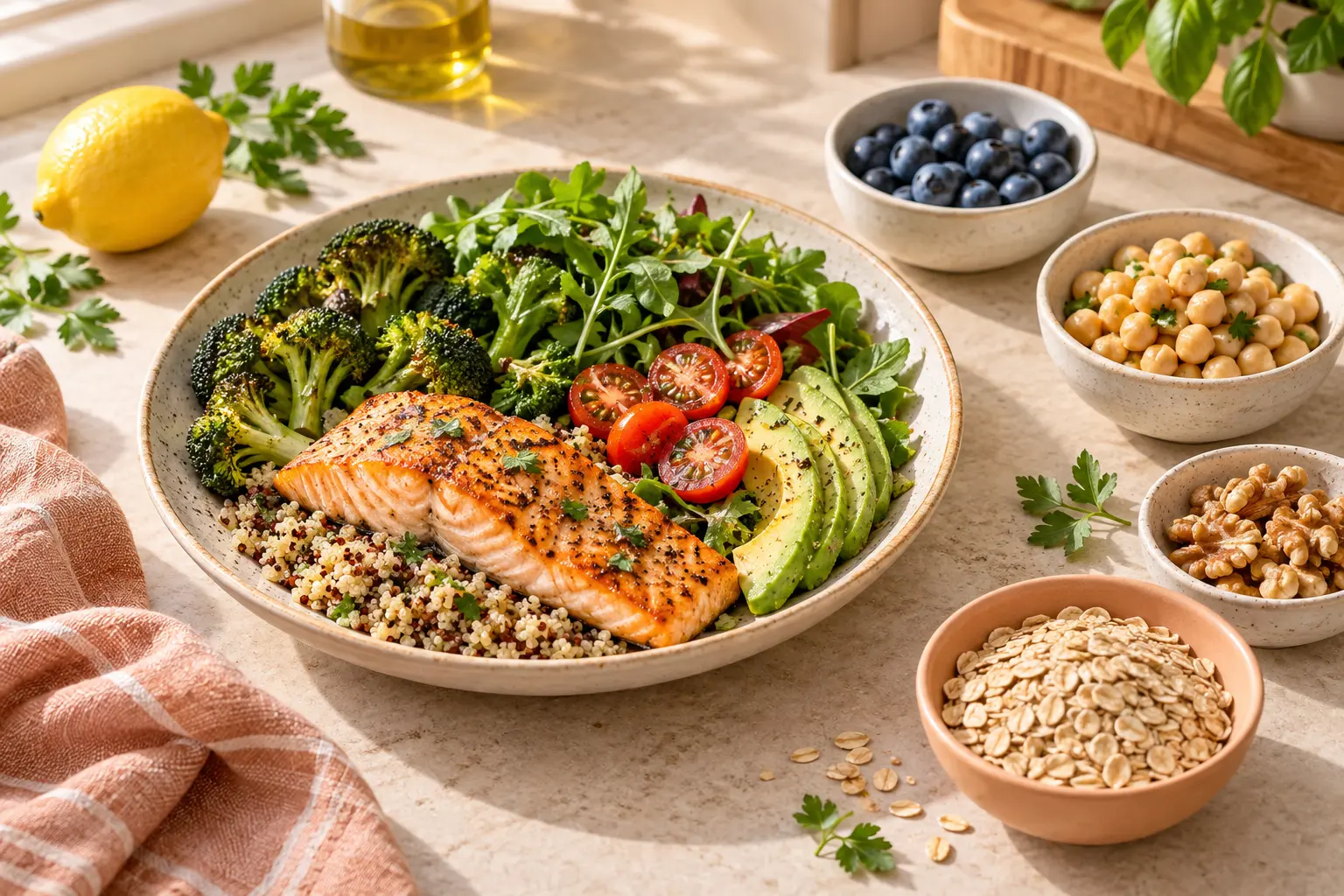
The whole food diet strips things back to basics: vegetables, fruits, whole grains, lean proteins, and healthy fats. All in forms close to how you find them in nature, with minimal or no processing.
This means no fad rules, no macros to obsess over, and no foods that are completely off-limits.
So, if you’re wondering what diet works well for weight loss without restriction and having that unwanted rebound cycle many people experience, we’re going to walk you through it. We’ll cover how a whole food approach works, what to eat, what to skip, and how to build a realistic plan you can actually stick to.
What Is a Whole Food Diet?
A whole food diet bases its meals on foods that are minimally processed and as close to their natural state as possible. Think of a baked sweet potato instead of a bag of sweet potato chips, or grilled chicken instead of breaded chicken nuggets.
The main principle is to eat foods that have few or no added ingredients. This means prioritizing:
- Fresh fruits and vegetables
- Whole grains such as quinoa, oats, and brown rice
- Lean proteins such as chicken, fish, beans, and lentils
- Healthy fats from nuts, seeds, avocado, and olive oil
You should also limit sugary drinks, refined carbohydrates, and heavily processed snacks. Now, this doesn’t mean you need to eliminate every treat forever, but you should make them the exception rather than the everyday default.
Unlike diets that focus purely on calorie counting or cutting entire food groups, a whole food diet prioritizes food quality. The idea is that when you nourish your body with nutrient-dense foods, portion control and weight management come naturally.

Can You Lose Weight on a Whole Food Diet?
You can definitely lose weight while following a whole food diet plan. In fact, a 2020 study showed that whole food, plant-based diets are an effective and sustainable approach for weight loss (1)—all because they naturally reduce calorie density while increasing fiber and nutrient intake.
So what are some of the reasons why you could be losing weight on a whole food diet?
- Fiber keeps you full. Whole grains, legumes, fruits, and vegetables are high in fiber, which can slow digestion and help you feel fuller for longer (4). This can result in fewer cravings and less mindless snacking.
- Whole foods are naturally lower in calories. For example, one cup of boiled potatoes has around 100-150 calories, while a cup of fries has 300-400 calories.
- You cut out hidden sugars and empty calories. Processed foods are often loaded with added sugars and unhealthy fats that add up quickly without adding much nutritional value.
None of this means that a whole food diet is a miracle for weight loss. Weight loss still happens in a calorie deficit, which means you must eat fewer calories than the body needs. If you’re still in a calorie surplus (eating more calories than the body needs), even with whole foods, you’re likely to gain weight.
However, as whole foods are more filling and nutrient-dense, that calorie deficit tends to happen with far less willpower.
Read more: Military Weight Loss Diet: Your Simple Guide to the 3-Day Routine
How to Start a Whole Food Diet
Jumping into a new way of eating can be a bit overwhelming, so it’s better to ease into it rather than making a complete change. Here are some tips to help you get started on this new journey:
- Start with one meal at a time: Swap out your breakfast to start (or any other meal time you prefer). For example, instead of that sugary cereal, switch to oatmeal topped with berries and nuts.
- Shop the perimeter of the grocery store: Fresh produce, meats, seafood, and dairy are usually around the edges, while the center aisles hold most processed products.
- Real ingredients labels: If a label lists more than a handful of ingredients, particularly those you don’t know what they are, this is a sign the food has been heavily processed. As a general rule, a food label should read like a recipe, not a science experiment.
- Meal prep on your day off: Cooking a batch of grains, roasting a tray of vegetables, and portioning out proteins ahead of time makes whole food eating fat more manageable during a busy week.
- Keep quick options on hand: Frozen vegetables, canned beans (low in sodium), and pre-washed greens can still be part of a whole food diet and help you save time on busy days.
A clean eating meal plan can also make it easier to organize minimally processed foods into everyday meals.

What Whole Foods Support Weight Loss?
Each whole food offers a unique benefit, whether it’s for general health and wellness or for weight loss. Some options offer more volume, fiber, and nutrients per calorie than others, which makes them effective for keeping you feeling full.
Here’s a low-calorie food list for weight loss to help you reach your goals:
- Leafy greens: Spinach, kale, and arugula are extremely low in calories, high in fiber, and micronutrients.
- Berries: Blueberries, strawberries, and raspberries are naturally low in sugars and have more fiber than most fruits.
- Legumes: Lentils, chickpeas, and black beans are high in protein and fiber, which can help support fullness levels.
- Lean proteins: Chicken breast, turkey, tofu, and white fish help support muscle mass, particularly during weight loss.
- Cruciferous vegetables: Broccoli, cauliflower, and Brussels sprouts are high in volume and fiber.
- Whole grains: Quinoa, oats, and brown rice provide sustained energy and fiber compared to refined grains.
- Nuts and seeds: Almonds, chia seeds, and walnuts are a good source of healthy fats. However, make sure you have them in moderation as they are energy-dense.
BetterMe: Health Coaching app can help you build a more structured approach to your wellness routine with meal plans, workouts, and habit-tracking tools. Start using the app to explore options that may support your personal fitness and nutrition goals.
What Is a Good Example of a Whole Food Meal Plan?
Planning ahead of time is key to success, particularly if you’re on a health journey. Here’s a sample 7-day diet plan for weight loss built entirely from whole foods.
Remember that this is just for educational purposes. You should speak to a healthcare professional to tailor portions to your goals and needs.
Day 1
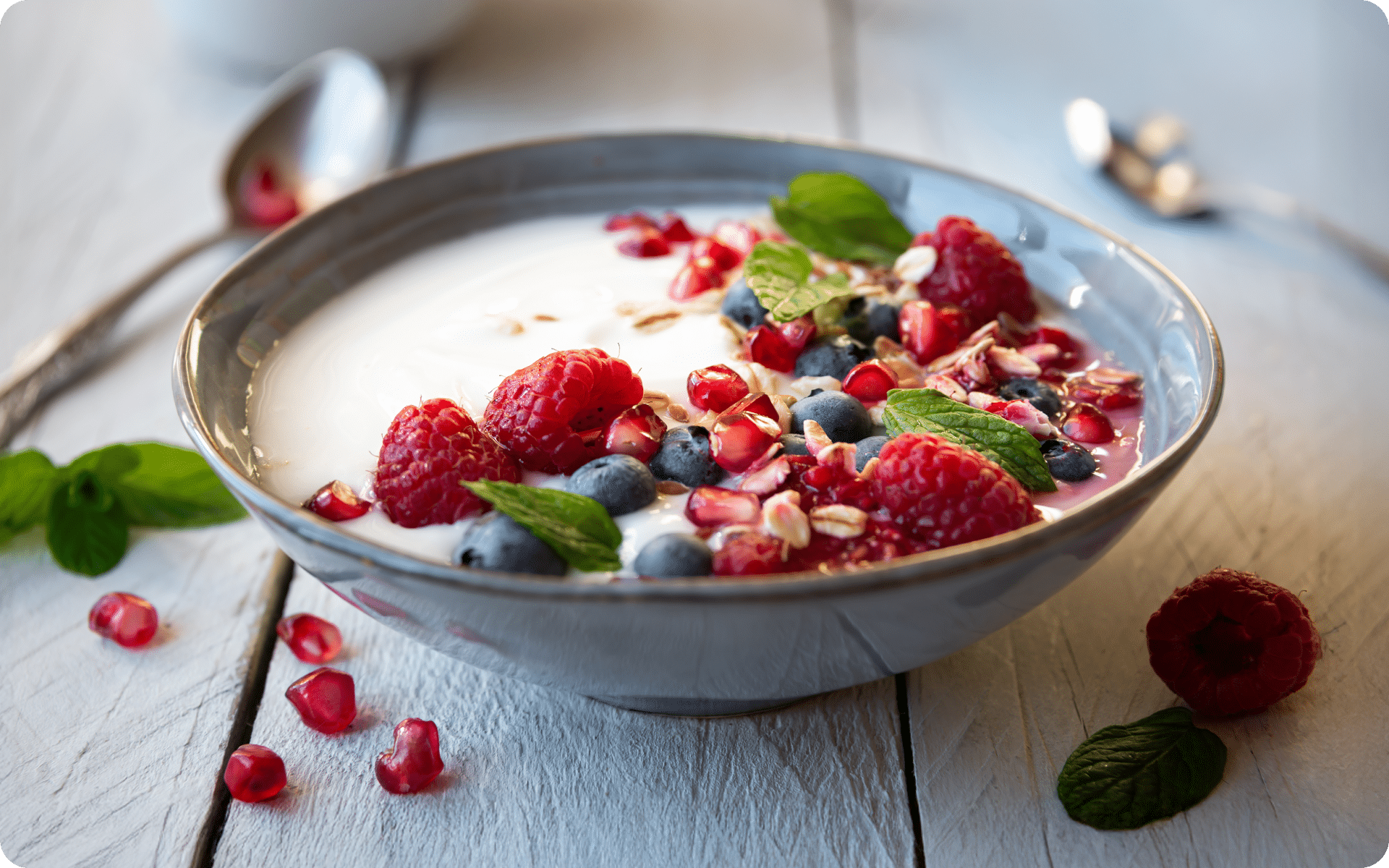
Breakfast: Greek yogurt with mixed berries and chia seeds
Lunch: Grilled chicken breast with roasted vegetables
Dinner: Baked salmon with quinoa and steamed broccoli
Day 2
Breakfast: Oatmeal with sliced banana and natural peanut butter
Lunch: Turkey and avocado wrap with a side salad
Dinner: Grilled shrimp with zucchini noodles and tomato sauce
Day 3
Breakfast: Spinach smoothie with banana and almond milk
Lunch: Quinoa salad with mixed vegetables and grilled chicken
Dinner: Lean beef stir-fry with broccoli and brown rice
Day 4
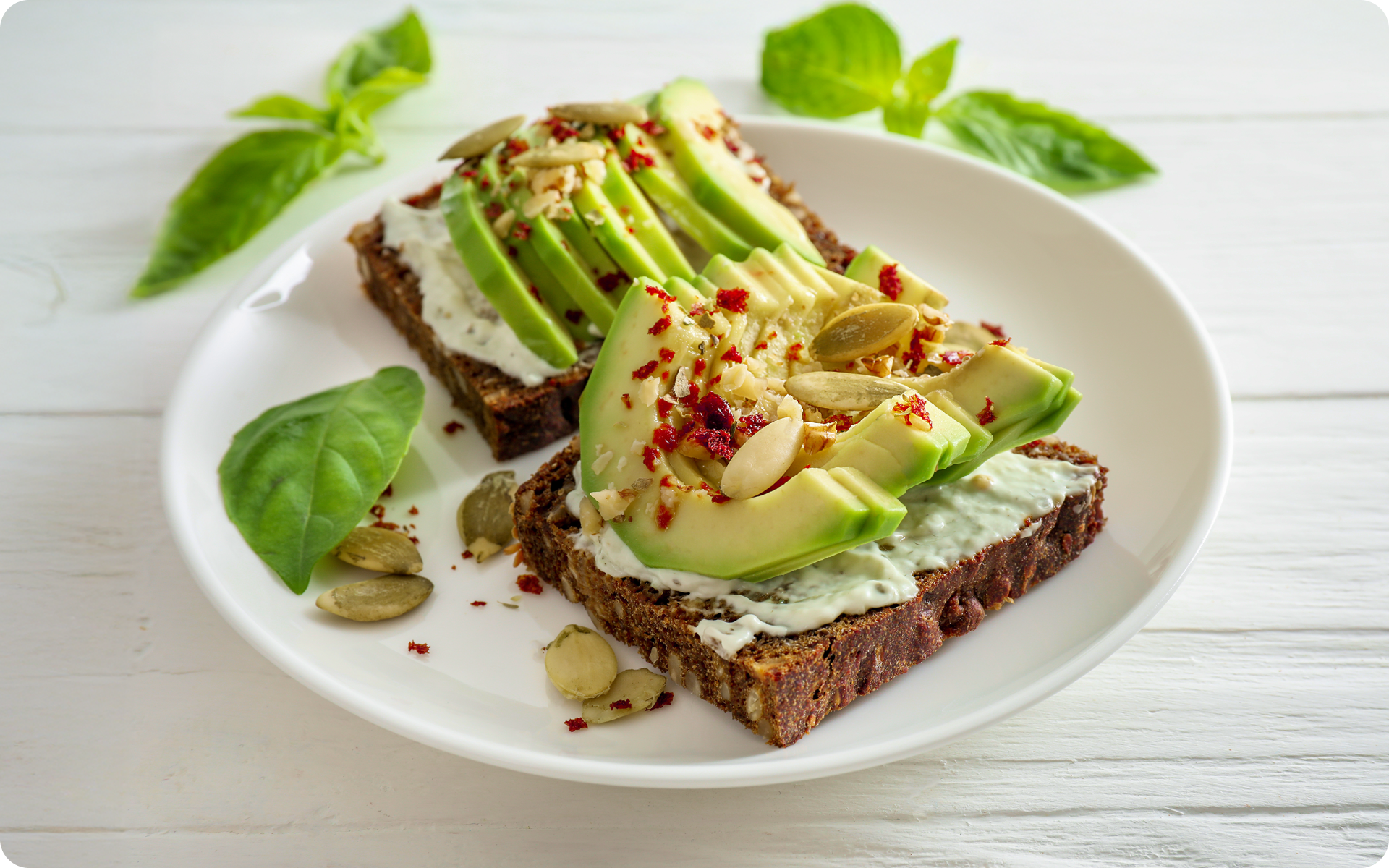
Breakfast: Whole-grain toast with avocado and poached eggs
Lunch: Lentil soup with whole-grain bread
Dinner: Baked chicken breasts with sweet potato fries (air-fried) and green beans
Day 5
Breakfast: Greek yogurt parfait with granola and berries
Lunch: Spinach salad with grilled salmon and avocado
Dinner: Turkey chili with beans and vegetables
Day 6
Breakfast: Scrambled eggs with spinach and mushrooms
Lunch: Grilled vegetables and hummus wrap with grilled chicken
Dinner: Baked cod with roasted Brussels sprouts and quinoa
Day 7
Breakfast: Protein pancakes with fresh berries
Lunch: Chicken Caesar salad with light dressing
Dinner: Grilled tofu with stir-fried vegetables and brown rice
Those who are following a plant-based approach can easily adapt it into a whole food plant-based meal plan by swapping chicken, turkey, beef, and fish for tofu, tempeh, lentils, and chickpeas throughout the week.
If you feel that you need extra support, it’s worth considering following a 30-day plant-based diet plan that repeats and rotates similar meals, as this gives you more time to adjust and remove the decision fatigue when it comes to your meals.
Read more: What Is Somatic Pilates for Weight Loss? Everything You Need to Know

What to Avoid on a Whole Food Diet
A whole food diet isn’t about strict elimination, but there are some foods that are worth reducing, particularly if you’re looking to lose some weight.
- Ultra-processed snacks: Chips, packaged cookies, and other foods with a long list of ingredients offer little nutritional value and a lot of calories per serving.
- Sugary beverages: Soda, sweetened coffee drinks, and fruit juices add a significant amount of sugar and provide little satiety.
- Refined grains: White bread, white pasta, and white rice lack the fiber that you find in whole grain versions.
- Fried foods: Frying adds a substantial amount of calories without adding extra nutrition (such as vitamins and minerals).
- Excess alcohol: Alcoholic beverages are high in calories and sugars, and they can lower inhibitions around other food choices.
- High-calorie sauces and dressings: These can quietly add several calories to an otherwise healthy meal.
Will I Lose Weight If I Only Eat Whole Foods?
In most cases, a whole food diet can help you lose weight. However, it all comes down to portion control and your total calorie intake.
Whole foods make weight loss easier as they’re naturally filling and nutrient-dense. However, you still need to be careful not to overeat.
A large handful of nuts or an oversized portion of sweet potato can add calories quickly, even though both are healthy whole foods.
So, if you’re planning to lose weight through a whole food diet, make sure that you practice portion awareness. Try to fill half your plate with vegetables, a quarter with lean proteins, and a quarter with whole grains or starchy vegetables (3). This structure supports weight loss without relying on calorie counting.
How Long Does It Take to Lose Weight on a Whole Food Diet?
Most people who are following a whole food meal plan can expect to lose about 1-2 pounds per week. Individual results may vary. This follows the recommended guidelines of losing 0.5-1% of body weight per week (2). Losing more can increase the risk of losing muscle mass, which isn’t recommended.
Noticeable changes (such as clothes fitting better or reducing bloating) normally occur within the first 2-4 weeks. More significant results might take longer—for example, 2-3 months.
Keep in mind that timelines vary based on starting weight, activity levels, and how closely someone sticks to whole, minimally processed foods. Slower, steadier weight loss is generally safer and better for long-term results.
Whether you want to refresh your fitness routine, explore lower-calorie recipe ideas, or bring more structure to your wellness habits, BetterMe: Health Coaching app offers tools that can support your next step. Explore the app and find an approach that works for your lifestyle.
FAQs
What is the 30/30/30 rule for weight loss?
The 30/30/30 rule means eating 30 grams of protein within 30 minutes of waking up, followed by 30 minutes of low-intensity exercise. The goal is to stabilize blood sugar and support fat loss by prioritizing protein early in the day.
What can I eat nonstop to lose weight?
You can include low-calorie, high-volume foods such as leafy greens, cucumbers, celery, zucchini, mushrooms, and berries. These foods are higher in water and fiber, which will help you feel fuller while keeping your calorie count low.
What are the three worst foods for weight loss?
Sugary beverages, ultra-processed snacks, and refined grains (such as white bread and pastries) are the biggest obstacles to weight loss. They’re typically higher in calories, low in fiber, and don’t provide much satiety.
What’s the worst carb for belly fat?
Refined carbohydrates, particularly those that are combined with added fats or sugars such as white bread, pastries, or sugary cereal, can cause rapid blood sugar spikes and offer little fiber to slow digestion.
What are some signs that your body is burning fat?
Common signs include increased energy, reduced hunger, better sleep, clothes fitting better, and greater mental clarity.
The Bottom Line
A whole foods diet works because it doesn’t rely on rules that are impossible to maintain for more than a couple of weeks. There’s no need to eliminate entire food groups or hit exact macro targets.
Instead, it’s about building a simple habit: choosing foods closer to their natural state than processed ones.
To make it a long-term habit, start small. Build a healthy grocery list or try the 7-day meal plan. From there, it’s about making small changes to build a healthy lifestyle.
DISCLAIMER:
This article is intended for general informational purposes only and does not serve to address individual circumstances. It is not a substitute for professional advice or help and should not be relied on for making any kind of decision-making. Any action taken as a direct or indirect result of the information in this article is entirely at your own risk and is your sole responsibility.
BetterMe, its content staff, and its medical advisors accept no responsibility for inaccuracies, errors, misstatements, inconsistencies, or omissions and specifically disclaim any liability, loss or risk, personal, professional or otherwise, which may be incurred as a consequence, directly or indirectly, of the use and/or application of any content.
You should always seek the advice of your physician or other qualified health provider with any questions you may have regarding a medical condition or your specific situation. Never disregard professional medical advice or delay seeking it because of BetterMe content. If you suspect or think you may have a medical emergency, call your doctor.
SOURCES:
- A Whole Food Plant-Based Diet Is Effective for Weight Loss: The Evidence (2020, pmc.ncbi.nlm.nih.gov)
- Achieving an Optimal Fat Loss Phase in Resistance-Trained Athletes: A Narrative Review (2021, mdpi.com)
- Dietary Guideline for Americans (2025, cdn.realfood.gov)
- Increased dietary fiber is associated with weight loss among Full Plate Living program participants (2023, pmc.ncbi.nlm.nih.gov)

 Reviewed by
 Reviewed by
 Reviewed by
 By
By 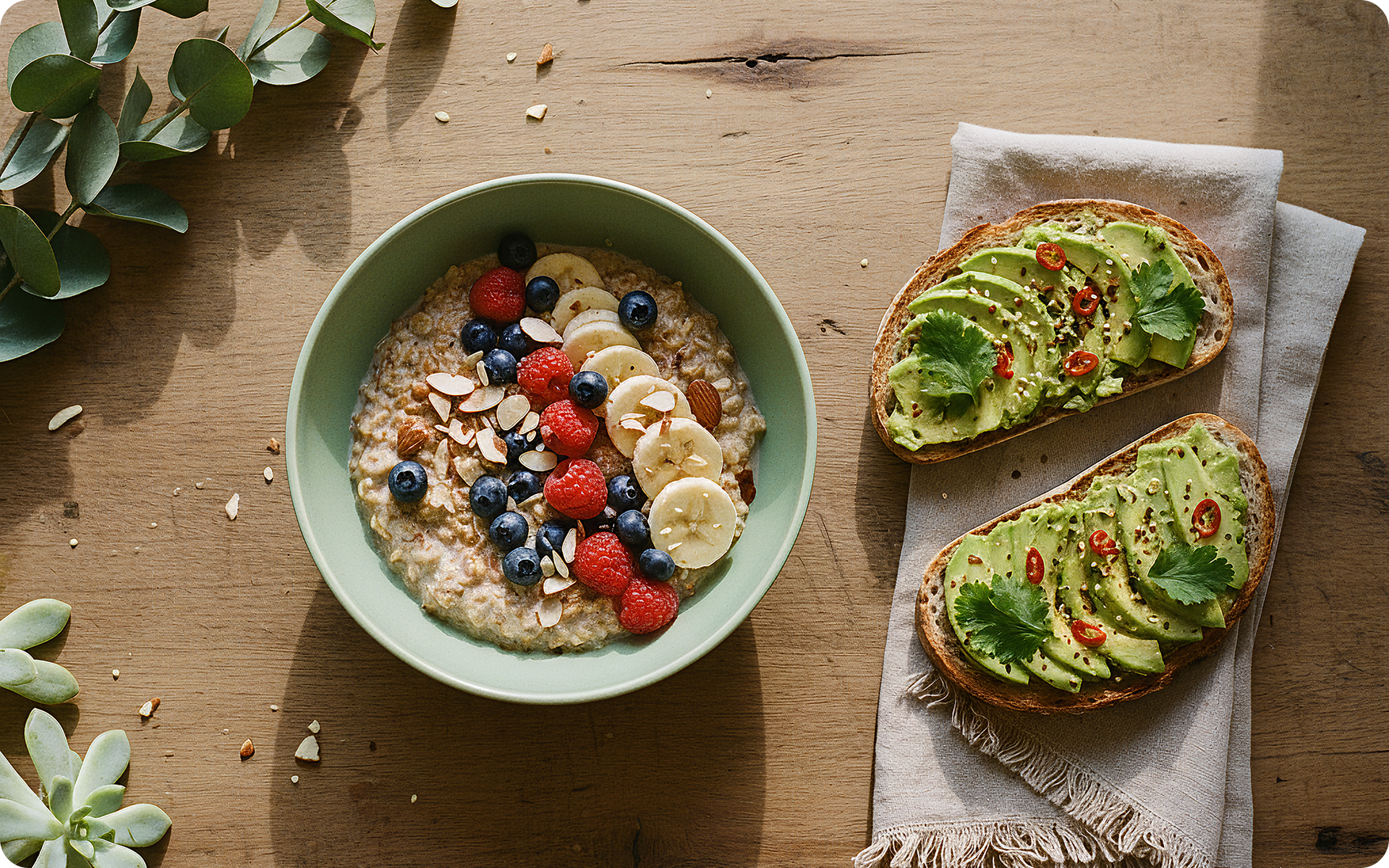

 Reviewed by