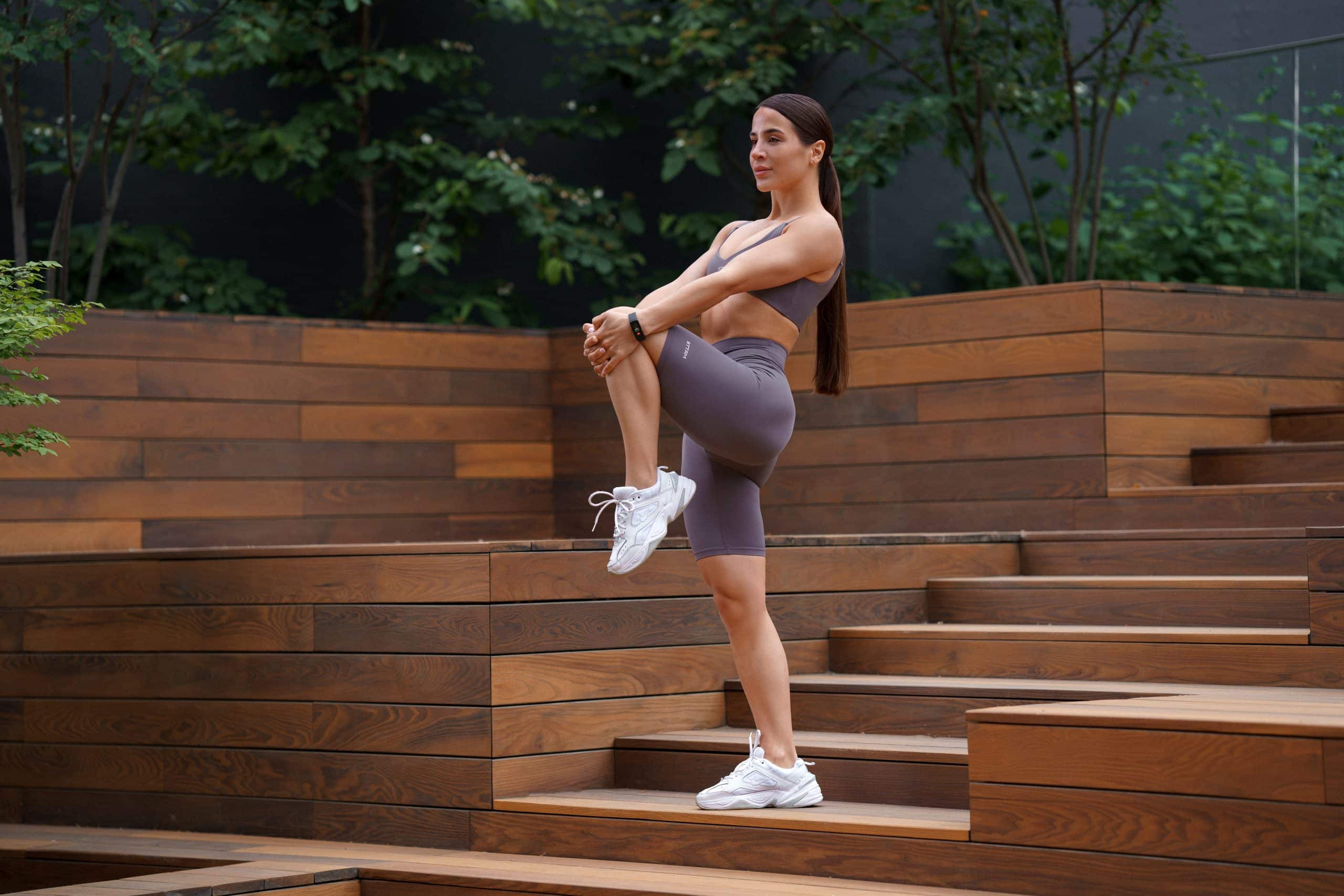
Pilates for runners is one of the most practical forms of cross-training available. For many runners, adding Pilates to their routine may support core strength, postural awareness, and movement efficiency — all of which play a role in how the body moves during a run. Whether you are new to running or have been training for years, Pilates and running can work well together as part of a balanced routine.
This guide covers the key pilates benefits for runners, how it compares to yoga, how to build a pilates and running schedule, and which pilates moves for runners are worth including in your practice.
Always consult your physician before you start any new fitness program to make sure that it is suitable for your specific needs.
What Are the Benefits of Pilates for Runners?
Is Pilates good for runners? For many people, the answer is yes. Pilates for running focuses on the deep stabilizing muscles of the core, which play a central role in maintaining posture and alignment during a run. A stronger core may contribute to more efficient movement and less unnecessary strain on the joints (1, 2).
Improved Form and Running Economy
Running economy refers to how efficiently the body moves at a given pace. Research has explored how core training may support running economy by reducing energy leaks in the kinetic chain (1). One study found that a 12-week Pilates program was associated with improved 5-km run performance in trained runners, with changes in metabolic cost and muscle activation patterns noted (3).
Pilates exercises that target the deep abdominals, glutes, and hip stabilizers may help runners maintain better alignment throughout a run, which can reduce unnecessary energy expenditure (1, 2).
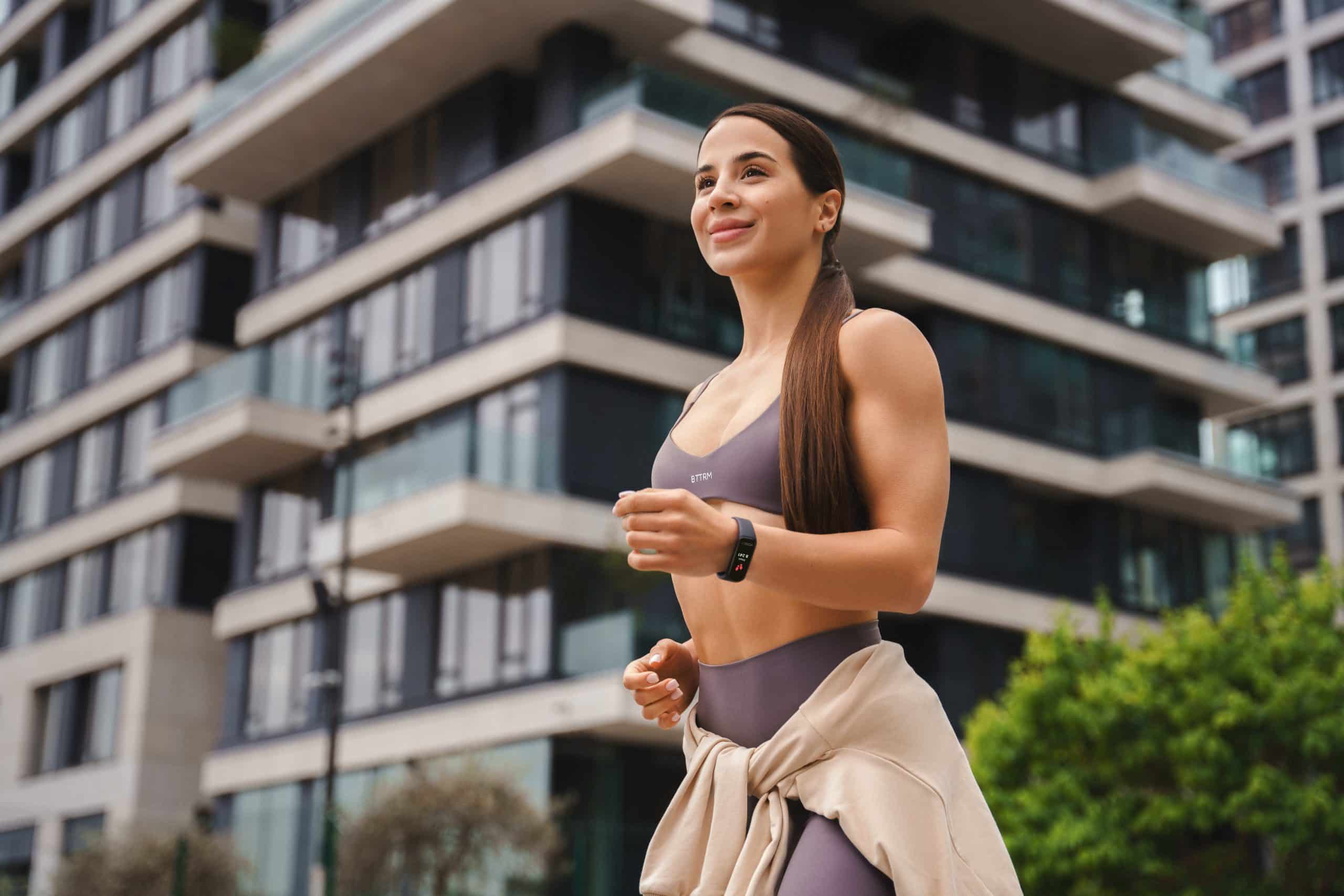
Reduced Risk of Overuse Issues
Running is a repetitive, high-impact activity that places consistent demand on the knees, hips, and ankles. Pilates focuses on strengthening the muscles that support these joints — including the glutes, hamstrings, and core — which may be beneficial for runners looking to support their long-term training consistency (2, 4).
One review found that core training was associated with improvements in balance and functional stability in athletes, which may reduce the risk of certain overuse issues over time (1).
Improved Flexibility, Mobility, and Posture
Many runners develop tightness in the hips, hamstrings, and upper back over time. Pilates may help counteract this by encouraging movement that supports posture and range of motion (4, 5). Improved mobility in these areas may reduce muscle tension during longer runs.
Mental Focus
Pilates requires sustained concentration and controlled breathing. Many runners find that this type of focused practice supports their mental game, helping them stay present during training and on race day.
Post-Run Recovery Support
Used as a rest-day activity, Pilates may support recovery by encouraging gentle movement and stretching of the muscles involved in running. This may help maintain a level of mobility between harder training sessions (5).
BetterMe offers structured routines that can help you build consistency and support your active lifestyle. Explore our plans to find what works for you.
What Is Better for Runners, Pilates or Yoga?
When comparing yoga vs pilates for runners, both offer distinct benefits and the better choice depends on what you are looking to get from your cross-training.
Pilates is focused on building strength and stability in the core and lower body. The movements are targeted and can be modified for all levels, including beginners and those returning from a period of reduced training. Pilates exercises are designed to build control and precision, which may translate to more efficient movement patterns during a run (1, 2).
Yoga, on the other hand, places more emphasis on flexibility, balance, and breath awareness. Research has explored how yoga practice may be associated with improvements in flexibility and balance in athletes (6). Runners may find yoga useful for stretching tight muscles after a long run and for developing a calmer, more focused mindset.
The table below outlines the key differences:
| Feature | Pilates | Yoga |
| Primary focus | Core strength and stability | Flexibility and breath awareness |
| Breathing style | Lateral thoracic breathing | Diaphragmatic breathing and breath holds |
| Equipment | Mat or reformer | Mat only (in most styles) |
| Best for runners who want to… | Build core strength and improve running form | Stretch tight muscles and develop mental focus |
Many runners find value in both. If you are unsure where to start, trying a few sessions of each can help you decide which feels more useful for your current training goals.

Pilates and Running Schedule: Before or After?
One of the most common questions about pilates and running is how to fit them together. The good news is that Pilates is flexible enough to work in several different positions within a training week.
Many runners prefer to do Pilates on rest days or easy days, when the body is not under the demands of a hard run. This approach allows Pilates to act as active recovery, keeping the muscles moving without adding significant load to the system.
When it comes to pilates before or after running on the same day, most runners find it more manageable to do a short Pilates session after a run rather than before. A pre-run Pilates session that involves significant core fatigue may affect running form. A short, gentle Pilates routine before a run — focused on activation rather than fatigue — can be a practical option for some runners.
A sample weekly schedule for a runner adding Pilates to their routine:
| Day | Running Activity | Pilates Activity |
| Monday | Easy run (30–40 min) | — |
| Tuesday | — | Pilates (45 min, core and hip focus) |
| Wednesday | Tempo or interval run | — |
| Thursday | — | Pilates (30 min, mobility and flexibility) |
| Friday | Easy run (20–30 min) | Short Pilates activation (15 min) after run |
| Saturday | Long run | — |
| Sunday | Rest | Optional gentle Pilates or stretching |
This is a sample framework. Adjust based on your current training load, experience level, and how your body responds.
Best Pilates Moves for Runners
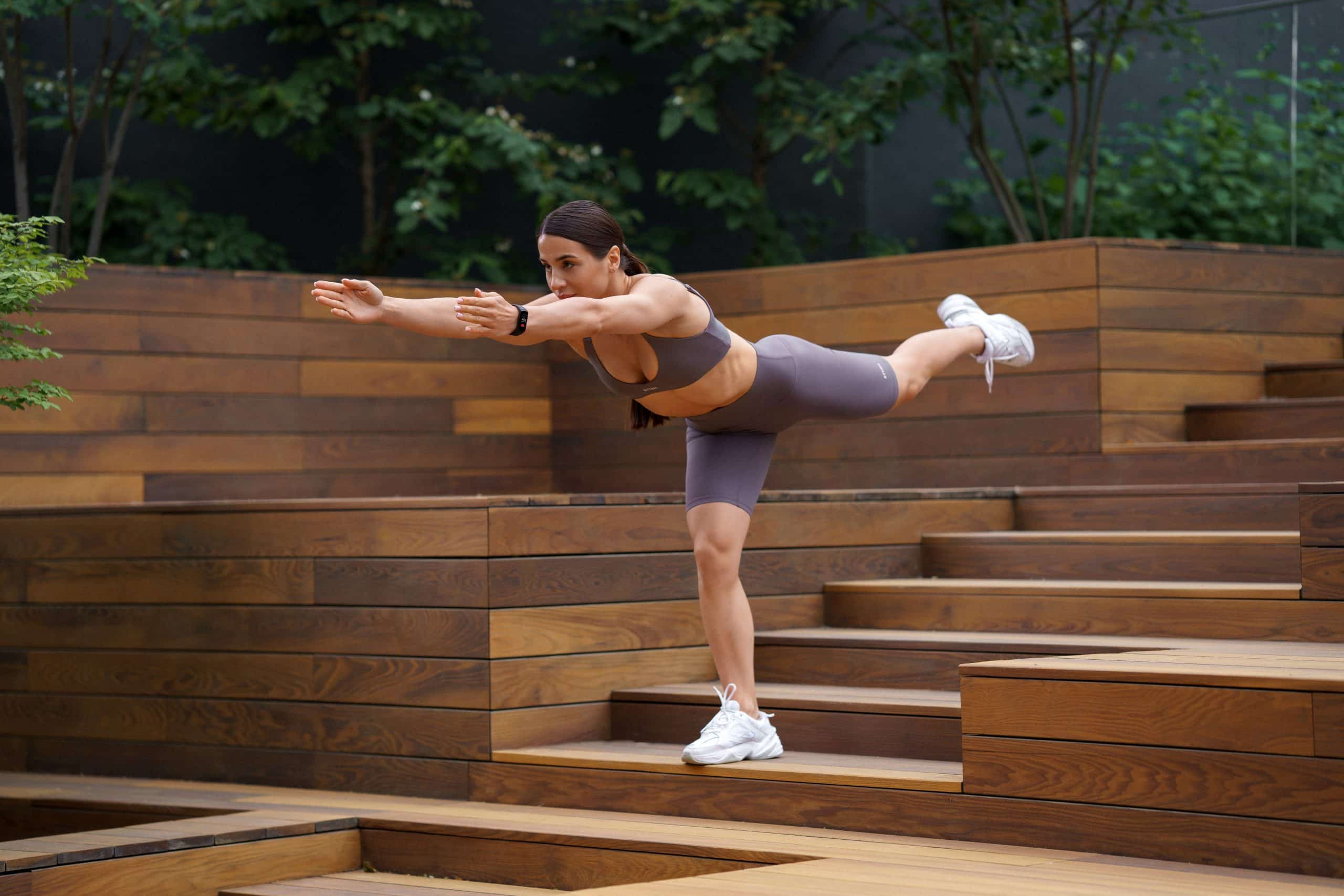
The best pilates workout for runners targets the core, hips, glutes, and hamstrings — the muscle groups most involved in running mechanics. Below are some of the most practical pilates moves for runners, along with step-by-step instructions.
Single Leg Circles
This move targets the hip flexors and hamstrings, which can become tight after long runs.
- Lie on your back with your arms at your sides and your legs stretched out straight.
- Lift one leg straight up toward the ceiling, keeping the other leg flat on the ground.
- Draw a controlled circle in the air with your lifted leg, keeping your lower back pressed into the mat.
- Reverse the direction after 5 repetitions.
- Repeat on the other leg.
Spine Stretch Forward
This move targets the hamstrings, lower back, and upper back — areas that can become tight or fatigued after a long run.
- Sit tall with your legs stretched out in front of you and your feet flexed.
- Reach your arms up overhead, lengthening your spine.
- Inhale, then exhale as you hinge forward from the hips, reaching toward your toes.
- Keep your spine long and only go as far as you can without rounding your back.
- Inhale, then exhale to lift back up to sitting.
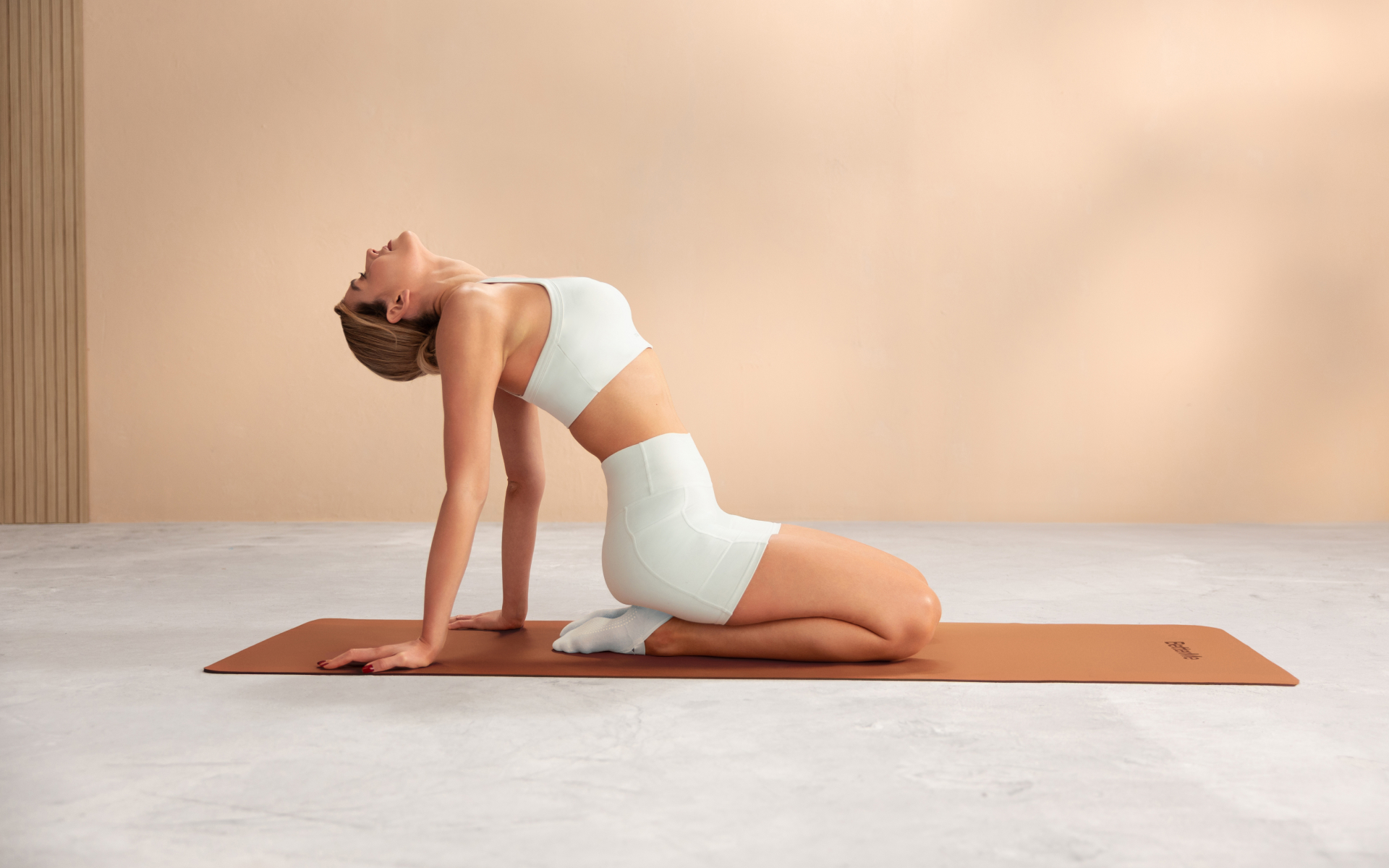
The Swan
The Swan targets the back extensors and upper back, which can support runners who want to maintain an upright posture during longer runs.
- Lie face down with your arms at your sides, palms down.
- Lengthen your spine, lifting your head, shoulders, and chest off the mat.
- Keep your legs straight and pressing into the mat.
- Lower down to the mat on an exhale.
Hip Rolls
Hip Rolls target the lower back, glutes, and abdominals, and may help increase mobility in these areas between runs (4).
- Lie on your back with your knees bent and your feet flat on the ground.
- Place your arms by your sides, palms down.
- Inhale, then exhale as you lift your hips off the mat.
- Roll your hips back down on an exhale.
- Repeat for 5–10 repetitions.
Forearm Plank
The forearm plank is a core-strengthening exercise that targets the deep stabilizing muscles. By strengthening these muscles, runners may support their running form and potentially reduce the risk of certain overuse issues (2, 4).
- Start on your hands and knees, with your forearms on the floor.
- Straighten your legs behind you, one at a time, so you are in a plank position.
- Keep your shoulders over your elbows, and your body in a straight line.
- Hold for 30–60 seconds before releasing.
The Hundred
The Hundred targets the abdominals, arms, and legs and can be a useful conditioning exercise for runners who want to build core endurance (5).
- Lie on your back with your knees bent, feet flat on the mat, and arms reaching toward the ceiling.
- Lift your head, neck, and shoulders off the mat.
- Engage your abdominals and extend your arms and legs, hovering them off the mat.
- Begin pumping your arms up and down, inhaling for five pumps and exhaling for five pumps.
- Repeat for a total of 100 pumps.
Leg Pull
The Leg Pull targets the hamstrings, glutes, and core muscles, which may support running stride and movement control (2).
- Start in a downward-facing position with your hands and feet on the mat.
- Lift one leg into the air behind you, keeping it straight and controlled.
- Engage your core and keep your hips level as you raise your leg.
- Lower your leg back down and repeat on the other side.
Side Leg Lift Series
This series targets the hips, outer thighs, and core — all useful areas for runners.
- Start lying on your side with your legs straight in line with your body.
- Place your bottom hand under your head for support and rest your other hand on the mat in front of you.
- Lift your top leg as high as you can while keeping your hips stacked.
- Lower your leg back down and repeat for 10–15 repetitions.
- Repeat on the other side.
The Teaser
The Teaser targets the abdominals, hip flexors, and quads, and can help runners build the core strength and stability needed for longer training sessions.
- Lie on your back with your knees bent and your feet flat on the mat.
- Reach your arms overhead toward your feet, keeping your shoulders relaxed.
- Engage your abdominals and begin to roll up, lifting your shoulders, upper back, and legs off the mat.
- Hold for a few seconds before rolling back down.
Mermaid
The Mermaid targets the hips, obliques, and back muscles, and may help runners increase lateral mobility and flexibility (4).
- Sit on the mat with your legs folded to one side, and one hand on the mat behind you for support.
- Reach your other hand overhead, stretching your arm to the side.
- Inhale as you lift your arm up, stretching it over your head.
- Exhale as you curve your spine to the side, reaching your hand toward your feet.
- Inhale to lift back up to sitting and repeat on the other side.
Reformer Pilates for Runners
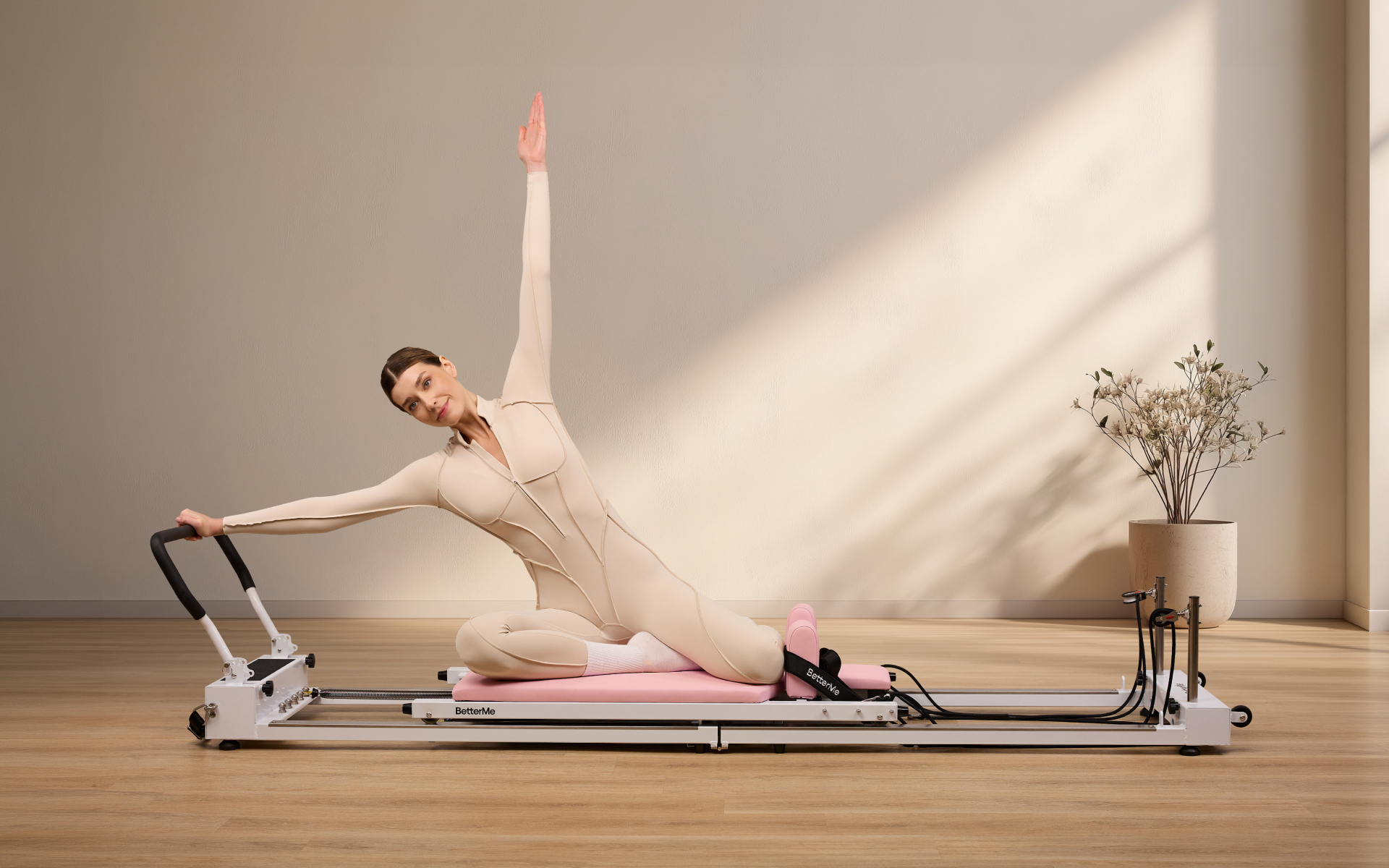
Reformer pilates for runners adds a layer of resistance and instability that mat Pilates does not provide. The reformer uses a sliding carriage and spring-based resistance system, which challenges the stabilizing muscles of the core and lower body in a different way than floor exercises.
For runners, the reformer can be a useful tool for working on hip stability, single-leg strength, and controlled movement under load — all of which are relevant to running mechanics. Many runners find that reformer sessions complement their mat practice by adding variety and a greater challenge to familiar movement patterns.
If you are new to the reformer, starting with a beginner-level class or guided session is a practical first step before progressing to more complex exercises.
BetterMe offers structured Pilates routines designed to support your active lifestyle. Find a plan that fits your schedule and experience level.
The Bottom Line
Pilates for runners offers a practical way to support core strength, postural awareness, and movement efficiency as part of a broader training routine. Whether you choose mat Pilates, reformer Pilates, or a combination of both, the key is consistency and finding a schedule that works alongside your running.
Adding Pilates and running to your weekly routine does not require a major overhaul of your current schedule. Starting with two sessions per week on rest or easy days is a manageable approach for most runners. Adjust based on how your body responds over time.
Frequently Asked Questions
Is pilates good for runners?
For many runners, yes. Pilates for running focuses on core strength, hip stability, and postural awareness, which may support more efficient movement during a run. Research has explored associations between core training and athletic performance, suggesting potential benefits for those who run regularly (1, 2).
Does pilates help with running?
Pilates may help with running by strengthening the muscles that support running mechanics — particularly the core, glutes, and hip stabilizers. One study found that a structured Pilates program was associated with improved running performance in trained runners (3). Individual results will vary.
What is better for runners, pilates or yoga?
Both can be useful, depending on your goals. Pilates tends to be more focused on core strength and stability, while yoga emphasizes flexibility and breath awareness. Many runners include both in their routine at different points in their training week.
Is pilates good for beginner runners?
Pilates for runners beginners can be a practical starting point. Many Pilates exercises can be modified to suit different experience levels, making it accessible for those who are new to both running and cross-training. Starting with mat-based exercises and progressing gradually is a manageable approach.
Pilates before or after running — which is better?
Many runners find it more manageable to do Pilates after a run or on a separate rest day. A short activation-focused Pilates session before a run may be suitable for some, but a longer session that causes core fatigue before a run is generally less practical.
DISCLAIMER:
This article is intended for general informational purposes only and does not serve to address individual circumstances. It is not a substitute for professional advice or help and should not be relied on for making any kind of decision-making. Any action taken as a direct or indirect result of the information in this article is entirely at your own risk and is your sole responsibility.
BetterMe, its content staff, and its medical advisors accept no responsibility for inaccuracies, errors, misstatements, inconsistencies, or omissions and specifically disclaim any liability, loss or risk, personal, professional or otherwise, which may be incurred as a consequence, directly or indirectly, of the use and/or application of any content.
You should always seek the advice of your physician or other qualified health provider with any questions you may have regarding a medical condition or your specific situation. Never disregard professional medical advice or delay seeking it because of BetterMe content. If you suspect or think you may have a medical emergency, call your doctor.
SOURCES:
(1) Core Muscle Activation and Performance: A Systematic Review With Meta-Analysis (2023, pmc.ncbi.nlm.nih.gov)
(2) Effects of Pilates Exercises on Core Stability After Recovery: A Randomized Controlled Trial (2024, pmc.ncbi.nlm.nih.gov)
(3) Pilates Training Improves 5-km Run Performance by Changing Metabolic Cost and Muscle Activity in Trained Runners (2018, pmc.ncbi.nlm.nih.gov)
(4) Effects of Pilates Exercises on Spine Deformities and Posture: A Systematic Review (2024, pmc.ncbi.nlm.nih.gov)
(5) Pilates Method Improves Cardiorespiratory Fitness: A Systematic Review and Meta-Analysis (2019, mdpi.com)
(6) Comparison of the Effects of Pilates and Yoga Exercise on Dynamic Balancing Ability and Functional Movement of Fencers (2024, pmc.ncbi.nlm.nih.gov)
 Reviewed by
 Reviewed by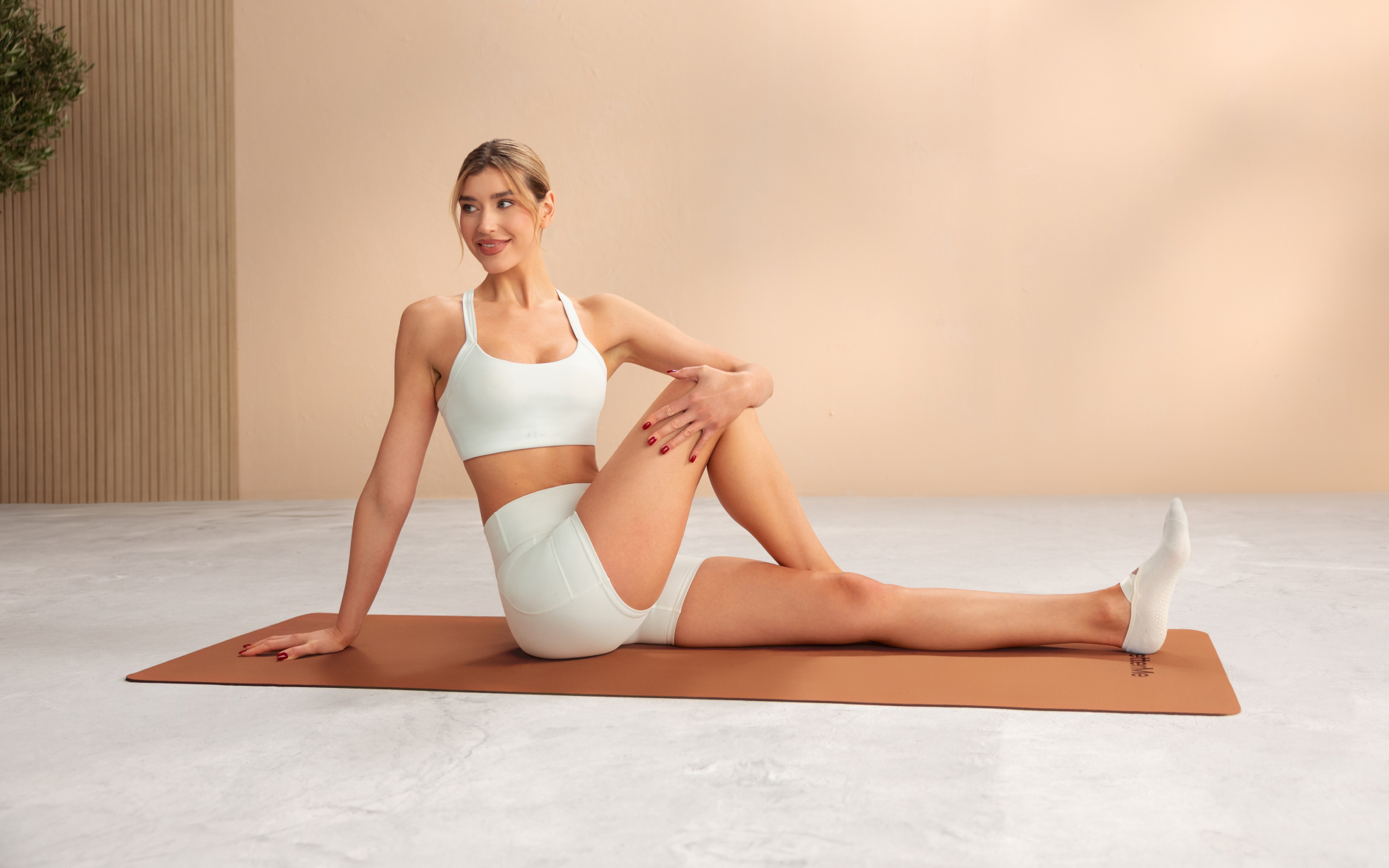
 By
By