
Many people resort to extreme low-calorie diets or quick-fix solutions they see on social media when they’re trying to manage weight. However, if your health and fitness goal is to bulk up, maintain muscle, or simply have more energy, consuming enough calories is just as important as cutting calories. This is where a 2,900-calorie meal plan comes in. A well-planned 2,900‑calorie approach can fuel performance, support protein requirements, and help you stay full and satisfied to help you reach your goals.
In this article, we’ll explore:
- Who might benefit most from a 2,900‑calorie plan, including bulking and high‑protein needs.
- The variety of ways to adapt a 2,900‑calorie meal plan (whether you’re vegetarian, low‑carb, or high-protein)
- How 2,900 calories can work with weight loss goals (for those with higher calorie needs).
- Practical strategies for getting enough calories, including meal timing, food choices, and healthy habits to pair with such plans.
We also share a healthy 7-day 2,900-calorie meal plan. Let’s dive in.
Who Needs a 2,900-Calorie Meal Plan?
There’s no one-size-fits-all approach when it comes to a 2,900‑calorie meal plan. However, this higher-calorie diet is best suited for those with increased energy demands, such as:
- Active individuals who regularly engage in strength training or endurance workouts.
- Those who are trying to build muscle (bulking) and who need enough protein and calories for muscle growth.
- People with fast metabolisms or larger body sizes.
- Individuals recovering from calorie‑restrictive diets or trying to rebuild muscle.
For most people who are accustomed to a standard 1,800- or 2,000‑calorie meal plan, jumping to 2,900 calories may seem like a lot. But for many, particularly athletes or people who lift weights, 2,900 calories may be the perfect fit for their daily energy expenditure and training needs.
Read more: Meal and Workout Plan: Build Strength, Balance, and Consistency

How Does 2,900 Calories Look: High‑Protein, Balanced, or Vegetarian?
To stick with your diet in the long term and achieve your goals, it’s important to be flexible within your 2,900‑calorie diet framework. Depending on your goals and preferences, you can steer your 2,900-calorie diet toward:
- High-protein for muscle support: This approach is ideal if you do strength training regularly or are looking to maintain lean muscle mass. Focus on eating lean meats, fish, eggs, dairy, legumes, and protein-rich plant-based foods (1).
- Balanced macronutrients: If your goal is to improve overall health and increase satiety, combine your protein sources with whole grains, healthy fats, fruits, and vegetables for a well-balanced, nutrient-dense diet (2).
- Vegetarian-friendly: The research is clear: you don’t need meat to get enough protein to reach 2,900 calories a day. Eating high-protein plant foods such as legumes, together with calorie-dense grains, nuts, seeds, and dairy alternatives, can help meet your caloric needs (3).
- Low-carb: If you’re concerned about your carb intake, you can adjust your macros to include more protein and healthy fats while limiting refined carbs (4).
The takeaway here is that consuming 2,900 calories a day can support various dietary patterns, depending on your lifestyle, dietary needs, and health goals.
The BetterMe: Health Coaching app will provide you with a host of fat-frying fitness routines that’ll scare the extra pounds away and turn your body into a masterpiece! Get your life moving in the right direction with BetterMe!
How to Use a 2,900-Calorie Plan for Bulking, Maintenance, or Even Weight Loss
A common misconception is that eating in a surplus, say around 2,900 to 3,000 calories per day, automatically leads to weight gain. However, that’s not always the case, as weight loss and weight gain are heavily dependent on how many calories you burn.

Your basal metabolic rate (BMR) represents the number of calories your body needs to perform basic functions at rest, such as breathing, circulation, and cellular repair, and it makes up a large portion of your daily energy expenditure (5).
- Bulking / Muscle gain: For those who burn 2,400 calories or more per day through BMR plus workouts, 2,900 calories can result in a caloric surplus to help support muscle gain.
- Maintenance: If your total daily energy expenditure (TDEE) aligns around 2,900, this 2,900-calorie meal plan can help you maintain your weight while supporting active lifestyles or fitness regimens.
- Weight Loss (for highly active individuals): Some people naturally burn a lot of calories. For example, someone who needs 3,300 to 3,500 calories to maintain a healthy weight might do fine on 2,900 and still lose fat gradually (6).
It’s important to note that calorie needs vary widely from person to person and are impacted by various factors, including your height, weight, gender, activity level, and metabolism (7).
Read more: High-Protein Meal Plan Basics for Women: Feel Fuller, Lose Weight
Practical Tips and Things to Do Instead of Overeating
A 2,900‑calorie plan isn’t a free pass to eat whatever you want. The quality of your calories matters just as much as quantity.
Here are some practical strategies to help keep your calorie intake in check:
- Plan meals: Distribute your calorie intake across the day with a healthy breakfast, lunch, dinner, and snacks to make sure you’re satiated and avoid overeating, which leads to energy crashes.
- Prioritize nutrient-dense foods: Center your 2,900-calorie diet around whole, minimally processed foods rich in protein, fiber, and healthy fats. Whole foods are nutrient-dense, which means they’ll keep you fuller for longer and help prevent overeating (8).
- Monitor hunger cues: Pay attention to your body’s hunger cues and only eat when you’re truly hungry, not just when you’re bored or stressed.
- Stay hydrated: Sometimes thirst gets mistaken for hunger, so make sure to drink plenty of water and stay hydrated throughout the day (9).
- Avoid blood sugar spikes from sugary or ultra-processed foods: Eating highly processed, non-whole foods is a surefire way to tank your energy and impede proper digestion (10).
Instead of defaulting to unhealthy snacks, sugar-filled beverages, or junk food when you’re hungry, consider healthier alternatives such as herbal tea, a handful of nuts and fruit, or Greek yogurt, that will keep you satiated while meeting your caloric needs.
For more details about things to do instead of eating, take a look at our prior publication.

Potential Risks and Who Should Be Cautious
A 2,900‑calorie meal plan isn’t ideal for everyone. Some potential risks include:
- Sedentary lifestyles: If you don’t burn many calories during the day, eating 2,900 calories a day may lead to fat gain rather than maintenance or muscle growth.
- Digestive stress: Eating large quantities may feel heavy for some, so try to space out the timing of your meals and be sure to eat plenty of fiber.
- Over-reliance on processed or high‑calorie foods: Without a well-balanced, nutrient-dense diet, you may end up malnourished and over- or undereat for your calorie requirements.
- Medical conditions: Those with certain metabolic, hormonal, or gastrointestinal conditions should consult a healthcare provider or registered dietitian before they start any meal plan.
Our previous post goes into great detail about how safely lose 20 pounds overweight.
Who a 2,900-Calorie Meal Plan Works for (and When to Adjust)
While a 2,900-calorie meal may not be suitable for everyone, the following plan can help provide the energy, protein, and flexibility needed to support muscle growth, active lifestyles, and healthy weight management.
If you find yourself unusually fatigued, gaining unwanted fat, or struggling with digestion, it may be time to adjust your diet by eating fewer calories, adjusting your macros, or consulting a nutrition professional.
However, for many people, particularly those who lift weights, work out regularly, or are trying to bulk up, 2,900 calories can be a healthy starting point, and one that supports long-term consistency and overall health.
If you’re curious about the 1800-calorie meal plan, check out our earlier article.

7-Day 2,900-Calorie Meal Plan
Each day of the following 7-day 2,900-calorie meal plan (which includes vegetarian-friendly and low-carb options) is designed around high-protein, whole-food meals to support strength, aid in recovery, and boost energy levels.
Day 1
Breakfast (~720 calories)
- 3 scrambled eggs (in 1 tsp olive oil)
- 1 slice whole-grain toast with 1 tbsp peanut butter
- 1 banana
- 1 cup Greek yogurt (plain, low-fat) + 1 tbsp honey
- Black coffee or herbal tea
Morning Snack (~510 calories)
- Smoothie: 1 scoop whey protein, 1 cup almond milk, 1/2 avocado, 1/2 cup blueberries, 1 tbsp flaxseeds
- 1 slice whole-grain toast with 1 tsp butter

Lunch (~600 calories)
- 5 oz grilled chicken
- 1 cup cooked brown rice
- 1 cup steamed broccoli + 1 tbsp olive oil
- 1/2 avocado
Afternoon Snack (~350 calories)
- 1 apple
- 1 oz mixed nuts
- 1 boiled egg
Dinner (~580 calories)
- 5 oz baked salmon
- 1 cup roasted sweet potatoes
- 1 cup sautéed spinach (with garlic + olive oil)
- Mixed green salad with balsamic vinaigrette
Evening Snack (~260 calories)
- 3/4 cup low-fat cottage cheese
- 1 tbsp peanut butter
- 2 squares dark chocolate (70%+)

Day 2
Breakfast
- 2 eggs + 2 egg whites scrambled
- 2 slices whole-grain toast with 1 tbsp almond butter
- 1/2 grapefruit
- 1 cup plain Greek yogurt
Morning Snack
- Protein bar (~250 cals)
- 1 oz almonds
- 1 medium banana
Lunch
- Turkey sandwich (4 oz sliced turkey, whole-grain bread, spinach, mustard)
- 1 cup carrot sticks with hummus
- 1 apple
Afternoon Snack
- Protein shake (whey + almond milk)
- 1 slice banana bread (homemade or low-sugar)

Dinner
- 6 oz lean steak
- 3/4 cup mashed potatoes
- 1 cup steamed green beans
- Side salad with vinaigrette
Evening Snack
- 1/2 cup ricotta cheese with cinnamon
- 1 tbsp chopped walnuts
- 1 tsp honey
Day 3 (Vegetarian-Friendly)
Breakfast
- Tofu scramble (1/2 block tofu, turmeric, onion, peppers)
- 2 slices whole-grain toast
- 1 cup soy milk
- 1 orange
Morning Snack
- Smoothie with vegan protein powder, banana, oats, almond milk, chia seeds
Lunch
- Lentil salad with mixed greens, cherry tomatoes, olive oil dressing
- 1 whole-wheat pita with hummus
Afternoon Snack
- 1 hard-boiled egg
- 1 oz pumpkin seeds
- 1 peach
Dinner
- Chickpea curry (1 cup chickpeas, coconut milk, spices)
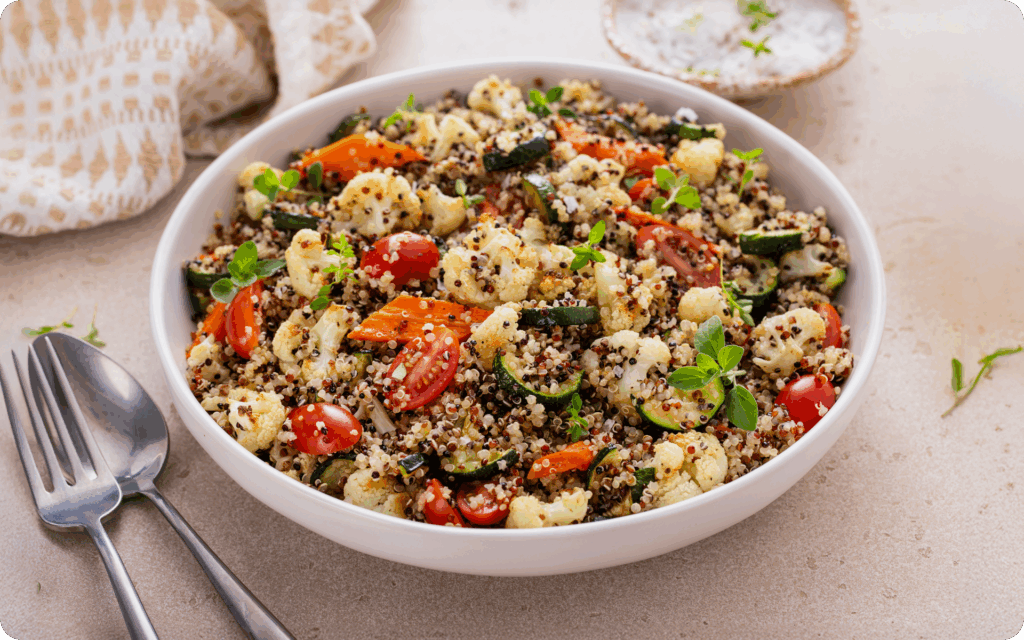
- 1 cup cooked quinoa
- 1 cup sautéed kale
Evening Snack
- Greek yogurt with honey
- 1 tbsp sunflower seed butter
- 2 squares dark chocolate
Day 4 (Low-Carb Option)
Breakfast
- 3 scrambled eggs
- 1 avocado
- 2 turkey bacon strips
- Black coffee
Morning Snack
- Protein shake with almond milk
- 1 boiled egg
- 1 oz almonds
Lunch
- Grilled chicken Caesar salad (no croutons, olive oil dressing)
- 1 oz parmesan cheese

Afternoon Snack
- Celery with peanut butter
- 1 string cheese
Dinner
- 5 oz grilled salmon
- Roasted zucchini and cauliflower
- Side salad with olive oil and lemon
Evening Snack
- Cottage cheese
- 1 tbsp chia seeds
- A few raspberries
Reasons why BetterMe is a safe bet: a wide range of calorie-blasting workouts, finger-licking recipes, 24/7 support, challenges that’ll keep you on your best game, and that just scratches the surface! Start using our app and watch the magic happen.
Day 5
Breakfast
- Overnight oats (1/2 cup oats, 1 scoop protein, almond milk, berries)
- 1 hard-boiled egg
- 1 banana
Morning Snack
- Smoothie with spinach, banana, flax, almond milk, protein powder
Lunch
- Tuna salad sandwich on whole-grain bread
- Sliced cucumber and carrot with ranch dip
- 1 small orange
Afternoon Snack
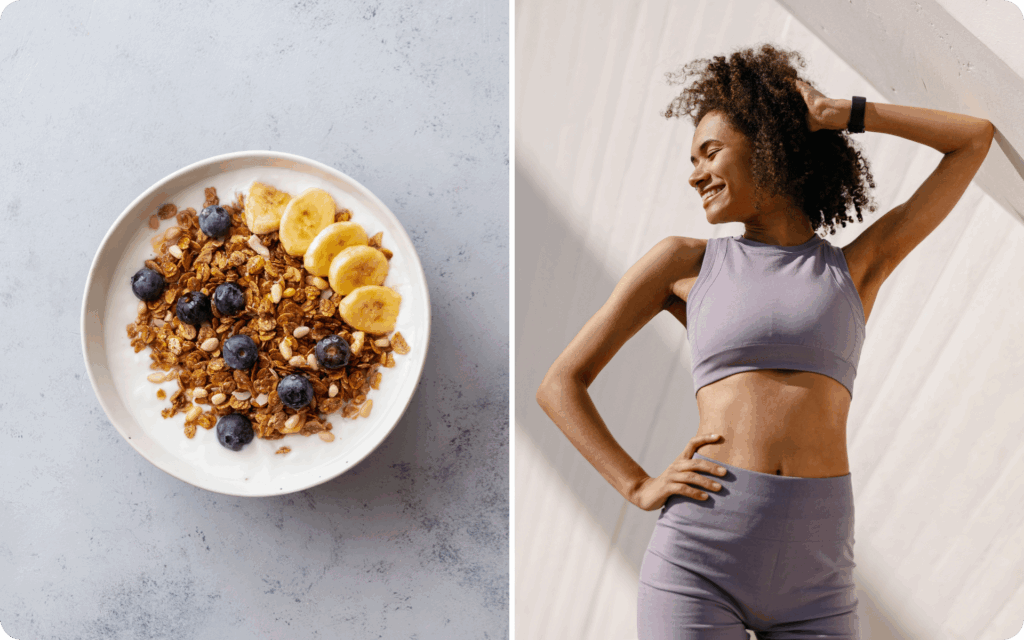
- Low-fat Greek yogurt
- 1 oz granola
- A few walnuts
Dinner
- Stir-fry with 5 oz tofu, broccoli, snap peas, and brown rice
- 1 tbsp soy sauce + sesame oil
Evening Snack
- Cottage cheese with cinnamon
- 1 tbsp natural almond butter
Day 6
Breakfast
- Protein pancakes (3 medium) with 1 tbsp maple syrup
- 2 scrambled eggs
- 1 cup strawberries
Morning Snack
- Apple slices with peanut butter
- 1 boiled egg
Lunch
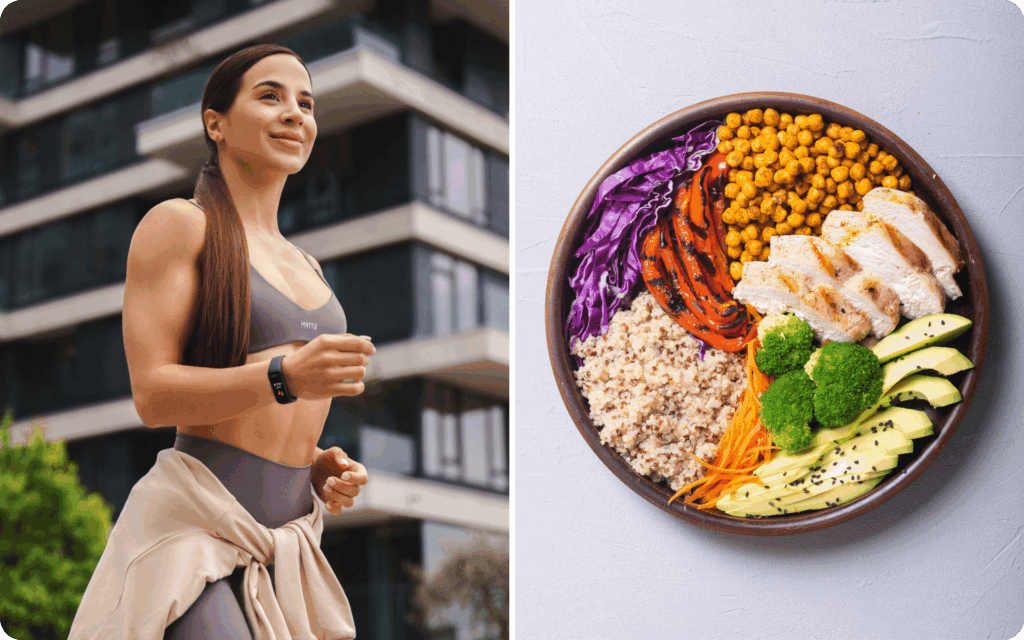
- Burrito bowl: 5 oz chicken, 1/2 cup black beans, 1/2 cup rice, lettuce, salsa, avocado
Afternoon Snack
- Trail mix (1 oz nuts, 1 tbsp raisins, dark chocolate chips)
- Protein shake
Dinner
- 6 oz grilled tilapia
- Roasted asparagus
- Mashed sweet potatoes
Evening Snack
- Low-fat Greek yogurt
- 1 tbsp flaxseed
- 1 small banana
Day 7
Breakfast
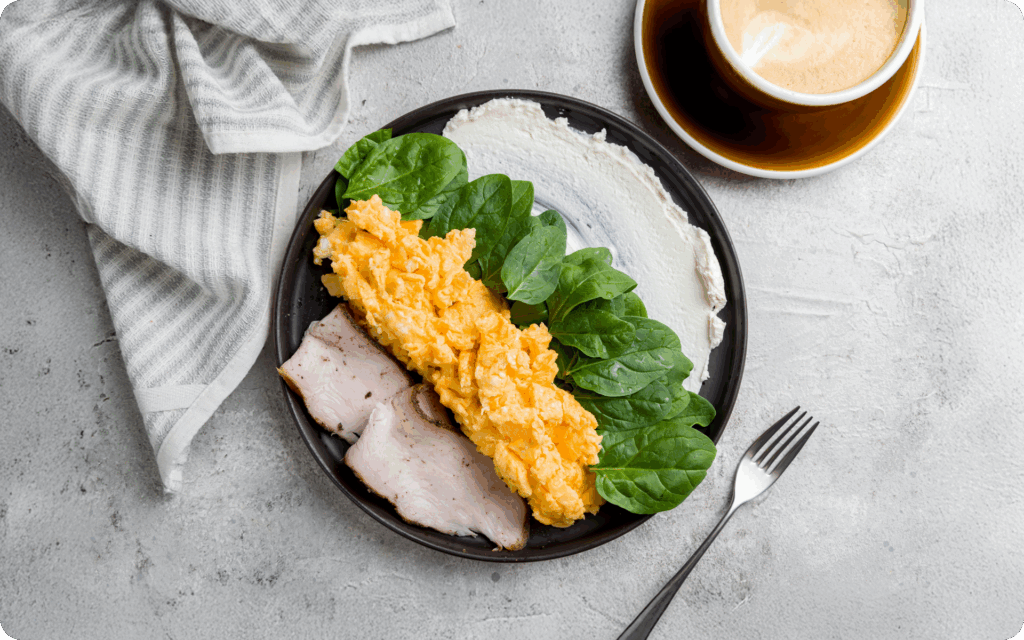
- Omelet with 2 eggs + 2 egg whites, spinach, mushrooms, cheese
- 2 slices whole-grain toast
- 1 cup orange juice
Morning Snack
- Cottage cheese with berries
- 1 tbsp honey
- 1 oz walnuts
Lunch
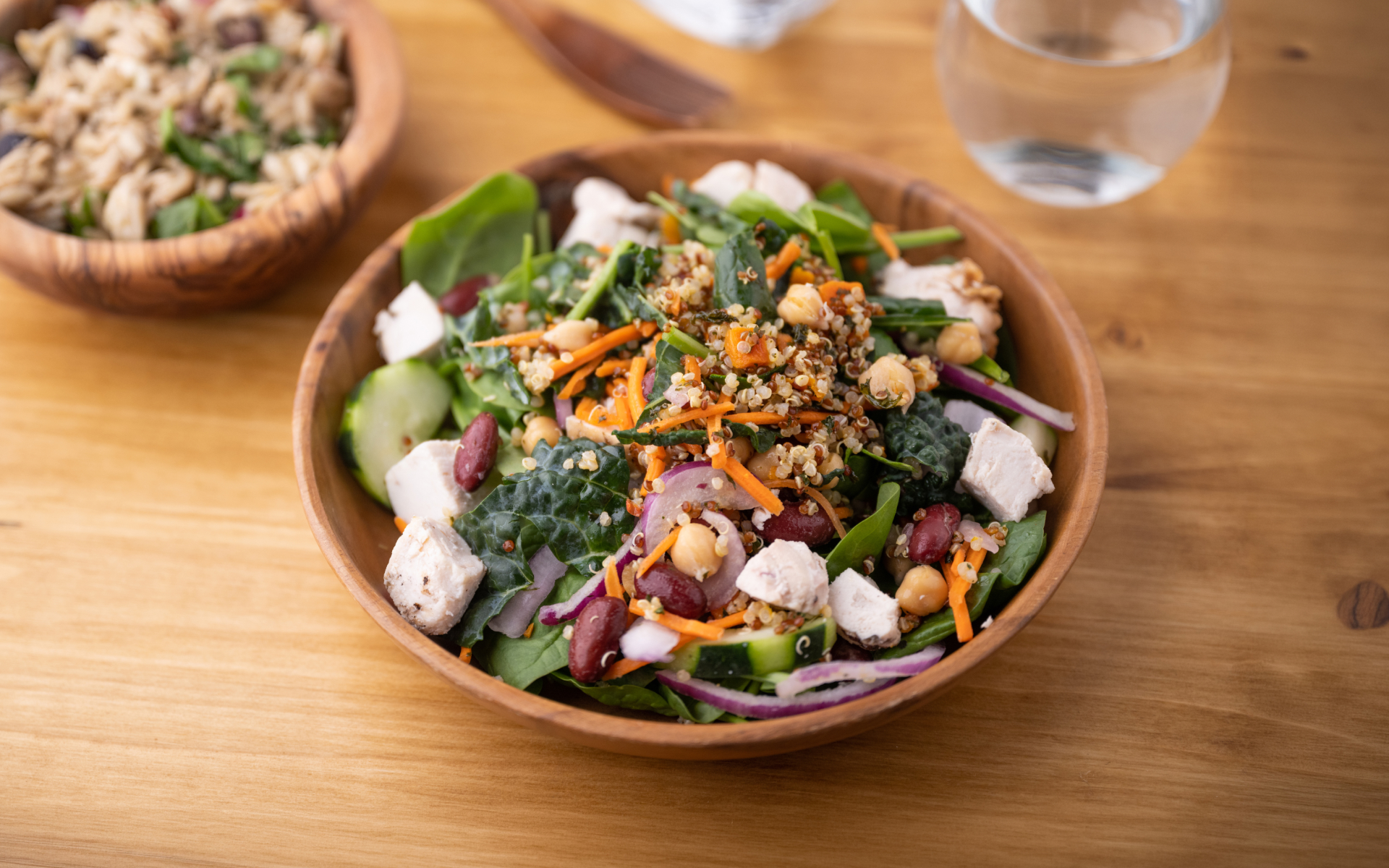
- Quinoa bowl: 1 cup cooked quinoa, grilled chicken, cherry tomatoes, cucumber, olive oil dressing
Afternoon Snack
- Smoothie with protein powder, banana, almond butter, almond milk
Dinner
- 5 oz baked cod
- Brown rice pilaf
- Roasted Brussels sprouts with garlic
Evening Snack
- 1 cup plain Greek yogurt
- 1 tbsp peanut butter
- 2 squares dark chocolate
That depends on your goals, body size, and activity level. If you’re physically active, an athlete, or looking to gain muscle, eating 3,000 calories a day can be an excellent option. However, for someone with a lower TDEE, it may lead to weight gain if it’s not balanced with energy expenditure. No, 800 calories a day is considered a very low-calorie diet (VLCD) and is typically only recommended under medical supervision. It may cause fatigue, nutrient deficiencies, and reduced metabolism if it’s followed long-term without professional guidance (11). You can, but whether it’s appropriate will depend on your metabolic needs. Elite athletes, bodybuilders in a bulking phase, or people with extremely high energy demands may require 4000 calories a day. For most people, this amount will likely result in weight gain.FAQs
Is a 3000-calorie diet good?
Is 800 calories a day a lot?
Can I eat 4000 calories a day?
The Bottom Line
A 2,900-calorie meal plan can be an effective way to fuel bulking, support muscle maintenance, and improve energy, especially for people with higher training volume, larger body size, or faster metabolisms. The key is to treat 2,900 calories as a structured target (built around protein, fiber, and minimally processed foods), not a “free-for-all,” and to adjust up or down based on your results, digestion, and activity level – ideally with guidance from a registered dietitian if you have any medical considerations.
DISCLAIMER:
This article is intended for general informational purposes only and does not serve to address individual circumstances. It is not a substitute for professional advice or help and should not be relied on for making any kind of decision-making. Any action taken as a direct or indirect result of the information in this article is entirely at your own risk and is your sole responsibility.
BetterMe, its content staff, and its medical advisors accept no responsibility for inaccuracies, errors, misstatements, inconsistencies, or omissions and specifically disclaim any liability, loss or risk, personal, professional or otherwise, which may be incurred as a consequence, directly or indirectly, of the use and/or application of any content.
You should always seek the advice of your physician or other qualified health provider with any questions you may have regarding a medical condition or your specific situation. Never disregard professional medical advice or delay seeking it because of BetterMe content. If you suspect or think you may have a medical emergency, call your doctor.
SOURCES:
- Dose-response relationship between protein intake and muscle mass increase: a systematic review and meta-analysis of randomized controlled trials (2020, academic.oup.com)
- Does a Higher Protein Diet Promote Satiety and Weight Loss Independent of Carbohydrate Content? An 8-Week Low-Energy Diet (LED) Intervention (2022, nih.gov)
- Vegetarian and vegan diets: benefits and drawbacks (2023, nih.gov)
- Nutrition: Macronutrient Intake, Imbalances, and Interventions (2023, nih.gov)
- The Relationship between Resting Metabolic Rate and Body Composition in People Living with Overweight and Obesity (2024, mdpi.com)
- Daily energy expenditure through the human life course (2021, science.org)
- The Influence of Lifestyle Factors on Resting Energy Expenditure and Its Role in Cardiometabolic Risk: A Cross-Sectional Study (2025, mdpi.com)
- Benefits of Fiber-Enriched Foods on Satiety and Parameters of Human Well-Being in Adults with and without Cardiometabolic Risk (2023, mdpi.com)
- Hunger or thirst state-uncertainty is resolved by outcome evaluation in medial prefrontal cortex to guide decision-making (2021, nature.com)
- Ultra-processed food consumption is linked to quality of life and mental distress among university students (2025, peerj.com)
- The Effects of Very Low Energy Diets and Low Energy Diets with Exercise Training on Skeletal Muscle Mass: A Narrative Review (2020, springer.com)
 Reviewed by
 By
By