

Stored emotions aren’t just stored in the mind, They also live in the body. When your nervous system is overwhelmed due to stress, any unprocessed experiences you have held within may imprint on your body . When you engage in somatic meditation, this can help release those patterns. This isn’t done by thinking about the echoes of trauma but by taking the time to recognize the way the body feels and the signals it gives off in a safe and non-threatening environment.
The best somatic meditation for releasing trauma is one that will allow your mind to be calm and settled. This helps build a sense of internal safety and allows you to reconnect with yourself.
In this article, we’ll focus on what that may look like, what research says about it, and how you can put these meditation practices into action.
What Is the Best Somatic Meditation to Manage Stored Emotions?
There isn’t really one overall somatic meditation that is the best, but there are some meditation practices that stand out as being more beneficial for most people. Doing somatic meditation that requires you to engage in the slow and mindful tracking of your body’s sensations while also focusing on emotional regulation tends to be the most beneficial. Two well-known methods that do this are:
Somatic Experiencing (SE): This type of somatic meditation was developed by Dr. Peter Levine and focuses on interoceptive awareness, orienting, and titration (small doses of traumatic activation). SE practitioners focus on helping clients track their sensations. This could be tightness, heat, or trembling throughout the body. These cues are then used as a way to guide the body toward release and regulation. Some studies have shown signs of reduced PTSD symptoms and the ability to support nervous system recovery (1).
Trauma-Sensitive Yoga (TSY): This style of yoga focuses on invitational language, choice-making, and mindfulness of body sensations rather than physical performance.
Our previous post goes into great detail about how to heal childhood trauma.
How Do You Deal with Stored Emotions Somatically?
There are a variety of ways through which you can manage stored emotions somatically. Dealing with stored emotions involves taking the time to reconnect with your body in a way that allows you to feel safe and supported.
Here are some useful techniques for managing stored emotions somatically:
- Grounding and centering: It’s helpful to engage in techniques that require you to focus on the feeling of your feet on the ground and notice your breathing. Doing these two things can help anchor you to the present and feel grounded. By doing this, your nervous system can shift from fight-or-flight to a calmer parasympathetic state.
- Pendulation: This technique requires you to gently move your attention between areas of tension and areas of ease. An example of this is noticing that your stomach is clenched but then recognizing your relaxed hands. Doing this helps your body improve its ability to hold onto uncomfortable sensations without becoming overwhelmed.
- Titration: This involves taking the time to process small chunks of intense memories or emotions as tolerated, rather than diving into all of them at once. The idea is to keep the processing of the memories and emotions in small, manageable doses so you aren’t overwhelmed. This is an important part of somatic experience.
- Body scanning: This is a well-known aspect of meditation and involves slowly bringing awareness to different parts of the body. Research has shown that doing this increases interoceptive accuracy and the ability to regulate your emotions (2).
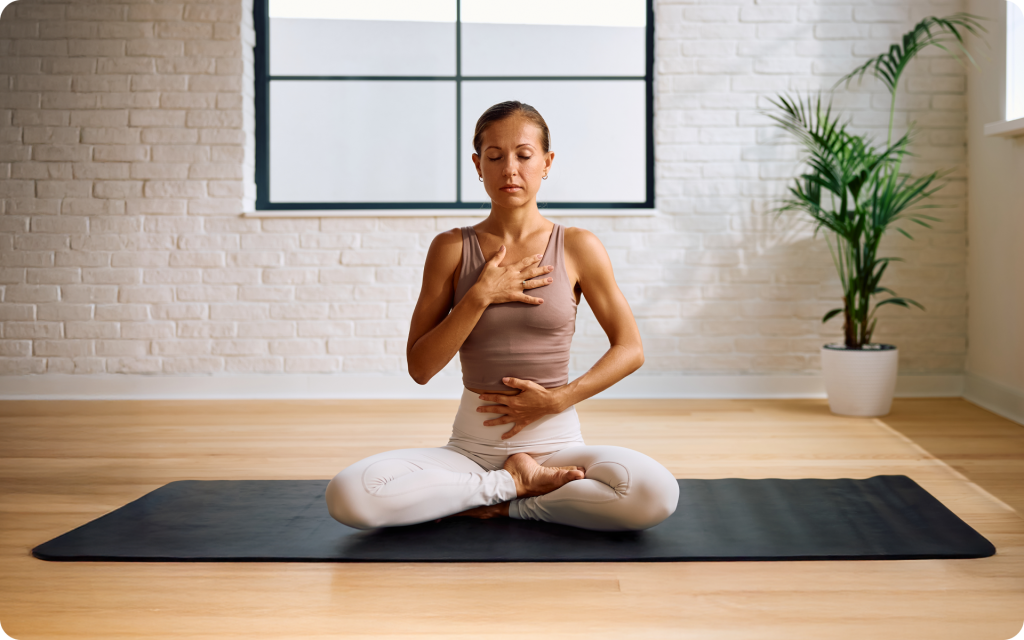
- Self-touch and Havening: By placing your hand over your heart or gently rubbing your arms, you can help calm your limbic system. There is a method that is known as the Havening Technique that pairs touch with mental imagery or affirmations and its purpose is to help reduce feelings and signals of distress.
Read more: Trauma Somatic Therapy: Benefits, Techniques, and What to Expect
Does Somatic Meditation Work for Stored Emotions?
While it may be difficult to say definitively that somatic mediation works for stored emotions , there is research that has shown it to have a great deal of promise. More large-scale studies are required to truly prove this theory, but there is existing research that supports somatic-based practices.
If you’ve dipped your toes in meditation before but couldn’t sit through a session because of all the thoughts buzzing in your head, impulses snatching away control or all the overwhelming feelings that start bubbling up the minute you sink into the silence, it’s only because you didn’t have the right guidance. Start using BetterMe: Meditation & Sleep app and watch your life transform!
How to Manage Stored Emotions with Somatic Meditation
Here’s a beginner-friendly somatic meditation flow you can easily do in the comfort of your own home:
- Set a safe environment: Choose a quiet space and set up blankets, cushions, and other comforting items. This will help you feel safe and protected.
- Ground yourself: Close your eyes and relax your face. Recognize the feeling of your feet on the ground or your back against the chair. Breathe in and out in a natural cadence.
- Scan the body: Move your attention gradually from the top of your head down to the bottom of your feet. Take time to notice where you feel tension, warmth, tingling, or numbness throughout your body. Don’t try to understand why – just take a minute to recognize and feel.
- Pendulate: If you noticed that there was significantly more distress in one area of your body, readjust your body into a more neutral or safe position, then return to the previous position. This will help you become more resilient and better regulate yourself.
- Add gentle movement or touch: Allow your body to stretch, sway, or move in any way that feels comfortable and natural. Follow your natural instincts. If you feel a lot of tension in one spot, place your hand there and take it in. Follow what your body urges you to do.
- Reflect: Once you’ve taken approximately 10-15 minutes to walk through these steps, acknowledge how you feel. Is your breathing calmer? Has your mind settled down? It’s helpful to notice even the smallest shifts in how your mind and body feel.
For more details about the somatic meditation script, take a look at our prior publication.
What Kind of Meditation Is Good for Stored Emotions ?
Believe it or not, not all meditation is good for stored emotions . You should focus on techniques that have been deemed tsafe. Anything that encourages you to dissociate or promotes deep stillness without outside support can be detrimental to the recovering process.
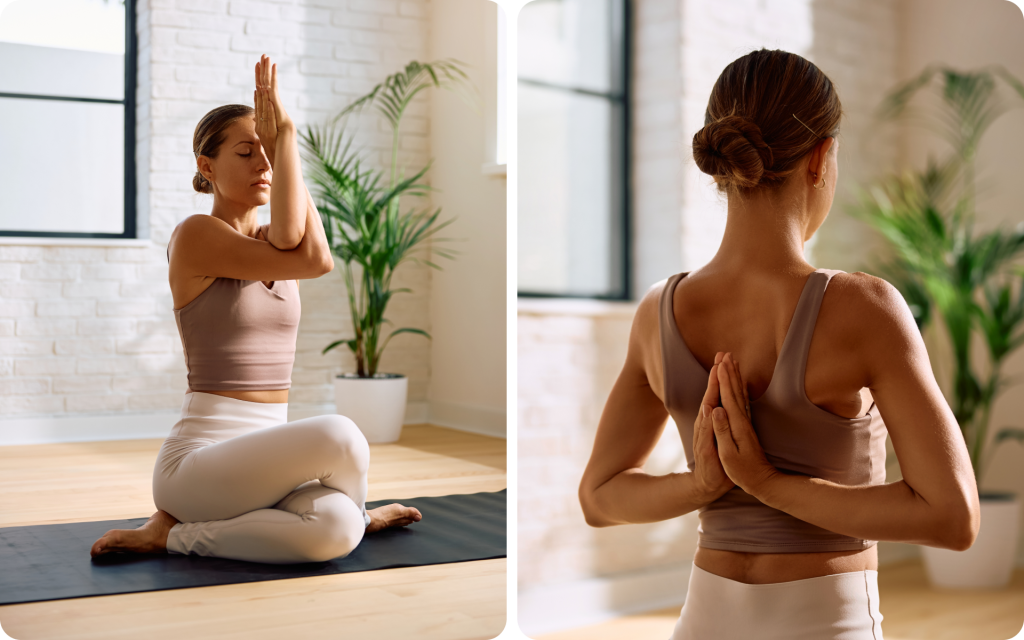
Omatic yoga practices can also be beneficial due to how slow and mindful they are and the emphasis they place on safety and choice. Body scan meditation is useful thanks to its ability to promote interoceptive awareness and grounding. Mindfulness meditation (MBSR) has been widely researched and has been proven to be effective when performed in a stored emotions – context. In addition, movement-based meditation is always a good choice and can be a powerful tool for managing stored emotions. This could mean using walking or dancing as types of somatic meditation. If you’re curious about the somatic emotional release, check out our earlier article.

Somatic meditation focuses on bodily sensations rather than thoughts or mantras. It trains you to recognize internal cues and relate to them with curiosity and compassion. It’s frequently used in body-based therapies that aim to release emotions and physiological tension. Vipassana is a powerful meditation method that is focused on observing bodily sensations and thoughts without becoming attached to them. While it may help some people, it’s not ideal for beginners. There’s no standard timeline for how long it takes to deal with stored emotions. Some people may feel a change after just a few sessions of somatic meditation, while others may require months or even years to truly feel the impact of the practice – it depends a lot on the type of trauma. Frequently Asked Questions
What is somatic meditation?
Is Vipassana good for managing stored emotions ?
How long does it take to deal with stored emotions?
The Bottom Line
You don’t need to force your body to calm. With time, patience, and listening to your body, practices such as somatic meditation can create space for you to calm at your own pace. With consistency and dedication, you can take natural approaches to managing stored emotions from the inside out.
DISCLAIMER:
This article is intended for general informational purposes only and does not serve to address individual circumstances. It is not a substitute for professional advice or help and should not be relied on for making any kind of decision-making. Any action taken as a direct or indirect result of the information in this article is entirely at your own risk and is your sole responsibility.
BetterMe, its content staff, and its medical advisors accept no responsibility for inaccuracies, errors, misstatements, inconsistencies, or omissions and specifically disclaim any liability, loss or risk, personal, professional or otherwise, which may be incurred as a consequence, directly or indirectly, of the use and/or application of any content.
You should always seek the advice of your physician or other qualified health provider with any questions you may have regarding a medical condition or your specific situation. Never disregard professional medical advice or delay seeking it because of BetterMe content. If you suspect or think you may have a medical emergency, call your doctor.
SOURCES:
- Somatic experiencing: using interoception and proprioception as core elements of trauma therapy. (2015, pubmed.ncbi.nlm.nih.gov)
- Mindfulness meditation training alters cortical representations of interoceptive attention. (2013, pubmed.ncbi.nlm.nih.gov)
 Reviewed by