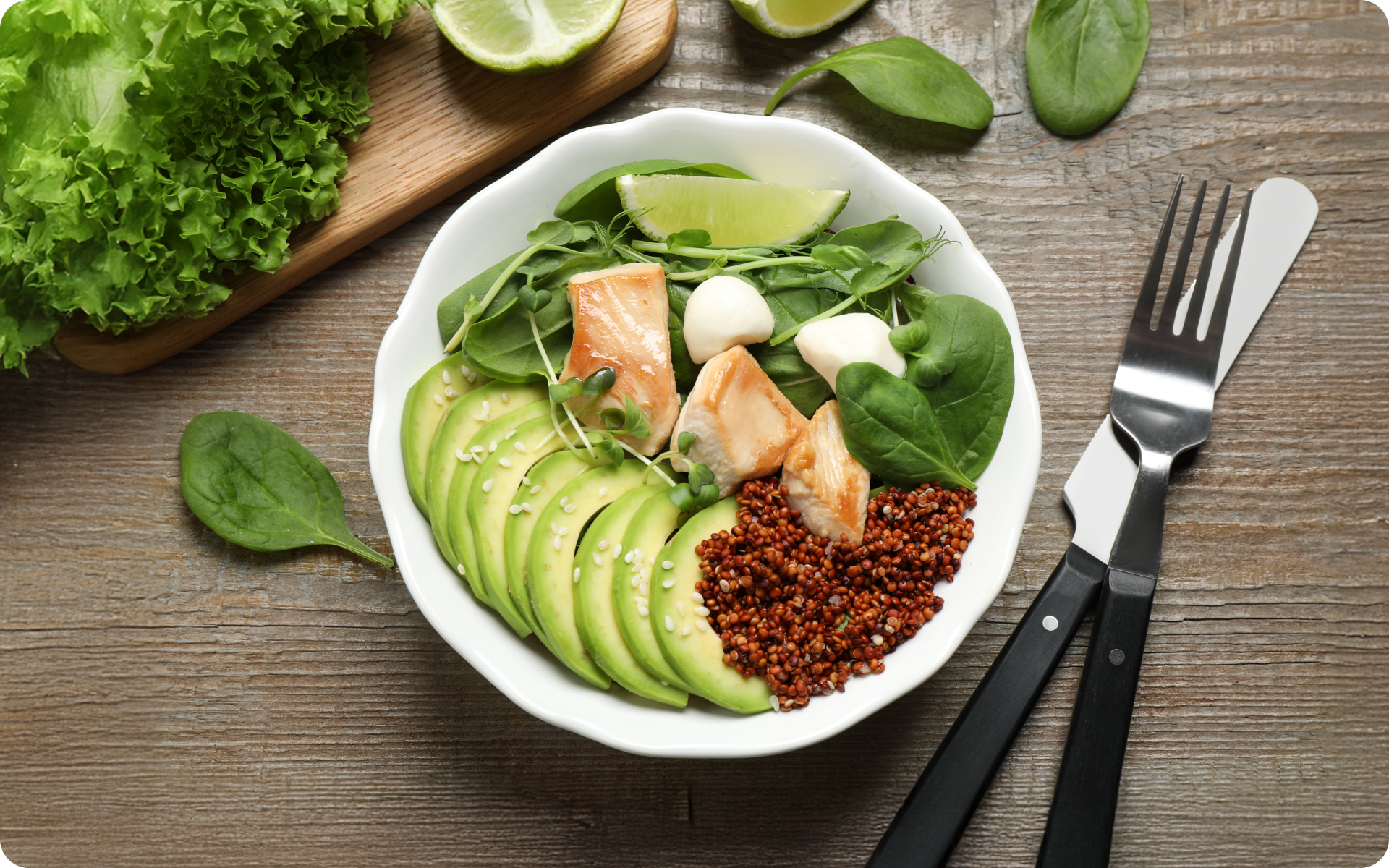
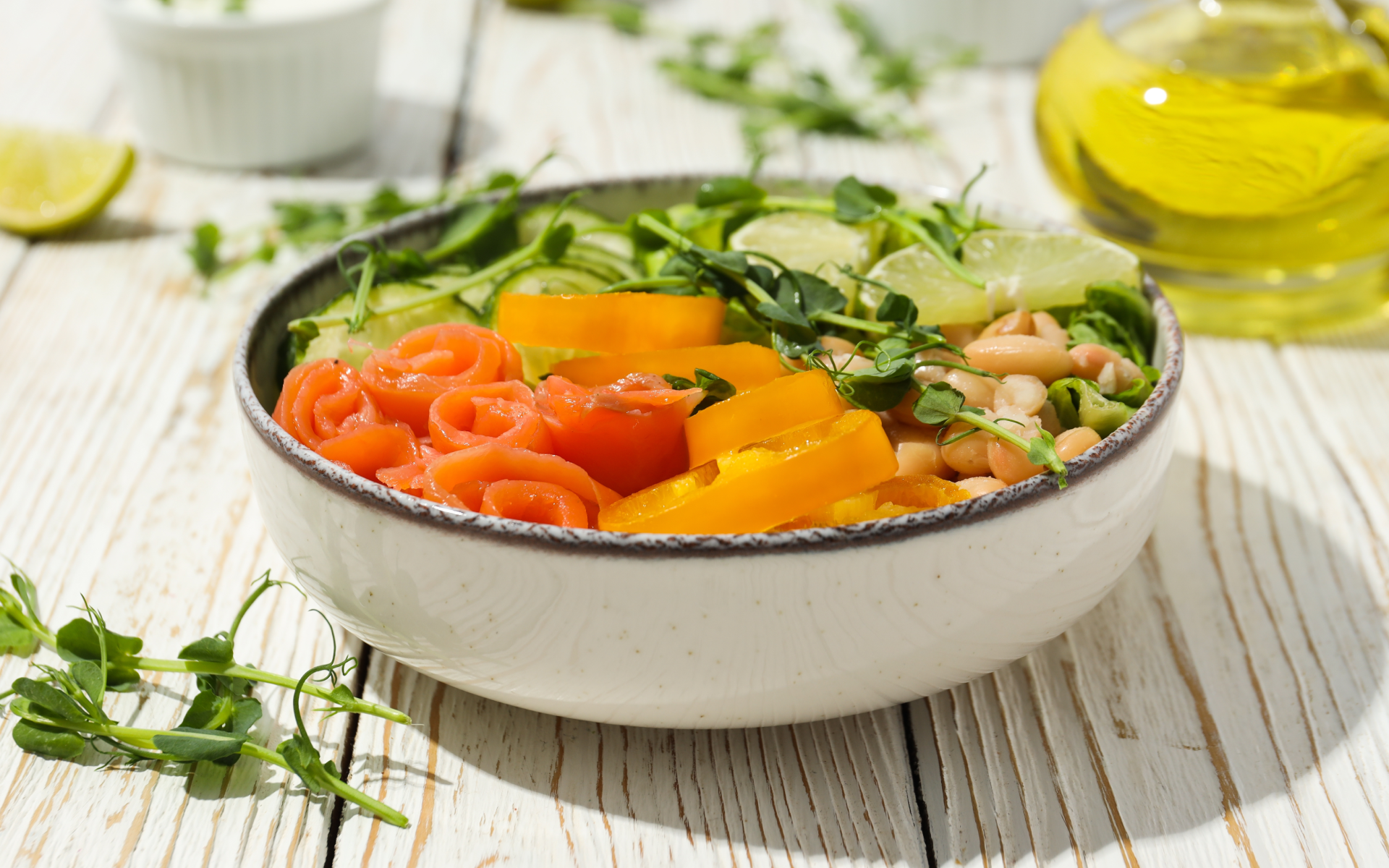
In the world of diets, there’s always a promise of “burning fat” through magical strategies, and the slow-carb diet approach receives a lot of attention, but what does this concept really mean?
Essentially, it’s not about removing carbohydrates entirely. Our bodies need energy, and carbohydrates are the most important source. The core idea of the slow-carb meal plan is to prioritize carbs that are released more gradually into the bloodstream. These are what we sometimes call “smart carbs” or slow-release carbohydrates. As they digest slowly, they prevent sharp spikes in glucose and insulin, helping keep blood sugar levels more stable throughout the day. With that stability, you may have more energy to perform your daily tasks and exercise, and you should feel more satisfied on a lower-calorie diet, particularly if you’re also focusing on protein and fiber (1, 2).
The key is the glycemic index (GI). Low-GI foods release glucose gradually, while high-GI foods cause rapid spikes. Choosing low-GI options can help maintain steady energy, reduce cravings, and keep blood sugar under control if you have diabetes (3).
The slow-carb meal plan isn’t a magic solution for weight loss, but it’s a smart strategy to regulate blood glucose and potentially promote fat burning, focusing on protein, healthy fats and complex, fiber-rich carbohydrates and steering clear of ultra-processed and sugary foods.
Is a Slow-Carb Diet Good for Weight Loss?
The answer is: potentially yes. By stabilizing blood sugar levels, this diet could help control appetite and reduce cravings, making it easier to create a calorie deficit, which is fundamental for weight loss (4). In addition, as previously mentioned, prioritizing high-fiber foods promotes satiety and improves digestion.
However, it’s important to note that the effectiveness of any meal plan varies from person to person. The success of a slow-carb meal plan depends on several factors, such as adherence to the plan, the quality of foods consumed, and physical activity.
As with any eating pattern, it requires commitment, planning, and, most importantly, listening to your body. It’s not for everyone, and it’s important to consult a health professional before you start any new meal plan.

What Are the 5 Rules of the Slow-Carb Diet?
Now that we know the concept of the slow-carb meal plan, let’s break down and analyze its fundamental rules. There are 5 rules, and in this article we’ll look at each of them with professional insight (5).
- “Avoid “white” or refined grain products”
This rule means avoiding refined grain products such as white bread, regular pasta, and white rice, with the aim of reducing the intake of high-glycemic-index carbs.
However, labeling all grains as a single group could be confusing. We want to clarify that not all grain products are the same, and whole grains are considered slow carbs and don’t need to be avoided.
In addition, some versions of this diet will tell you to avoid potatoes simply as they are the color white inside, but potatoes are rich in fiber and other nutrients, and their glycemic index can vary widely based on the variety and cooking method. We wouldn’t suggest that they need to be avoided.
Tip: If you’re looking for a sustainable long-term eating strategy, including whole grains and whole-grain products is recommended, especially if combined with protein and other fiber-rich foods (such as fruits and vegetables) to mitigate their glycemic impact.

- “Eat the same few meals over and over again”
Food repetition may seem monotonous, but it has a logic: simplifying options can reduce decision fatigue and help long-term adherence, while still allowing nutrition optimization and fewer temptations to stray. This may be helpful for some people.
However, this doesn’t mean eating literally the same thing every day. It’s about creating “base meals” while varying ingredients for flavor and nutrients, keeping to nutrient-dense foods.
Tip: Identify 2-3 breakfast and lunch options you enjoy that fit the slow-carb meal plan, and batch them in advance to facilitate adherence during the week.
When it comes to weight loss, progress is made by inches, not miles, so it’s much harder to track and a lot easier to give up. The BetterMe: Health Coaching app is your personal trainer, nutritionist, and support system all in one. Start using our app to stay on track and hold yourself accountable!
- “Don’t drink calories”
This rule focuses on eliminating liquid calories that could contribute to weight gain, such as sugary sodas, fruit juices, or sports drinks.
Alternatives include water, unsweetened tea, black coffee, or sparkling water with lemon or cucumber.
- “Don’t eat fruit”
This restriction is one of the most controversial aspects of the slow-carb meal plan. The main reason proponents suggest avoiding fruit is its fructose content, a type of sugar, while the diet emphasizes vitamins and minerals from vegetables.
It’s important to note that fruit also contains fiber, vitamins, and beneficial antioxidants. Restricting fruit is not recommended for a healthy, balanced diet.
Tip: If you enjoy fruit and don’t want to give it up, an alternative could be limiting intake to low-GI options (e.g. berries) and consuming them in moderation. Always consider consulting a health professional to determine if this rule fits you, as most people should not avoid fruit.

- “Take one day off per week”
This rule is for the diet’s sustainability. Allowing a “free day” to eat whatever you want helps reduce the sense of deprivation, which could lower the risk of bingeing or abandoning the diet.
Tip: It’s not about eating without control or stuffing yourself with junk food, but about enjoying foods that are normally restricted with moderation and mindfulness. Use this day to socialize and enjoy special meals with friends and family.
Read more: A Simple 10-Day Low-Carb Diet Menu to Lose Belly Fat
What Can I Eat on a Slow-Carb Diet?
Now it’s time to tackle the question you’re surely asking yourself: What can I eat on a slow-carb diet?
While we’ve already established that the slow-carb meal plan focuses on eliminating highly processed and fast-digesting carbs, replacing them with more nutritious and slow-release options, it’s crucial to have a clear and concise list of permitted foods.
So, let’s get practical. Below is a comprehensive guide to a slow-carb diet food list:
Proteins: Proteins are essential for the construction and repair of tissues, in addition to the production of enzymes and hormones (6). On the slow-carb meal plan, they serve as a main contributor to satiety, helping you reduce cravings and mindless snacking between meals. Examples of protein include:
- Eggs
- Chicken (breast or thigh)
- Fish
- Beef
- Pork
- Lamb
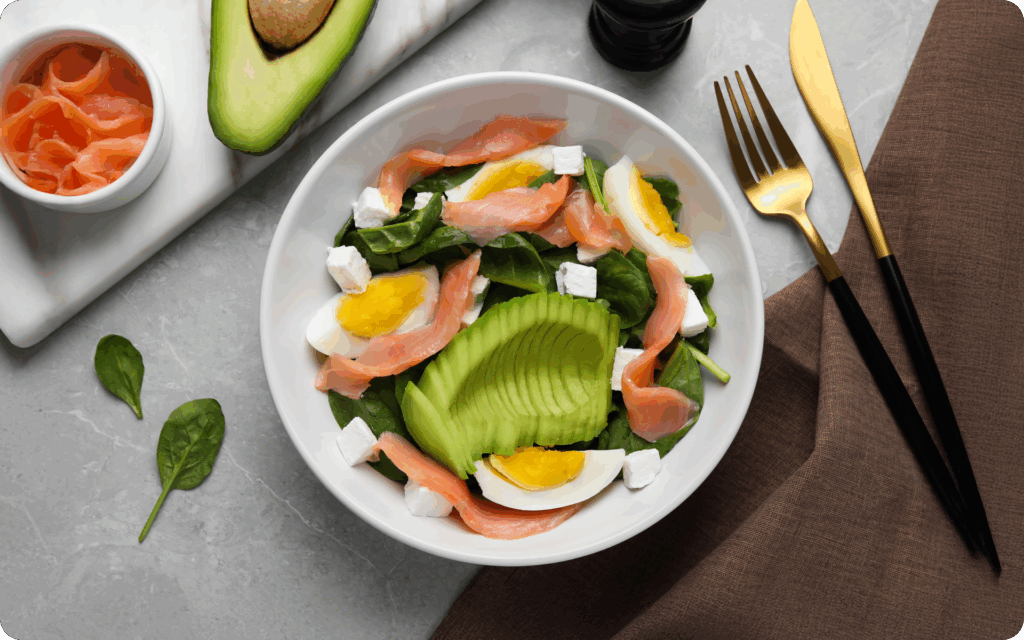
Legumes: Legumes provide complex, slow-release carbohydrates (smart carbs) in the slow-carb meal plan, fiber, and plant-based proteins, contributing to satiety and blood sugar regulation (7). Examples include:
- Lentils
- Black beans
- Pinto beans
- Red beans
- Soy
Vegetables: Vegetables are essential for a healthy and balanced diet. On the slow-carb meal plan, they serve as an important source of vitamins, minerals, fiber, and antioxidants (8). Good examples are:
- Spinach
- Mixed vegetables (including broccoli, cauliflower, or any other cruciferous vegetables)
- Sauerkraut and kimchi
- Asparagus
- Peas
- Broccoli
- Green beans
Although some versions of this diet don’t encourage them, we recommend that you also include whole grains and fruits for a balanced diet that still promotes sustained energy and blood sugar control.

What Foods Should You Avoid on a Slow-Carb Diet?
As we mentioned, the slow-carb diet is based on restricting certain food groups that could cause blood sugar spikes and hinder weight loss. You may already have a general idea of what it entails. However, we want to give you a detailed list of foods you should avoid according to the slow-carb diet principles.
- Added Sugars
As we discussed, the slow-carb diet aims to keep blood sugar levels stable. Therefore, all added sugars, in any form, should be avoided. This includes white and brown sugar, high-fructose corn syrup, honey, maple and agave syrups, and processed foods with hidden sugars.


- Refined Grains and Starches
– White bread, white rice, white pasta
– Processed breakfast cereals
– Cookies, cakes, pastries, and other bakery products
- Fruits
Fruit restriction is another distinctive feature of the slow-carb diet, with the exception of avocado and tomato (yes, they are botanically fruits!). As mentioned above, this is controversial. The justification is that fruits contain fructose, a type of natural sugar. However, they also contain fiber, vitamins, minerals, and antioxidants that are all beneficial. Typically, a portion of low-glycemic-index fruit also could be allowed, such as berries. Eating fruit with other foods that provide protein and additional fiber can help slow down the absorption of any sugar. We reiterate the importance of context, individual goals, and professional consultation.
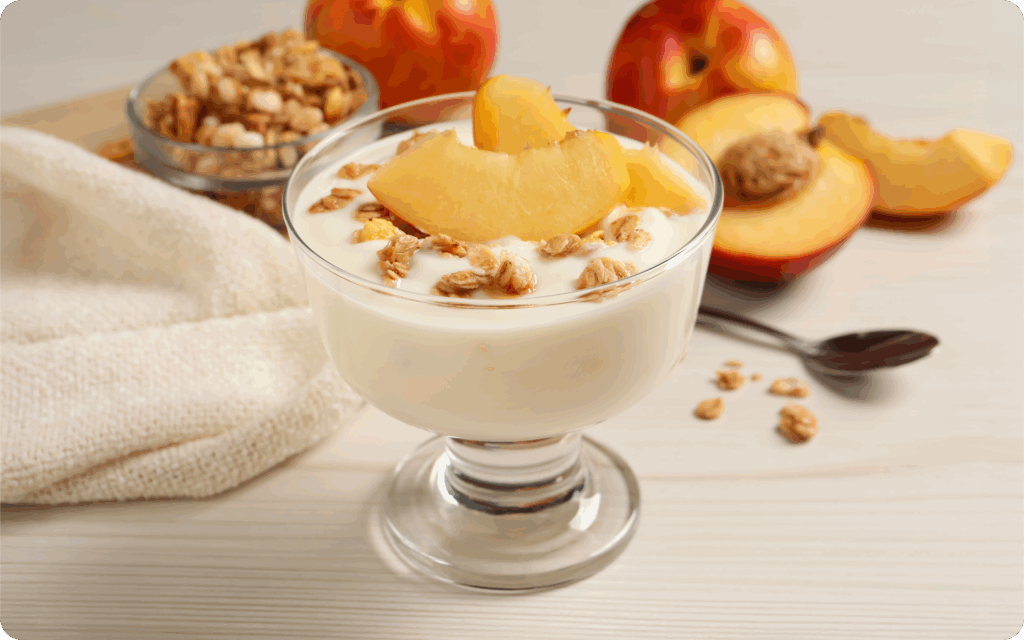
- Dairy
The slow-carb diet often restricts dairy due to its lactose content (milk sugar). However, cheese and unsweetened yogurt could be allowed.
- Ultra-Processed and Fast Foods
These foods are usually loaded with added sugar, unhealthy fats, and lots of calories, which makes them an unhealthy choice for any diet, particularly for one that is aiming to control blood sugar and lose weight.
Clarification: It’s important to remember that like any dietary plan, the slow-carb diet should be tailored to individual needs and preferences. Listening to your body and consulting a registered dietitian could help.
Read more: 50 Low-Carb Snacks List For Keto Diet
What Is an Example of a Slow-Carb Diet Meal Plan?
Understanding theory is one thing, but turning it into action could feel overwhelming at first. That’s why we’ve prepared a clear and practical 3-day meal plan example to give you a tangible sense of how to implement the slow-carb diet in daily life.
Slow-Carb Meal Plan Example:
Day 1:
- Breakfast: Unsweetened tea or black coffee, plus scrambled eggs with spinach and peppers, and a small bowl of cooked black beans with a minced onion and a teaspoon of olive oil.
- Lunch: Grilled chicken salad with lentils, tomato, cucumber, red onion, and a light balsamic vinaigrette with olive oil.
- Dinner: Baked salmon with steamed asparagus and a bowl of chickpeas with fresh herbs and lemon juice.

Day 2:
- Breakfast: Unsweetened tea or black coffee, plus an egg tortilla stuffed with broccoli and cottage cheese.
- Lunch: Homemade lentil soup with carrot, celery, and onion. A small side salad with tuna in water, lettuce, and cucumber.
- Dinner: Lean beef sautéed with bell peppers, onion, and spinach in low-sodium soy sauce.
If you wish to free yourself from all the extra pounds that have been weighing you down for way too long, start using the BetterMe: Health Coaching app and overhaul your entire life!
Day 3:
- Breakfast: Whey protein shake (unsweetened) with spinach, chia seeds, and water.
- Lunch: Homemade burger (without bun) made with lean ground beef and onion, with a lettuce-tomato-onion-avocado-garbanzo salad.
- Dinner: Grilled chicken breasts marinated in Provençal herbs, served with steamed cauliflower and asparagus.
If you’re looking for a vegan slow-carb meal plan, you can easily adapt this meal plan. Replace the meat and eggs with plant-based protein sources such as tofu, tempeh, seitan, and additional legumes. For example, instead of scrambled eggs, you could prepare scrambled tofu with vegetables. Grilled tempeh could substitute chicken or fish in the salad or as a main course for dinner.

What Are the Main Benefits of a Slow-Carb Diet Meal Plan?
While it’s important to remember that specific scientific evidence for the slow-carb diet is limited, its principles are aligned with certain nutritional strategies that have been shown to be beneficial for health.
We’ll explore in detail these benefits, providing a deeper understanding of how this diet seeks to positively influence your well-being.
- Sustainable Weight Control
One of the most popular and sought-after benefits of the slow-carb diet is its ability to facilitate weight loss and, more importantly, maintain it in the long term. The key? By focusing on nutritious, fiber-rich foods, a slow-carb meal plan could help you feel fuller for longer, which reduces the need to snack between meals and naturally controls portions (7).
- Improved Energy Levels
By replacing refined carbohydrates and added sugars with whole, nutritious foods, a slow-carb meal plan could lead to a significant improvement in energy levels. Foods that are high in fiber and protein provide a slower, steadier release of glucose into the blood, avoiding the peaks and crashes often that are associated with diets that are high in refined carbohydrates (7). As a result, you may experience greater vitality and endurance throughout the day.

- Blood Sugar Regulation
The emphasis on low-glycemic-index foods in the slow-carb diet could be beneficial for blood sugar regulation. By consuming foods that digest slowly, the likelihood of blood glucose spikes is reduced, which could be particularly useful for people who are aiming to maintain stable blood sugar levels (3).
- Increased Intake of Essential Nutrients
A slow-carb meal plan naturally promotes greater consumption of vegetables, legumes, and lean proteins. These foods are rich in vitamins, minerals, antioxidants, and fiber – nutrients that are essential for the proper functioning of the body and for maintaining good overall health (8).
- Improved Digestive Health
The high fiber intake from legumes and vegetables could contribute to better digestive health. Fiber helps regulate bowel movements, prevent constipation, and promote the growth of beneficial gut bacteria. A healthy digestive system is fundamental for nutrient absorption, strengthening the immune system, and overall well-being (9).
And finally, remember that “day off” we mentioned earlier? Some proponents of the slow-carb diet suggest that this approach could be associated with the ‘metabolic confusion’ principle, which aims to prevent the body from fully adapting to the diet, which may potentially slow metabolism. However, this is largely theoretical.

Who Should Try the Slow-Carb Diet?
Before we answer this question, it’s essential to understand that this information doesn’t substitute professional medical advice. It’s always crucial to consult a doctor or registered dietitian before making significant changes to your diet, particularly if you have any pre-existing health conditions.
That being said, let’s analyze who might benefit from exploring the slow-carb diet, focusing on general characteristics and goals:
People Who Are Seeking a Sustainable Weight Control Approach
Although the slow-carb diet has specific rules, it allows some flexibility within those rules. For those who don’t follow restrictive diets but want to lose or manage weight, this approach could be a more balanced alternative. By emphasizing the consumption of real, nutritious foods, in addition to the weight loss benefits we’ve already discussed, this could be more sustainable in the long term for some people.
People Who Are Interested in Improving Body Composition
Beyond simply losing weight, the slow-carb diet could positively influence body composition. By prioritizing lean proteins and reducing processed carbohydrates, a metabolic environment is created that is favorable for building lean muscle mass and reducing body fat – as long as it’s paired with physical activity! (10).
People Who Are Seeking Greater Stability in Energy Levels
As previously mentioned, fluctuations in blood sugar could trigger energy spikes and crashes, anxiety, and cravings. The slow-carb diet, by focusing on low-glycemic-index foods, helps maintain more stable blood glucose levels. This could result in more sustained energy throughout the day, improving focus and overall performance.

Yes, you can eat eggs on a slow-carb diet. In fact, eggs are an excellent source of protein, which is an essential component of the diet. Generally, no, bananas aren’t recommended on the slow-carb diet if you do it by the book. While they are a healthy fruit, they contain a significant amount of carbohydrates and sugars. However, we would argue that a modified version of this diet, which includes fruits and whole grains, is probably healthier and more sustainable. That depends. Natural peanut butter, which means peanut only (and salt at most), can be consumed in moderation on the slow-carb diet. However, it’s essential to avoid commercial brands that contain added sugars, oils, or other additional ingredients. Read the label carefully and moderate the portion. The rate of weight loss on the slow-carb diet is highly variable. It depends on many individual factors, such as metabolism, physical activity level, age, adherence to the plan, and overall health. The most important thing is not to only focus on “how fast”, but to nourish the body properly and adopt a healthy lifestyle long-term. Consistency and a focus on nutritious foods are key to sustainable success.Frequently Asked Questions
Can you eat eggs on the slow-carb diet?
Can you eat bananas on a slow-carb diet?
Can I have peanut butter on the slow-carb diet?
How fast is weight loss on a slow-carb diet?
The Bottom Line
In summary, the slow-carb diet shouldn’t be a miracle solution for weight loss, but it does offer a practical framework for sustainable eating. By prioritizing low-glycemic-index foods that are high in fiber and lean proteins, this approach could help stabilize energy, support satiety, and foster healthier eating patterns without being overly restrictive. As always, success depends on the overall lifestyle and adapting the plan to individual needs, preferably with professional guidance.
DISCLAIMER:
This article is intended for general informational purposes only and does not serve to address individual circumstances. It is not a substitute for professional advice or help and should not be relied on for making any kind of decision-making. Any action taken as a direct or indirect result of the information in this article is entirely at your own risk and is your sole responsibility.
BetterMe, its content staff, and its medical advisors accept no responsibility for inaccuracies, errors, misstatements, inconsistencies, or omissions and specifically disclaim any liability, loss or risk, personal, professional or otherwise, which may be incurred as a consequence, directly or indirectly, of the use and/or application of any content.
You should always seek the advice of your physician or other qualified health provider with any questions you may have regarding a medical condition or your specific situation. Never disregard professional medical advice or delay seeking it because of BetterMe content. If you suspect or think you may have a medical emergency, call your doctor.
SOURCES:
- Slow-release carbohydrates: growing evidence on metabolic responses and public health interest. Summary of the symposium held at the 12th European Nutrition Conference (FENS 2015) (2016, pmc.ncbi.nlm.nih.gov)
- Physiology, Carbohydrates (2023, ncbi.nlm.nih.gov)
- Glycemic index: A helpful tool for diabetes? (2024, mayoclinic.org)
- Optimal Diet Strategies for Weight Loss and Weight Loss Maintenance (2020, pmc.ncbi.nlm.nih.gov)
- RELEVANT: THE SLOW-CARB DIET ONE-PAGER (2012, tim.blog)
- Protein (2018, pubmed.ncbi.nlm.nih.gov)
- Defining Nutritional and Functional Niches of Legumes: A Call for Clarity to Distinguish a Future Role for Pulses in the Dietary Guidelines for Americans (2021, pubmed.ncbi.nlm.nih.gov)
- Health Benefits of Fruits and Vegetables (2012, pmc.ncbi.nlm.nih.gov)
- Nutrition and healthy food (2025, mayoclinic.org)
- BMR (Basal Metabolic Rate) (2024, my.clevelandclinic.org)


 Reviewed by