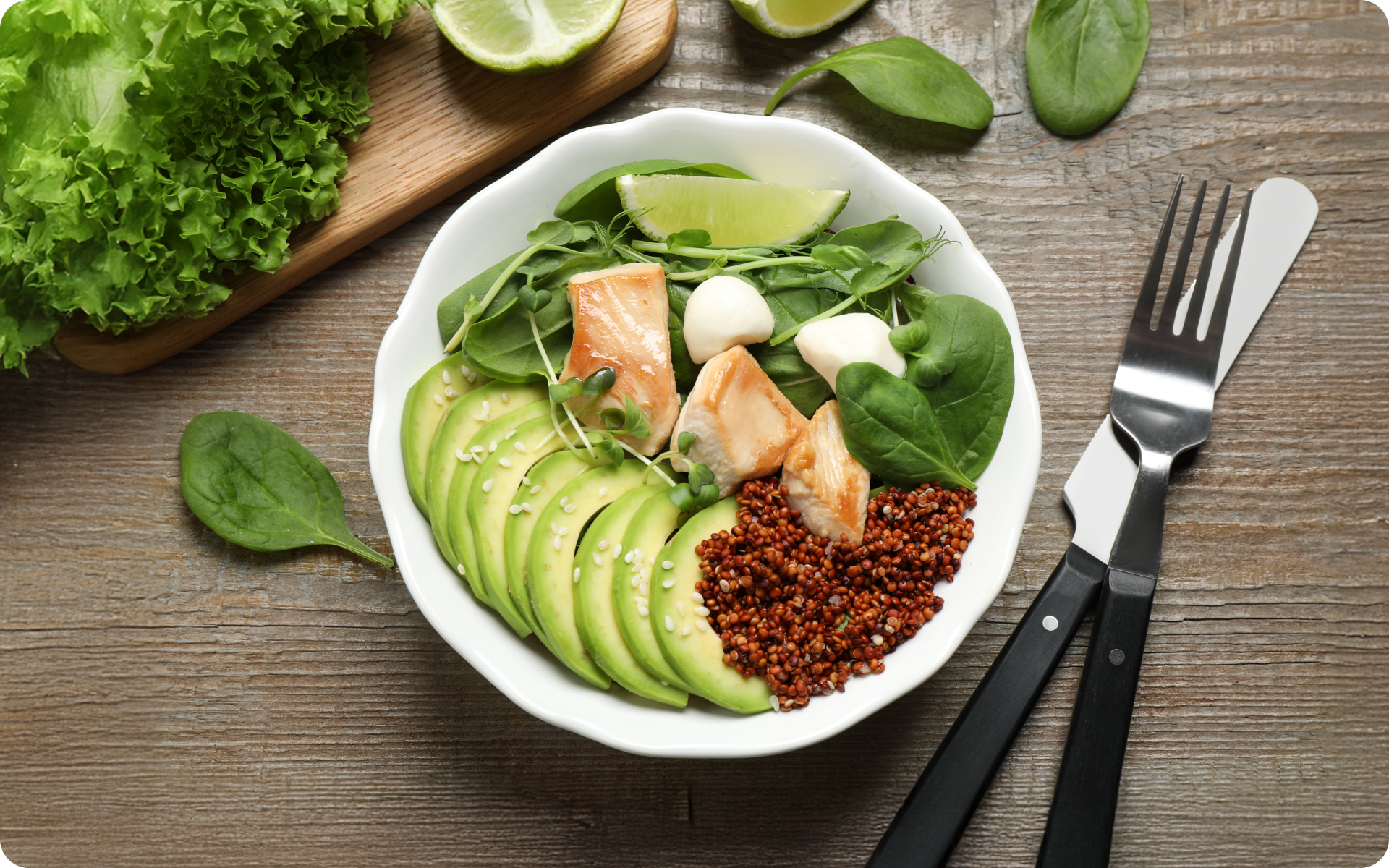

What would happen if you were to stop eating sugar for a month? And no, we’re not just talking about candies and cakes, but added sugar that sneakily creeps into your diet. This could be in breakfast cereals, protein powders, and “healthy” snacks.
Such consumption isn’t always intended – it just shows up.
This is a top reason why many people avoid a 30-day no-sugar diet. It requires careful meal selection and the creation of a diet plan, which can be overwhelming. If you’re someone who wants a sugar detox diet plan, this article is for you. It covers a smart, no-sugar diet plan you can follow for a month, along with tips to help you reach your fitness goals.
Let’s explore together!
What Is a Smart No-Sugar Diet Plan for 30 Days?
A smart no-sugar diet plan is grounded in biology.
To get through 30 days without added sugar, you should focus on keeping your blood sugar steady, supporting your gut health, and not panicking over slip-ups. We’re all human and tend to give in to our cravings.
But remember, one small mistake doesn’t ruin everything. What matters is getting back on track rather than letting a misstep turn into a full reset.

The Science Behind the Reset
When you eat a lot of sugar, your brain releases dopamine. It’s a feel-good chemical that keeps you coming back for more. That may be why cravings feel stronger and stopping feels harder than it should (1, 2).
- Days 1-7 (The Withdrawal): You may experience headaches and irritability. This may be your brain adjusting to lower dopamine levels (3).
- Days 8-21 (The Stabilization): Insulin sensitivity may improve. A study on children in Gastroenterology suggests that reducing fructose intake can significantly lower liver fat and improve metabolic markers in as little as 10 days (4).
- Days 22-30 (The Reward): Chronic inflammation markers may drop, and taste buds recalibrate (5). This can make natural foods, such as berries, taste intensely sweet.
The 30-Day No-Sugar Diet Framework
A smart no-sugar plan categorizes sugar. This division ensures you don’t deprive your brain of the glucose it needs to function well.
| Category | What to cut | What to keep |
|---|---|---|
| Added sugars | Cane sugar, HFCS, agave, honey, maple syrup | None |
| Hidden sugars | Flavored yogurts, condiments (ketchup/BBQ), low-fat snacks (6) | Read labels for any forms of added sugar |
| Refined carbs | White bread, white pasta, crackers, flour tortillas (7) | Swap for complex carbs with fiber (whole grains, legumes, vegetables) |
| Natural sugars | Soda and fruit juices (fiber removed) | Whole fruits |
Now that you know what this plan should look like, it’s time to look at how to design a no-sugar diet plan. But before we do that, remember that the core rules (listed in the table above) stay the same, even if you’re following a 7-day no-sugar challenge.
Read more: What Is Healthy Food On The Go? Simple And Filling Options
Sample Daily No-Sugar Meal Plan
Breakfast
- Eggs with vegetables (spinach, mushrooms, peppers) and whole-grain toast
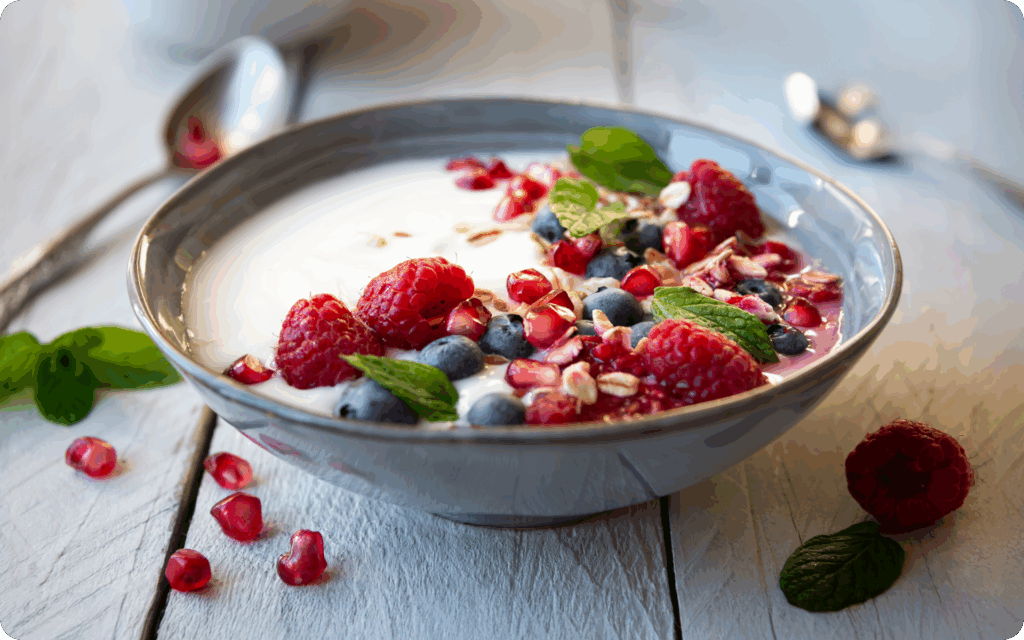
- Greek yogurt (unsweetened) with nuts or seeds and berries
- Oatmeal with cinnamon, nut butter, and berries (no sweeteners)
Lunch
- Grilled chicken or fish with quinoa or brown rice and vegetables
- Lentil or chickpea salad with olive oil and lemon
- Stir-fried vegetables with tofu or lean meat
The BetterMe: Health Coaching app will provide you with a host of fat-frying fitness routines that’ll scare the extra pounds away and turn your body into a masterpiece! Get your life moving in the right direction with BetterMe!
Dinner
- Baked salmon with roasted vegetables and potatoes
- Chicken curry with cauliflower rice
- Bean-based stew or soup with whole-grain bread
Snacks (1-2 per day)
- Nuts or nut butter
- Boiled eggs
- Apple or berries
- Hummus with raw vegetables
Here’s a week-by-week breakdown of what happens over 4 weeks and what you should expect.

Week 1: Reset
- Cut obvious sugars (desserts, soda, packaged snacks)
- Expect mild cravings. Stay hydrated
Week 2: Stabilize
- Cravings drop
- Focus on protein at every meal
Week 3: Adapt
- Energy levels improve
- Taste buds become more sensitive to natural flavors
Week 4: Maintain
- Sugar cravings are minimal
- Habits feel easier and sustainable
This approach avoids the abstinence-violation effect. It means that it allows nutritious foods and keeps meals balanced (8). This can make it easier to stick to for the full 30 days.
For more details about the no-salt no-sugar diet, take a look at our prior publication.
What Are the 5 Signs that You’re Eating Too Much Sugar?
Most of us think eating too much sugar only means going overboard on donuts or desserts. However, the truth is, sugar hides in everyday foods. For instance, that healthy yogurt at breakfast or the pasta sauce you love, many contain some amount of added sugar.
And while it feels harmless, your body may already be sending warning signs you didn’t even realize were connected to sugar.
Below are the 5 common signs you may be craving sugar:
- The 2 pm Energy Crash
If you’re fighting the urge to nap right after lunch, sugar may be the reason. When you eat sugary foods, your body releases a big burst of insulin to deal with the spike in blood sugar. Soon after this, your blood sugar drops fast, and suddenly you’re tired, foggy, and reaching for another snack.
Research in Neuroscience and Biobehavioral Reviews indicated that sugar doesn’t actually improve mood or alertness. Instead, it increases fatigue and lowers alertness within 60 minutes of consumption (9).
- Your Skin Is Acting Up (Adult Acne)
If you’re well past your teenage years, but still getting breakouts, sugar could be part of the problem. High sugar intake can trigger acne-causing inflammation and increase oil production, which clogs pores and leads to flare-ups.
A 2022 systematic review found a correlation between high-glycemic diets and acne severity (10). In addition, a 2022 study from Nutrients found that sugar can accelerate glycation. It’s a process that damages collagen, which causes skin to lose elasticity and age more quickly (11).
- You’re Always Craving Something Sweet
Sugar acts like fast fuel. It can burn quickly and leave you hungry again soon after. It doesn’t have the fiber, protein, or healthy fats your body needs to feel satisfied.
A study in the American Journal of Physiology found that high-fructose diets can dull your brain’s “I’m full” signals. Perhaps this is why you may feel hungry and irritable even after eating enough (12).
- Stubborn Belly Fat
If you’re working out, but your waistline refuses to move, sugar could be getting in the way. Contrary to glucose, which your body can use for quick energy, fructose is handled almost entirely by the liver. And when the liver is overwhelmed by fructose, it converts the excess into fat (lipogenesis). This may often settle as visceral fat around your organs (13).

- You Feel Foggy and Irritable
Do you also feel like your brain isn’t cooperating the way it should?
Excessive sugar can leave you feeling mentally foggy and easily annoyed. That’s because a high sugar intake fuels inflammation, not just in your body but also in your brain. Research from UCLA found that a high-fructose diet slows the brain, which impairs memory and learning (14).
In addition, constant blood sugar spikes and crashes can feel a lot like anxiety, leaving you jittery, restless, and on edge for no clear reason.
These signs make it clear that your body isn’t designed to run on 17 teaspoons of added sugar. Spotting these signs shouldn’t make you guilty – take it as feedback. Your body is sending signals that it needs better fuel to function at its best.
Will I Lose Belly Fat if I Stop Eating Sugar?
Yes, absolutely, but it’s not just about the number on the scale. When you cut sugar, the first place you often see a difference is your waistline. This is because sugar, specifically fructose, is a primary driver of visceral fat.
And this fat isn’t like other types of fat. It’s very metabolically active and is a risk factor for insulin resistance. When you consume a lot of sugar, your liver needs to metabolize fructose and often converts the excess into fat through a process called de novo lipogenesis. When you cut out sugar, you may help improve your metabolic health (15).
A controlled trial (The SWEET study) published in late 2025 found that adults who kept added sugar under 10% of their daily calories after a period of weight loss were better at maintaining weight loss (16). They also saw positive changes in their gut bacteria. Most importantly, cutting back on sugar helped stop the common weight regain that usually shows up around the belly.
When it comes to weight loss, progress is made by inches, not miles, so it’s much harder to track and a lot easier to give up. The BetterMe: Health Coaching app is your personal trainer, nutritionist, and support system all in one. Start using our app to stay on track and hold yourself accountable!
What to Eat for 30 Days with No Sugar
Breakfast (choose 1 daily)
- Eggs (boiled, scrambled, or omelet) with vegetables and whole-grain toast
- Plain Greek yogurt with nuts, seeds, and berries
- Avocado on whole-grain or sourdough toast
- Oatmeal made with water or milk, topped with cinnamon and nuts
- Smoothie with spinach, berries, protein powder, and unsweetened milk
Lunch (mix and match)
- Grilled chicken or fish with quinoa or brown rice and vegetables
- Big salad with leafy greens, olive oil, and lean protein
- Lentil or chickpea bowl with roasted vegetables
- Stir-fried vegetables with tofu or shrimp and brown rice
- Leftover dinner (totally allowed)
Dinner (keep it simple)
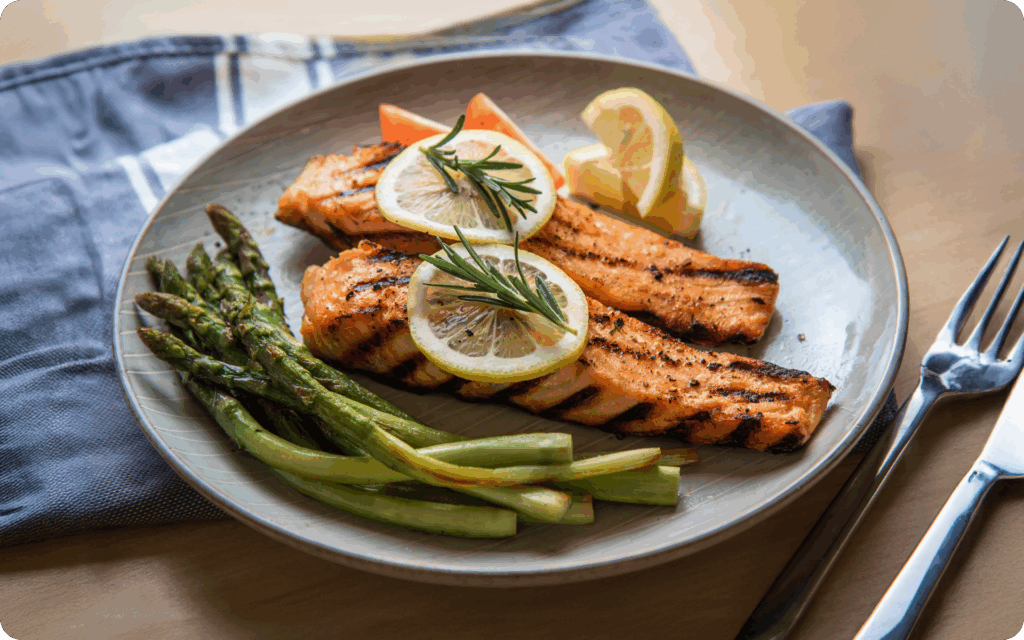
- Baked salmon or chicken with roasted vegetables and potatoes
- Beef or turkey with sautéed greens and whole-wheat pasta
- Vegetable curry (no sugar added) with brown rice
- Zucchini noodles with olive oil, white beans, and shrimp
- Soup made with legumes and vegetables
Snacks (1-2 per day)
- Handful of nuts or seeds
- Hard-boiled eggs
- Cheese with cucumber or carrots
- Hummus with vegetables
- Apple or berries (whole fruit only)
Drinks
- Water (sparkling is fine)
- Black coffee or coffee with milk
- Unsweetened tea
- Herbal teas
Tip: Always check labels. Sugar often hides under names such as syrup, dextrose, maltose, and fructose.

How Long After Cutting out Sugar Will I See Results?
When you stop eating sugar, the changes won’t happen overnight. They come in stages, as your brain and metabolism slowly adjust. This is like your body rebooting itself.
Let’s take a look at what may happen over time when you quit sugar:
- 2-Week Milestone: Within about 14 days, many people notice less bloating and puffiness. In fact, even with no sugar for 2 weeks, weight loss might only show as 2 to 4 pounds on the scale, but many find their clothes fit significantly looser due to reduced inflammation and water retention.
- The 30-Day Result: By the end of a 30-day no-sugar challenge, many people notice a meaningful amount of weight loss, particularly around the midsection.
Research from UC San Francisco found that reducing added sugar intake may help your body age more slowly at the cellular level. Even if the rest of your diet is healthy, added sugar may speed up your body’s internal aging clock. One of the researchers suggested that cutting just 10 grams of added sugar per day could, over time, slightly reverse that aging by about 2.4 months (17).
Read more: Sugar Free Meals: No Sugar Diet Plan
What Will Happen if You Don’t Eat Sugar for 30 Days?
When you commit to a full 30-day sugar fast, you’re giving your body a full reset. Although the belly fat often goes down, the biggest changes happen inside your body. These are the things you can’t see in the mirror.
Here’s what’s happening during those 30 days that we haven’t yet covered:
- Your Taste Buds May Reset
When you have no sugar for 30 days, your taste buds undergo significant changes. Eating lots of sugar dulls your sweet receptors, so you need more sugar to feel the same satisfaction.
A small study in the American Journal of Clinical Nutrition found that participants rated sweetness as much more intense after 3 months of low sugar, although it didn’t change their preferred level of sweetness in the test food (18). Suddenly, a plain almond or carrot may taste delightfully sweet, which makes healthy foods feel rewarding instead of boring.
- Better Sleep Naturally
Sugar and sleep don’t mix. A cross-sectional study among university students found that higher consumption of added sugar was associated with poor sleep quality (19). You may find that reducing added sugar intake improves your sleep.

How Much Weight Can I Lose on a 30-Day No-Sugar Diet?
When you cut out sugar for 30 days, the number on the scale usually reflects two things: reduced fluid retention and actual fat loss. However, here’s what you can realistically expect to happen over 30 days:
- Initial weight drop (first few days): Many people see a quick loss of a few pounds early on. This is mostly due to water weight loss (20).
- Continued fat loss (weeks 2-4): Once your body adapts, ongoing weight loss is usually more gradual and reflects actual fat loss, particularly around the belly, where excess sugar tends to be stored.
- Bigger appearance changes than the scale suggests: As reducing sugar may also lower inflammation and water retention, clothes may feel looser, even if the scale doesn’t drop dramatically.
Research from San Francisco on children with isocaloric sugar restriction showed that replacing sugar with complex carbohydrates or fats reduces liver fat and visceral adiposity, even when total weight loss is modest (4).

Yes, you can eat fruit on a no-sugar diet, as there’s an important distinction between added sugar and natural sugar. Most no-sugar plans focus on removing added sugars (such as sugar in desserts, soda, sauces, etc.) while still allowing whole fruits. Fruits provide fiber, vitamins, and antioxidants that are beneficial for your health and can help keep you full, even though they contain natural sugar. Berries and apples are common choices as they’re lower in sugar and higher in fiber. However, dried fruit and fruit juice often contain concentrated and/or added sugars and should be limited or avoided. Sugary snacks, refined carbs, and sugary beverages can spike blood sugar and trigger cravings. Low-protein meals also leave you hungry faster. Eating protein, fiber, and healthy fats can help manage cravings. Yes, plain potatoes are generally fine on a no-sugar diet because they don’t contain added sugar. They’re a starchy vegetable that breaks down into glucose in your body, but that’s different from eating added sugars. As part of a balanced meal including protein, non-starchy vegetables, and healthy fats, they will not cause a rapid rise in blood sugar. Some very strict detox plans remove starchy carbs, including potatoes, but most practical no‑sugar diets allow them in moderation as long as there’s no added sugar. The toughest part of a sugar detox is typically the first few days (days 1-3). During this period, many people experience strong cravings, headaches, irritability, fatigue, and mood swings. This is your body’s response to the sudden drop, particularly if you’re used to eating a lot of sugar. By around day 4-7, those intense cravings usually start to ease as your body adjusts and your blood sugar levels stabilize.Frequently Asked Questions
Can you eat fruit on a no-sugar diet?
What foods trigger sugar cravings?
Can I eat potatoes on a no-sugar diet?
What is the hardest day of a sugar detox?
The Bottom Line
It won’t be an exaggeration to say that a no-sugar diet plan for 30 days acts like a reset for your mind and body. It can cut your cravings and help you shed the weight you’ve hated for so long. Beyond the scale, it clears brain fog, improves focus, and even resets your taste buds so healthy foods feel rewarding.
Let’s put it this way: when you give your body a break from constant sugar, you set the stage for lasting energy, better health, and a stronger relationship with food.
DISCLAIMER:
This article is intended for general informational purposes only and does not serve to address individual circumstances. It is not a substitute for professional advice or help and should not be relied on for making any kind of decision-making. Any action taken as a direct or indirect result of the information in this article is entirely at your own risk and is your sole responsibility.
BetterMe, its content staff, and its medical advisors accept no responsibility for inaccuracies, errors, misstatements, inconsistencies, or omissions and specifically disclaim any liability, loss or risk, personal, professional or otherwise, which may be incurred as a consequence, directly or indirectly, of the use and/or application of any content.
You should always seek the advice of your physician or other qualified health provider with any questions you may have regarding a medical condition or your specific situation. Never disregard professional medical advice or delay seeking it because of BetterMe content. If you suspect or think you may have a medical emergency, call your doctor.
SOURCES:
- Sugar Addiction: Neural Mechanisms and Health Implications (2025, onlinelibrary.wiley.com)
- Leptin communicates with the brain’s reward system in several ways (2022, sciencenews.dk)
- What happens to your brain when you give up sugar (2021, bbc.com)
- Effects of Dietary Fructose Restriction on Liver Fat, De Novo Lipogenesis, and Insulin Kinetics in Children With Obesity (2017, gastrojournal.org)
- Excessive intake of sugar: An accomplice of inflammation (2022, frontiersin.org)
- Spotting Hidden Sugars in Everyday Foods (2024, cdc.gov)
- Replacing Refined Grains with Whole Grains for Heart Health (2021, khni.kerry.com)
- Abstinence Violation (n.d., sciencedirect.com)
- Sugar rush or sugar crash? A meta-analysis of carbohydrate effects on mood (2019, sciencedirect.com)
- Diet and acne: A systematic review (2022, jaadinternational.org)
- Research Advances on the Damage Mechanism of Skin Glycation and Related Inhibitors (2022, mdpi.com)
- High fructose diets impair brain function and appetite control, study shows (2025, news-medical.net)
- Fructose and the Liver (2021, mdpi.com)
- ‘Metabolic syndrome’ in the brain: deficiency in omega-3 fatty acid exacerbates dysfunctions in insulin receptor signalling and cognition (2012, physoc.onlinelibrary.wiley.com)
- Isocaloric fructose restriction and metabolic improvement in children with obesity and metabolic syndrome (2015, researchgate.net)
- Effect of sweeteners and sweetness enhancers on weight management and gut microbiota composition in individuals with overweight or obesity: the SWEET study (2025, nature.com)
- Healthy Diet with Less Sugar Is Linked to Younger Biological Age (2024, ucsf.edu)
- Reduced dietary intake of simple sugars alters perceived sweet taste intensity but not perceived pleasantness (2016, sciencedirect.com)
- Relationship Between Added Sugar Intake and Sleep Quality Among University Students: A Cross-sectional Study (2019, pmc.ncbi.nlm.nih.gov)
- Risks Associated With Excessive Weight Loss (2024, ncbi.nlm.nih.gov)

 Reviewed by