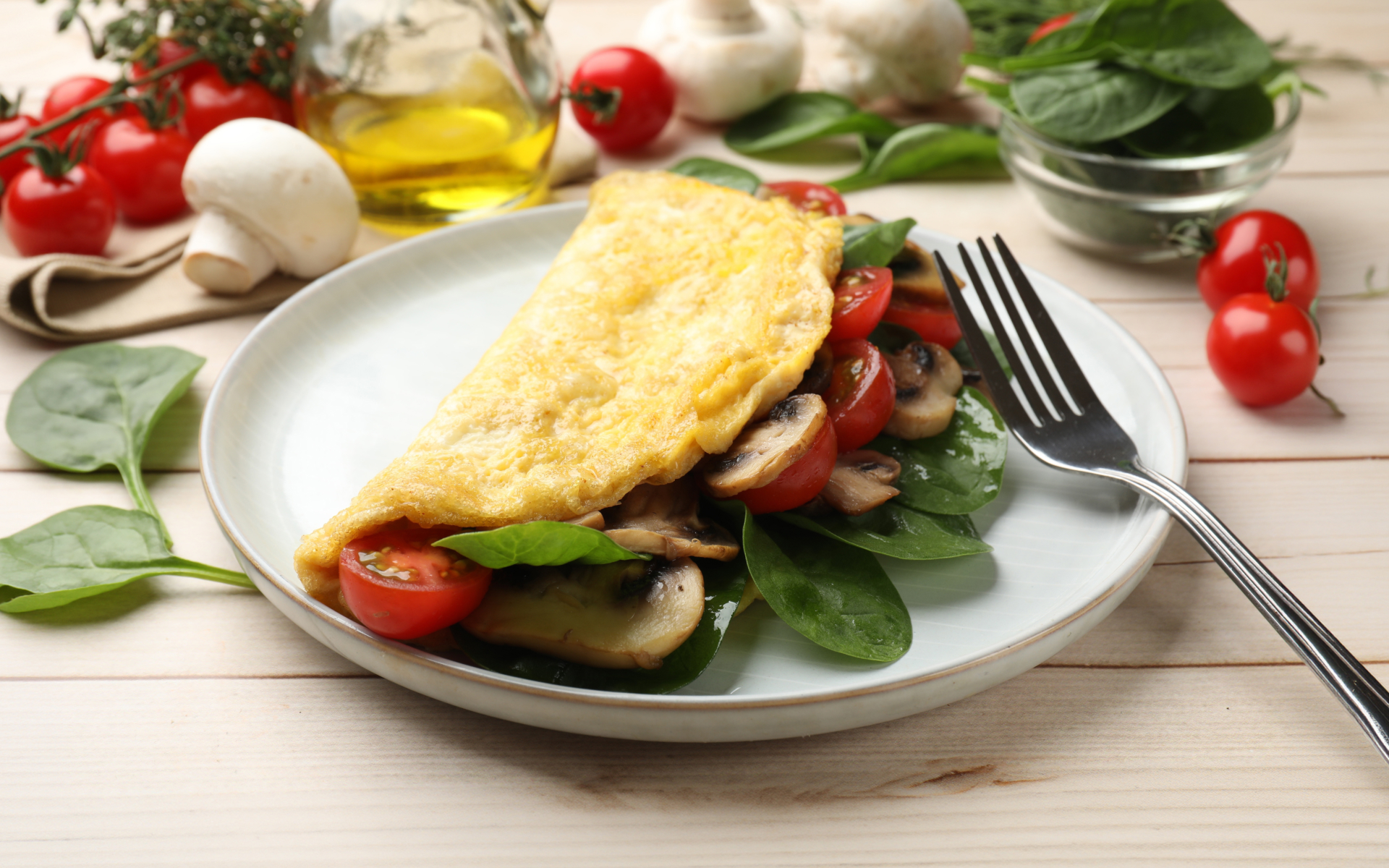

A no-carbohydrate or no-carb diet plan for 2 weeks is usually a very low-carb or low-carb meal plan, not a true zero-carb diet. Most whole foods contain at least small amounts of carbohydrates, so a practical plan focuses on limiting bread, pasta, grains, sweets, and starchy foods while building meals around protein, fats, and non-starchy vegetables.
A no-carb diet plan for 2 weeks may give beginners a short-term structure for practicing lower-carb meal planning. The simplest version keeps daily carbohydrates moderate to low, uses repeatable meals, and includes fiber-rich low-carb foods where possible.
This article is for informational purposes only and does not constitute medical advice. A low-carb eating pattern may not be suitable for everyone, and individual results may vary. Consult a qualified professional before making significant dietary changes.
What Is a Low-Carb Diet?
A low-carb diet is an eating pattern that reduces carbohydrate intake compared with a standard mixed diet. A common low-carb range is roughly 50-130 grams of carbohydrates per day, while very low-carb or ketogenic approaches usually go lower (1).
A true zero-carb diet is much stricter and usually relies mainly on animal foods, oils, and fats. In practice, most people searching for a zero-carb diet plan want a low-carb plan that’s easier to apply.
For beginners, a strict zero-carb meal plan can feel hard to maintain. A low-carb diet for beginners usually works better when it leaves room for non-starchy vegetables, berries, seeds, nuts, and dairy if tolerated.
How Many Carbs Should You Eat on a No-Carb Diet Plan?
There’s no single carbohydrate target that fits every person. A practical starting point for a no-carb diet plan for 2 weeks is often under 100-130 grams of total carbohydrates per day. Some people choose a lower target, such as 50-75 grams, but that depends on food preferences, activity level, and personal needs.
Use these ranges as a general guide:
| Approach | Approximate daily carb range | What it means |
|---|---|---|
| Moderate low-carb | 100-130 g | Easier for beginners and meal prep |
| Lower-carb | 50-100 g | More restrictive, but still flexible |
| Very low-carb or keto-style | Under 50 g | More limited food choices |
| True zero carb | Close to 0 g | Very restrictive and difficult to balance |

What Are the Potential Benefits of a Low-Carb Approach?
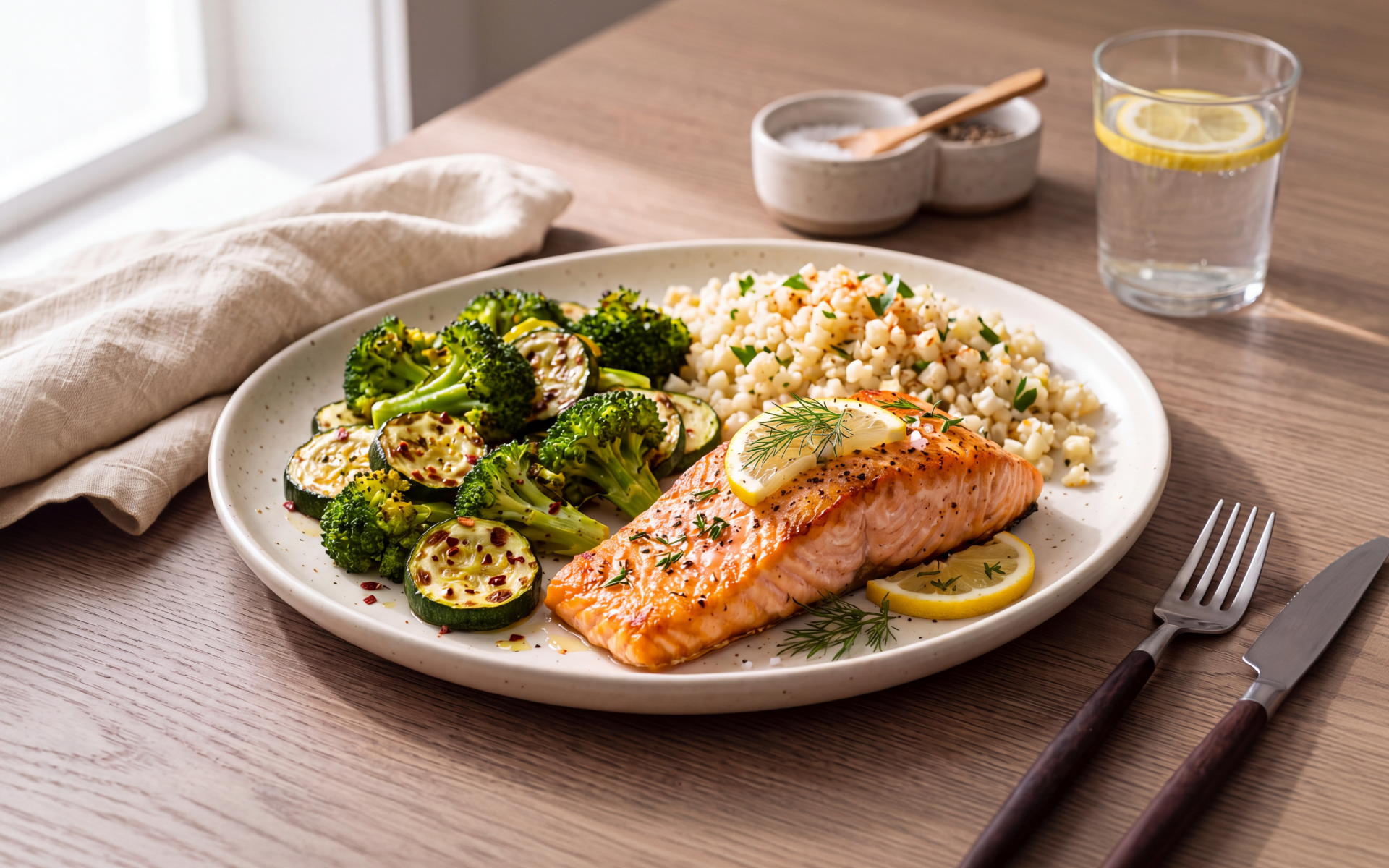
A low-carb approach may make food choices feel more structured as it narrows the main options. Instead of planning meals around bread, rice, pasta, or sweets, you build your plates around protein, fats, and non-starchy vegetables.
Some research has suggested that low-carb eating patterns may support body weight management in the short term, although longer-term outcomes vary and depend on consistency, total intake, food quality, and individual factors (2). This doesn’t mean the same result happens for everyone.
A low-carb, high-protein meal plan or high-protein, low-carb diet can be convenient if you like savory meals. Eggs, poultry, fish, tofu, plain dairy, vegetables, and fats can become quick low-carb meals.
Read more: No Carb Snacks: 21 Tasty Options For In-Between Meals
How Do Net Carbs vs Total Carbs Work?
Total carbohydrates includes starches, sugars, fiber, and sugar alcohols listed on a nutrition label. Net carbs are usually calculated by subtracting fiber from total carbs. Some people also subtract certain sugar alcohols, depending on the product.
Formula: Net Carbs = Total Carbohydrate – Fiber
How to count carbs: check the serving size, total carbohydrates, fiber, and added sugars on the label.
| Food example | Total carbs | Fiber | Net carbs |
|---|---|---|---|
| Avocado, 1/2 medium | 6 g | 5 g | 1 g |
| Raspberries, 1/2 cup | 7 g | 4 g | 3 g |
| Broccoli, 1 cup | 6 g | 2 g | 4 g |
| Plain Greek yogurt, 3/4 cup | 6 g | 0 g | 6 g |
To count carbs, check the serving size first, then look at total carbohydrates, fiber, and added sugars. The nutrition label also lists daily values for total carbohydrates, fiber, and added sugars (3).
What Do You Find on a No-Carb Grocery List?
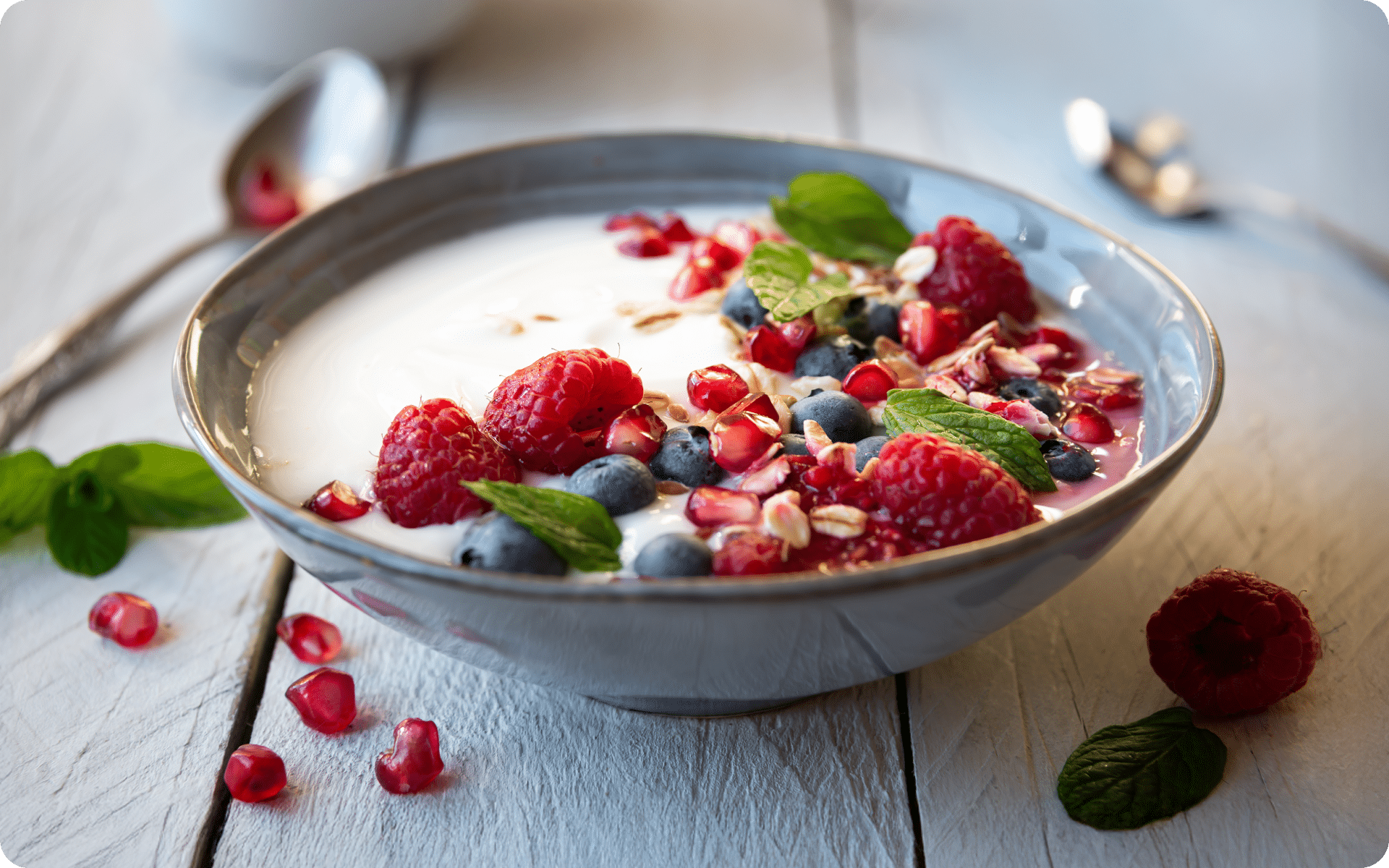
A no-carb food list usually includes foods with zero or very few carbs. A low-carb grocery list or low-carb foods list is broader as it includes non-starchy vegetables, low-sugar fruits, seeds, nuts, and dairy options.
Use this grocery list as a starting point for low-carb meal prep:
| Category | Foods to include | Foods to limit |
|---|---|---|
| Protein | Eggs, chicken, turkey, beef, pork, lamb, fish, shrimp, tofu, tempeh | Breaded meats, sweet marinades, sugary sauces |
| Seafood | Salmon, tuna, trout, sardines, crab, shrimp | Fried seafood with breading |
| Non-starchy vegetables | Broccoli, zucchini, cucumber, spinach, lettuce, kale, cabbage, mushrooms, asparagus, peppers | Potatoes, corn, peas, large portions of squash |
| Lower-sugar fruits | Strawberries, raspberries, blackberries, small portions of melon | Fruit juice, dried fruit, large fruit bowls |
| Dairy and alternatives | Plain Greek yogurt, cheese, butter, unsweetened almond milk, unsweetened soy milk | Sweetened yogurt, flavored milk, sweet coffee creamers |
| Plant-based oils | Olive oil, avocado oil, coconut oil, sesame oil | Sweet dressings, sauces with added sugar |
| Fats and seeds | Avocado, chia seeds, pumpkin seeds, sunflower seeds, ground flaxseed, nuts | Candied nuts, sweetened nut butters |
| Drinks | Water, plain coffee, unsweetened tea | Soda, sweet tea, sweetened coffee drinks, juice |
Food labels and nutrition databases can help you compare brands and portions because carb counts vary for different products (4).
BetterMe offers a variety of workouts, recipes, challenges, and support tools to help you stay more consistent with your wellness routine. Explore the app to find features that fit your goals, preferences, and schedule.
What Foods Should You Limit on a No-Carb and Sugar Diet Plan for 2 Weeks?
Limit foods that quickly raise carb intake. This includes candy, baked goods, sweetened drinks, juice, sweet cereal, white bread, pasta, rice, and large portions of starchy vegetables.
Also watch packaged foods that look low-carb but contain hidden sugars or starches. Check the ingredients list for sugar, syrup, honey, maltodextrin, dextrose, and sweetened sauces.
Be mindful of sugar substitutes, including natural options such as stevia-derived sweeteners. They can help reduce added sugar for some people, but taste preferences and cravings vary (5).

What Does a No-Carb Diet Plan for 2 Weeks Look Like?
The sample below gives a 7-day no-carb meal plan with breakfast, lunch, dinner, and snacks. To make it a 2-week plan, repeat or rotate the menu in week 2.
Macro numbers are estimates. Actual values depend on brands, serving sizes, and cooking methods.
| Day | Breakfast | Lunch | Dinner | Snack | Estimated daily macros |
|---|---|---|---|---|---|
| 1 | Eggs with spinach, tomato, and avocado | Shrimp and cabbage stir-fry | Tuna broccoli bowl with olive oil | Cheese slices and cucumber | 1,350-1,550 calories, 45-60 g carbs, 95-120 g protein |
| 2 | Turkey lettuce wraps with cheddar | Steak bowl with mushrooms and spinach | Zucchini noodles with meatballs and marinara | Plain Greek yogurt with chia | 1,400-1,650 calories, 50-70 g carbs, 105-130 g protein |
| 3 | Egg and banana mini pancakes | Chicken with broccoli and peppers | Mushroom burger patties with salad | Pumpkin seeds | 1,300-1,550 calories, 55-75 g carbs, 95-120 g protein |
| 4 | Tuna lettuce cups with tomato | Tilapia with kale and mushrooms | Turkey zucchini casserole | Boiled eggs | 1,300-1,600 calories, 45-65 g carbs, 100-125 g protein |
| 5 | Lamb and egg skillet with spinach | Slow cooker chili with extra vegetables | Cauliflower mac and cheese with chicken | Celery with unsweetened nut butter | 1,450-1,750 calories, 45-70 g carbs, 100-130 g protein |
| 6 | Omelet with mushrooms and feta | Chicken avocado salad | Salmon with asparagus and cauliflower mash | Cottage cheese or tofu cubes | 1,400-1,700 calories, 35-55 g carbs, 100-130 g protein |
| 7 | Plain Greek yogurt with chia and raspberries | Turkey burger bowl with lettuce and pickles | Beef and cabbage skillet | Olives and cheese | 1,350-1,650 calories, 45-65 g carbs, 95-125 g protein |
How Can You Meal Prep a Low-Carb Meal Plan?
Low-carb meal prep works best when you prepare protein, vegetables, and sauces separately. This makes it easier to build meals without eating the same plate every day.
Try this simple prep flow:
- Cook 2-3 proteins, such as eggs, chicken, turkey, tofu, or fish.
- Wash and chop low-carb vegetables.
- Prepare 1-2 fats or sauces, such as olive oil dressing, avocado mash, or yogurt sauce.
- Portion snacks, such as nuts, cheese, boiled eggs, or cucumber slices.
- Keep quick backup meals ready, such as tuna bowls or egg lettuce wraps.
What Common Experiences Can Happen on a Low-Carb Diet?
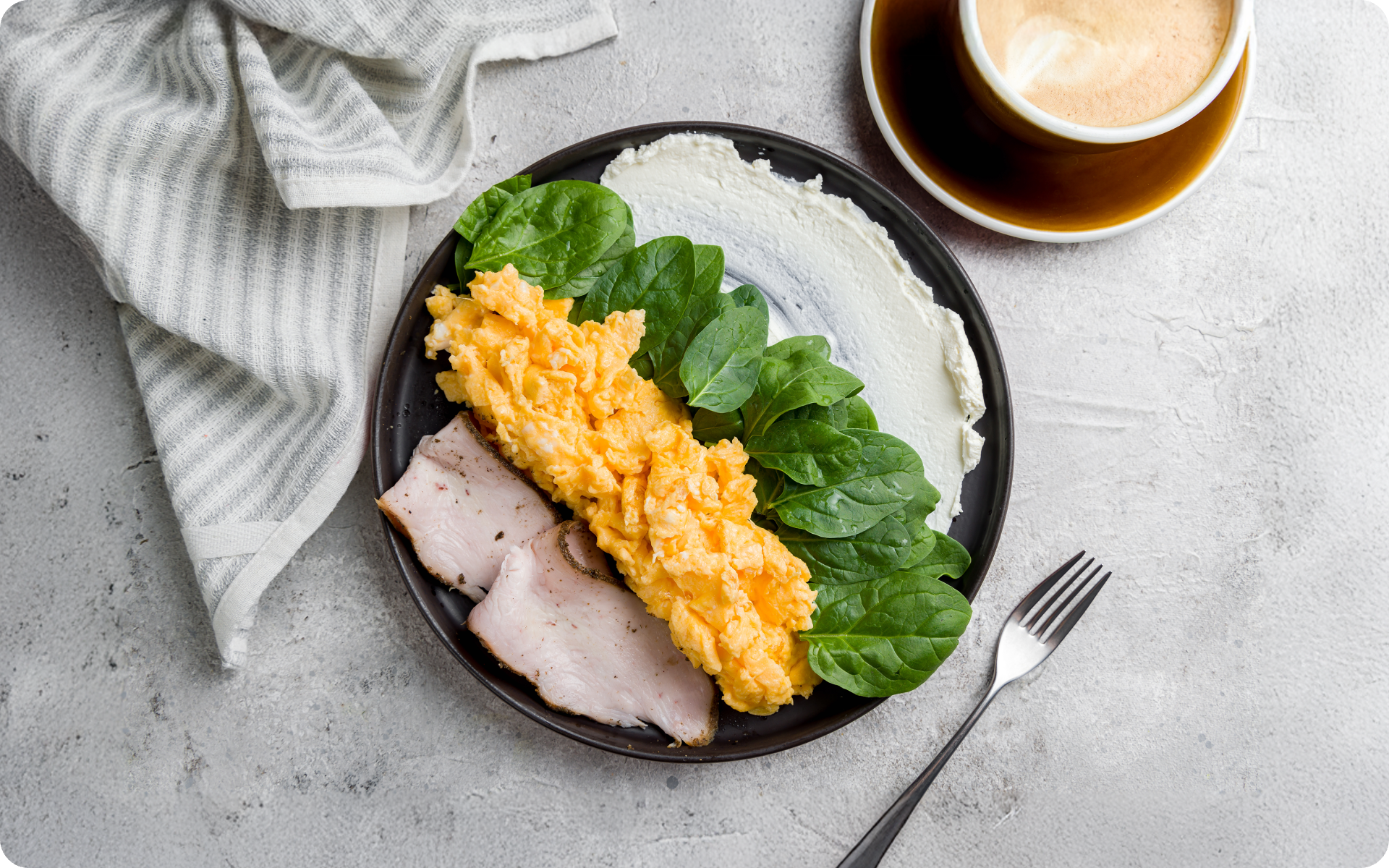
Some people search for low-carb diet side effects when they notice temporary changes during the first few days. These can include temporary changes such as lower energy, headaches, lightheadedness, mood changes, or digestive changes during the first few days (6).
Hydration and electrolytes matter because reducing carbs can change fluid balance. A practical low-carb diet and electrolytes approach may include drinking enough water and choosing low-carb foods that contain potassium and magnesium, such as avocado, leafy greens, nuts, and seeds. Some people may discuss electrolyte products with a qualified professional.
Low-carb diet and fiber planning are also important. Many high-fiber foods, such as beans, oats, and whole grains, are higher in carbs. To keep fiber in the plan, use chia seeds, ground flaxseed, avocado, leafy greens, broccoli, berries, nuts, and seeds.
If discomfort is strong, lasts, or affects daily function, pause the plan and ask a qualified professional for guidance.
Read more: Food With No Carbs: Healthy Diet Options That Taste Amazing
How Do No-Carb, Low-Carb, Keto, and Carb Cycling Compare?
These approaches are related, but they’re not the same. For keto vs low-carb diet comparisons, the main difference is how low the carb target is and how closely macros are tracked.
| Approach | Daily carb pattern | Best for | Key consideration |
|---|---|---|---|
| No-carb or zero-carb diet | Close to 0 g | People researching the strictest version | Very limited variety |
| Low-carb diet | Often 50-130 g | Beginners who want structure with more flexibility | Easier to include vegetables and some fruit |
| Keto-style diet | Usually very low-carb, high fat and moderate protein | People following a more specific macro structure, ideally with appropriate guidance | Requires closer tracking |
| Carb cycling | Alternates lower-carb and higher-carb days | People who want more carbs around training days | Requires planning by day |
Carb cycling vs. low-carb comes down to consistency. A low-carb plan keeps carbs reduced most days, while carb cycling changes carb intake across the week.

How Can You Transition Off a Low-Carb Diet After 2 Weeks?
If you’re wondering how to transition off low-carb diet habits, reintroduce carbohydrates gradually instead of changing everything at once. Add one small serving of complex carbohydrates per day for several days, then adjust based on appetite, energy, and routine.
Good reintroduction options include oats, beans, lentils, brown rice, quinoa, potatoes, fruit, and whole-grain bread. Keep protein and vegetables in each meal so the structure of the plan stays familiar.
A more flexible low-carb routine doesn’t need to be very strict. Some people keep a lower-carb breakfast and lunch, then include a moderate carbohydrate serving at dinner. Others use low-carb days during busy weeks and more flexible meals on active days.
BetterMe Well-Being Coach app can help you build a more structured approach to your wellness routine with meal plans, workouts, and habit-tracking tools. Start using the app to explore options that may support your personal fitness and nutrition goals.
What Foods Have No Carbs?
Foods with zero or nearly zero carbs usually include plain animal proteins and pure fats. Examples include eggs, poultry, beef, pork, lamb, fish, shrimp, butter, olive oil, avocado oil, and plain water.
Some foods that are often considered no-carb still contain small amounts of carbohydrates. Cheese, plain yogurt, shellfish, processed meats, and sauces can vary by brand.
For a practical no-carb food list, focus on repeatable low-carb choices. Read labels, watch serving sizes, and keep meals satisfying.
Frequently Asked Questions
What is the difference between no-carb and low-carb?
A true no-carb diet removes nearly all digestible carbohydrates, while a low-carb diet limits carbohydrates to a lower daily range. Most people following a no-carb diet plan for 2 weeks are actually following a very low-carb or low-carb routine.
What are net carbs and how do I count them?
Net carbs are calculated by subtracting fiber from total carbohydrates. For example, if a food has 20 g total carbs and 8 g fiber, it has 12 g net carbs. Always check the serving size first.
What can I expect in the first week of a low-carb diet?
Some people notice temporary changes such as lower energy, headaches, cravings, or digestive changes in the first few days. Staying hydrated, eating enough food, and including low-carb fiber sources can make the transition more manageable.
Can vegetarians follow a low-carb diet?
Yes, a low-carb vegetarian meal plan may be possible with careful planning. Focus on tofu, tempeh, edamame, eggs, plain dairy, nuts, seeds, non-starchy vegetables, and moderate portions of legumes if they fit your carb target.
How do I transition off a low-carb diet without returning to old habits?
Transition off a low-carb diet by adding carbohydrates gradually. Start with small servings of complex carbohydrates, keep protein and vegetables consistent, and adjust portions based on your routine.
What is the difference between carb cycling and low-carb?
A low-carb diet keeps carbohydrates low on most days. Carb cycling alternates lower-carb and higher-carb days, often around training, schedule, or personal preference.
Can women and men use the same low-carb meal plan?
Men and women can use a similar low-carb meal structure, but portions and food choices may need to change based on body size, activity level, appetite, health needs, and goals, so a meal plan for women or men shouldn’t rely on gender alone.
The Bottom Line
A no-carb diet plan for 2 weeks is usually more practical when treated as a structured low-carb routine rather than a true zero-carb diet. Build meals around protein, fats, non-starchy vegetables, low-sugar fruits, and simple meal prep.
A useful next step is to choose a realistic carb range, plan 7 days of repeatable meals, and monitor how the routine fits your daily life. For significant dietary changes, consider guidance from a qualified professional.
DISCLAIMER:
This article is intended for general informational purposes only and does not serve to address individual circumstances. It is not a substitute for professional advice or help and should not be relied on for making any kind of decision-making. Any action taken as a direct or indirect result of the information in this article is entirely at your own risk and is your sole responsibility.
BetterMe, its content staff, and its medical advisors accept no responsibility for inaccuracies, errors, misstatements, inconsistencies, or omissions and specifically disclaim any liability, loss or risk, personal, professional or otherwise, which may be incurred as a consequence, directly or indirectly, of the use and/or application of any content.
You should always seek the advice of your physician or other qualified health provider with any questions you may have regarding a medical condition or your specific situation. Never disregard professional medical advice or delay seeking it because of BetterMe content. If you suspect or think you may have a medical emergency, call your doctor.
SOURCES:
- Low-Carbohydrate Diet (2023, ncbi.nlm.nih.gov)
- Effectiveness of Low-Carbohydrate Diets for Long-Term Weight Loss in Obese Individuals (2022, pmc.ncbi.nlm.nih.gov)
- Daily Value on the Nutrition and Supplement Facts Labels (2024, fda.gov)
- FoodData Central (2026, fdc.nal.usda.gov)
- Aspartame and Other Sweeteners in Food (2025, fda.gov)
- Symptoms During Initiation of a Ketogenic Diet (2025, frontiersin.org)
 Reviewed by
 Reviewed by