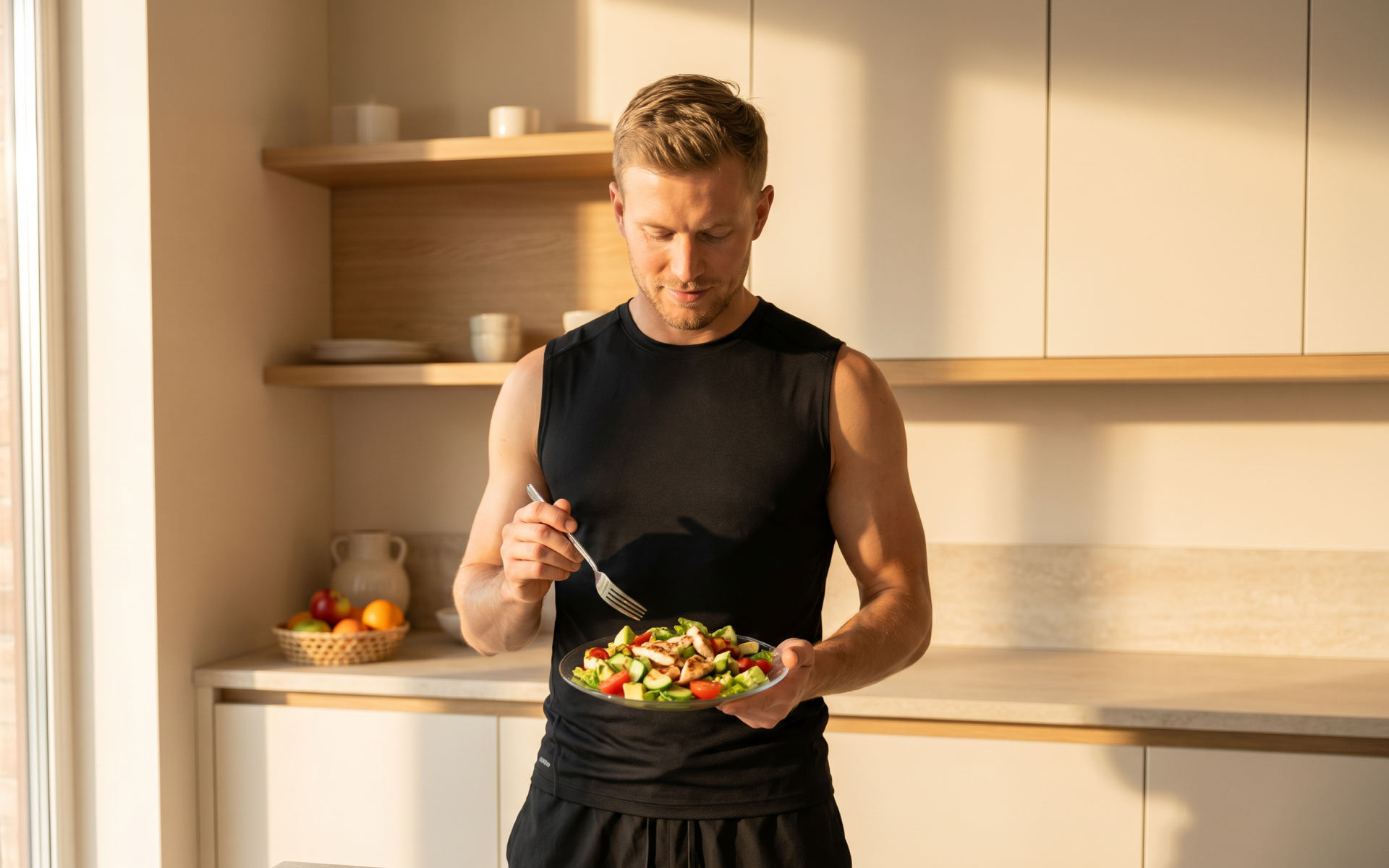
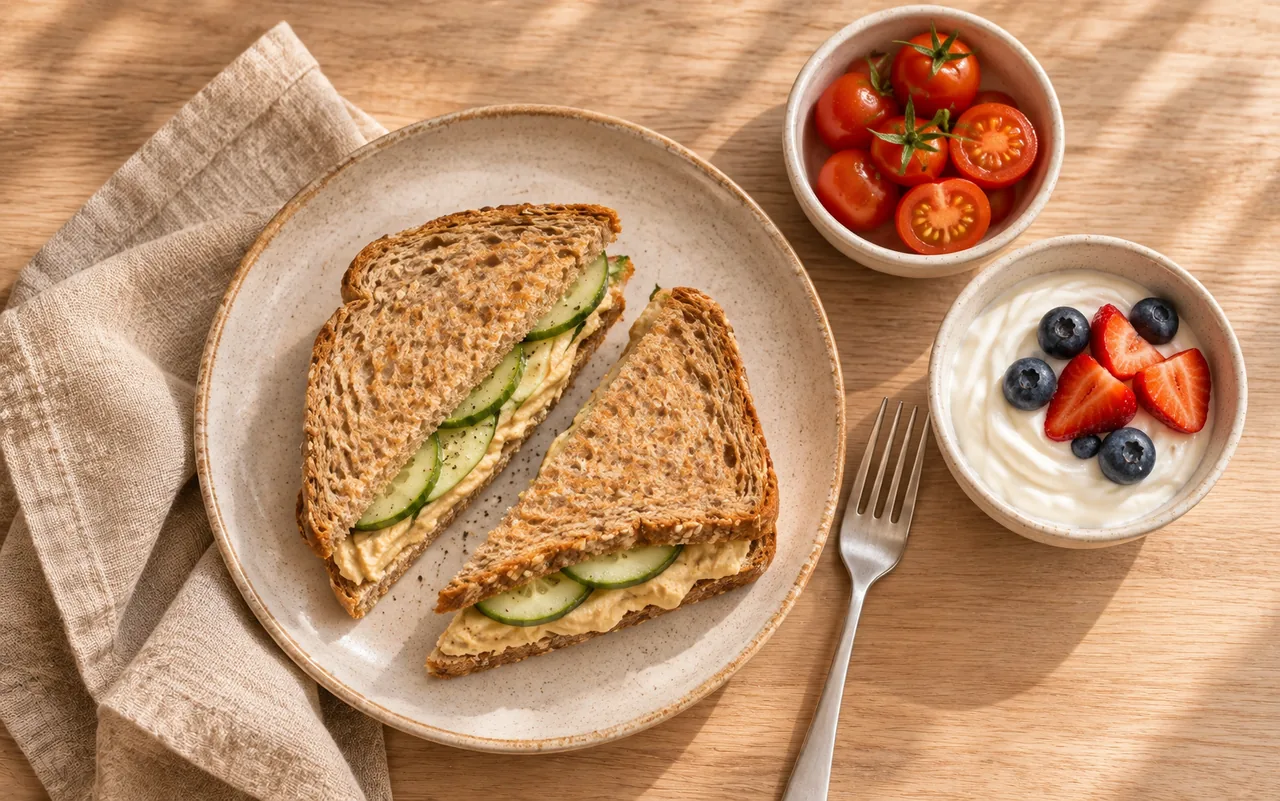
A lazy girl meal plan uses familiar ingredients, convenient foods, and repeatable meals to reduce daily cooking decisions. The name describes a low-effort approach, not a clinical diet. Start with meals you enjoy and can prepare consistently. These meal-planning ideas offer additional ways to organize the week.
Following exercise and diet plans is the key in your fitness journey and greatly impacts results. In 4 weeks users can typically expect to lose not more than 1-2 lbs per week. Individual results may vary.
Key takeaways
A manageable plan combines food variety with realistic preparation and storage.
- Convenient foods can fit a varied diet, including frozen produce, canned beans, and fortified alternatives (1).
- The sample menus are meal ideas, not calorie-calculated weight-loss plans.
- A food’s serving size matters when comparing calories and nutrients on labels (2).
- Refrigerated leftovers generally keep for three to four days (3).
- Cook poultry to an internal temperature of 165 °F, or 74 °C (4).
- Vegan versions need reliable vitamin B12 sources and attention to other nutrients (5).
What does a lazy girl meal plan include?
A low-effort meal plan includes simple combinations that fit your time, equipment, and food preferences. Repeating breakfast or using the same ingredients in different meals can reduce planning work.
The approach does not require cutting out carbohydrates, fasting, or counting every gram of food. It also does not promise weight loss or claim to correct a medical condition.
Choose a protein-containing food, a grain or other starchy food, and produce for meals. Include suitable dairy or fortified alternatives and fats across the day (1). Portions depend on individual needs.
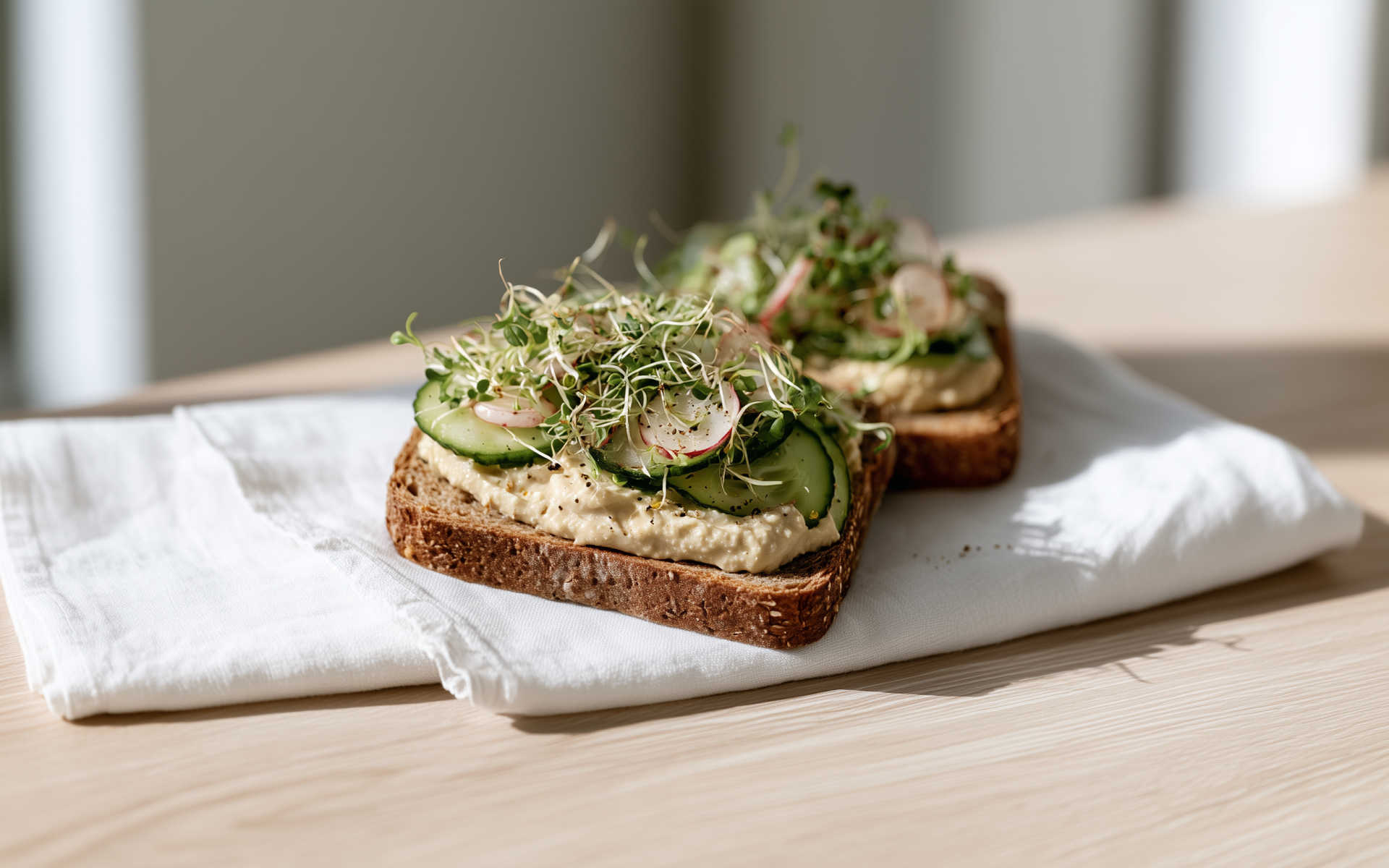
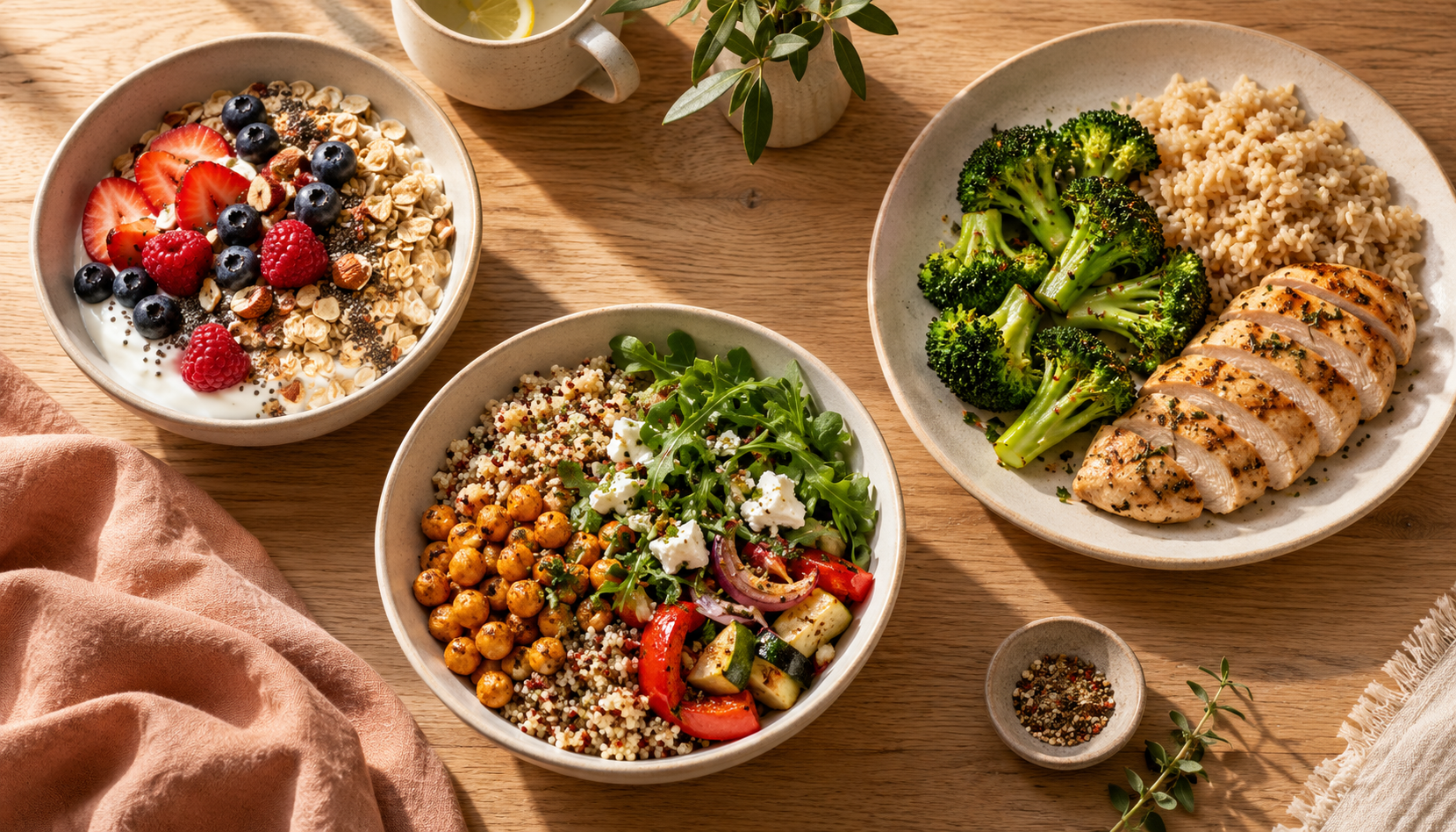
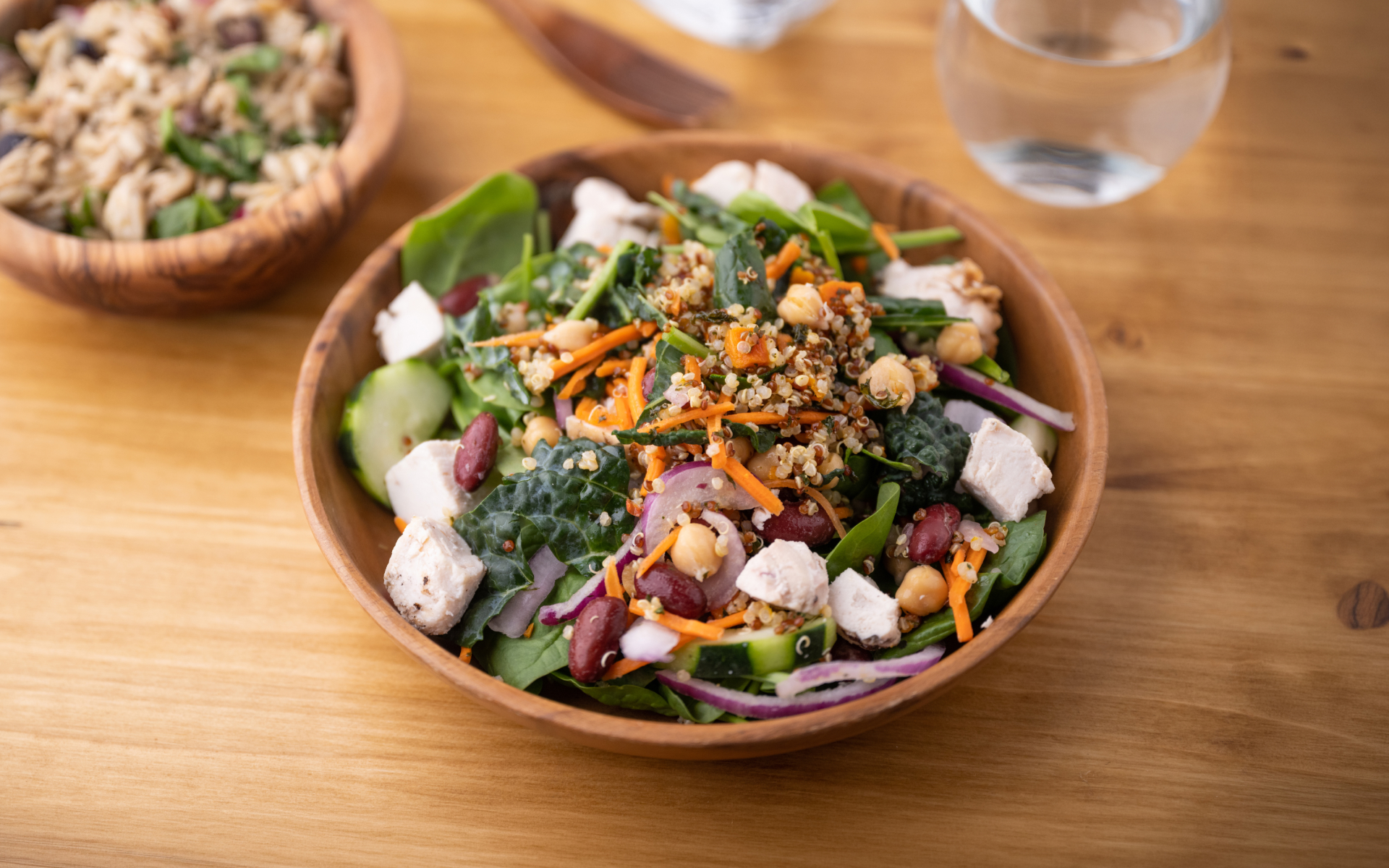
For example, canned beans, microwave rice, frozen vegetables, and olive oil can become a bowl. Yogurt, oats, fruit, and nuts can become a breakfast. Those are assembly ideas rather than recipes with validated nutrient totals.
Avoid judging meals only by whether every ingredient is fresh. Frozen and canned foods can be practical choices. Compare added sugar, sodium, and other relevant label information (1) (2).

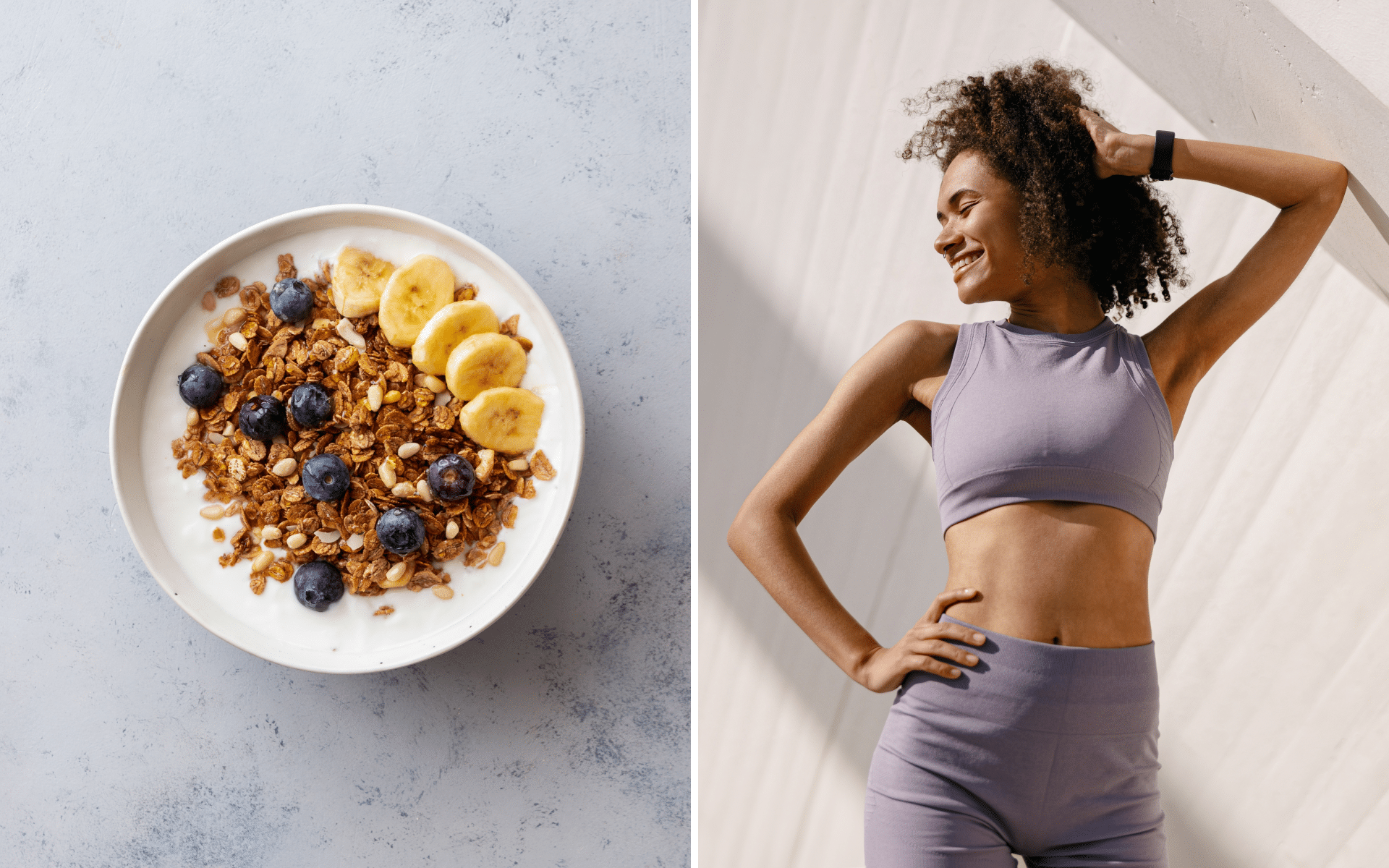
How do you build a weekly plan?
Start with your schedule and choose a small set of meals you can actually prepare. Leave room for leftovers, meals away from home, and changes of plans.
- Check which ingredients you already have.
- Choose breakfasts you are comfortable repeating.
- Select lunches that fit your storage and reheating options.
- Choose dinners that reuse ingredients.
- List any snacks you want available.
- Check how much refrigerator and freezer space you have.
- Write a grocery list from the meals.
If you have no microwave at work, plan a chilled lunch that can stay refrigerated. If you rarely cook on weekdays, prioritize prepared components.
Do not buy ingredients for fourteen different recipes simply because a menu offers fourteen ideas. Choose a few combinations and repeat them as needed.
The small-meal planning guide may offer useful options when larger meals are inconvenient. Meal frequency can follow appetite and medical advice; this plan has no compulsory schedule.

What could the first sample week look like?
The first sample week combines basic cooking with foods that are ready to assemble. Adjust portions and add food as needed for your appetite and nutritional requirements.
These menus are not analyzed for calories, protein, or micronutrient completeness. They illustrate combinations rather than a prescribed diet.
|
Day |
Breakfast |
Lunch |
Dinner |
|---|---|---|---|
|
1 |
Whole-grain toast, avocado, and cooked egg |
Chickpea salad with cucumber, tomato, and feta |
Sheet-pan chicken, potatoes, and broccoli |
|
2 |
Overnight oats with milk or fortified soy drink |
Rice bowl with chicken, beans, and vegetables |
Whole-grain pasta with pesto, peas, and spinach |
|
3 |
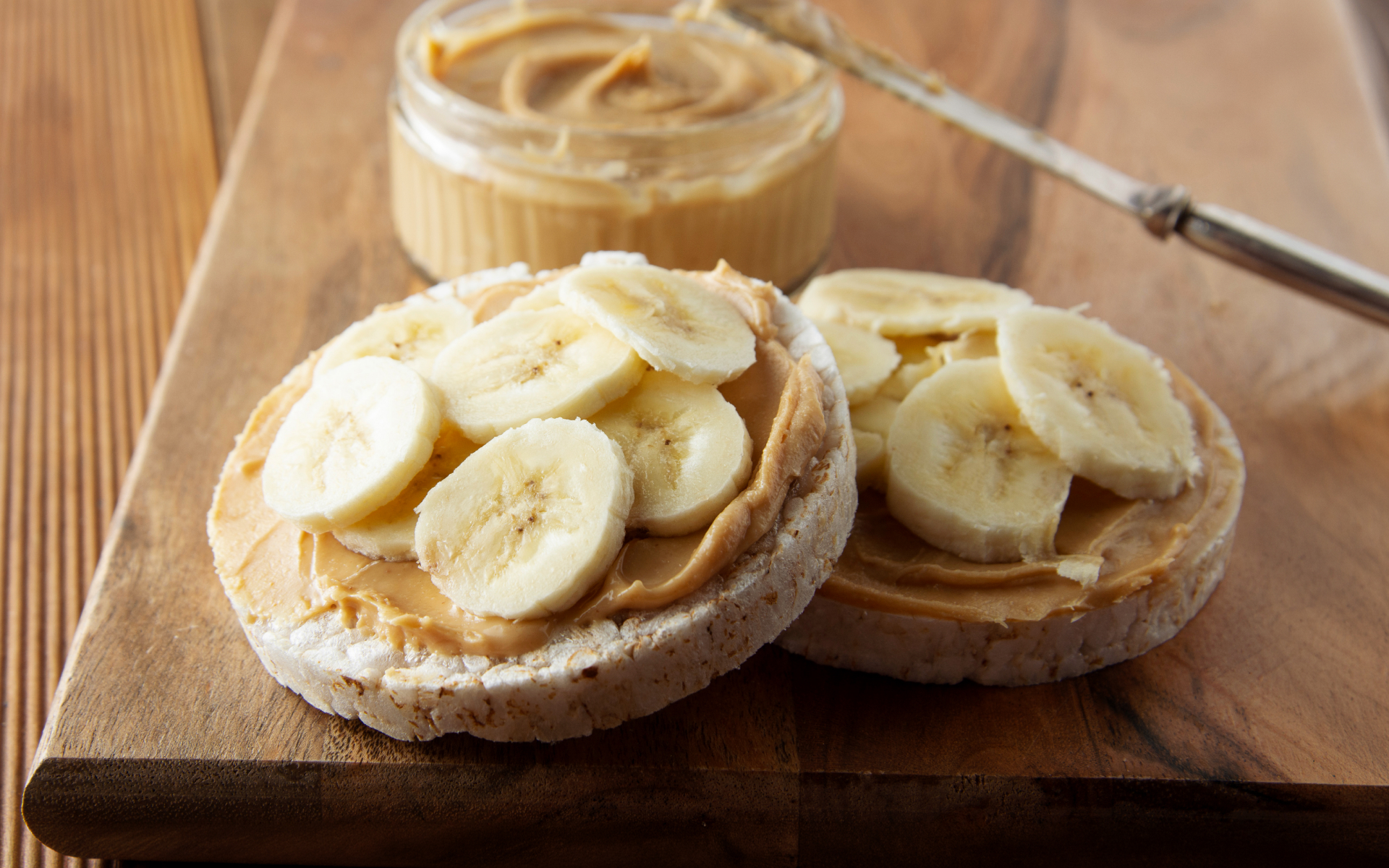
Yogurt with banana, oats, and peanut butter |
Turkey or tofu wrap with hummus and carrots |
Tofu stir-fry with brown rice |
|
4 |
Cottage cheese or suitable alternative with fruit |
Tomato, mozzarella, bean, and bread salad |
Shrimp or bean tacos with cabbage |
|
5 |
Cooked eggs, toast, and fruit |
Sweet potato bowl with black beans and yogurt |
Lemon chicken or tofu with green beans and rice |
|
6 |
Chia oats with yogurt and berries |
Tuna or chickpea sandwich with vegetables |
Bean and vegetable skillet with potatoes |
|
7 |
Yogurt smoothie with oats and fruit |
Rice bowl with chickpeas, carrots, and tahini |
Tofu and mushroom noodles with vegetables |
Optional snacks include fruit, yogurt, nuts, or hummus with vegetables. Choose snacks according to hunger, meal timing, and your needs.
For a vegan version, replace animal foods deliberately. A swap should account for the role of the ingredient, especially protein and fortified nutrients (5).
The table does not assign cooking times. Chicken thickness, equipment, and starting temperature affect preparation. Use a thermometer rather than relying on a promised twenty-minute finish (4).
BetterMe will keep you laser-focused on your weight loss journey! Nutrient-packed meal plans, fat-blasting workouts, galvanizing challenges and much more. Try using the app and see for yourself!
What could a second sample week look like?
A second menu can use different flavors while keeping the same planning method. Treat the list as alternatives; you do not need to follow both weeks consecutively.
|
Day |
Breakfast |
Lunch |
Dinner |
|---|---|---|---|
|
1 |
Cottage cheese, berries, and whole-grain toast |
Chickpea and spinach wrap |
Baked fish, potatoes, and green beans |
|
2 |
Scrambled eggs or tofu with toast |
Shrimp or bean salad with bread |
Turkey or lentil stuffed peppers with rice |
|
3 |
Fortified soy smoothie with banana and oats |
Chicken or tofu cucumber rice bowl |
Lentil and cauliflower curry with rice |
|
4 |
Yogurt, fruit, and cereal |
Chicken or bean lettuce wraps with tortillas |
Fish or tofu with asparagus and potatoes |
|
5 |
Yogurt with nut butter and fruit |
Pasta with tomato sauce and chickpeas |
Turkey or bean loaf with vegetables |
|
6 |
Oat pancakes with yogurt and berries |
Chickpea, cucumber, and feta bowl |
Lemon chicken or tofu with couscous |
|
7 |
Vegetable omelet or tofu scramble with toast |
Vegetable soup with beans and bread |
Vegetable pizza with a bean salad |
These examples include carbohydrates because easy meals do not need to be low-carbohydrate. Grains, beans, produce, and dairy or alternatives contribute different nutrients (1).
Use high-fiber food ideas to vary familiar meals. Additions should suit your tolerance and any prescribed dietary restrictions.
If a meal is too small, add food. The menu is not an instruction to ignore hunger or remain below an unstated calorie target.
What should go on a flexible grocery list?
Build the list around ingredients that appear in several meals. Check quantities against the number of people eating and the portions you expect to use.
|
Category |
Examples |
How to use them |
|---|---|---|
|
Protein foods |
Beans, lentils, tofu, eggs, fish, poultry |
Bowls, wraps, soups, and cooked meals |
|
Grains and starches |
Oats, rice, pasta, bread, potatoes |
Breakfasts and meal bases |
|
Produce |
Frozen broccoli, carrots, tomatoes, fruit |
Cooked sides, salads, and snacks |
|
Dairy or alternatives |
Plain yogurt, milk, fortified soy drink |
Breakfasts, sauces, and snacks |
|
Fats and flavor |
Olive oil, nut butter, tahini, herbs |
Dressings, toppings, and cooking |
A shopping list can include prepared foods. Read labels to compare similar products, especially when sodium or other nutrients matter for your circumstances (2).
Use the same serving amount when comparing labels. A larger listed serving can make a product appear higher in calories or nutrients without being directly comparable.
Do not assume every plant drink replaces milk nutritionally. Protein and fortification vary. Check calcium, vitamin D, and B12 where relevant (5).

How can you prepare food without a long cooking session?
Prepare only the components that will be useful and stored appropriately. A few cooked ingredients can support several meals.
For example, cook rice, prepare a protein food, and wash produce. Keep sauces separate when that improves texture. Assemble meals when you are ready to eat.
If you dislike leftovers, use a mix of freshly assembled meals and frozen portions. Batch cooking is optional. A practical routine can also rely on ready-cooked ingredients.
Do not keep a whole week’s cooked food in the refrigerator without considering storage time. Refrigerated leftovers generally keep for three to four days; freeze portions intended for later (3).
Label containers with the preparation date. Divide large amounts into shallow containers for cooling. Refrigerate perishable food promptly, generally within two hours, or one hour above 90 °F (3).
Transport perishable lunches with an appropriate cold source when refrigeration is unavailable. A desk drawer is not a substitute for chilled storage.

How do you check cooking and reheating?
Use a food thermometer for foods with specified internal temperature guidance. Appearance and cooking time alone may not show whether food is adequately cooked (4).
|
Food |
Minimum internal temperature |
Additional note |
|---|---|---|
|
Chicken and turkey, including ground poultry |
165 °F / 74 °C |
Check the thickest part |
|
Ground beef or pork |
160 °F / 71 °C |
Poultry uses a different target |
|
Fish |
145 °F / 63 °C |
Follow the food-specific guidance |
|
Egg dishes |
160 °F / 71 °C |
Cook whole eggs until whites and yolks are firm |
|
Reheated leftovers |
165 °F / 74 °C |
Heat evenly throughout |
Check the food with a thermometer. Cooking time alone cannot establish that the food has reached the recommended temperature (4).
Keep raw meat separate from ready-to-eat ingredients. Clean preparation surfaces and follow package instructions where relevant. Thaw foods using appropriate methods rather than leaving them on the counter (3).
A meal plan should make food preparation easier without leaving out these basic steps.

Can this approach help with weight management?
Meal planning can organize food choices, but the menu name does not determine weight change. Energy intake, activity, health, and other circumstances affect weight (6).
The sample weeks do not supply a calculated energy target. Portions, cooking fats, sauces, and product choices would change the totals. The menus do not set a calorie deficit.
If weight management is a goal, discuss an appropriate approach with a qualified professional. If eating enough is difficult, the priority may instead be adequate intake.
A low-effort plan can serve either purpose. Its practical value is having food available and reducing repeated decisions, not a set outcome.

Does the plan require an app or intermittent fasting?
No. A paper list, a phone note, or a calendar can organize meals. The food ideas can fit ordinary meal times.
A fasting window is an additional restriction, not an essential feature of meal planning. It may be inappropriate in some circumstances, including medication needs or inadequate intake (7) (8).
Choose a shopping list, recipe note, or calendar according to what you want to organize.

FAQs
What if I dislike a meal in the table?
Replace it with a familiar meal containing a similar mix of food groups. The days are interchangeable, and the menu has no required order.
How can I use part of a frozen vegetable bag?
Follow the package directions and prepare the portion you need. Compare plain vegetables and options with sauces by checking their labels (1) (2).
Do I need protein powder?
No. Food sources such as beans, tofu, eggs, dairy, fish, and poultry can contribute protein (1). A supplement is a separate decision.
What if I do not finish the prepared food?
Freeze suitable portions within the recommended storage period. Do not extend refrigerator storage simply to avoid waste (3).
The bottom line
Choose a few meals you enjoy, reuse ingredients, and plan storage before cooking. Keep the sample menus flexible and adjust portions to your needs. A manageable meal plan should help you keep food available without promises about weight or health outcomes.
DISCLAIMER:
This article is intended for general informational purposes only and does not serve to address individual circumstances. It is not a substitute for professional advice or help and should not be relied on for making any kind of decision-making. Any action taken as a direct or indirect result of the information in this article is entirely at your own risk and is your sole responsibility.
BetterMe, its content staff, and its medical advisors accept no responsibility for inaccuracies, errors, misstatements, inconsistencies, or omissions and specifically disclaim any liability, loss or risk, personal, professional or otherwise, which may be incurred as a consequence, directly or indirectly, of the use and/or application of any content.
You should always seek the advice of your physician or other qualified health provider with any questions you may have regarding a medical condition or your specific situation. Never disregard professional medical advice or delay seeking it because of BetterMe content. If you suspect or think you may have a medical emergency, call your doctor.
SOURCES:
- Healthy Eating As You Age: Know Your Food Groups (2022, nia.nih.gov)
- How to Understand and Use the Nutrition Facts Label (n.d., fda.gov)
- Leftovers and Food Safety (2020, fsis.usda.gov)
- Cook to a Safe Minimum Internal Temperature (2024, foodsafety.gov)
- The vegan diet (2026, nhs.uk)
- Maintaining a Healthy Weight (2022, nia.nih.gov)
- Fasting Safely with Diabetes (2020, niddk.nih.gov)
- ESPEN practical guideline: Clinical nutrition and hydration in geriatrics (2022, espen.org)
 Reviewed by
 Reviewed by

 By