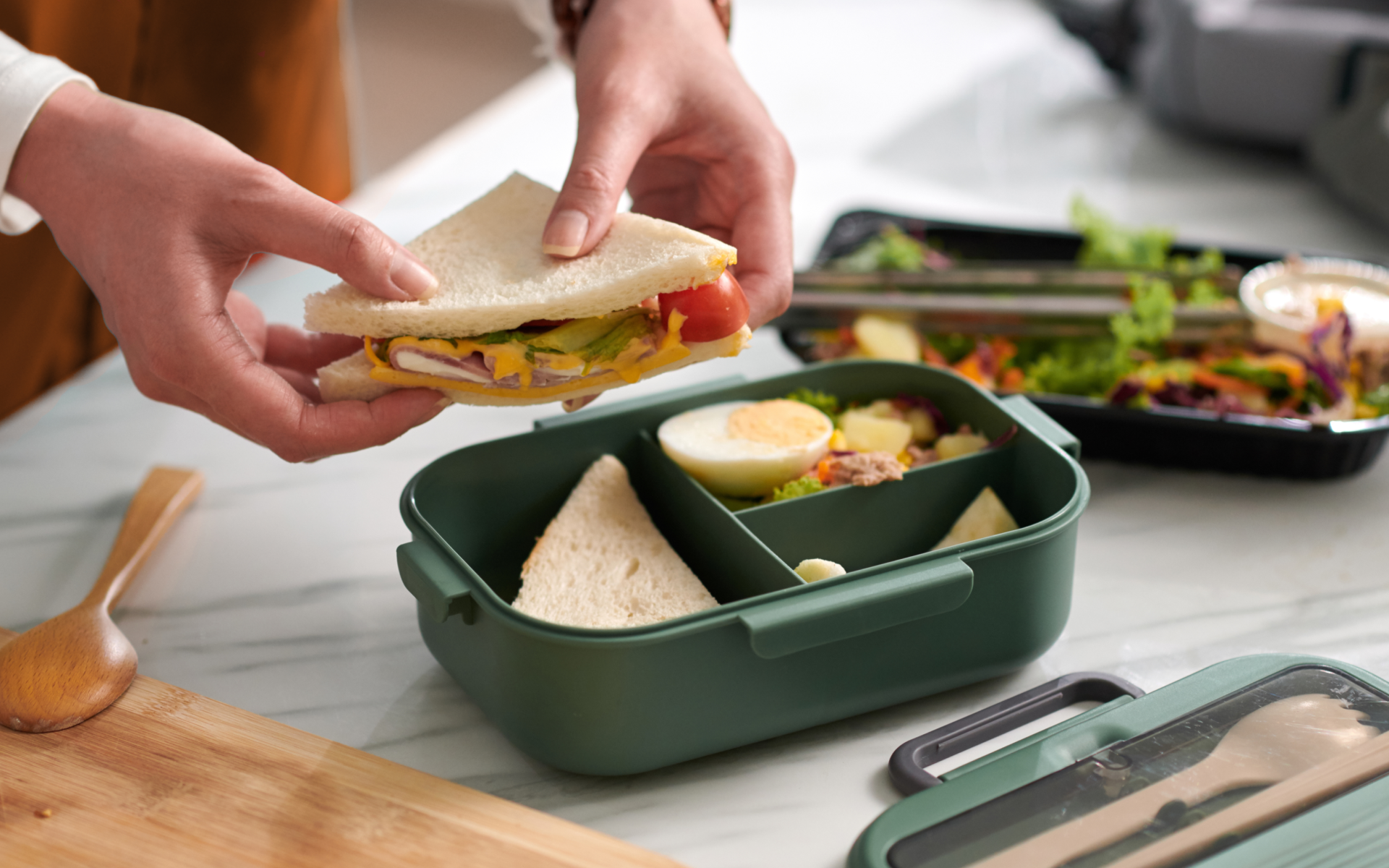
Getting proper amounts of protein helps support your efforts to burn fat, build muscle, and maintain energy. However, making fresh meals from scratch can be time-consuming and effort-intensive. That’s where the right high protein lunch box ideas can help.
With some planning, you can prepare tasty, healthy, and visually appealing lunch boxes for school, work, or weight loss. Here’s a refined list of some of the easiest ideas to prepare throughout the week that will help you meet your macro and protein goals.
What Are Some High Protein Lunch Box Ideas?
Proteins can come from various sources, including eggs, meat, dairy products, whole grains, and soy. High protein lunch box ideas often combine protein-rich foods with balanced ingredients.
For example, pair one solid, high protein item, such as turkey, eggs, tuna, or lentils, with complex carbs and healthy fats.
Meals should always include fruits or vegetables for dietary fiber.
You can also add protein boosters like hummus, nut butter, cheese slices, or protein-rich dips or dressings for an extra boost. Each combination provides a different texture and taste. Below are some high protein lunch box ideas for work, school, or to help achieve your fitness goals.
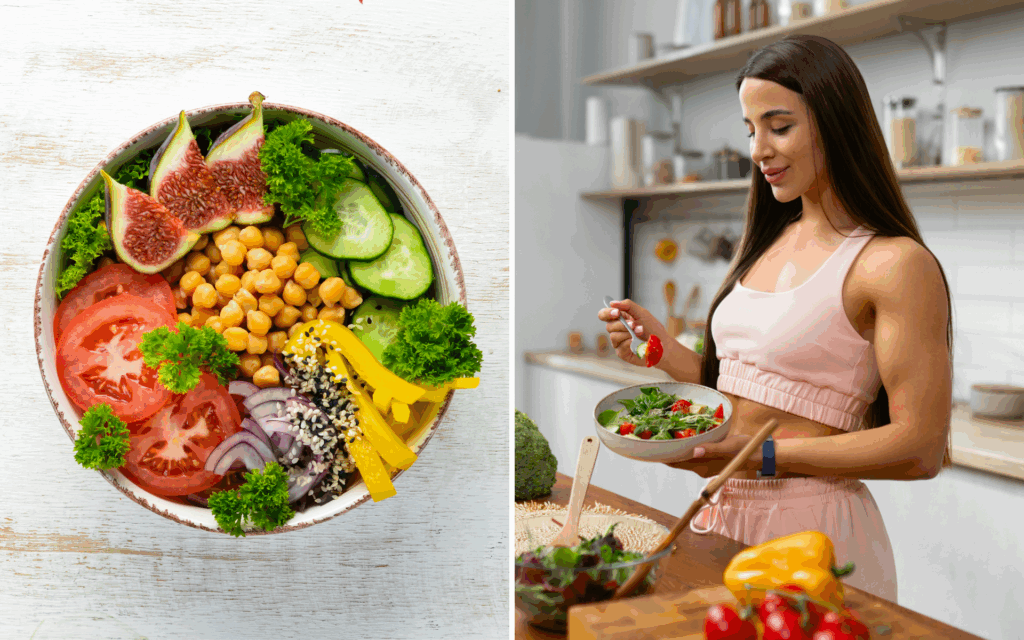
- Chicken Lettuce Wraps
Lettuce wraps add protein to your lunch by increasing your vegetable intake.
When you don’t want to spend too much time in the kitchen, lettuce wraps create a filling, low-carb meal perfect for midday. You can customize the dish to your liking and swap any ingredients to accommodate allergies.
Protein: 8.5 g per wrap, recipe makes 6
Ingredients:
- 8 oz ground boneless, skinless chicken thighs
- 1 tbsp soy sauce, reduced-sodium
- 1/4 cup dried shiitake mushrooms
- 1/4 cup chopped water chestnuts
- 1/4 tsp dark soy sauce
- 1 1/2 tsp sesame oil
- 2 chopped cloves garlic
- 2 tbsp diced scallions
- 6 large lettuce leaves
- white pepper, to taste
- 1/2 tsp oyster sauce
- 1 tbsp rice wine
- 1/2 tsp sugar
Directions
- Chop the dried mushrooms and remove the stems. Then soak them in hot water for a couple of minutes or until the surface turns soft.
- Mix oyster sauce, soy sauce, rice wine, sesame oil, sugar, and pepper in a small bowl.
- Season the chicken with the sauce, chestnuts, and mushrooms. Let the meat sit in the sauce for 15-20 minutes.
- Add garlic to a pan and cook for a few seconds, or until it becomes fragrant.
- Add the chicken and stir-fry for 4-5 minutes.
- Garnish each lettuce leaf with cooked chicken and diced scallions.
- Wrap the mixture and place it in the lunchbox.
Recipe courtesy of Skinny Taste.
The BetterMe: Health Coaching app will provide you with a host of fat-frying fitness routines that’ll scare the extra pounds away and turn your body into a masterpiece! Get your life moving in the right direction with BetterMe!
- Salmon Egg Salad
This salad is a complete source of protein and low in saturated fat.
It is one of those high protein lunch box ideas for weight loss.
The salad provides all essential amino acids alongside a balanced mix of nutrients, including potassium and vitamins D, E, and A.
Studies suggest that consuming two portions of salmon per week can significantly raise vitamin D status and reduce triglycerides (1).
Protein: 22 g per serving, recipe makes 6 servings
Ingredients
- 6 hard-boiled eggs
- 1/2 cup chopped onion
- 1/2 cup mayonnaise
- 1/2 chopped cucumber
- 1/2 teaspoon dried tarragon
- 1 1/2 teaspoons Dijon mustard
- 14 ounces of flaked, canned salmon
- 1/8 teaspoon black pepper
- 1/4 teaspoon paprika
- 2 lettuce leaves
- 4 tomato slices
- Parsley for garnish
- Salt and pepper to taste
Directions
- Add all the ingredients to a bowl.
- Mix it with all the seasonings and Dijon mustard.
- Cover the mixture with a thin cloth and let it chill in the fridge for a while. The longer it marinates, the stronger the flavor will be.
- Place a few spoonfuls of the salad into the lunchbox.
- Serve the salad over some lettuce leaves and garnish with fresh parsley and tomato.
Recipe courtesy of Food.
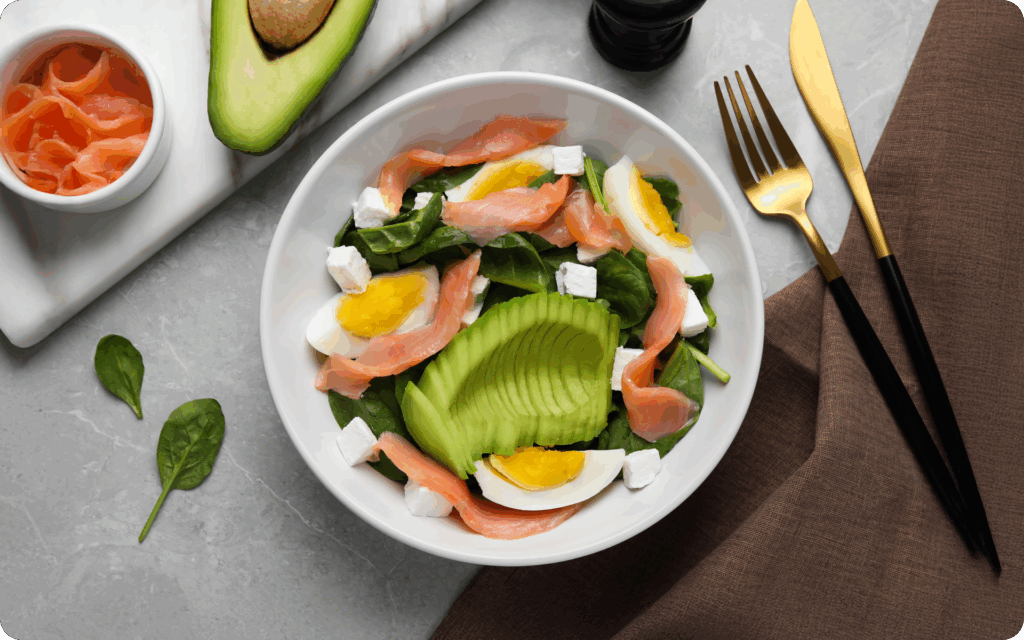
- Chickpea Salad Sandwich
Chickpeas make a simple salad that’s filling, delicious, and cheap.
Research has found that chickpeas are rich in protein, dietary fiber, and various vitamins and minerals. They may aid the digestive system and provide anti-inflammatory compounds (2).
Protein: 6 g per serving, recipe makes 4 servings
Ingredients
- 2 15-ounce cans of chickpeas (drained and rinsed)
- 1/4 cup chopped green onion
- 1/4 cup chopped celery
- 2 tablespoons lemon juice
- 2 tablespoons fresh dill
- 4 slices of bread
- mustard to taste
- 4 tomato slices
- 2 lettuce leaves
- A few sprouts
- 1/2 cup mayo
- salt to taste
Directions
- Pour the chickpeas into a bowl and mash until chunky.
- Mix in the mayo, lemon juice, dill, onion, and celery—season with some salt.
- Take a piece of bread, spread some mustard, and start layering. Add the tomato, lettuce, sprouts, and chickpeas.
- Add another slice of bread on top, and secure it with a toothpick.
- Place the sandwich in the lunchbox.
Recipe courtesy of Nora Cooks.

- Rotisserie Chicken Farro Bowl
If you have any leftover chicken or turkey, then this recipe is for you.
The fresh vegetables and hearty farro provide a chewy texture and a flavorful meal with quality protein and fiber. Fiber is highly beneficial to the digestive tract and can prevent constipation.
Protein: 27 g per serving, recipe makes 2 servings
Ingredients
- 1 (10 ounces) Mediterranean-style salad kit
- 1 (8.5 ounces) package of farro (microwaveable)
- 1 cup rotisserie chicken, chopped
Directions
- Cook the farro in the microwave according to the package instructions. The farro is ready when it is chewy and tender.
- Add the whole package of Mediterranean-style salad kit to a large bowl.
- You can also create your kit with a handful of ingredients, including romaine lettuce, shredded broccoli, radicchio, celery, dried tomatoes, roasted chickpeas, and feta cheese.
- Add the chicken and mix well.
- Transfer the salad to a lunchbox.
Recipe courtesy of Eating Well.
BetterMe is your fast-track ticket to long-lasting weight loss! Tailor your fitness journey and maximize your results with just a couple of swipes!
- Hummus Tortillas
If you’re looking for high protein lunch box ideas for school, this meal can help you create a feast. You arrange nutritious and balanced ingredients that provide a hefty dose of nutrients. This versatile recipe adds variety to your lunch and lots of flavor.
Protein: 7 g per serving, recipe makes 1 serving
Ingredients
- 1/4 cup hummus
- A handful of spinach
- Extra virgin olive oil
- One 8-inch whole-grain tortilla
- A handful of sun-dried tomatoes
- Hot sauce to taste (optional)
Directions
- Spread a generous amount of hummus over your tortilla.
- Add all the fillings and fold the tortilla into the desired shape.
- Heat some olive oil in a pan and cook the tortilla until crisp.
- Brush each side of the folded tortilla with olive oil. Cook for 1-2 minutes, flip, and repeat.
- Transfer to a cutting board and let it rest.
- Cut in half and transfer to the lunch box. Serve with some extra hummus on the side.
Recipe courtesy of Cookie and Kate.
Read more: Low-Sodium Meal Prep Made Simple: Tips, Recipes, and Planning
How Much Protein Is Enough For Lunch?
Generally, every meal should contain about 30 grams of protein, and snacks should have around 15 grams.
A quality protein source for lunch can help boost muscle growth and keep muscles healthy.
Ideally, you should consume high-quality protein 3 times a day, in each meal, from a variety of sources to prevent muscle loss (3, 4).
However, protein goals can vary based on your fitness routine.
For example:
- If you’re trying to build muscle, you can eat around 30-40 grams more.
- If you want to shed the excess pounds and consume smaller meals throughout the day, 15-20 g of protein may be enough.
Various high protein lunchbox ideas can help you reach your goals.
To add protein to your lunch, you can use lean meats, fish, eggs, dairy (e.g., feta, cheddar, or cottage cheese), and plant-based products (e.g., chickpeas, lentils, tofu, or tempeh).

How To Add Protein To A Lunch Box?
To create high protein lunch box ideas for adults, these tips can help:
- Choose a base. Pick one solid protein source, such as grilled chicken, turkey slices, canned salmon, or chickpeas. These will serve as a base protein source.
- Add a side dish. Select ingredients that pack protein in small amounts.
You can use hummus with veggie sticks, hard-boiled eggs, cheese slices, or Greek yogurt.
- Include a protein booster. Sprinkle more protein with nuts (e.g., peanuts, cashews, and almonds), seeds (e.g., chia or pumpkin seeds), or nut butter with fruit slices or crackers.
- Serve with whole grains. Swap the white bread or white rice with whole wheat wraps, farro, quinoa, or high protein tortillas.
- Don’t forget the fruits and veggies for additional fiber and other nutrients.
If you’re curious about low-calorie lunch recipes, check out our earlier article.

What Is The Best Protein To Eat For Lunch?
The best protein to eat for lunch depends on your personal goals, taste, and preference.
Complex carbs and dietary fiber keep you fuller for longer, while fruits, veggies, nuts, and seeds create a lighter meal.
High protein lunch ideas for weight loss often pair a main protein with a protein-rich side, such as cheese, hummus, or nut butter. This combination can help you reach a protein goal of around 30g.
Here is a list of some of the best all-around proteins for lunch:
- Canned tuna or salmon
- Chicken breast
- Greek yogurt
- Eggs
- Tofu
- Lentils
- Chickpeas
- Cottage cheese
For more details about low-fat, high protein snacks, take a look at our prior publication.
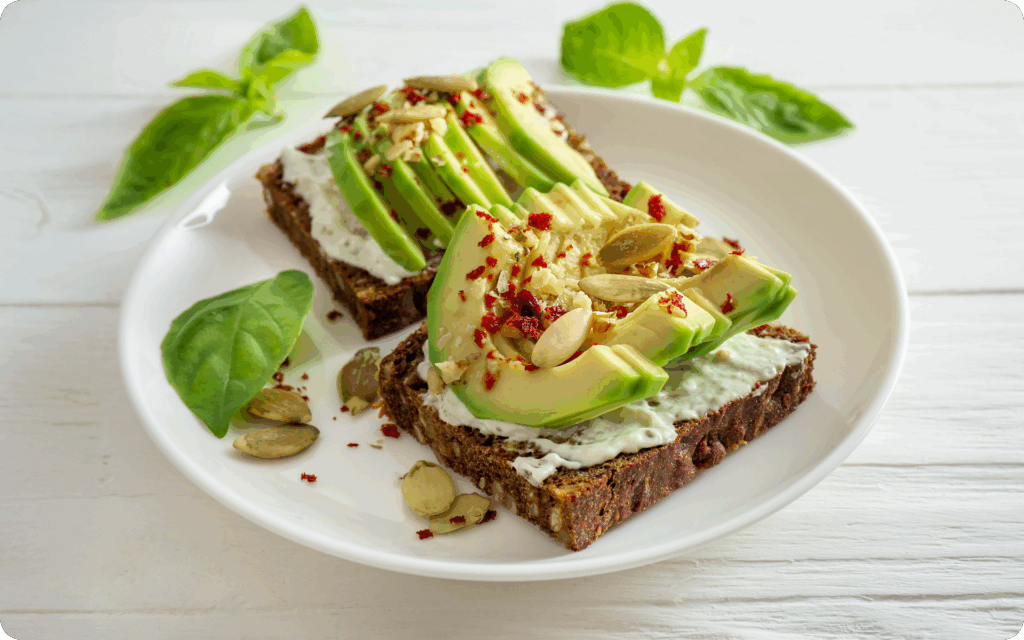
What Protein Can Be Eaten Cold?
Many proteins are delicious when cold and make perfect lunchbox items.
You can eat them straight from the fridge because they retain most of their flavor even when cold. In most cases, the longer you leave these protein sources to marinate in the refrigerator, the better the taste.
These cold protein sources include:
- Tofu
- Tempeh
- Cheese
- Hummus
- Boiled eggs
- Canned tuna
- Turkey slices
- Chickpea salad
- Rotisserie chicken
- Protein bars or shakes
Both animal and plant-based ingredients pair well with low-fat snacks high protein meals. You can tailor the ingredients based on your food tolerance and personal preference.
Read more: How to Build a Healthy Dinner Plate, According to Experts
What Is A Good Source Of Protein For Lunch Boxes?
A good source of protein for lunch boxes is easy to pack, doesn’t spoil quickly, and tastes great both cold and at room temperature.
You can count on some of these good food options to create high protein lunch box ideas:
- Animal sources: Proteins from animal sources, such as grilled chicken, boiled eggs, or canned salmon, are lean, versatile, and delicious when cold.
They supply the body with protein and keep you satiated for longer.
- Plant-based sources: Ingredients like roasted chickpeas and hummus can diversify your meals and help balance your nutrient intake. Leftover tofu is also tasty cold, and you can add it to a salad or wrap.
- Bonus combinations: Eating a good source of protein alone may not be enough to meet your macro goals. Instead, mix and match the ingredients to create a meal that meets your protein needs. For example, add chicken and hummus to a wholegrain wrap. Or include canned or leftover salmon and edamame in a salad together.
Our previous post goes into great detail about the lunch meal prep ideas for beginners.
What Vegetable Packs The Most Protein?
Vegetables like these contain a hefty dose of protein:
- Spinach (5.3 g)
- Artichoke hearts (4.8)
- Cooked collard greens (5.1 g)
- Green peas (8.6g) contain some of the highest amounts of protein per cup.
- Legumes, particularly edamame (18 g) and lentils (18 g)
You can add these ingredients to all your high-protein lunch box ideas and combine them with whole grains or complex carbs.
Feeling overwhelmed about recipes and ingredients?
The BetterMe fitness app can help you cook any recipe and tailor it to your fitness goals. The app can generate a customized meal based on dietary restrictions and preferences. So you can hit your macro goals every single time.
The recommended daily protein intake is about 0.8 g of protein per kilogram of a person’s body weight. This guideline can avoid a protein deficiency in sedentary adults. However, physically active adults or those who engage in strenuous activities often need to increase their protein intake higher than this, based on their fitness routine and lifestyle (5). Rice is not a high protein food, but it provides a decent amount of energy and some protein to complement other sources. In 1 cup of rice, you get about 4.3 g of protein. This amount contains far less protein than 1 cup of edamame (18 g) or lentils (18 g). However, rice is a practical side since it keeps you satiated. Pasta has moderate protein. One cup of spaghetti contains 7.2 g of protein. If you want more protein for your lunch prep ideas, add vegetables like collard greens, spinach, artichokes, and green peas. They are both rich in protein and pair well with a variety of pasta dishes. No. One avocado has about 4 g of protein, which is usually not enough to hit your macro goals. Avocado is an excellent source of healthy fats, fiber, folate, and potassium, among other nutrients. Frequently Asked Questions
How much protein a day?
Is rice high in protein?
Is pasta high in protein?
Is avocado high in protein?
The Bottom Line
Lunch boxes can be a great source of protein with the right ingredient combinations.
Ideally, meals should follow a simple formula: protein, fiber, healthy fats, and complex carbohydrates. The goal is to build balanced and satisfying lunches.
DISCLAIMER:
This article is intended for general informational purposes only and does not serve to address individual circumstances. It is not a substitute for professional advice or help and should not be relied on for making any kind of decision-making. Any action taken as a direct or indirect result of the information in this article is entirely at your own risk and is your sole responsibility.
BetterMe, its content staff, and its medical advisors accept no responsibility for inaccuracies, errors, misstatements, inconsistencies, or omissions and specifically disclaim any liability, loss or risk, personal, professional or otherwise, which may be incurred as a consequence, directly or indirectly, of the use and/or application of any content.
You should always seek the advice of your physician or other qualified health provider with any questions you may have regarding a medical condition or your specific situation. Never disregard professional medical advice or delay seeking it because of BetterMe content. If you suspect or think you may have a medical emergency, call your doctor.
SOURCES:
- The nutritional and cardiovascular health benefits of rapeseed oil-fed farmed salmon in humans are not decreased compared with those of traditionally farmed salmon: a randomized controlled trial (2021, nih.gov)
- Nutritional composition, health benefits and bio-active compounds of chickpea (Cicer arietinum L.) (2023, nih.gov)
- Consuming 30 Grams of High-Quality Protein at Breakfast, Lunch, and Dinner Does Not Protect Against Loss of Fat-Free Mass During Weight Loss in Women (2020, nih.gov)
- Protein for Life: Review of Optimal Protein Intake, Sustainable Dietary Sources and the Effect on Appetite in Ageing Adults (2018, nih.gov)
- How much protein do you need every day? (2023, Harvard.edu)