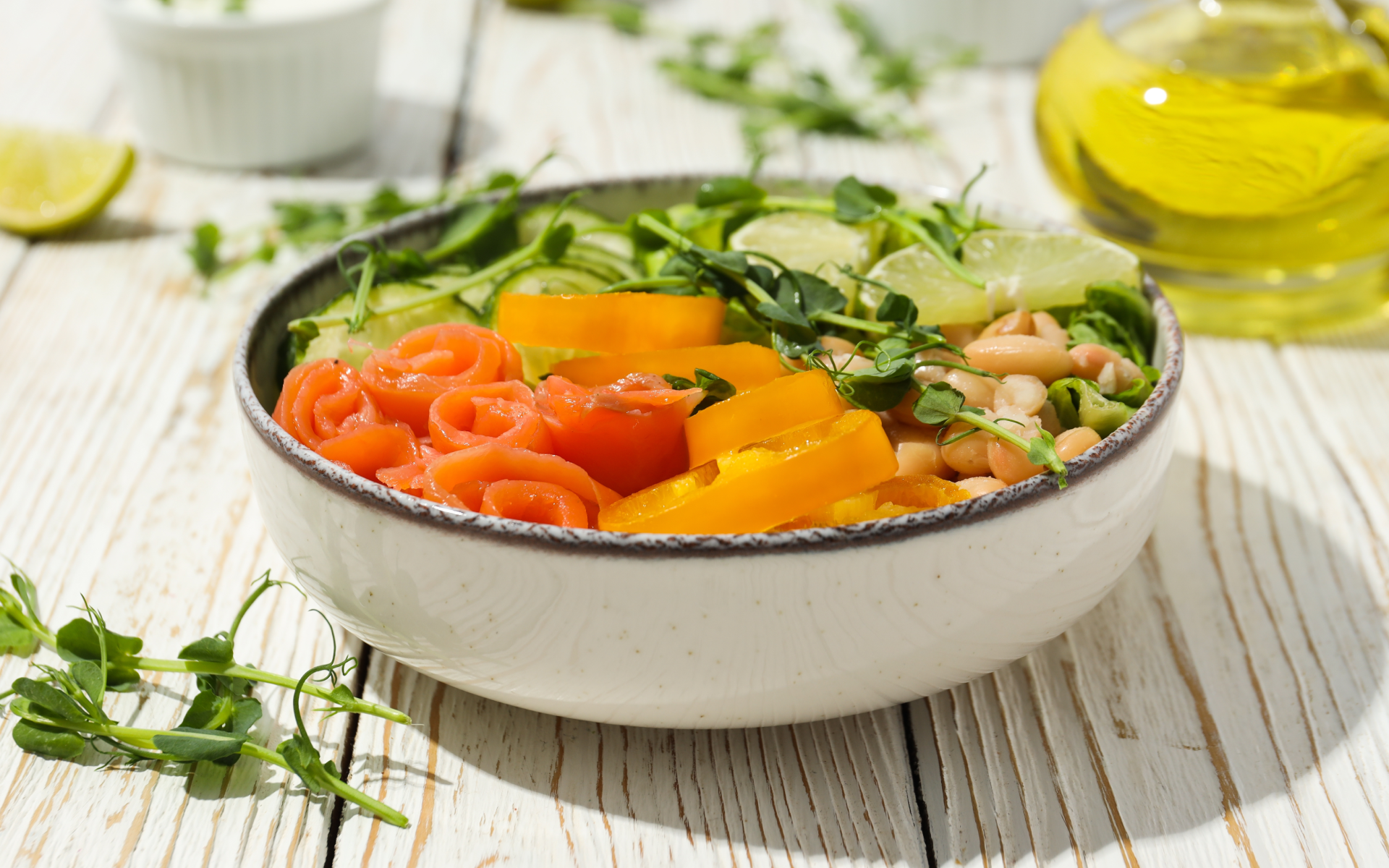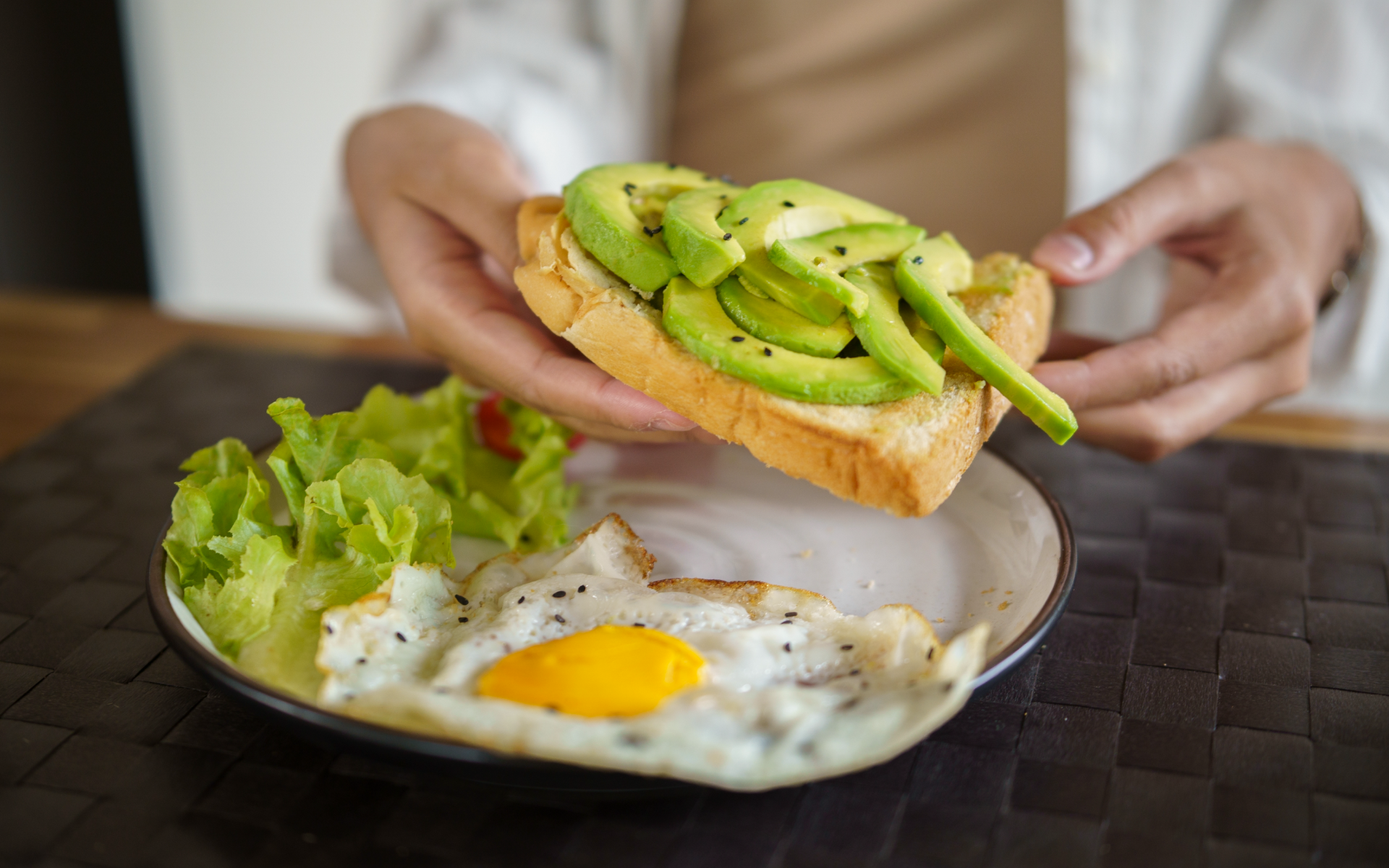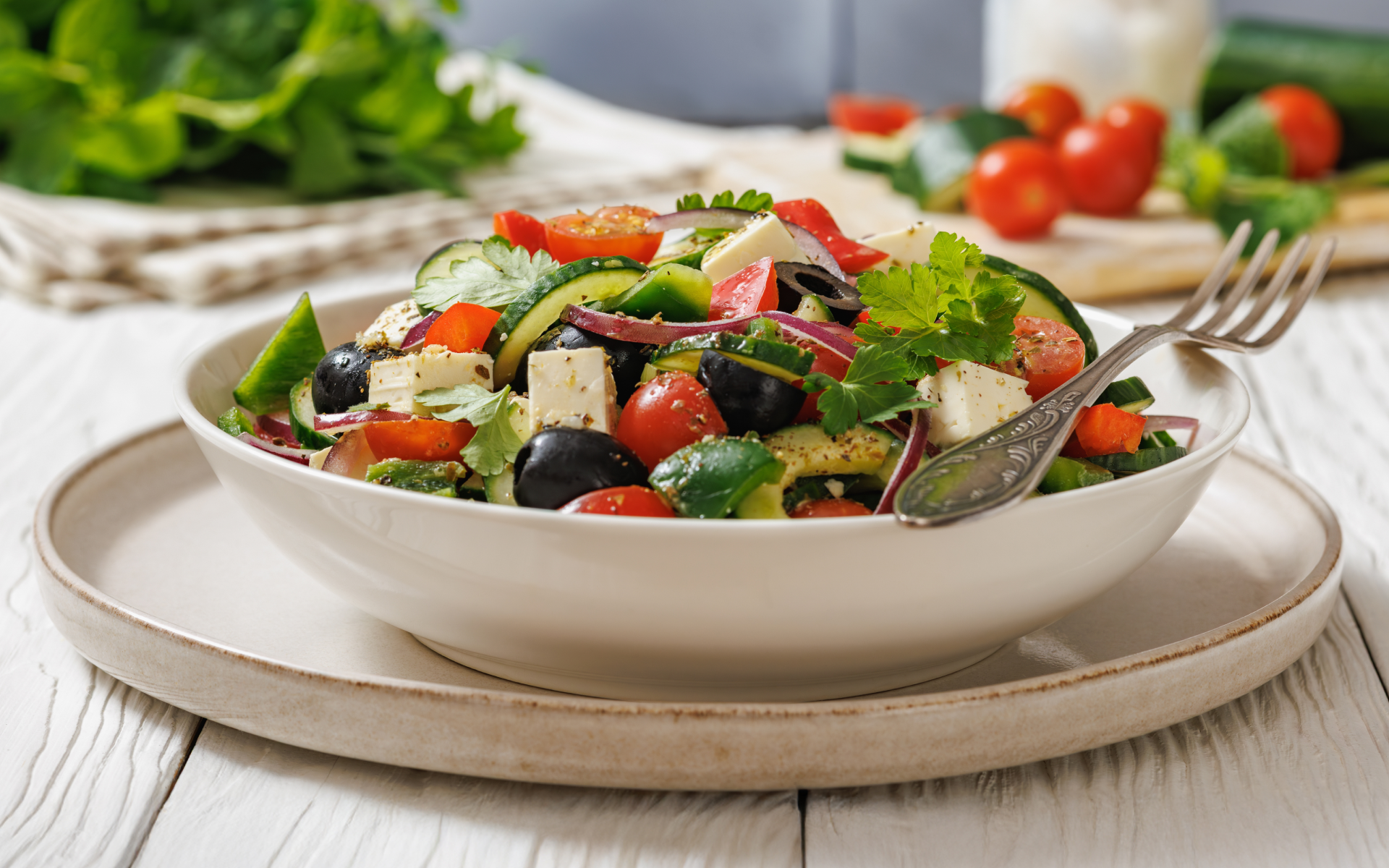

In a world where nutrition information seems to focus mainly on women’s health, we want to address an equally important and sometimes underestimated topic: healthy eating for men over 40. While the basic principles of a balanced and healthy diet are universal, the nutritional needs and the specific challenges men face at this stage of life deserve careful attention.
So, if you’re over 40, congratulations on taking the first step: seeking information. This blog is designed specifically for you, to demystify some preconceived notions and to offer you a clearer guide on how to build a healthy and sustainable long-term diet.
Is It Too Late to Start Eating Healthily at 40?
The answer is a firm no. While it’s true that the biological clock keeps ticking and metabolism could undergo changes with passing years, the idea that the door to healthy eating closes after 40 is a myth we must dispel (1).
The human body has the capacity to adapt and respond positively to changes, regardless of age. Adopting healthy eating habits at 40 isn’t simply a passing trend, it’s an investment in quality of life, longevity, and overall well-being (2).
Despite metabolic changes that might occur with the passing years, we could take control of our health and regain momentum, optimizing our nutrition to feel better and live longer with vitality. For more information on weight loss plans for men, you can check out our blog post.
In this article, we’ll explore strategies, key foods, and practical tips that will help you start your journey toward healthy eating. Remember: it’s never too late to start taking care of yourself and to enjoy a full and healthy life.
Is It Harder to Lose Weight at 40?
As we previously mentioned, while it’s true that the body undergoes changes that could influence weight control after the age of 40, this doesn’t mean it’s impossible to lose weight after 40.
First, it’s important to understand that basal metabolic rate tends to decrease with age. This means that the body burns fewer calories at rest than when it was younger. If it’s not offset by adjustments in the diet and the level of physical activity, this decrease could lead to a gradual weight gain, even while maintaining the same eating habits as before. This metabolic slowdown is partly related to the loss of lean muscle mass, which is more metabolically active than fat (1).
It’s also important to consider hormonal changes. In men, levels of testosterone, a hormone that’s important for maintaining muscle mass, start to decline gradually from around the age of 30, which influences muscle mass and metabolism (3).
However, the good news is that there’s a lot you can do! And the knowledge of these factors is the first step toward taking control of the situation. With a mindful focus on a balanced diet that’s rich in protein and other nutrients, and portion control, combined with strength training, it’s perfectly possible to lose weight and maintain good health at 40 and beyond. Keep reading to learn more about healthy eating to take care of your health and maintain your weight after 40.
BetterMe: Health Coaching app helps you achieve your body goals with ease and efficiency by helping to choose proper meal plans and effective workouts. Start using our app and you will see good results in a short time.
How Much Food Should a 40-Year-Old Man Eat?
The amount of food a 40-year-old man should eat depends on a wide variety of factors – there’s no one-size-fits-all. Thinking about how much food is less important than thinking about what food and how it fits your individual needs.
Rather than focusing on specific quantities, we’re going to break down the key elements that influence your nutritional needs and how you could adjust them to optimize your health after 40:
- Physical Activity Level: This is perhaps the most important factor. A 40-year-old man who has an active job all day will need significantly more calories than a 40-year-old man with a sedentary office job. Do you exercise regularly? How often and what type of exercise? All of these activities influence your energy needs.
- Basal Metabolic Rate (BMR): This is the amount of energy your body needs to function at rest to maintain your vital functions. BMR varies between people due to factors such as genetics, body size and composition, and age. As you age, metabolism tends to decrease, which means you may need fewer calories to maintain the same weight (4).
- Body Composition: The amount of muscle mass you have plays a crucial role. As we previously mentioned, muscle burns more calories than fat, even at rest. Therefore, a 40-year-old man with more muscle mass will need more calories than one with less muscle mass, even if they weigh the same.
- General Health Status: Do you have any preexisting medical conditions? These conditions could affect your nutritional needs and require modifications to your diet. And at this point, we should emphasize the importance of consulting your healthcare provider and/or a registered dietitian to evaluate your individual needs, considering all the factors mentioned above.
In summary, when you’re thinking about the best diet for men in their 40s, and even the foundation for men over 50, it’s not just about calories.
Instead of “how much”, focus on “what”: The quality of the foods you consume is as important, if not more so, than the quantity. Below, we’ll explore more about what strategies to keep in mind to maintain a healthy weight and even lose belly fat after 40.
Read more: What Is the Best Intermittent Fasting Schedule for Men? A Practical Overview
What Should Men over 40 Eat to Lose Belly Fat?
Belly fat is a common concern. The good news is that, with a comprehensive approach that combines proper nutrition with healthy habits, it’s possible to combat this and improve quality of life.
An effective belly fat loss diet plan for males over 40 is based on understanding their nutritional needs. This means paying attention to:
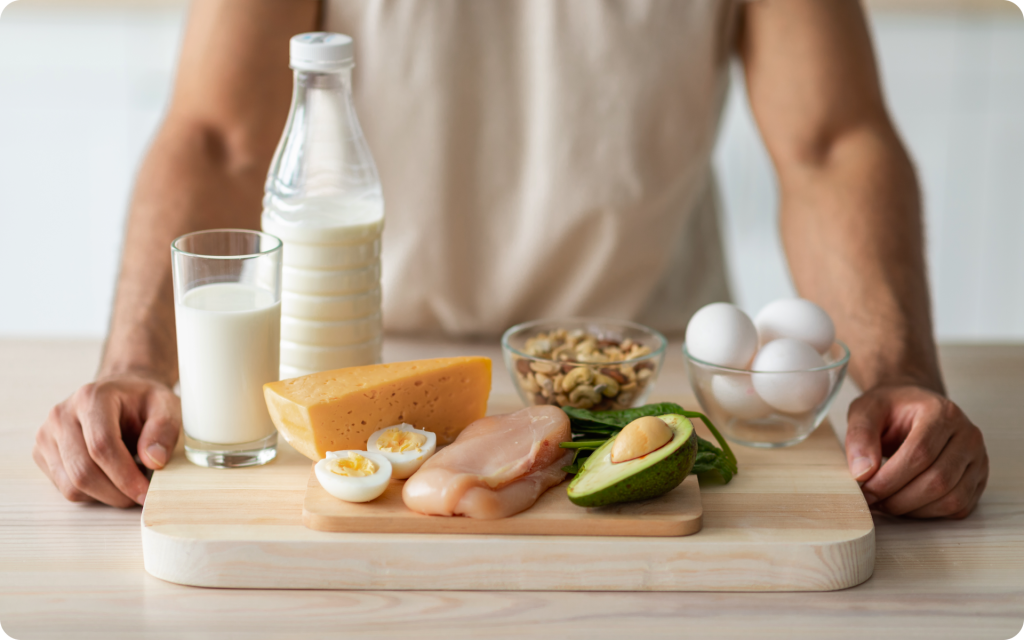
- Proteins: Essentials for maintaining muscle mass. Try to include lean sources such as skinless chicken, fish, eggs, legumes, tofu, and lean cuts of beef. Protein also helps maintain satiety, which contributes to reducing total caloric intake (5).
- Healthy Fats: Do not fear fats, just choose the right ones. The good fats, such as those found in avocados, olive oil, nuts (walnuts, almonds, etc.), and fatty fish (salmon, tuna, sardines), are essential. They also contribute to satiety and help regulate blood sugar levels (6). They are still calorie-dense, so appropriate portion sizes are key.
- Complex Carbohydrates and Fiber: Try to minimize refined carbohydrates (white bread, white pasta, added sugars) that raise blood sugar quickly and don’t make you feel full. Opt for complex, fiber-rich carbohydrates such as oats, quinoa, whole-wheat products, brown rice, sweet potato, and vegetables. Fiber will also help you feel fuller, regulate your blood sugar levels, and improve digestive health (6).
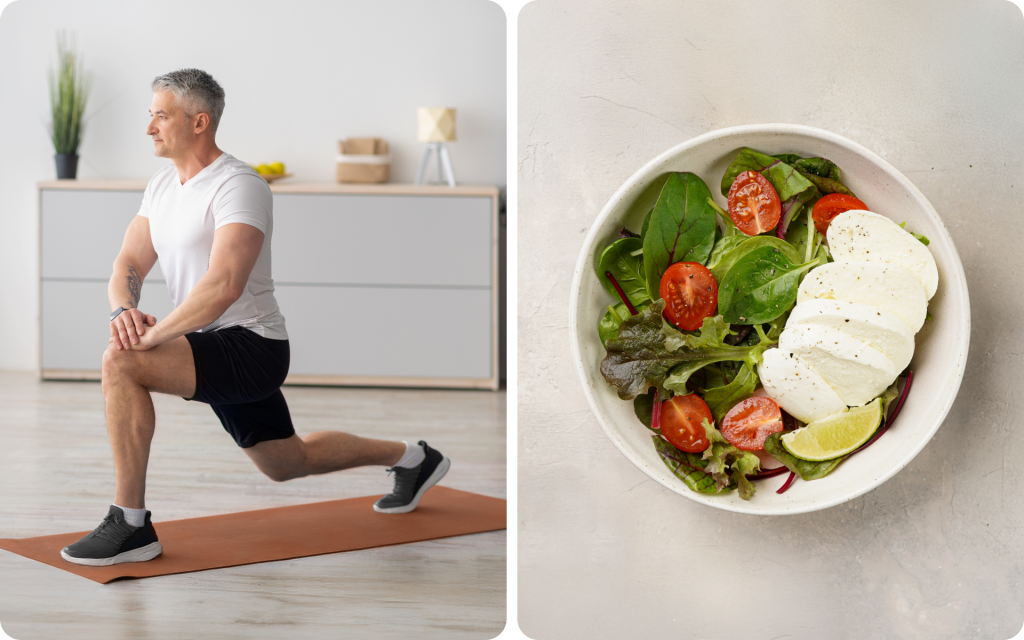
Beyond nutrients, certain dietary strategies could boost the effectiveness of your belly fat loss diet plan:
- Portion Control: You could use smaller plates and measure your food to ensure you’re not consuming more food than you need.
- Meal Planning: Plan your meals in advance. This will help you avoid impulsive decisions and ensure you’re consuming healthy and nutritious foods.
- Limit Alcohol and Sugary Drinks: These beverages are high in empty calories and can contribute to abdominal fat storage.
- Minimize Added Sugar and Ultra-Processed Foods: Ultra-processed foods tend to be high in calories, saturated fats, sodium, and added sugars, which doesn’t help with abdominal fat loss. Try to limit or avoid industrial pastries, fast food, and shelf-stable packaged meals(7).
And finally, remember that a belly fat loss diet plan is only part of the equation. For optimal results, it’s essential to combine it with a healthy lifestyle that includes regular exercise – both strength and cardio – hydration, stress management, and adequate rest.
What Is a Healthy Diet for Men over 40 to Lose Belly Fat?
As we’ve seen so far, the best diet for a 40-year-old man to lose weight isn’t a quick fix nor a restrictive plan, but a sustainable lifestyle change that focuses on balanced nutrition, regular exercise, and other healthy habits.
The focus should be on creating a nutrient-dense diet that satisfies you, provides you with energy, and helps you burn belly fat gradually and steadily. It involves making conscious decisions about the foods you eat and how you eat them.
Next, we’ll look at an example of a healthy 3-day meal plan for a 40-year-old man who’s looking to lose belly fat. Remember that this is only an example and you can adapt it to your preferences and needs. It’s helpful to consult a registered dietitian to get a personalized meal plan, particularly if you have specific dietary needs or preferences.
If you’re curious about losing weight after 40 male, check out our earlier article.
Day 1:
- Breakfast: Oats with berries and nuts, and one hard-boiled egg.
- Lunch: Grilled chicken breast with roasted sweet potato and steamed broccoli.
- Dinner: Baked salmon with asparagus and quinoa.
- Snacks: Greek yogurt with fruit, a handful of almonds.
The BetterMe: Health Coaching app will provide you with a host of fat-frying fitness routines that’ll scare the extra pounds away and turn your body into a masterpiece! Get your life moving in the right direction with BetterMe!
Day 2:
- Breakfast: Protein shake with spinach, banana, and almond milk.
- Lunch: Lentil soup with whole-grain bread.
- Dinner: Lean grilled beef with steamed broccoli and roasted sweet potato.
- Snacks: Apple with natural peanut butter.
Day 3:
- Breakfast: Vegetable omelet with peppers, onion, mushrooms, and low-fat cheese with whole-grain toast.
- Lunch: Tuna salad with lettuce, tomato, cucumber, brown rice, and light dressing.
- Dinner: Baked chicken with roasted Brussels sprouts and roasted potatoes.
- Snacks: A handful of mixed nuts and cottage cheese.

How Much Protein Should a 40-Year-Old Man Eat?
There isn’t a one-size-fits-all answer that works for every 40-year-old man. It depends a lot on your activity level, your weight, your overall health, and your goals.
To give you an idea, a general guideline for an active adult is about 0.8 grams of protein per kilogram of body weight. That’s per kilogram, not per pound. If you’re more used to pounds, you can convert your weight to kilograms by dividing it by 2.2 (8). So, for example, if you weigh 80 kilograms (about 176 pounds), that would be around 64 grams of protein per day (9).
However, if you’re training intensely, aiming to gain muscle mass, or if you simply want to feel fuller and better manage your weight, you may need a little more. Some experts recommend between 1.2 and 1.7 grams per kilogram for people who exercise regularly (10). Again, this is only a guide. The best approach is to listen to your body and see what works best for you, and to seek the guidance of a registered dietitian.
Beyond the numbers, what really matters is making sure you’re consistently including good protein sources in your diet. Think about how you can incorporate protein-rich foods into your daily meals. Here are some tips:
- Start the day with protein.
- Include protein in all your main meals.
- Smart snacks: Opt for protein-rich snacks, such as a handful of almonds, a hard-boiled egg, a piece of cheese, edamame, or Greek yogurt.
- Supplements: Protein shakes could be a practical option if you’re short on time or if you struggle to meet your daily protein needs from food alone. However, it’s important to remember they’re only a supplement, not a replacement for real food. Always prioritize whole foods!
- Vary your protein sources: This helps ensure you get a variety of nutrients and you don’t get tired of eating the same thing all the time.
- Read labels: Pay attention to how much protein the foods you buy at the supermarket contain per serving.
Read more: Weightlifting Program for Men over 60: A Practical Guide
How Much Water Should a 40-Year-Old Man Drink a Day?
There isn’t a single answer to this question that suits all 40-year-old men. It varies and depends on several factors. However, to give you a general reference, the common recommendation is around 3 to 3.7 liters of water per day for adult men (11). That’s roughly between 12 and 15 eight-ounce cups (about 240 ml). Remember, it’s just an estimate. Listen to your body. Individual factors, activity level, and your environment can all affect your fluid needs.
Here are some tips that could be useful to help you drink more water:
- Always have your bottle handy: If you have a refillable water bottle with you, you’re much more likely to drink more often.
- Make it a habit: Like brushing your teeth. Set reminders on your phone to remind you to drink water every hour. It will soon become natural.
- Flavor it (but without sugar): If plain water bores you, experiment. Add slices of lemon, cucumber, orange, some mint leaves, or berries.
- Eat your fluids: Fruits and vegetables are excellent sources of hydration. Take advantage of seasonal fruits.
- Hydrate before, during, and after any physical activity.
- After coffee or alcohol: For every cup of coffee or glass of alcohol you consume, drink an extra glass of water.
- Don’t wait to be thirsty: Thirst is a sign that you’re already a bit dehydrated. Drink water throughout the day, even if you don’t feel thirsty.
- Make it social: Invite your friends or colleagues to join the “drink more water” challenge. It’s more fun with company!

As previously mentioned, while metabolism may slow slightly with age and hormonal changes could influence the distribution of body fat (particularly in the belly), it’s totally possible to lose belly fat after 40 with a strategic focus on nutrition, exercise, and stress management. Quickly isn’t always sustainable. Sustainable, healthy fat loss takes time and effort. However, you could speed things up safely with a balanced plan: meals that are rich in lean protein, fiber, and healthy fats, plus a regular routine of strength training and cardio. Don’t forget rest and stress management – they’re key to losing stomach fat. The amount of fat a man over 40 should eat depends a lot on the individual. It’s important to consult a health professional or a registered dietitian to get personalized recommendations based on your own needs. However, it’s generally recommended to focus on consuming healthy fats, such as those in olive oil, seeds, nuts, and fatty fish, and to limit saturated fats from animal products. There really isn’t a universal “hardest age”. While hormonal changes and age-related muscle loss could make things tougher, factors such as lifestyle, activity level, and preexisting health conditions play a crucial role. So rather than focusing on a “hardest” age, the key is to adapt your nutrition and your workout plan to your needs at any moment. With the right strategy and a bit of patience, you could achieve it at any age.Frequently Asked Questions
Can you lose belly fat after 40?
How can a man lose stomach fat quickly?
How much fat should a 40-year-old man eat?
What’s the hardest age to lose weight?
The Bottom Line
As you’ve read, staying healthy and fit from age 40 onward isn’t just possible, it’s essential. The body is adaptable and responds well to positive dietary changes. Don’t think of it as a “diet”, but as a long-term investment in your overall well-being.
We understand that weight loss could feel tougher as you age, due to slower metabolism and hormonal changes, but it’s absolutely doable. The key is to understand these changes and adjust your diet and activity level accordingly. Emphasize a balanced, protein-rich diet with nutrient-dense foods, plus strength training.
Health maintenance is an ongoing journey. With professional support when needed and patience, you can optimize health, energy, and body composition at any age, starting today!
DISCLAIMER:
This article is intended for general informational purposes only and does not serve to address individual circumstances. It is not a substitute for professional advice or help and should not be relied on for making any kind of decision-making. Any action taken as a direct or indirect result of the information in this article is entirely at your own risk and is your sole responsibility.
BetterMe, its content staff, and its medical advisors accept no responsibility for inaccuracies, errors, misstatements, inconsistencies, or omissions and specifically disclaim any liability, loss or risk, personal, professional or otherwise, which may be incurred as a consequence, directly or indirectly, of the use and/or application of any content.
You should always seek the advice of your physician or other qualified health provider with any questions you may have regarding a medical condition or your specific situation. Never disregard professional medical advice or delay seeking it because of BetterMe content. If you suspect or think you may have a medical emergency, call your doctor.
SOURCES:
- Metabolic changes in aging humans: current evidence and therapeutic strategies (2022, pmc.ncbi.nlm.nih.gov)
- The role of declining adaptive homeostasis in ageing (2017, pmc.ncbi.nlm.nih.gov)
- Hormonal and Metabolic Changes of Aging and the Influence of Lifestyle Modifications (2022, pmc.ncbi.nlm.nih.gov)
- TMB (Tasa Metabólica Basal) (2024, cleveland clinic.org)
- The role of protein in weight loss and maintenance (2015, pubmed.ncbi.nlm.nih.gov)
- Dietary Fat: Friend or Foe? (2019, pmc.ncbi.nlm.nih.gov)
- Ultra-processed food exposure and adverse health outcomes: umbrella review of epidemiological meta-analyses (2024, pubmed.ncbi.nlm.nih.gov)
- Pharmacy Calculations (2023, ncbi.nlm.nih.gov)
- Dietary protein intake and human health (2016, pubmed.ncbi.nlm.nih.gov)
- Dietary protein for athletes: from requirements to optimum adaptation (2011, pubmed.ncbi.nlm.nih.gov)
- Total water intake guidelines are sufficient for optimal hydration in United States adults (2023, pubmed.ncbi.nlm.nih.gov)