Many people believe that effective fat loss requires spending hours in the gym every day. This common misconception can be discouraging, making the goal of losing weight feel unattainable for those with busy schedules. The truth is, significant progress can be made in just 30 minutes a day, as long as that time is used wisely.
A well-structured, intense workout performed consistently can deliver remarkable results. This guide will provide a detailed framework for a sustainable fat loss workout plan that fits into just half an hour, proving that you don’t need to live in the gym to transform your body.
Which Type of Exercise Is Best for Losing Fat?
When it comes to fat loss, there isn’t a single “best” type of exercise. Instead, a balanced approach that combines different modalities creates the most effective and sustainable plan.
Each form of exercise plays a unique role in burning calories, building muscle, and improving overall metabolic health. Let’s explore how resistance training, cardio, and high-intensity interval training (HIIT) contribute to your goals.
Resistance Training
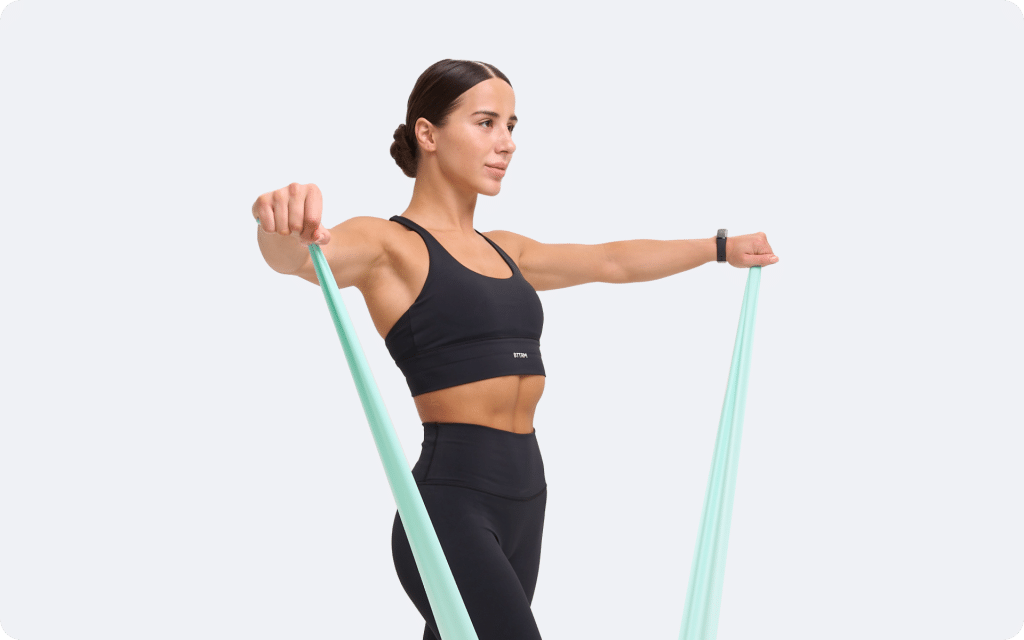
Resistance training, which includes lifting weights, using resistance bands, or performing bodyweight exercises, is crucial for long-term fat loss. While it may not burn as many calories as cardio during the workout, its primary benefit lies in building and preserving lean muscle mass (1).
Muscle tissue is metabolically active, which means it burns calories, even when you’re at rest. The more muscle you have, the higher your basal metabolic rate (BMR) will be. This elevated metabolism makes it easier to maintain a calorie deficit and lose fat over time (2).
A well-designed full-body fat loss workout plan using weights is an excellent strategy.
Cardiovascular Exercise
Cardiovascular exercise, or cardio, includes any activity that raises your heart rate for a sustained period. This can be anything from running and cycling to swimming and brisk walking.
Cardio is highly effective for burning calories during the activity. It improves heart health, enhances endurance, and can be a great tool for creating the immediate energy deficit needed for fat loss (3, 4).
Cardio comes in different intensities, such as low-intensity steady-state (LISS) and moderate-intensity steady-state (MISS), each offering distinct benefits for recovery and overall fitness.
- LISS (low-intensity steady-state): Cardio performed at a consistent, easy pace that allows you to maintain a conversation – for example, brisk walking or gentle cycling.
- MISS (moderate-intensity steady-state): Cardio done at a pace that noticeably raises your heart rate but still feels sustainable, such as jogging or steady-state rowing.
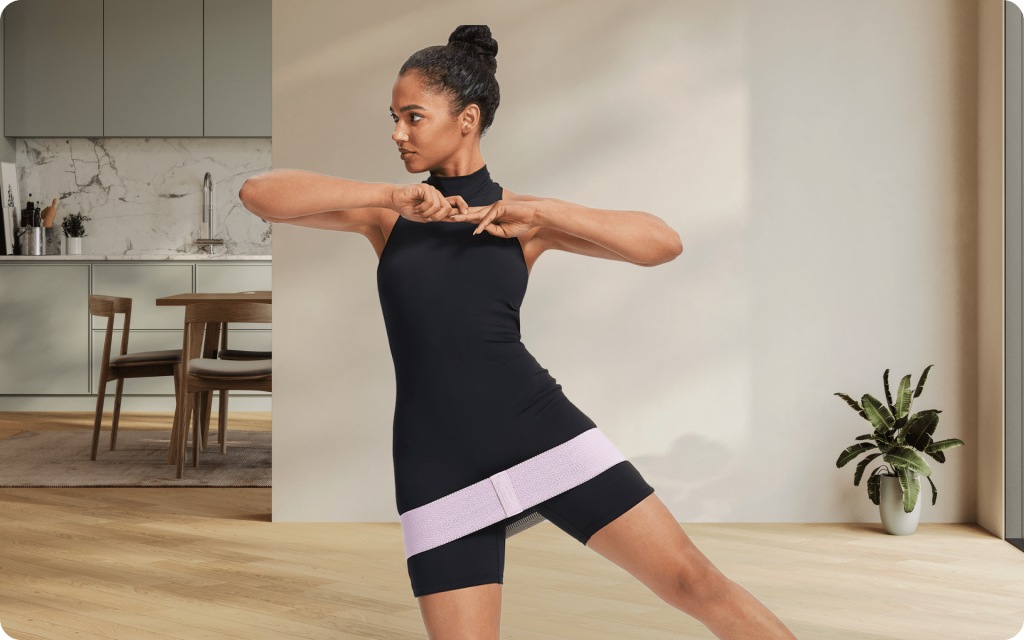
High-Intensity Interval Training (HIIT)
High-intensity interval training (HIIT) involves short bursts of all-out effort followed by brief recovery periods. For example, a HIIT session might involve 30 seconds of sprinting followed by 30 seconds of walking, repeated for 15-20 minutes.
This method is incredibly time-efficient and burns a significant number of calories in a short amount of time. Furthermore, HIIT is known for its “afterburn” effect, formally called excess post-exercise oxygen consumption (EPOC). This means your metabolism remains elevated for several hours after the workout as your body works to recover, leading to additional calorie expenditure (5).
Reasons why BetterMe is a safe bet: a wide range of calorie-blasting workouts, finger-licking recipes, 24/7 support, challenges that’ll keep you on your best game, and that just scratches the surface! Start using our app and watch the magic happen.
Is a 30-Minute Workout Enough to Lose Fat?
Absolutely. A 30-minute workout is more than sufficient for fat loss when it’s structured correctly and performed with intensity and consistency. The key is to maximize the efficiency of your time. Thirty minutes of focused, challenging work several times a week will accumulate and lead to significant changes.
Here’s how different types of workouts can effectively fit into a 30-minute window:
- Full-Body Weight Training: With minimal rest between exercises, you can complete a comprehensive full-body routine. For example, performing 5-6 compound exercises for 3-4 sets each can easily be done in 30 minutes. This approach stimulates all major muscle groups, which makes it an efficient way to build muscle and burn calories (6).
- HIIT Session: HIIT is designed for short, intense sessions. A 5-minute warm-up, followed by 15-20 minutes of high-intensity intervals, and a 5-minute cool-down perfectly fits the 30-minute timeframe. This type of workout maximizes calorie burn and metabolic benefits (4).
- Cardio Session: A 30-minute session of moderate-intensity cardio, such as jogging or cycling, is an effective way to burn a few hundred calories. Even a brisk 30-minute walk (LISS cardio) contributes to your daily energy expenditure and is great for active recovery (7).
The cumulative effect of these sessions is what drives results. Five 30-minute workouts per week add up to 150 minutes of exercise, which is aligned with the general recommendation from health organizations for substantial health benefits (8).
What Is a Sustainable Fat Loss Workout Plan?
A sustainable plan is one you can stick to long-term. It should be effective, manageable, and enjoyable. This 5-day plan combines resistance training, HIIT, and LISS to create a balanced routine that promotes fat loss, builds muscle, and prevents burnout. This fat loss workout plan at home can be done with minimal equipment.
Program Notes
- Glossary:
- RIR (Reps in Reserve): How many more reps you could have done with good form at the end of a set. 0 RIR means you went to muscular failure.
- LISS (Low-Intensity Steady-State): Cardio performed at a low, consistent intensity. You should be able to hold a conversation.
- HIIT (High-Intensity Interval Training): Short bursts of maximum effort followed by rest.
- Equipment Needed: A pair of adjustable dumbbells, a rowing machine (ergometer), and a place to walk.
- Split Structure: 2 full-body resistance days, 2 HIIT cardio days, 1 LISS day, and 2 rest days.
- Rep and Set Schemes: For dumbbell workouts, aim for 3 sets of 10-15 reps. This range is excellent for hypertrophy (muscle growth) and muscular endurance, provided you take sets close to failure (around 1-2 RIR).
- Rest Schemes: Rest 60 seconds between sets for dumbbell workouts. During HIIT, the work-to-rest ratio is 1:1.
Weekly Workout Schedule
| Day | Workout type | Duration |
|---|---|---|
| Day 1 | Full-body dumbbell workout A | 30 minutes |
| Day 2 | HIIT rowing | 30 minutes |
| Day 3 | Rest | - |
| Day 4 | Full-body dumbbell workout B | 30 minutes |
| Day 5 | HIIT rowing | 30 minutes |
| Day 6 | LISS Walk, preferably outdoors | 30 minutes |
| Day 7 | Rest | - |
| Exercise | Sets | Reps | Rest |
|---|---|---|---|
| Goblet squat | 3 | 8-12 | 60s |
| Dumbbell bench press | 3 | 8-12 | 60s |
| Bent-over dumbbell row | 3 | 8-12 | 60s |
| Dumbbell overhead press | 3 | 8-12 | 60s |
| Dumbbell bicep curl | 3 | 8-12 | 60s |
| Dumbbell skull crusher | 3 | 8-12 | 60s |
| Exercise | Sets | Reps | Rest |
|---|---|---|---|
| Dumbbell Romanian deadlift | 3 | 8-12 | 60s |
| Dumbbell push-up | 3 | 8-12 | 60s |
| Single-arm dumbbell row | 3 | 8-12 per side | 60s |
| Dumbbell lateral raise | 3 | 8-12 | 60s |
| Dumbbell hammer curl | 3 | 8-12 | 60s |
| Dumbbell overhead tricep extension | 3 | 8-12 | 60s |
HIIT Rowing Sessions (Days 2 and 5)
- Warm-up: 5 minutes of easy rowing.
- HIIT Intervals: 10 rounds of:
- 60 seconds of all-out, maximum-effort rowing.
- 60 seconds of slow, recovery rowing.
- Cool-down: 5 minutes of easy rowing.
Total Workout Time: 30 minutes
Read more: Weight Loss and Muscle Gain Workout Plan for Total Beginners
Exercise Instructions
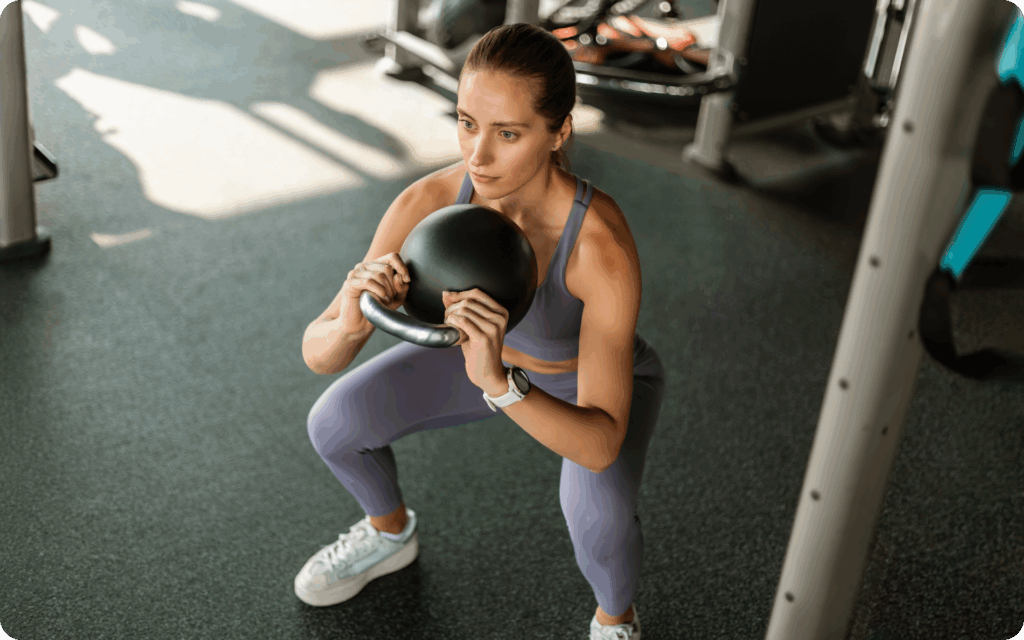
Goblet Squat
- Stand with your feet shoulder-width apart, your toes pointing slightly out.
- Hold one dumbbell vertically against your chest with both hands cupping the top head of the dumbbell.
- Keeping your chest up and back straight, lower your hips back and down as if sitting in a chair.
- Descend until your thighs are at least parallel to the floor.
- Drive through your heels to return to the starting position, squeezing your glutes at the top.
Dumbbell Bench Press
- Lie on a flat bench with a dumbbell in each hand, resting on your thighs.
- Kick the dumbbells up to your chest one at a time and position them at the sides of your chest, with your palms facing forward.
- Press the dumbbells upward until your arms are fully extended, but not locked out.
- Slowly lower the dumbbells back to the starting position.
Bent-Over Dumbbell Row
- Stand with your feet shoulder-width apart, holding a dumbbell in each hand with your palms facing your body.
- Hinge at your hips and lower your torso until it’s almost parallel to the floor. Keep your back straight.
- Pull the dumbbells up towards your rib cage, squeezing your back muscles.
- Slowly lower the weights back to the starting position.
Dumbbell Overhead Press
- Sit or stand with a dumbbell in each hand at shoulder height, your palms facing forward.
- Press the dumbbells overhead until your arms are fully extended.
- Slowly lower the dumbbells back to the starting position.
Whether you’re a workout beast or just a beginner making your first foray into the world of fitness and dieting – BetterMe has a lot to offer to both newbies and experts! Install the app and experience the versatility first-hand!
Dumbbell Bicep Curl
- Stand or sit, holding a dumbbell in each hand with an underhand grip (your palms facing forward).
- Keeping your elbows pinned to your sides, curl the weights up toward your shoulders.
- Squeeze your biceps at the top of the movement.
- Slowly lower the dumbbells back to the starting position.
Dumbbell Skull Crusher
- Lie on your back on a flat bench, holding a dumbbell in each hand directly above your chest with a neutral grip (your palms facing each other).
- Keeping your upper arms stationary, bend at the elbows to lower the dumbbells toward your head.
- Stop when the dumbbells are near your temples.
- Extend your arms to press the dumbbells back to the starting position, focusing on contracting the triceps.
Dumbbell Romanian Deadlift (RDL)
- Stand with your feet hip-width apart, holding a dumbbell in each hand in front of your thighs.
- Keeping your legs almost straight (a slight bend in the knees), hinge at your hips and lower the dumbbells toward the floor.
- Lower the weights until you feel a stretch in your hamstrings, keeping your back straight.
- Drive your hips forward to return to the starting position, squeezing your glutes.
Dumbbell Push-Up
- Place two dumbbells on the floor about shoulder-width apart.
- Assume a push-up position, gripping the handles of the dumbbells. Your body should form a straight line from your head to your heels.
- Lower your chest toward the floor by bending your elbows.
- Push back up to the starting position. This variation increases the range of motion.
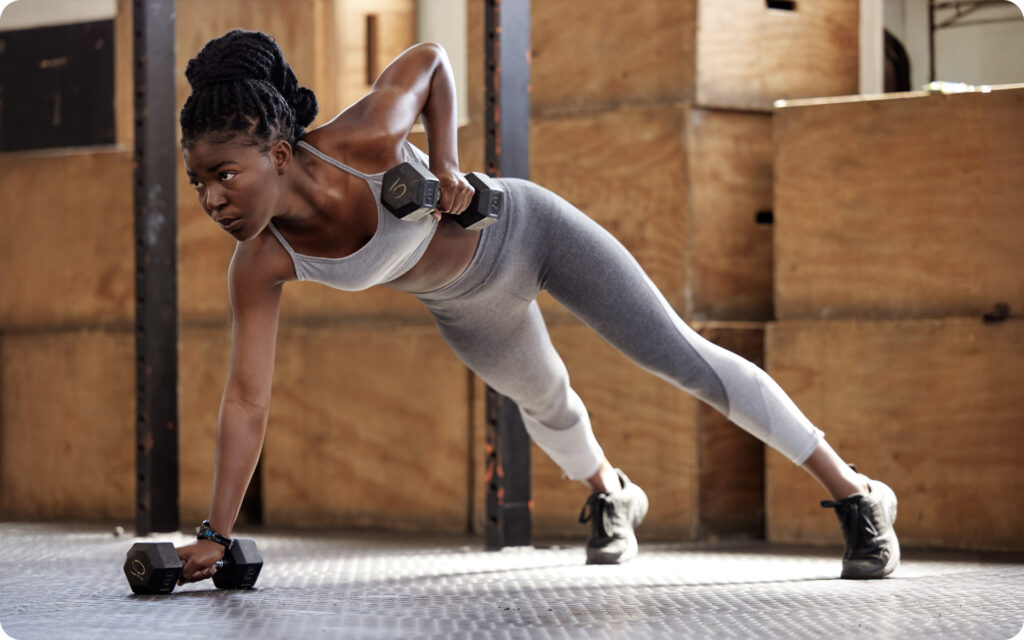
Single-Arm Dumbbell Row
- Place one knee and the same-side hand on a flat bench.
- Hold a dumbbell in the opposite hand with your arm extended.
- Pull the dumbbell up to your side, keeping your back straight and your core engaged.
- Slowly lower the dumbbell back to the starting position. Complete all reps on one side before switching.
Dumbbell Lateral Raise
- Stand with your feet shoulder-width apart, holding a dumbbell in each hand at your sides.
- With a slight bend in your elbows, raise your arms out to the sides until they’re parallel to the floor.
- Slowly lower the dumbbells back to your sides.
Dumbbell Hammer Curl
- Stand holding a dumbbell in each hand with a neutral grip (your palms facing each other).
- Keeping your upper arms stationary, curl the weights up toward your shoulders.
- Squeeze your biceps and forearms at the top.
- Slowly lower the dumbbells back to the starting position.
Dumbbell Overhead Tricep Extension
- Sit or stand, holding one dumbbell with both hands, gripping the head of the weight.
- Raise the dumbbell overhead so your arms are fully extended.
- Lower the dumbbell behind your head by bending at the elbows.
- Extend your arms to press the weight back to the starting position.
For those who are looking for more structured guidance, consider exploring a program like the 21-day fat loss challenge.
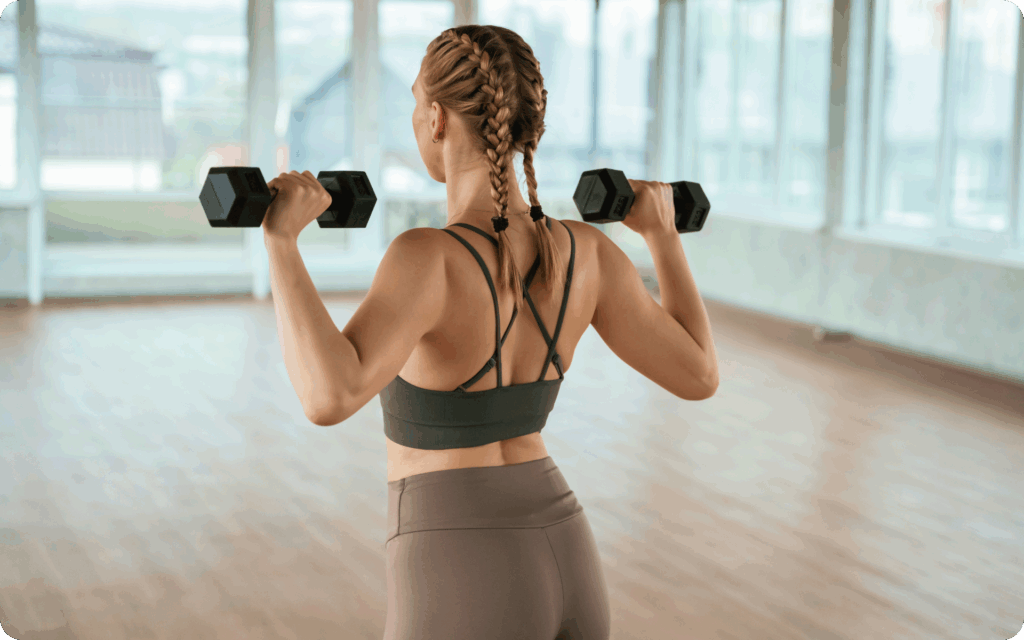
Which Workout Plan Is Best for Fat Loss?
There’s no single “best” workout plan for everyone. The optimal plan depends on individual factors such as fitness level, preferences, available equipment, and schedule. The most effective plan is the one you can adhere to consistently.
Whether you’re looking for a fat loss workout plan for females or a fat loss workout plan for men, the principles remain the same: consistency, progressive overload, and a supporting diet.
A workout plan is only one piece of the puzzle. To achieve fat loss, you must complement your exercise with proper nutrition. This primarily means creating a calorie deficit, which is consuming fewer calories than your body burns.
Creating a Calorie Deficit
- Calculate Your Maintenance Calories: Use an online calculator to estimate the number of calories you need to maintain your current weight. This is your starting point.
- Establish a Moderate Deficit: To lose fat sustainably, aim for a deficit of 300-500 calories per day. This typically results in a weight loss of about 0.5-1 pound per week (9). For example, if your maintenance is 2,500 calories, you would aim to consume 2,000-2,200 calories per day.
- Prioritize Protein: Aim to consume around 1.6-2.2 grams of protein per kilogram of body weight. Protein helps preserve muscle mass during a calorie deficit and increases satiety, which keeps you fuller for longer (10, 11).
- Focus on Whole Foods: Build your diet around nutrient-dense foods such as lean meats, fish, fruits, vegetables, and whole grains. These foods provide essential vitamins and minerals and are more filling than processed foods (12).
For men who are looking for specific dietary and exercise combinations, you can find more information about fat-burning exercises for men.
How Do I Drop 20 Pounds Fast?
Losing 20 pounds requires creating a significant and sustained calorie deficit. While the desire for fast results is understandable, the most effective strategies are those that are sustainable and promote long-term health. Here’s how to approach it methodically.
Create a Calorie Deficit Through Exercise
The workout plan outlined above is a great starting point. The combination of resistance training and HIIT will help you burn a significant number of calories and build metabolism-boosting muscle (13).
Consistency is key. Aim to complete all five workouts each week to maximize your calorie expenditure from exercise. These sessions provide effective fat-burning exercises at home.
Create a Calorie Deficit Through Diet
Diet is the most powerful lever for creating a calorie deficit. It’s generally easier to cut 500 calories from your diet than to burn 500 calories through exercise.
- Track Your Intake: Use an app to monitor your daily calorie and macronutrient intake. This provides the data you need to ensure you’re staying within your target range.
- Reduce Liquid Calories: Sodas, sugary juices, and specialty coffees can add hundreds of calories to your daily intake without providing much satiety. Replace them with water, black coffee, or unsweetened tea.
- Increase Fiber and Protein: Foods high in fiber (such as vegetables and whole grains) and protein are very filling (11, 14). Basing your meals around these nutrients will help you feel satisfied on fewer calories.
Ensure Consistency
Consistency is the most important factor for success.
- Schedule Your Workouts: Treat your workouts like appointments you can’t miss. Put them in your calendar.
- Meal Prep: Prepare your meals and snacks in advance. This makes it easier to stick to your calorie goals, especially on busy days.
- Be Patient: Sustainable fat loss takes time. Trust the process and focus on making consistent, healthy choices every day.
Read more: How A Healthy Meal Planning App Can Change The Way You Eat Forever
Can I Lose 20 Pounds in 30 Days with Exercise?
Losing 20 pounds in 30 days would require a daily calorie deficit of approximately 2,333 calories, which is extreme and not recommended. The Centers for Disease Control and Prevention (CDC) and other health authorities recommend a safe and sustainable rate of weight loss of 1-2 pounds per week (15). This equates to a monthly loss of 4-8 pounds.
Attempting to lose weight too quickly can lead to (16):
- Muscle Loss: Extreme calorie deficits can cause your body to break down muscle tissue for energy.
- Nutrient Deficiencies: It’s difficult to get all the nutrients your body needs on a very low-calorie diet.
- Metabolic Slowdown: Your body may adapt to a severe calorie restriction by slowing down your metabolism, which makes future weight loss harder.
- Unsustainability: Extreme diets are hard to maintain and often lead to a “rebound” effect where you regain the weight once you return to normal eating patterns.
Focus on a steady, sustainable pace. A loss of 1-2 pounds per week is excellent progress and far more likely to result in long-term success.
To learn more about how different exercise types impact calorie burn, you can read our detailed comparison of cardio versus fat burning.

Frequently Asked Questions
Which exercise burns only fat?
No exercise burns only fat. Your body uses a combination of carbohydrates and fat for fuel during any activity. The ratio depends on the intensity and duration of the exercise. Low-intensity exercise uses a higher percentage of fat for fuel, but high-intensity exercise burns more total calories, which can lead to greater overall fat loss when paired with a healthy, calorie-controlled diet.
Can walking 10,000 steps help you lose fat?
Yes, walking 10,000 steps a day can contribute to fat loss. It increases your daily calorie expenditure, which helps create the deficit needed to lose fat when combined with a calorie-controlled diet. It’s a great, low-impact way to increase your activity level (17).
How many calories does 10,000 steps burn?
The number of calories burned from walking 10,000 steps varies based on factors such as body weight, pace, and terrain. That being said, research measuring the energy costs of walking has shown that completing roughly 10,000 steps results in approximately 336 kilocalories of energy expenditure per day for adults who walk at a moderate pace (~4.2 km/hr) (18).
Which cardio burns the most belly fat?
You cannot spot-reduce fat from a specific area, such as the belly. When you lose fat, you lose it from all over your body (19). High-intensity forms of cardio, such as HIIT, are incredibly effective for overall fat loss as they burn a high number of calories in a short time and boost your metabolism post-workout. This overall fat reduction will eventually include fat from your belly area (5).
The Bottom Line
Achieving your fat loss goals doesn’t require you to spend endless hours at the gym. A well-designed, 30-minute workout plan is a powerful tool for transforming your physique when it’s performed with consistency and intensity. By combining resistance training, HIIT, and cardio, you can build a balanced and sustainable routine that burns calories, builds muscle, and fits into a busy lifestyle. Remember that exercise is just one part of the equation – pairing your workouts with a nutritious, calorie-controlled diet is essential for lasting success.
DISCLAIMER:
This article is intended for general informational purposes only and does not serve to address individual circumstances. It is not a substitute for professional advice or help and should not be relied on for making any kind of decision-making. Any action taken as a direct or indirect result of the information in this article is entirely at your own risk and is your sole responsibility.
BetterMe, its content staff, and its medical advisors accept no responsibility for inaccuracies, errors, misstatements, inconsistencies, or omissions and specifically disclaim any liability, loss or risk, personal, professional or otherwise, which may be incurred as a consequence, directly or indirectly, of the use and/or application of any content.
You should always seek the advice of your physician or other qualified health provider with any questions you may have regarding a medical condition or your specific situation. Never disregard professional medical advice or delay seeking it because of BetterMe content. If you suspect or think you may have a medical emergency, call your doctor.
SOURCES:
- Resistance exercise is medicine: Strength training in health promotion and rehabilitation (2015, researchgate.net)
- Increasing muscle mass to improve metabolism (2012, tandfonline.com)
- Cardiovascular exercise (2024, healthdirect.gov.au)
- Aerobic Exercise and Weight Loss in Adults (2024, jamanetwork.com)
- THE EFFECTIVENESS OF HIGH-INTENSITY INTERVAL TRAINING (HIIT) ON WEIGHT LOSS AND METABOLIC PARAMETERS: A SCOPING REVIEW (2025, researchgate.net)
- Full‐body resistance training promotes greater fat mass loss than a split‐body routine in well‐trained males: A randomized trial (2024, pmc.ncbi.nlm.nih.gov)
- Effects of Individualized Low-Intensity Exercise and Its Duration on Recovery Ability in Adults (2021, mdpi.com)
- American Heart Association Recommendations for Physical Activity in Adults and Kids (2024, heart.org)
- Clinical Guidelines on the Identification, Evaluation, and Treatment of Overweight and Obesity in Adults: The Evidence Report. (n.d., ncbi.nlm.nih.gov)
- Dose–response relationship between protein intake and muscle mass increase: a systematic review and meta-analysis of randomized controlled trials (2021, academic.oup.com)
- Protein, weight management, and satiety (2008, sciencedirect.com)
- Optimal Diet Strategies for Weight Loss and Weight Loss Maintenance (2020, pmc.ncbi.nlm.nih.gov)
- Effects of aerobic and/or resistance training on body mass and fat mass in overweight or obese adults (2011, journals.physiology.org)
- Benefits of Fiber-Enriched Foods on Satiety and Parameters of Human Well-Being in Adults with and without Cardiometabolic Risk (2023, mdpi.com)
- Steps for Losing Weight (2025, cdc.gov)
- Risks Associated With Excessive Weight Loss (2024, ncbi.nlm.nih.gov)
- Pattern of Daily Steps is Associated with Weight Loss: Secondary Analysis from the Step-Up Randomized Trial (2019, pmc.ncbi.nlm.nih.gov)
- Energy Expenditure through Walking: Meta Analysis on Gender and Age (2010, researchgate.net)
- Spot reduction: why targeting weight loss to a specific area is a myth (2023, sydney.edu.au)
 By
By 
 Reviewed by